Perm Polytechnic specialists have developed a new way to create digital models of rocks, which makes it possible to more accurately study their structure. This will help improve the efficiency of oil and gas production.
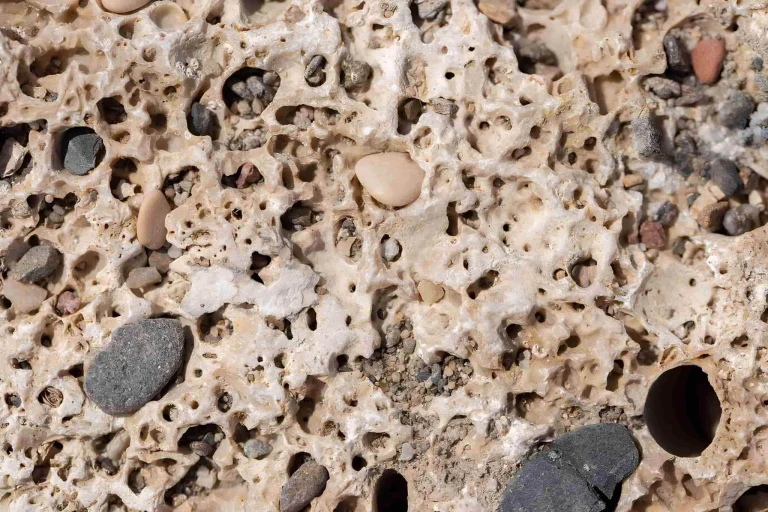
To successfully extract oil and gas, it is necessary to know in detail the properties of rocks, such as porosity, permeability and the presence of fractures. Traditional research methods, including X-ray tomography, face limitations: the tomograph cannot accurately detect small voids in core samples (cylindrical fragments of rock).
Scientists from Perm Polytechnic University have proposed a solution to this problem. They created a program in Python that generates digital models (phantoms) of rocks. These models simulate real samples, including small pores that cannot be studied using standard tomography.
“Our program allows you to control all parameters, such as rock density and pore sizes,” explains Yan Savitsky, engineer at the Department of Oil and Gas Geology at PNRPU. “This helps to more accurately interpret tomography data and improve porosity estimates.
During the study, scientists created 124 digital phantoms and compared them with real samples. The results showed high accuracy: the correlation coefficient between predicted and actual values was 0.751.
The new method will make it possible to more accurately study the properties of rocks, which will increase the efficiency of oil and gas production. The development also contributes to the development of domestic technologies for analyzing tomography data.
Source: naked-science.ru
Photo: freepik