Making a career in oil and gas is a dream for many students of specialized universities and young professionals. Some of them are about to graduate from oil universities or colleges, while others are thinking about changing their profession, even without having a specialized oil and gas education.
Let’s figure out how difficult it is to get a job in one of the oil and gas production companies, and what is needed for this.
The material was written based on the webinar “Careers in the Oil and Gas Industry” of the First Engineering School of NSU
Overview of the salary market in oil and gas
The oil and gas industry is one of the key ones for the Russian economy:
- provides 20% of the country’s GDP;
- generates a large amount of income from exports;
- is the main source of budget revenue.
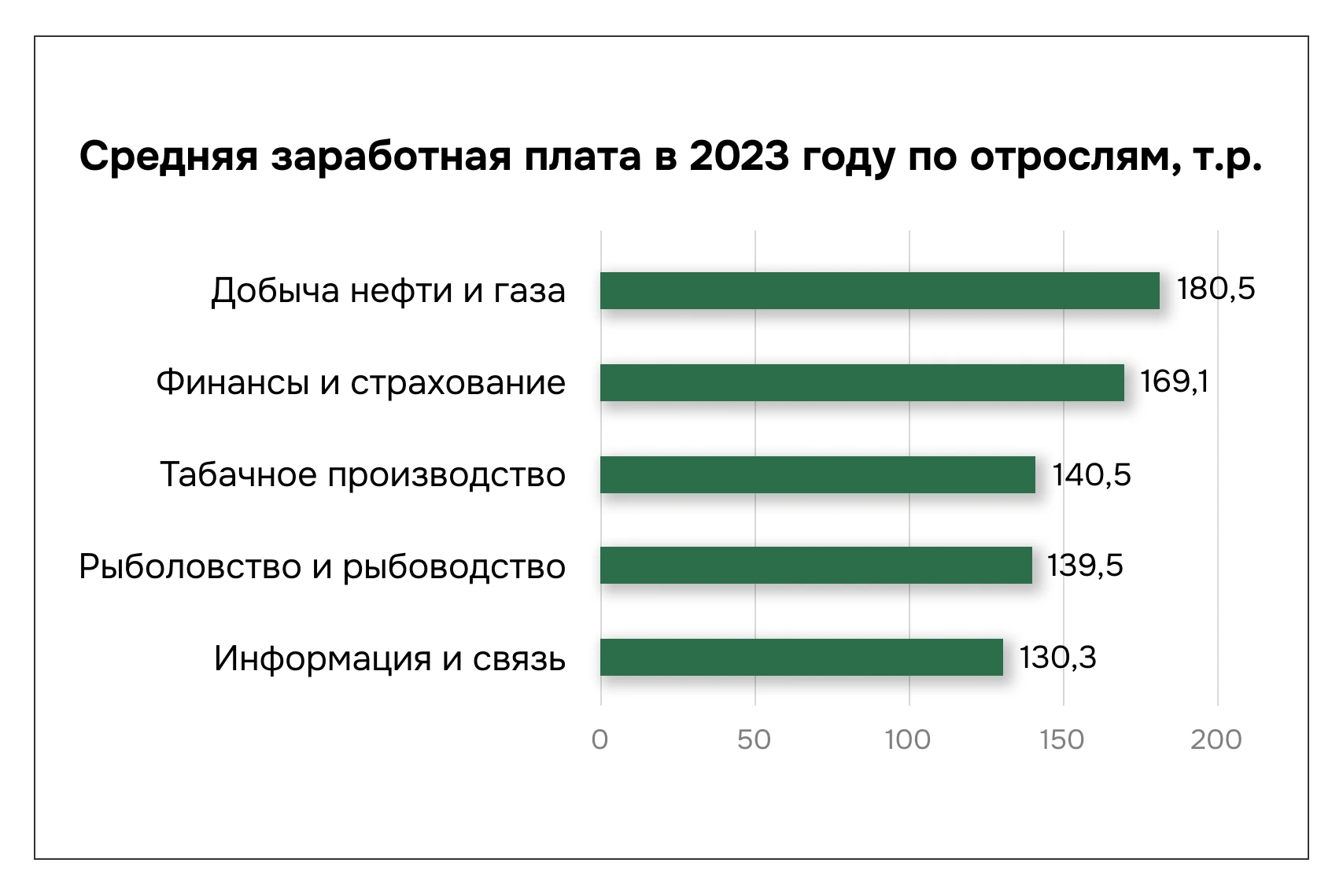
According to Rosstat for 2023, wages in the oil and gas industry are the highest in the country. It even bypassed the sphere of finance and insurance.
However, the industry is gradually becoming more complex, the conditions for the extraction of natural resources are changing, so in addition to the classic professions (engineers, drillers, petroleum geologists), oil and gas companies also need new specialists in working with large volumes of data, online monitoring, transmission and storage of information, and experts in environmental sustainability.
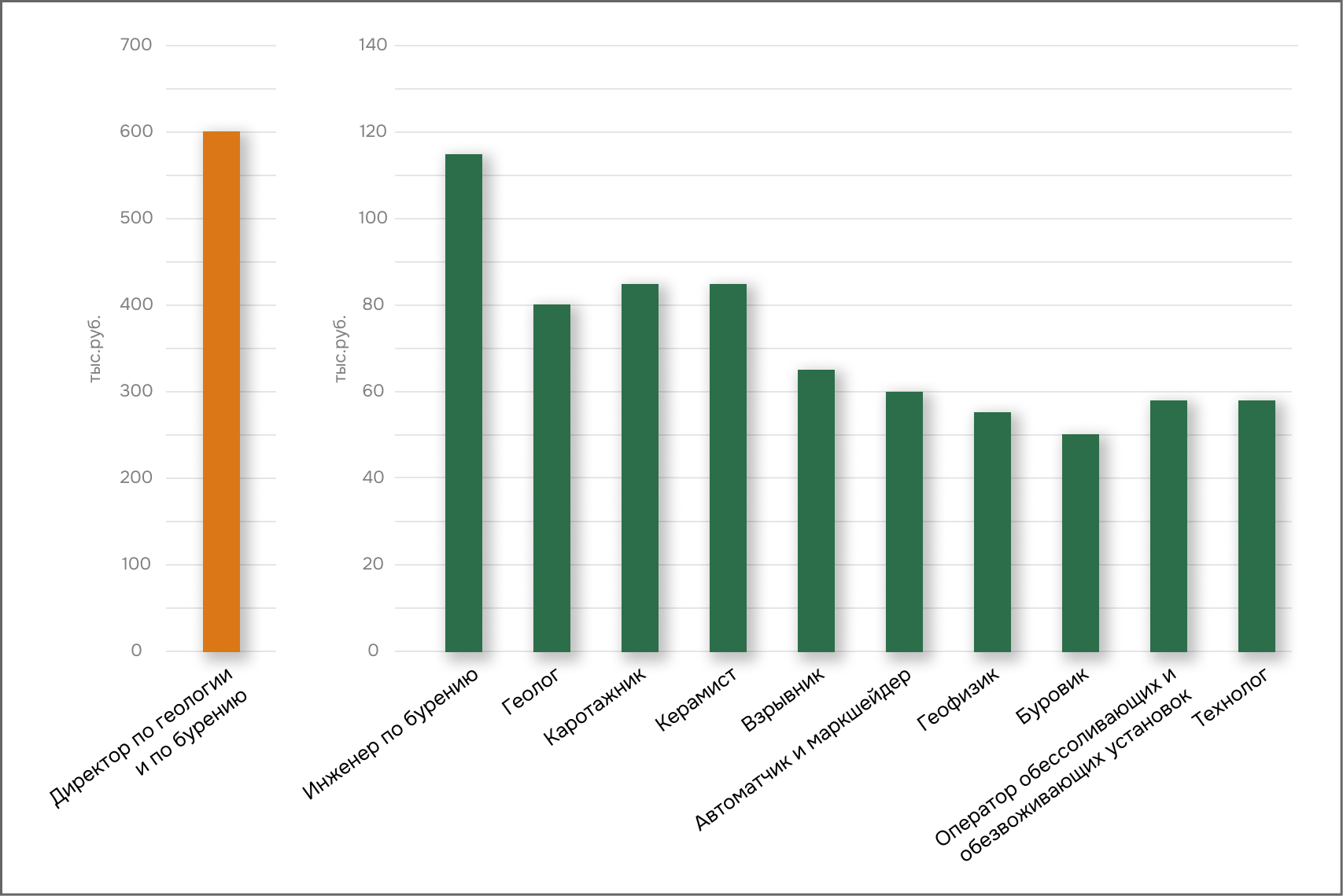
But finding a ready-made specialist who already has similar work experience is not easy. Therefore, companies are ready to hire senior graduates of specialized educational institutions for training and internships, as well as retrain specialists in related fields.
Skills that a specialist needs to join an oil and gas company
Depending on the chosen direction and specific specialization, the requirements for applicants will differ. But traditionally we can define Hard and Soft Skills, which every candidate must have.
Hard Skills
- In-depth knowledge of geology, engineering or chemistry.
Here we are talking about higher education, which does not have to be specialized. Rather, what is important is the list of disciplines and knowledge that the graduate received during his studies at the university.
- Ability to work with specialized software.
Educational institutions often teach how to work in outdated programs. However, enterprises need specialists who are familiar with modern software.
To gain the necessary knowledge, it is advisable for candidates to take training courses. If you learn to work in specialized software, it will increase your chance of finding a job.
- Experience working with large amounts of data.
Not every person is able to quickly process a huge flow of varied information. At the same time, you need to not only be able to analyze it, but also perform modeling and forecasting.
Soft Skills
- Communication skills for effective team interaction.
Oil and gas is a complex industry with many areas and a large multidisciplinary team. Without the ability to build communication, you will not be able to do your work efficiently and professionally.
- Critical thinking and ability to solve complex problems.
It is important not only to master various tools, but also to use them in your work, experiment and analyze the results. For example, breaking large tasks into smaller ones.
- Adaptability and willingness to learn new technologies.
Employee training within each company occurs continuously. This is due to the constant development of the industry and the introduction of new modern developments. You need to be prepared for this and be able to quickly assimilate the material received.
- Ability to work under multitasking and tight deadlines.
The oil and gas industry operates 24/7. And any downtime means huge financial losses. Therefore, in order to avoid possible risks, employees must solve assigned tasks in a short time, or better yet: here and now.
Where can you work in oil and gas and what to do?
Depending on the interests of the candidate, it is important at the start to decide on the direction in which you would like to work. Conventionally, these directions can be divided into three groups.
Service companies
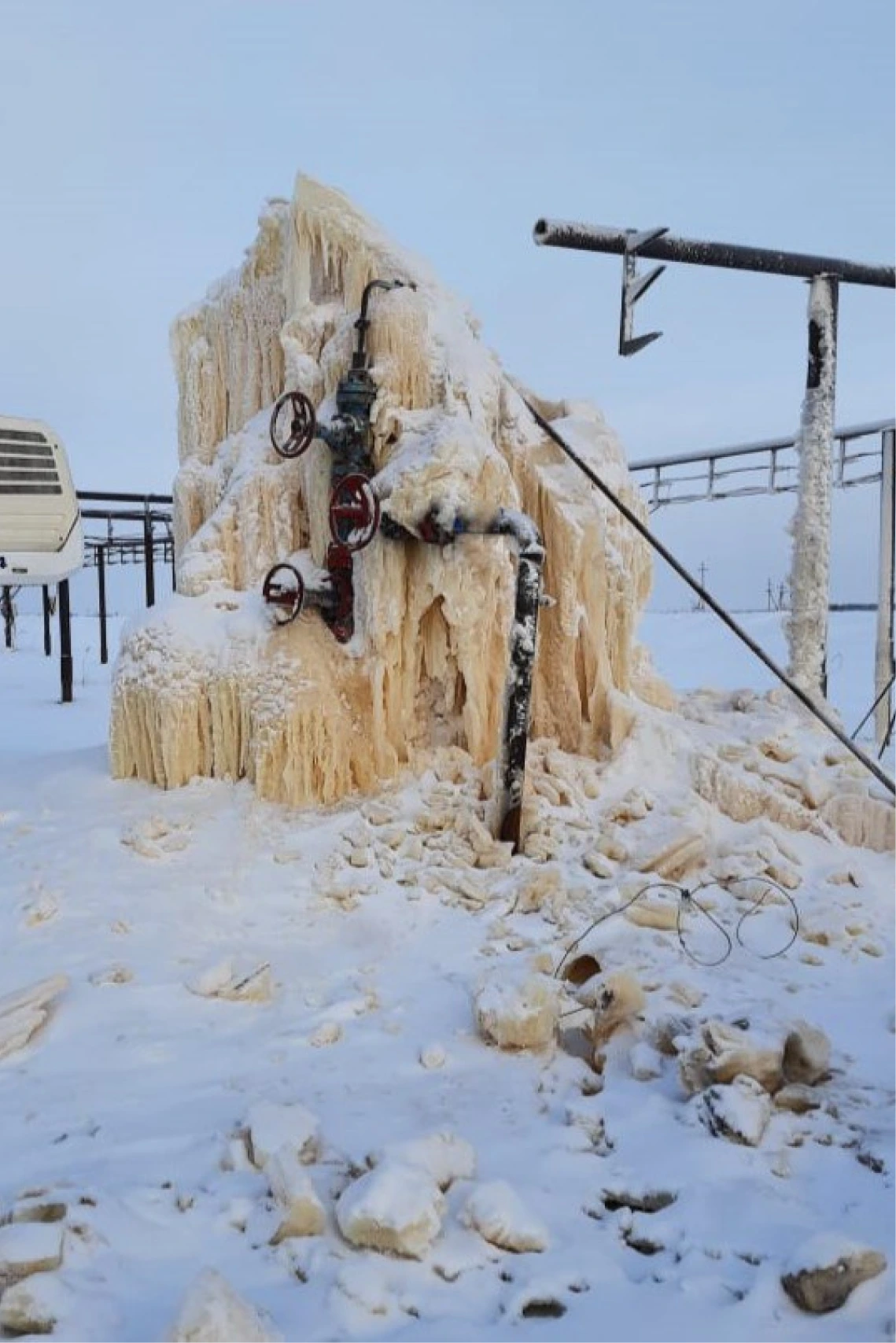
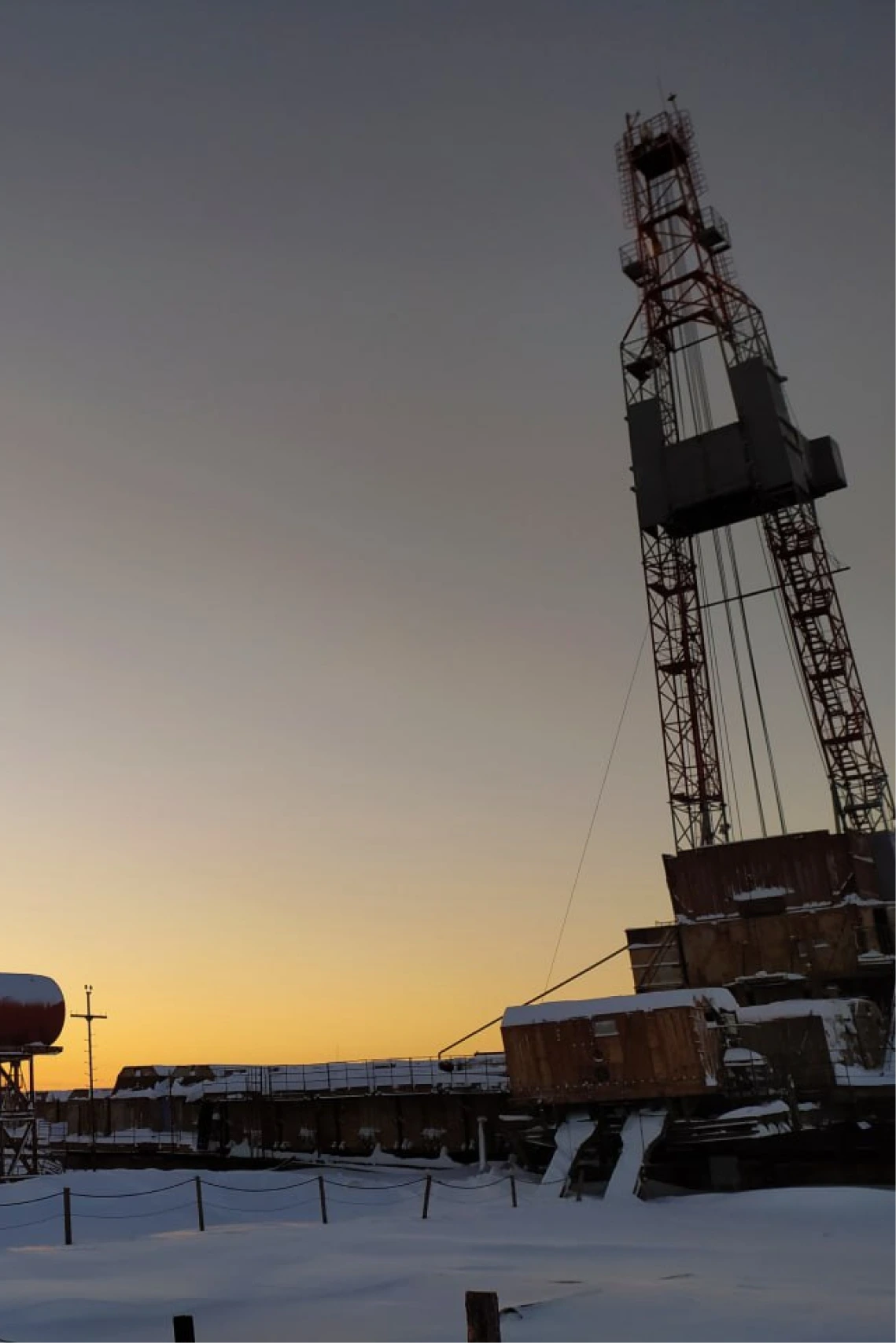
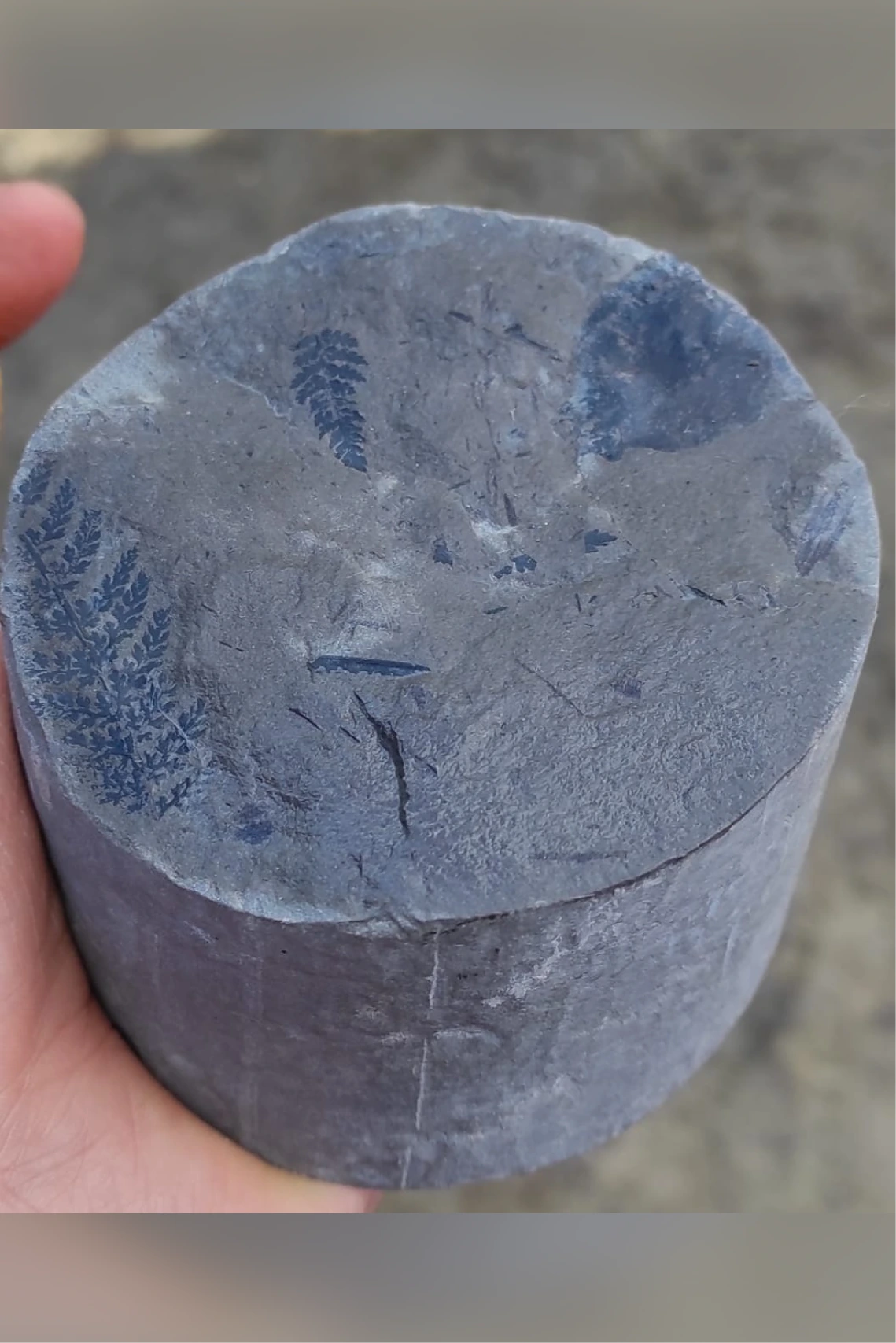
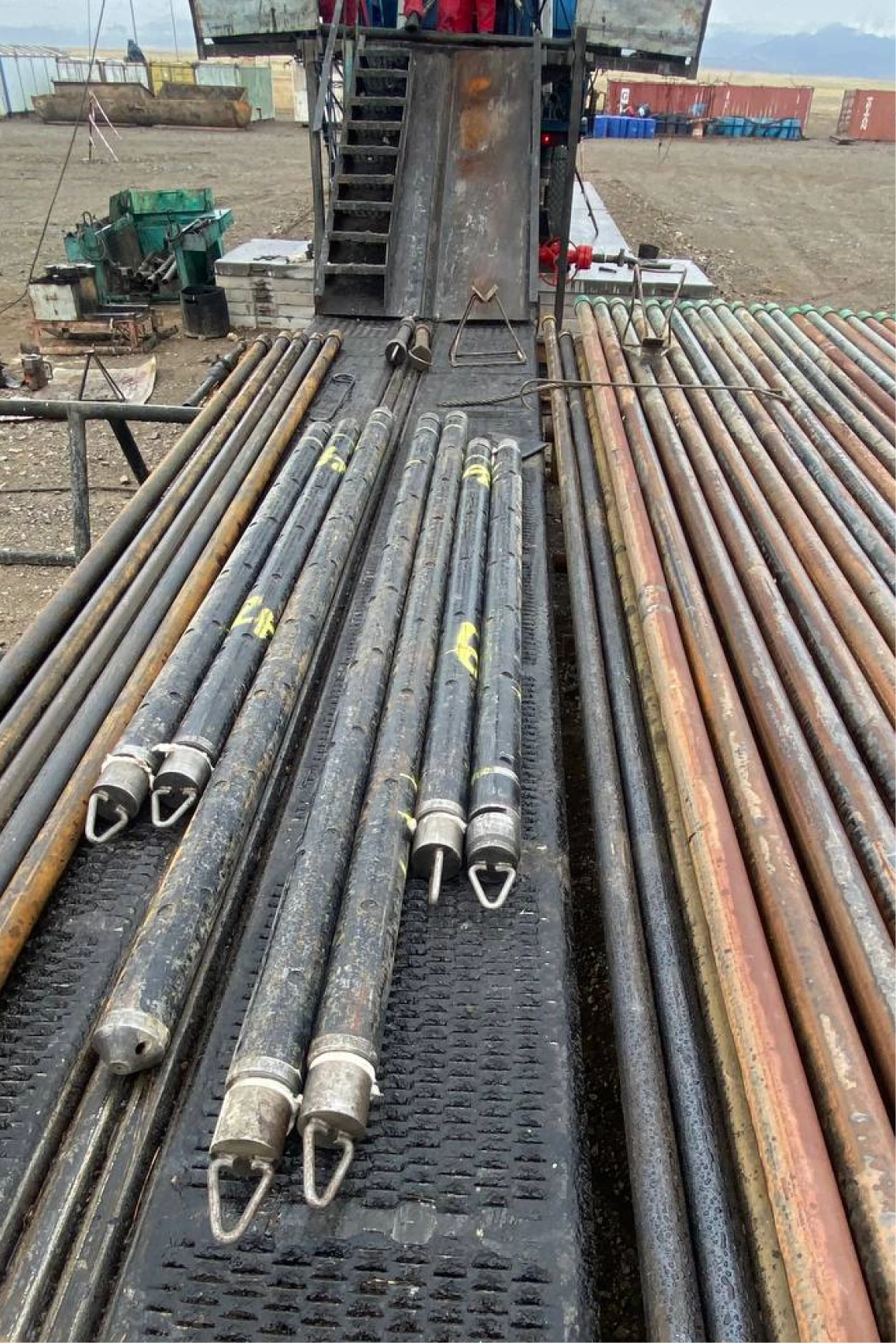
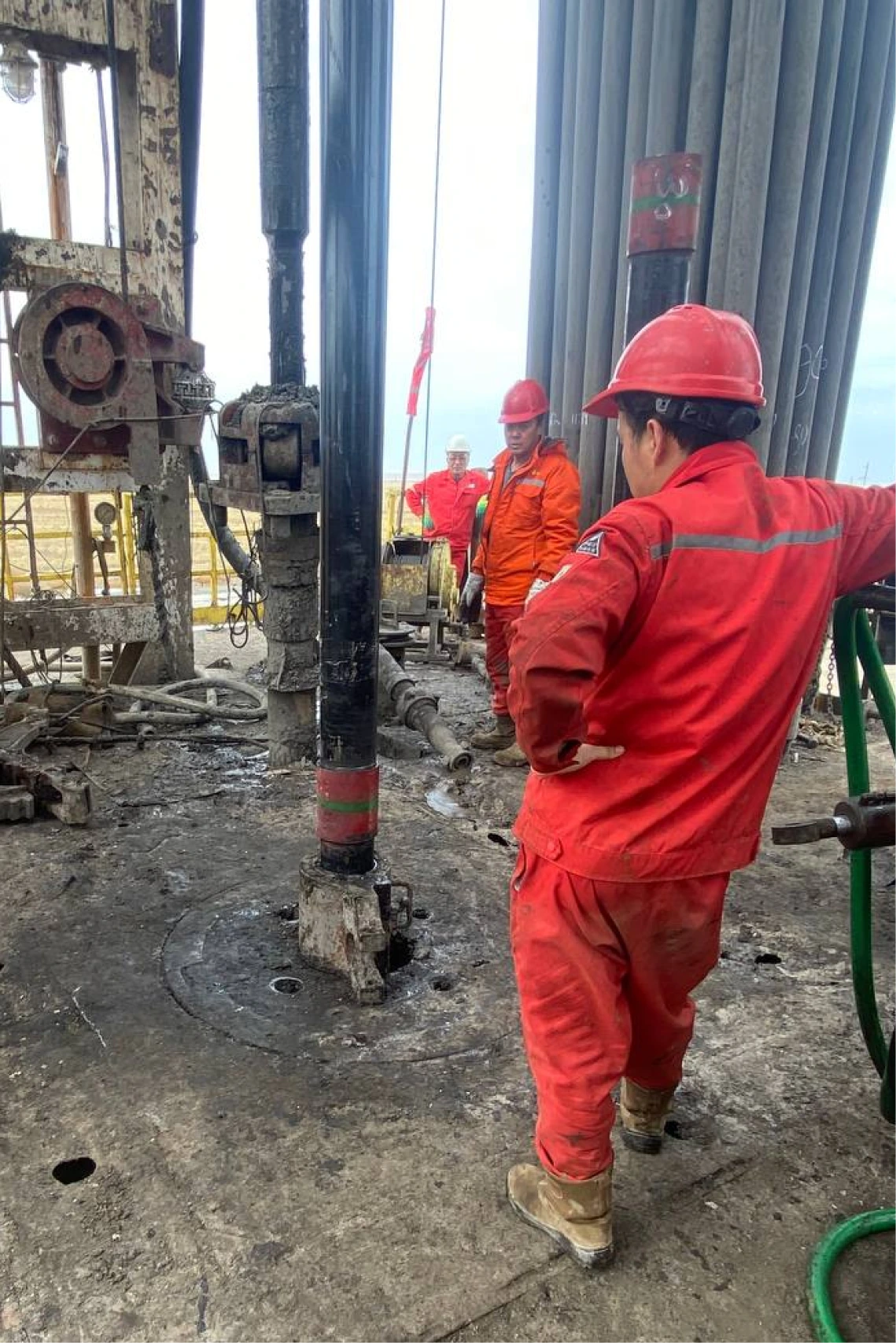
Such companies do not own the fields, but they provide services to companies that have a license to produce oil and gas. They provide comprehensive services, ranging from well construction, drilling and ending with the examination of wells with special instruments and testing before the start of operation.
An example is: Schlumberger, PetroGM.
Mining companies
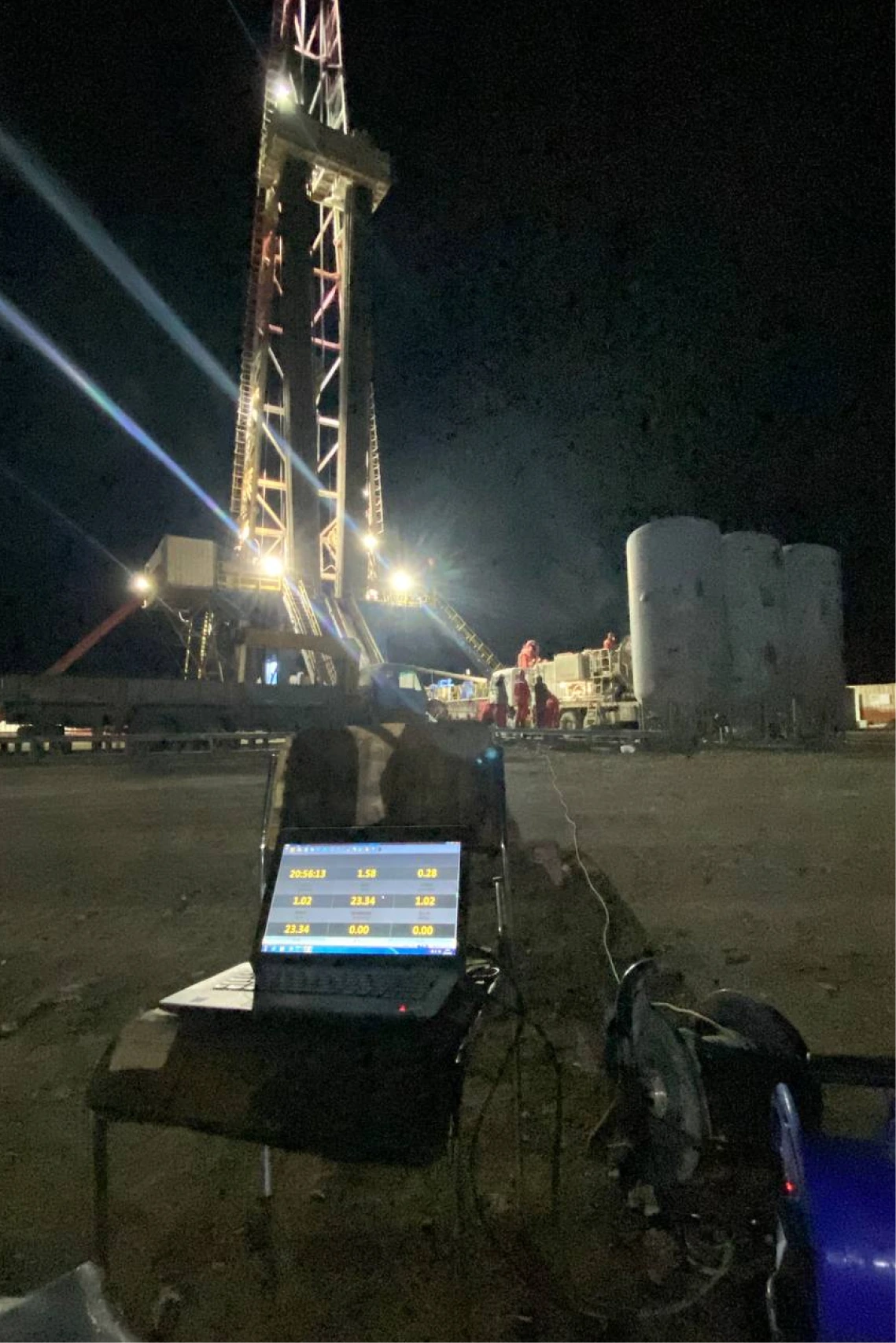
Their activities cover the entire production cycle: from production to sale of oil and gas in the domestic and foreign markets. Quite often, these large giants create their own service companies that help simplify internal processes.
Example of producing companies: Gazprom Neft, Novatek, Rosneft, Gazprom.
Scientific institutes
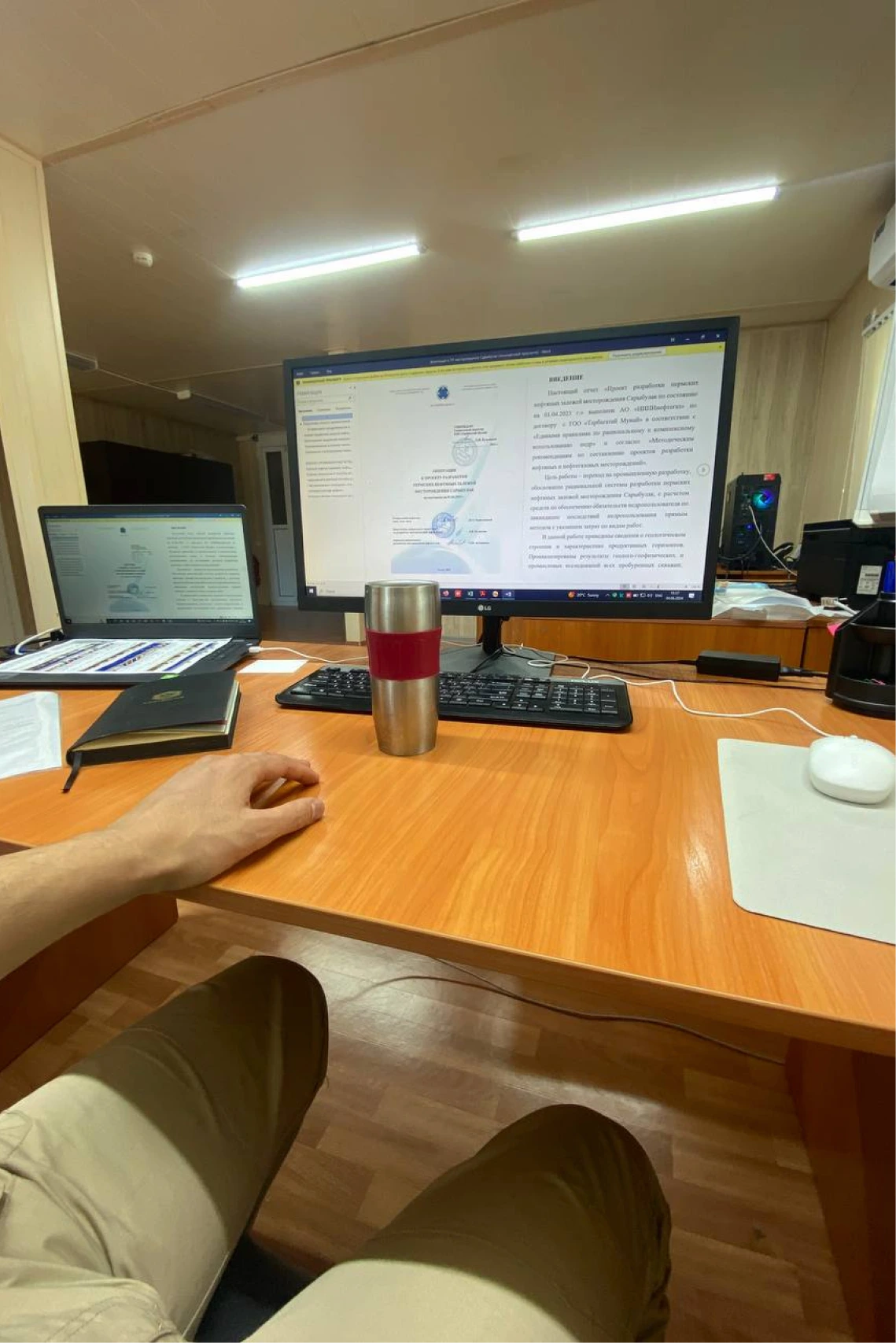
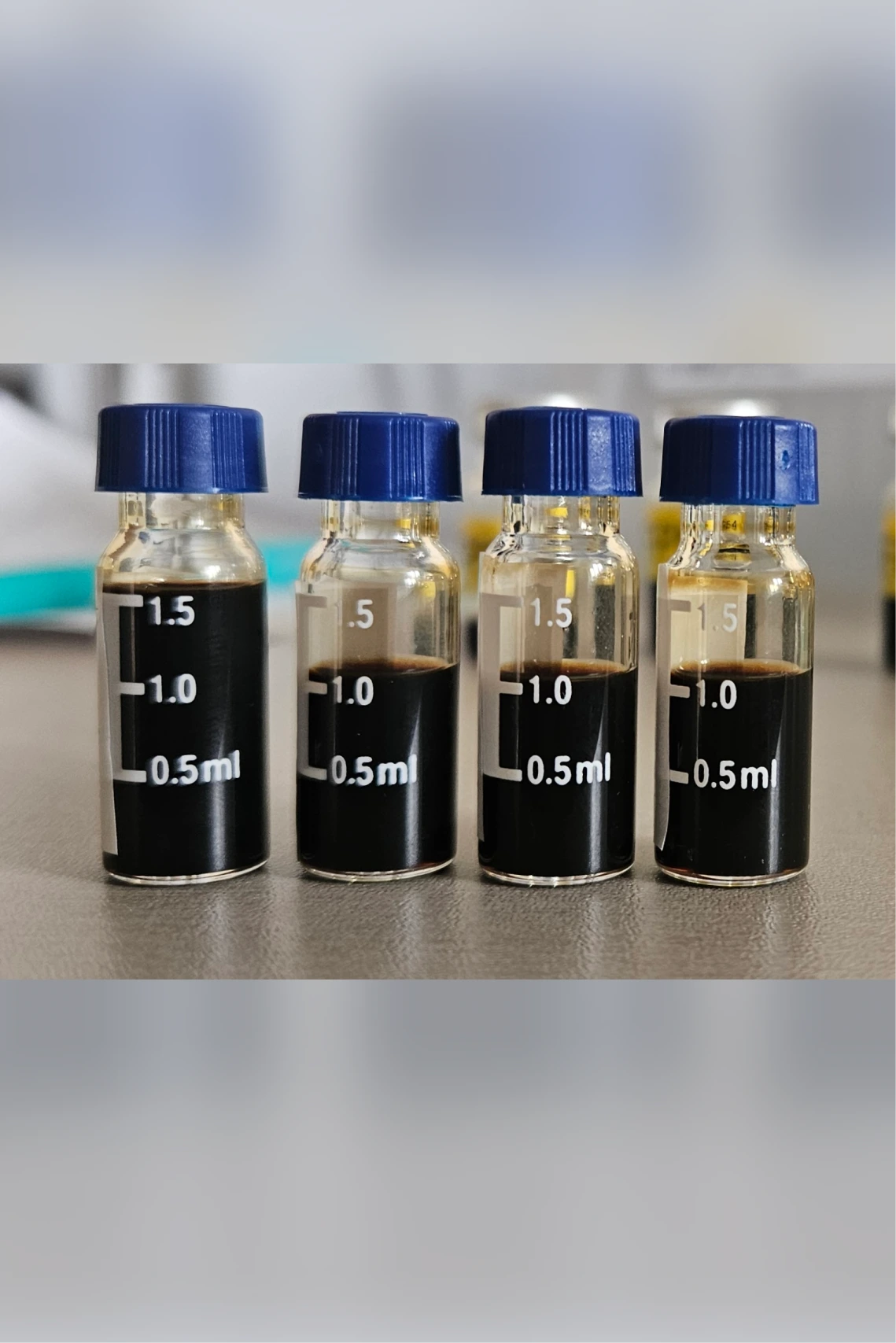
Work in public research institutes (universities, research institutes) is associated with solving fundamental problems. This is when you have a specific topic and you study it for a long time: make assumptions, build models, evaluate the results. This activity is very different from work in service and oil and gas companies, where deadlines are much more clearly defined.
At the same time, some scientific institutes cooperate with large mining companies, implement various projects and participate in joint developments.
What is the difference between a graduate and a young specialist?
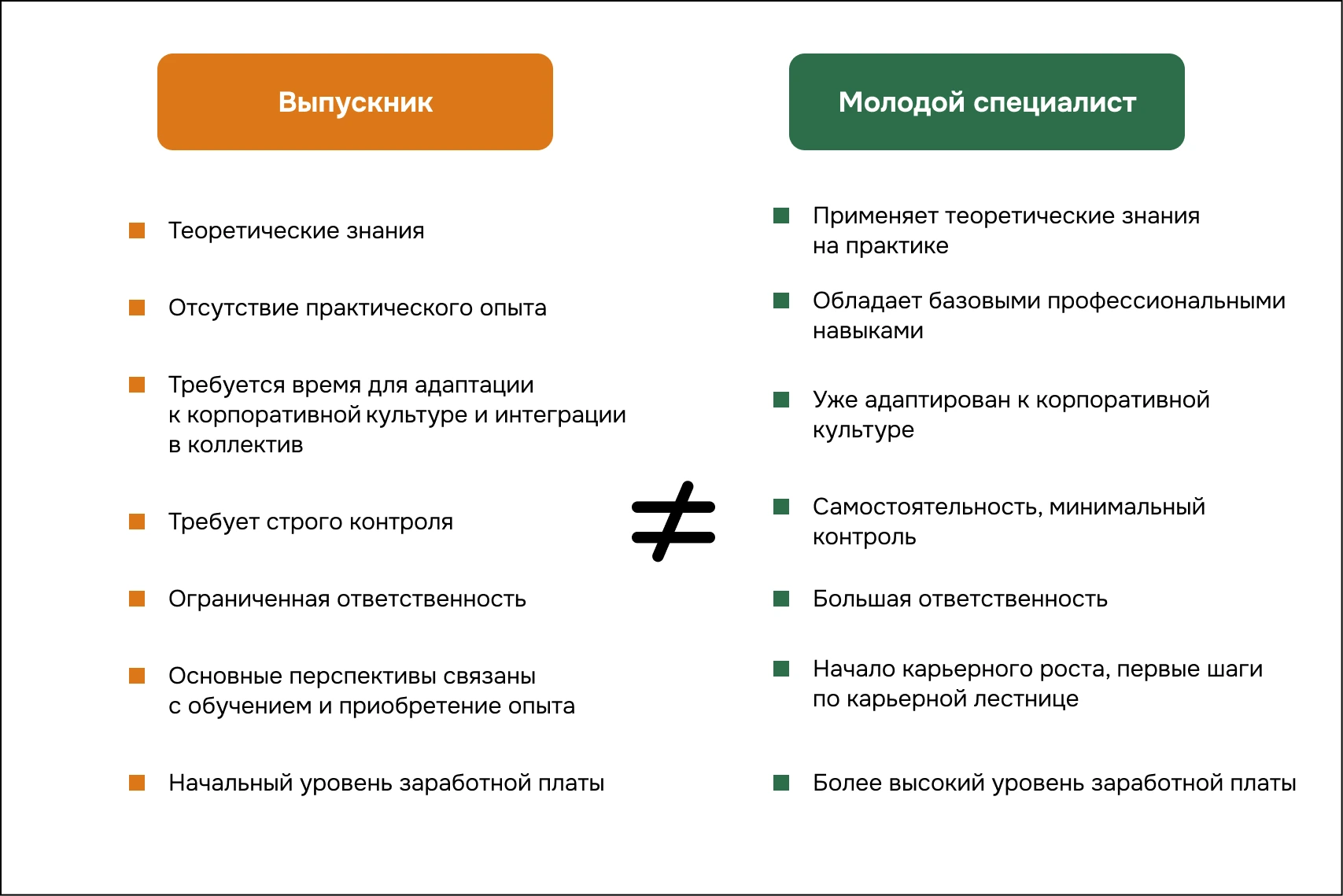
Many people don’t see much of a difference between the concepts of “graduate” and “young specialist,” but it is quite significant.
A young specialist is an employee who is already working in the company and has experience from 1 to 3 years. He has already passed the training stage and is focused on developing his professional career. His main difference from a graduate is his work experience.
Of course, it’s impossible to call a young specialist an expert, but he already:
- completed adaptation to the team;
- formed basic competencies;
- able to take responsibility and make decisions;
- he does not require constant supervision from more experienced mentors.
A student who recently graduated from a university has none of this. Therefore, the company has to invest huge resources to grow new personnel.
All of these differences also affect the level of wages. It is lower for students than for young professionals. But as you go through the stages of adaptation and training, when the company’s management sees the new employee’s interest in development, then wages begin to gradually increase.
How can a university graduate get a job in an oil and gas company?
Many students start looking for work only after receiving their diploma. But they will not be able to do this as quickly as they would like. There are several reasons, the main one: there are too many job seekers who are looking for work in the oil and gas industry in the same way.
What can a student do during their studies to increase their chance of finding a job?
Determine a list of companies where you would like to build a career
To understand how internal processes in a company are actually set up, pay attention to the recommendations. To do this, look at review sites, or try to find a person who works or has worked for this company. The oil industry is a big family, and almost everyone here knows about each other.
Learn to write a competent resume
A proper resume not only contains the necessary information about the applicant, but also attracts the attention of the employer.
Just imagine how many such resumes an HR specialist at a large company receives every day. Of course, he will not look through the entire stack, but will select only those that caught his eye. Therefore, it is important to learn how to design a resume so that it looks clear, beautiful and has a visual logical structure. No one needs long paragraphs describing “what a wonderful employee I am.” Include only important details in your resume: experience, personality traits and core competencies.
Post your resume on several sites at once
Look for all possible channels to post information about your candidacy. In addition, your resume needs to be updated periodically to make it relevant and relevant to your actual competencies.
Browse sections with vacancies on the official websites of companies
Information about vacant positions may appear on the company’s website a little earlier than on popular aggregators. In addition, many companies are active on social networks, and information about the search for employees is also posted there.
There are also various forums for oil and gas industry specialists, where a lot of useful information appears. If you are an active participant in such platforms, then your chance of finding out about an imminent vacancy opening increases dramatically.
Get internships from companies
This must be done while still studying at the university.
- Firstly, this will help you understand whether working in a particular company is right for you.
- Secondly, it will be easier for you to decide on your future specialty.
- Thirdly, a student who has completed an internship will be a more attractive candidate.
Improve your existing skills
If during your studies at the university you did not learn how to work with the necessary software, or you did not have enough practical knowledge in a specific subject, then start studying on your own. The easiest way to do this is by watching videos on YouTube. In addition, you can find free courses and other open resources with useful training programs online.
Learn foreign languages
Confident language proficiency will not only give you an advantage over other candidates, but will also allow you to work on foreign projects of companies in the future.
Sometimes an employer can turn a blind eye to a candidate’s lack of certain professional skills if he speaks a foreign language at a high level.
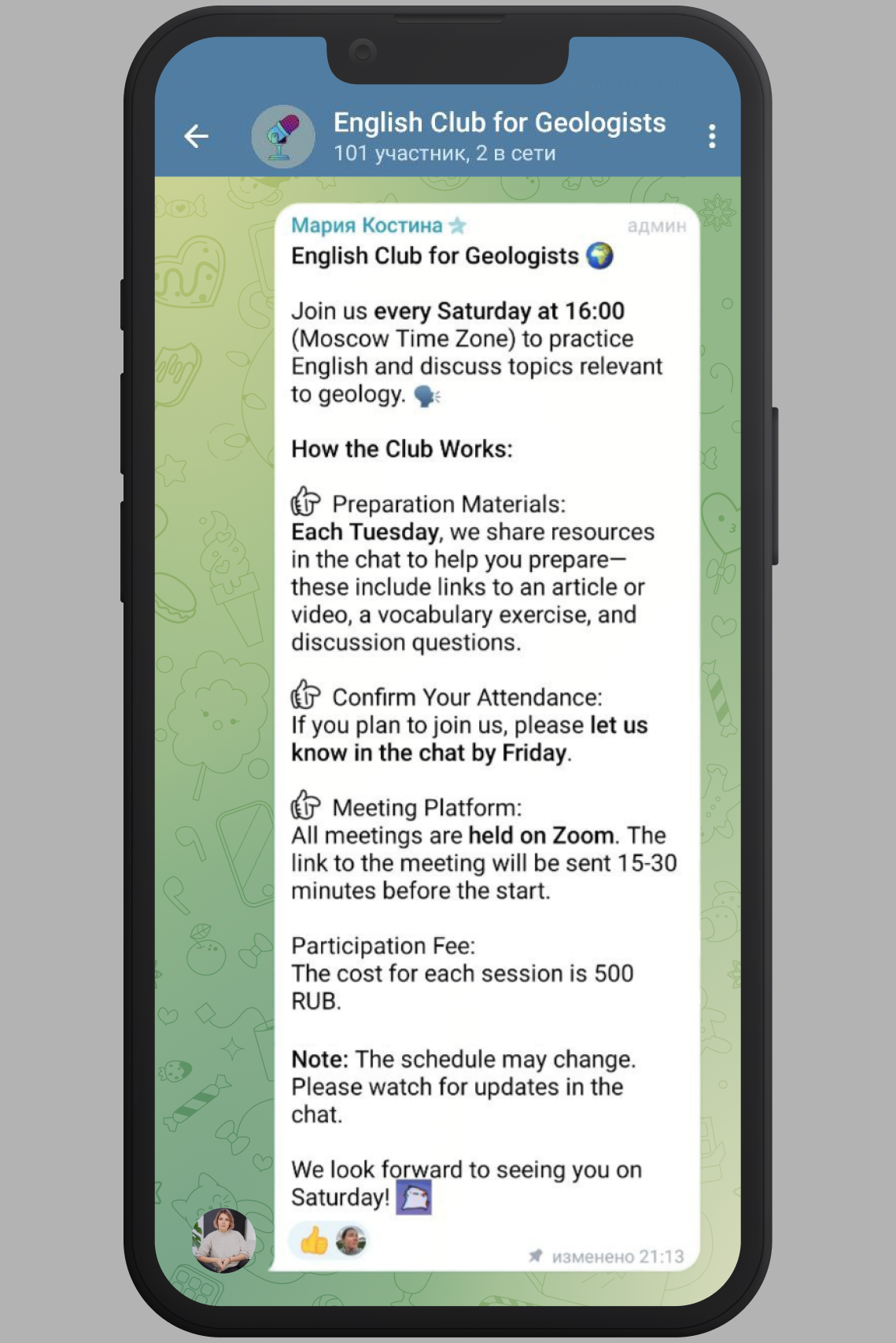
It is important not only to learn a language, but also to practice it regularly. There are many language clubs in which participants communicate with each other. But for specialists in narrow fields, it is important to learn a language with an emphasis on a specific specialization. There aren’t many good options here. And one of them is English speaking club for geologists “English Club for Geologists”.
You can read more about the club in our article “How a geophysicist and a geologist practiced English together, and what came of it”.
Form useful networking
While studying at the university, it is important to be active, make useful connections and acquaintances. This way you will find yourself in a narrow circle of specialists and employees in the oil and gas industry.
Networking can be considered: joint events with company representatives, excursions, conferences or interviews with management.
A wide circle of acquaintances will always be a plus when finding a job.
How can a career develop in oil and gas?
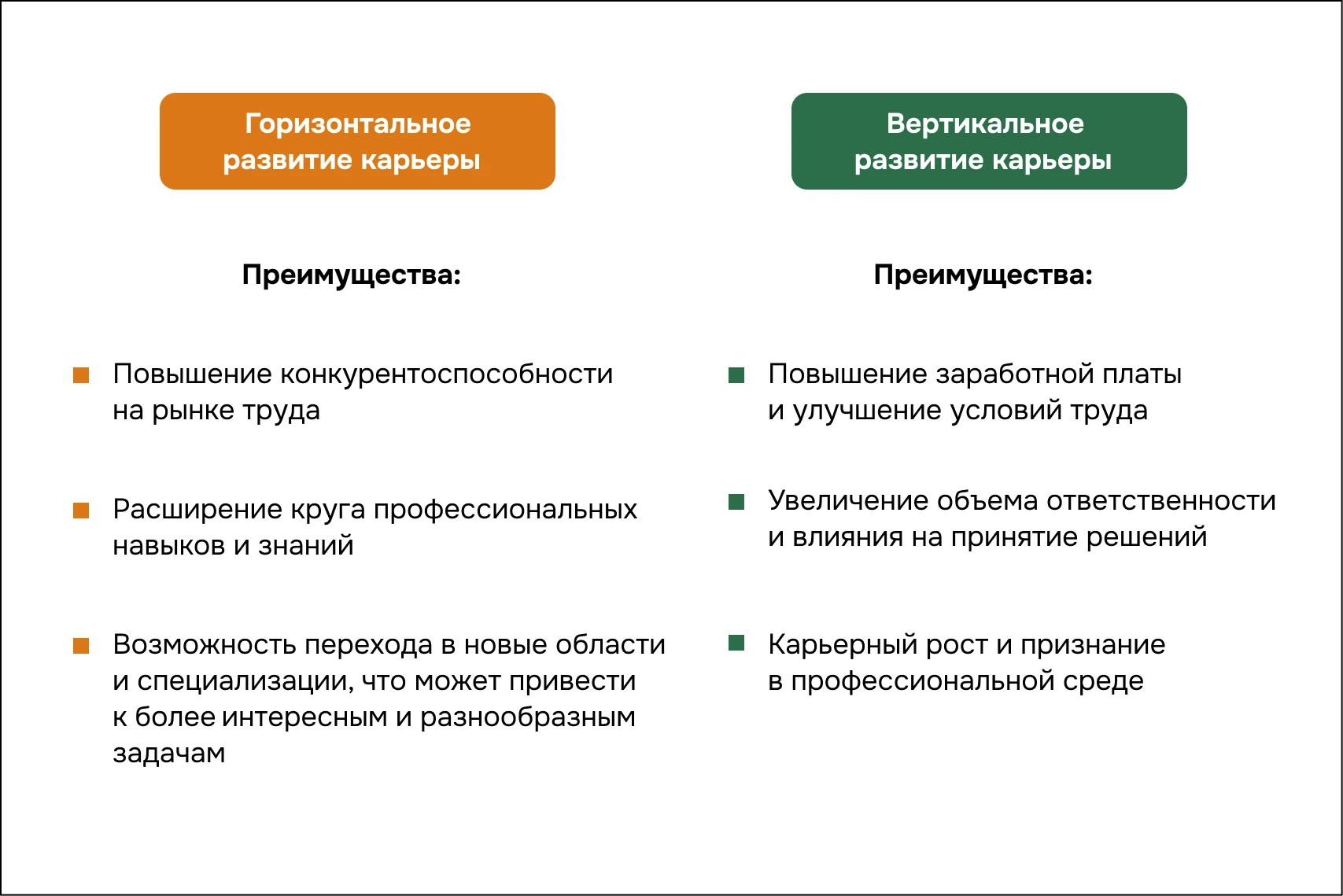
In oil and gas companies there are career opportunities in two directions: vertical and horizontal.
With horizontal career development, a specialist expands his skills and competencies by moving to similar positions or related specialties.
This development option is suitable for those who do not want to take on additional responsibility for other people, or do not see themselves in the role of a manager. At the same time, there will still be an increase in wages, but not as rapid.
Vertical career development involves promotion and increasing the amount of responsibility. As for wages, their growth occurs many times faster and by a greater percentage in relation to the initial values.
The process of employment in an oil service company. Using the example of PetroGM
PetroGM is one of the largest service companies on the Russian market in the field of oil and gas geomechanics. In the industry for more than 20 years, he has been involved in geomechanics since 2013. The company’s employees are specialists who have participated in the development of large projects around the world (except Australia and Antarctica).
PetroGM company is engaged in:
- modeling and forecasting of the mountain range;
- selection of optimal technologies taking into account the obtained forecasts;
- development of software for modeling, optimization of drilling and development;
- training other companies and introducing geomechanics into the production process.
Employment at PetroGM takes place in several stages.
- Selection of candidates.
It is necessary to pass an interview, a test in basic technical subjects and complete a mini project that clearly shows the work of a company engineer.
- Education.
Includes theoretical courses and seminars in geomechanics, drilling and geology. The training is unpaid and lasts 2-3 weeks.
- Internship.
Under the guidance of an experienced supervisor, candidates complete a real-life project and then defend it. The internship takes on average 1.5 months and is paid by the company.
After successfully completing these three stages, the candidate is hired as a geomechanical engineer. In the future, if an employee decides to reassign himself to other related positions, this can be freely done within the company.
It is possible to make a successful career in the oil and gas industry!
Starting a career in an oil and gas company is quite possible if you start preparing for it in advance. Already during your senior years of study at a university, become more familiar with your core disciplines, participate in specialized conferences and seminars, and also try to gain experience through internships and practicums. This will help you not only acquire the necessary knowledge, but also establish useful contacts in the industry.
If among the readers of this article there are those who already work in companies in the oil and gas industry, then tell us in the comments how difficult it was for you to pass the selection stage and become part of a large team?
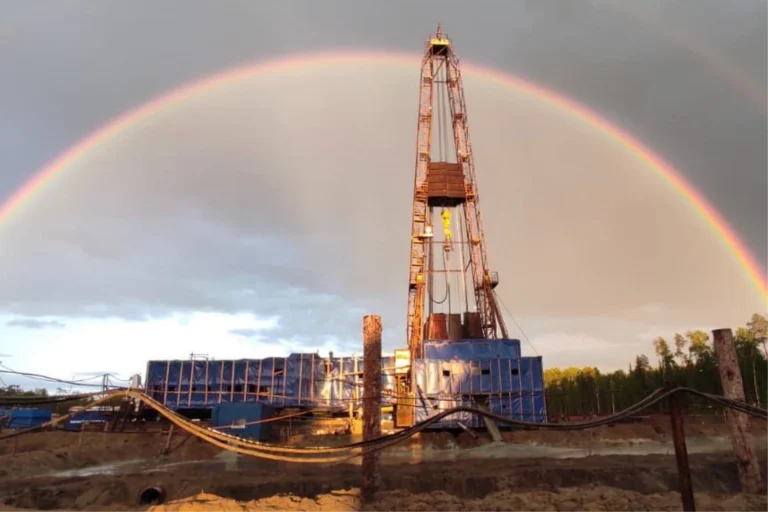
Author of the photo on the cover of the article: Chebotarev Alexander