It’s easy to imagine a university as a frozen system: lectures “based on old notes,” disciplines divorced from practice, and a bureaucracy that defeats meaning. But even in such a system there are people who go against the grain in order to really work. Alexandra Volkova is one of them. Geophysicist, teacher, organizer of field practices, she is trying to restructure teaching – using real data, with trips to test sites and live dialogue with students.
We talked with Alexandra Volkova about how she sees education, what she teaches students, and what prevents universities from changing.
How it all began: the path from Rosneft class to teaching
Alexandra Volkova developed an interest in geophysics back in school. In high school, she studied in the Rosneft class, an engineering program at the Krasnoyarsk Physics and Mathematics Lyceum. Representatives of the oil industry periodically came to classes. They shared their impressions of helicopter flights, talked about fields, drilling, and technical details. It was interesting, but what really hooked Alexandra was the experienced teacher who spoke not about technology, but about planet Earth itself.
The teacher had an unusual academic trajectory: an astrophysicist by training, he defended his doctoral dissertation on the attraction of the Moon to the Earth. He talked about its structure, age, how the Earth has changed over billions of years, what physical processes take place in it, how the Moon influences our planet.
The material seemed complex, overly scientific in places, with a lot of terms, and it seemed that the speaker was not easy to work with teenagers. But it was this meeting that aroused real interest in geophysics.
First steps in science
The teacher invited the students to try themselves in scientific projects. The first topic for Alexandra and her friend was earthquakes. We had to work on school computers: the teacher showed how to download a database on the energy of seismic events from an American website and apply methods of mathematical statistics to them.
At first, everything was calculated manually – matrices, average values, correlation coefficients – and then they mastered Excel, but without ready-made formulas: each operation had to be repeated “manually” in order to understand the logic of the calculations.
Gradually, the tasks became more complicated: they analyzed Fourier spectra, studied the cyclicity in the distribution of earthquake energy, compared these data with indicators of solar activity, and looked for correlations and patterns. Years later, it turned out that some of the conclusions were confirmed. Later, a friend went into geophysical exploration of wells, and Alexandra chose seismic exploration. But it was then that she first felt how exciting it was to find patterns in real geophysical data.
From the Krasnoyarsk university to the Heriot-Watt Center TPU
After school, Alexandra entered the Siberian Federal University. She understood geophysics on a “large scale”: tectonic faults, Mohorovicic boundaries, earthquakes. But when it came to oil and gas fields or ore objects, the picture became blurry – it was not clear how knowledge was transformed into applied work.
Some of the teachers at the department came from production. The lectures were heavy and dry, the presentations consisted of scanned pages of textbooks. But as soon as we started asking questions, experienced specialists opened up, shared stories and practical nuances. Alexandra even turned lectures on Saturdays into a personal challenge: to come up with as many meaningful questions as possible, so that later, during the break, she could extract as much knowledge from the teacher as possible.
A real breakthrough happened when classes began to be held directly at RN-KrasnoyarskNIPIneft. There, at a round table, where meetings with management were usually held, students communicated with active geophysicists and looked for scientific projects. Most followed the beaten path into geophysical well exploration, but Alexandra stubbornly made her way into seismic exploration. A meeting with the head of the geophysics department helped, who recognized her non-standard thinking and suggested that she try herself in this field.
In seismic exploration, everything was not easy. Experienced employees didn’t even say hello at first; they had to prove their seriousness of intentions and readiness to work. Alexandra booked a place for practice in advance, took stacks of literature to sporting events, took notes and returned with questions. She worked for free for a year and a half, developing a methodological base and mastering data processing.
Over time, it became clear: for growth there is not enough systematic knowledge in geology. Advice from colleagues and a chance conversation with master’s graduates from Tomsk Polytechnic University and Heriot-Watt pushed her to the decision to enroll there.
The program was held in Tomsk, but all theory, exams and presentations were in English. At first, the accents of British teachers seemed like an impenetrable barrier, but by the end of the second semester she confidently understood the terminology, built models and participated in international projects.
Deciding to stay at university
After graduating from university, the path to industry seemed natural – many of my classmates went there. But Alexandra decided to stay at the university. Today she combines several roles: teaching at Tomsk Polytechnic University, developing advanced training programs and participating in scientific and applied projects with industrial partners. She works with both undergraduate students and adult professionals with extensive experience who need retraining.
Next, we will look at each of these areas: we will start with working with students and practice at the training ground in Khakassia, then the connection with production, and, finally, the approach to training adult specialists.
Test site in Khakassia: practice that gives the future
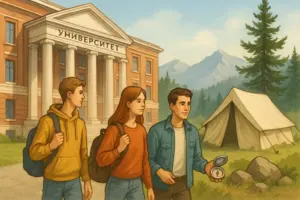
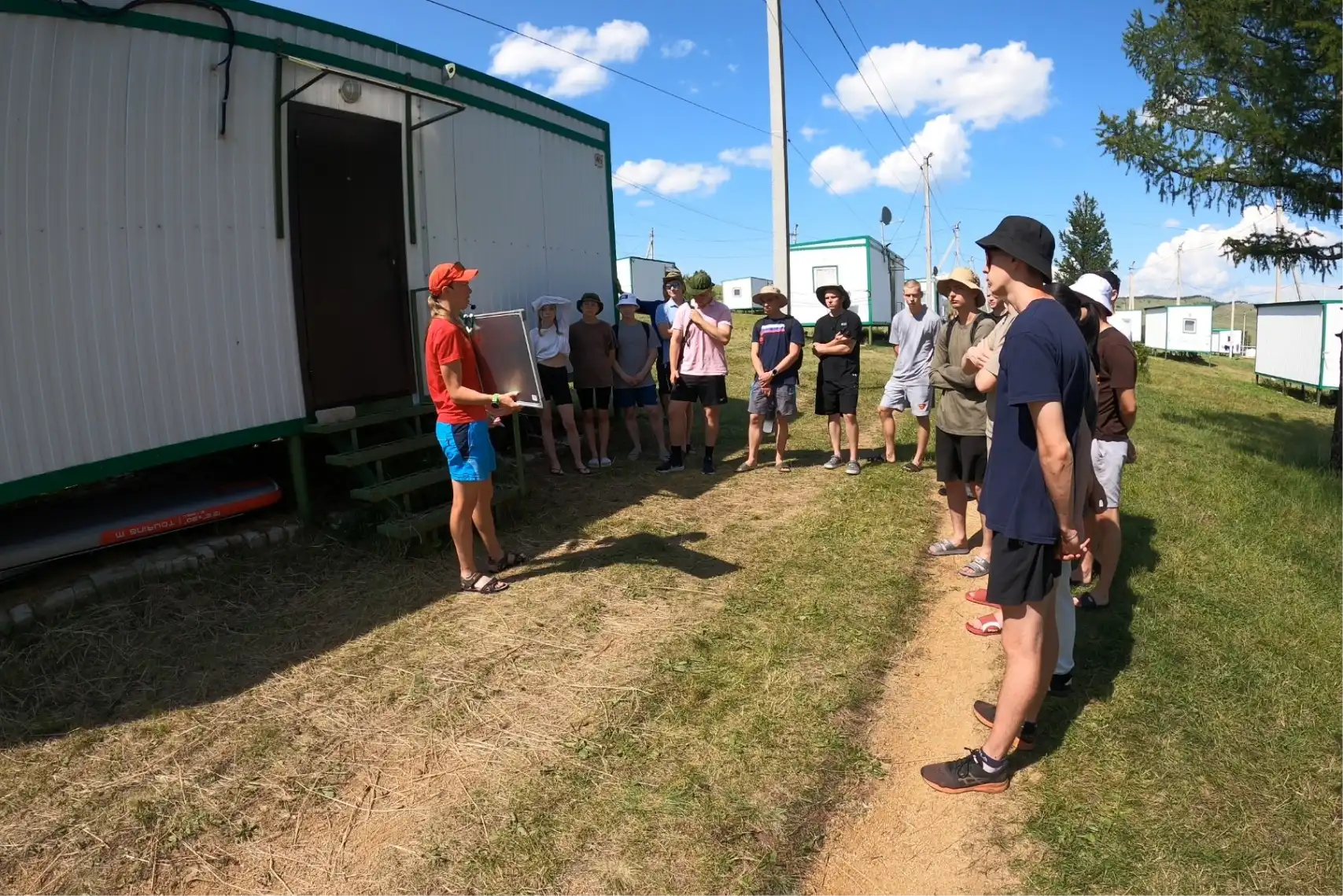
One of the strongest elements of teaching that Alexandra managed to build is practice in Khakassia. This is not an excursion for show, but a visiting school where first-year oil and gas students really understand for the first time what their profession is.
Here they work with real instruments, analyze data, defend projects – in the presence of representatives of companies that may become their future employers. By solving practical problems, students get the opportunity to show themselves, and the industry gets to see young professionals in action and invite them to internships or jobs.
How the practice works
The field camp is one of the best in Russia. After the fires of 2015, the infrastructure was completely updated: instead of trailers with rotten floors, there were modern metal modules with ventilation, sockets, mosquito nets, warm bedrooms and kitchens. Even in rain and cold you can work comfortably here.
The program lasts four weeks, and each is dedicated to a separate block.
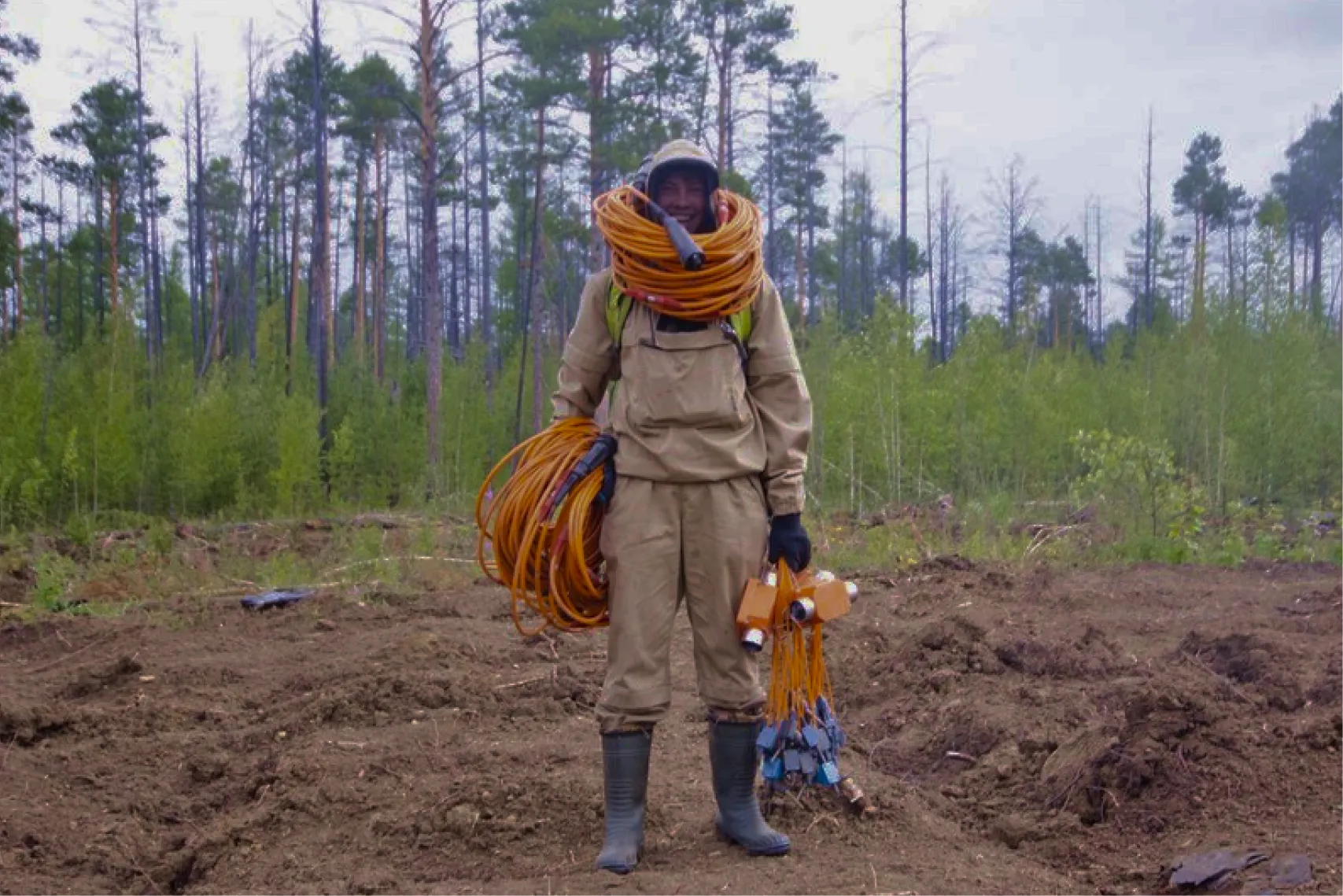
- First week — geological exploration. Students build a geological section at the main site near the well, which is an analogue of the largest gas field in Khakassia, conduct radiometry of the outcrop, seismic exploration in the vicinity of the test site, learn to fly a drone and build an orthomosaic of the area, and describe the core. During geophysical well surveys, several people are selected to form an “operating group” that manages the system throughout the entire trip and trains others. Also this week, students process all their data obtained during field work.
- Second week — calculation of reserves at a virtual field. With limited budgets, teams select drilling locations based on seismic, geological and petrophysical data. This is a simplified but working analogue of the Heriot-Watt Center cases. Also this week, the guys go on educational geological routes in order to better understand the geology of Khakassia. At each site, they discuss whether the site could be a good reservoir (if there is source rock, seal, etc.) and what nuances for that particular depositional environment might be involved in exploration and development (for example, drilling horizontal wells in a certain direction).
- Third week — development: students analyze the dynamics of the field and solve problems close to the real work of an engineer. Most of this week is occupied by a special project, a task for which the guys buy from a list at an auction depending on their rating in the first week. Special projects are completely different, the choice is complex and varied: experiments with various metals and liquids to study corrosion, construction of a drilling rig and pipe rotation elements over a real well, creation of a large language model based on literature on the practice site, video logging in a well, sandbox experiments, even fiber-optic seismic DAS happens.
- Fourth week — hydrocarbon transport and surface development. In the remaining time, special projects are finalized (either at the request of teachers or out of personal interest of students) and preparation for the final defense in front of industrial partners.
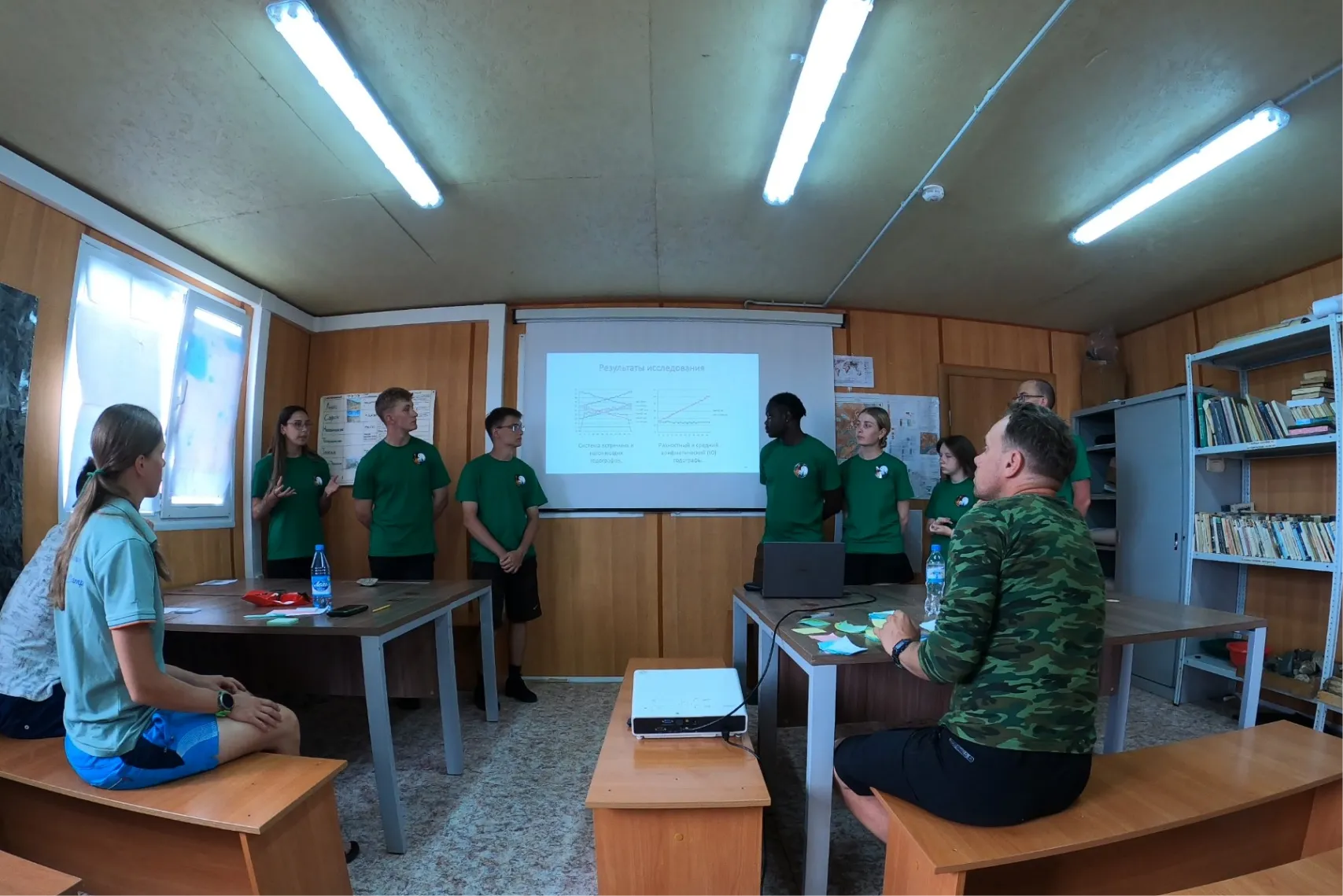
Each week ends with the defense of the project, and company representatives come to the final week. Students talk about the work they have done, receive feedback and, if they are lucky, an informal invitation to an internship. First-year students try to prove themselves, second-year students (geophysicists, geologists) try to gain a foothold before practical training. Sometimes the industrial partner will simply say, “I want to talk to this student.” This is how the dialogue begins.
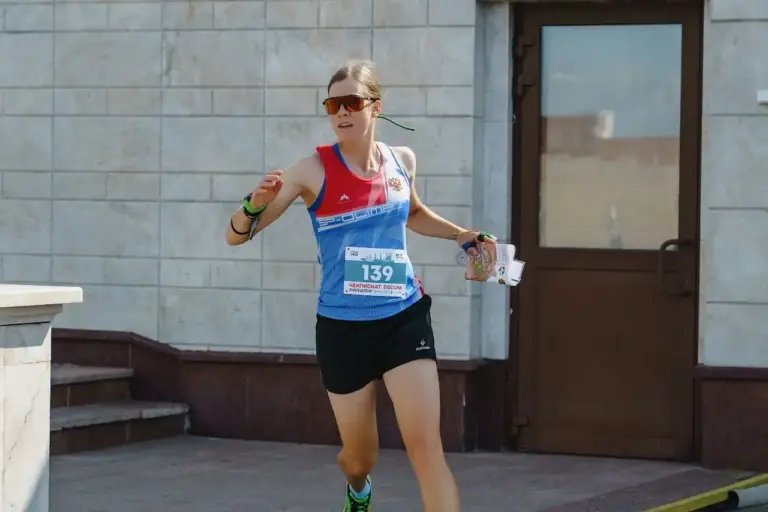
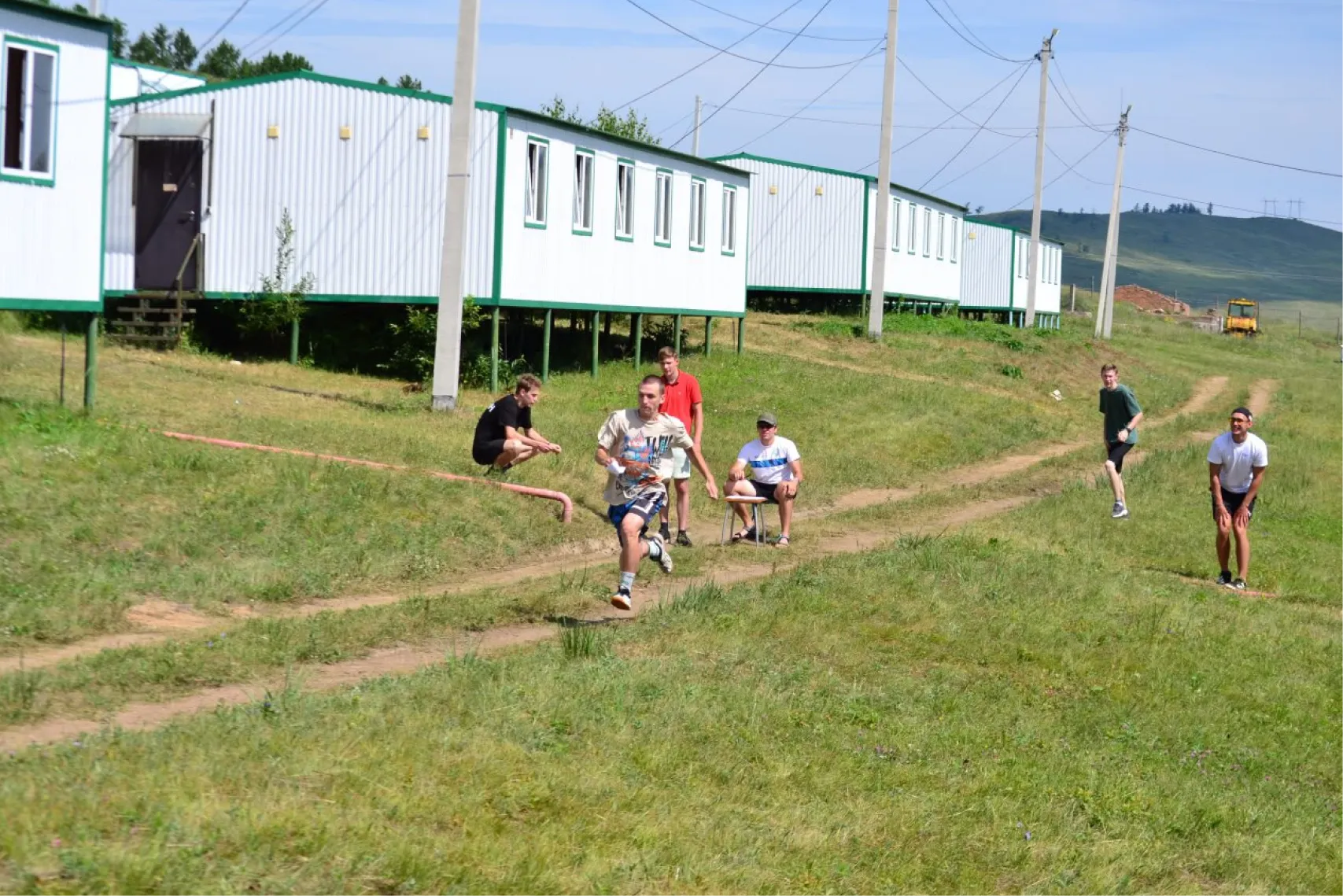
To make classes not only understandable, but also engaging, she uses gamification. One of her inventions is the “geological biathlon”. Teams of three people are formed from each group of students. At the start there are cards with short questions. Answered correctly – you run further, if you were wrong on one question – a penalty of 30 seconds and 10 push-ups at that time, on two questions – a minute and 20 push-ups. This is not just a game – the format teaches you to quickly apply knowledge and work in a team.
Who gets the best seismic exploration – and why it’s a pain
This practice also has a paradox: the most advanced classes in seismic exploration today are given not to future geophysicists, but to freshmen in oil and gas fields – gas workers, pipeline workers. Alexandra admits: she gives them more knowledge and experience than second-year geophysics students ever receive in the program.
“These guys may not need seismic exploration, unless they become managers and decide whether to allocate money for such work. And those who should be able to do it with their hands are left without practice,” she says.
The reason is in the structure of the curriculum: the hours are distributed so that oil workers receive field experience in a “foreign” specialty, but geophysicists do not in their own. Changing this is difficult: you run into bureaucracy, budgets and the inertia of the system. So far, only isolated “spot breakthroughs” have been successful. But it is precisely these steps that make change. For example, in 2025 we managed to work more closely with one team of two geophysics students, but this was not enough. But she shared her knowledge on gamma spectrometry, magnetic prospecting, gravity prospecting, and mapping with some first-year oilmen.
“I can’t teach what I find boring”: a new approach
In most universities, geophysics is still taught “from the textbook”: using examples from twenty years ago, with pictures from manuals and without real context. Alexandra strongly disagrees with this.
Geophysics without dust: real experience instead of theory
“I can’t teach something that’s boring to me,” says Alexandra. Therefore, she herself looks for fresh data: negotiates with companies, asks for permission to use fragments of seismic sections, selects materials so that students see living geology, and not a museum exhibit.
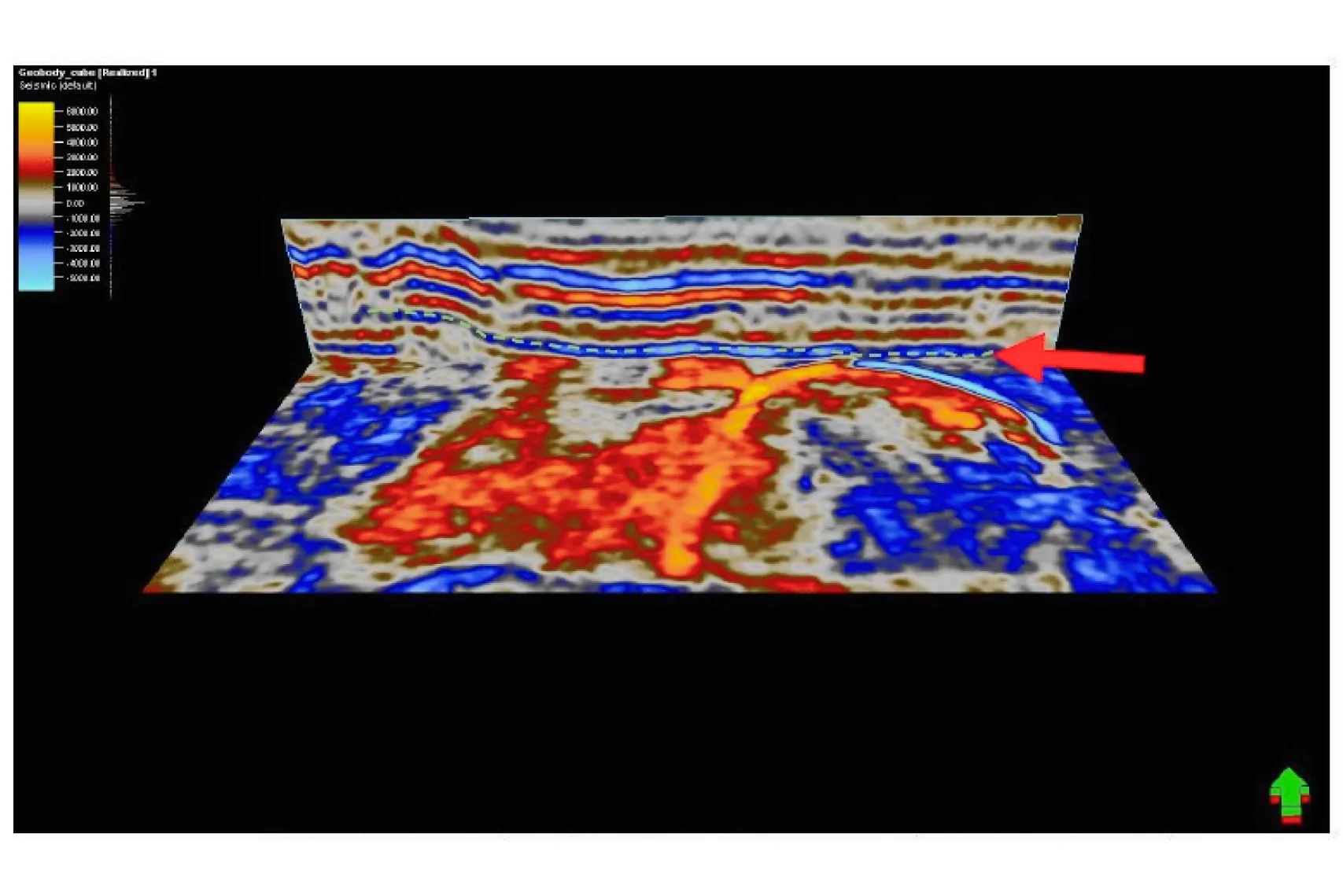
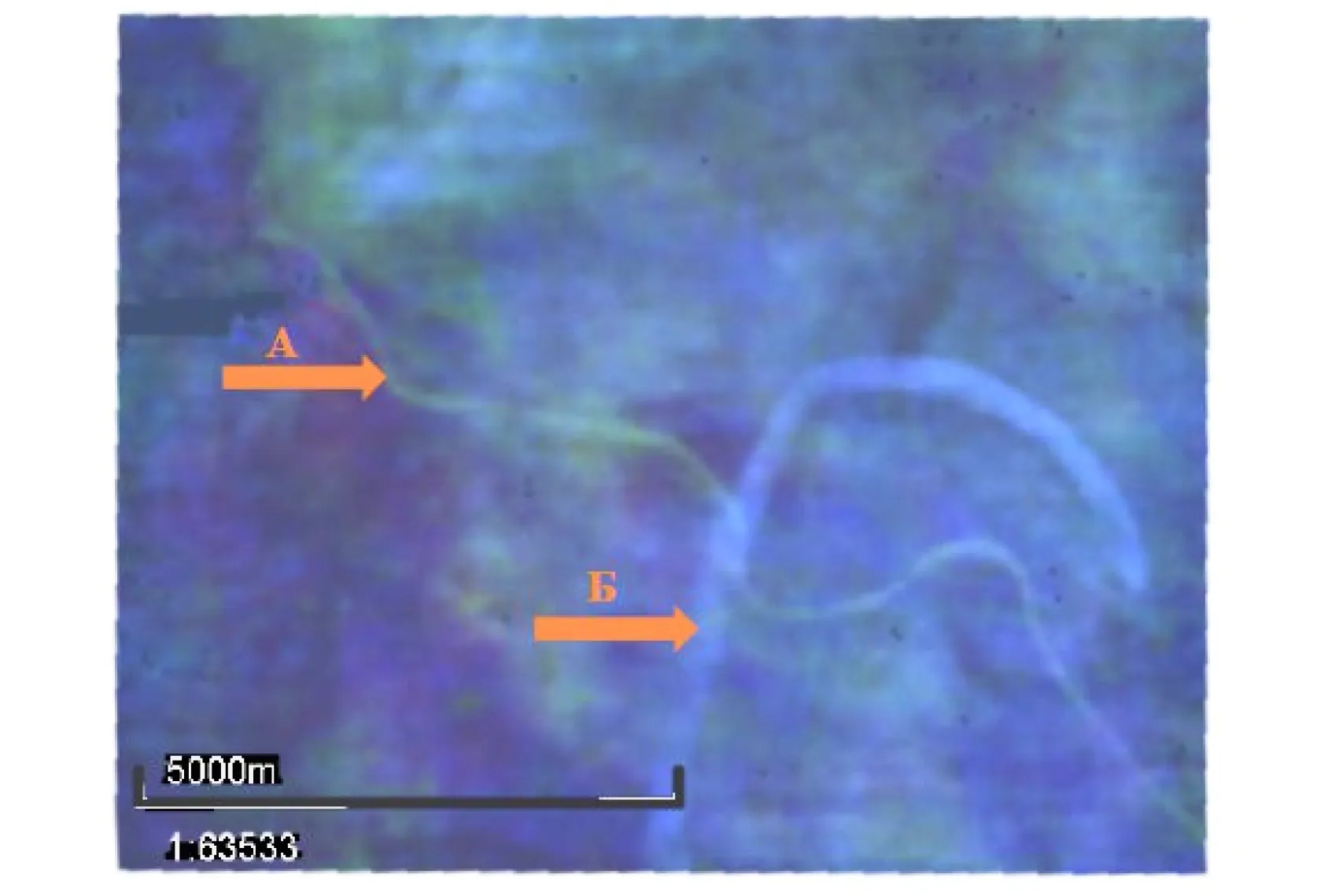
One such example is an anonymized and cropped seismic cube from an active field. Inside it is a sandy channel among the clays, which is clearly “readable” by reflections. Students track horizons and calculate parameters that can be used to identify the presence of hydrocarbons or faults. In another case there is a gas cap hidden in the rocks. It needs to be found by analyzing bright areas on the section and comparing them with other data.
Alexandra constructs each task in such a way that even first-year students understand: geophysics is not a set of formulas, but working with real signals, searching for patterns and the ability to draw a conclusion on which drillers, designers and engineers will then rely.
Training in the rhythm of real work
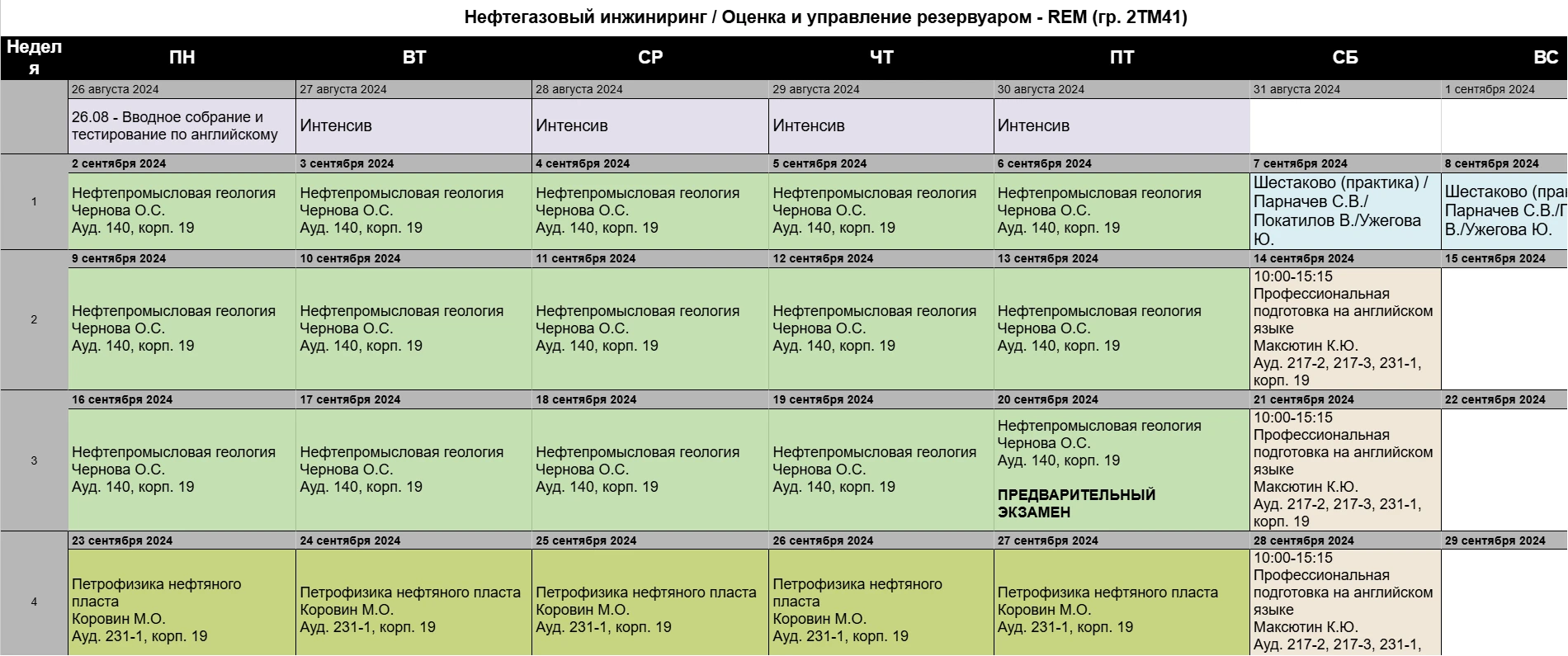
At a classical university, the subject is read once a week, and it lasts the entire semester, or even two. Topics are interrupted, a lot of things are forgotten, and for the exam you have to remember the material that you studied six months ago. Alexandra works differently. She builds training modularly:
- first – intensive theory;
- then – working with real data;
- in the final – defense of the project.
This way, students are immersed in the topic entirely, without long pauses, and immediately consolidate their knowledge in practice. If, after a lecture on seismic attributes, they immediately receive a fragment of a seismic cube, then on the spot they can see what this or that object looks like and what the “signal” means in the section.
Alexandra adapts the content to the conditions. There are computers with licenses for specialized software, which means we immediately combine theory and practice. If there is no equipment, Alexandra divides the course into blocks: first she gives basic concepts, and when licenses are connected, she conducts classes on data analysis. For those who go into seismic exploration, he selects cases from oil and gas, for the rest – simplified ones, but with the same principle: first understand, then apply.
She doesn’t “follow the manual” – she works together with students, includes assignments from companies, and encourages any questions. “If a student asks, he is already on the way to understanding,” says Alexandra. This approach became key for her: not to impose knowledge, but to help her understand it.
When an idea hits the system
At university, everything is scheduled by the hour, and it is almost impossible to change the plan. But Alexandra is constantly looking for ways to “break through” restrictions for students.
If she manages to obtain interesting data, Alexandra tries to include students in scientific articles – not formally, but as real co-authors. “I want them to see: we didn’t just do the work and forget it, but brought it to publication. Then they have motivation and a sense of belonging,” she explains.
The plans for the practice in Khakassia included five days of seismic exploration. Alexandra insisted that part of the time be spent on gravimetry at the ore site. The argument was simple: the students had never worked with gravimeters and did not know how to make connections and process data. “It’s difficult, but without it we are losing a whole layer of the profession,” she says. But it has not yet been possible to intervene so strongly in the curriculum of geophysicists. Just a small step – the gravimeters were finally taken to the test site.
It happens that after practice, oil engineering students begin to be interested in geophysics, but changing their specialty is very difficult. They are required to pass the “difference” in many subjects, and as a result, the transition turns into a waste of time on meaningless activities. “The weak point of the system,” says Alexandra. “We are losing motivated guys only because of bureaucracy.”
University and industry: how to establish a real dialogue
In the professional community, science and production often exist as two parallel worlds. Scientists reproach business for not introducing new methods and working “the old fashioned way.” Manufacturers respond that the ideas of academics are divorced from reality and do not stand up to field testing. The result is mistrust and minimal interaction. Universities graduate students who have little understanding of real work and its tasks, and the industry does not share relevant data on which future specialists could be trained and practical solutions developed.
Alexandra Volkova is trying to break this circle. She invites company representatives to defend projects, integrates real industry cases into courses, asks partners for “live” data, and then, together with students, solves specific problems based on them. For students, this is an opportunity to understand what the industry is like, and for businesses – to see future employees in action even before their diploma.
“If you want a smart young specialist to come to you, let him try to solve your problem,” says Alexandra. This format allows companies not to waste their own resources, but to use the potential of universities, which already have experts, equipment and interest in applied problems. Where previously there was a formal “collaboration” checkbox, a real dialogue begins to build – and it is teachers like Alexandra who make it possible.
When production goes to the university for answers
It happens that even large manufacturing companies are faced with problems for which they simply do not have an answer internally. And then they go not to the contractor, but… to the university. This happened with one oil company, which turned to the Heriot-Watt Research Center, where Alexandra Volkova works, with a seemingly simple request: to check the geological model of the field. The reservoirs were good, the seismic data was high quality, there were a lot of wells. But unexpected water breakthroughs occurred during the mining process, and the reason remained unclear.
Alexandra and colleagues sorted out the data on all fronts: she – seismic, other specialists – geology and GIS. It quickly became clear that the problems stem from different stages. In some places they traced only two horizons instead of four, in others they combined layers without taking into account their specific features, in others the petrophysics were calculated in a simplified manner. Each little detail seemed insignificant individually, but added up they led to a major technological problem.
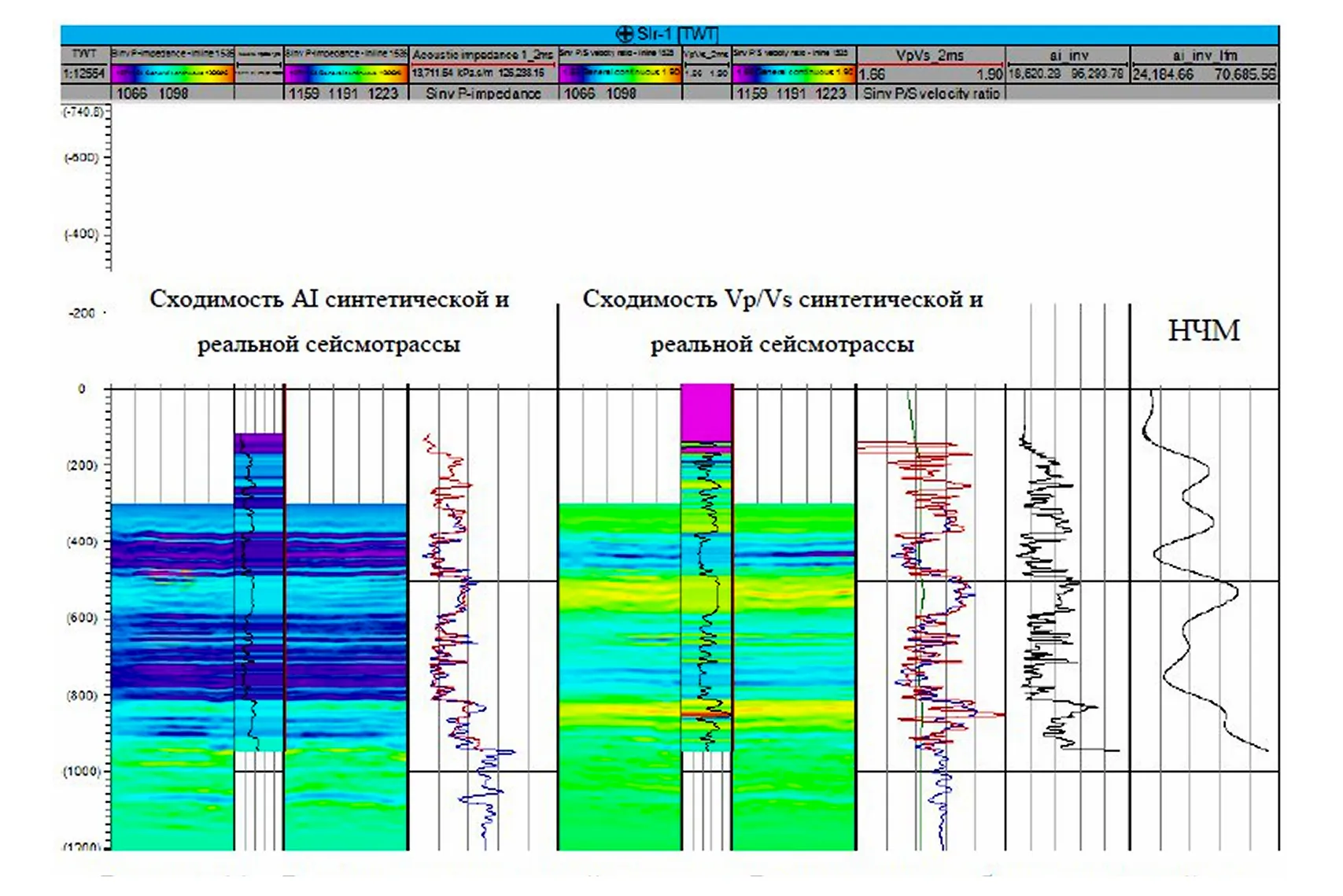
The team proposed an updated conceptual model, clarified the faults, supplemented the horizons, and recalculated the parameters. We had to convince the customer that “innovative” methods for them, such as seismic facies analysis, were not shamanism, but a real tool for predicting effective thicknesses. The result was not just bug fixes: the company received a more reliable basis for development and continued to cooperate with the university.
Retraining and AI: the future of geophysics
In addition to working with students, Alexandra teaches those who have been in the profession for a long time. Geologists and geophysicists with dozens of years of experience come to her advanced training courses. The reasons are different: some need to “fill” qualification requirements, some want to master new technologies, others want to fill gaps that have accumulated over the years.
In the oil and gas industry, learning for adults is not always easy. Some companies, like Gazprom Neft, have their own educational centers, and going to third-party courses is almost impossible – the bureaucracy won’t let you through. And in other organizations, on the contrary, employees themselves look for where to go, get funding because they understand that without this you will fall behind new technologies, modern working methods and market requirements.
Alexandra’s “top course” took place in the fall of 2023, when the Russian division of a large foreign company lost access to foreign programs and began to look for training within the country. The choice turned out to be small – only a few sites, including the center where Alexandra works.
The group included serious, experienced specialists who came to recall the basics, gain a deeper understanding of the interpretation, or master new tools. One of them opened his laptop with a large number of additional paid modules (plugins) in specialized software, loaded educational data there and demonstrated the results, turning theory into a joint workshop.
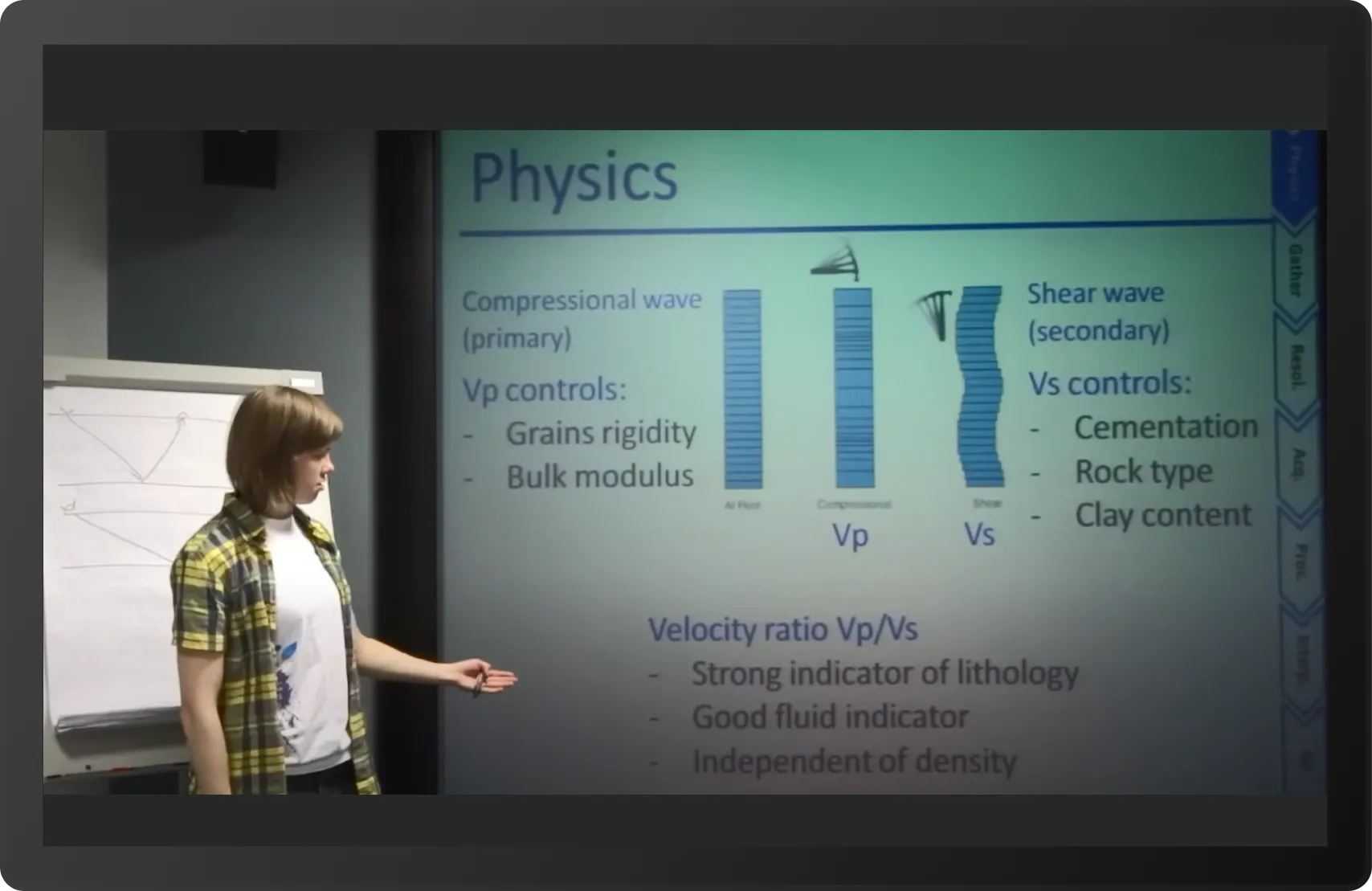
Alexandra’s courses also include a block on artificial intelligence. It shows how seismic facies analysis can be done using classical methods – and what it looks like using AI. Using such technologies in practice is not easy: licensed software is expensive, and not all companies are ready to train employees from scratch. Therefore, Alexandra selects solutions based on Russian developments so that participants can learn without unnecessary barriers and immediately try new approaches.
Listeners come with different moods. Some – out of inertia, confident that “we don’t need this.” But step by step they become interested: “It’s difficult to relearn,” says Alexandra, “but if you don’t relearn, you just drop out. Today we must not be afraid to change, otherwise the market will overtake us.”
For her, the goal of such courses is not just to provide a tool. This is about making a person feel interested in the profession again and believing that it is possible to learn something new.
“Stars” against the system
In this article, Alexandra and I went from her first field trips with students to retraining courses for experienced specialists. We saw how practice becomes real – with instruments, cases and real data, we changed the teaching format from linear to modular so that knowledge is consolidated immediately, and how the university and industry can work together not just for show, but to solve real problems.
We also talked about something else – that retraining adult specialists today is not a luxury, but a necessity, and the ability to teach them requires a special approach. And that changes in education begin not with reforms “from above,” but with specific people who set a role model by their example.
Alexandra is one of those people. She creates a space around herself where you want to learn, both for students and professionals. “Don’t be afraid to ask questions—whether you’re just starting out or if you’ve been in the profession for many years,” she says. “This is not weakness, but a path to growth.”
Maybe one star won’t illuminate the whole path, but it will help you see the direction. And then it’s up to us: to support those who learn, share experiences and remain curious, no matter what.
How did you begin your journey into the profession? Tell us what influenced your choice – an incident, a person, a book or your own discovery?
The material was prepared with the support of the Russian Ministry of Education and Science as part of the Decade of Science and Technology