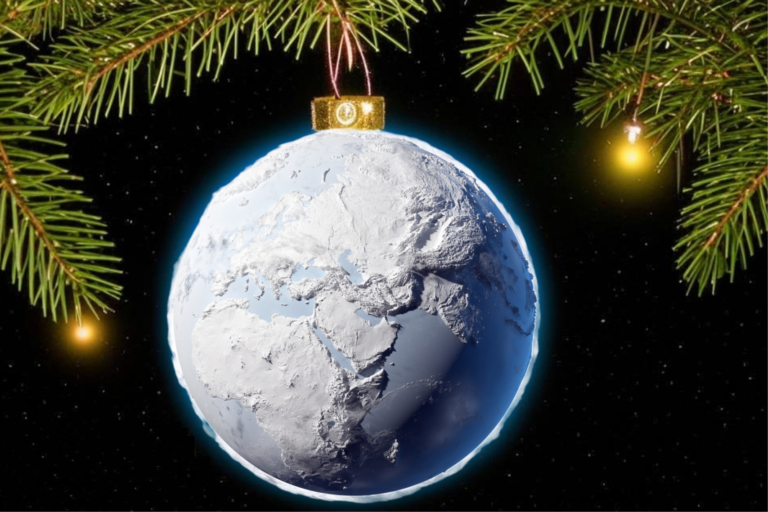
Ancient Precambrian rocks indicate that our planet was completely covered in ice at least twice: from the poles to the equator. From space it looked exactly like a snowball on a Christmas tree. These glaciations could have completely destroyed nascent cellular life, but instead led to the emergence of complex organisms.
I knew that glaciations happened on Earth. The latter happened relatively recently – 10 thousand years ago. But I unexpectedly discovered that the Earth was completely covered with ice 600 million years ago during the course The History of Ancient Environments, Climate, and Life, MITx. How this happened and why, let’s figure it out together.
Based on the article The story of Snowball Earth by Laura Poppick The story of Snowball Earth | Knowable Magazine And video on the YouTube channel of the Darwin Museum.
What did the Earth look like during the massive glaciation?
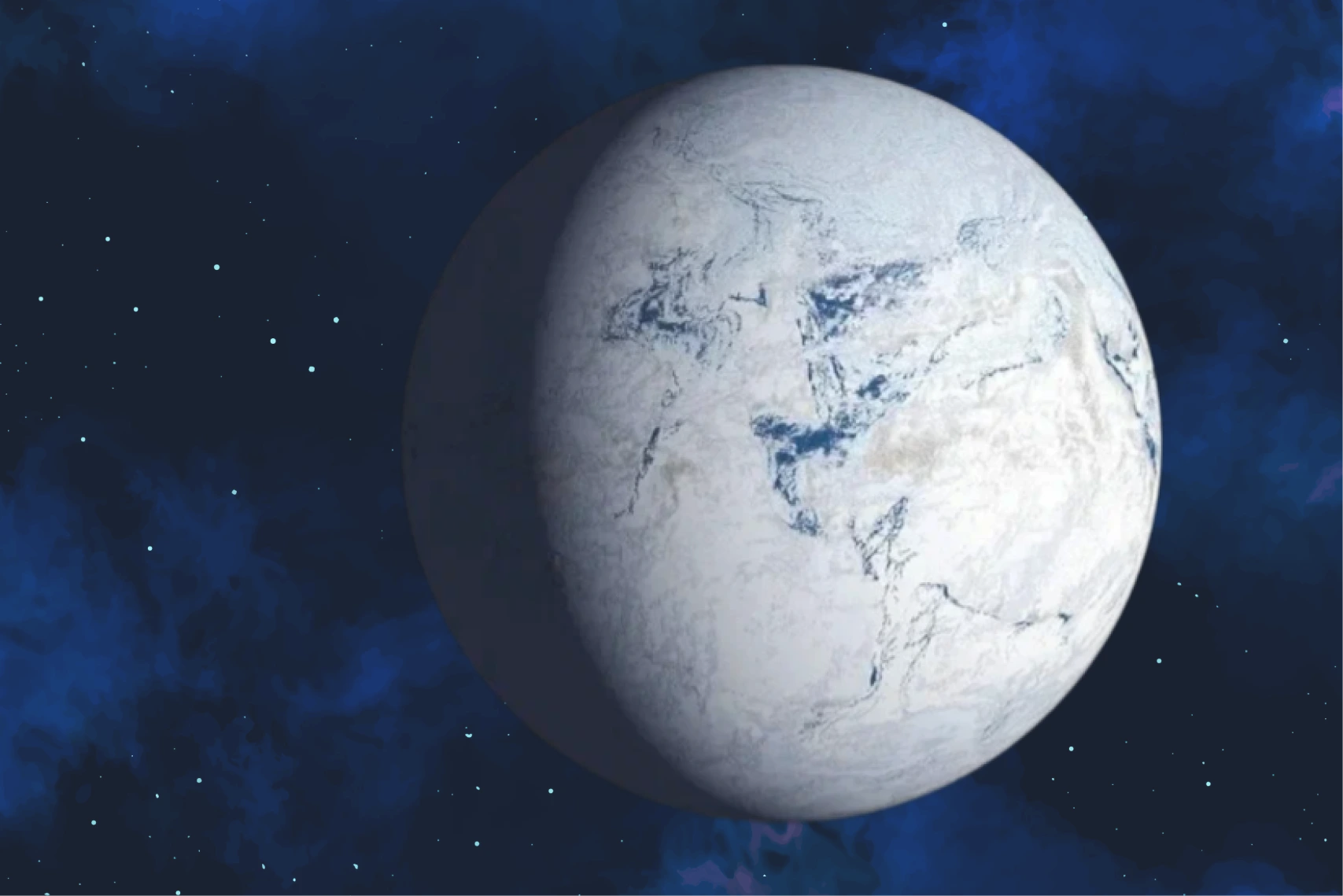
Over its 4.5 billion years, the Earth has undergone many changes, including dramatic ones. One of perhaps the most significant events occurred between 700 and 600 million years ago, when, according to scientists, the entire planet from the poles to the equator was covered with ice – twice in a row.
This moment in the history of the planet is described by the theory “Snowball Earth”. Its name accurately conveys what the Earth looked like from space – like a shiny white ball. The entire ice surface was covered with frost and tiny ice crystals that had settled from the cold, dry air. Temperatures across the planet were well below freezing, and strong winds blew at low latitudes. The ocean beneath the ice was constantly troubled by tides and turbulent whirlpools that arose due to geothermal heat coming from the bowels of the Earth.
What led geologists to think about massive glaciation?
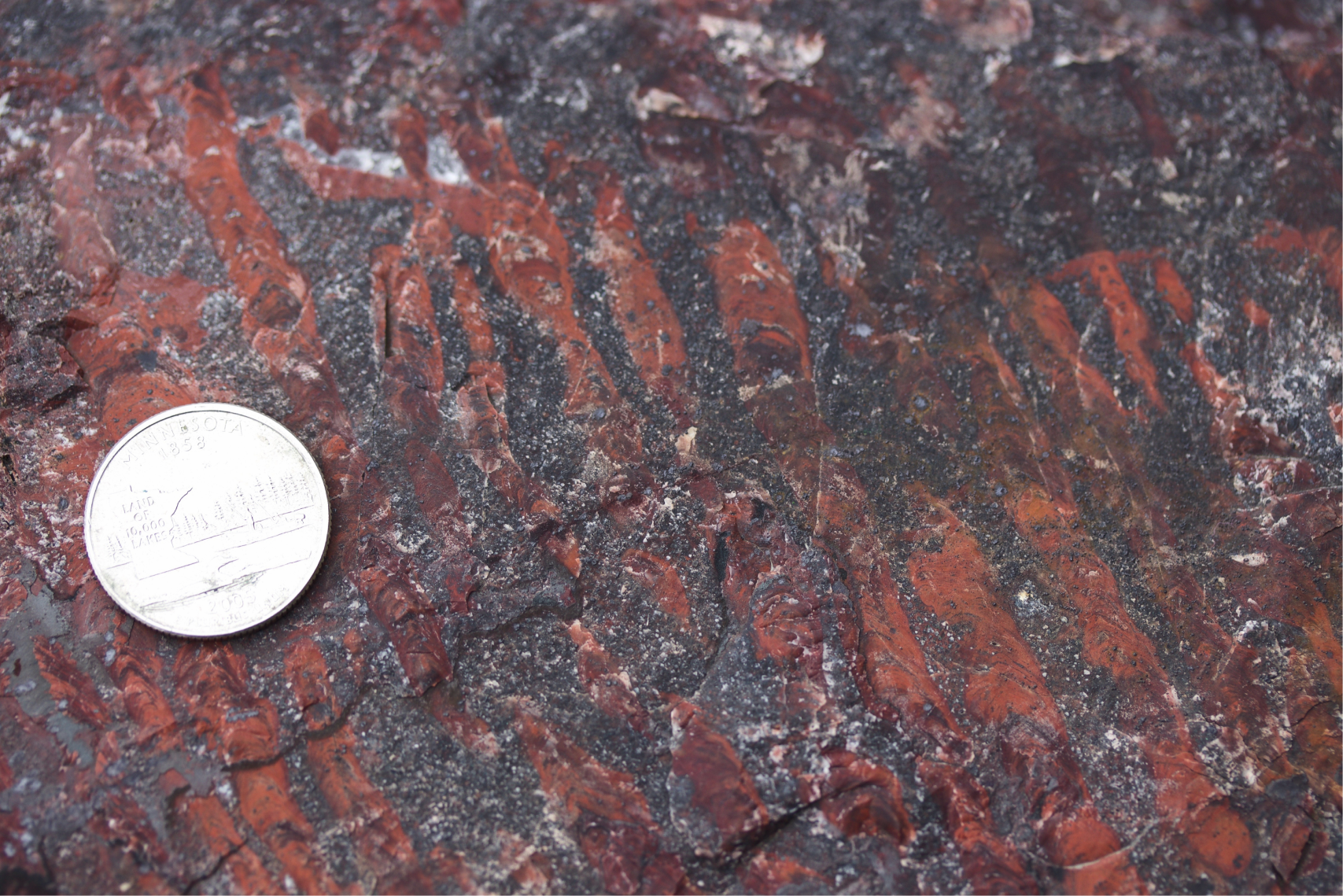
Once in Australia, in rocks older than 600 million years, geologist Douglas Mawson discovered glacial deposits – tillites. This is not surprising: according to the theory of the movement of lithospheric plates, Australia could then be located in the region of the poles and be covered with a glacier.

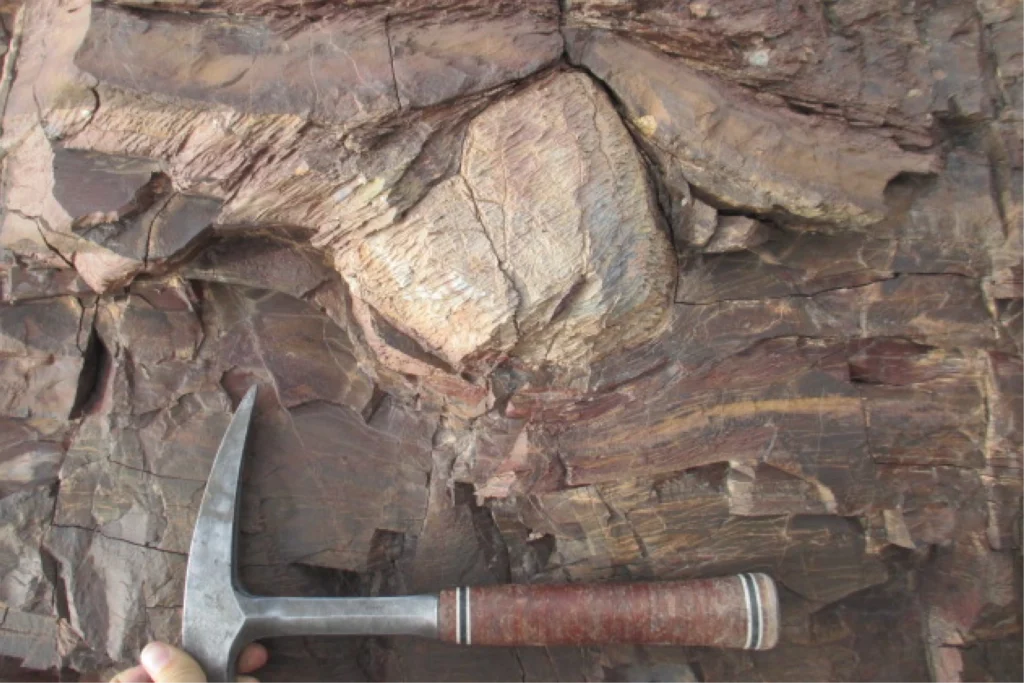
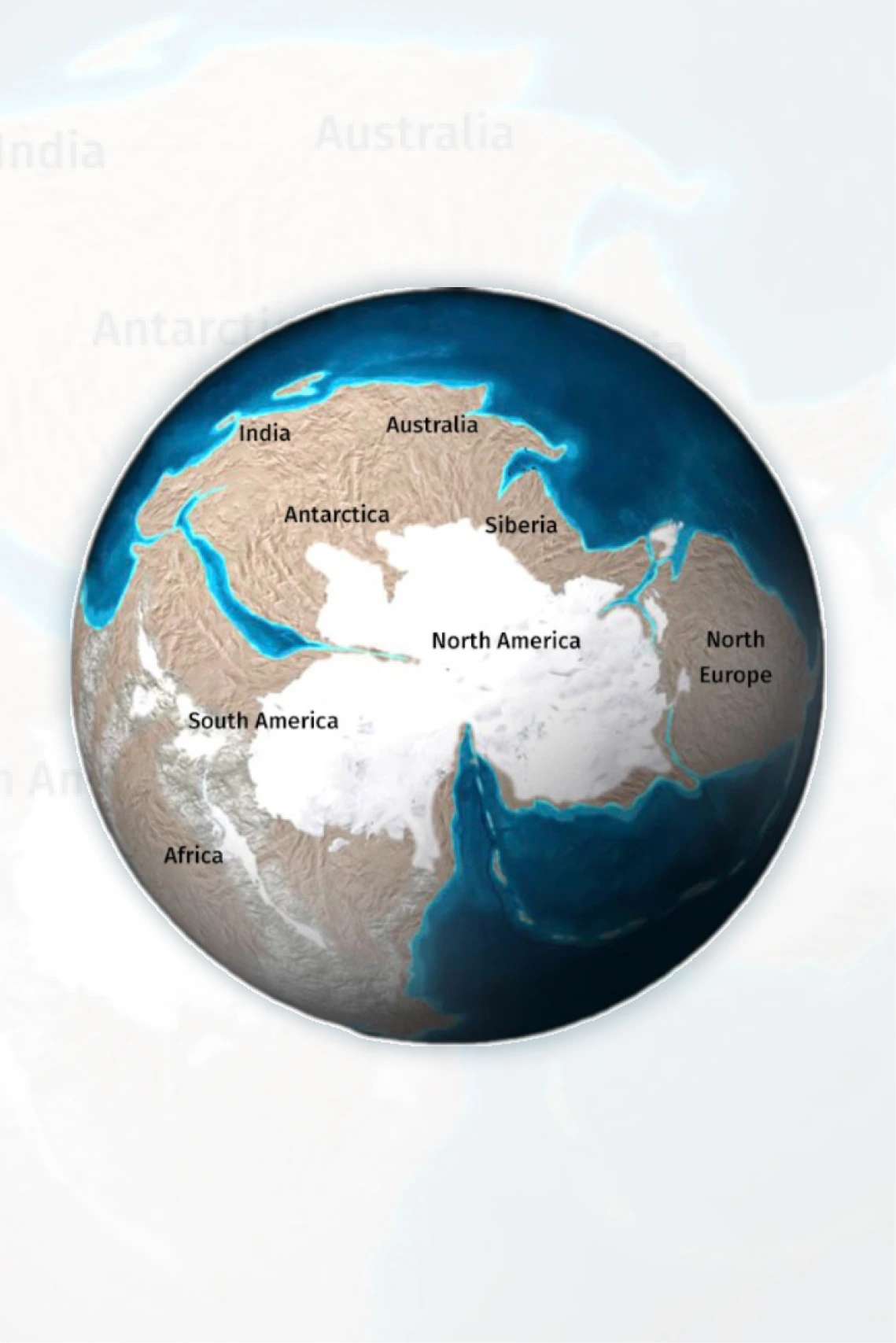
Then deposits of the same age were found on Spitsbergen and Greenland. And again, nothing unusual – these places are definitely in the north. But after paleotectonic reconstructions of continental movements, it turned out that both Greenland and Spitsbergen were located on the equator during the glaciations and were part of the supercontinent Rodinia. There is a high probability that the entire planet was covered in ice.
What triggered the glaciations?
The question of the causes of glaciation is extremely complex; there is no consensus on it. What causes such large temperature fluctuations on Earth? Perhaps due to the Milankovitch cycles, when less solar energy reaches the Earth as the Earth’s axis shifts. These cycles are quite correlated with climate changes over the past hundreds of thousands of years. But the Earth was covered with ice more than 20 million years ago – it is unlikely that such a long glaciation was associated with cosmic factors.
Let’s look at two questions. What created the conditions for cooling and glaciation? And what was the impetus for them?
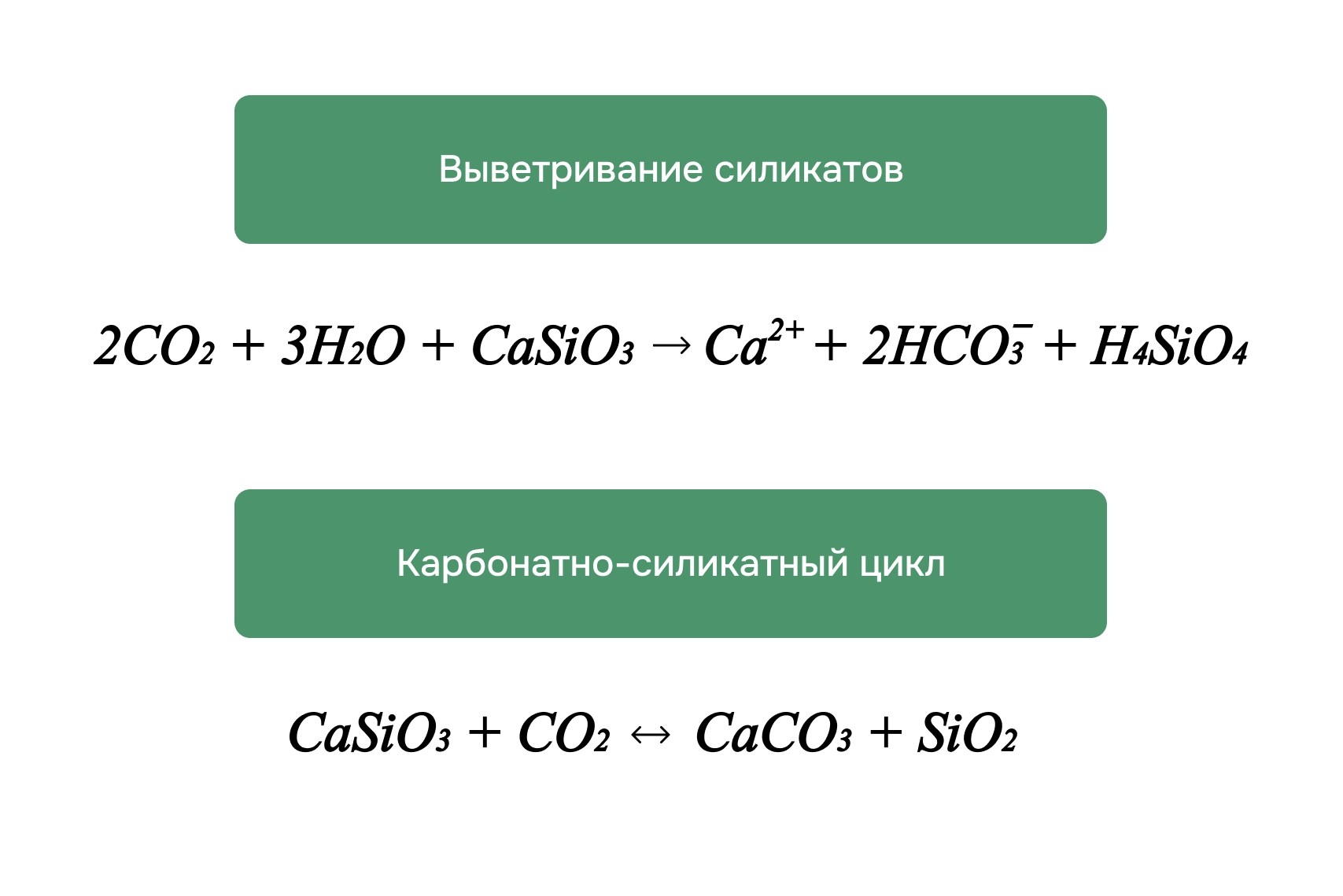
Greenhouse gases, especially carbon dioxide and CO, play an important role in serious climate change.2. Many are now concerned that due to CO emissions2 The temperature on Earth is rising. It is logical to assume the opposite process – the less CO2, the lower the temperature and the colder the planet. What could have led to a decrease in carbon dioxide concentrations 700 million years ago?
During a massive glaciation, the single supercontinent Rodinia broke apart. It is believed that there is a connection between these two events: the breakup of the supercontinent could increase the amount of precipitation at the margins of the continents, and this would increase the weathering of rocks.
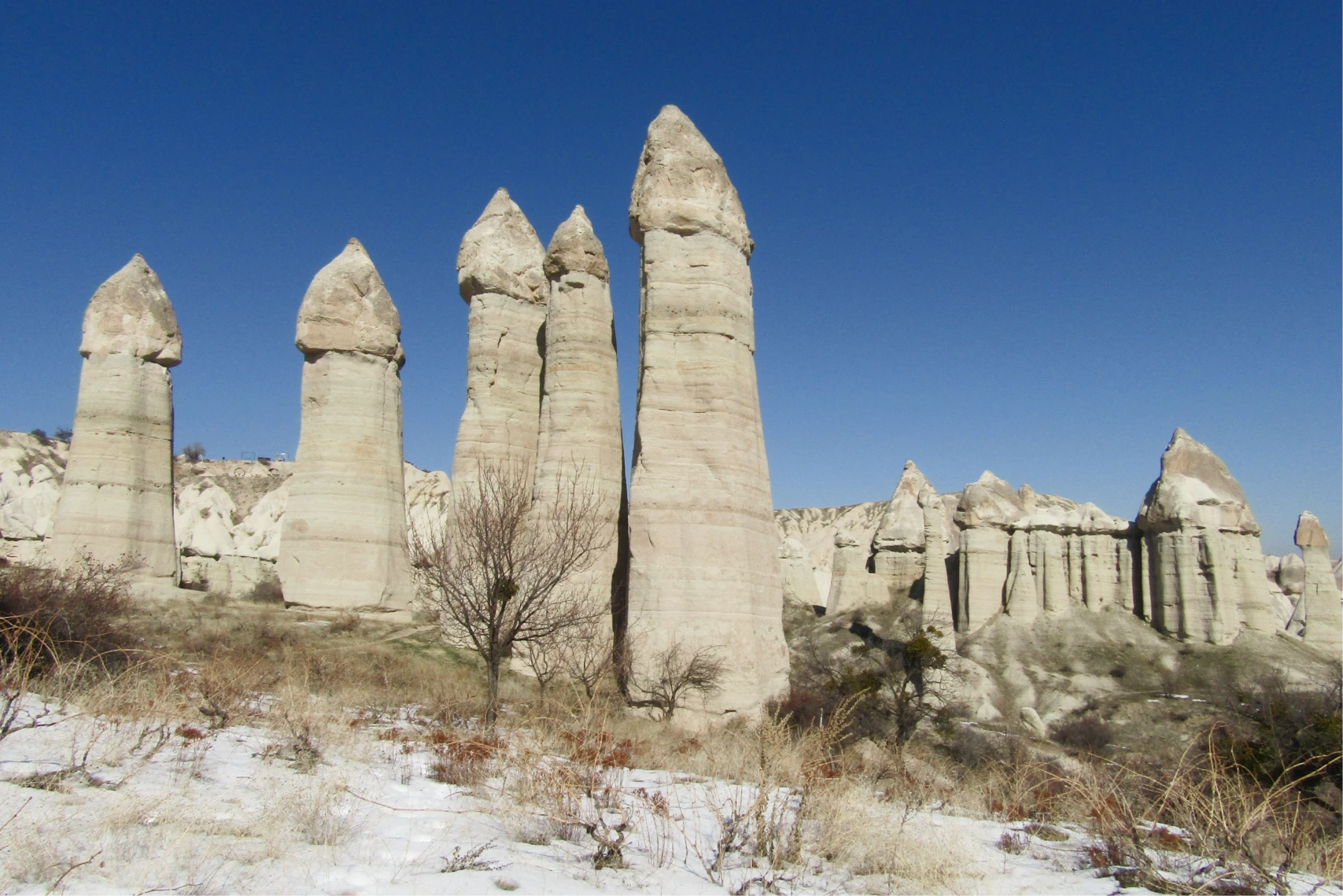
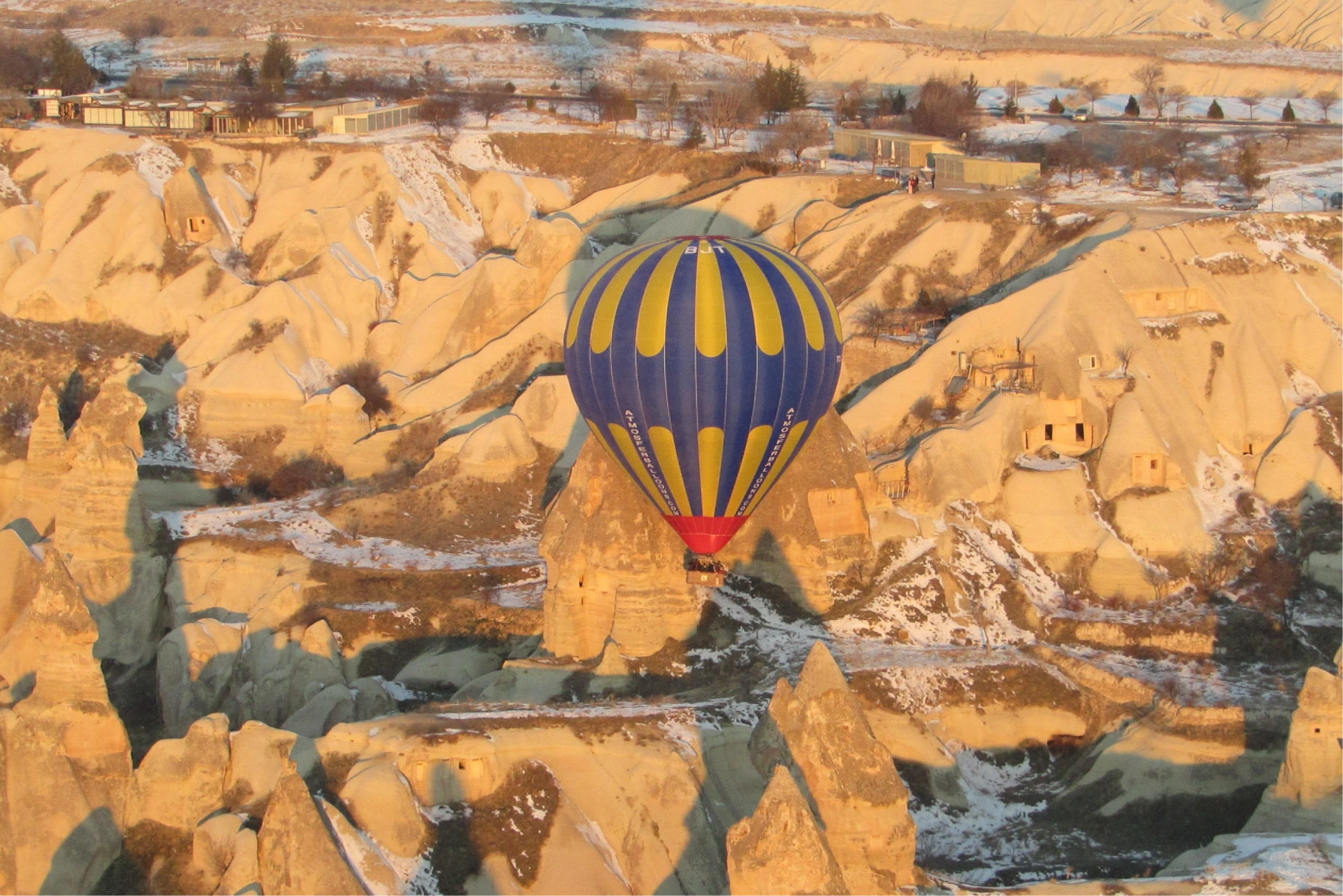
Under the influence of chemical and physical factors, rocks were destroyed. This process is called weathering. It actively absorbs carbon dioxide and forms SiO2 – what most ordinary sand consists of. Weathering products, saturated with CO2, were transported by water currents to the ocean, where they were buried.
In addition, calcium is partially released during erosion. It dissolves in water, which begins to actively absorb carbon dioxide, forming CaCO3, that is, limestone. Thus, land and water constantly accumulated carbon dioxide. The atmosphere gradually, over millions of years, lost greenhouse gases and cooled.
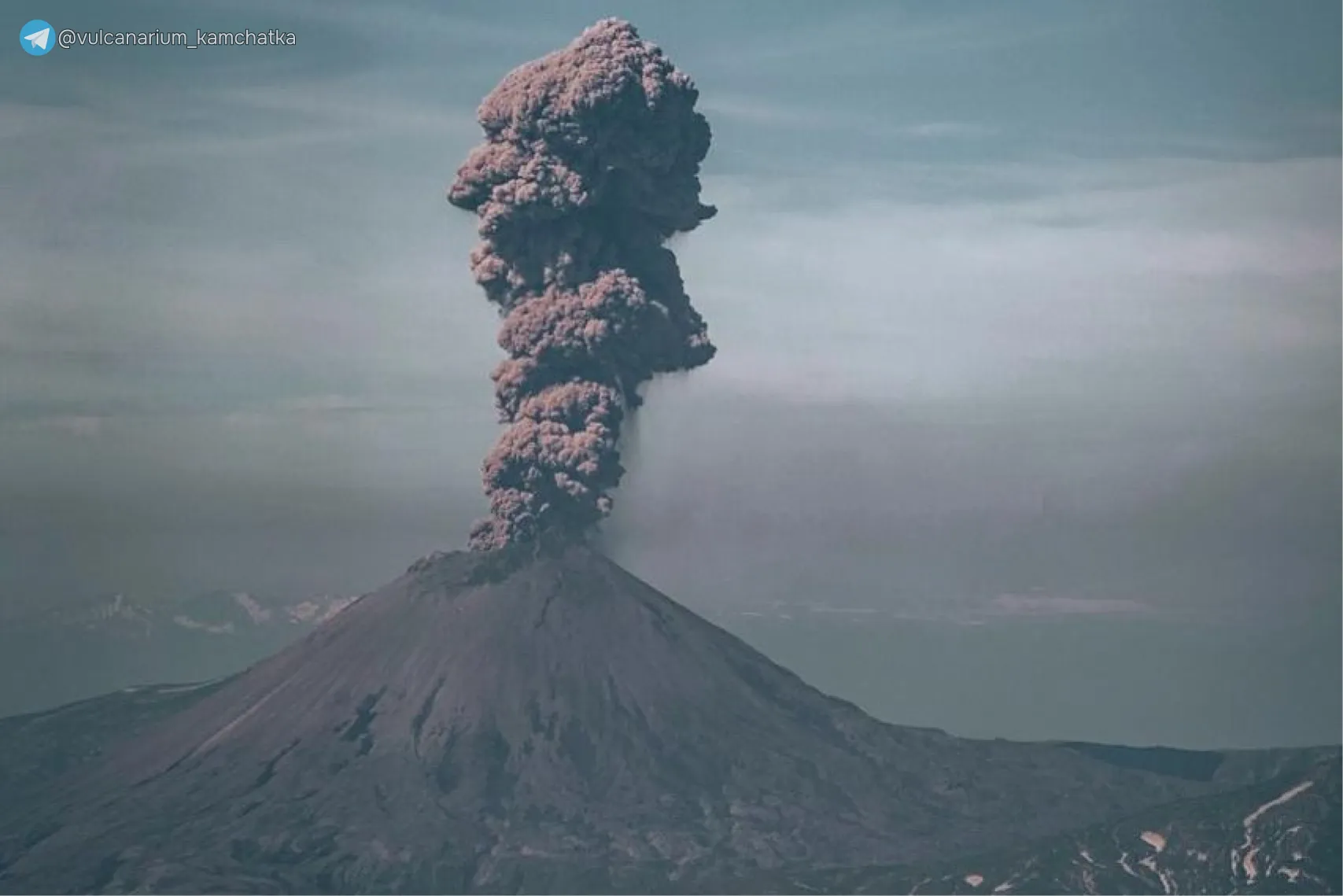
As for the trigger that launched the irreversible processes of glaciation, in recent years it has been attributed to a series of large eruptions that occurred on the territory of the modern Arctic in Canada approximately 717 and 719 million years ago.
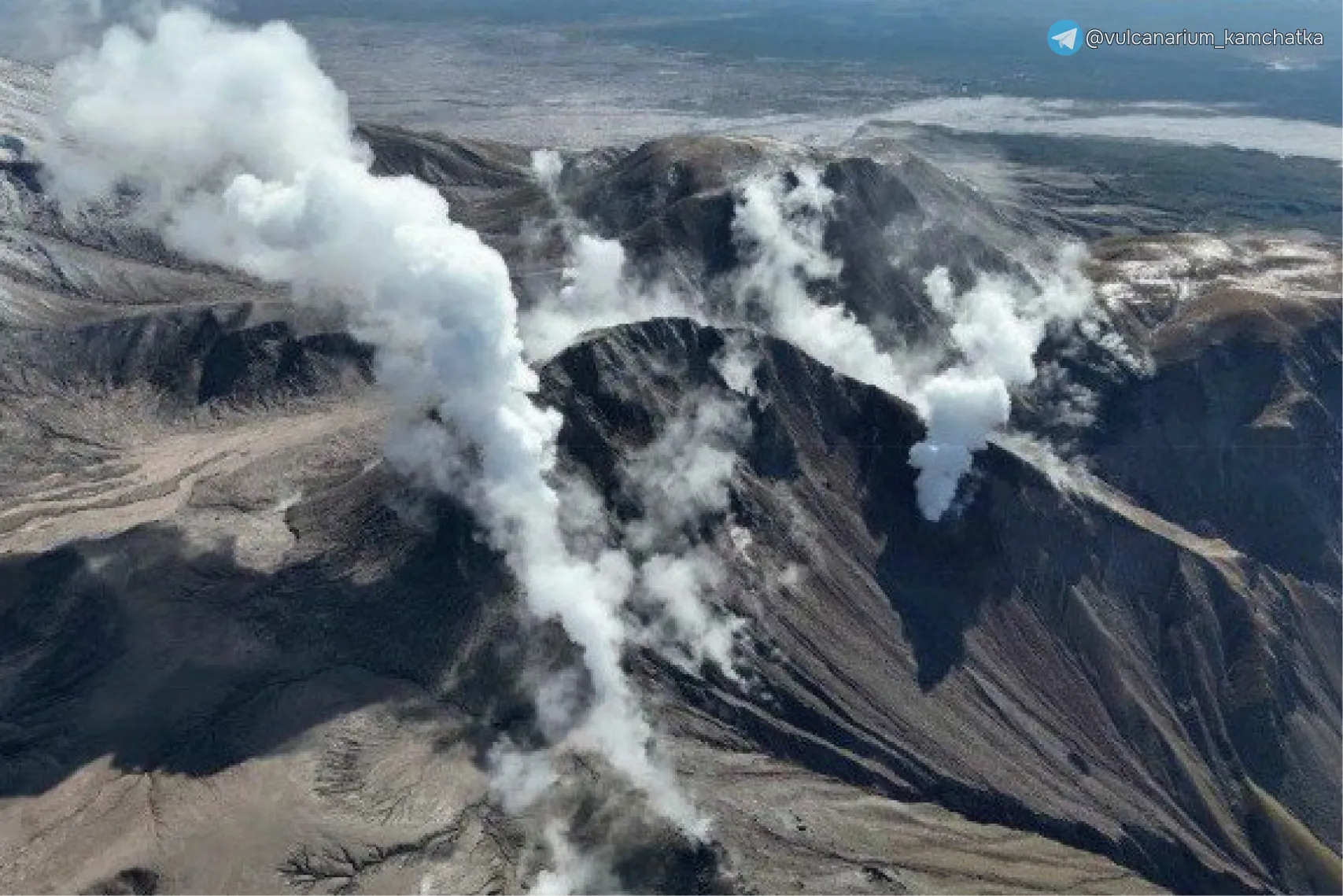
When fire fountains erupt – lava that emerges from a volcano’s crater over several weeks or months – a strong flow of heat is released into the atmosphere and rises to its upper layers. With it, particles of sulfur gas are pulled into the stratosphere and remain there for a long time. They reflect incident solar radiation, causing surface temperatures to drop. These eruptions coincide in time with the beginning of the first and longer of the two “snow” periods, so it was believed that volcanoes provoked these events.

What did life on Earth look like at that time and how did it change due to glaciation?
Scientists believe that massive glaciation may have led to the Cambrian explosion of life, a period when multicellular organisms became more diverse and began to spread across the planet.
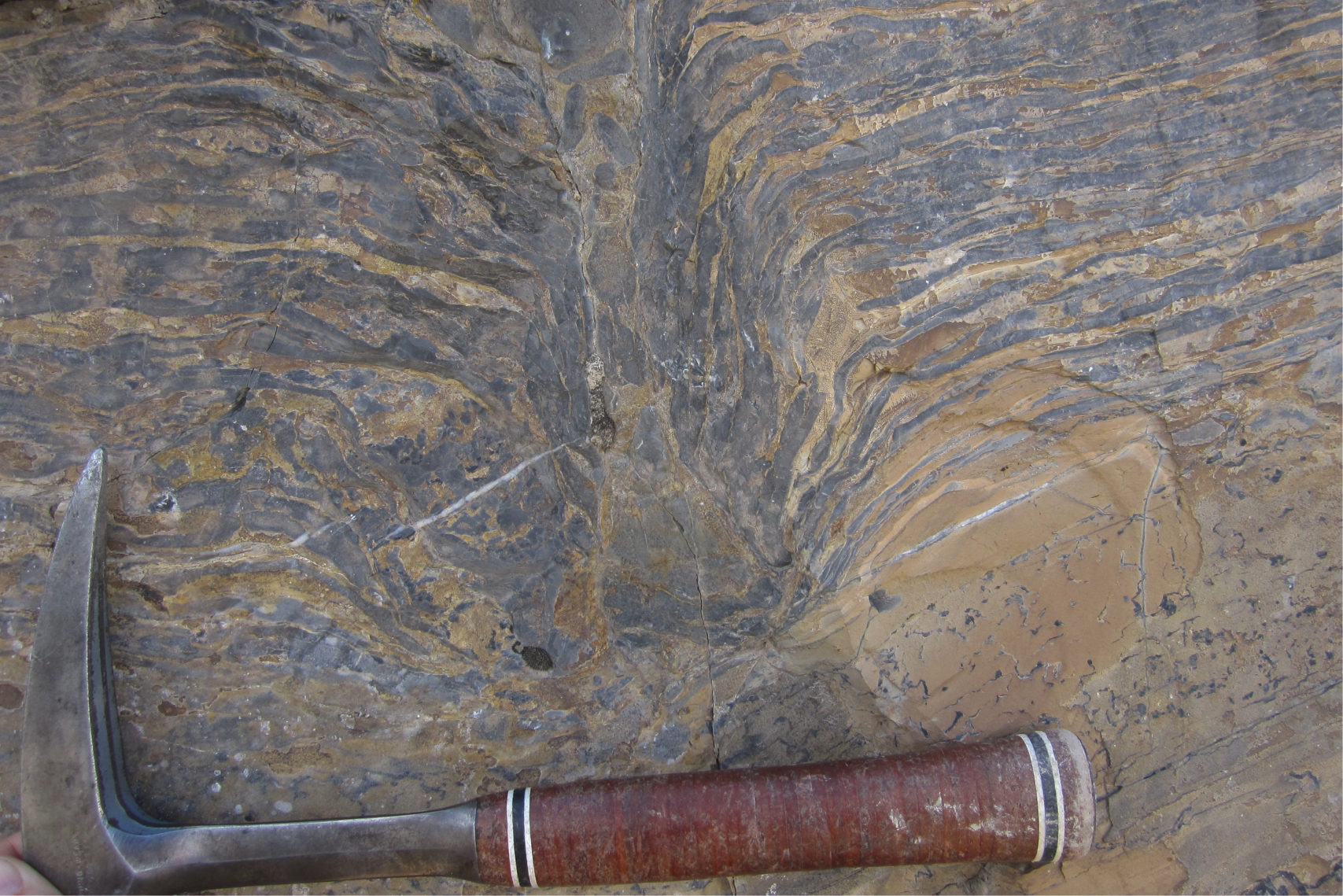
The oceans under the ice did not freeze – rock deposits of that time contain traces of wave ripples or rolling along the bottom. If there was water, it means there could be life, at least on the seabed around hydrothermal underwater vents, as is now happening around black smokers.
In addition, some microorganisms could live in ice. The same bacteria tolerate extreme conditions. Recent discoveries on Lake Vostok (Antarctica) have shown that under the ice in the water organisms can exist, photosynthesizing ones that live off the energy of sunlight. The ice should not be too thick so that the light penetrates a hundred meters. Perhaps, if ice covered the entire Earth, then in some places it reached kilometers. But at the equator its thickness was no more than 10 m, which means that organisms could survive even under glaciation conditions.
The oceans were then inhabited by bacteria, algae and single-celled organisms, also known as protozoa. There is evidence that the first multicellular organisms, probably something like sponges, arose at the same time.
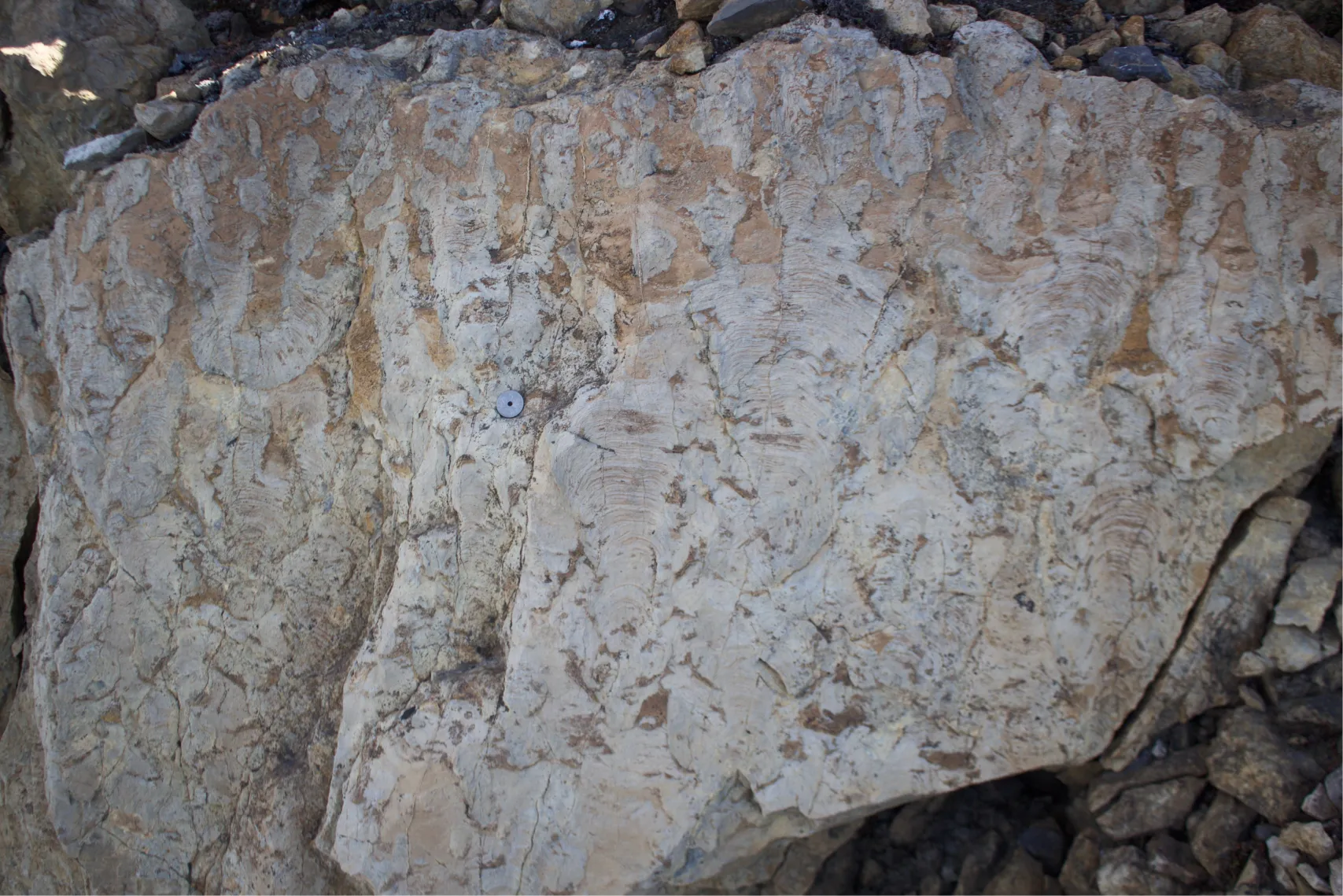
There is one hypothesis about exactly how glaciation affected life on Earth. Snowball Earth ecosystems may have become highly isolated from each other, giving rise to the development of new forms of life, especially altruistic ones – with cells that believe it is better to work together rather than separately. Thus, greater isolation of ecosystems may have allowed them to evolve into multicellular organisms, strengthen cooperation, and evolve together.
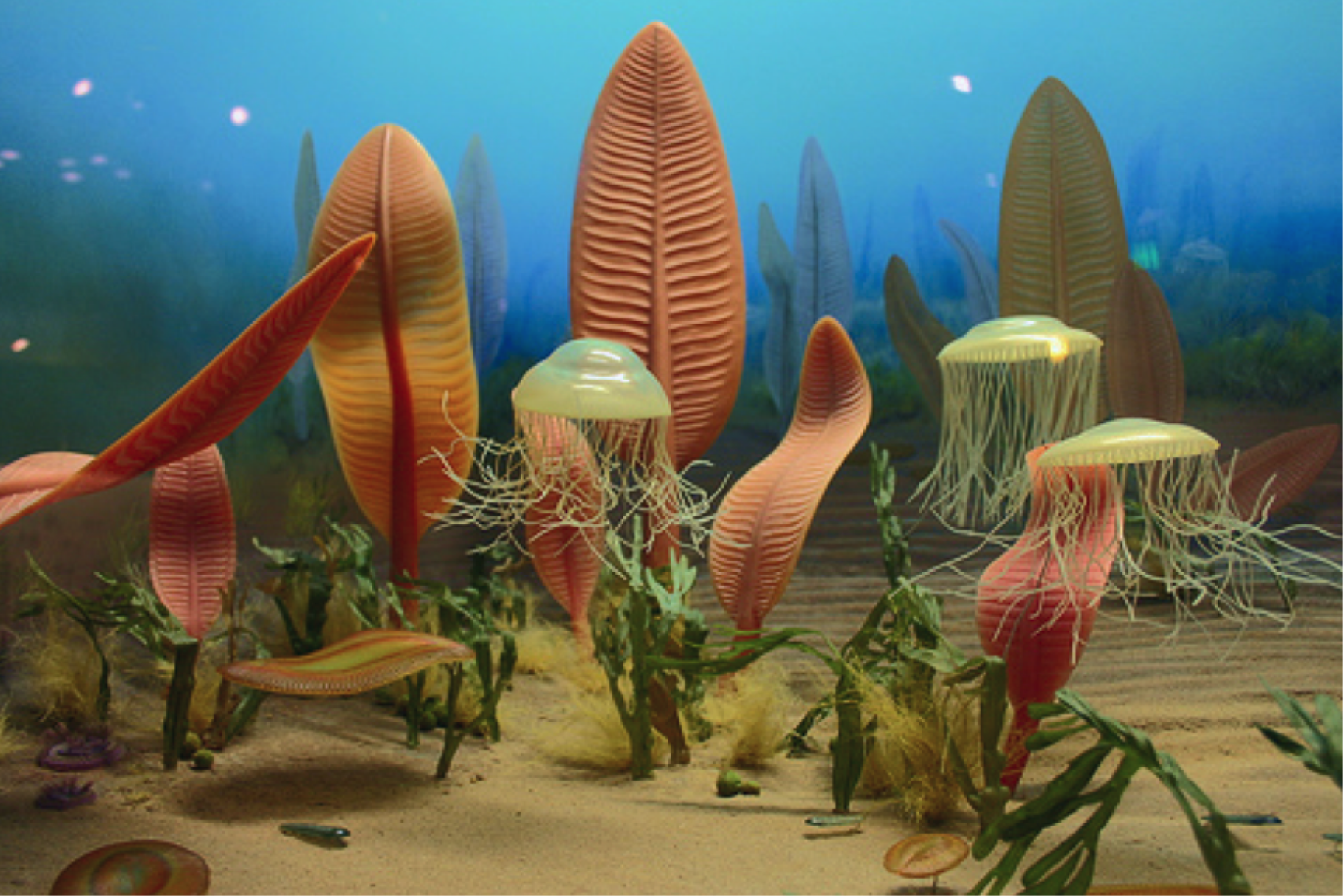
After the glaciation, the Ediacaran period began, in which a unique community of multicellular animals appeared, and all the shallow waters were filled with life.
How did geologists accept the Snowball Earth theory?
When Caltech geologist Joe Kirschvink coined the term “Snowball Earth” in 1989, many scientists doubted that these glaciations actually occurred. The scientific world has become too attached to the idea that The earth has never changed its appearance much.
Nineteenth-century geologists had as much difficulty believing that just 20,000 years ago much of northern Europe and North America was covered by a glacier as 20th-century geologists believed in the “Snowball Earth” theory.
Evidence of glaciations at low latitudes, in the warmest parts of the Earth, has long been lacking. The dates of these events were not reliably known. But in 2024, two completely different dating methods produced very similar results. Since then, most geologists studying these glaciations have accepted the “Snowball Earth” hypothesis.
After dating, new questions arose for scientists. Why did two ice ages occur in a row on Earth? Why did the first last 58 million years, and the second from 5 to 15 million years? Why was there such a short period between them, only 10 million years, when there was no ice at all? Why didn’t the third or fourth glaciation happen?
Can glaciation happen again and why study the history of the Earth at all?
The likelihood that the entire Earth will again be covered in ice, comments geologist Paul Hoffman from the University of Victoria, British Columbia, Canada:
It is unlikely that we can answer whether glaciation will occur in the future. The future is a long time. I think we can say that it won’t happen for a few tens of thousands of years.
The history of our planet is one of the greatest stories. Because we live here and depend on this place, it is very important to understand that the Earth has not always been the same as it is today. Snowball Earth is an example of amazing events that our planet has gone through that we would never have known about if we had not studied geological deposits.