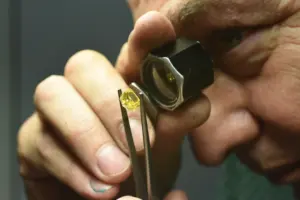
Are there career opportunities in science? And what exactly do mineralogists do? How does the job of a university teacher work? We will learn about all this and much more from Taras Panikorovsky, candidate of geological and mineralogical sciences, associate professor at Murmansk University and author of the channel “Nature and minerals of the Kola Peninsula».
How I chose science and the North: the path to mineralogy
Usually people tend to stay and live and work in big cities: for example, London, Moscow or St. Petersburg. There are more opportunities for development and you can build a successful career. But the hero of our article has a slightly different opinion.
In 2009, I was not yet a scientist, but simply came to Kola for field practice after my 3rd year at university. Upon arrival at the site, we went on an expedition to study the mineralogy of the Lovozero massif, where I met the team. These are famous people in the geological world: Viktor Yakovenchuk, Yakov Pakhomovsky, Grigory Ivanyuk.
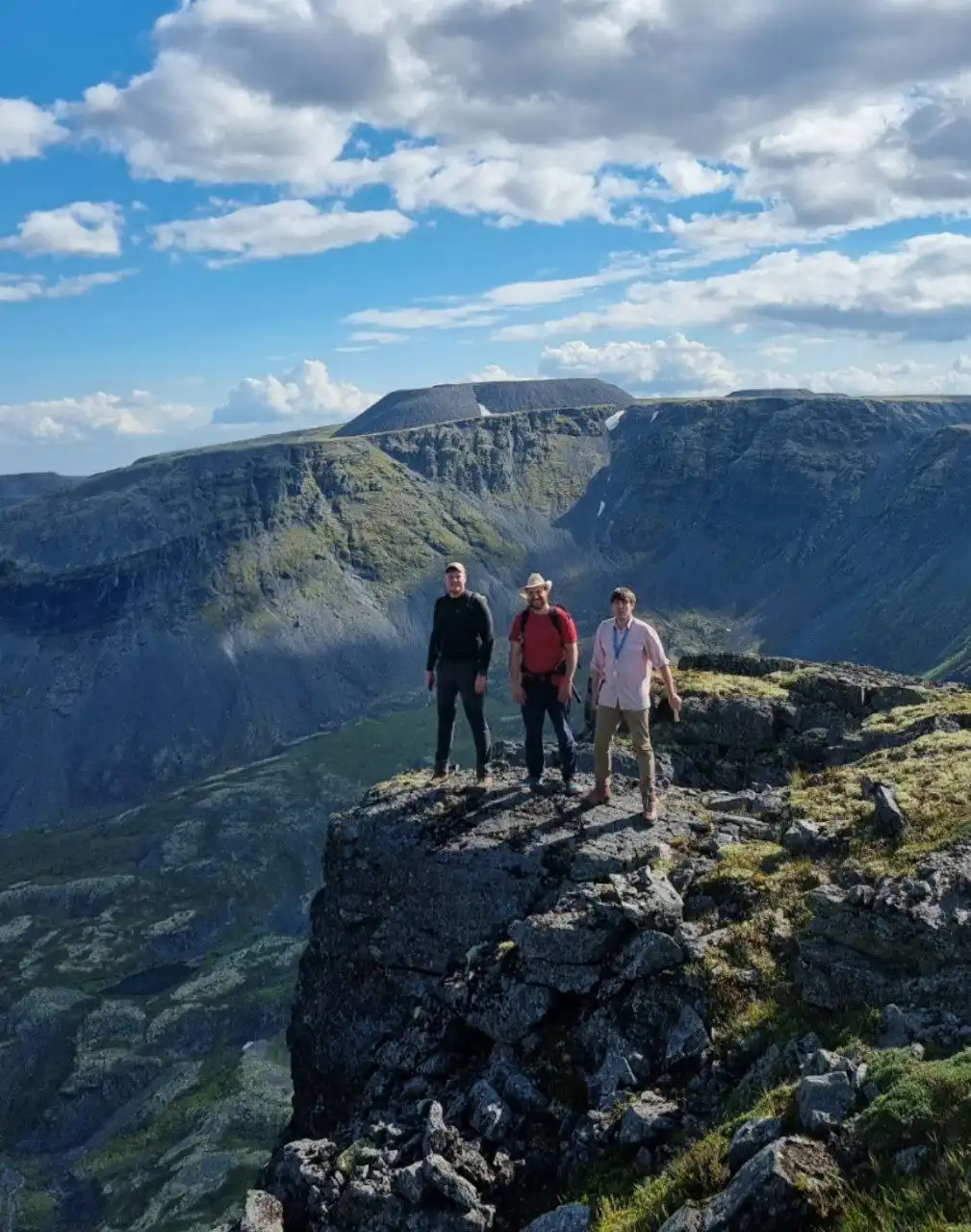
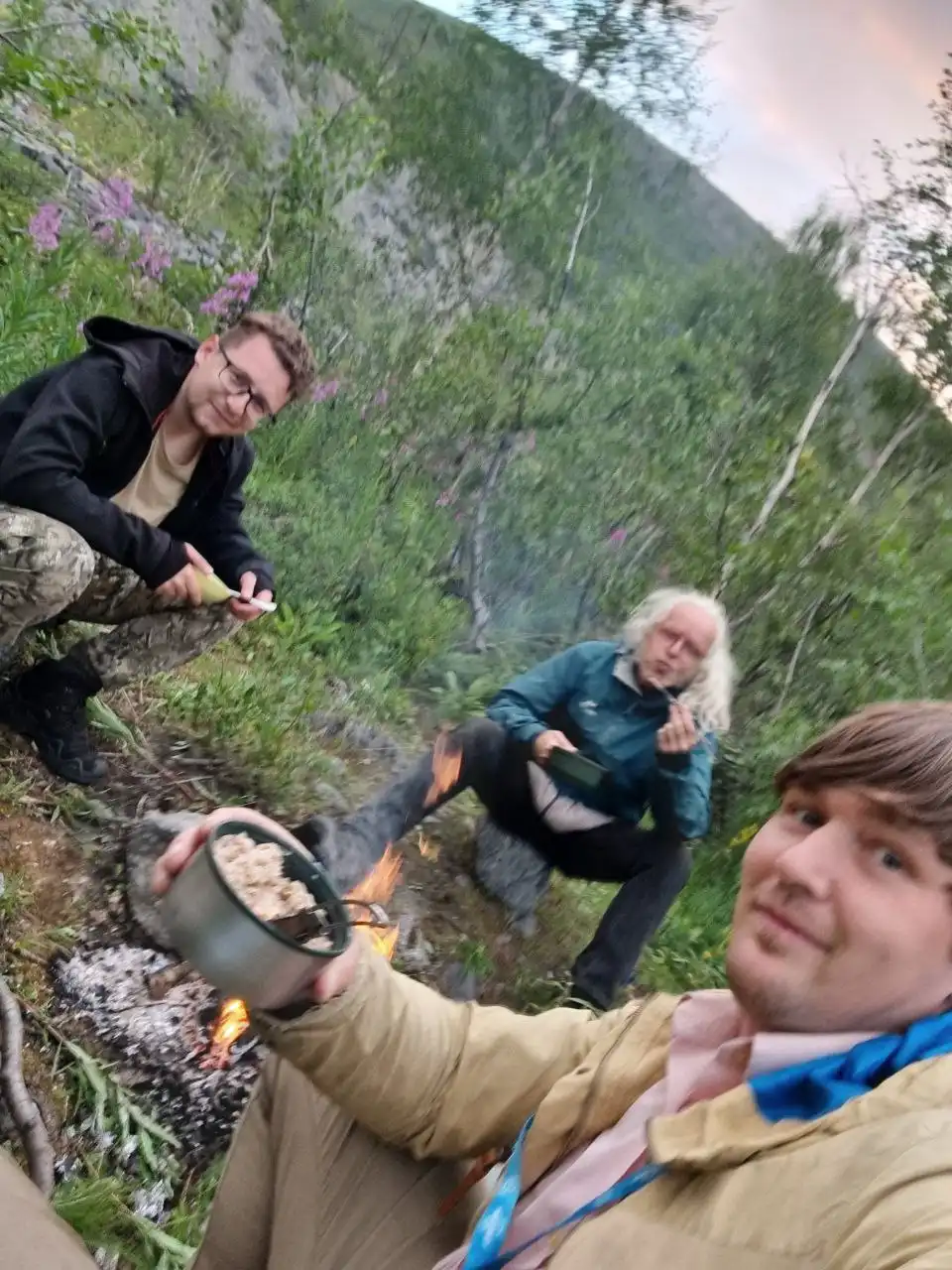

And the working atmosphere here is special, very soulful and warm. It feels like the team loves what they do. It used to be that on a day off you would come to work, take out the red wine you had not drunk from the holidays and photograph the samples. Where else is this possible? (laughs)
The first thing that impressed me was the people. I come straight from the train to the field, ready to make scientific discoveries, and suddenly I see ordinary-looking men sitting and knitting birch brooms. They immediately hand me branches – go ahead, work. It immediately became clear that one cannot survive in the North without humor.
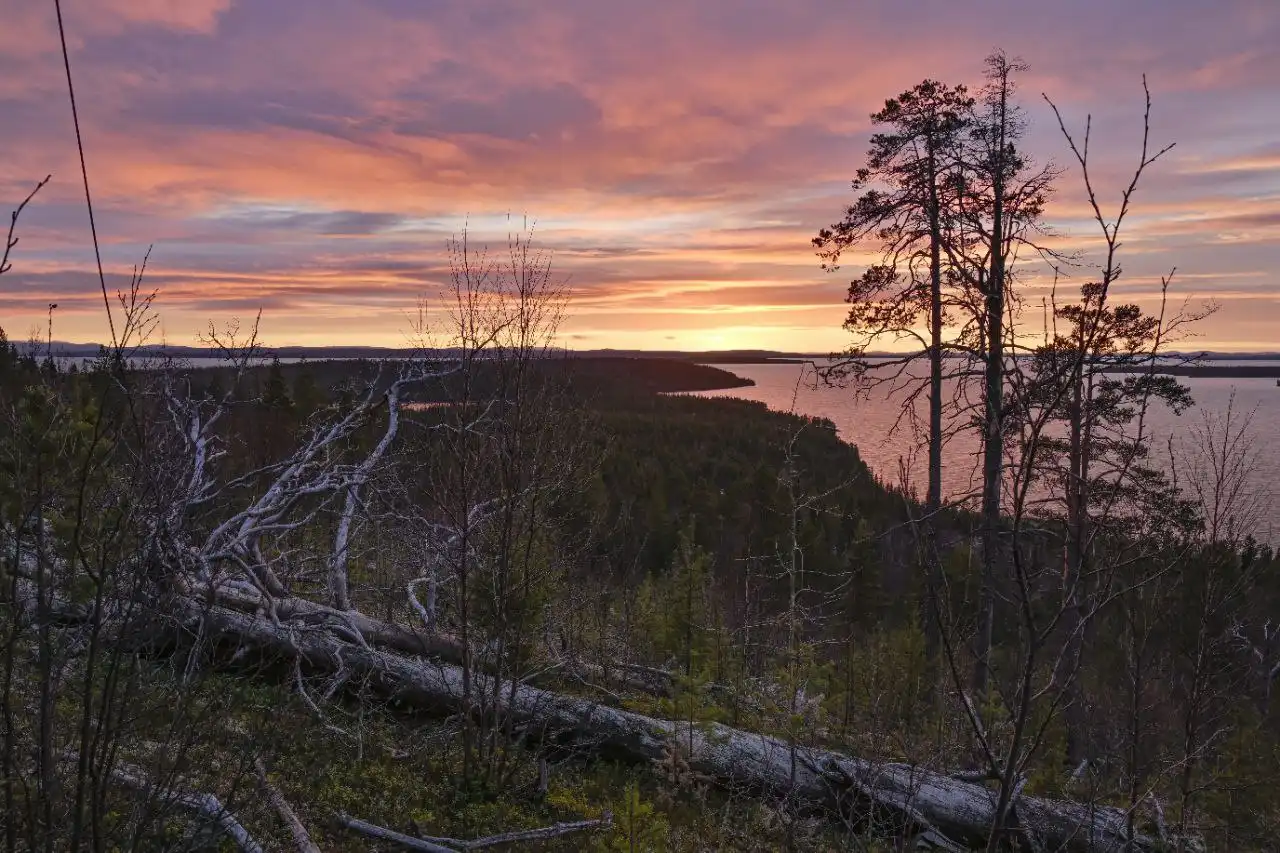
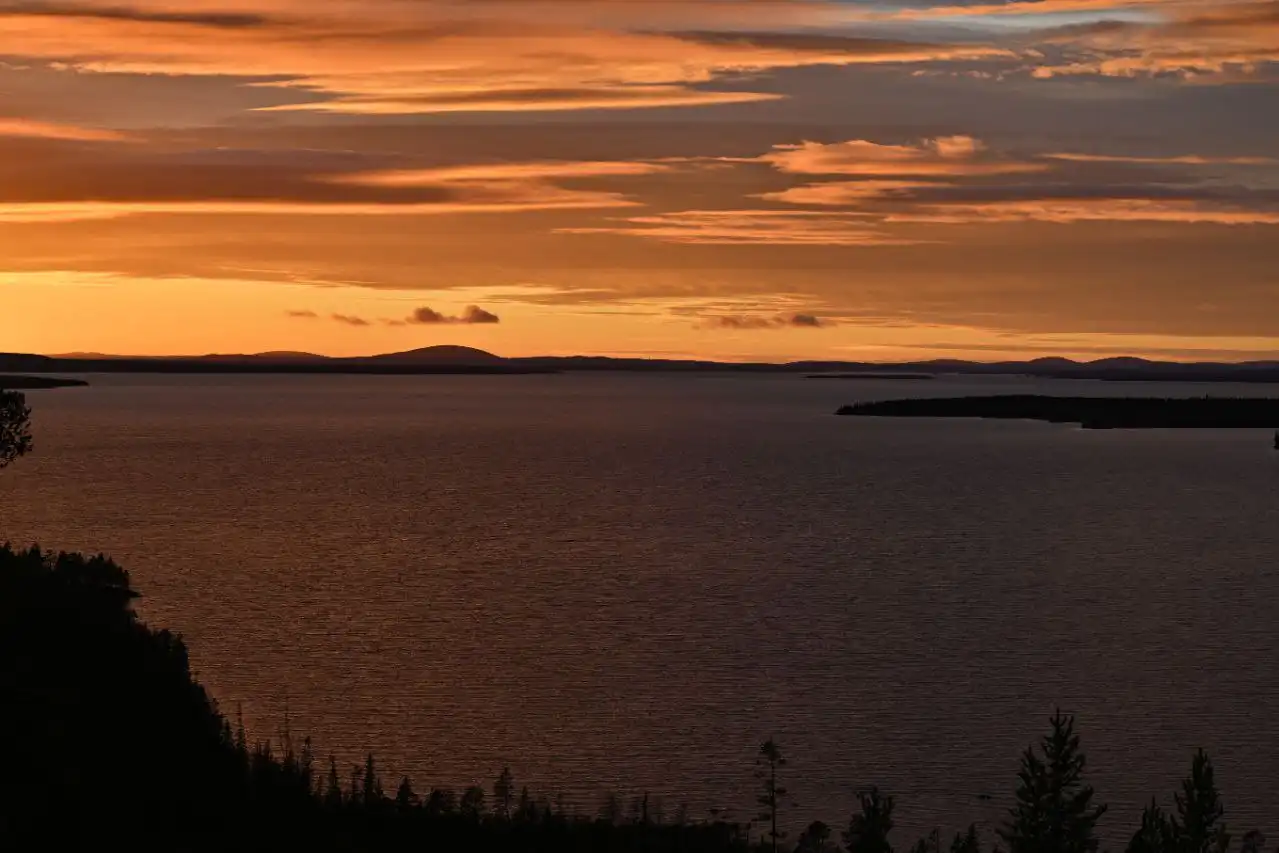
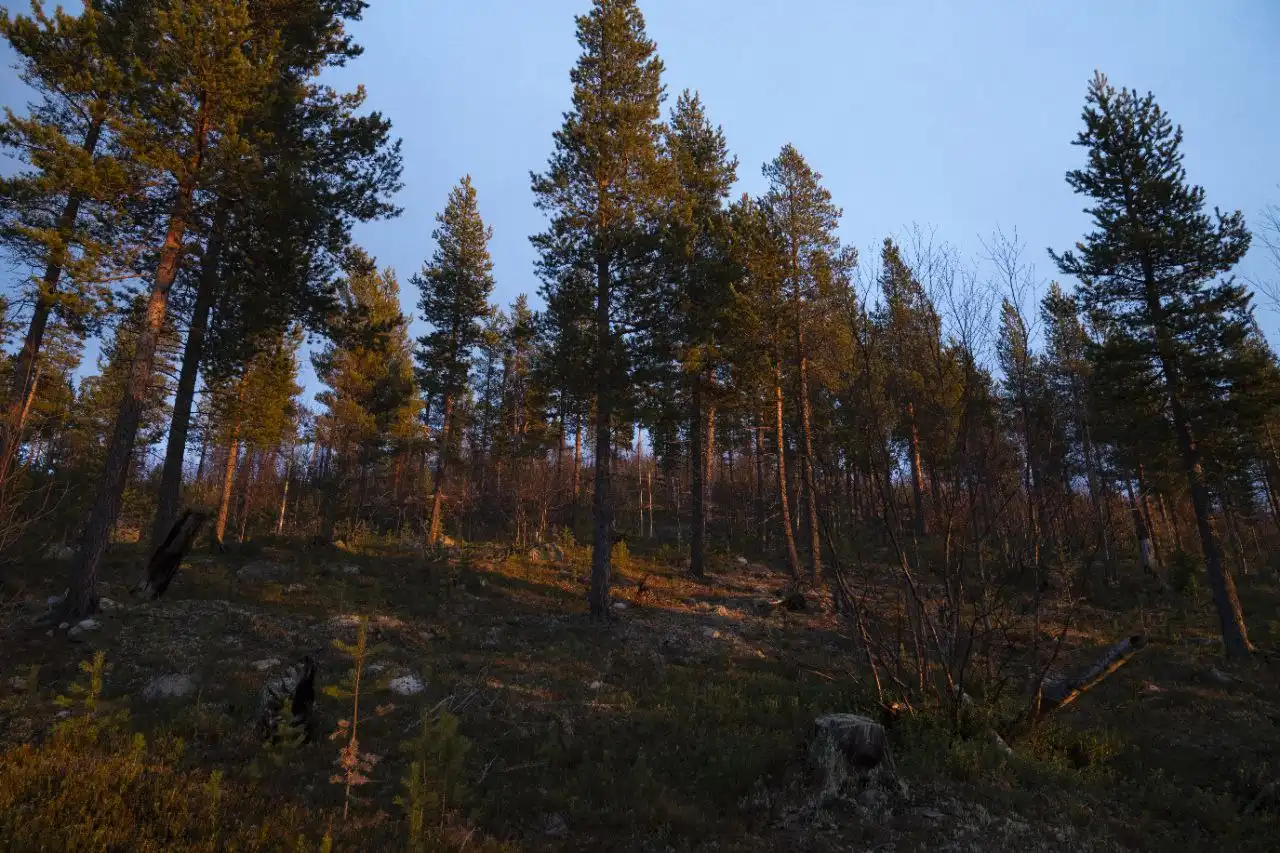
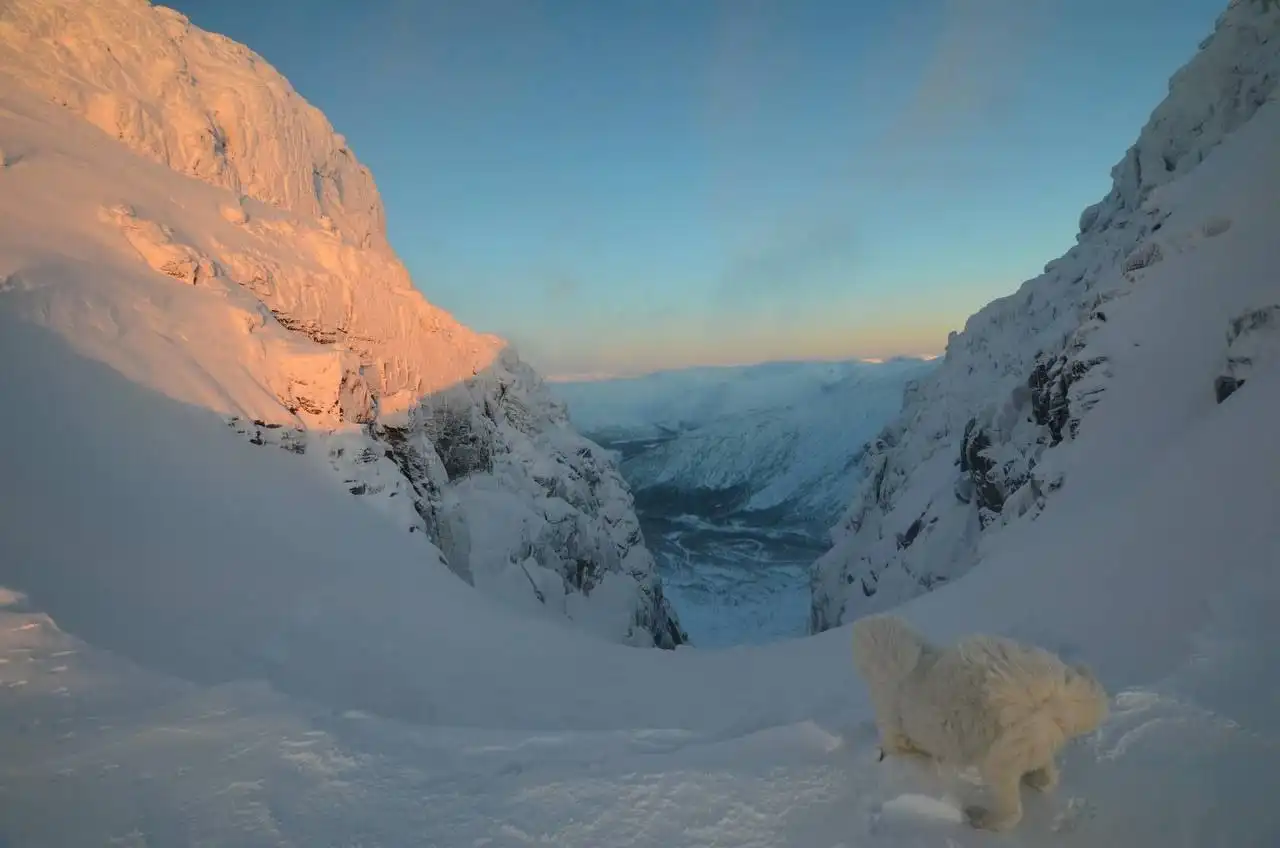
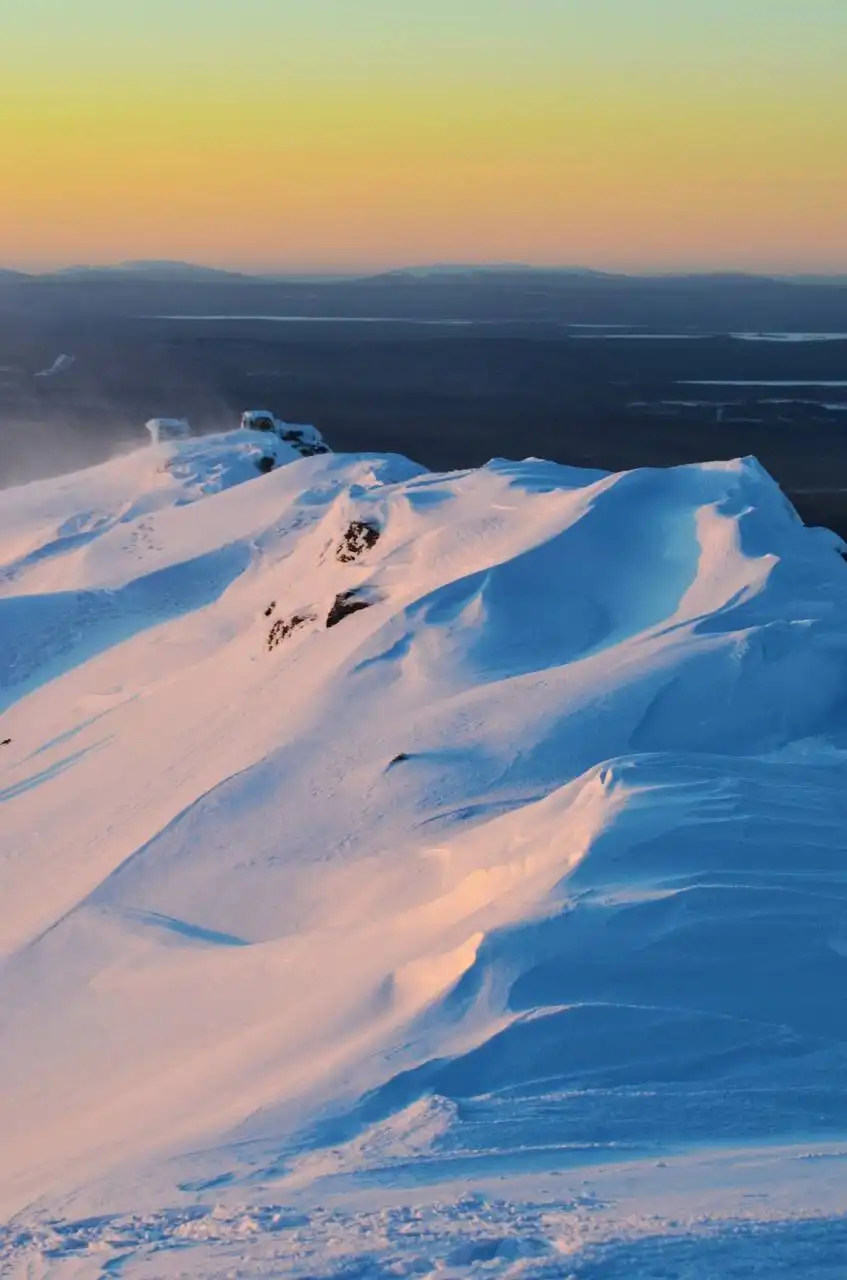
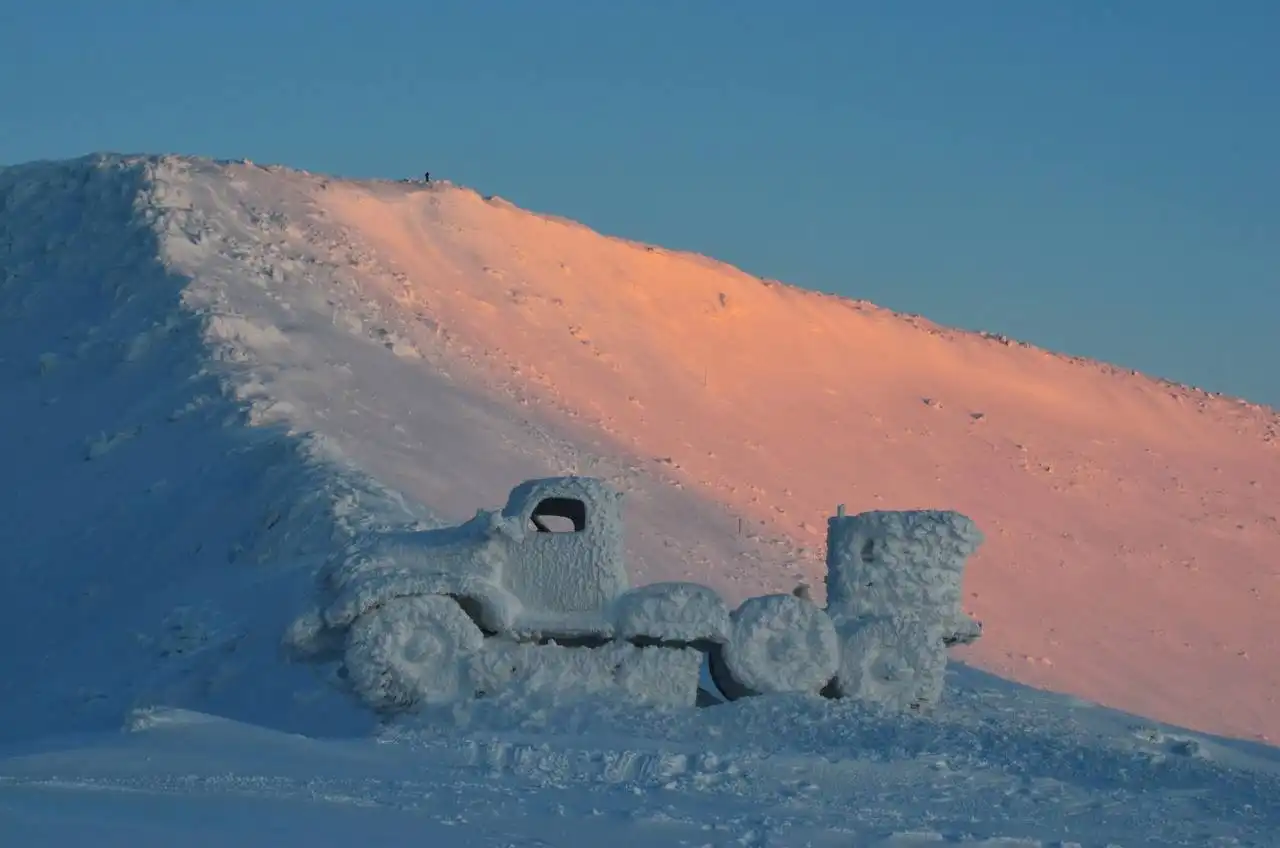
Kola has incredible nature. In winter there is a polar night, snow, frost, and in summer the tundra blooms with bright colors, and the sun does not set beyond the horizon. Of course it made an impression on me.
After graduating from graduate school in 2017, when the opportunity arose to live and work in the North, I immediately agreed. At the same time, he began to engage in scientific and teaching activities.
Do you feel isolated from the rest of the world on Kola?
When I urgently need to get to Moscow, I buy a ticket on the same day. The road to the airport takes about 30 minutes, I arrive a little early, check my luggage and after 2.5 hours I’m already in the capital.
When I lived in St. Petersburg, a lot depended on traffic jams in the city. By the time you get there, by the time you stand in line, half a day has already passed. On average, the journey to Moscow took 4 hours. The difference is obvious.
I don’t have the feeling that we live somewhere on the outskirts. And if you consider that salaries are higher here due to northern bonuses, then all the inconveniences are easily compensated for. Yes, there are some peculiarities related to weather conditions and the length of daylight hours, but you get used to this too.
I want to sleep, but I have to work. Even coffee doesn’t help.
I noticed that the locals live at a more measured pace during the polar night. And I also adapted: I walk calmly, sleep and eat more.
In polar latitudes the oxygen content is lower. Its level is approximately the same as in the Caucasus at an altitude of 3 thousand km. And this is very noticeable – the body needs energy and more time to recover.
Science teaching: routine or inspiration?
What attracts a scientist to teaching? From the outside it may seem that working with students is routine and time-consuming. When then to make discoveries and write scientific works? Taras Panikovsky doesn’t think so:
When you work at the Academy of Sciences, you are surrounded by a group of age groups. These are serious scientists, important and respected people. At university everything is completely different, more energetic and fun. I myself often use humor in teaching and believe that it is important for presenting the material.
The only thing is that without an academic degree you can only work as a senior teacher. But this is a fixable matter. But there is an opportunity to attract young people to science. We really need those who will study geology and make discoveries.
Can a teacher not do science?
Many of my colleagues devoted themselves entirely to teaching. They give lectures and conduct seminars. It all depends on the person. If you like interacting with students, then why not?
Teaching has its own specifics: every year new students come, and you tell them, in fact, the same thing from year to year, and it can get boring.
Therefore, I try to regularly update materials, looking for new and interesting things that I would like to talk about. And, of course, a lot depends on the presentation: when you give a lecture with humor, it will be more interesting for the students, and you yourself feel contact with the audience.
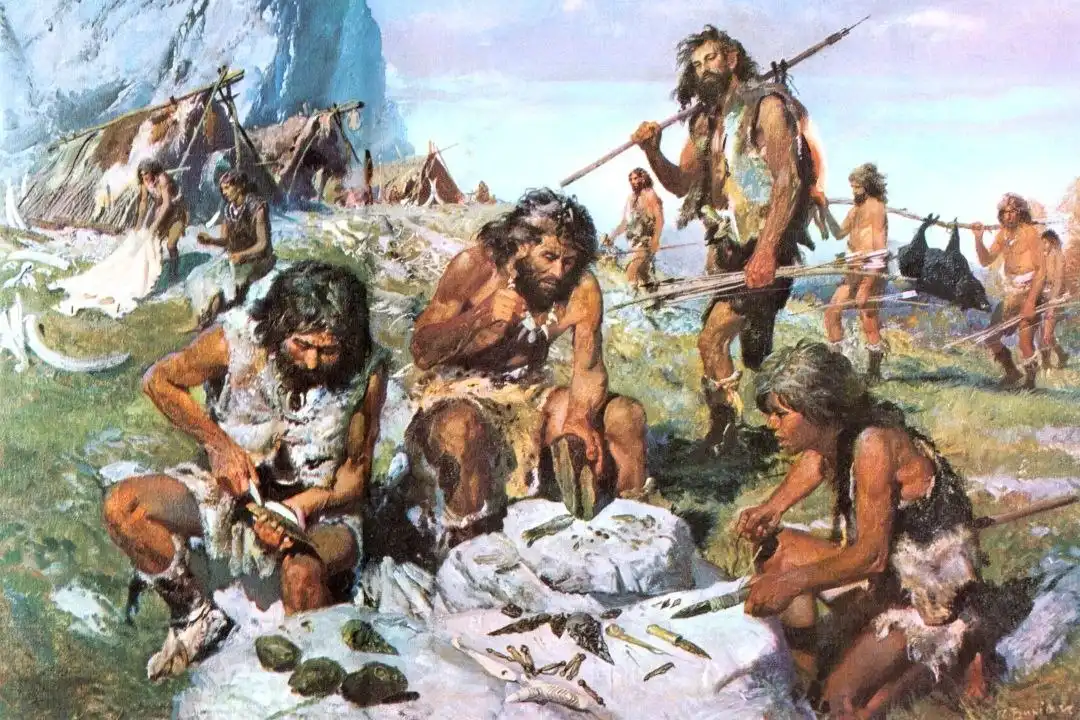
In my introductory lecture, I tell my students that mineralogy is one of the most ancient sciences. I show pictures of Australopithecines and Neanderthals, where waist-high naked men sit around a fire with spears and jewelry. And then I ask you to determine who is a mineralogist in the picture and who is a gemologist. A lively discussion begins, young people try to prove and explain something to each other. A great way to diversify the learning process and relax the atmosphere.
For me, as a teacher, it is important that students remember the information. And for this you need to present the material vividly, focusing on interesting details. This is the only way real knowledge will remain in the children’s heads. And they will then use them in their work or scientific activities.
An excellent example of how to work with an audience are the lectures of my teacher Anatoly Aleksandrovich Zolotarev. When he talked about the discovery of new minerals, he asked the following question: “What would you call the new discovered mineral?” The options were typical, as in the textbook: according to the place of discovery or in honor of a friend.
This was always followed by a categorical retort:
– Wrong! You will have to name the new mineral after me, your teacher.
This is a small joke, but after it you listen to the material more carefully.
How do teachers feel about cheating on exams?
I can’t speak for everyone, but I give my students the opportunity to use any materials and notes. Please write it down! But then I’ll ask you 3-4 questions, and it will immediately become clear whether you learned it or copied it.
When a controversial situation arises during an exam, I ask the student the question: “What would you give yourself for such an answer?” It’s interesting to hear a reasoned opinion. In my memory, there was only one case when a student underestimated his grade.
In general, in our geology it is very difficult with demography. We cannot, say, like in Moscow, expel students in batches, even if we really want to (sighs heavily). We have to get out. For example, I have determined for myself the minimum level of knowledge that a student must demonstrate. If he answers the most basic questions, he will receive a well-deserved C. And if it didn’t work out the first time, then he goes to the second round: he studies, reads and retakes. Unfortunately, this takes up my personal time, but I have not yet found another way to leave at least some knowledge in my head.
What is more important now: memorizing information or being able to quickly find what you need on the Internet?
A geologist who will work in the field must know minerals by sight. I believe that the knowledge that we have in our heads is the most important thing. You can find anything on the Internet. But if you are somewhere in Yakutia, without the Internet, holding an unknown mineral in your hand, then only real knowledge will help you identify it.
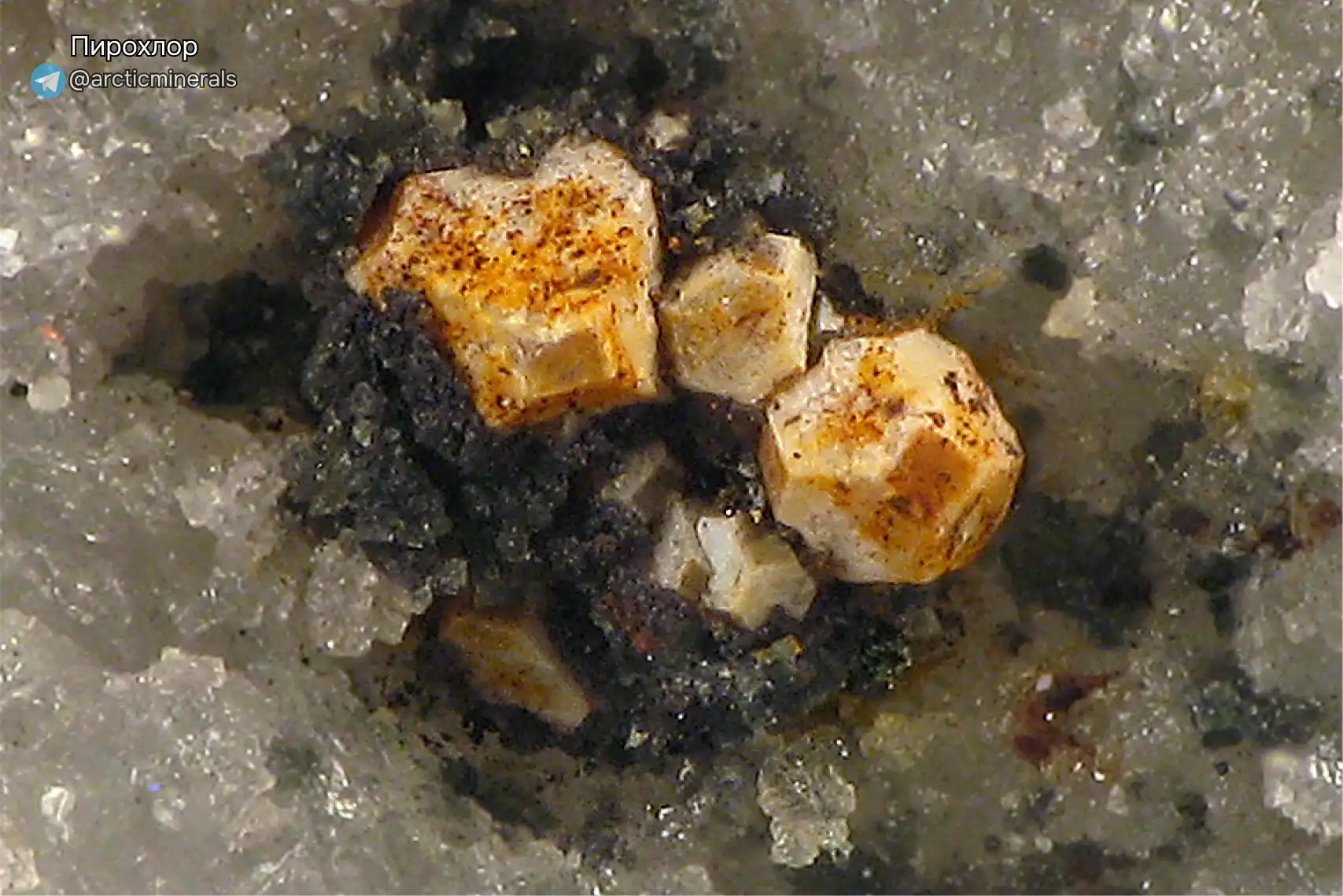
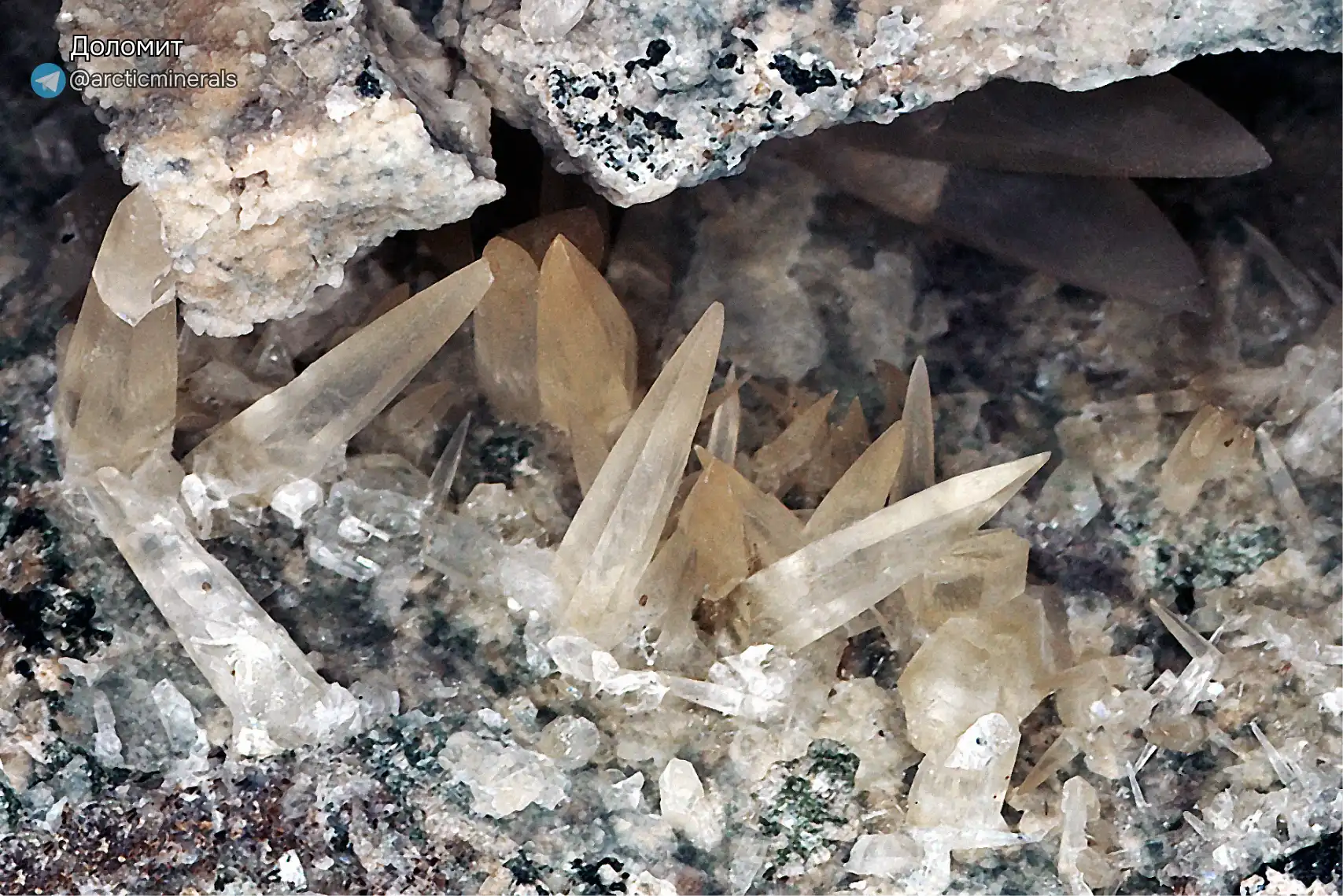
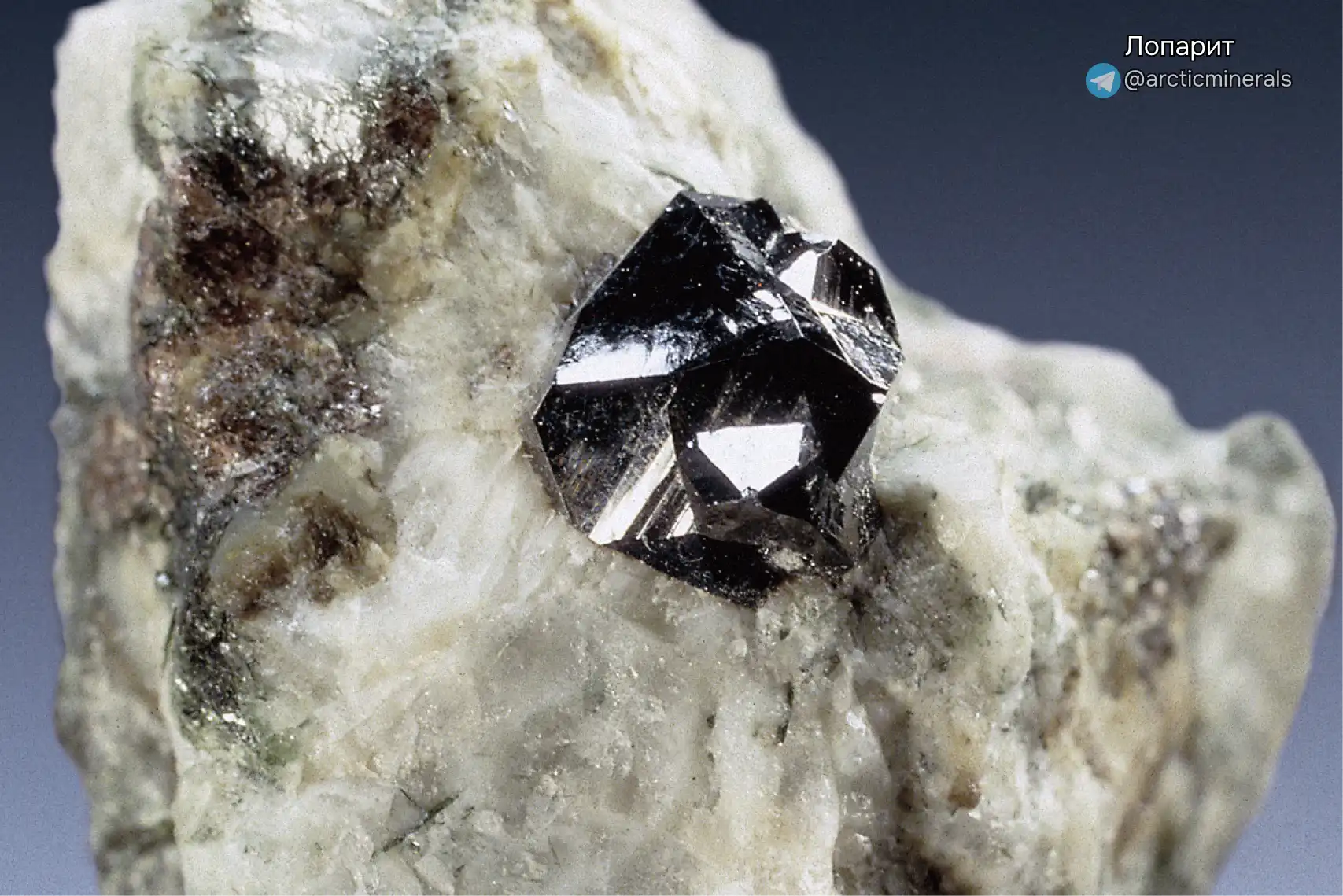
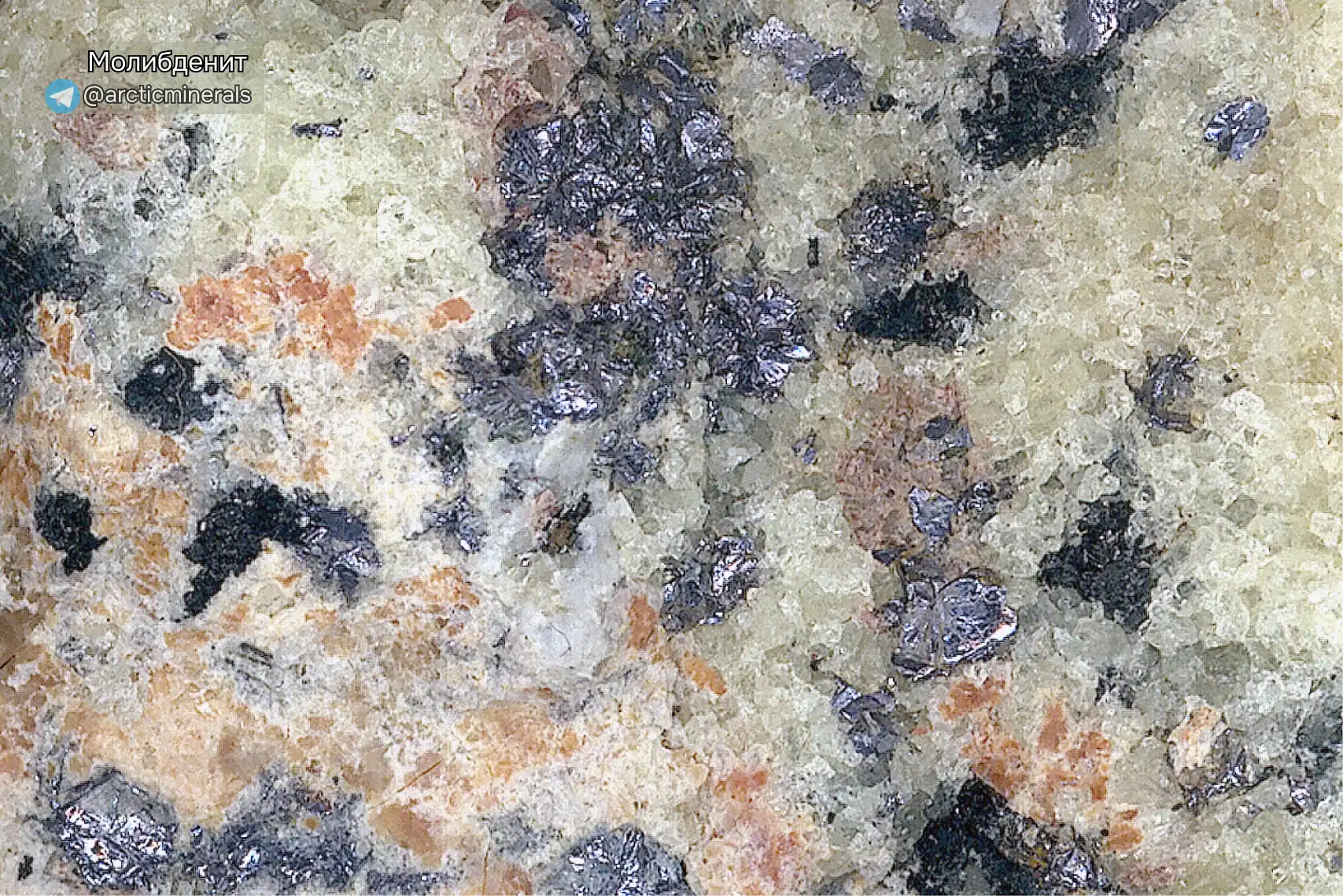
If you studied at the university, passed exams, looked at photographs and samples a thousand times, then whether you like it or not, you will remember, for example, apatite, which is similar to sugar. After all, it was because of him that the “scoundrel teacher” once gave you a “4” instead of a well-deserved “5”.
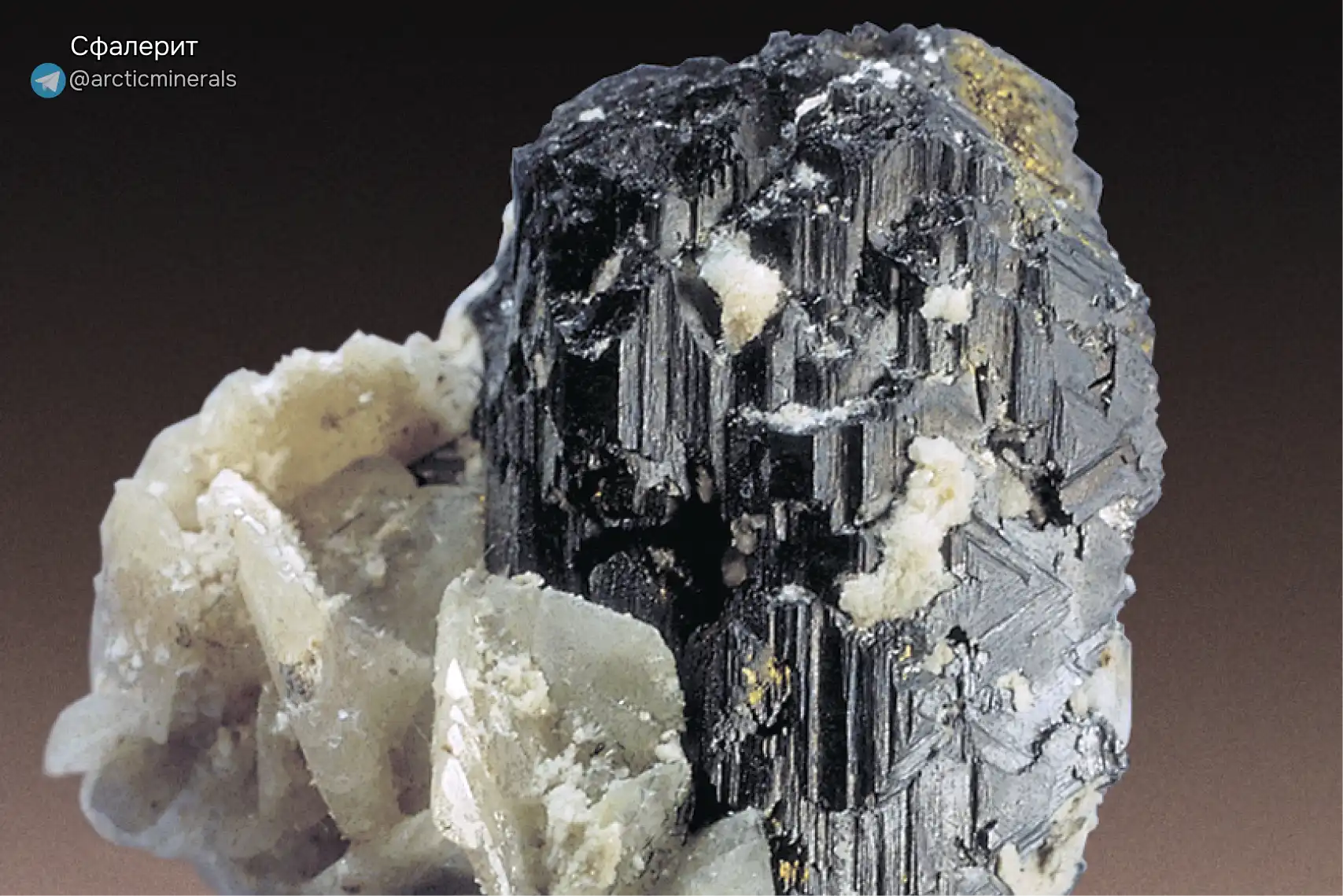
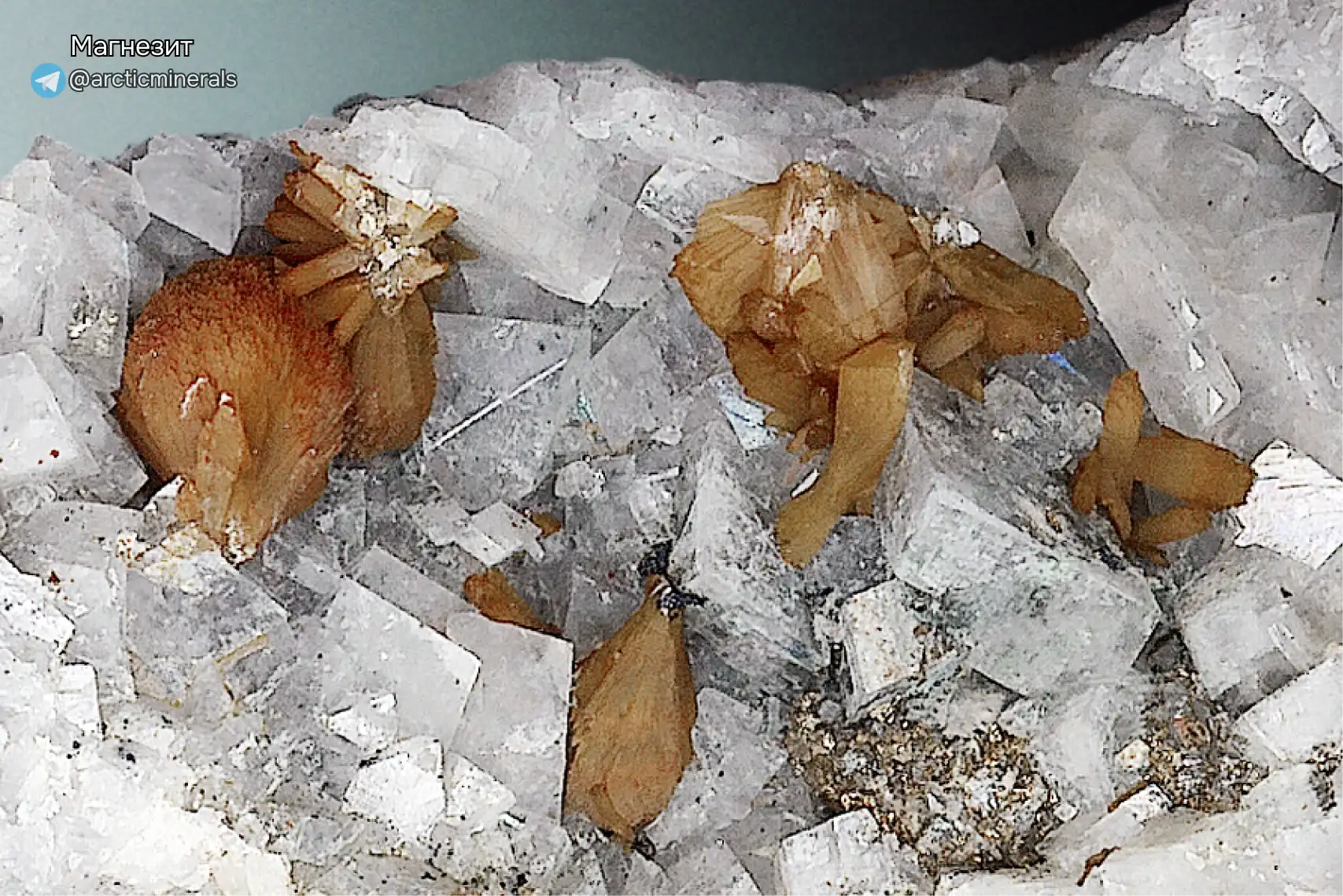
Is it possible to learn geology or mineralogy without going into the field?
It’s hard to imagine myself as a real mineralogist who has never been in the field. I can say for sure that the most memorable thing for students is practice. And, besides, for a person to remember something, he must see it with his own eyes.
It is better to see a real mineral once than to hear or read about it a hundred times.
Certain disciplines can indeed be taught online or in the classroom. But for a more serious understanding of the material, it is still necessary to touch and feel it. There is absolutely no way we can do without this in our work.
This approach is especially important when working with children. When a child receives vivid impressions from school, he has a strong feeling that mineralogy is interesting. And later, when choosing a profession, this very moment can play a decisive role.
How can a person who has nothing to do with the profession get on mineralogical excursions?
I conduct such excursions for those who are interested in mineralogy; this is a rather narrow circle of amateurs. There are no prohibitions, but for a complete stranger the chance to participate is still small. Just the desire to find a beautiful pebble will not be enough. You need to have at least some minimal understanding of minerals, the appropriate equipment and tools.
We often publish coordinates of accessible points where it is easy to get to and where you can find something. This was the case with Khibiny sapphires. Their coordinates are publicly available. Anyone can go searching and add to their collection of minerals.
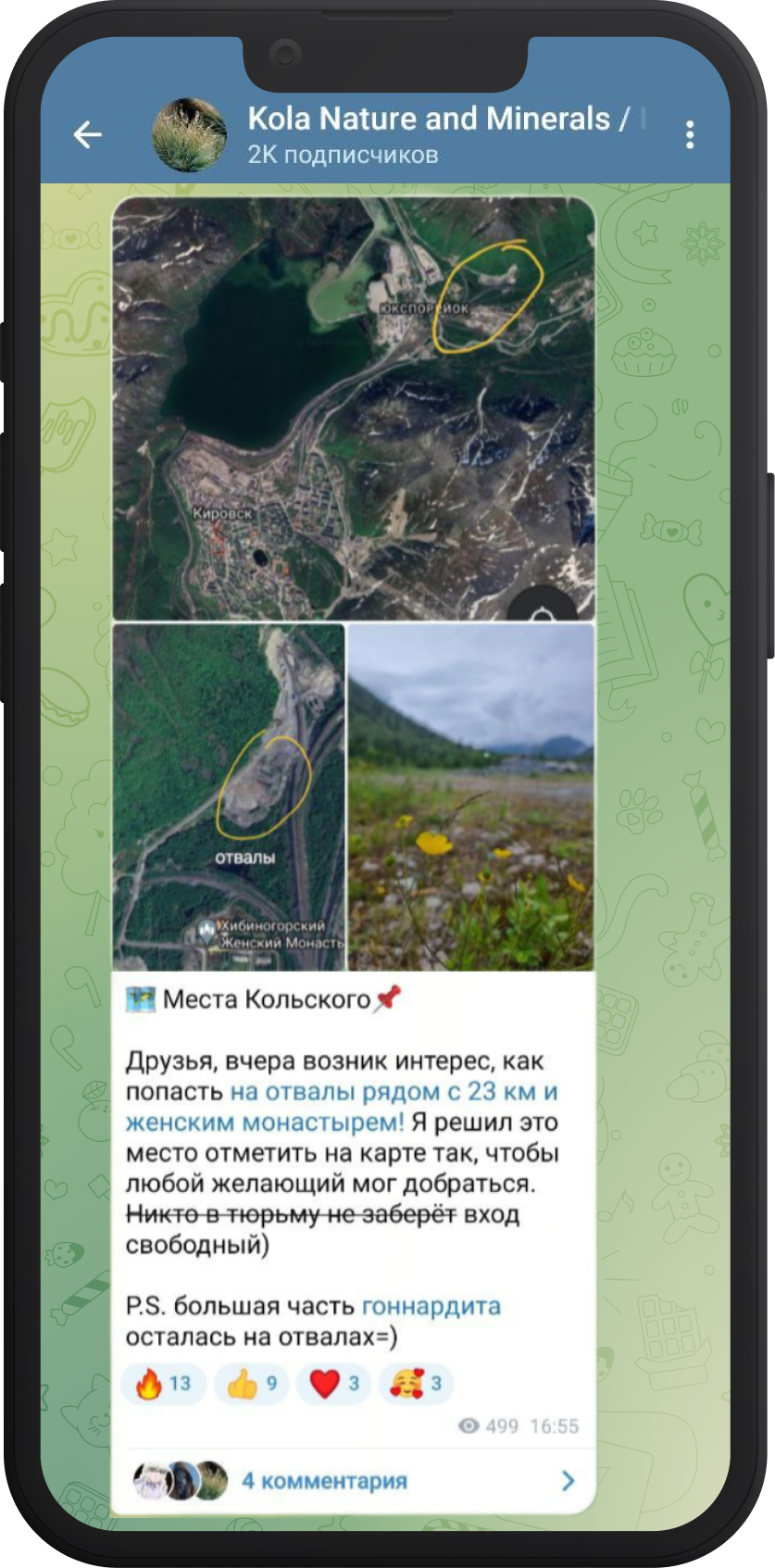
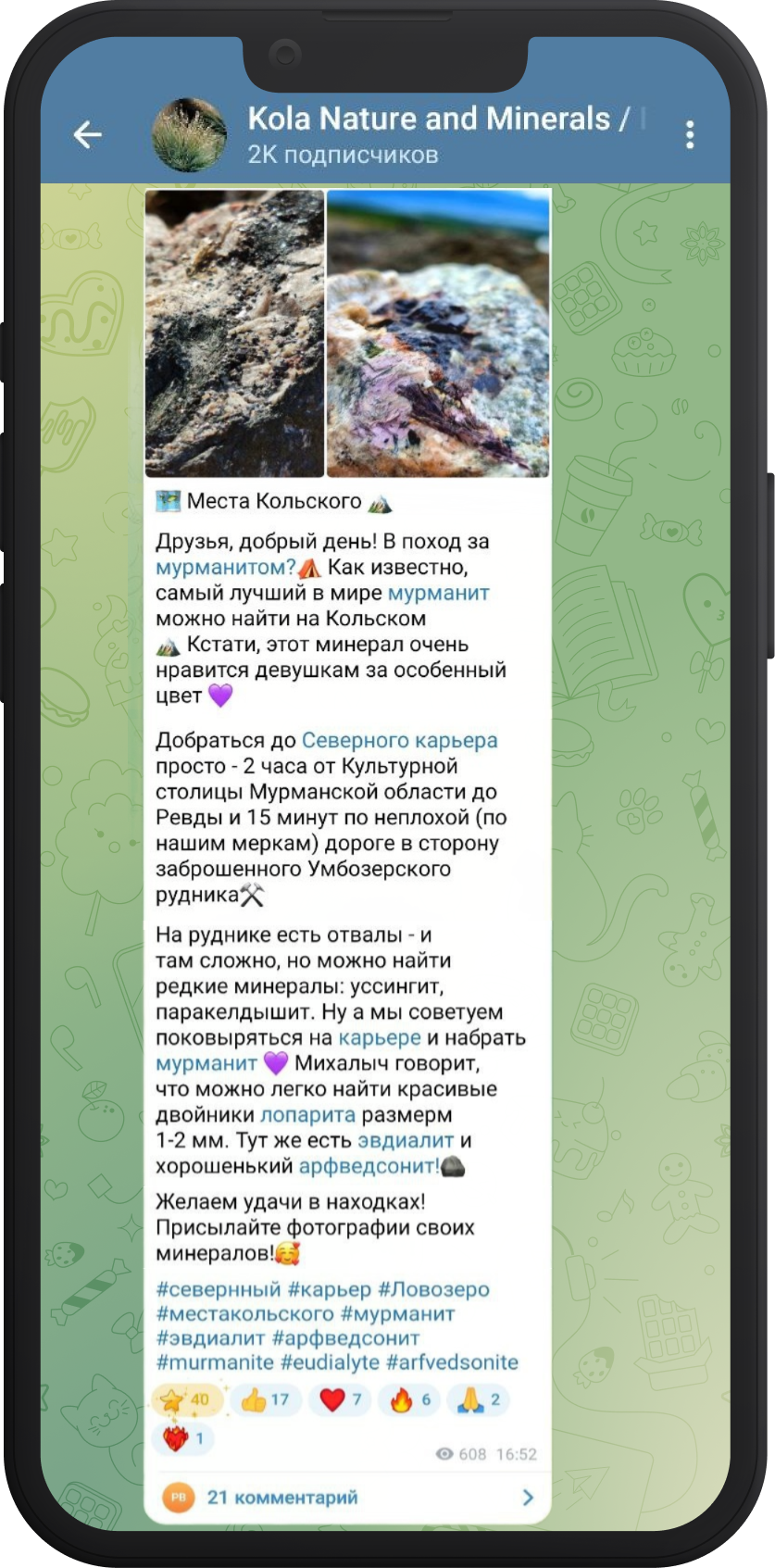
But we must understand that from the point of view of mineralogy, it is much more interesting to work in operating mines, where there are fresh exposed rocks. The only thing to get there is to apply for a pass, write an official request, and get approval. And this is a rather lengthy process. Therefore, by the time you get to the place, there may be no more interesting specimens of minerals left… But there is always a chance, and we take advantage of it.
It is important to know what the mineral looks like. I tell my students: “You try to find pegmatite in its original form, and not ready-made, where it has already been dismantled. If you succeed, you will collect the most wonderful specimens.”
Well, if long searches seem very time-consuming to you, or you don’t like walking in the fresh air, then it will be easier to replenish your personal collection at one of the exhibitions. These take place in many cities of our country.
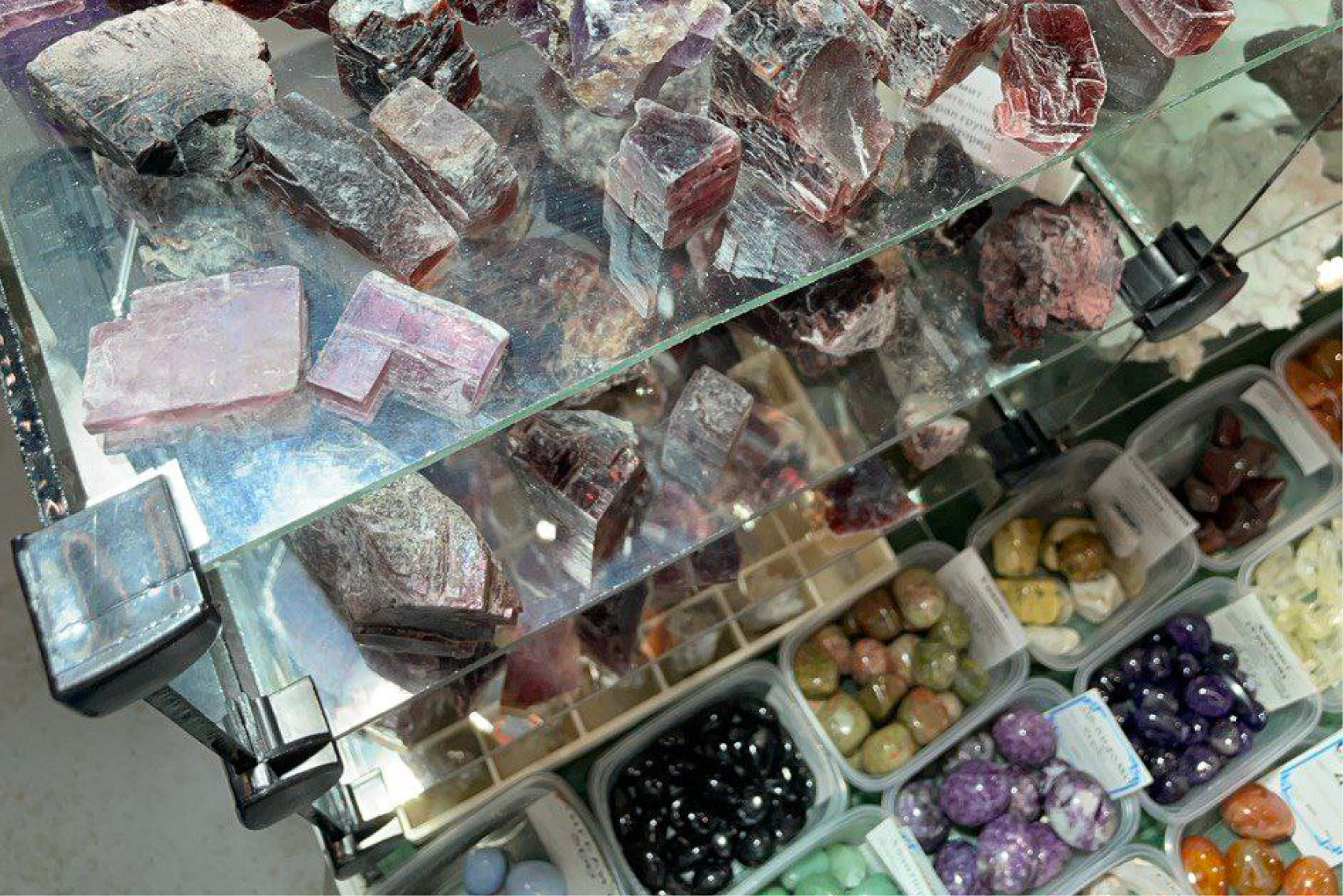
New minerals: how to look for them and what they are needed for
Not only scientists, but also collectors are searching for new minerals previously unknown to mankind. Let’s try to figure out how difficult it is to become a pioneer in the field of mineralogy.
Is it possible to discover new minerals, or has everything already been found long ago?
In total, about 6 thousand minerals have now been discovered, and the discovery of any new one is always a significant event for the scientific community. But here it is worth distinguishing between two situations. In the first: we guess in advance that there is some new mineral with specific properties. Therefore, when they find it, they simply fill in the empty cell in the table and, with a sense of accomplishment, continue with science. For example, this was the case with many minerals of the apatite supergroup.
The second option is when something truly new is discovered. And this also happens from time to time.
Once we took a foreign delegation from a scientific conference to the Khibiny Mountains. They broke off the first sample they found, and it turned out to be a new eudialyte. And some people run through the mountains for years – and nothing. This is such an amazing story.
There are only a few people in the world who specialize in the discovery of new minerals. This process looks like a competition. Whoever discovered it first is a great guy. But to make such a discovery, it will take quite a lot of time, money, professional equipment, equipment, serious preparation and an understanding of “what and where you will look.”
In general, cases are different. Sometimes collectors review their old samples with the goal of sorting them into cells and signing them. To do this, you need to carry out diagnostics, look at the chemical composition, and measure the parameters of the unit cell. (Editor’s note: The elementary cell of a crystal is that minimum imaginary volume of a crystal, the translations of which in three dimensions make it possible to build a three-dimensional crystal lattice as a whole, like bricks). And as a result, it turns out that in your palm lies a new mineral unknown to science.
Are there any practical benefits to discovering new minerals?
Scientists, unlike collectors, always have a practical interest. We strive not only to find something new, but also useful. It is important that minerals benefit all humanity.
This happened with the minerals of the ivanyukite group. They contain potassium and sodium atoms, which are located in the pores of the structure. Thanks to them, the mineral easily exchanges cations and can be used as a sorbent. In practice, this is used to extract radionuclides from liquid radioactive waste. Therefore, I don’t try to discover minerals just for show.
If this article was interesting to you, then we suggest that you familiarize yourself with another material on the site: Metals in your smartphone.
About romance in the life of a scientist mineralogist
There is an opinion that the work of scientists is paid quite modestly. I will say this: if you love your job and go towards your goal, you will be able to live with dignity. Write articles, do science, receive grants – and your earnings will be comparable to those of a deputy. I know several real examples of this. I have four children, and since my wife is on maternity leave, I have to try to work.
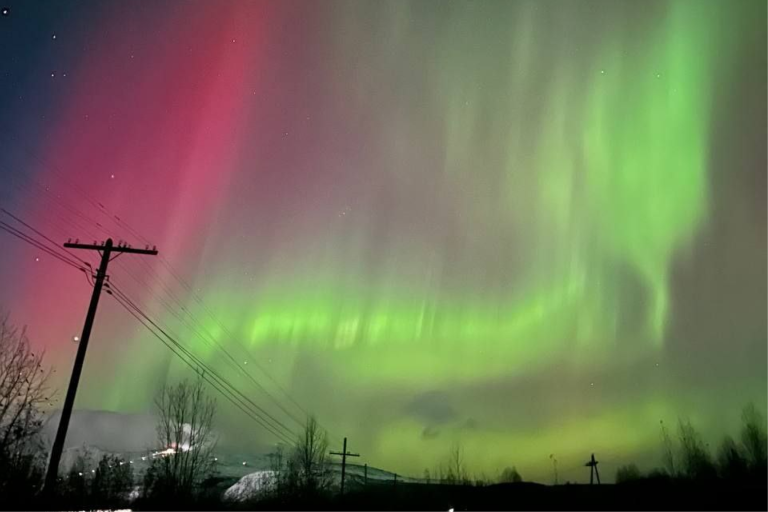
The profession of a mineralogist is full of romance. I don’t know where else I could spend so much time in nature, searching for beautiful stones, and casually looking at the northern lights overhead.
By the way, sometimes I take my eldest daughter to work. One day we went in search of arctite. They looked for him with ultraviolet flashlights in the dark, in the pouring rain. By the way, we found several decent samples, and we got a lot of emotions, we even saw a bunny when he ran past us. For this alone you can already love the profession of a mineralogist.