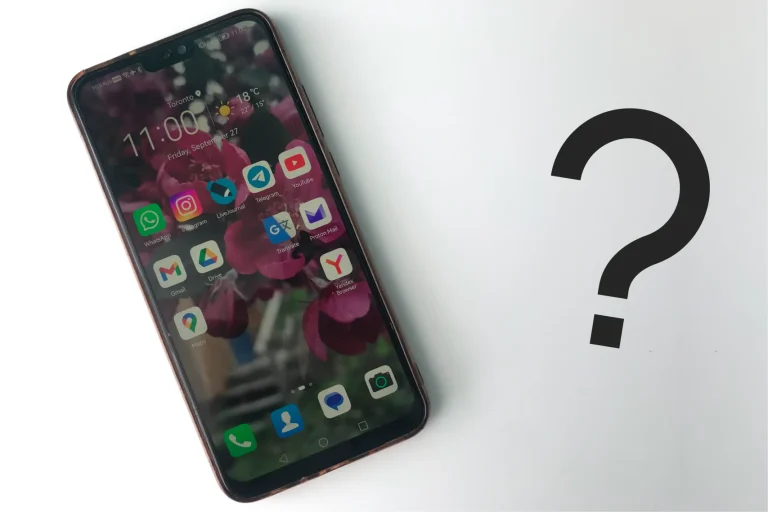
Why do geologists search for new deposits of oil, gas, copper and iron? Why do they dig out huge quarries and build mines? This is necessary to mine minerals and extract from them the metals that make up almost everything that surrounds us. Take, for example, a smartphone, without which it is no longer possible to imagine our lives, contains at least 70 chemical elements.
And although the content of any of these metals in a smartphone is small. But when you consider that nearly 3 billion people—or roughly 40 percent of all people on Earth—own at least one smartphone, the need for metals becomes significant.
The material is based on the article Visualizing the Critical Metals in a Smartphone
What’s in your pocket
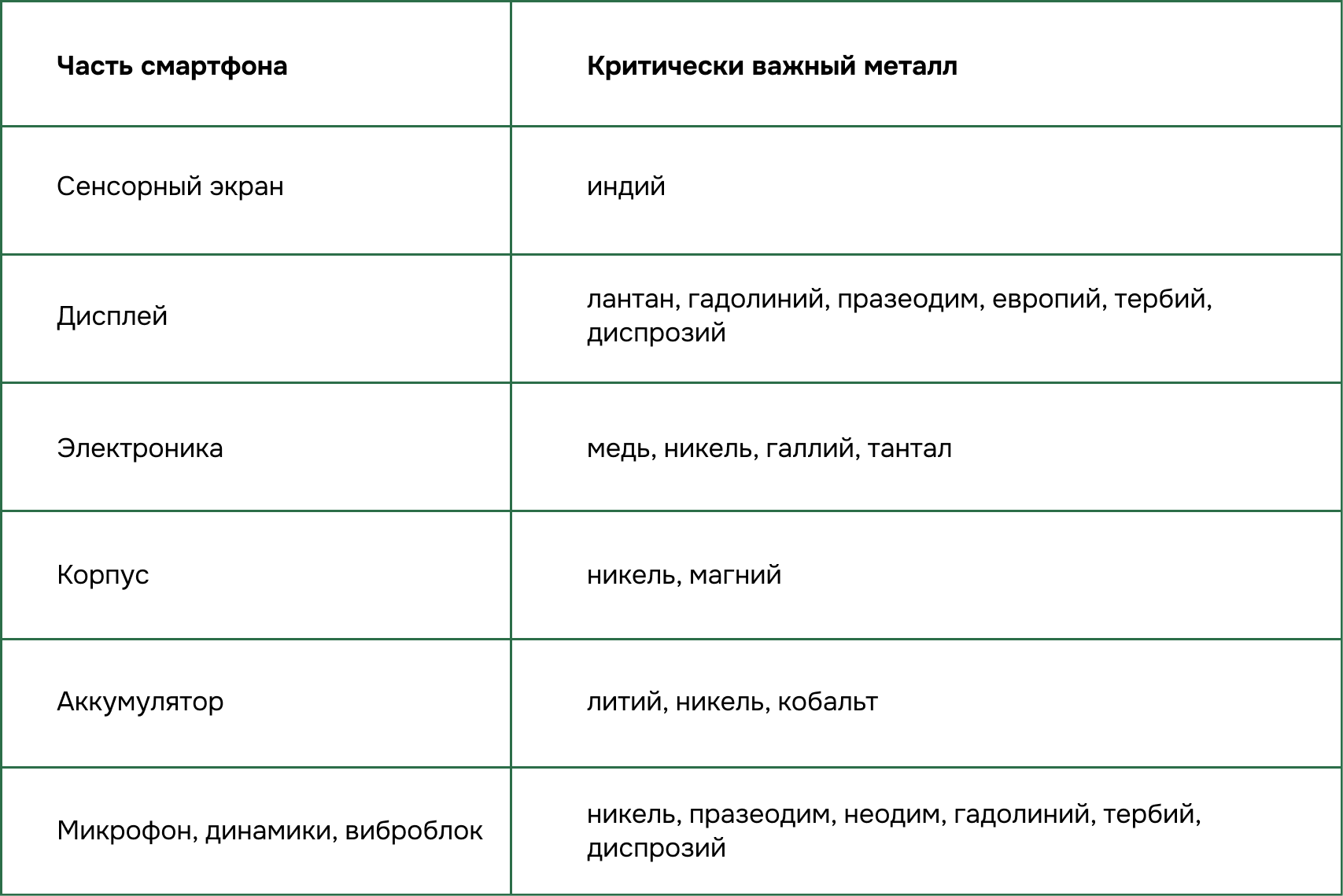
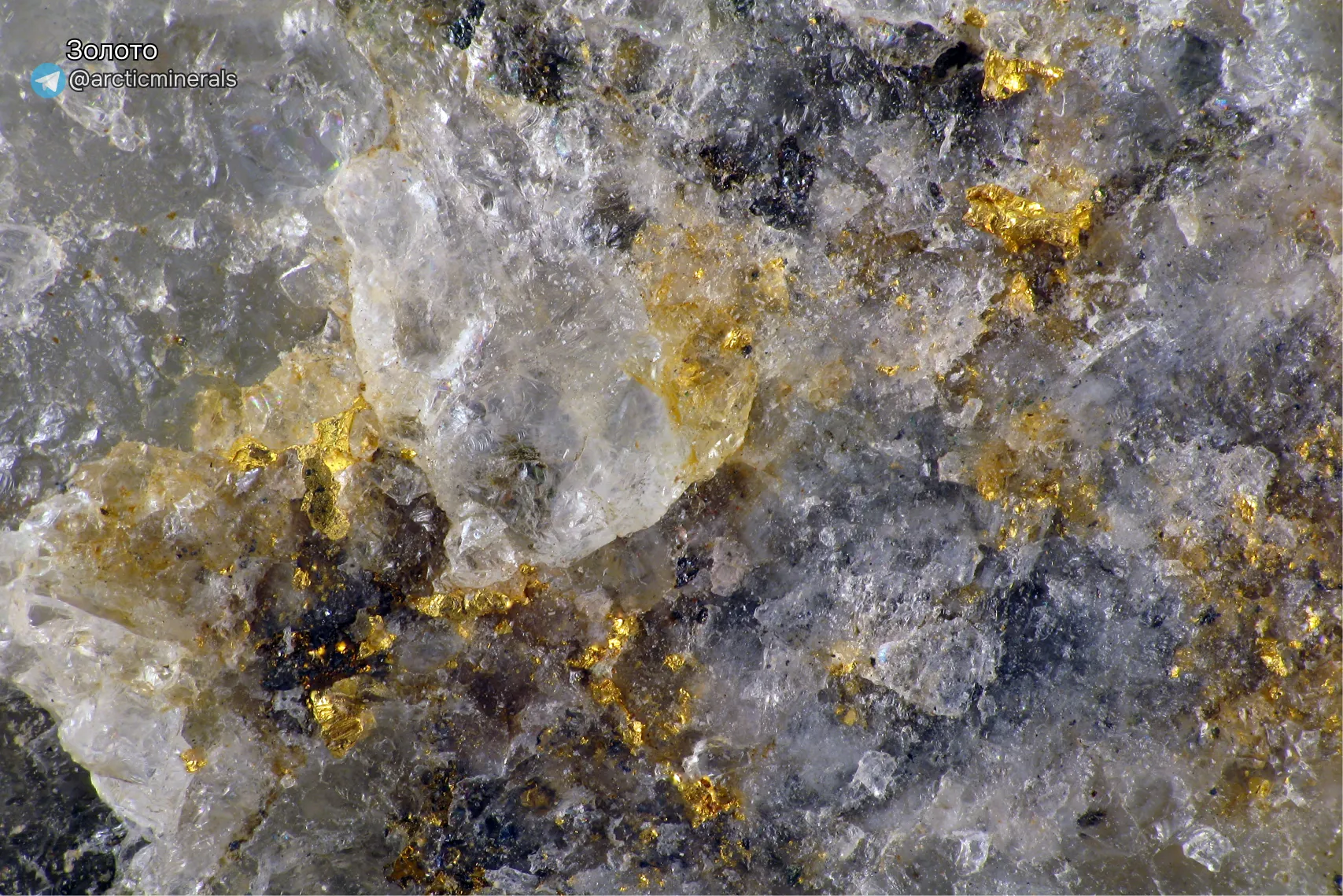
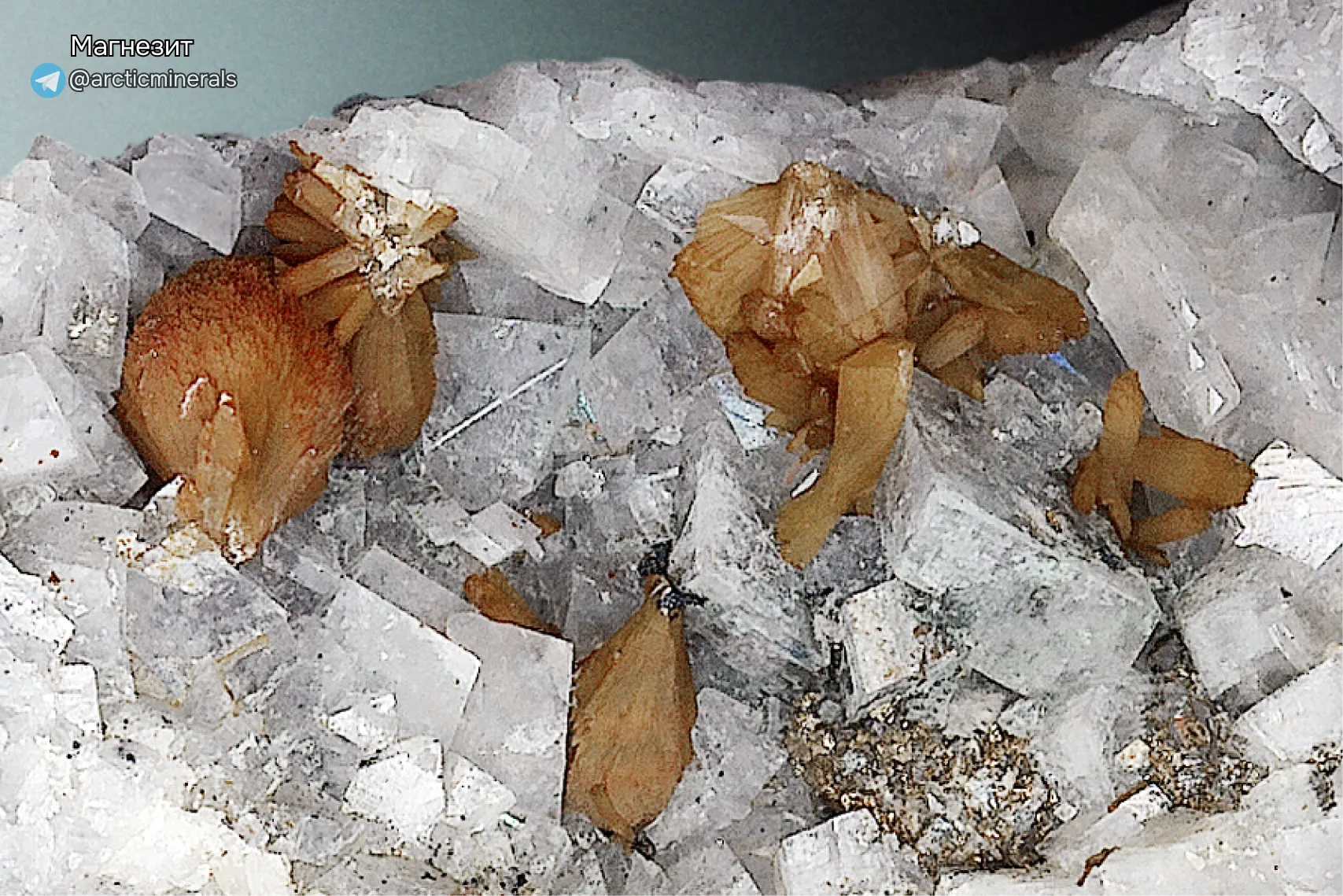
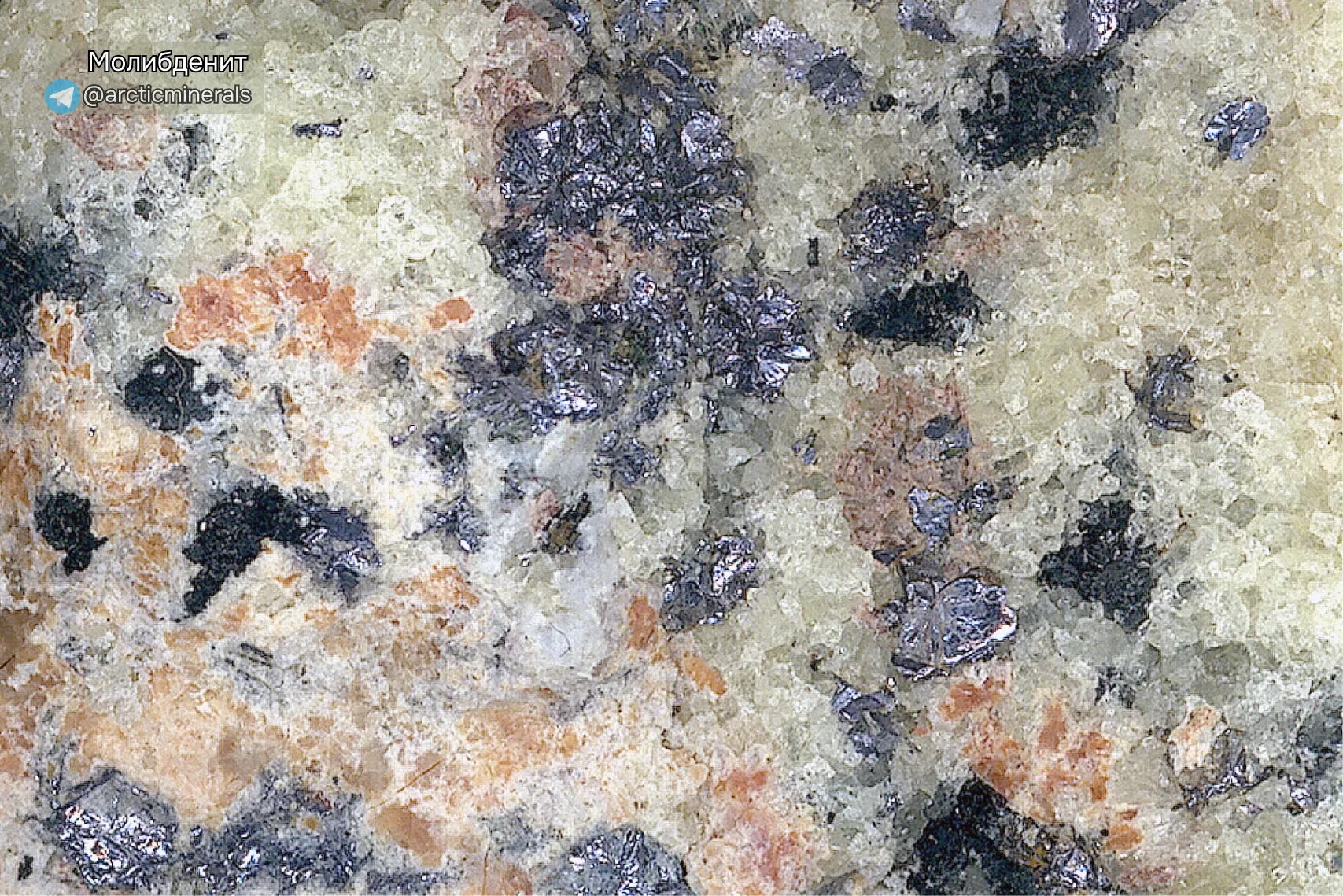
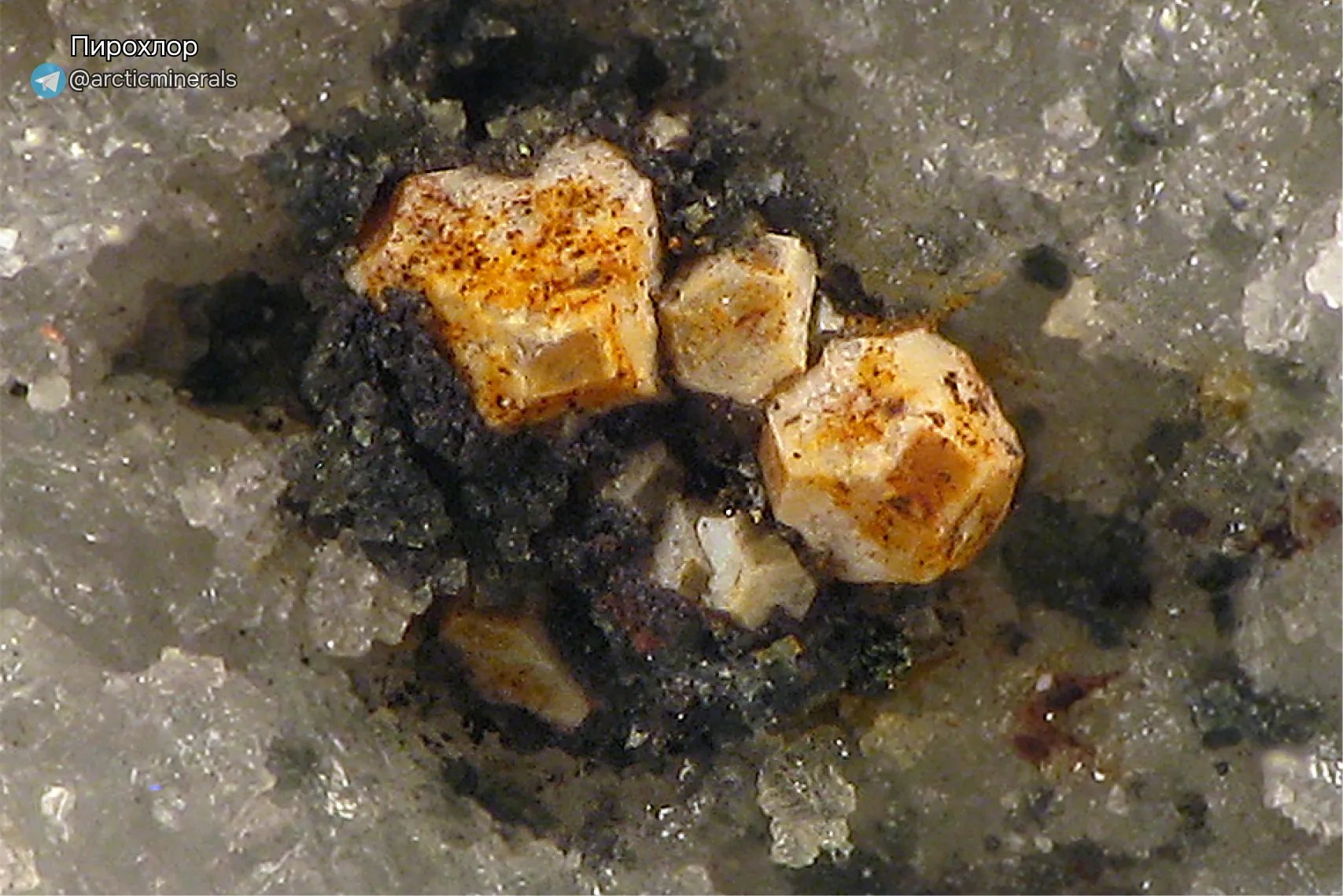
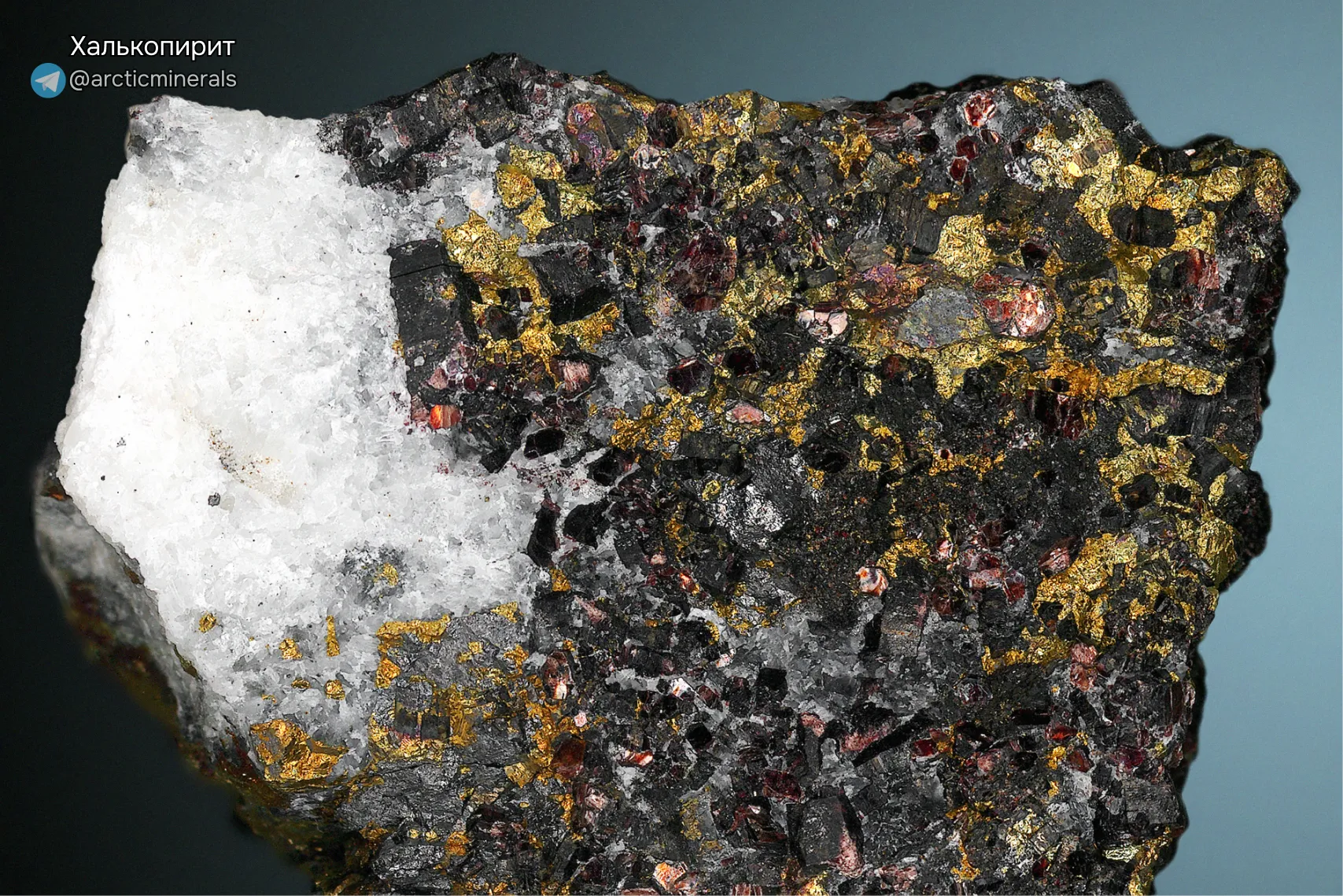
Let’s look at what metals are needed to produce the main components of a smartphone and supplement the story with photographs of the minerals from which these metals are extracted.
Touch screen
The screen consists of several layers of glass and plastic coated with a material called indium (In), which is highly conductive and transparent. Indium reacts when it comes into contact with another electrical conductor, such as the skin of our fingers. The moment we touch the screen with our fingertip, the electrical circuit is closed and the device registers the change in voltage on its surface. The voltage change information is then processed by the smartphone’s operating system.
Display
Smartphone screens display images on a liquid crystal display (LCD), which uses electrical current to adjust the color of each pixel. Several rare earth elements are used to produce the colors on the screen – europium (Eu), terbium (Tb), yttrium (Y) and gadolinium (Gd). Lanthanum, dysprosium and praseodymium are used to improve the optical, magnetic and color characteristics of LCD screens.
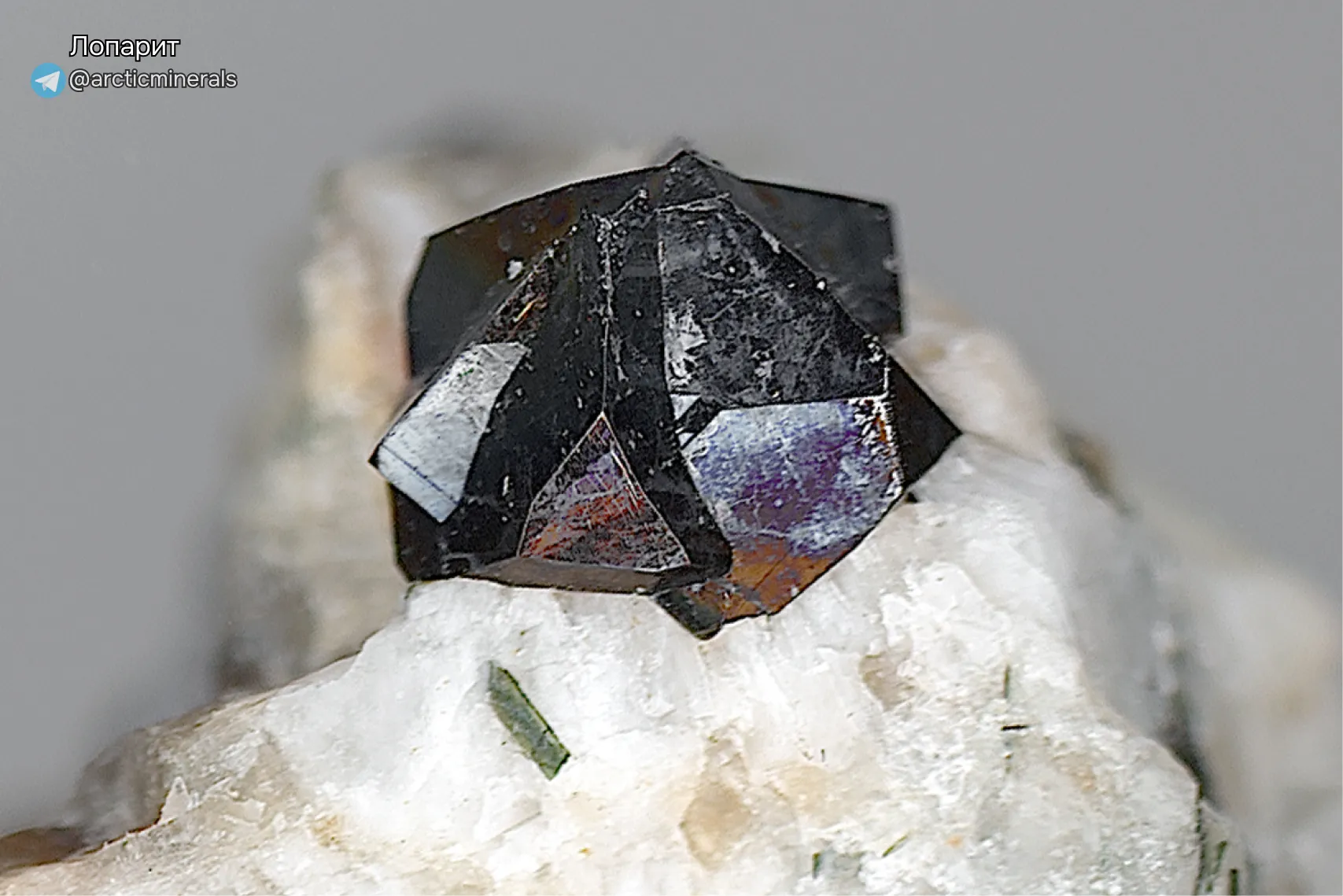
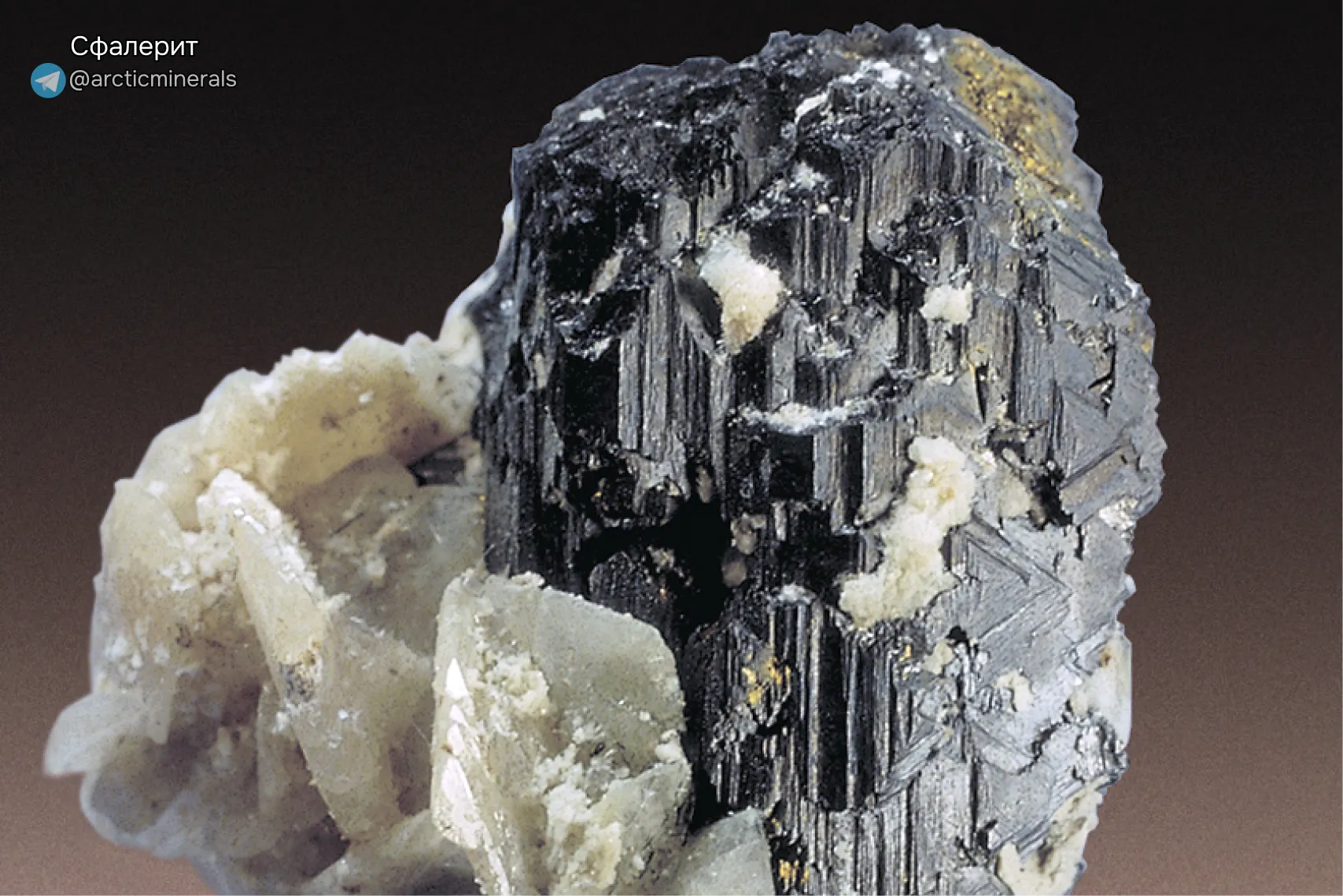
Right: Sphalerite is a source of zinc and indium as a by-product.
Electronics
A smartphone uses a huge number of electronic components to make it work. Processors, memory and microcircuits use silicon, copper and gold. These materials help provide fast data processing, high conductivity, and corrosion protection. Metals such as nickel and tin are used to create durable and reliable connectors and connections, allowing the device to withstand the repeated plugging and unplugging of accessories.
Microphone, speakers, vibration unit
Nickel is used in a microphone’s diaphragm (which vibrates in response to sound waves). Alloys containing the rare earth elements neodymium, praseodymium and gadolinium are used in the magnets contained in the speaker and microphone. The speakers use neodymium magnets to improve sound quality.
Battery and case
Unless you bought a smartphone ten years ago, your device likely contains a lithium-ion battery, which is charged and discharged by lithium ions moving between the negative (anode) and positive (cathode) electrodes.
There are many materials used to make phone cases, such as plastic, aluminum and carbon fiber. Housings typically use nickel to reduce electromagnetic interference (EMI) and magnesium alloys to protect against electromagnetic interference.

What’s next
With each release of new smartphone models, the demand for metals will only increase. Minerals from which metals are extracted are, alas, an irreplaceable natural resource. This means that if one deposit is depleted, it must be replaced by a new one. Geologists will definitely not be left without work. Whether you agree with this statement or not, write what you think about this topic in the comments.