Do you need a website for a company or a landing page to sell services? But many questions arise: who to entrust the development to, what is important to consider besides design, how to protect the site from hacking and DDos attacks, and what to do to ensure that the site appears in the TOP of major search engines?
Hello, I’m Maria! And just recently I launched the website “GeoConversation. Salt of the earth”. This is a media platform for specialists who work in the mining industry. How did I do this? Let’s figure it out.
From idea to implementation
For several years I wrote a blog on a rather narrow topic about geophysics and saw problems in the communication of specialists. You can read more about this on the page “About the project».
In March 2024, I decided to launch my own media about the mining industry. I wanted to tell about the work of my colleagues in it, give them the opportunity to interact and communicate. I planned to involve as many experts as possible from different fields and use their experience and knowledge to write articles on broad topics in the mining industry.
For example, it is important for a geologist to understand what geophysical methods can be used to search for gold. This is necessary to accurately set the task for the geophysicist. Otherwise, there will be no constructive dialogue, and all communication will come down to accusations of parasitism.
In order to begin implementing my idea, I had to solve the following questions:
- choose a contractor;
- draw up technical specifications;
- and then track each stage of the work.
Next I will tell you about each of these stages in more detail.
How to choose a contractor who will cope with the task
I looked for specialists who develop websites on the Internet, and also asked contacts from friends. The price was not a decisive factor for me; rather, I wanted to find a person who would be sincerely interested in the project. And it was precisely with this that Alexey Dubinin bribed me.
He almost immediately got involved in the work: he read the technical specifications, went to my blog, began asking questions and commenting on posts. I realized that Alexey, like me, was interested in bringing the project to life.
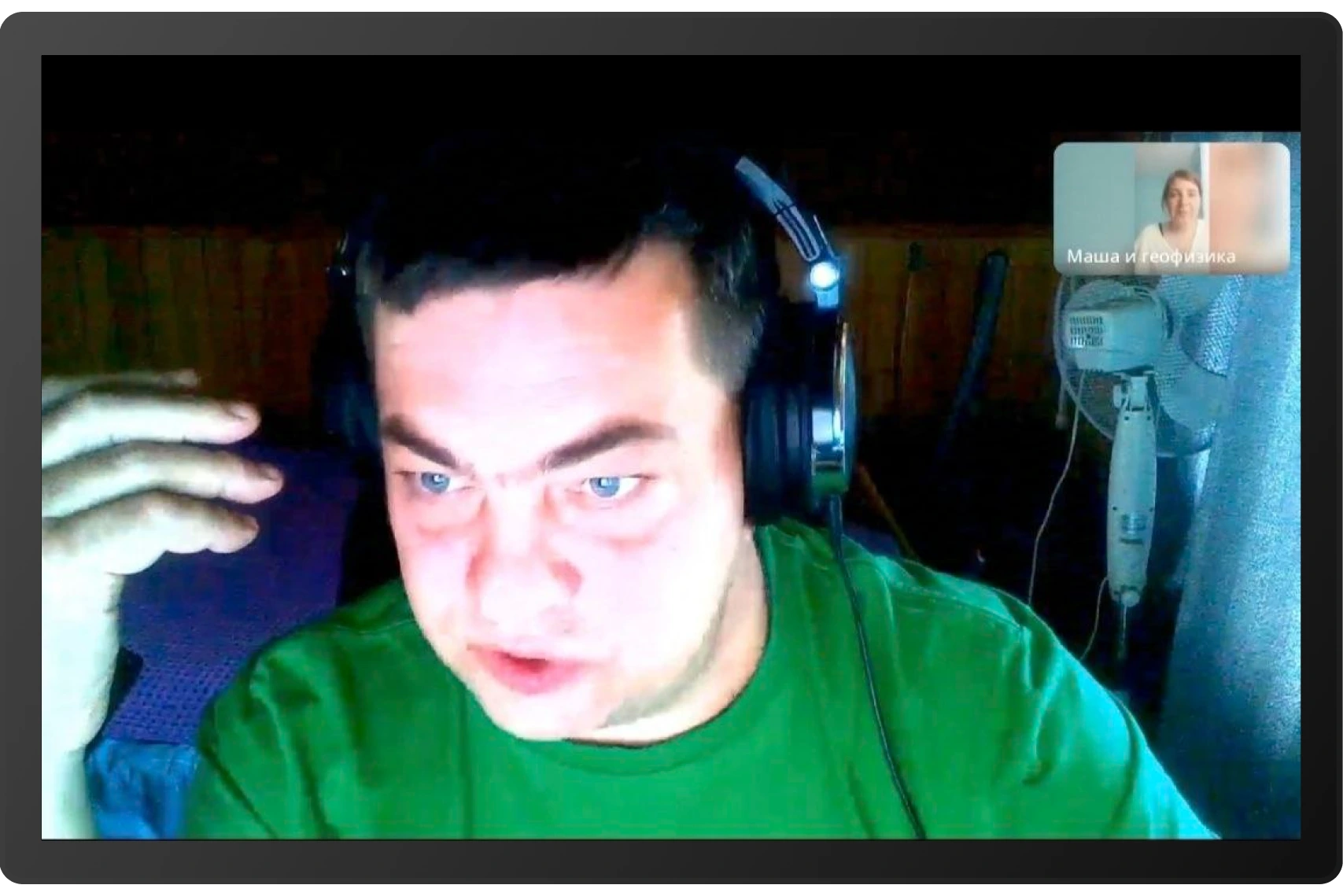
It didn’t bother me that Alexey has no experience in creating media and was taking on such an order for the first time. The main thing is interest and a desire to try new things.
Of course, the difference between a regular selling website and media is huge. If in the first an important role is played by the structure of the selling text and the focus on receiving applications, then in the media more attention needs to be paid to:
- convenient interface;
- Opportunities for commenting on articles;
- quality content.
Having agreed on the main points, we entered into an agreement and began a detailed discussion of the technical specifications.
“I never worked with technical specifications when creating selling websites. I had a list of 200 questions, some of which I sent to the customer in advance, and then during the interview we answered these questions. Quite the same type, but the scheme works.
Alexey Dubinin
Here you have drawn up a very detailed assignment: on three sheets of paper you have described what you want to get in the end. And this was captivating. Besides, the topic is interesting. I thought that geological exploration had been carried out for a long time from satellites, but it turned out that everyone was still running the same old way, through forests and mountains.”
What should the terms of reference be so that the customer and the contractor understand each other?
The most important thing in a technical specification is to describe the end result. How you see the future site. When I compiled the technical specifications, I did not indicate the technical characteristics – designers, domains, hosting, databases. But I tried to formulate in as much detail as possible the purpose of the project, wishes for the design and formatting of articles. I made a list of the most successful examples that I read myself. These were mainly Russian-language sites.
All this helped Alexey understand my idea:
“Often clients don’t know what they want. We start digging around, considering different options, and a lot of time is spent on this. And you gave a very clear technical specification, painted a picture in my head. And this is the most important thing for the performer.”
Alexey Dubinin
It was also important for me to take into account the possibility of expanding the site. At the start, it is difficult to predict how and what will have to be adjusted in the future. Any media platform is always a scalable project. If you want and will be engaged in its development, then it is important to calculate many points in advance. This applies to the choice of a content management system (CMS), as well as the platform on which it will be hosted. But I will tell you more about this a little later.
You don’t need to be an expert in website creation to create a competent technical specification. It is enough to explain the essence and purpose of the future site. If you add a little specificity to the description (types of blocks, the ability to comment, the presence of likes), then this will be a plus, but it is not at all necessary.
Sometimes it seems to me that I overdid it a little when I compiled the technical specifications. I even included links to useful articles. I decided that this information would not be superfluous and would help Alexey understand the features of creating a media platform.
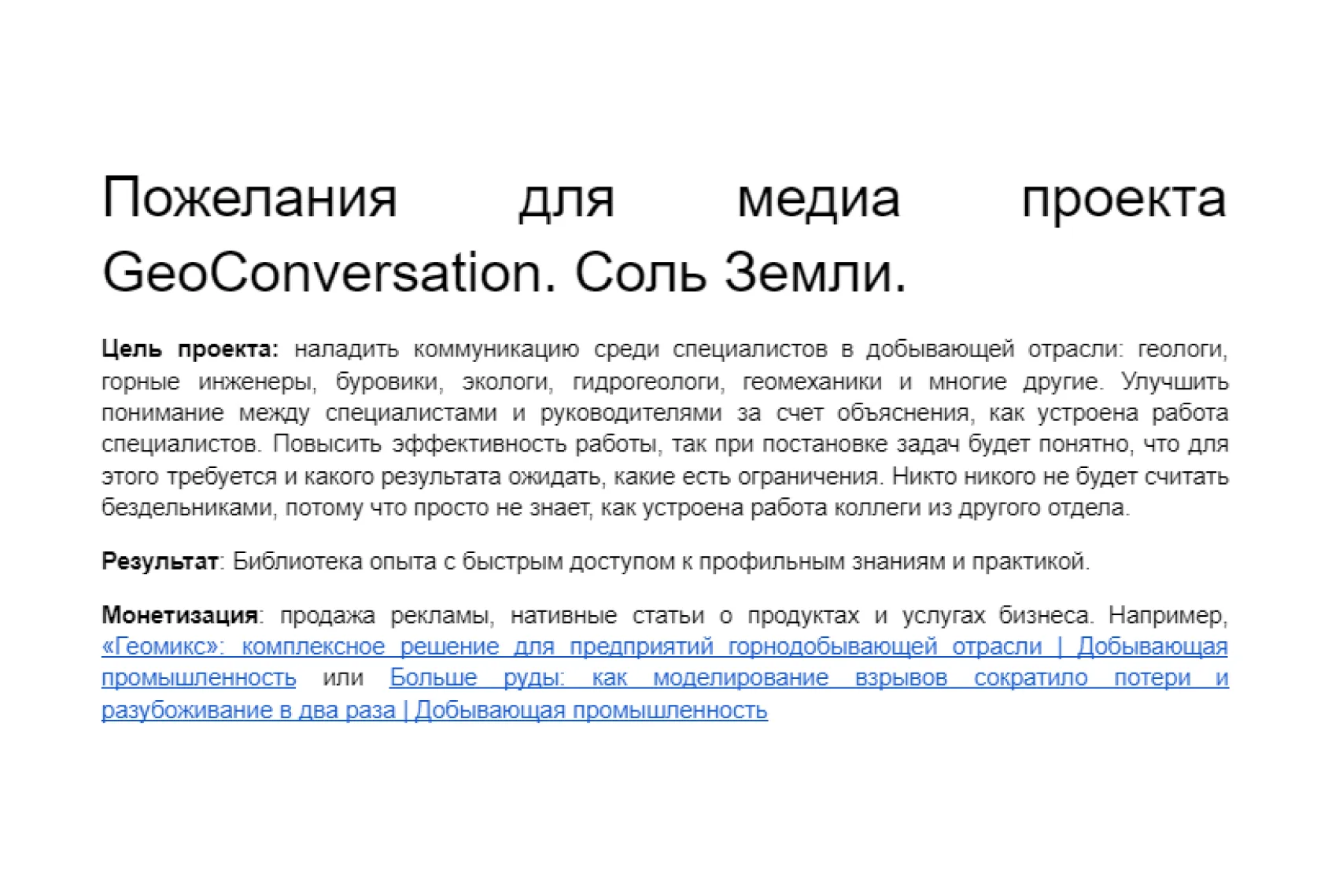
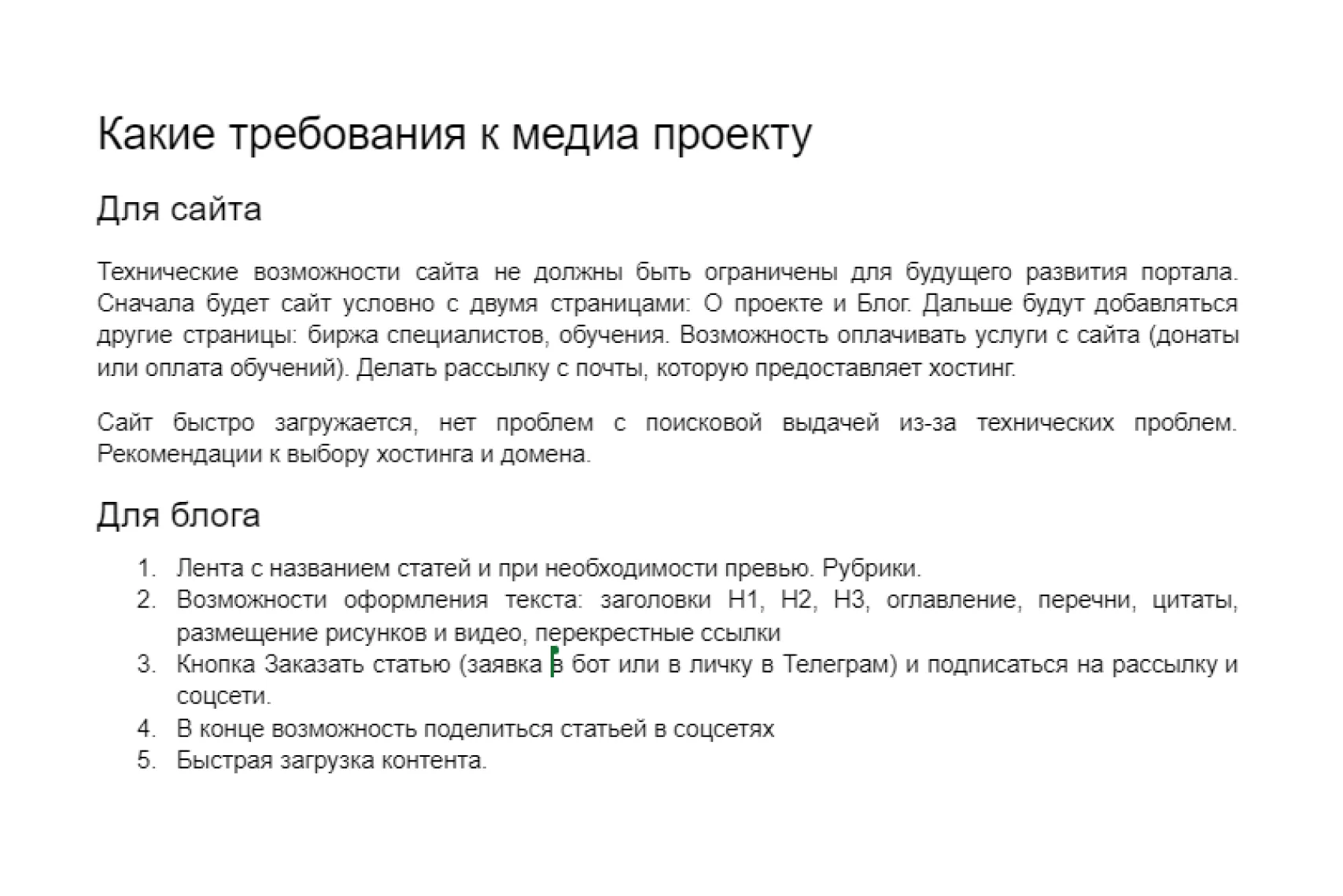
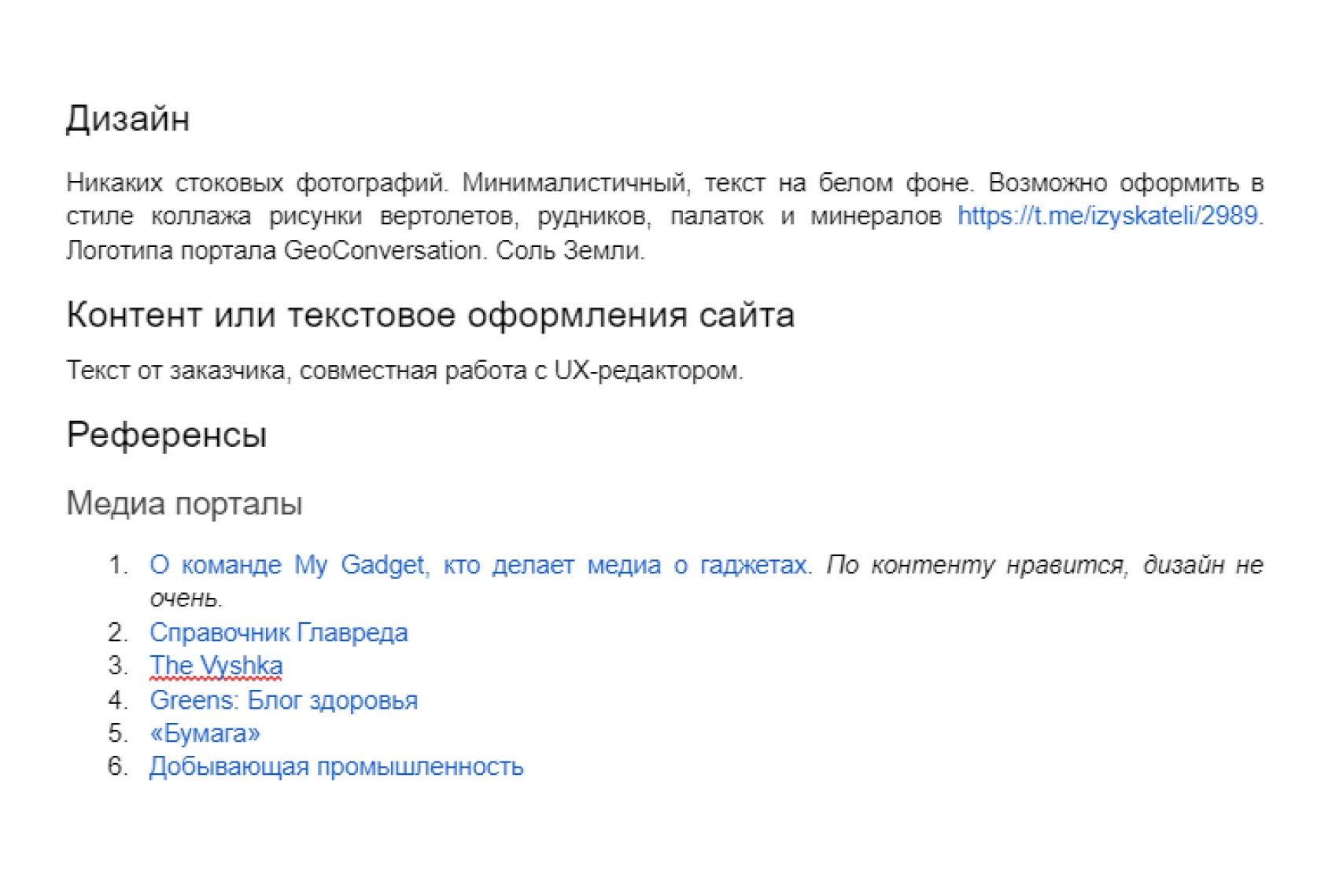
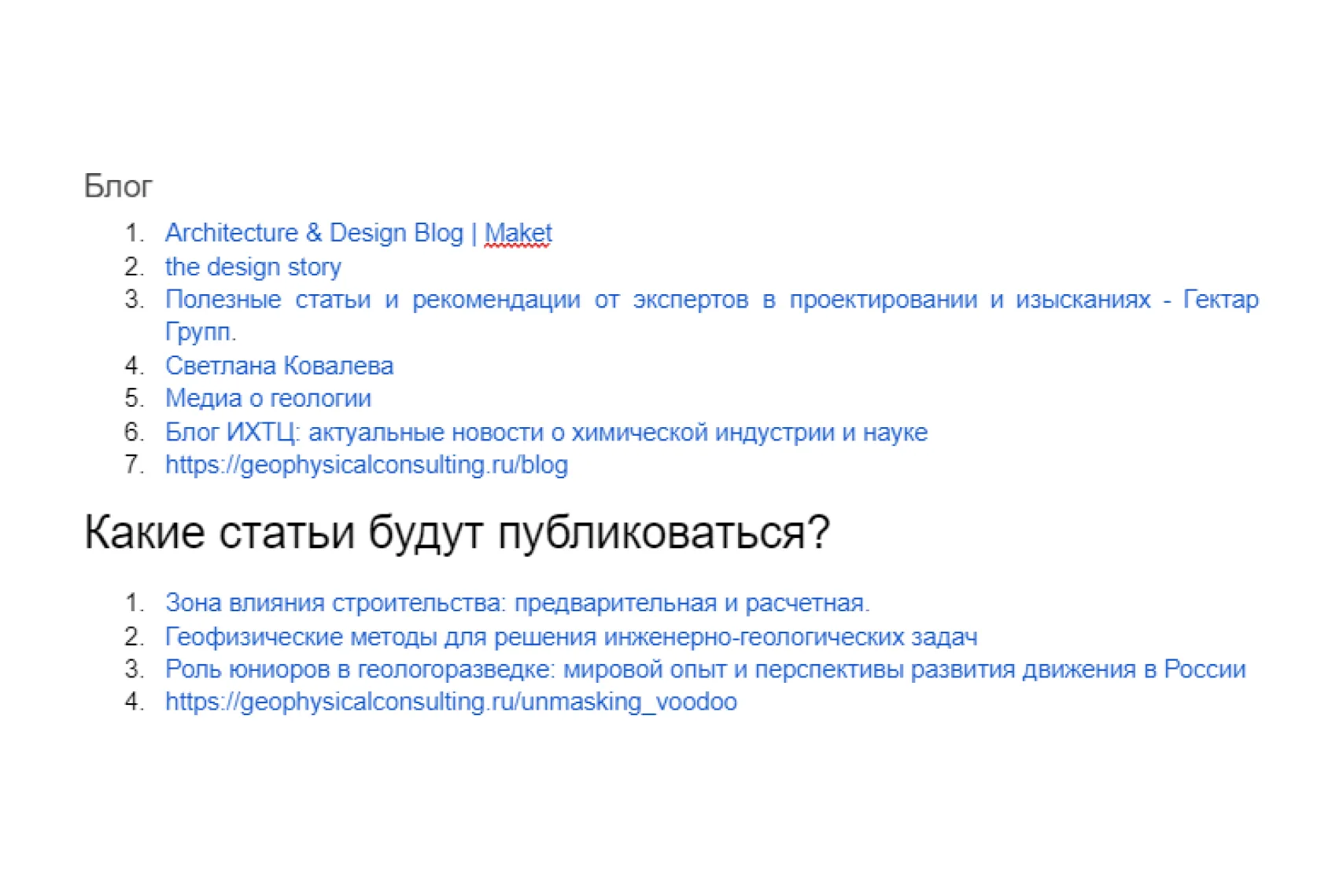
My wishes for the media project “GeoConversation. Salt of the earth”
First steps or how to start working on a website
Initially, it became clear that we would not use ready-made templates for our media platform: the structure and design of each block was too non-standard. Therefore, the first thing Alexey did was to select references (already existing sites suitable for our task).
He looked at Western media and popular templates. As a result, we had several interesting solutions for placing blocks on the main page.
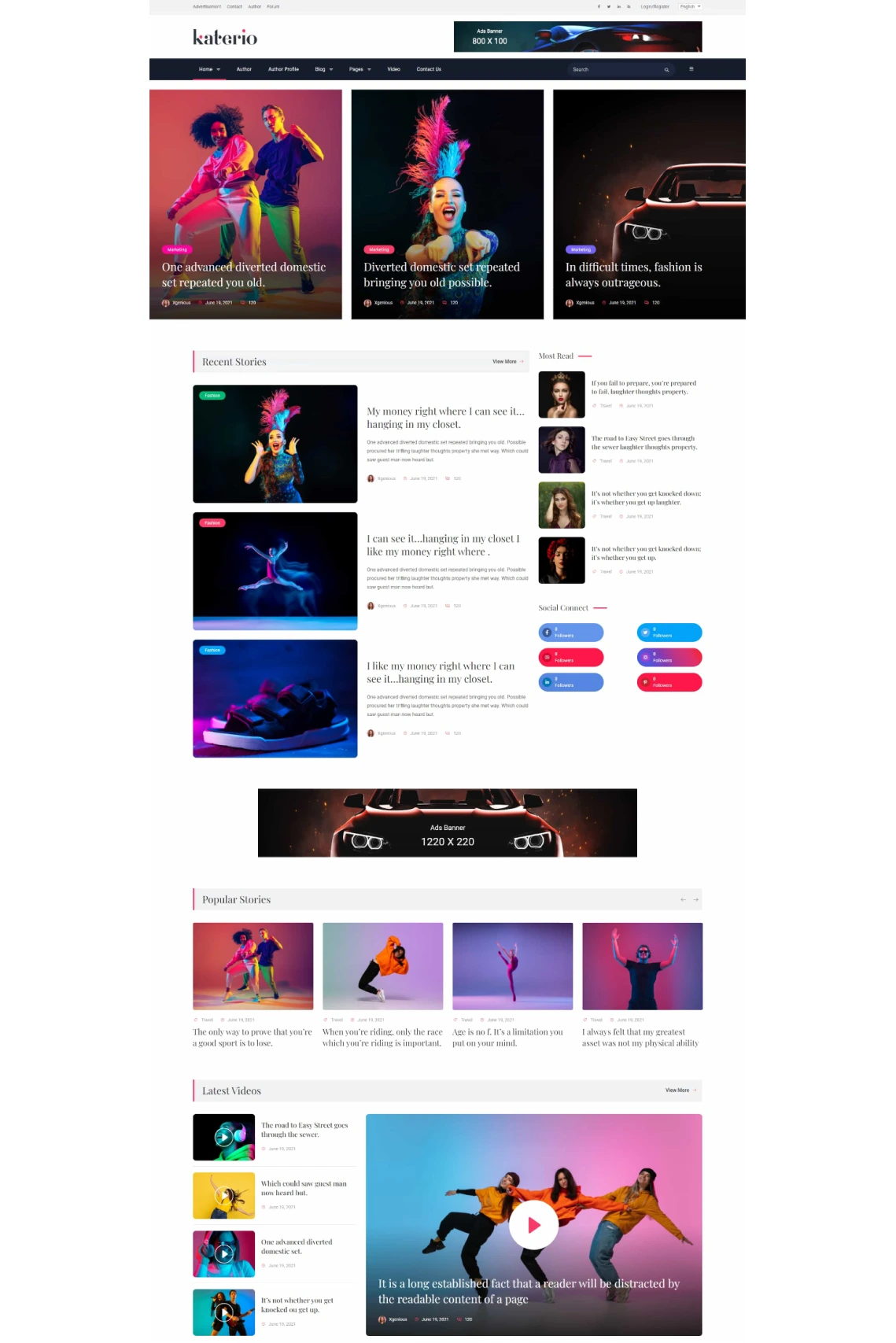
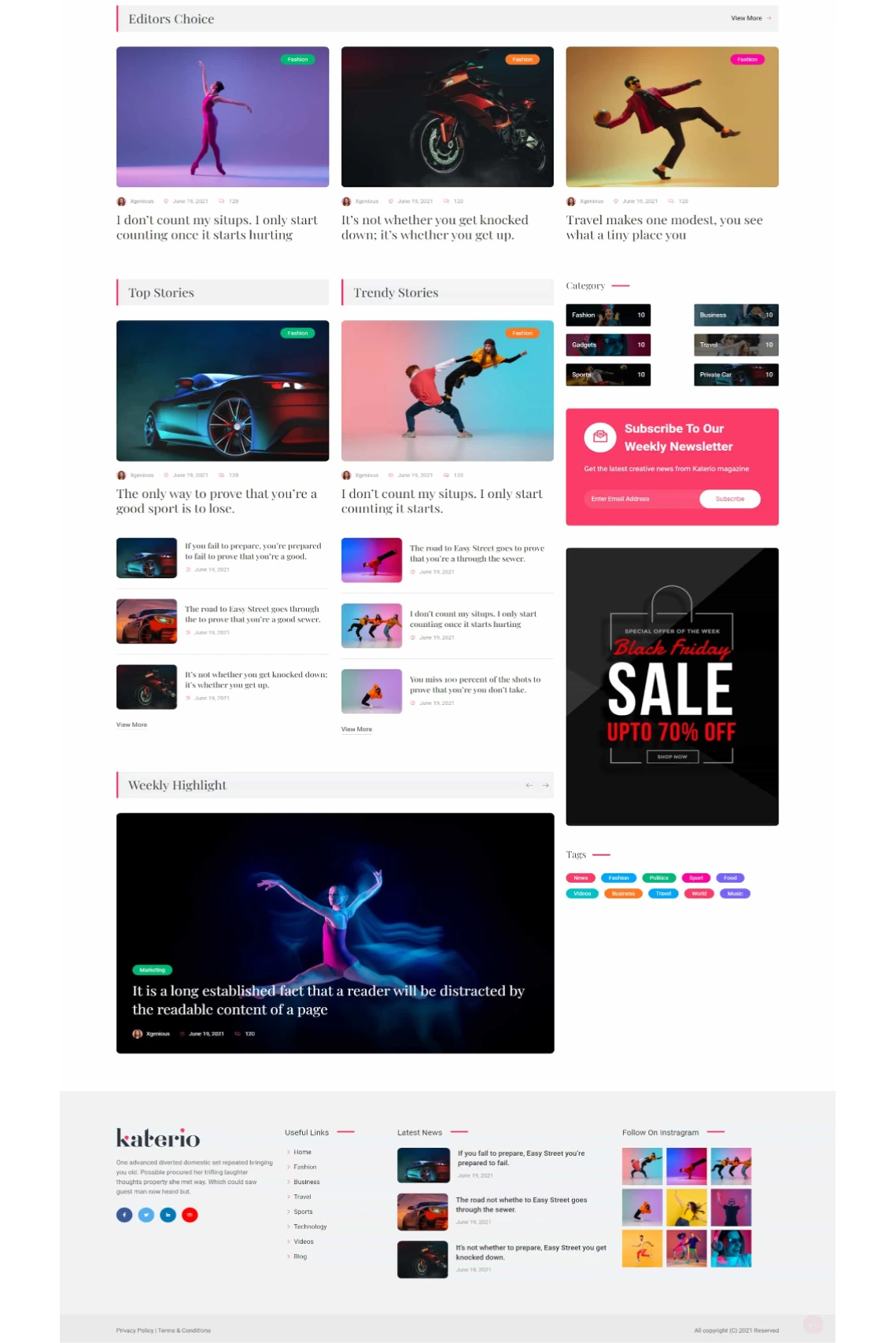
Deciding on the structure of the future site is almost half the battle. If you make a mistake at this stage, then you will have to redo everything from scratch: rewrite the code, configure new connections between blocks and re-upload the content.
We agreed on the structure and moved on. Now you need to decide on the site name, domain and hosting.
Here my train of thought was something like this: “We are making a website for readers. Therefore, it is important that people feel comfortable, understandable and beautiful.” Which means you need to ask the audience! And I conducted a vote on my Telegram blog “Masha and Geophysics”. She suggested several options for names for the site.
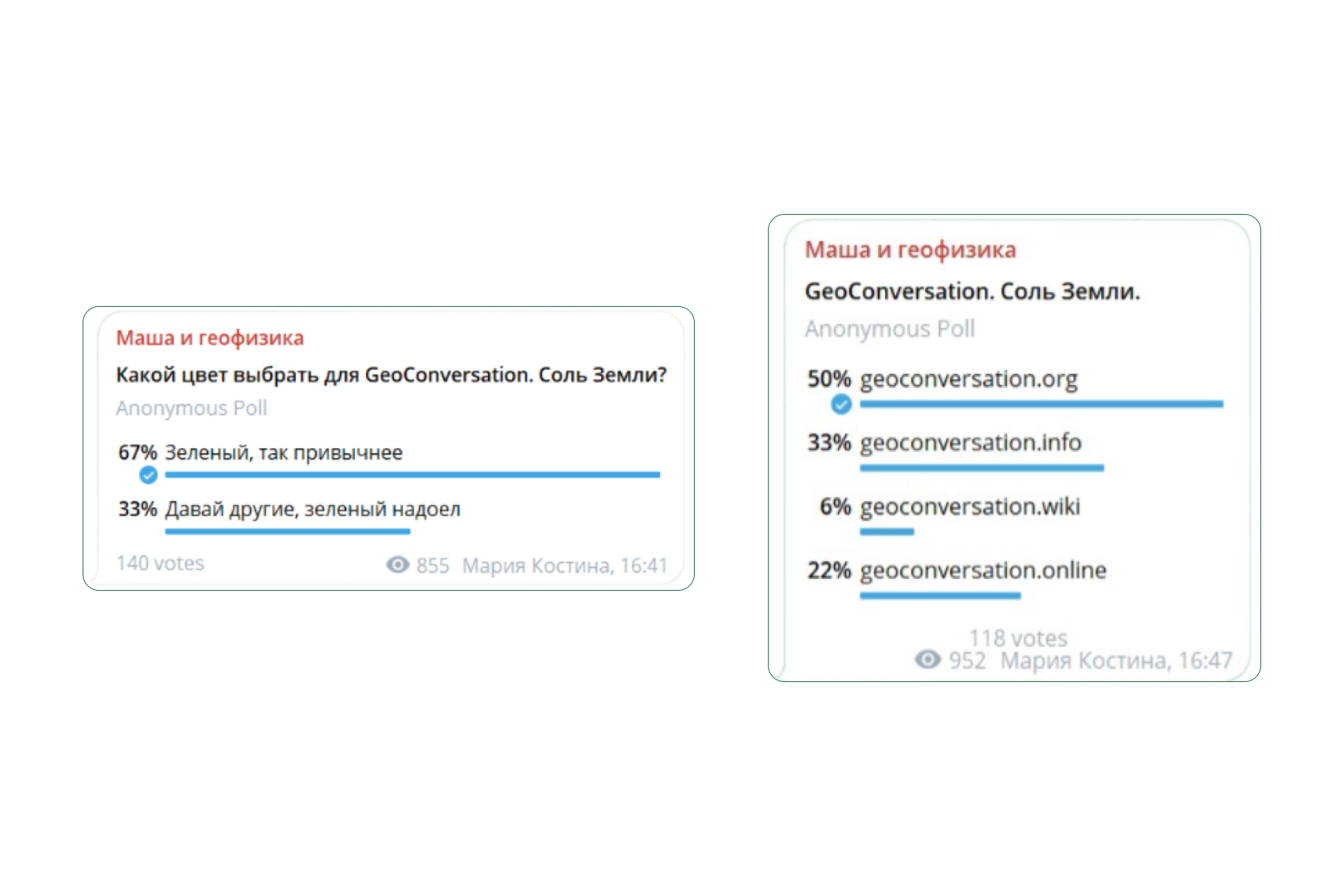
An interesting observation: your choice does not always coincide with what readers like. I bet on one name (geoconversation.online), Alexey leaned towards the second (geoconversation.info), and in the poll the third option (geoconversation.org) received more votes.
I concluded that such surveys perform two tasks at once:
- warming up We tell the audience that work is underway to create a new platform, inform and stir up interest;
- involvement in the process. People like that their opinion will determine the final result.
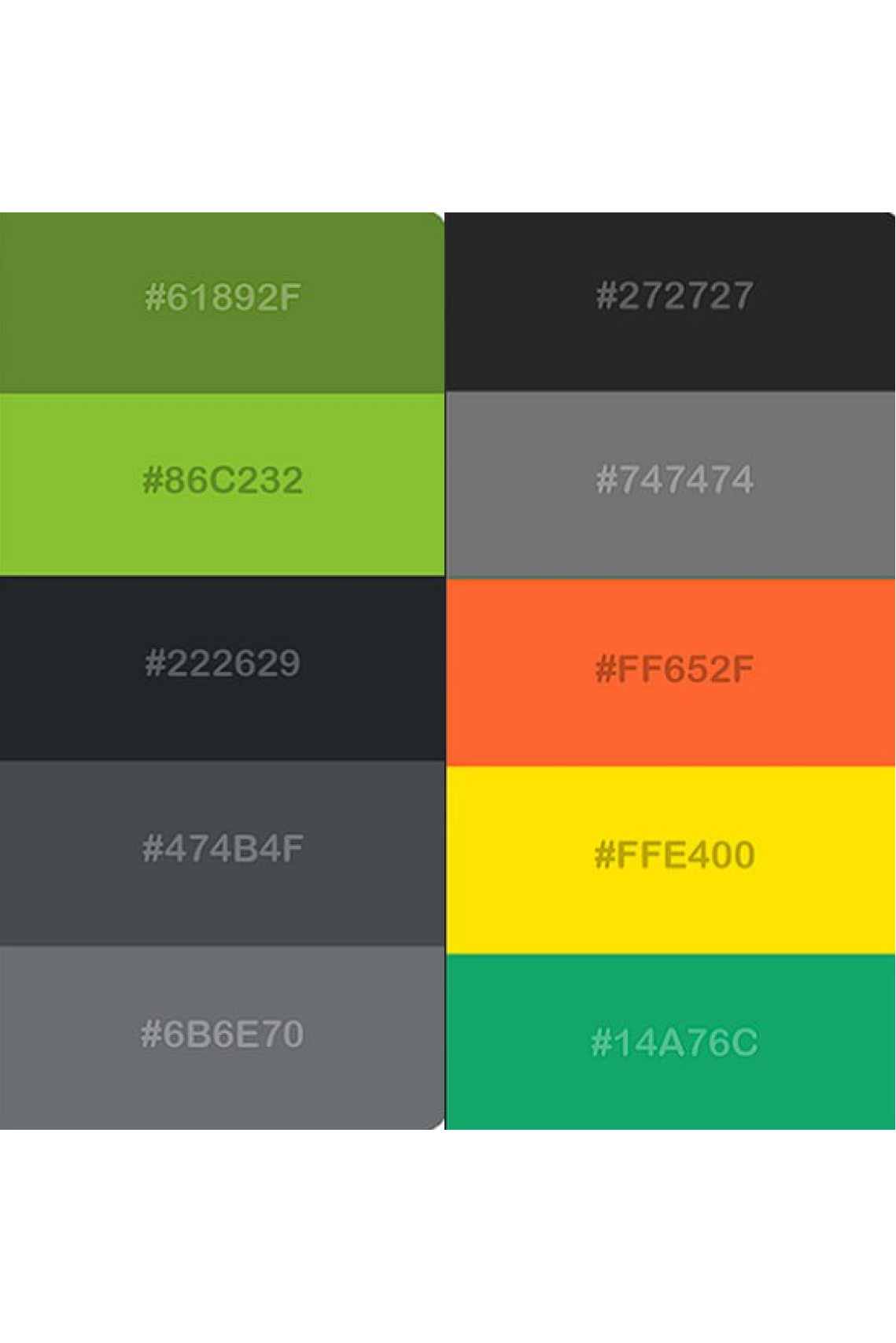
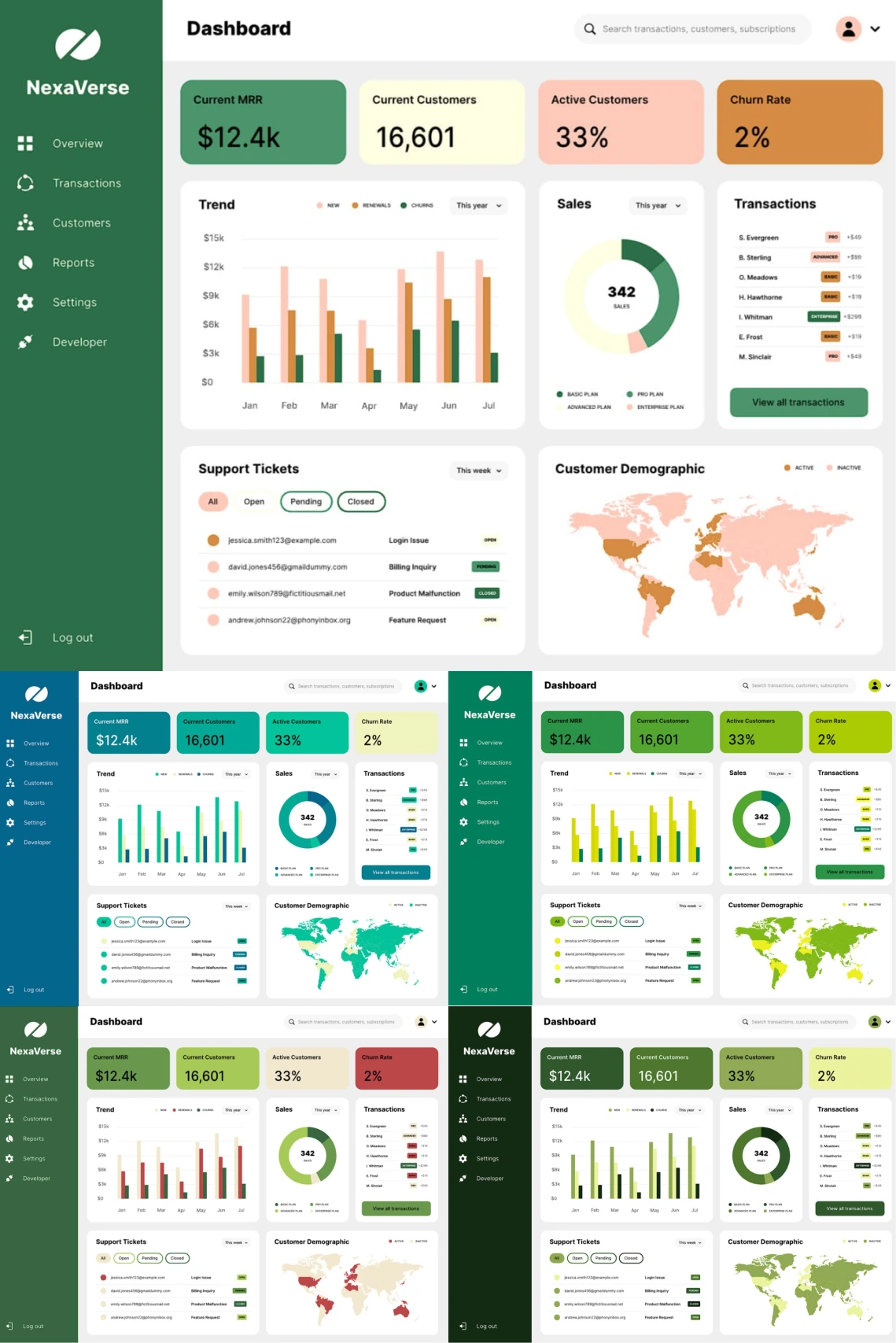
By the way, choosing a color scheme was also not easy. And this must be done at the start, so as not to constantly return to this issue and not waste time on a long search for “that perfect color.”
To make my choice easier, Alexey compiled a palette with five shade options. It was not so easy to stop at one thing, but I managed. As a result, our website became “green”. If necessary, we can always change the color scheme to any other.
Which content management system (CMS) to choose for a website “for growth”
I knew from the beginning that my media would develop. Such sites are always work for the future. Therefore, it is important not to miss and choose a platform that will allow you to grow in the future: add new pages and sections, increase the number of users. We settled on WordPress. This CMS gives unlimited prospects for modifying the site structure. Here you can create an unlimited number of pages, while on Tilda this value is 500.
And one more important point in favor of WordPress. The capabilities of the site are limited by the platform on which it is located. And if your media grows, you may need more powerful servers. This means that you will have to move to a new site.
If you choose regular hosting linked to your CMS, you will not be able to transfer files even to your own computer. They are hosted on the servers of the selected CMS. Tilda works on this principle.
WordPress allows you to host your website on a virtual server. And if the load increases, we can always increase the RAM and “take” a more powerful processor. It’s convenient.
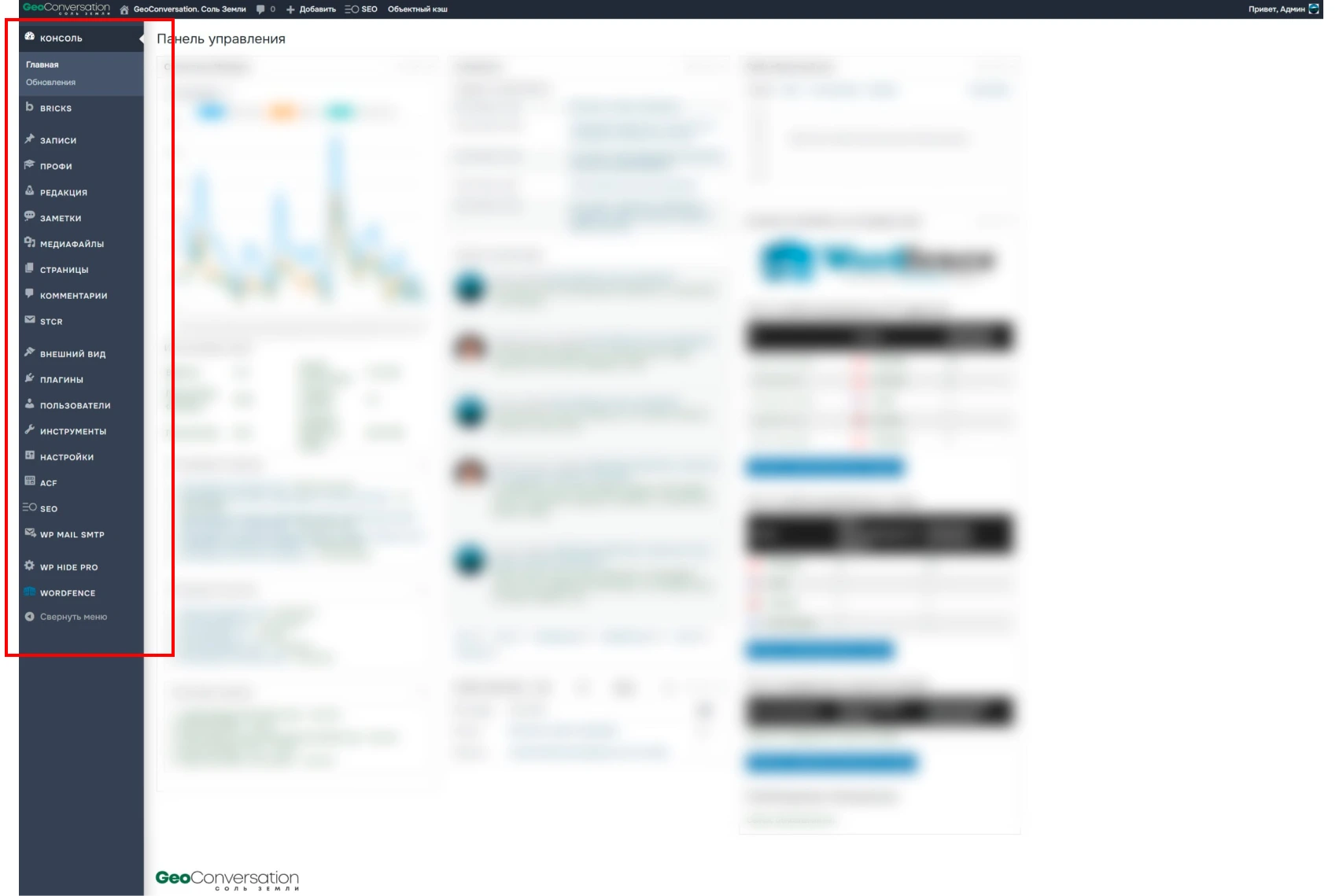
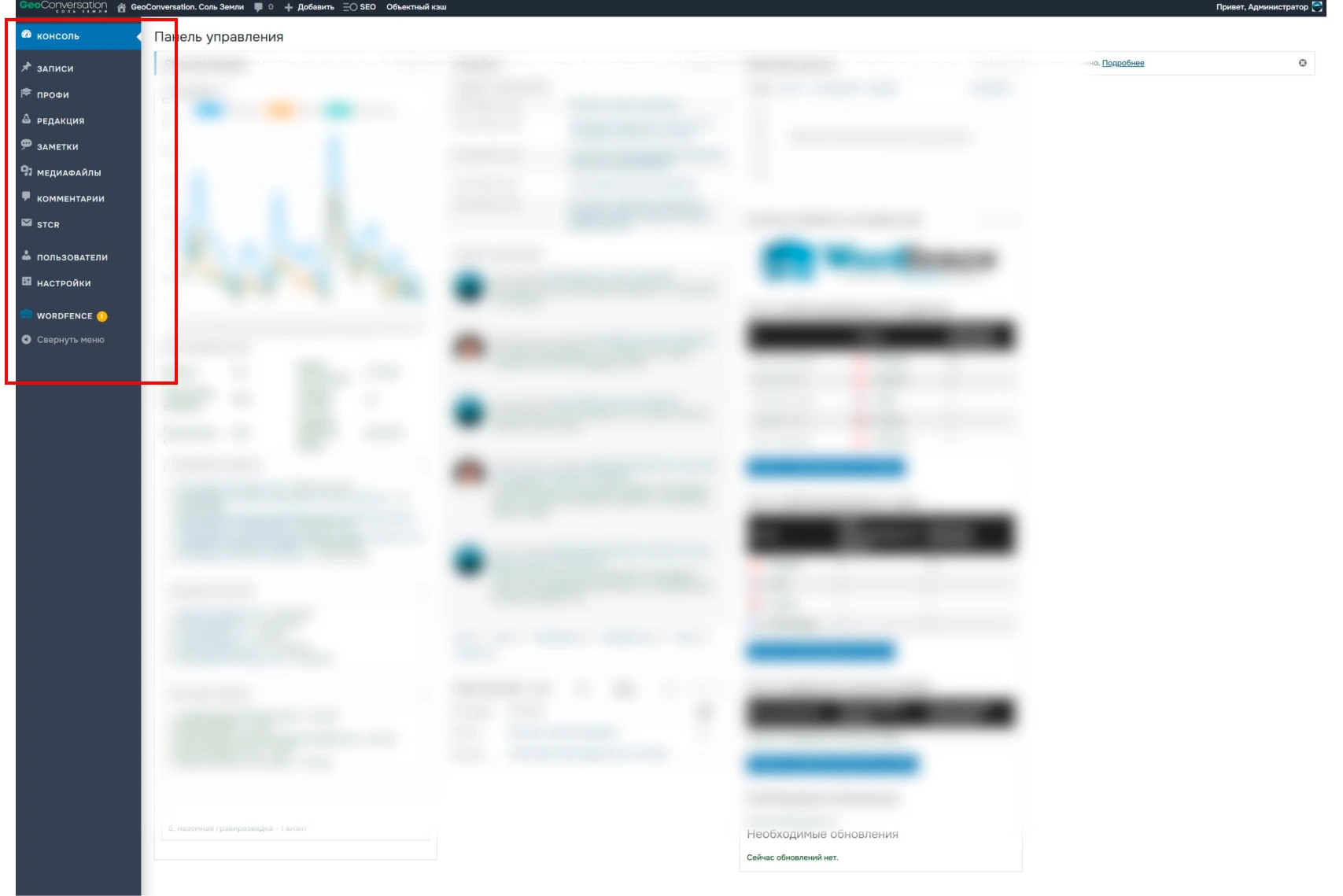
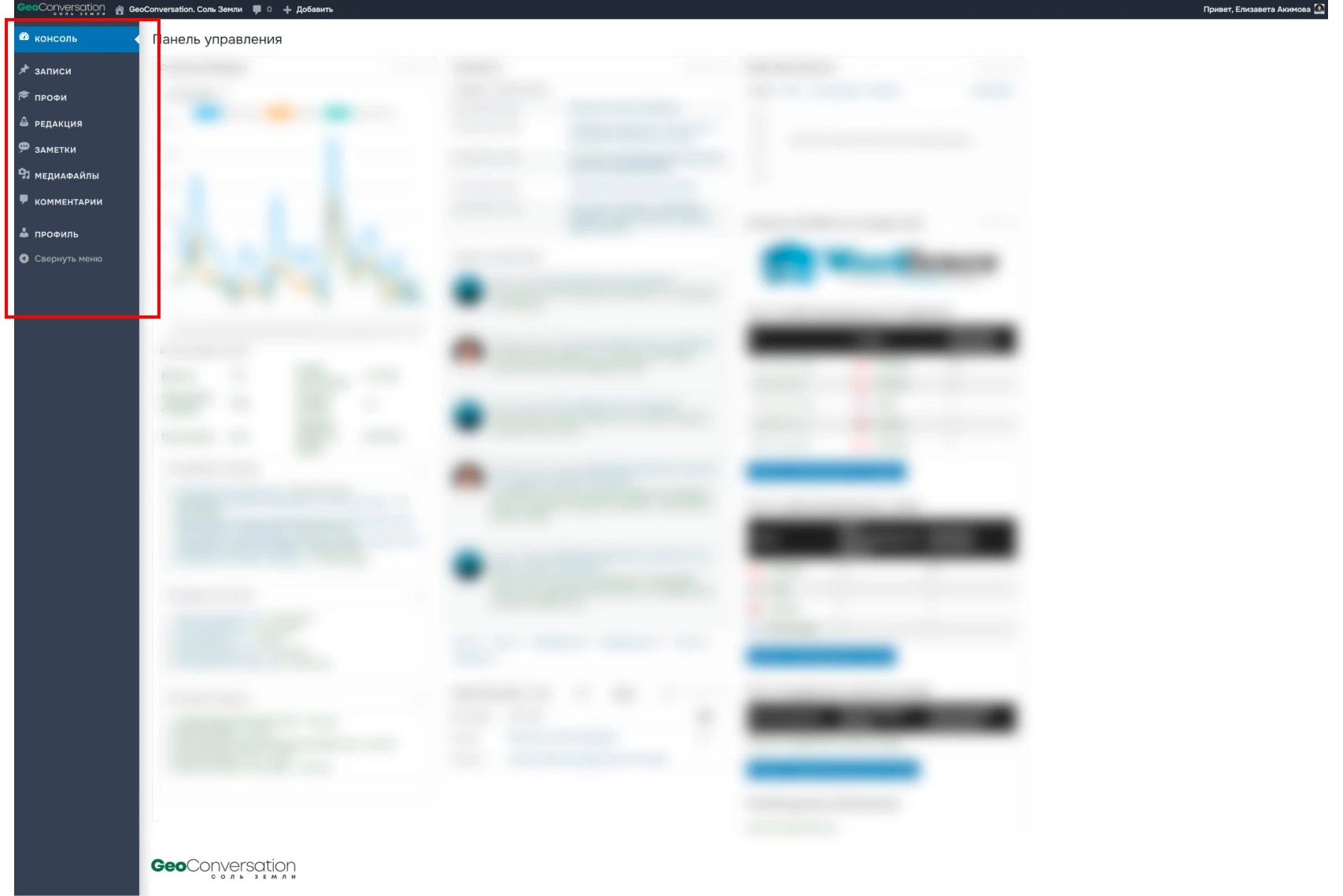
By the way, WordPress has a convenient site control panel, and you can customize it to suit your needs. We took advantage of this opportunity:
- created several users with different rights: superadmin, admin, editor. This is convenient when a large team is working on the site;
- added a panel with metrics to view site statistics.
Three access levels for working with the site allow you to differentiate user rights. So the superadmin has full access. He can change site settings (design, color, placement of blocks), install and remove plugins (including security plugins), and edit site files.
A regular admin was created with the purpose of adding new users. At the same time, he can manage the security plugin and sees complete statistics on the site: comments, likes, number of views.
The editor panel allows you to edit and add new articles. This CMS control panel is very convenient. There is no need to worry that the editor will accidentally delete some important information or change the settings of the entire site.
We made a convenient layout for articles
It’s time to think about what our articles will look like. The perception of information by readers is influenced by a lot: the design of the text, the location of photos and video materials, as well as the presence of signatures and fonts. We want to make it not only convenient, but also beautiful!
But behind the beautiful design of the finished article there is always a long process of layout. Therefore, it was important for me that there were no difficulties here, and that everything was simple and clear.
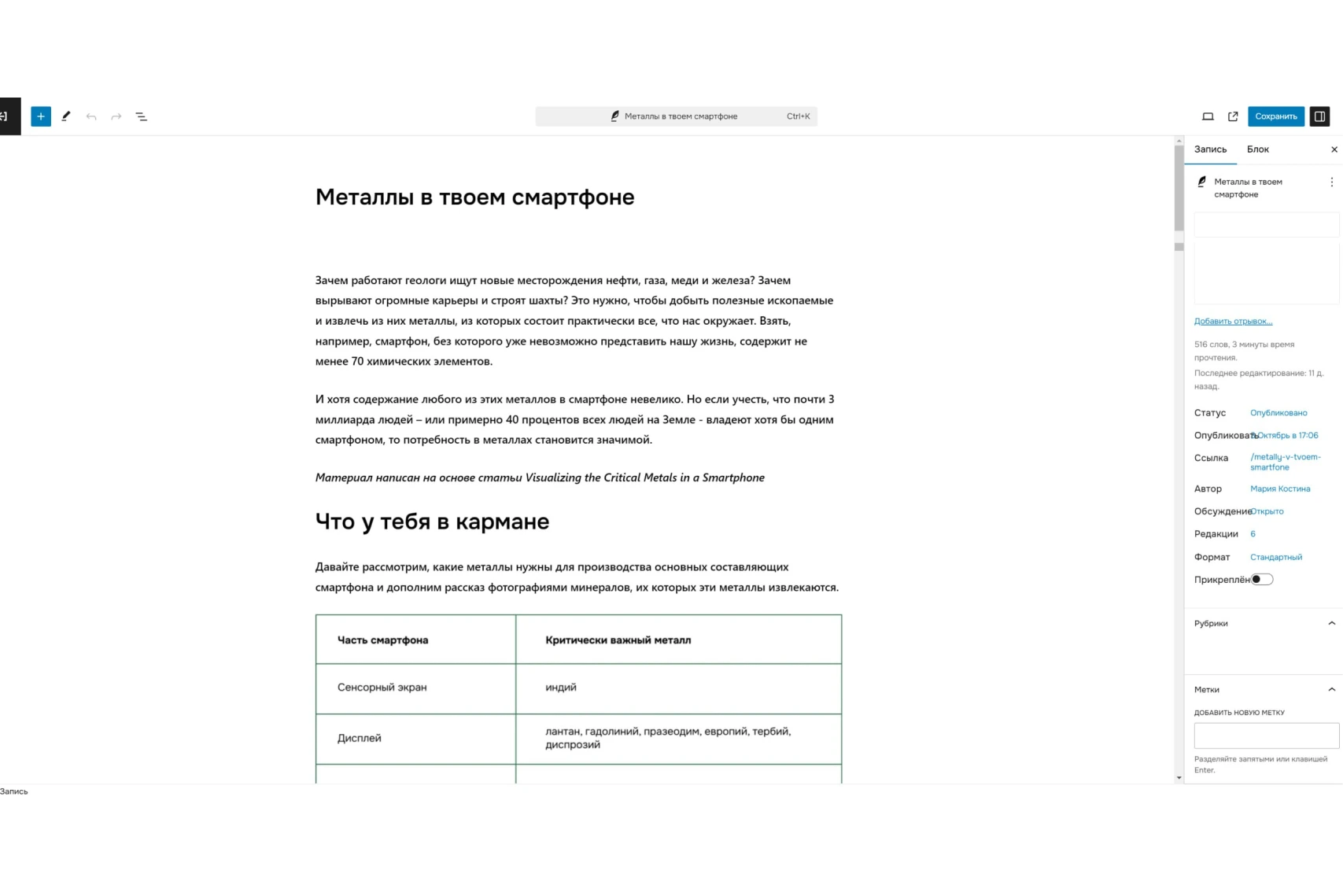
Alexey set up the editor as conveniently as possible. The window for creating an article looks like a regular editor, in which you can add text, pictures, videos, tables and specify the types of headings. In this case, you do not need to customize the design style (fonts, formatting and colors) – all this is written in the code and will be applied automatically when publishing.
After layout of the article, we proceed to setting up SEO data:
- add a title,
- indicate the optimal meta description length,
- write down keywords.
These are important settings that affect search results. You can do them in a special section: just fill out the main fields of the form.
Next, we launch an internal SEO analysis. It will show how the article will be perceived by search services. For clarity, we focus on the light indicators:
- red and orange indicate that the settings can be improved,
- yellow and green – everything has been done correctly, the basic requirements have been met.
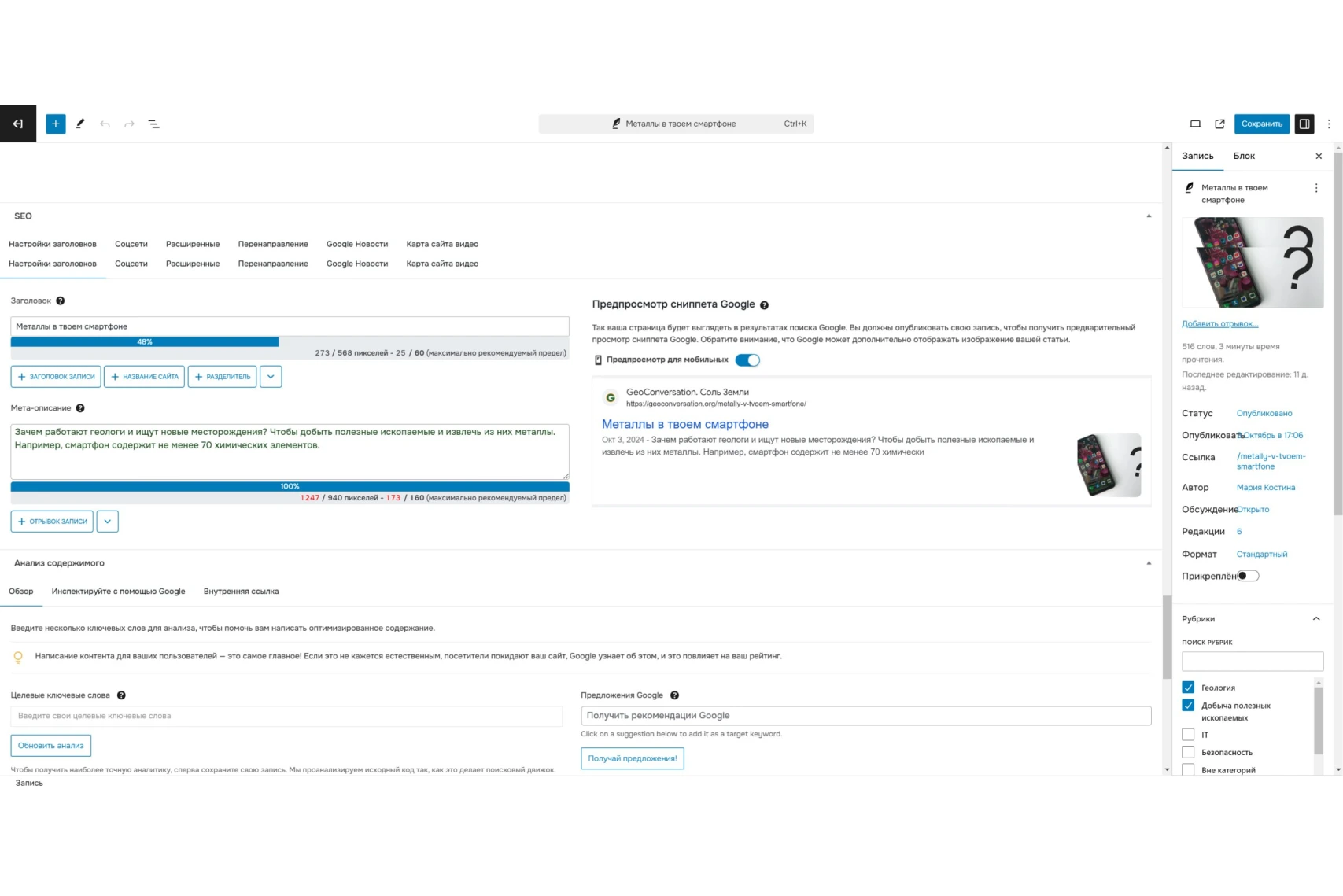
But in order for an article to rank high in searches, SEO settings alone are not enough. Promotion is rather influenced by the readers themselves. If they like the texts and stay on the pages for a long time and then move on to other articles on the site, then search engines understand that the material is of good quality and can be promoted.
Therefore, I initially pay great attention to the quality of content:
- I select interesting, relevant topics;
- I try to write texts in an accessible and easy-to-read format for the audience;
- I select unique photographs that reflect the essence of the article.
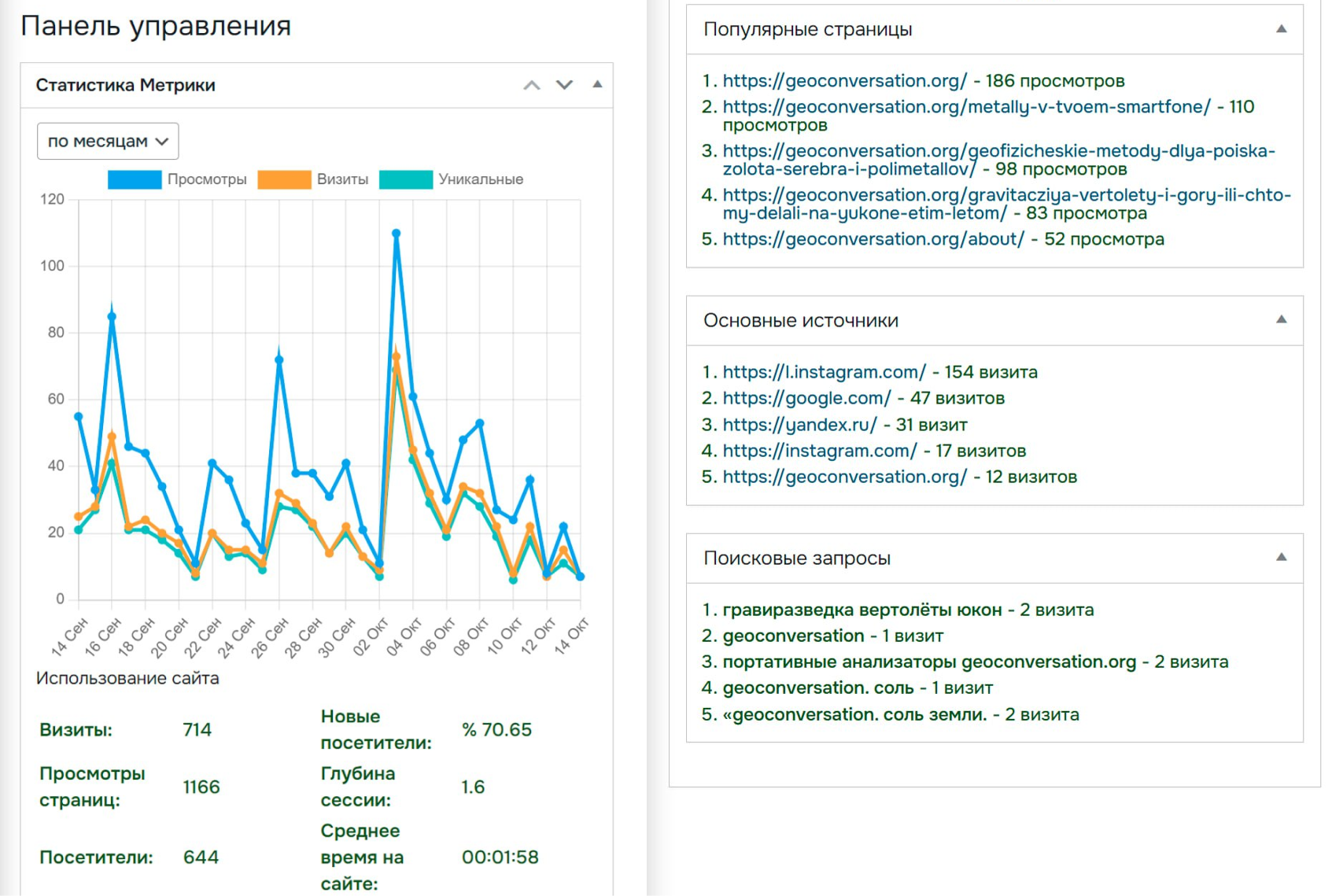
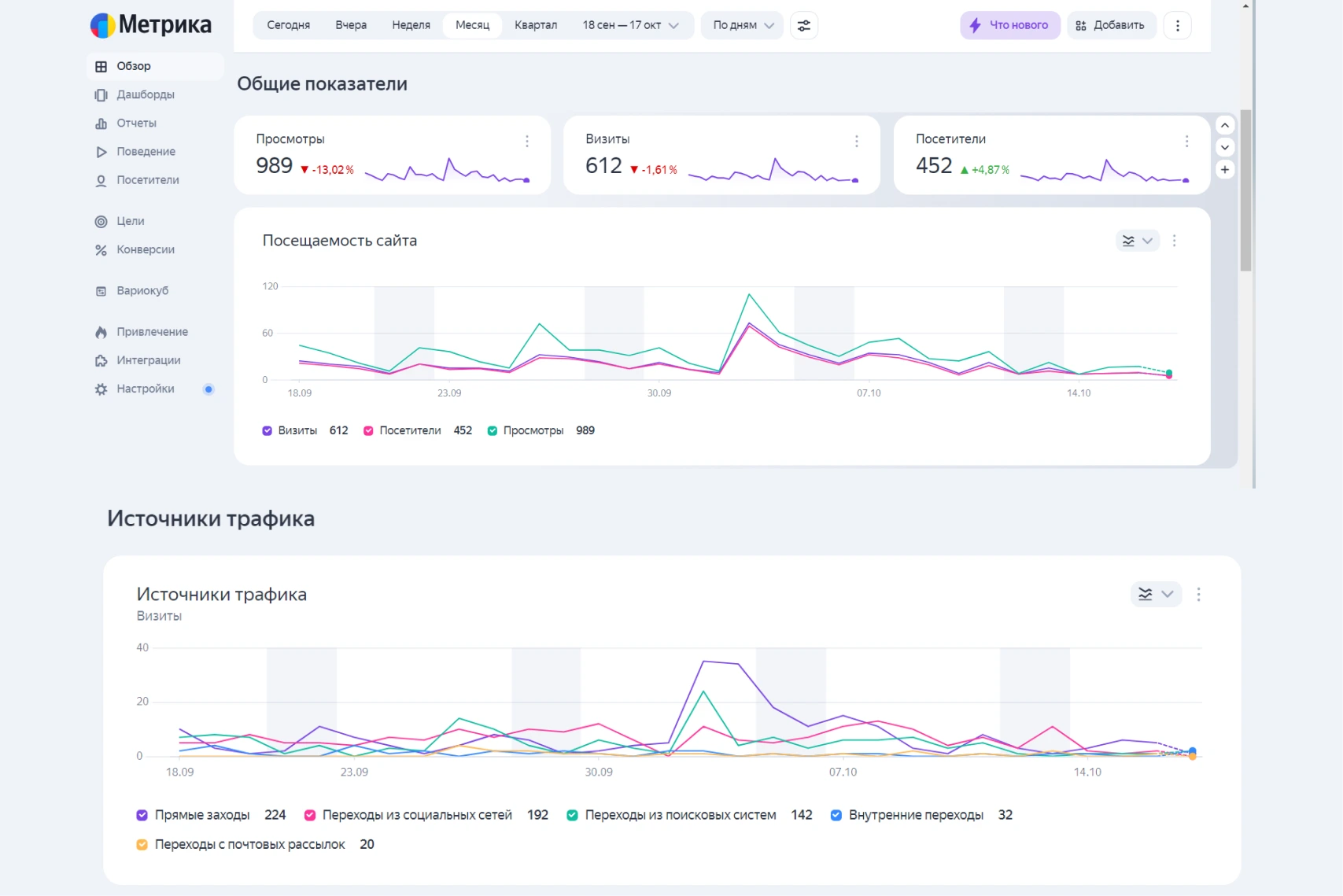
We launched the media in June, and all this time we have been closely monitoring the statistics to understand where we need to tighten things up. As of the date of publication, our indicators are as follows:
- the depth of each session is 1.7 pages;
- the average time spent on the site is 2.38 minutes;
- 72% of site visitors are new users who came for the first time;
- 1232 pages were viewed in the last month.
This is an excellent result, considering that our media has a rather specific topic, and there is not a lot of materials.
Not everything worked out the first time
While working on the site, we often encountered unforeseen situations. Some of them could be fixed right away, while others had to be tinkered with. I will share my experience of how we dealt with the difficulties that arose.
How we “interfered” with experts, and what came of it
To write live, relevant articles, we arrange calls and conduct interviews with mining industry experts. All the materials they provide are real cases, expert opinions and original photos and videos.
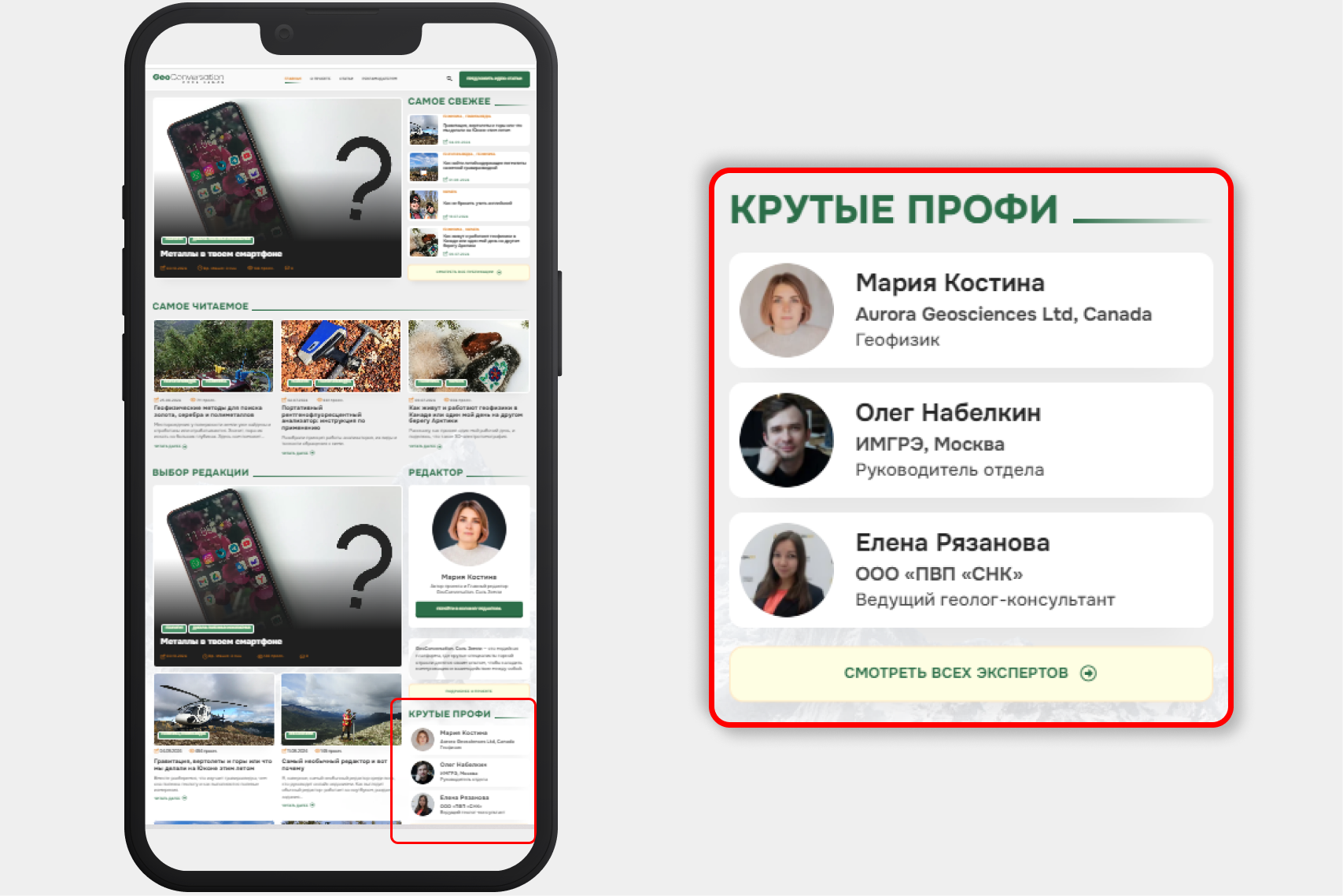
Therefore, it was important for me to express my gratitude to them by posting information about each specialist on my website: links to social networks, photos and descriptions. This is how the idea came to create a special block on the main page in which the cards of three randomly selected experts would be displayed. And when the main page is updated, the set of these cards should change.
Moreover, the description should be selling: lead to a consultation or invite to cooperation. In it, we highlight what issues the expert understands and how he can help if you contact him.
And then a problem arose: the cards in the block did not change. Alexey began to look for a solution that would not complicate the code. As a result, he created a separate page for each specialist. And everything worked as it should!
The only thing was that I had to write full-fledged articles for each expert. This is additional work, but the result turned out even better than originally planned. Such SEO selling articles are already displayed in search engines and provide an opportunity for promotion for our experts.
To calculate the reading time of the main page, I had to look at Habr
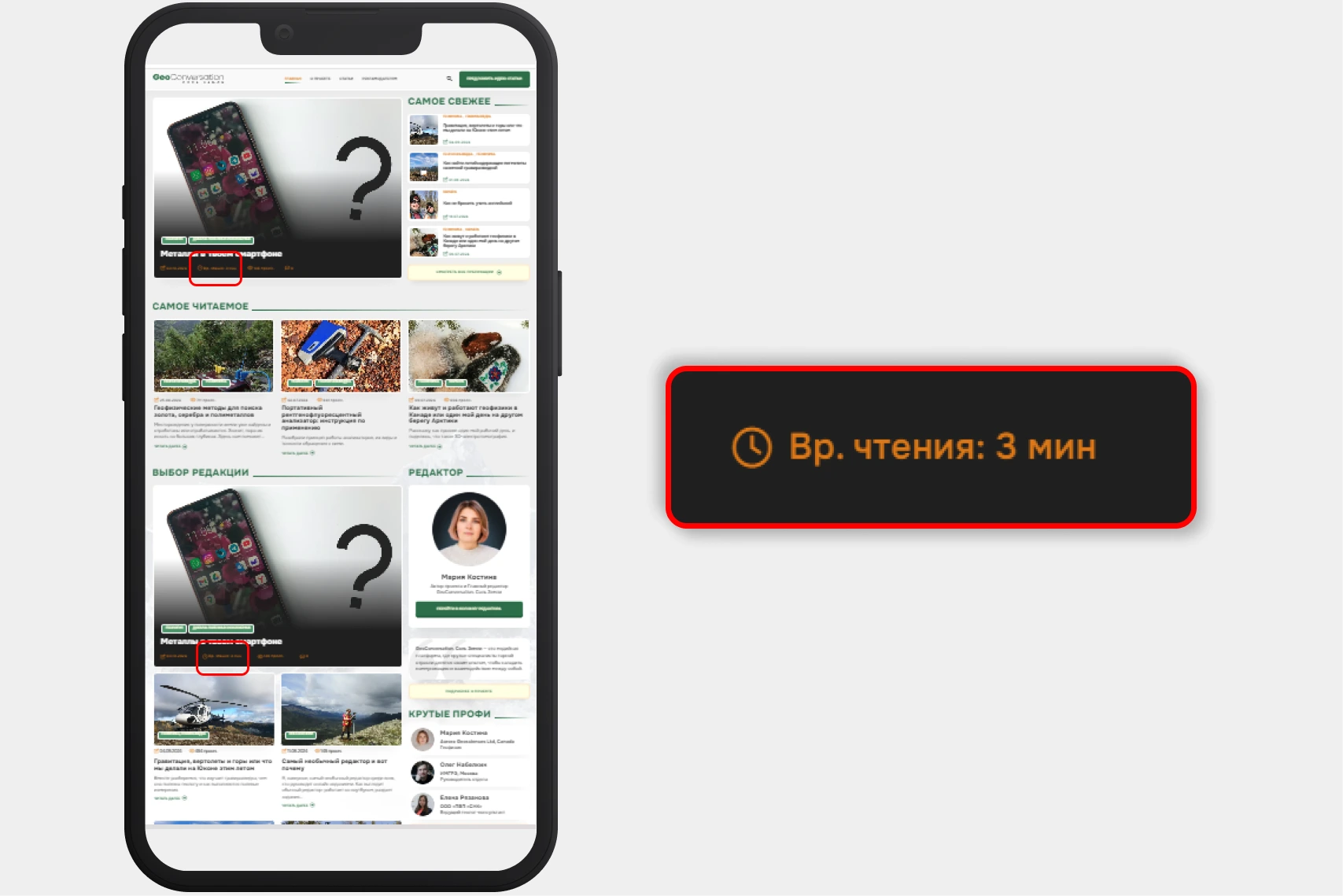
On the main page of the site, article announcements are displayed and there is a counter with reading time. But it displayed the wrong value, because it took the announcement as a basis, and not the entire text of the article.
For example, if you go to the article itself, the counter shows 8 minutes. On the main page, this value is only 1 minute. This needed to be fixed.
Reading time is the average time it takes the average person to scan a text with their eyes. This is a useful feature to understand in advance whether you will have time to read the text right away or whether it is better to postpone it for a convenient time, in the evening or on the weekend.
The solution turned out to be simpler than expected. Alexey studied materials on various resources and found the best option to correct the error.
“This was something new for me, because I had never added such counters to websites. I was looking for ways to do all this without making the code heavier. In the end, I found a lightweight solution: just a couple of lines of code, and everything worked as it should.”
Alexey Dubinin
And another scary story
One day our site was taken over by crooks. It’s difficult to convey the horror of Alexey when he went to the site in the middle of the night, and there all the information turned into an endless sequence of unreadable characters. It turned out that the WordPress update was not completed correctly. The old plugin and CMS did not find a common language and produced such a peculiar picture. But we fixed everything pretty quickly.
And this, by the way, is an excellent example of the fact that even after completing work on the site, the help of a technical specialist can be very useful. Unforeseen situations always happen, and it’s not always possible to deal with them quickly on your own. Therefore, I continue to cooperate with Alexey, and he keeps the site running.
Protection against DDoS attacks and spam, how we implemented it
It is necessary to provide in advance a mechanism to protect your site from high load during DDoS attacks. The danger is that the site receives 10 or more requests every second, as a result it freezes and becomes unavailable.
In addition to the server, we have configured additional protection against DDoS attacks at the hosting panel level.
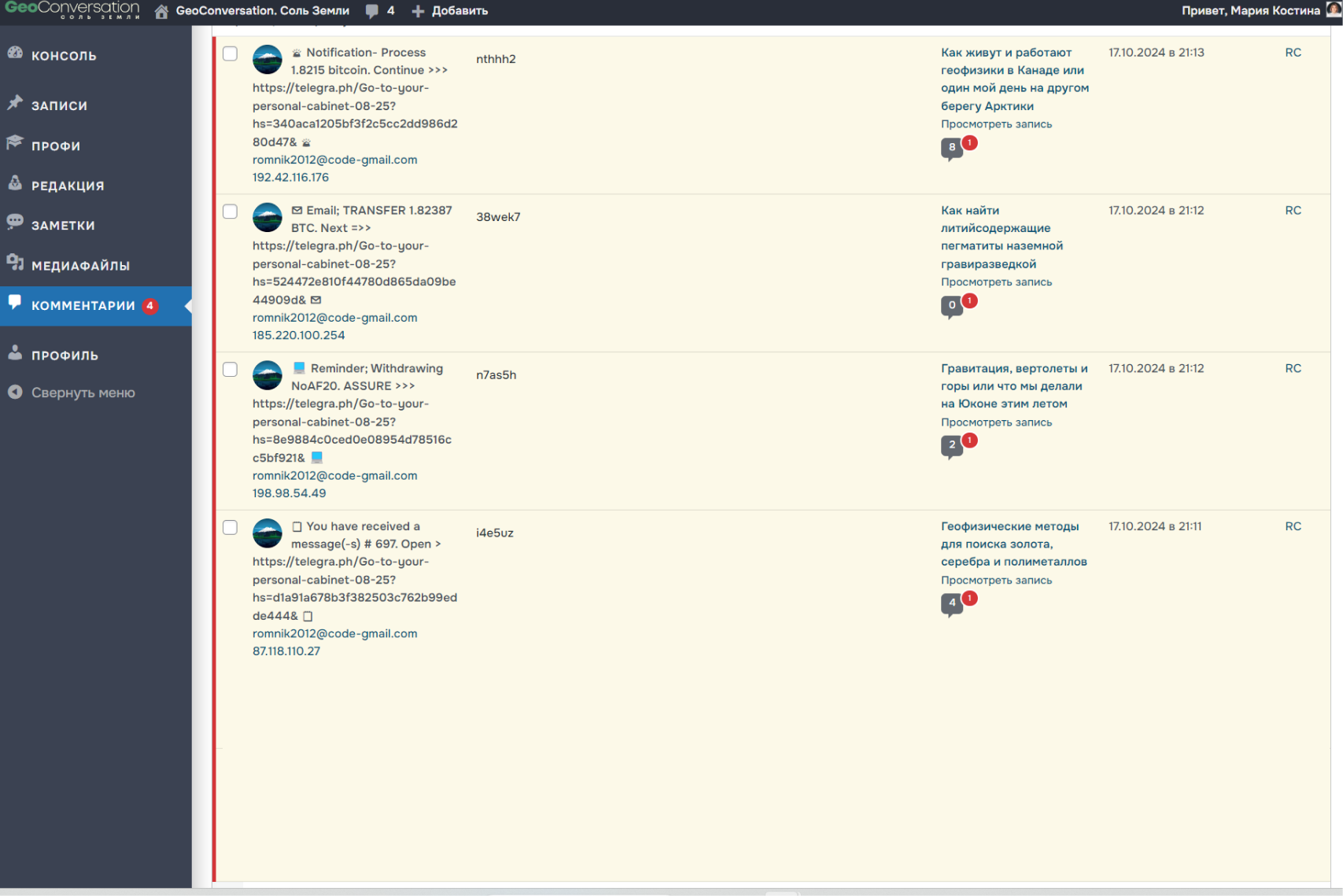
The site allows commenting on articles, so it was important to add a spam scanner. It analyzes and moderates everything that readers write and instantly removes advertisements and links.
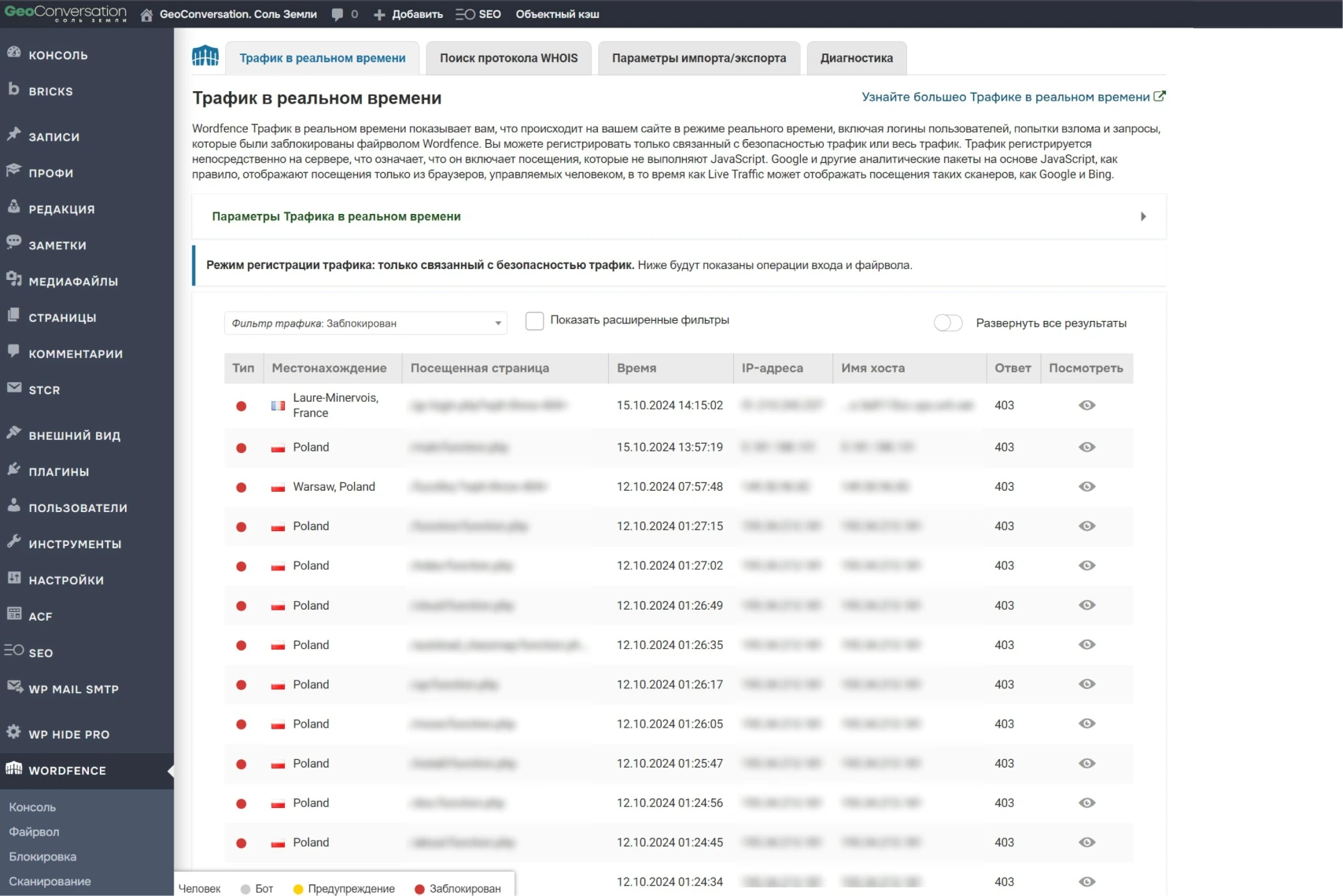
Additionally, we have enabled hacking protection to reduce the vulnerability of the site. This is done by adding a special Wordfence Security plugin. It is both an antivirus and a malware scanner. The following functions are built into it:
- protection against the most common attacks and known vulnerabilities;
- protection against password guessing attempts;
- tracking visits and hacking attempts in real time.
And an important point is protection against copying of our materials. We installed it too. You want to be sure that your work will not be stolen and used on other platforms. In addition, each article is the work not only of me, but of the entire team, as well as experts and specialists in the field of geology.
What will happen to the project next?
We try to make the site convenient for readers. Therefore, we pay a lot of attention to UX design to make it convenient to navigate between sections and quickly find the information you need.
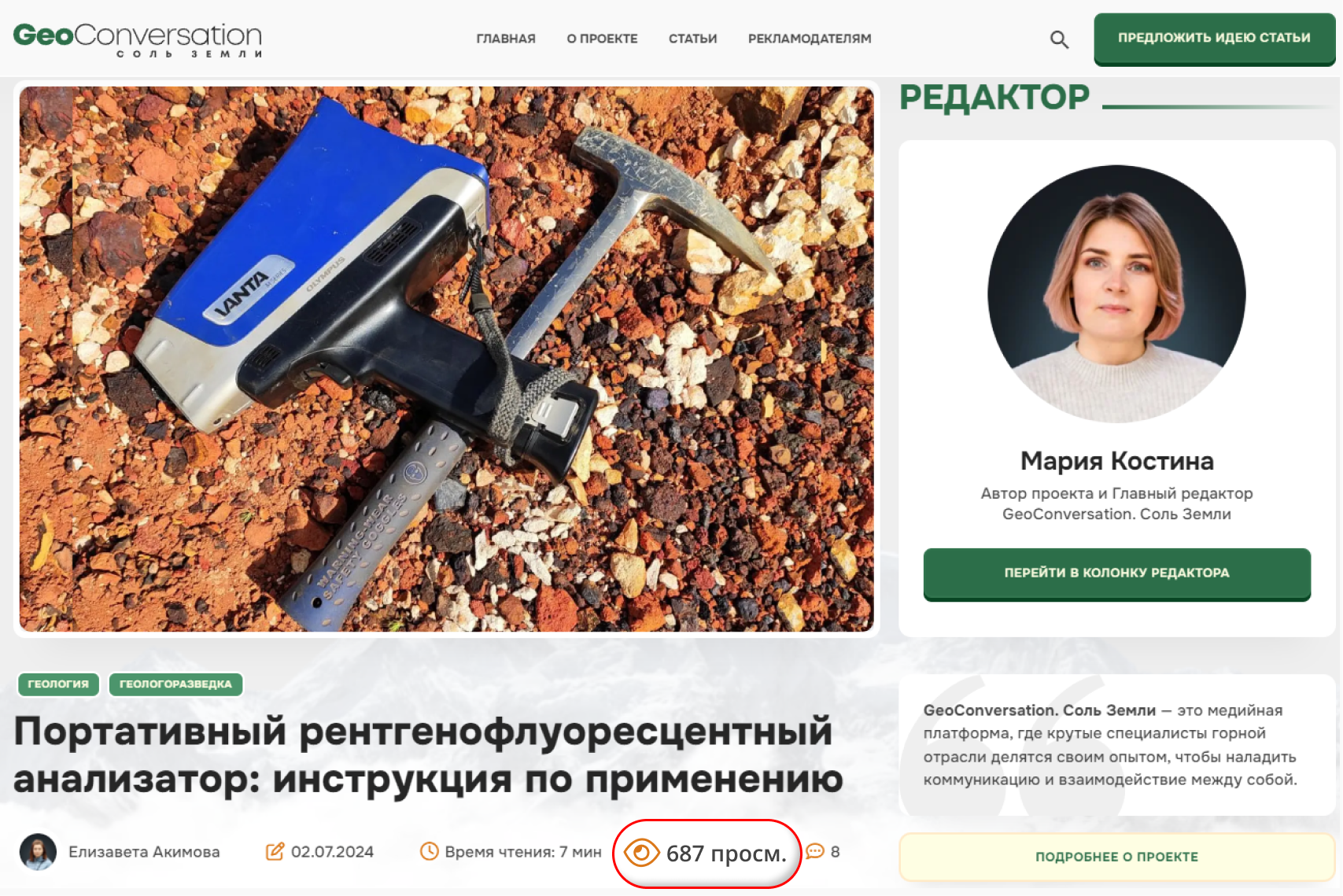
I am very picky about content. I choose topics in which I see interest from readers, but there is little information on this topic: there is only theory, but how it is used in practice is not described. For example, I once broadcast about portable X-ray fluorescence analyzers, which was attended by 100 people. So I realized that the topic is TOP. Our editors have prepared an article and now it is one of the most popular on the site.
The photographs we use are also obtained with great difficulty: some are sent by experts, other photographic and video materials I take myself.
We do not have a goal to fill the site with a bunch of advertising and make a profit from it. Of course, in the future we are thinking about monetization. Any media must at least pay for itself, and at maximum make a profit.
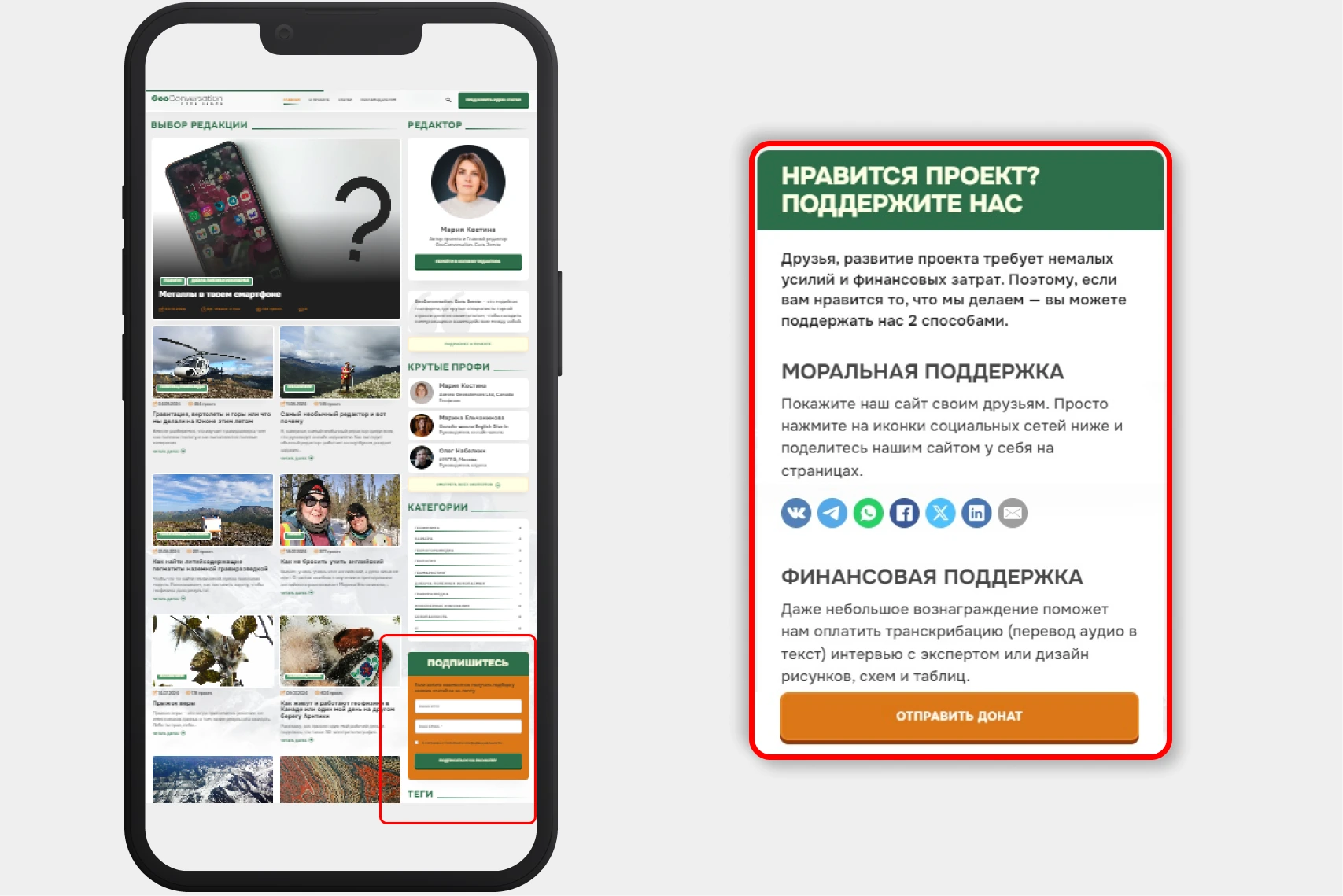
Therefore, to begin with, we enabled a donation system. If readers like the content and find it useful, they can transfer any amount. This allows me to pay the work of the team (designers, authors, editors and technical specialists), invite great experts, develop the project in new directions and create even more quality content. You can become a sponsor of my project.
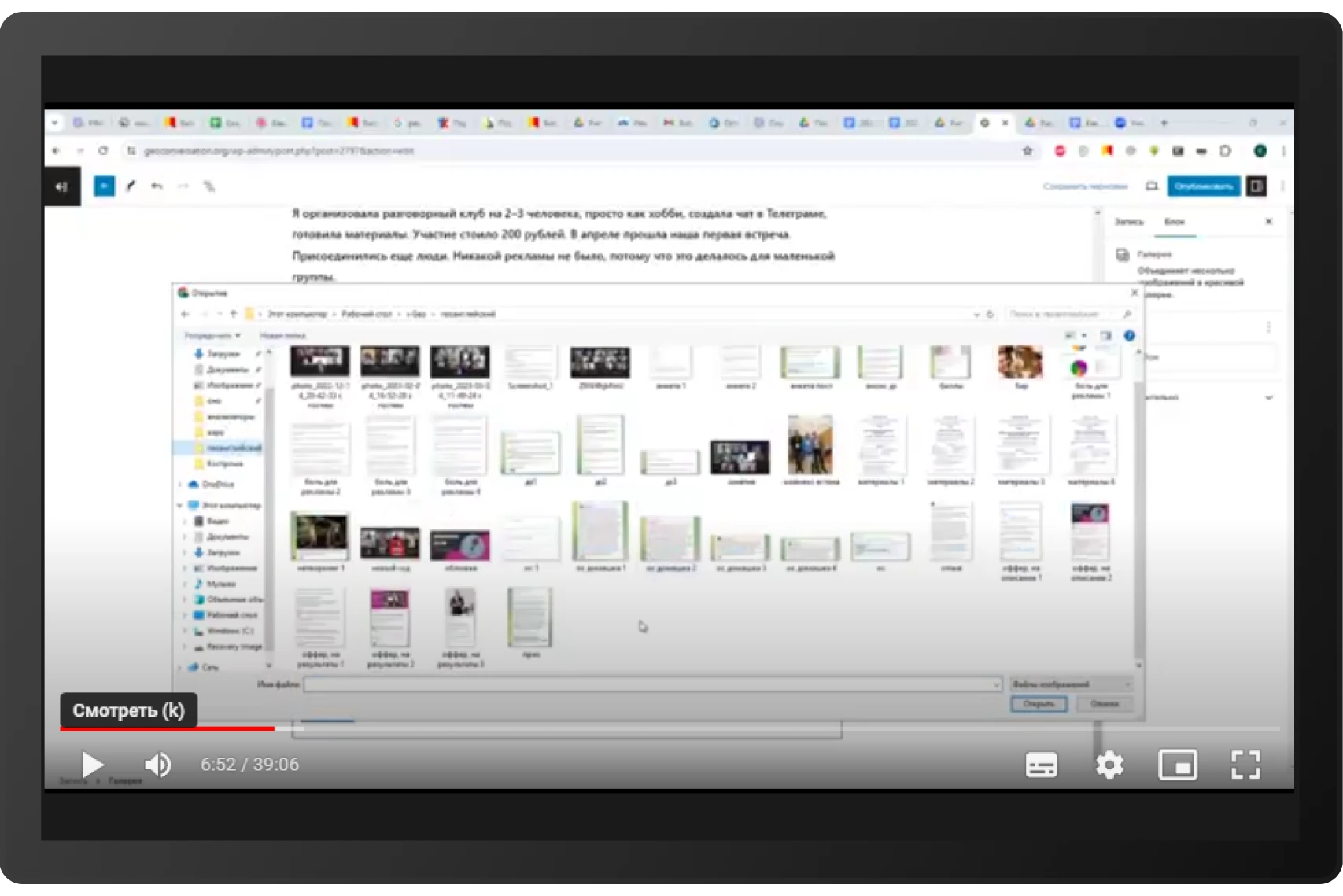
In order to further expand the team and attract new editors and administrators, we recorded several video lessons on working with the site:
- layout of articles;
- architecture;
- SEO.
Now training new employees will take much less time, and nothing will be forgotten.
Feedback from the audience is also important for the development of the site. We take all comments and messages seriously. Sometimes they have good hints on where and what can be changed or improved. There were several situations when readers identified bugs on the site – links did not work or photos were displayed incorrectly. We quickly fixed them.
What I learned while creating my own media project
While working on “GeoConversation. “Salt of the Earth”, I realized that it is simply impossible to create a perfect website that has no flaws and errors. Improvement work will continue long after launch. A website is a living organism that can and should be adjusted to suit its audience. It must develop, change, acquiring new features and interesting sections.
If you doubt whether the site is ready to launch, or needs a little more tweaking. Don’t hesitate. There will be improvements in any case, but they will come to light later.
The main thing is to assemble a team that will be interested in working on the project. I have such a team. And there are many cool ideas ahead that we will definitely implement.
If you have any questions about creating media, I’m ready to answer them in the comments to this article. And if you are already working on your own project, can you share what difficulties you encountered?