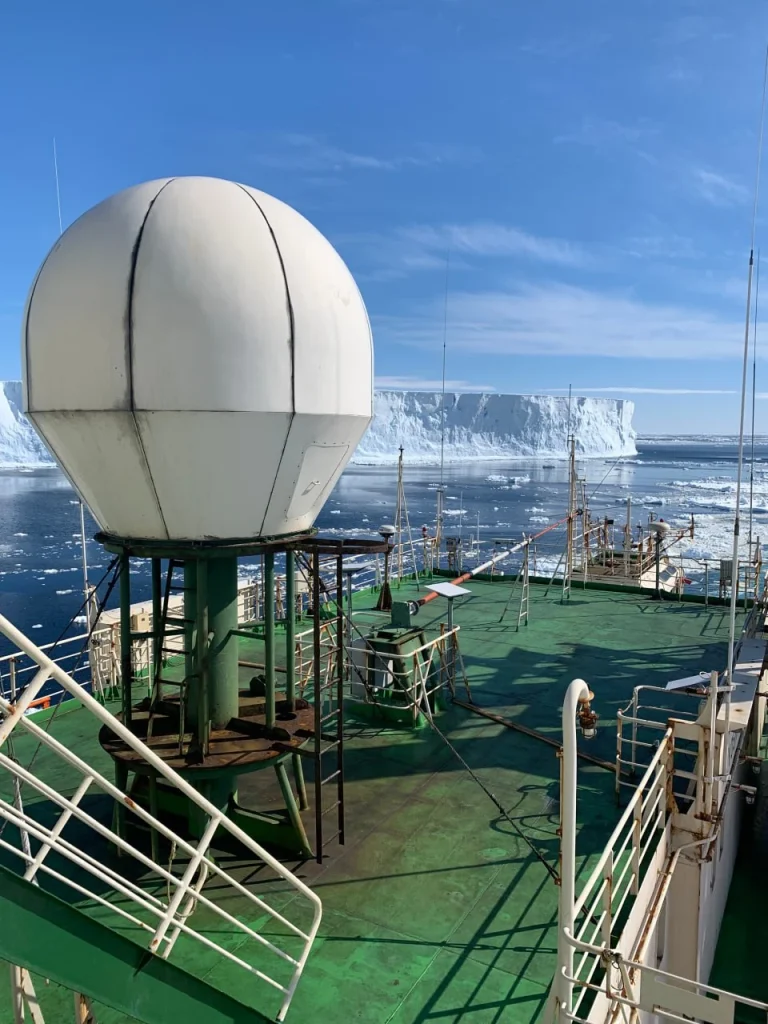
The research vessel Akademik Treshnikov delivered the participants of a large-scale expedition to the port of Rio Grande, marking the final point in a two-month journey around Antarctica. During the mission, scientists from Russia, Brazil, Argentina, China, Chile, India and Peru conducted comprehensive studies of the natural environment of the Southern continent.
As part of the expedition, specialists from the Arctic and Antarctic Research Institute, together with foreign colleagues, collected unique data on the climate, ecosystems and glaciers of Antarctica. As the director of the institute, Alexander Makarov, noted, international cooperation in the field of studying natural processes plays a key role in predicting climate change and developing effective measures to study it.
“In the context of global climate change, combining scientific data and experience from different countries helps to monitor the most important processes occurring on the planet. Only through joint efforts can we achieve significant scientific discoveries and technological progress,” Makarov emphasized.
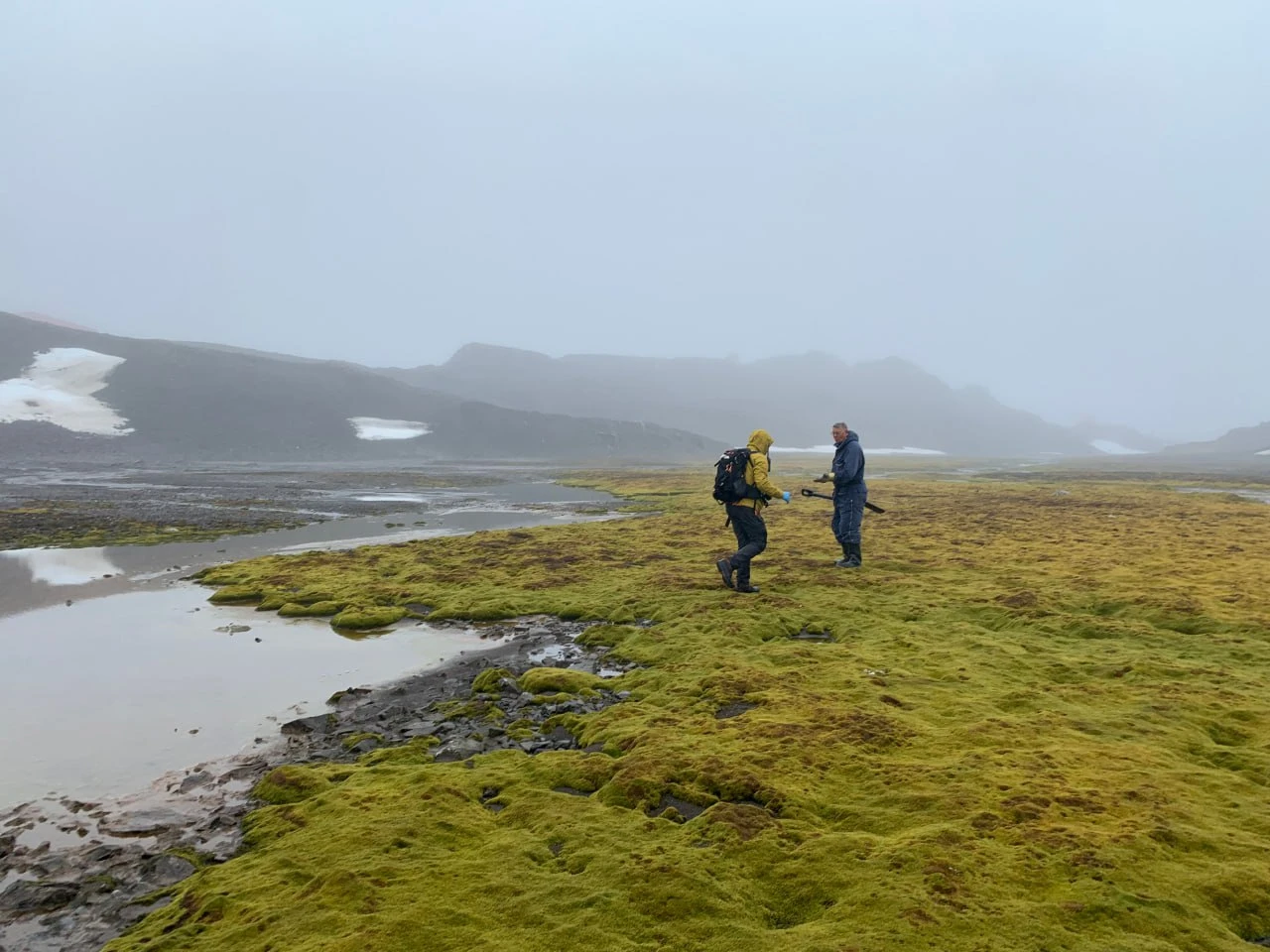
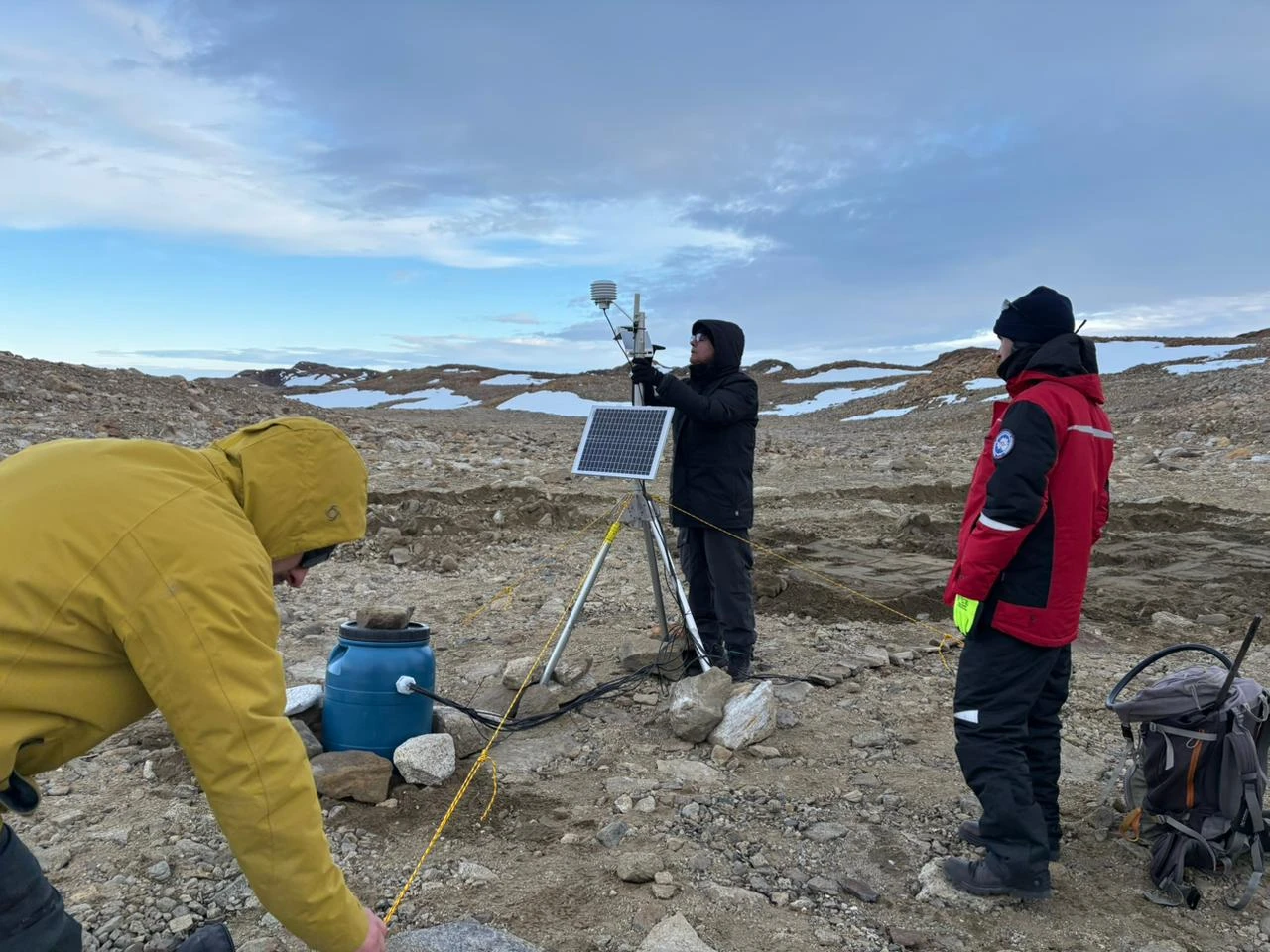
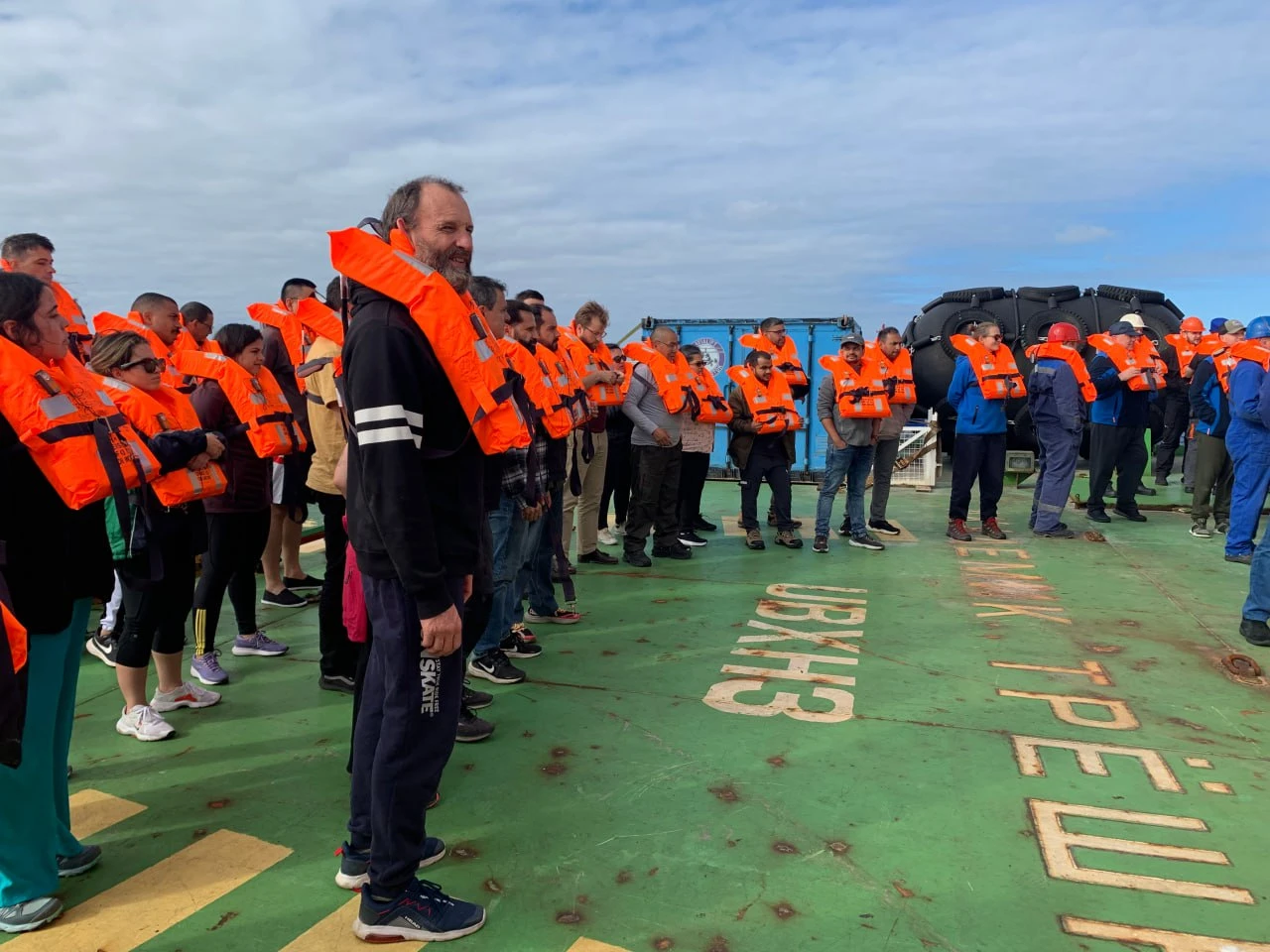
During the work, the team of scientists conducted large-scale research: 19 oceanographic stations were completed, 43 aerological probes were launched, and thousands of samples of water, ice and bottom sediments were taken. The researchers also made several landings on glaciers and the coast to conduct field observations.
“Our international team spoke ten languages, but the unifying factor was science. In two months, we collected valuable data that will form the basis of scientific publications about the state of the natural environment of Antarctica,” said Nikita Kousse-Tyuz, head of the Russian group of scientists.
In 69 days, the expedition covered more than 13 thousand nautical miles, visited eight Antarctic stations, including the Russian Progress, Mirny, Novolazarevskaya and Bellingshausen, as well as the Brazilian Comandante Ferraz, the Indian Maitri and two Chinese – Zhongshan and Great Wall.
The results obtained will be used for an in-depth analysis of changes in the Antarctic ecosystem and forecasting climate processes. Scientists will continue to work on preparing joint scientific publications based on the collected data.
International cooperation in Antarctic research remains a strategically important area, allowing countries to join forces in studying natural processes and developing technologies to preserve the planet’s ecosystem.
Source: AAII Official Channel
Photo: Diana Solovyova, AARI