The media space regularly explodes with news about the discovery of another deposit, which claims to be the largest. How to read such news correctly and invest money in truly promising deposits?
We are looking into it together with an expert from the Federal Budgetary Institution “GKZ” and the Federal State Institution “Rosgeolexpertiza” Artem Vasilchenko, as well as another expert who wished to remain incognito.
Why is it important to read the news correctly?
News about discoveries often contains exaggerations, inaccuracies or incomplete information. This happens both because of the desire of the authors to attract attention and because of the lack of competence of newsmakers. Sometimes one word used incorrectly can distort the meaning of a message, turning an ordinary press release into a huge sensation.
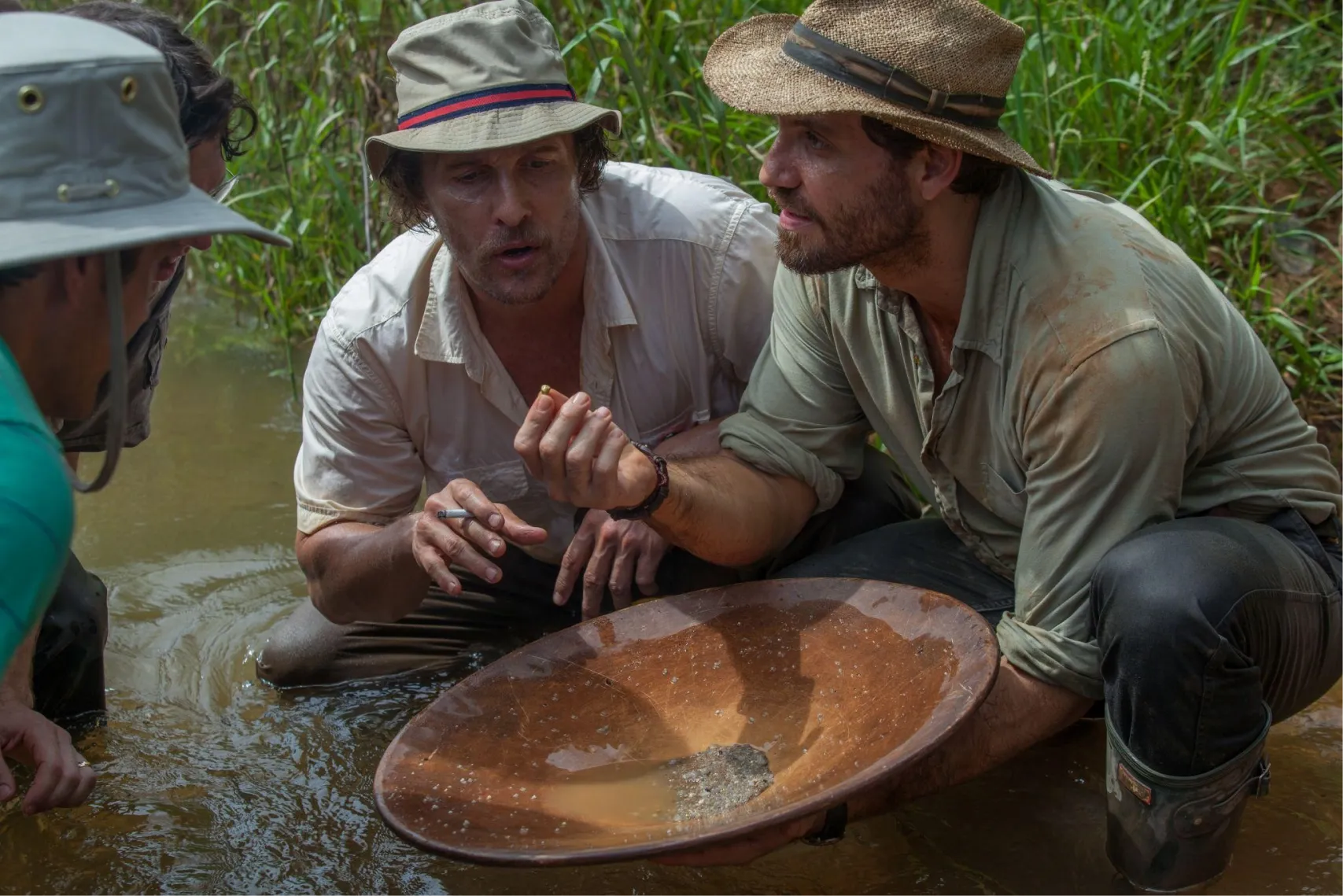
History also knows cases of deliberate distortion of data, and some of them became known far beyond the professional community. Thus, thanks to cinema, the scandal with the Canadian company Bre-X, which in 1993 bought a plot of land on the Busang River on the Indonesian island of Borneo, received wide publicity. By 1997, gold reserves at the Busangovskoye deposit were estimated at 6.2 thousand tons, and the company’s market capitalization grew to $4.4 billion. However, when the joint venture (Bre-X, the Indonesian government and the American Freeport McMoRan) began mining gold, it turned out that the data on the raw material base was fabricated by the project manager, geologist Michael de Guzman, who added gold shavings from his wedding ring to the ore samples.
In the wake of this story, Hollywood created the film “Gold”, and the developers of the international standard for reporting on resources and reserves of minerals (JORC Code) revised the code, strengthening reporting requirements.
Resources and reserves: what’s the difference?
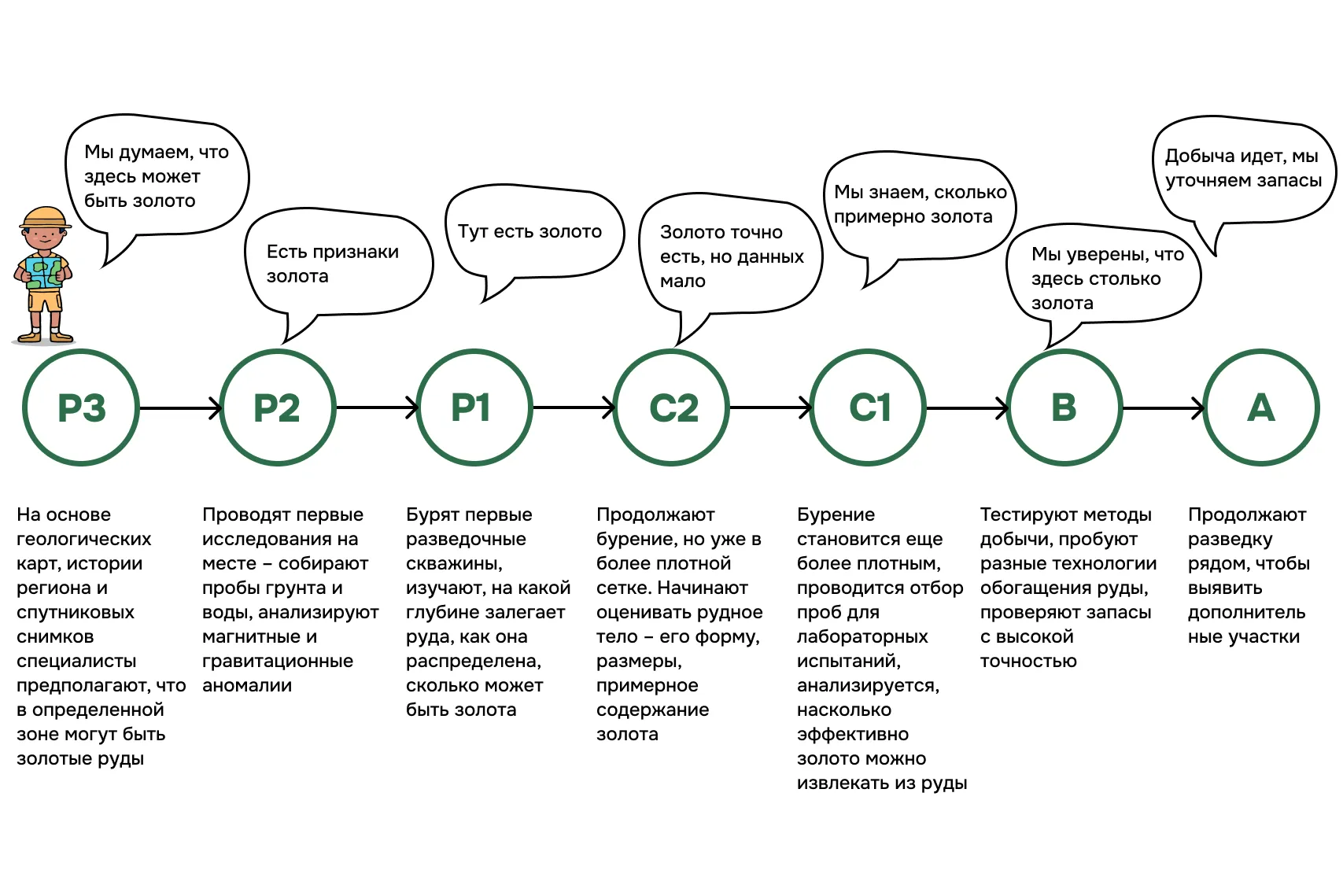
Resources are essentially an assumption (forecast) about the presence of a mineral, for example, gold, in a certain area. Mining industry specialists can make this assumption based on studying historical data, geological maps, and satellite images. According to the degree of study, they are divided into three categories: P3, P2, P1 (hereinafter we will talk about solid minerals).
“We most likely do not know its [mineral] exact location in the subsoil, we cannot judge its geometrization, its qualitative and quantitative characteristics are a big question for us. This is especially true for the P3 category. P3 – to put it very crudely, it’s literally pointing at any place on the map and saying that there is such and such a mineral.” Artem Vasilchenko
Having assumed the presence of gold in a certain area, experts conduct additional research to identify specific promising areas and study them in detail.
“Resources are about potential, but it is not a fact that they can be turned into reserves. At the same time, with increasing categorization (from P3 to P1), uncertainty decreases and the probability of finding a predicted mineral increases, but these are still only expectations for the amount of mineral in the territory without its geometrization in the subsoil.” Artem Vasilchenko
Reserves are an already confirmed assumption of the presence of a mineral in a certain area. Depending on the degree of study, they are divided into four categories (C2, C1, B, A) and the task of each stage of studying the field is both to generally increase the categories of reserves (C2 to C1, C1 to B, etc.) and to increase the number of reserves of high categories (C1, B, A) in the field.
Help: Inventory categories
C2 – estimated reserves. For reserves in this category, geologists know that a certain area contains a certain mineral, such as gold, but more data is required to estimate its quantity.

C1 – estimated reserves. Geologists have already drilled a network of wells, made preliminary calculations and understand that there is enough gold in the area for mining.

B – established reserves. The gold-bearing vein has already been well studied, but details, such as small changes in the quality of the ore, may only become apparent during mining.

A – fully explored reserves with high accuracy in assessing the quantity and quality of gold. For example, already mined gold ore in a warehouse.
“Reserves in relation to the initial forecast resources can change either up or down. Almost always, when testing forecast resources, the institution testing these resources, for one reason or another, applies a reduction factor. It’s better to show less at this stage. After assessing reserves, changes from estimated to explored and operational are, as a rule, insignificant, but this depends on the complexity of the field.”
Artem Vasilchenko
Prospecting, evaluation and exploration of deposits
The study of deposits occurs in several stages and the task of each of them is to increase the level of reliability of data on reserves, that is, the category of reserves.
At the first (exploratory) stage, small- and medium-scale surveys are carried out (geological, geophysical and lithogeochemical), based on the results of which thematic maps of the appropriate scale are compiled.
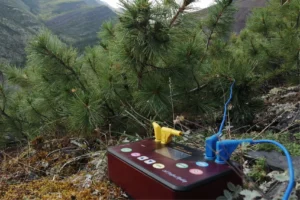
How geophysical research is carried out using the method gravity surveys, read in material about field work in the Yukon.
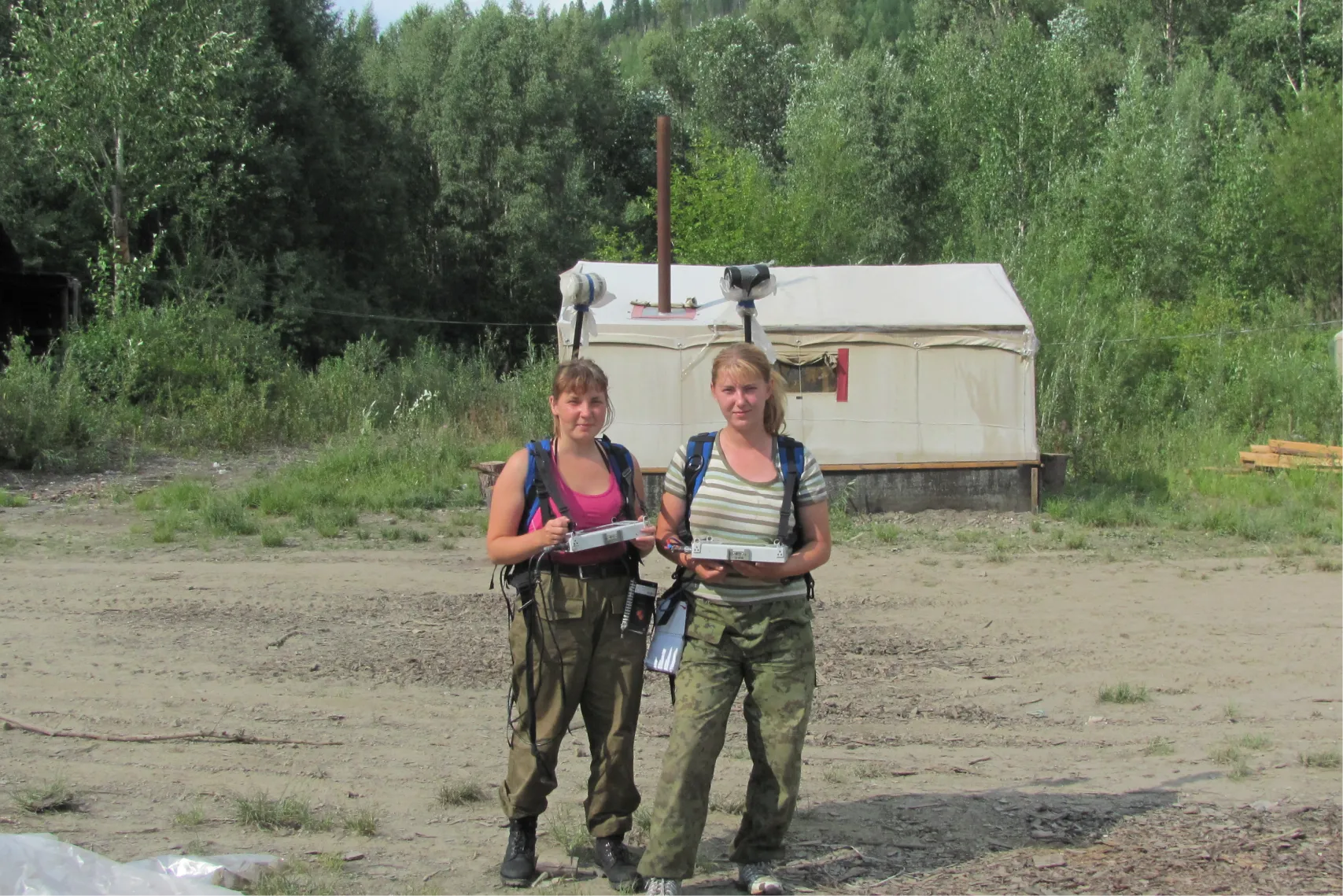
If there is a possibility of finding minerals (dispersion halos, geophysical anomalies, etc. are discovered): specialists go through verification ditches, drill the first exploratory wells along a fairly sparse network, and continue to study promising areas using geochemical and geophysical methods. The data collected at this stage, if the deposit is promising, is sent for testing.
“To test means to confirm the reliability of the assessment of forecast resources. But we can’t work them out yet, but must study them further.”
Artem Vasilchenko
As a rule, geological surveys and, less often, searches are carried out by regional geological services at the expense of budgetary funds. After approbation, specialized organizations (TSNIGRI, TsNIIGEOLNERUD, etc.) “cut” areas and transfer materials for each of them to Rosnedra for the formation of licensed subsoil areas and putting them up for auction for subsequent exploration and mining.
The next stage of exploration work is called assessment and involves a larger scale of drilling or mining. The assessment is carried out by the company that won the auction and received a license for exploration and production of minerals in this area. Based on the data obtained at this stage, specialists draw up a feasibility study (TES) for temporary exploration conditions with calculation of reserves and send it for examination to the State Reserves Commission (SRC). After approval of these materials, the deposit is considered assessed.
Finally, at the exploration stage, geologists clarify the geological structure of the deposit, the shape and characteristics of the deposit, the mineral and component composition and properties for further processing and enrichment of minerals. Based on the collected materials, a feasibility study of permanent exploration conditions with reserve calculations is sent to the State Reserves Committee. Subsequently, these data form the basis for the technical design of the field development, design and working documentation.
How to reduce business risks by investing in deposits
In most cases, the first stage of studying deposits and testing the results is carried out at the expense of the state, which then issues licenses for geological study or exploration and production of minerals and sells them at auction, thus attracting funding, including for regional geological exploration.
But you can take on entrepreneurial risks and obtain a license “on the application principle,” that is, with minimal initial payments and without an auction. A successful example of exploration based on the application principle is the Roman gold deposit in Yakutia, not far from the operating Gross and Taborny mines. It was discovered by Nordgold (an international division of Severstal) using aerial electrical prospecting. Confirmed gold reserves at the deposit are estimated at 49 tons, its production is planned for 2026.
However, obtaining a license “on an application basis” is associated with a high risk of losing money, so large mining companies often prefer to purchase exploration licenses at auction, despite the fact that the presence of balance reserves within the license area increases its starting price.
There are cases when the quantity and quality of reserves put on the state balance do not correspond to reality, said another expert, to whom the editors turned for additional clarification. However, such cases are rare and are in no way the result of a systemic error in the methodological approach
In general, the Russian method of calculating reserves is quite reliable, although it has a number of features. Thus, the economic assessment of a deposit often does not take into account the costs of external infrastructure – the construction of roads, railway stations, terminals, the provision of electricity and much more, which is critically important, especially for facilities in underdeveloped regions.
“For the most correct assessment of the geological exploration of a field and its prospects, it seems optimal to use the Russian approach to constructing a geological model and calculating reserves, while it is more correct to assess the economic component on a larger scale, including taking into account the costs of infrastructure facilities”
Expert
How to check the news: do fact-checking and turn to professionals
To get a rough idea of the potential of a new field, you should first turn to the original source of the news. Typically, this is a press release from the mining company, which may contain information about the category of proven reserves and a list of work performed.
In addition, in the Unified Geological Information Fund you can find maps of geological exploration, reports and protocols for the area of interest.
Serious investors who do not have a strong geological background and access to funds should contact audit companies. The auditors will analyze materials from the study of the deposit, including the results of geological exploration and the three-dimensional model of the deposit constructed from them, methods of mining the deposit, methods of ore beneficiation, accepted economic prerequisites and much more. As a result of such an analysis, the investor will have a clear idea of the risks of the future enterprise and its economic efficiency.
Read and analyze the news
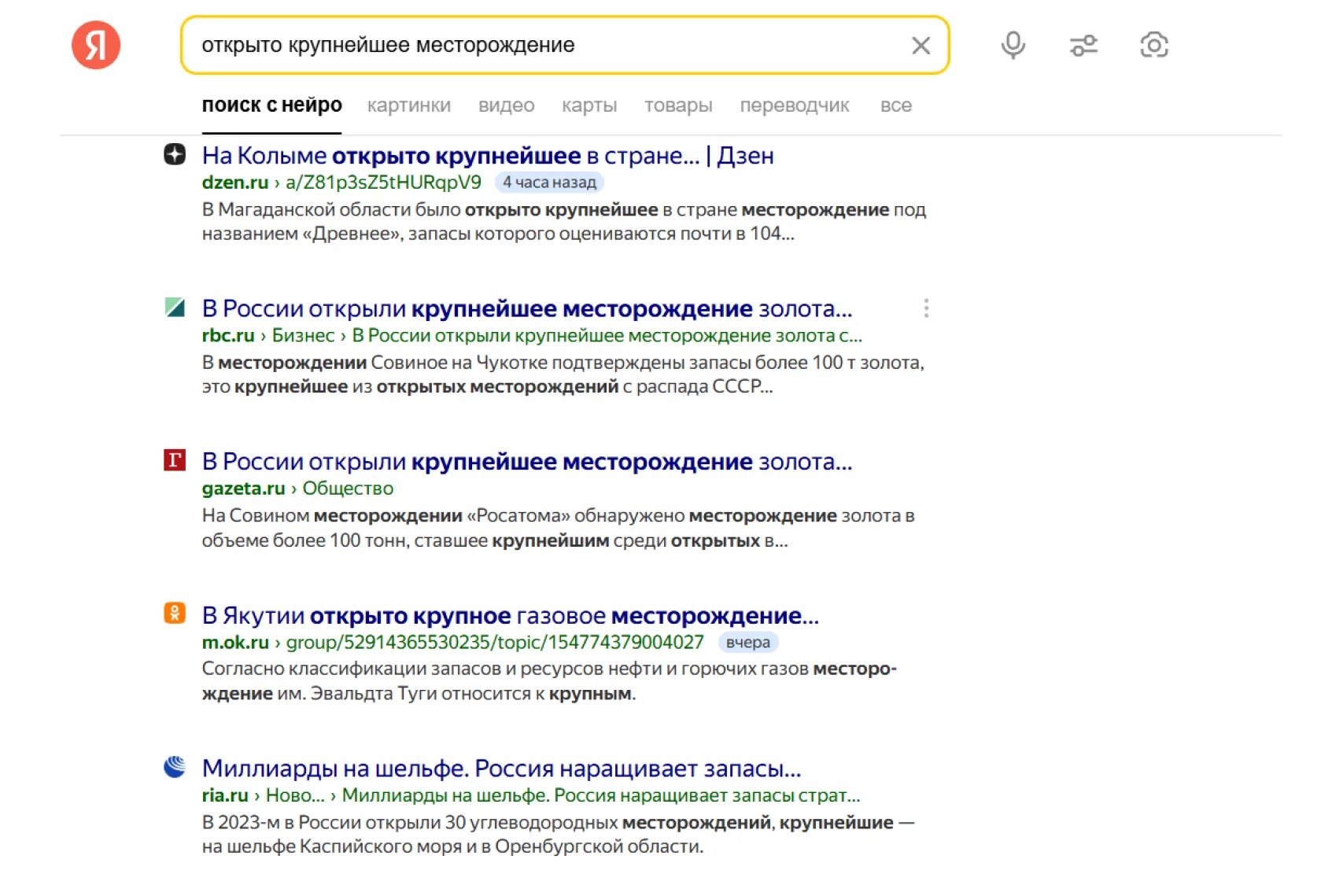
In January 2024, news appeared about the discovery of the largest gold deposit since 1991 – Sovinoe in Chukotka.
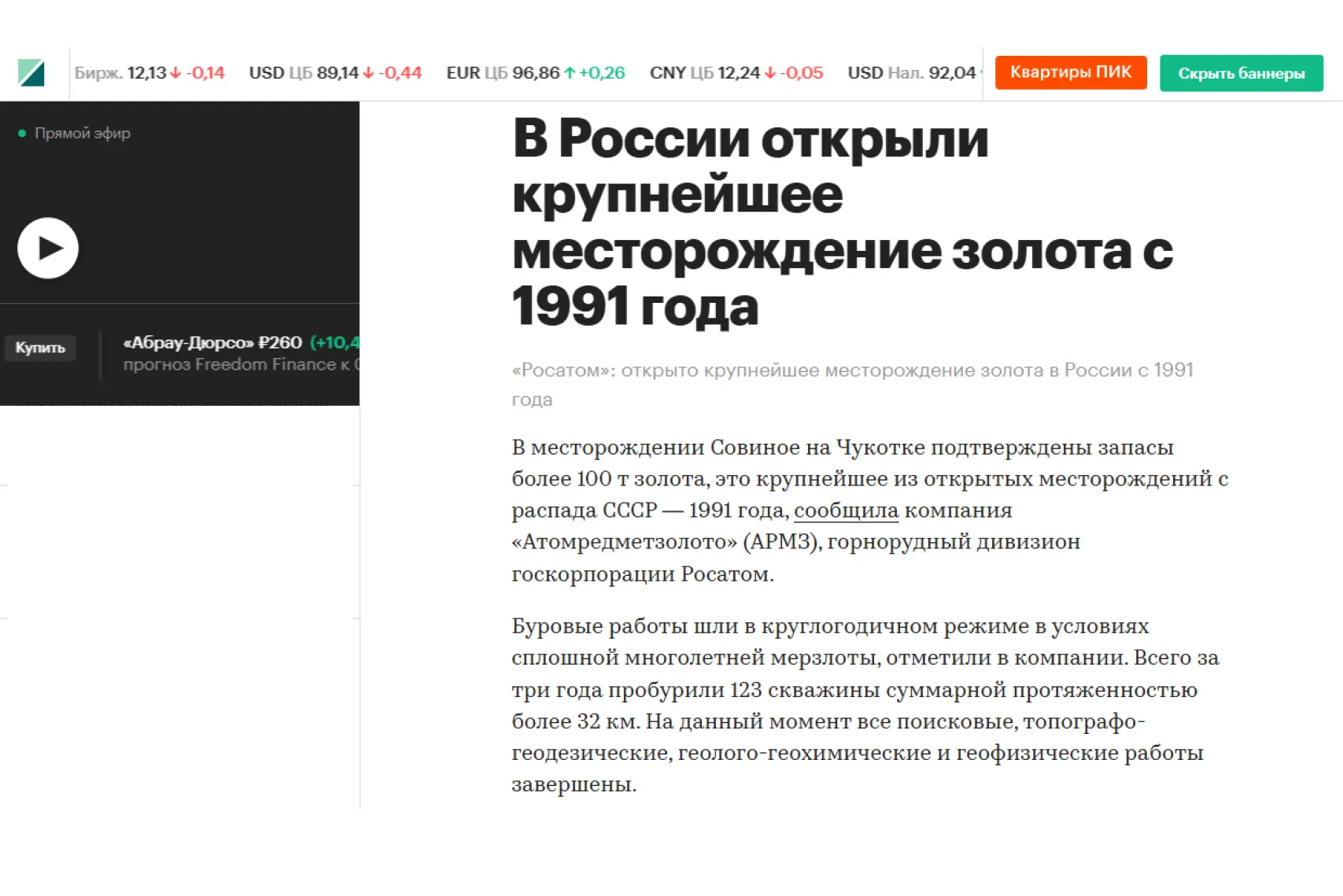
The news refers to a message from the Atomredmetzoloto company (mining division of the state corporation Rosatom, hereinafter referred to as ARMZ), according to which confirmed gold reserves exceed 100 tons.
In turn, the ARMZ press release provides the following data:
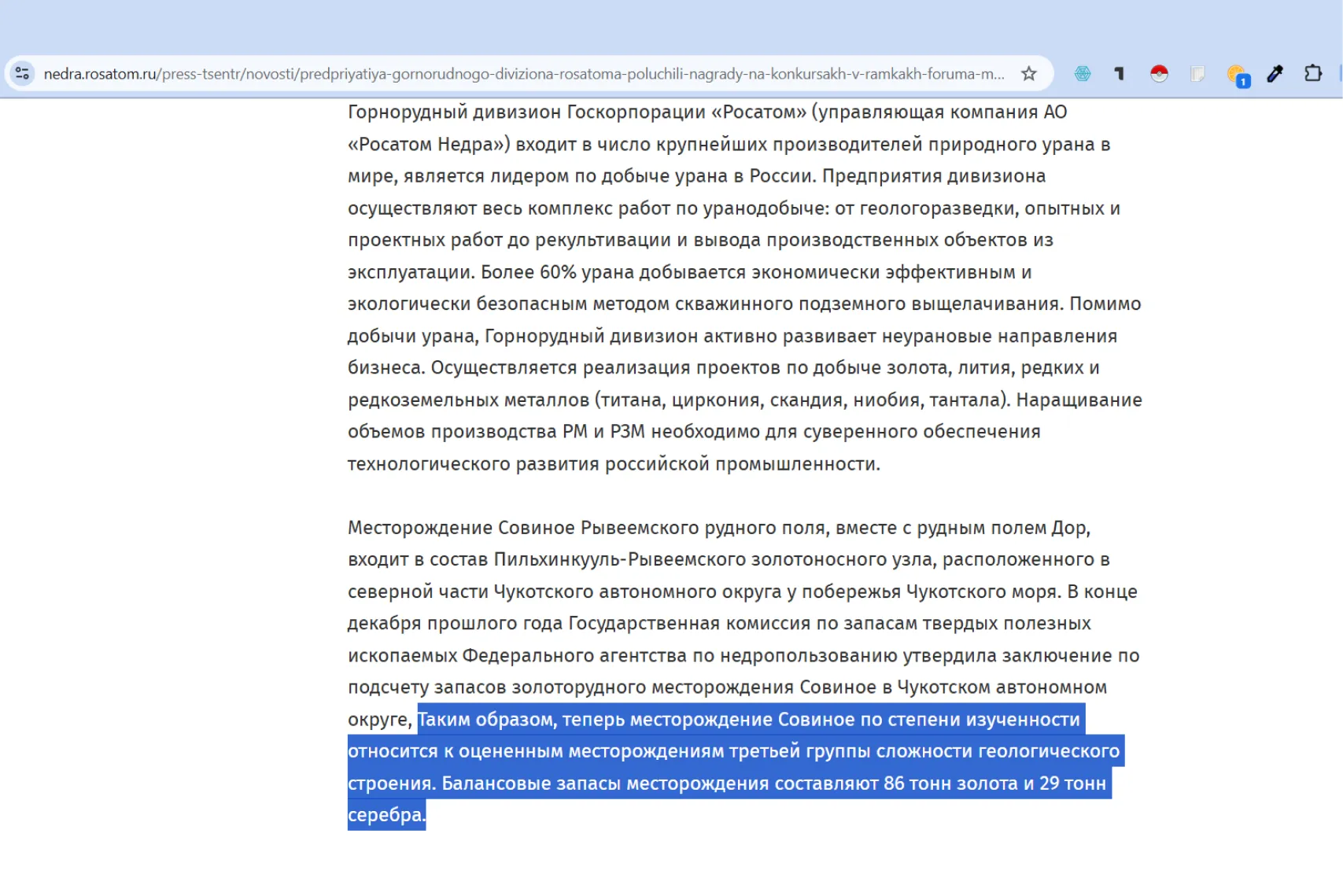
“At the end of December last year, the State Commission for Solid Mineral Reserves of the Federal Agency for Subsoil Use approved a conclusion on calculating the reserves of the Sovinoye gold deposit in the Chukotka Autonomous Okrug. Thus, now the Sovinoye deposit, in terms of the degree of exploration, belongs to the assessed deposits of the third group of complexity of geological structure. The balance reserves of the deposit are 86 tons of gold and 29 tons of silver.”
Despite some discrepancies in the figures of the news and press release (the newsmaker adds off-balance sheet reserves to the balance sheet), in this case we can talk about the prerequisites for the discovery of a large gold ore object at Sovynoye – the deposit is located in the Pilkhinkuul-Ryveemsky ore alluvial cluster, where about 300 tons of placer gold have been mined over the past sixty years. The study of ore gold, which became the source of placer gold, was carried out to an extremely limited extent.
Read the case study of how a lithium deposit was discovered using geophysical methods: How to find lithium-bearing pegmatites by ground gravity exploration.
The quality of work performed at the stage of field assessment does not cause any complaints from experts. However, the economic assessment of the effectiveness of field development, according to the expert whom the editors contacted for additional clarification, was carried out one-sidedly: the costs of building energy sources, port infrastructure and the road network were assessed too optimistically.
“As a result, we have an estimated (exploration stage is not yet completed) deposit, almost 100 tons of gold, the economic effect of its development (according to an alternative economic assessment) is currently negative. However, there are prospects for expanding the SME cluster by studying the Dor and Ryveem areas”
Expert
Thus, the news about the discovery of the Sovinoe deposit creates an overly optimistic view of its profitability.
We figure it out ourselves or hire specialists
Investing in mining is a complex process that requires careful consideration. Big headlines about new deposits are not always true, and estimating reserves is not an easy task. To avoid losing money, it is important to understand the difference between resources and reserves, understand the stages of exploration and take into account possible risks. Checking the facts, talking to professionals, and using reliable sources of information will help you make an informed decision. STA
Do you have experience investing in geological exploration? Share your opinion in the comments!