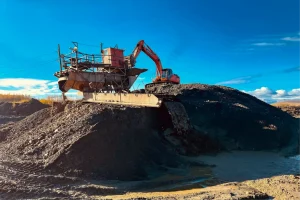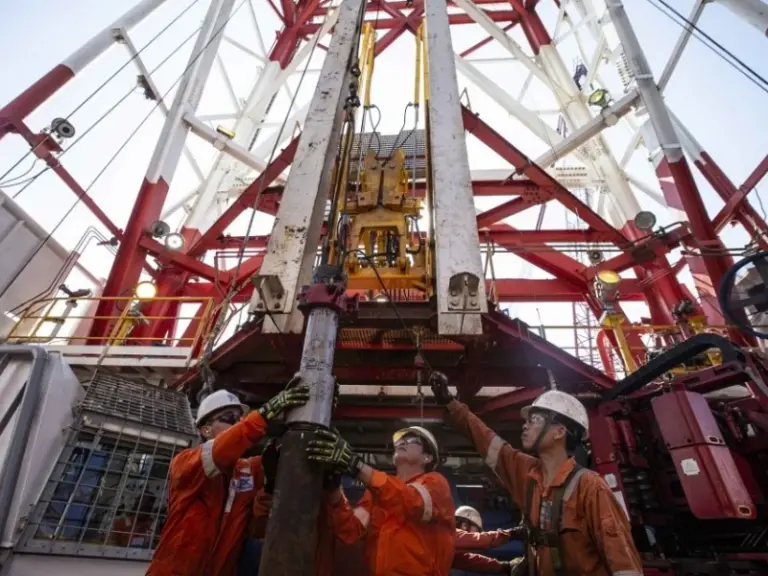
Have you seen oil pumps – “hammers” that rhythmically move the pipe up and down? This is how oil is brought to the surface when the pressure in the reservoir can no longer cope on its own.
What other methods of oil production exist and how do engineers choose the right one? Let’s figure it out.
How oil is extracted
Oil does not collect underground in “lakes”; it permeates porous rocks, like water soaks into a sponge. To extract it, engineers drill a well and create conditions under which oil can rise to the top. Sometimes reservoir pressure pushes oil out on its own, but more often it is “helped” – with pumps, gas or water. Unlike coal, which is mined by opencast excavators directly from rocks, oil is literally forced persuade to leave the bowels. Each barrel is the result of precise engineering adjustment for a specific field.
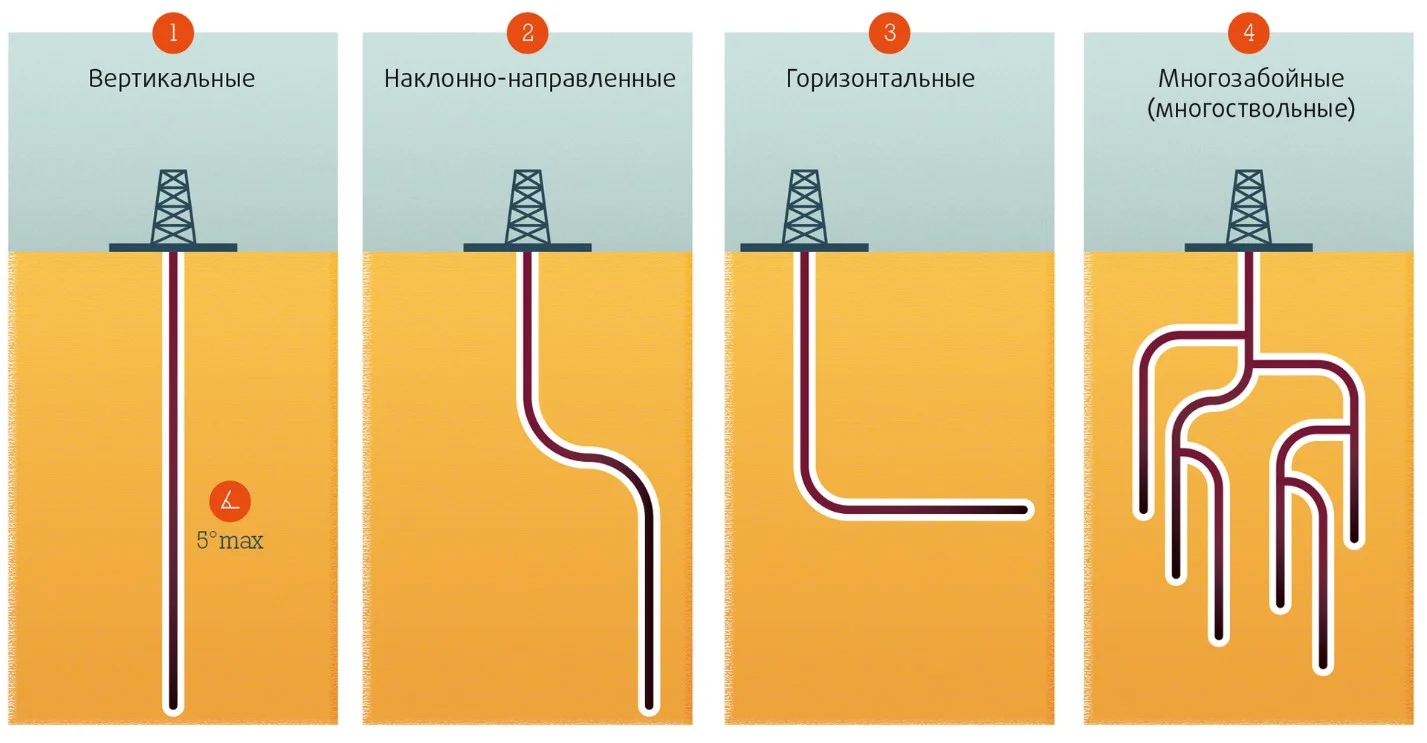
Main methods of oil production
Engineers choose technology to extract maximum resources at minimum cost. Which oil extraction methods to use depend on how high the reservoir pressure is, what the viscosity of the fluid is, and what stage of life the field is at.
Flowing method of production – when oil flows on its own
In young fields, reservoir pressure is so high that the oil itself rises along the wellbore. This is the fountain method – the simplest and cheapest. It doesn’t require pumps: oil pushed out gas pressure dissolved in the formation.
“At first, oil really flows like a fountain – the reservoir pressure is very high. But you can get a little this way. Then the pressure drops, and the oil has to be raised in other ways,” explains chemist, professor of the department of macromolecular compounds and petrochemistry of TSU Lyubov Altunina.
Today, flowing mining is a rarity: according to industry data, this method manages to extract no more than 10% of oil reserves. When the fountain “sits,” engineers switch to mechanized or gas-lift methods.
Pumping method of oil production – the work of a “rocking chair”
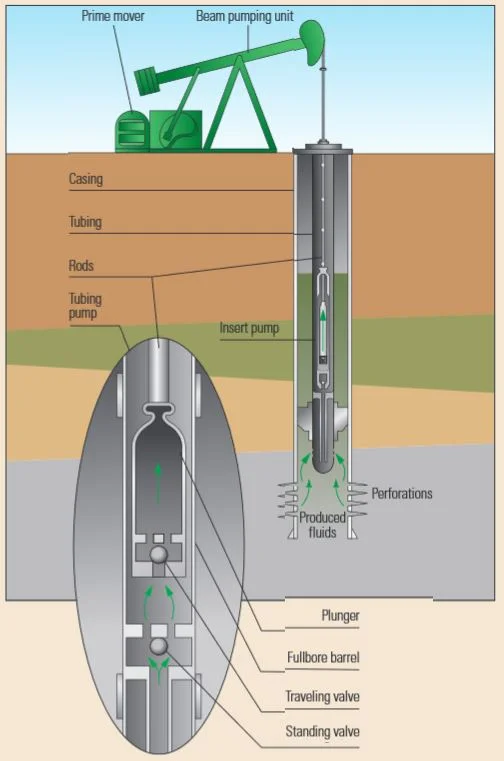
When reservoir pressure drops, oil lift pumps. The most recognizable ones are rod installations, those same “hammers”. They set the rods in motion and lift liquid from the depths.
Another type is electric centrifugal pumps (ESP). They are installed directly in the well and work at great depths. There are also screw pumps – for viscous oil and difficult conditions.
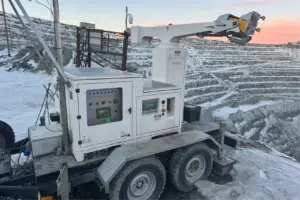
Smart pumps for oil production — about installations with pressure, temperature and vibration sensors that can be controlled remotely.
Gas lift method – lifting using gas
Instead of pumps, compressed gas works and is supplied into the well. It reduces the density of the mixture and helps the oil rise to the top. Gas lift can be continuous – when the supply coming constantly, or periodically – with pauses to save energy.
This method of oil production is especially convenient on the shelf and in confined spaces where installation of equipment is difficult. In Russia, gas lift is used in the fields of Western Siberia and the Volga region. There it allows you to maintain production with falling reservoir pressure.
Secondary methods – when connecting water
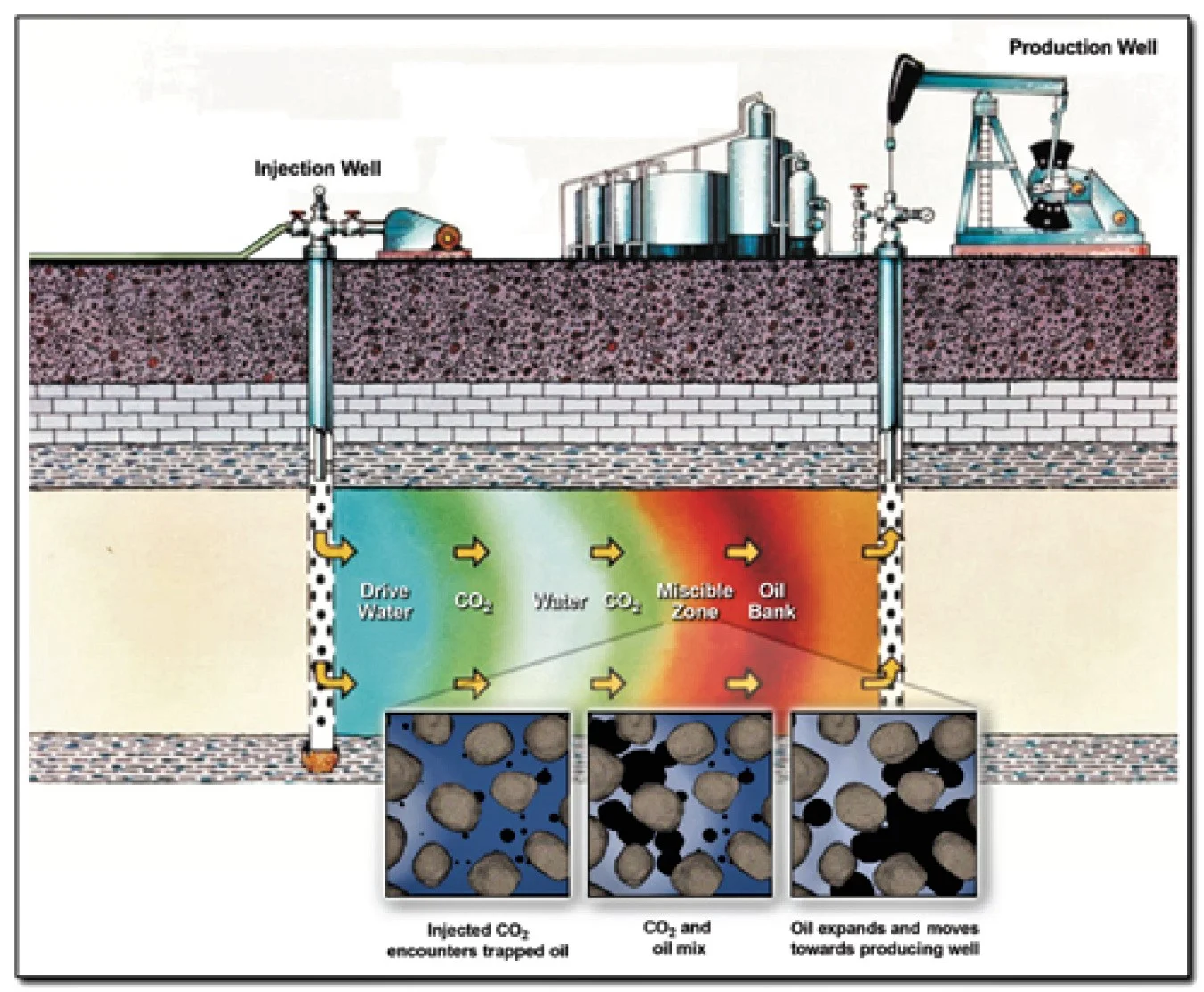
“If oil needs to be extracted quickly, then it is necessary to restore reservoir pressure. One method that facilitates this is called waterflooding. Water is pumped into the injection well, which enters the oil reservoir, restores pressure in the pores and displaces the fossil outwards,” – tells Lyubov Altunina.
The method allows increase recovery rate up to 40%. Engineers make sure that the water is distributed evenly: if a breakthrough occurs along the cracks, the oil will remain to the side. For this purpose, geological and technological models and regulation of filtration in individual zones of the formation are used.
Tertiary methods (EOR) – enhanced return technologies
To extract what remains after waterflooding, EOR technologies (Enhanced Oil Recovery) are used – thermal, chemical and gas methods.
- Thermal methods—thermal steam exposure and in-situ combustion—are used for heavy oils.
- Chemical methods – polymer or alkaline surface-active flooding, which reduce viscosity and improve displacement.
- Gas methods – injection of CO₂ or nitrogen, which creates additional pressure and increases oil recovery.
Modern research shows that such technologies can increase oil recovery up to 60% of initial reserves.
Modern mining technologies
Today, oil production is becoming increasingly smart and automated. In many regions, wells and pumping stations are managed remotely. Thus, in the Geosphere digital center, engineers use digital twins are virtual models of real wells that help monitor the condition of equipment and promptly adjust production modes.
Read also: How to get into oil and gas — advice for those who want to start a career in the industry
Such technologies make it possible to increase oil recovery and reduce costs by combining data from geologists, engineers and operators into a single system. Digitalization of production does the process is safer and more energy efficient, and the transition to automation is becoming a key industry focus.
Oil production is not just a rock on the horizon. Behind every rod movement there is engineering, reservoir physics and digital technology that makes the process precise and controlled.
Would you like to visit an oil rig or platform and see how it works? Or maybe you have already worked in the fields – tell us what impressed you most.
Cover photo taken from the official website of Rosneft PJSC
The material was prepared with the support of the Russian Ministry of Education and Science as part of the Decade of Science and Technology.