Gold has fascinated people for millennia, first as a symbol of power, then as a safe asset. But today his role is much broader. Gold is contained in smartphone chips, used in pregnancy and Covid tests, used in prosthetics and even in the treatment of cancer. Thanks to its plasticity, electrical conductivity and complete chemical inertness, this metal has proven to be indispensable – both in high technology and in medicine.
And yet there is very little gold on Earth. Everything that humanity has mined for thousands of years can fit into a cube the height of a six-story building. To extract this metal, you need not only chutes and dredges, but also quarries a kilometer deep, bacteria that “eat” the rock, and entire research centers. How modern gold mining works and what is behind each gram – we’ll figure it out together with Iskhak Farkhutdinov – geologist, candidate of geological and mineralogical sciences and author documentary film about gold mining.
How and where gold is formed
For gold to appear, one star is not enough – it must explode. Only in a supernova explosion are heavy elements such as gold formed. And even more often, gold is born during the collision of two neutron stars – this cosmic explosion scatters gold dust throughout the Universe. Planets are formed from this dust. Including the Earth. Therefore, the piece of gold in your hands is a fragment of an ancient stellar catastrophe.
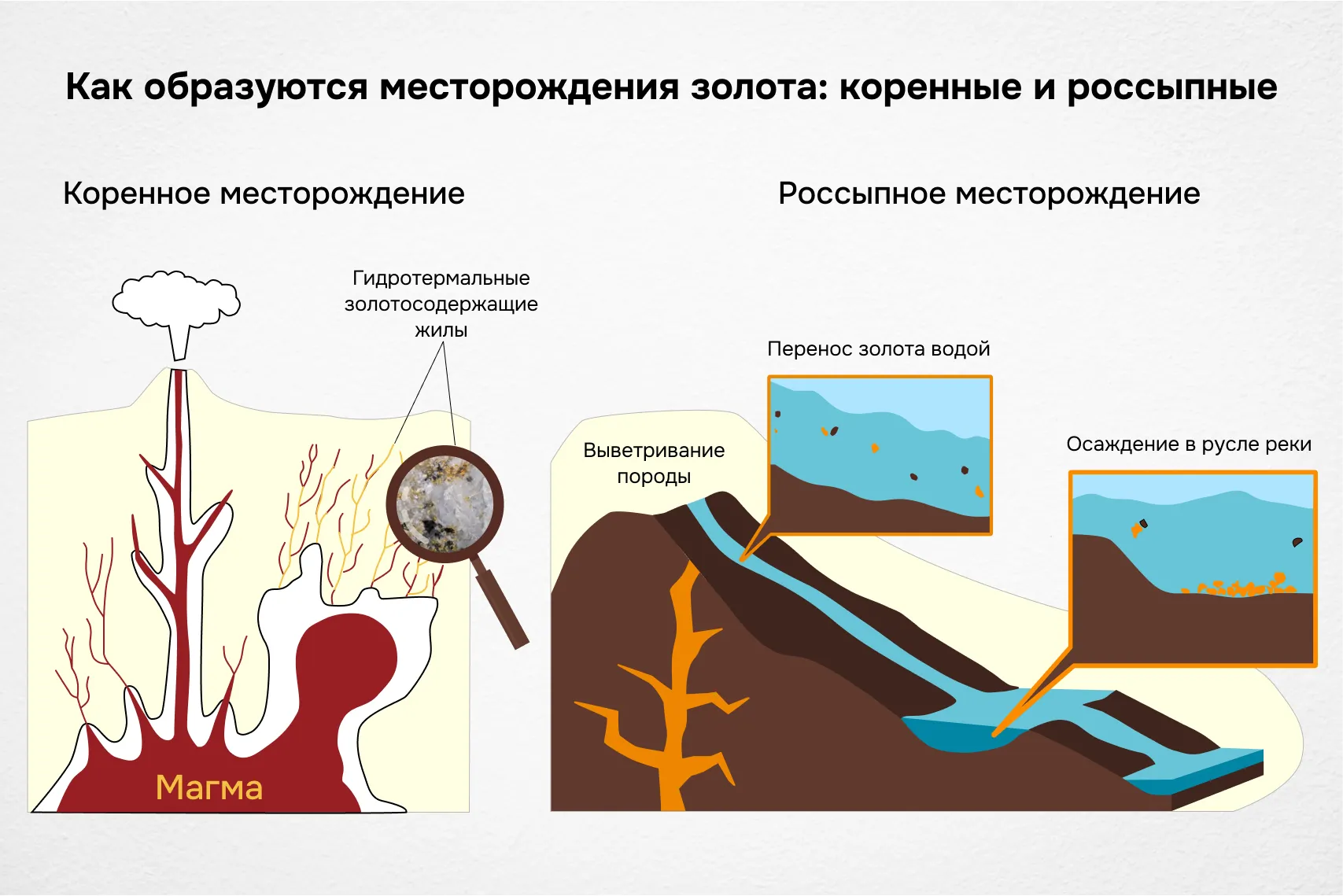
When the Earth was young, gold, along with other elements, ended up in magma – a hot mass where everything seethed, boiled and mixed, like in a giant cauldron. Gradually this “cocktail” cooled down, and the gold froze in the rocks. This process took millions of years. But it is simply impossible to find gold in the earth’s crust. It forms deposits – places where its concentration is higher than usual. There are two types of such places:
🔸 Primary deposits
Gold is contained in the rock itself – in quartz veins and sulfides. It is deep in the depths, and in order to extract it, the rock must be blasted, crushed and processed. Such deposits are often associated with magmatism and so-called hydrothermal activity – when hot fluids under high pressure saturate cracks and form gold deposits. It’s like natural factory for gold production.
🔸 Placer deposits
When bedrock rises closer to the surface, it begins to break down: from temperature changes, from water, wind, even from bacteria. Mountain rivers wash gold out of the rock and carry it downstream. Where the flow slows down, heavy particles settle. This is how placers are formed – sand and gravel interspersed with gold.
It all started with placers
The first gold deposits that man encountered were alluvial deposits. The precious metal lay right in the riverbeds – in the form of nuggets and inclusions in sand and gravel. There was no need to drill, blast rock, or build factories—it was enough to wash the sand by hand. As early as 3,000 BC, Egypt already knew how to obtain relatively pure gold, and in our area it was sought by the Scythians and Sarmatians – nomadic peoples who left behind magnificent products made from the finest gold foil. Gold was not melted in furnaces – it was rolled out, minted, applied to ornaments and extruded by hand.
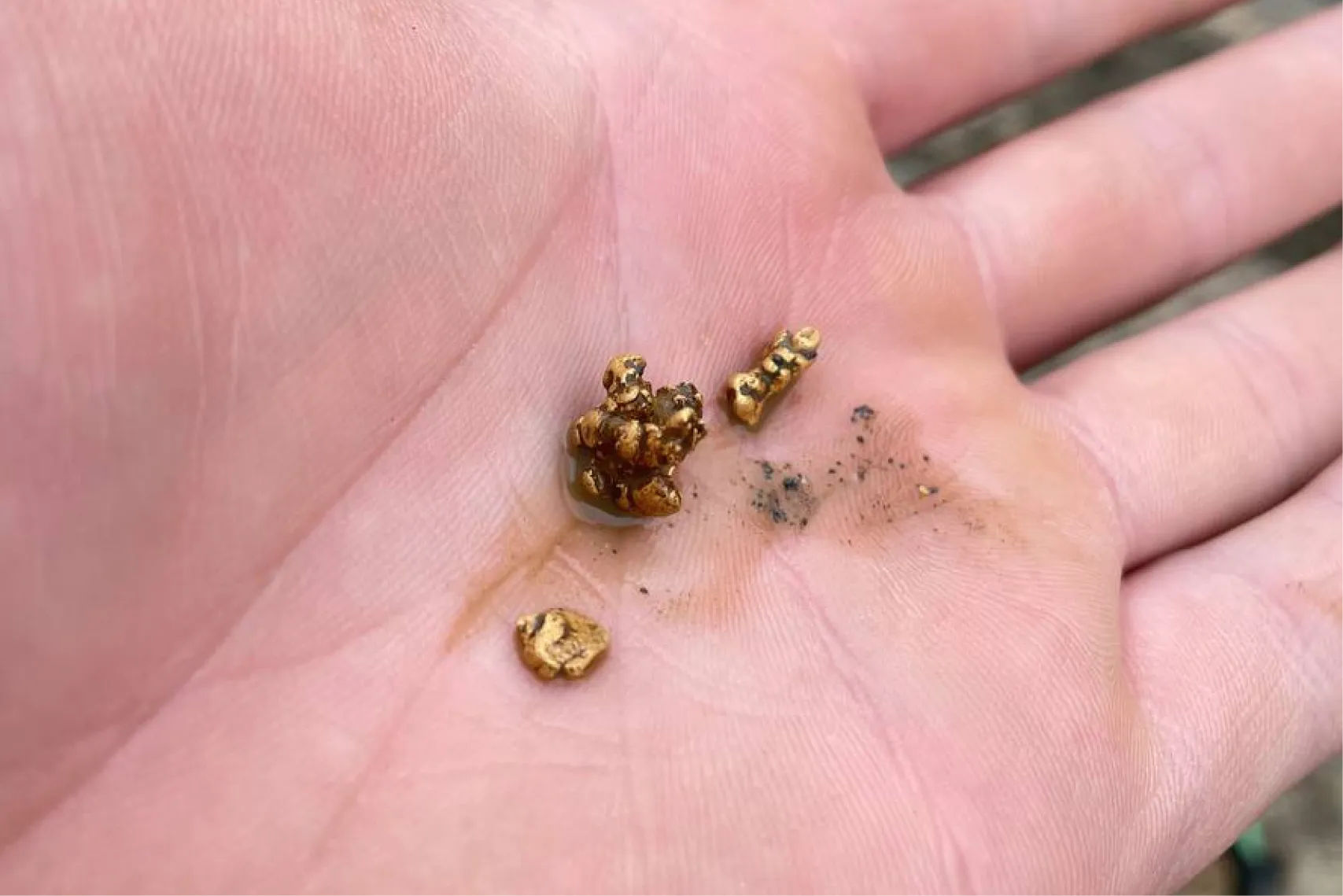
How was gold found in ancient times without geochemistry, geophysics and drilling machines? It’s all about observation and experience: trackers, hunters, warriors knew how to read the landscape, notice the rock, feel the earth. They found rich ore and enriched it on the spot – in a primitive furnace or through simple washing.
For thousands of years, the most common method of extraction was washing. Its peak came in the 19th century, when the gold rush began: California, Alaska, Australia, and with them Siberia. In the Yenisei province and Transbaikalia, gold was found in river mud. Simple peasants, escaped convicts, prisoners and settlers washed up sand even in the bitter cold, hoping to see the glitter of gold grains.
Now the placers are almost exhausted, the gold rush is in museums and myths. But Artels still operate in Russia extracting gold from placers – especially in Siberia and the Far East. This is no longer a prospector with a tray, but small enterprises with equipment, a license and difficult working conditions. We will talk about this separately – now let’s see how gold is mined Today, when the chutes were replaced by quarries, mines and laboratories.
Open method: gold from a quarry
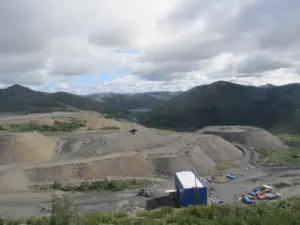
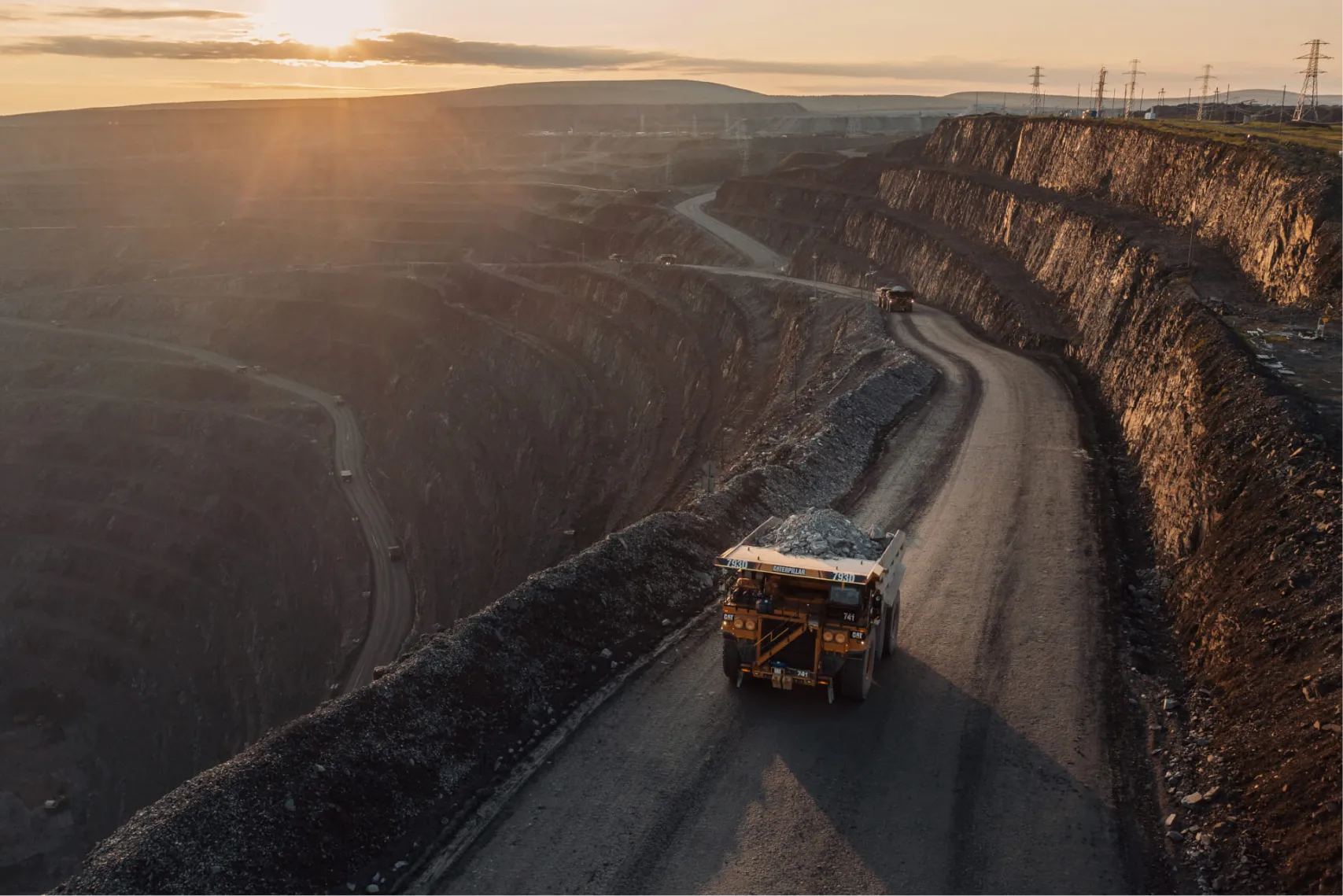
One of the largest methods of gold mining is open pit mining. It is used in primary deposits, where the metal lies in the rock mass at a depth of hundreds of meters. This is how it works, for example: Olympics in Krasnoyarsk region – one of the largest and most complex deposits in the world. Pit depth here – almost 900 meters, area – about three square kilometers. Moscow City skyscrapers could fit in such a “funnel”.
Before getting to the ore, geologists conduct geophysical And geochemical research, drilling, blasting. Then the technology comes in: excavators load the crushed rock into dump trucks, which transport it to the factory. We will tell you separately how gold is extracted from ore. Now let’s continue the review: what other methods are used besides the open one?
Underground method: when gold goes deep
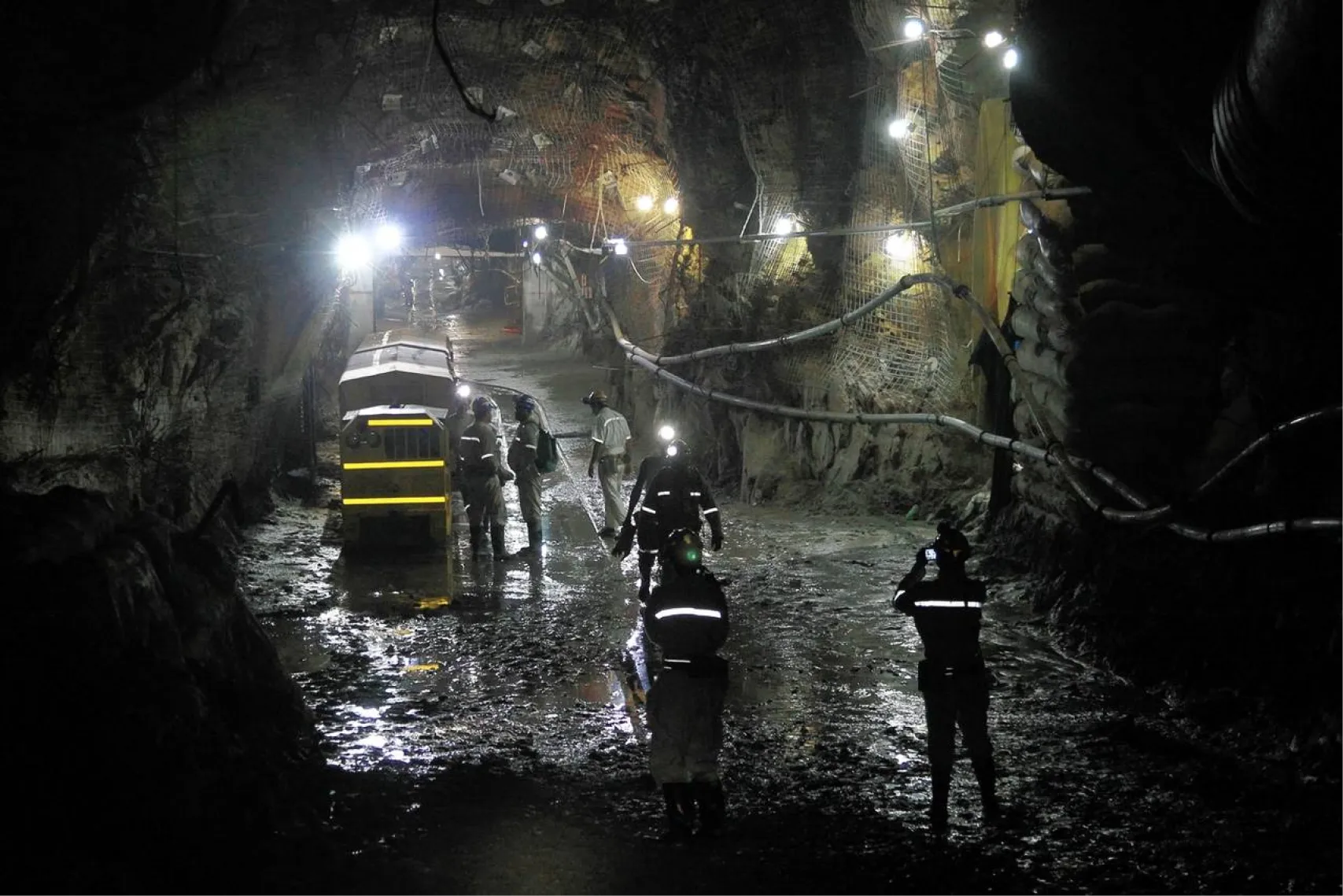
When gold ores lie too deep – hundreds or even thousands of meters – it is impossible to use the quarry. In such cases, use underground mining method. This method requires construction of mines and excavation of horizontal galleries. Through them, workers get to the ore bodies, drill holes, lay explosives, blast the rock – and after that they transport the gold-bearing mass to the surface. For this purpose, lifting machines, trolleys and conveyors are used.
This more expensive and complex method compared to the open one. But it has a key advantage – it allows you to mine gold where other methods are impossible. Example – mine Mponeng in South Africa. This is one of the deepest gold deposits in the world: workers go down there on depth more than 4 kilometers, and the temperature below exceeds 60°C. In order for the mine to operate, a separate cooling system had to be designed.
Underground mining requires more investment and gives lower volumes of ore extraction over the same period of timethan career. But it allows you to reach rich veins at great depths – without destroying the surface.
Dredging method: gold on water
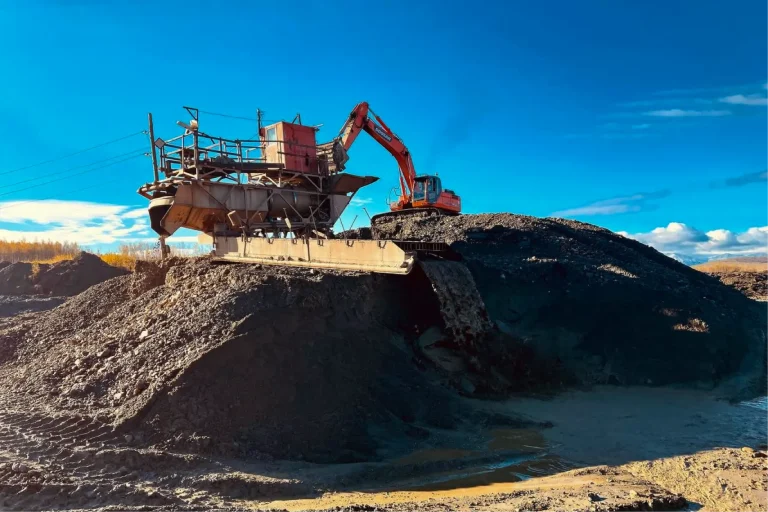
When gold is not hidden deep in the rock, but scattered in sand and gravel – for example, in river beds or swampy valleys – it is mined differently. Comes into play dredge – a floating installation that operates directly on the water.
In essence, this is a mobile mining and processing plant. It sucks up bottom sediments, washes them, separates heavy particles of gold, and throws everything else back. The ship does not require roads, does not build quarries or dig mines – it simply goes with the flow, leaving eroded banks behind it.
This method was especially actively used during Soviet geology – and dredges still work in Amur and Khabarovsk regions, where promising placers have been preserved. It is relatively cheap and allows you to mine gold in hard-to-reach and swampy areas.
But today dredge mining is gradually fading into the background. Primary deposits yield more gold, A environmental impact Dredges on rivers and banks are becoming more and more noticeable. Therefore, this method is increasingly being limited and replaced by others – larger and safer for nature.
Homemade method: gold at your own risk
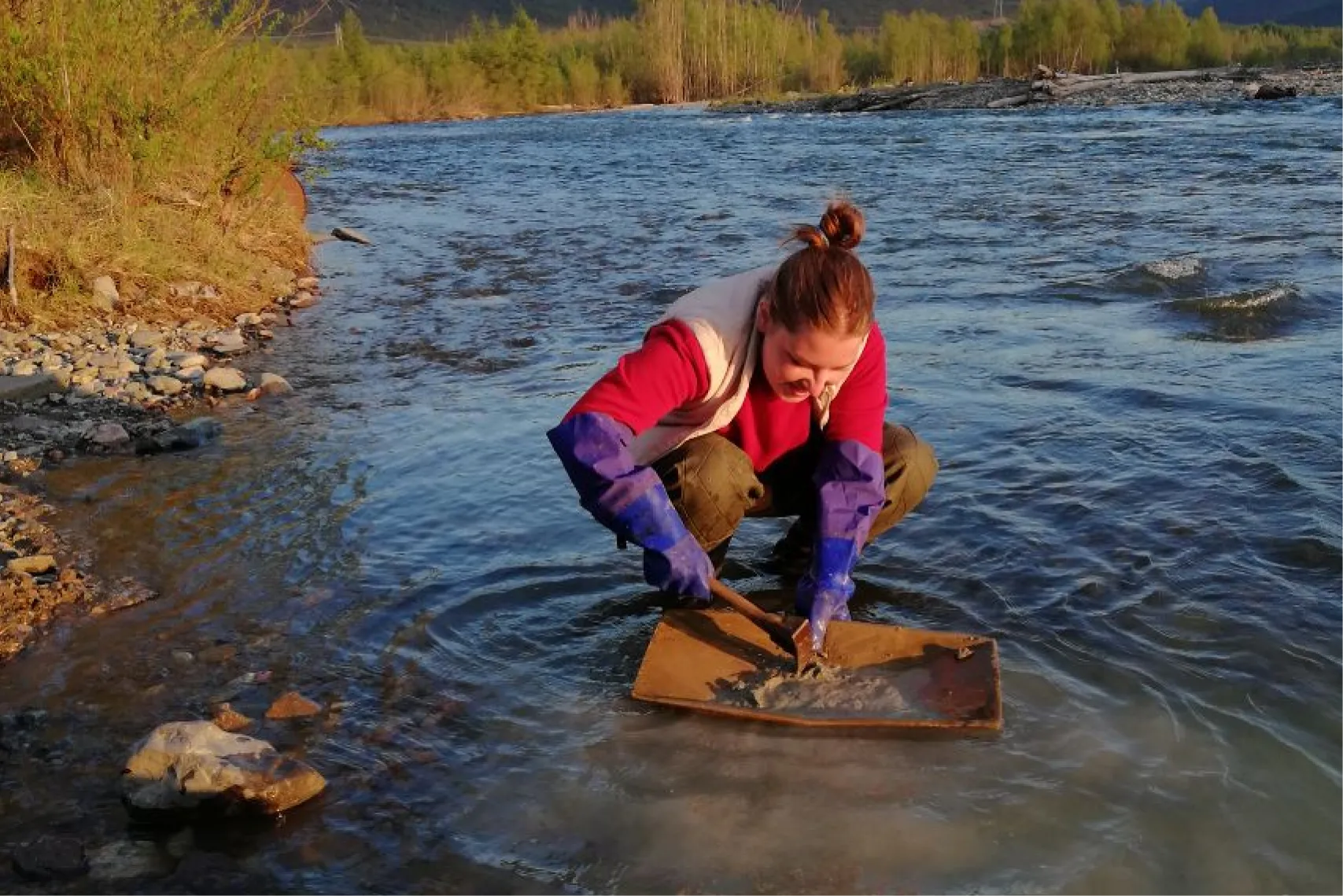
This method is the oldest and most accessible. Washing river sand by hand using a tray, sieve or homemade installations does not require any drilling rigs or heavy equipment. This is how the gold rush began in the 19th century – in Russia, California, and Australia.
More than a century has passed, but in some regions of Russia such miners are still working. Some – officially, as part of artels. Someone – illegally, without licenses, in violation of the law. These are called “black miners.”
Artisanal mining is attractive due to its accessibility. Theoretically, anyone can take a pan, go to the river and try to pan for gold – especially on old placers. But here sell it legally almost impossible: registration, permits are needed, and the mined gold must go through the official circuit. Until these rules are spelled out, free-flowing remains illegal.
Separate question – ecology. Illegal miners rarely bother to restore disturbed land and sometimes use mercury, chlorine or cyanide to extract the metal faster. This destroys soils, pollutes water and makes artisanal mining one of the dirtiest for nature. The artisanal method is hard manual labor with high risk and virtually no guarantees. It’s a thing of the past, but it hasn’t disappeared yet.
| Way | Where is it used? | Depth of work | Equipment and technologies | Peculiarities |
|---|---|---|---|---|
| Open | Primary deposits | Up to 800–900 m | Quarries, drilling and blasting operations, excavators, dump trucks | High productivity, but requires large-scale intervention in the landscape |
| Underground | Deep ore bodies | Up to 4 km | Mines, tunneling, ventilation, equipment for lifting ore to the surface | The most expensive and dangerous method, but it allows you to reach deep veins |
| Drazhny | Placer deposits in rivers and swampy valleys | Up to 50 m (face depth) | Floating installation (dredge) with washing equipment | Works on water, but greatly disrupts river ecosystems |
| artisanal | Old placers, manual search | Up to 0.5 m | Tray, sieve, homemade installations | Easy to start, but almost always illegal and with high environmental damage |
How gold is extracted: when there are no nuggets
If extracting gold is half the battle, then extracting it from the rock is a separate technological challenge. Especially when it’s gold does not lie in large grains or nuggets, but is scattered throughout the rock in the form of microscopic particles.
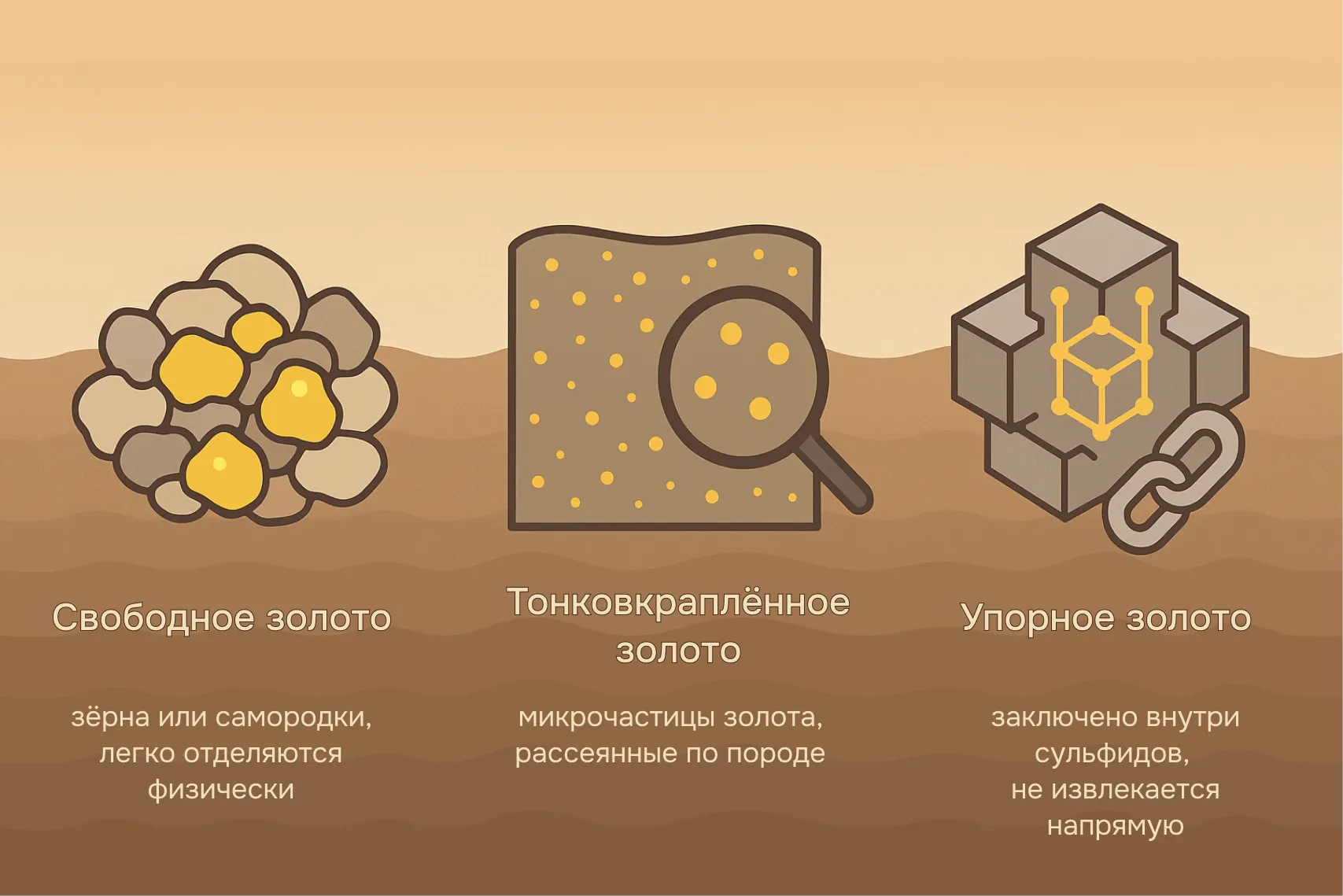
In nature, gold can be found in different forms:
- Free gold – these are the very grains or nuggets that can be isolated mechanically: by washing or gravity.
- Finely speckled gold – small particles evenly distributed in the rock. They can no longer be seen with the naked eye, but they are still accessible to extraction using modern technology.
- Resistant Gold – the most difficult case. It’s concluded inside sulfide minerals, most often pyrite or arsenopyrite. So gold does not separate directly – it is as if “locked” by a crystal lattice, and standard methods do not work here.
More and more today ores are classified as refractory. Placer deposits are almost exhausted, free gold has long been collected. What remains are complex, low-grade and refractory ores, where there may be only a couple of grams of gold per ton of material. But it is from such ores that gold has to be extracted in modern deposits. How do they do it? It all starts with simple physical techniques and ends with complex chemistry – or even biotechnology.
Gravity enrichment
One of the oldest methods that humanity has used since before our era – and has only been improved since then. It is based on the fact that gold is heavier than most other minerals. If the ore is allowed to separate, the gold will “sink” down. In modern factories, gravitational enrichment is carried out in special installations – jigging machines, concentration tables, centrifuges. The pulp (a mixture of water and crushed ore) passes through sieves, where the heavy particles settle and the light particles are carried away. The result is a concentrate with a high gold content. Method economical and environmentally friendly, works well with large grains of free gold. But if the gold is very fine or associated with other minerals, more complex approaches are needed.
Flotation
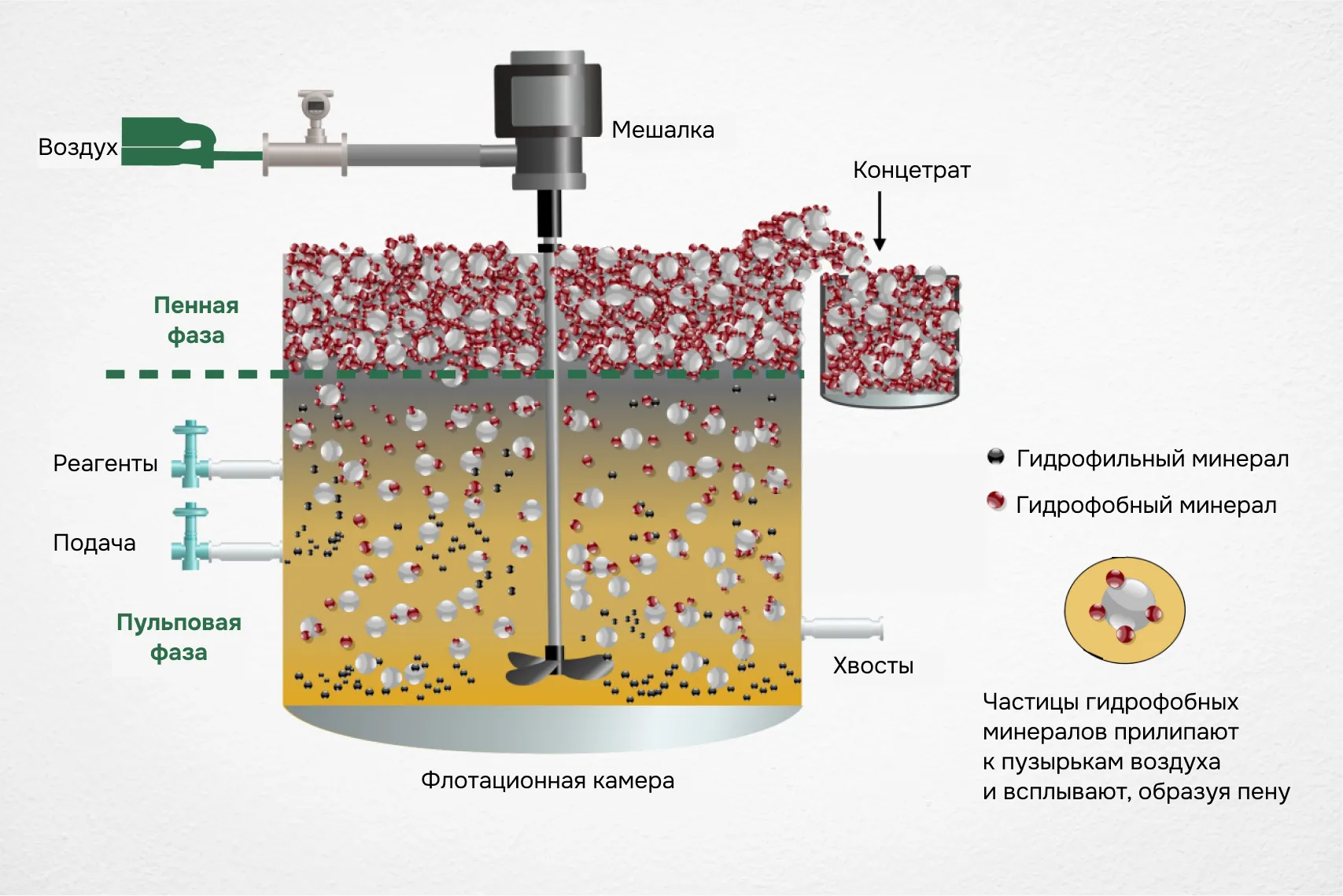
When gravity fails, flotation comes to the rescue – a method in which gold particles “float” on air bubbles. The rock is finely crushed, mixed with water and special reagents, and then saturated with air. Gold particles stick to the bubbles and float to the surface as foam. This foam is collected and a gold concentrate is obtained. The remaining rock goes to the dump. Flotation – universal method of enrichment, especially if gold is found in the form of inclusions in sulfides (for example, in pyrite). The method is used both as an independent technology and as preparation for the next stage – chemical extraction.
Heap leaching
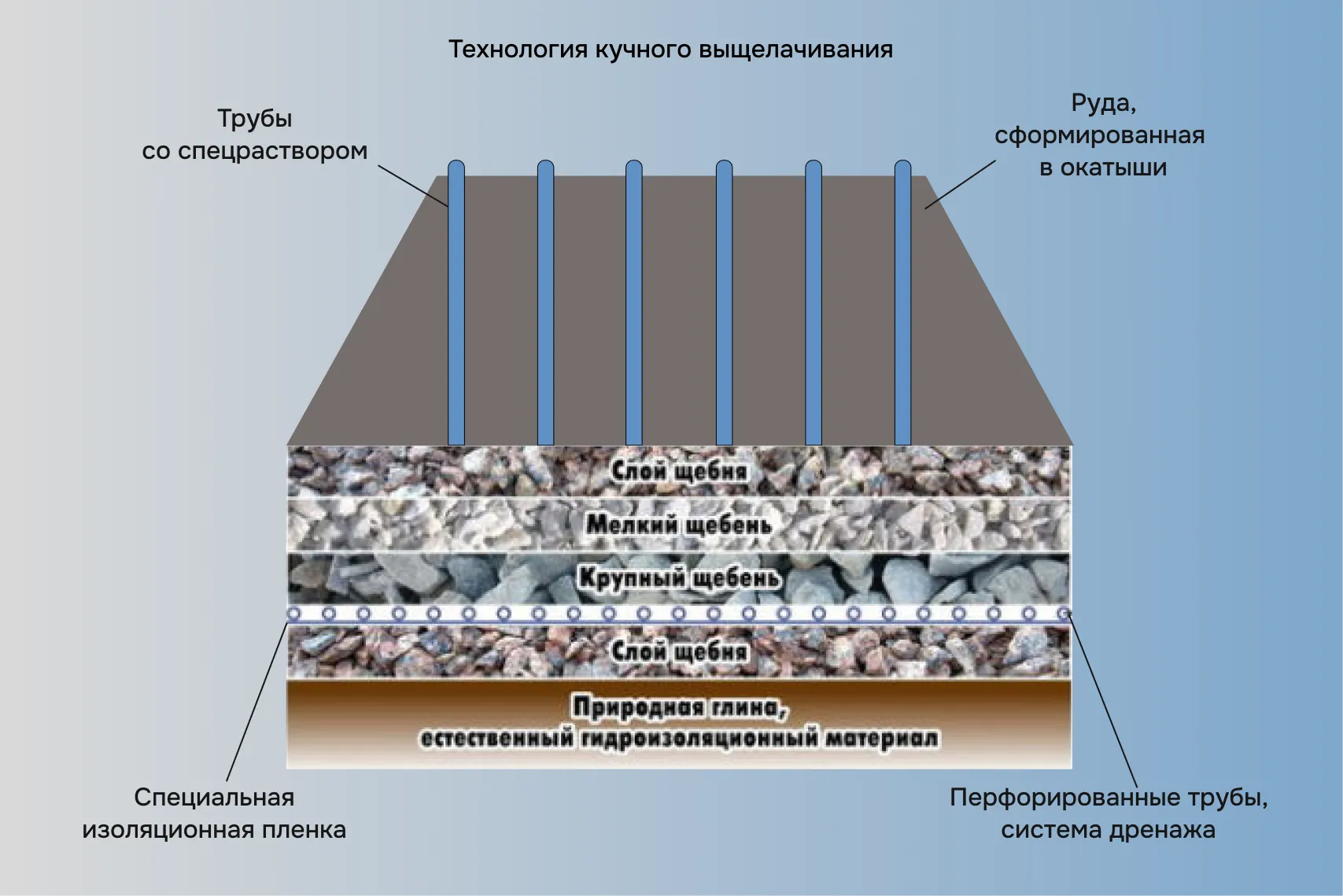
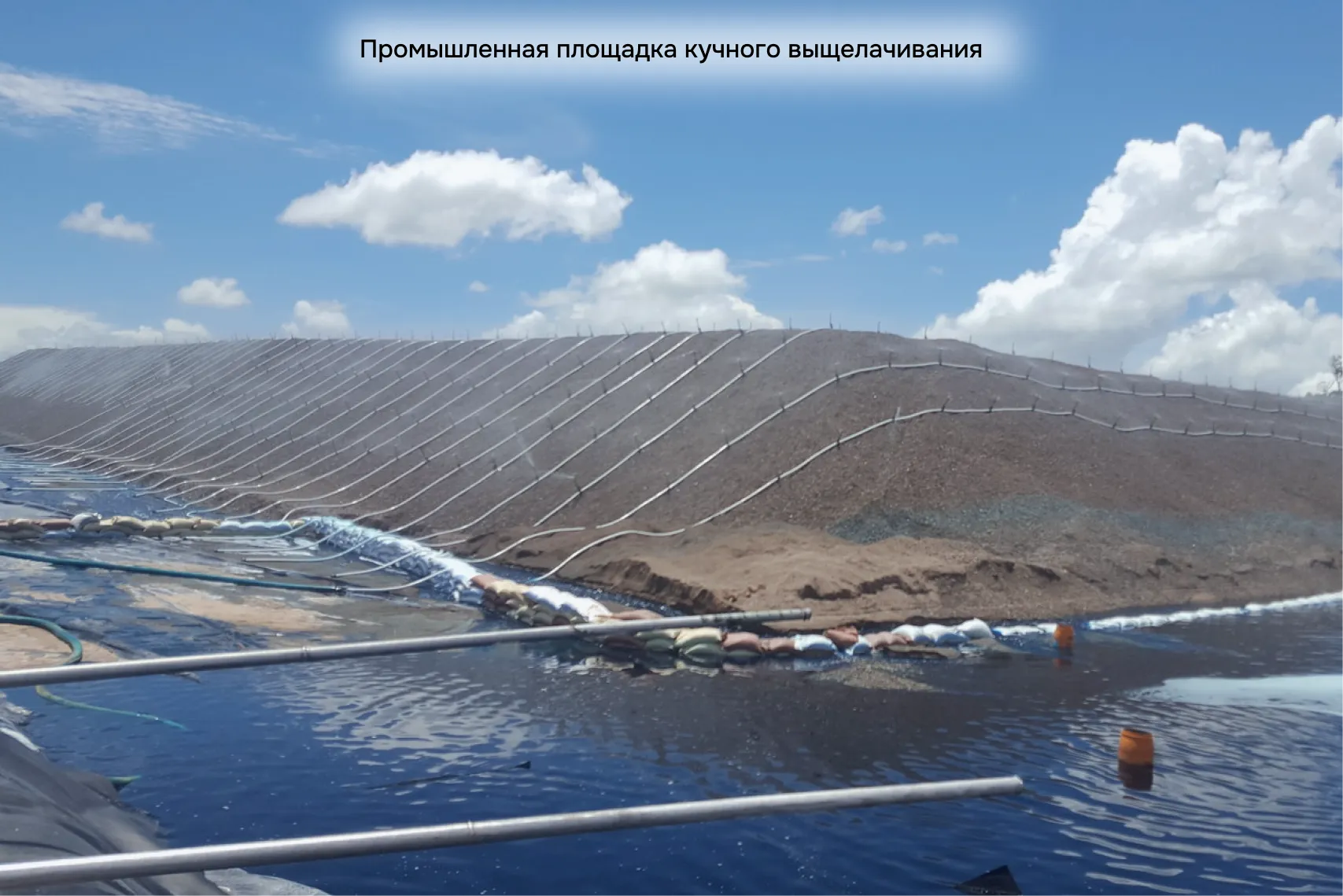
If the gold concentration is low and it is expensive to process all the ore, the method is used heap leaching. The crushed rock is placed in large piles on a waterproofed base and irrigated with a cyanide solution. It gradually seeps through the ore, dissolving the gold. The resulting solution is collected and processed, most often using activated carbon or cement, which precipitates gold. This method slow, but cheap and suitable for poor ores where gold is scarce.
When conventional methods don’t work
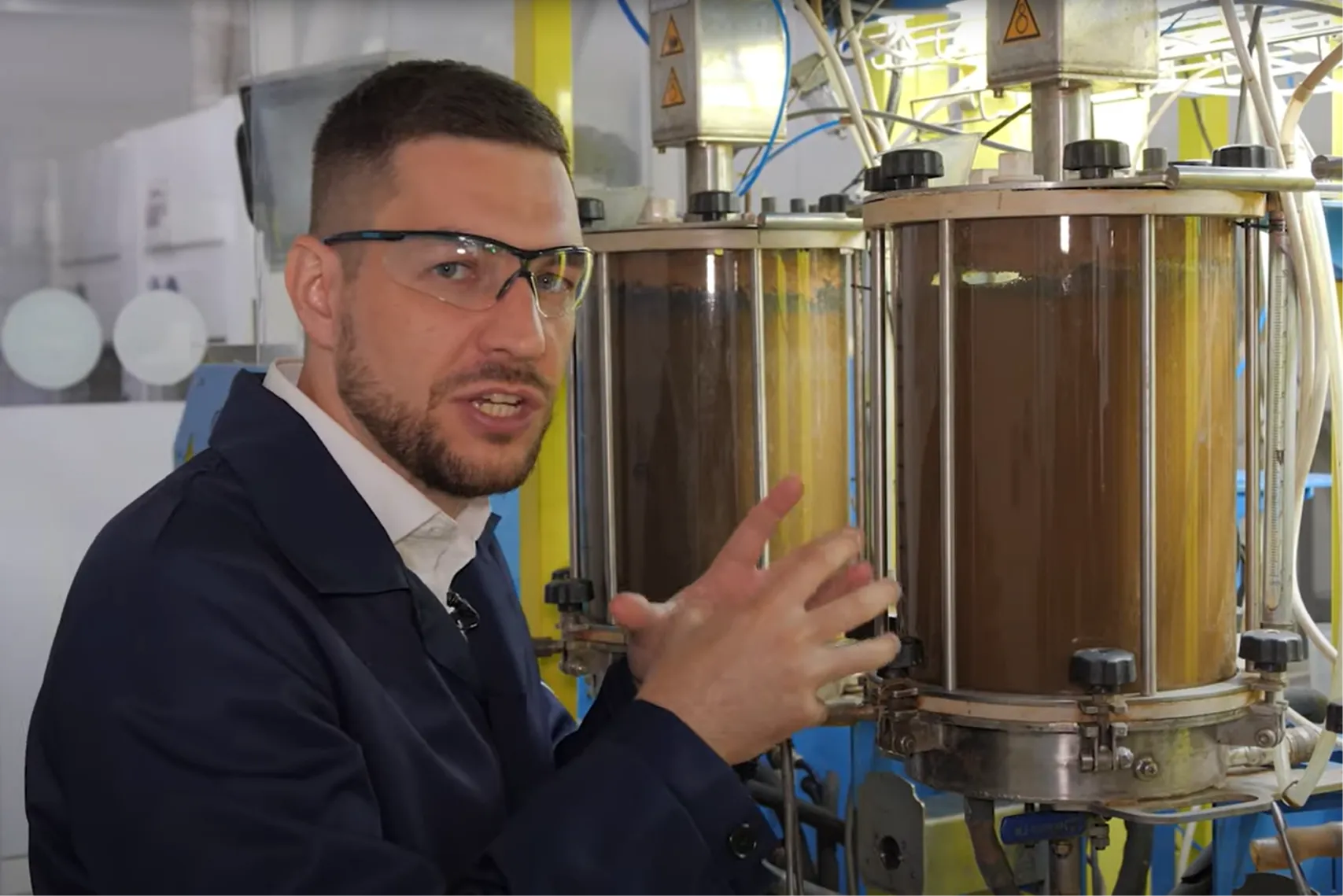
Flotation, gravity, leaching all work if the gold can be physically separated from the rock. But in many modern fields this is no longer enough. For example, at the Olimpiadinsky GOK in the Krasnoyarsk Territory they mine the so-called stubborn gold – it is impossible to see it with a microscope, not to mention washing it. This gold is bound to sulfide minerals, and to extract it, the mineral must first be broken down. A special chain of laboratory technologies helps with this, which is developed and tested in Krasnoyarsk – at the research center of the Polyus company.
Working with gold ore begins with mineral analysis – specialists determine the form in which gold is present and the minerals with which it is associated. The choice of technology depends on this: gravity or flotation are suitable for free gold, bacterial oxidation is suitable for refractory gold. In this process, special bacteria break down sulfide minerals, releasing gold particles, which are then brought into solution and recovered through cyanidation, precipitation and smelting.
Each field requires an individual approach. In some places, physical enrichment is enough, in others – complex chemistry and biotechnology. This is not just mining, but a well-coordinated production system that involves geologists, engineers, chemists and microbiologists.
Gold today: numbers and challenges
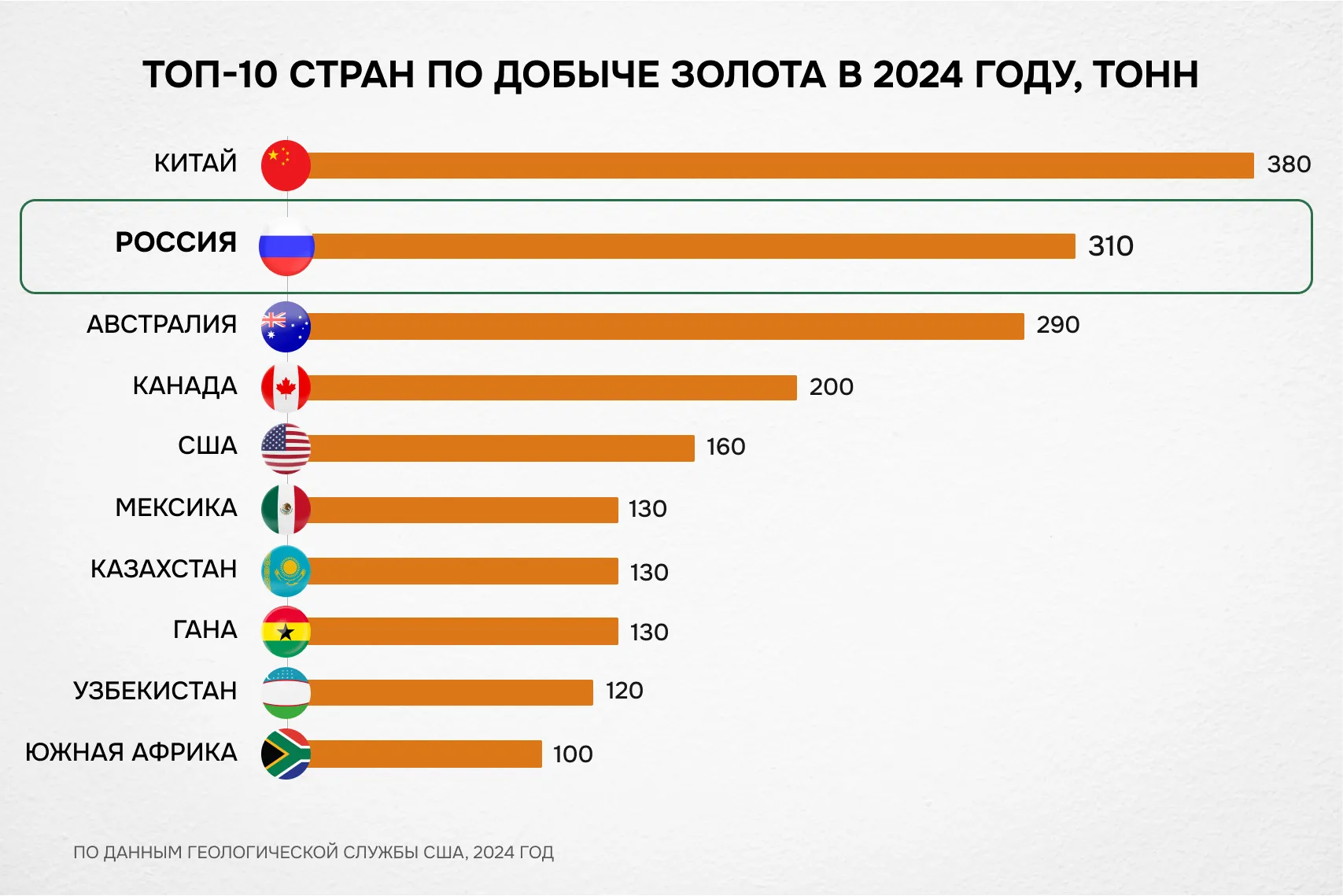
Gold continues to be mined – in 2024, volumes again exceeded 3,600 tons worldwide and 360 tons in Russia. But behind the stable numbers there is a complex reality: easy deposits are drying up, simple gold has already been collected. Increasingly, complex ores are being developed, in which gold is hidden in tiny inclusions associated with other minerals.
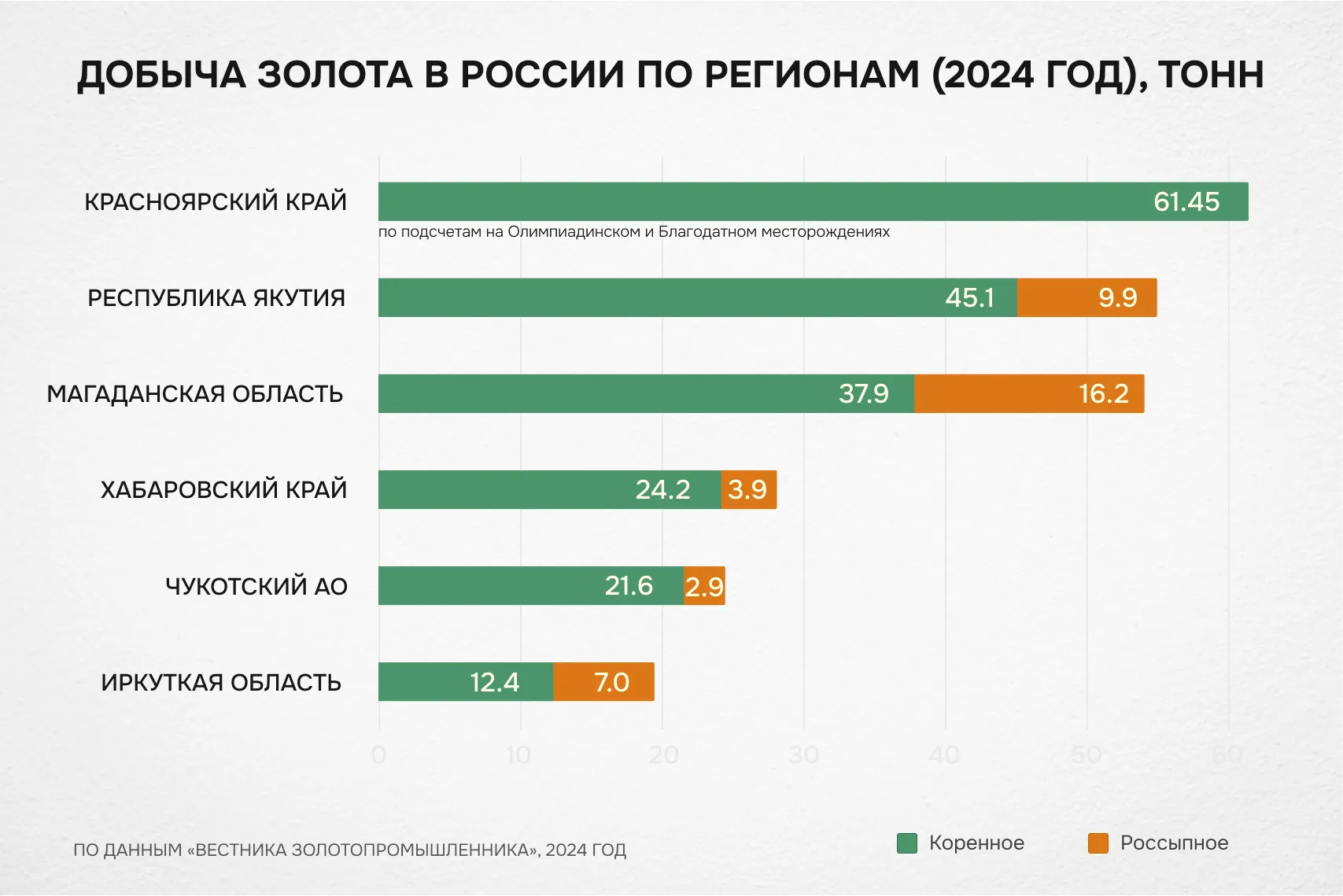
Particularly difficult is the stubborn gold – enclosed in a crystal lattice of sulfides, from where it cannot be extracted by conventional methods. This is where modern technologies come to the rescue: flotation, hydrometallurgy, bacterial oxidation and other methods that require precise engineering calculations and laboratory solutions.
Today’s gold mining is not a riverside adventure, but a fusion of geology, chemistry, technology and strategic thinking. And it is these technologies that determine whether gold will remain in the ground or become part of our world.
How is your profession related to gold mining? What new did you learn from the article? Share in the comments – we are interested in your opinion.