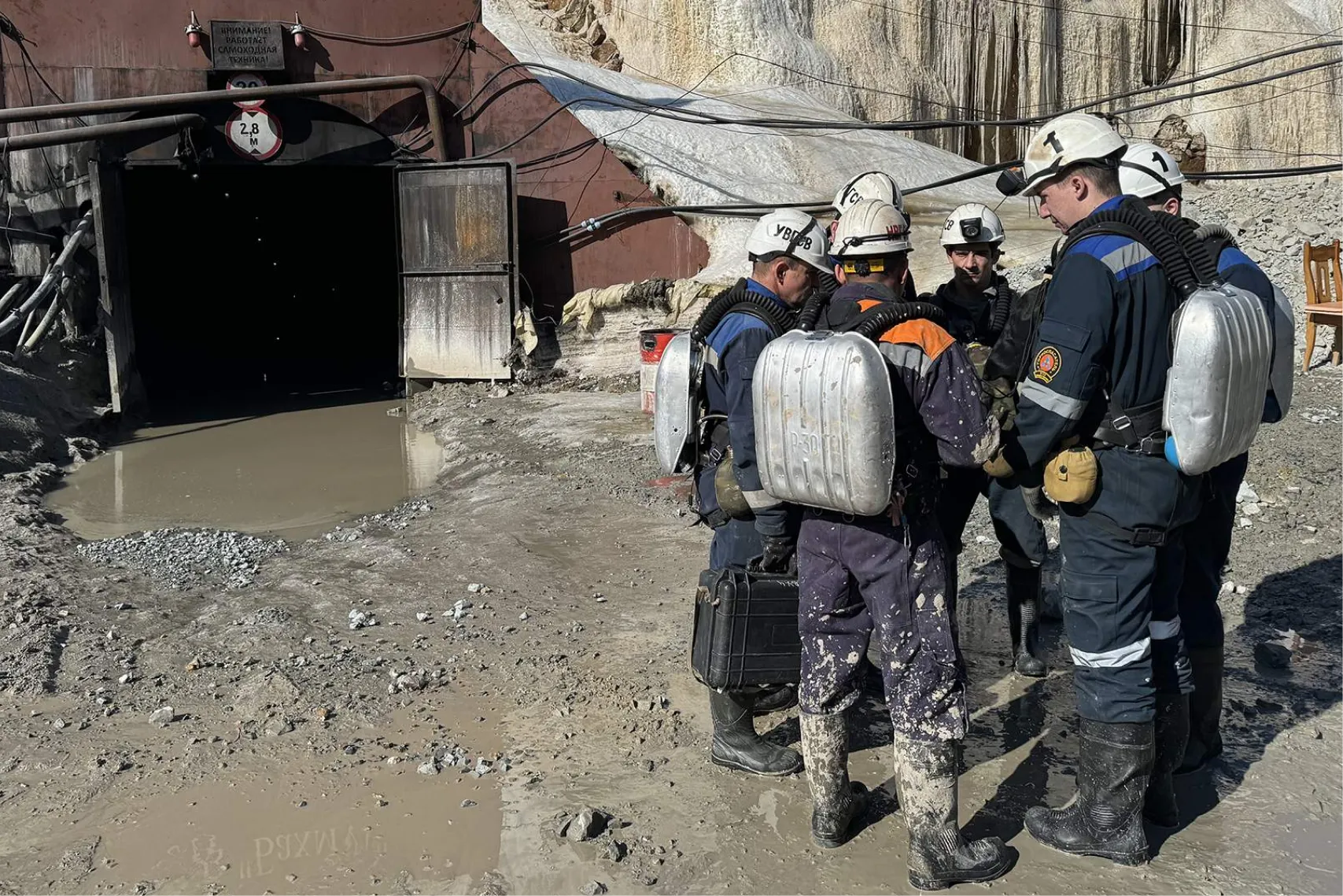
News of accidents in mines and quarries appears in the media with alarming regularity. The death of miners in Turkey’s Çöpler mine, the collapse at Russia’s Pioneer mine in the Amur region — it seems as if working underground is always associated with constant risk, where a disaster can strike at any moment.
However, no major accident at a quarry or mine occurs suddenly. Any collapse is a chain of events that began long before the tragedy: the formation of cracks, deformations, rock mass movement, changes in instrument and equipment readings. These signs can be observed, and their consequences prevented, if one understands the structure of the rock mass and how it reacts to operations.
One of the key tools that enables this is geomechanics. It combines science and practice, helping to predict the behavior of rock masses, manage the stability of quarry slopes, dump slopes, and mine workings, and reduce the risks of man-made disasters.
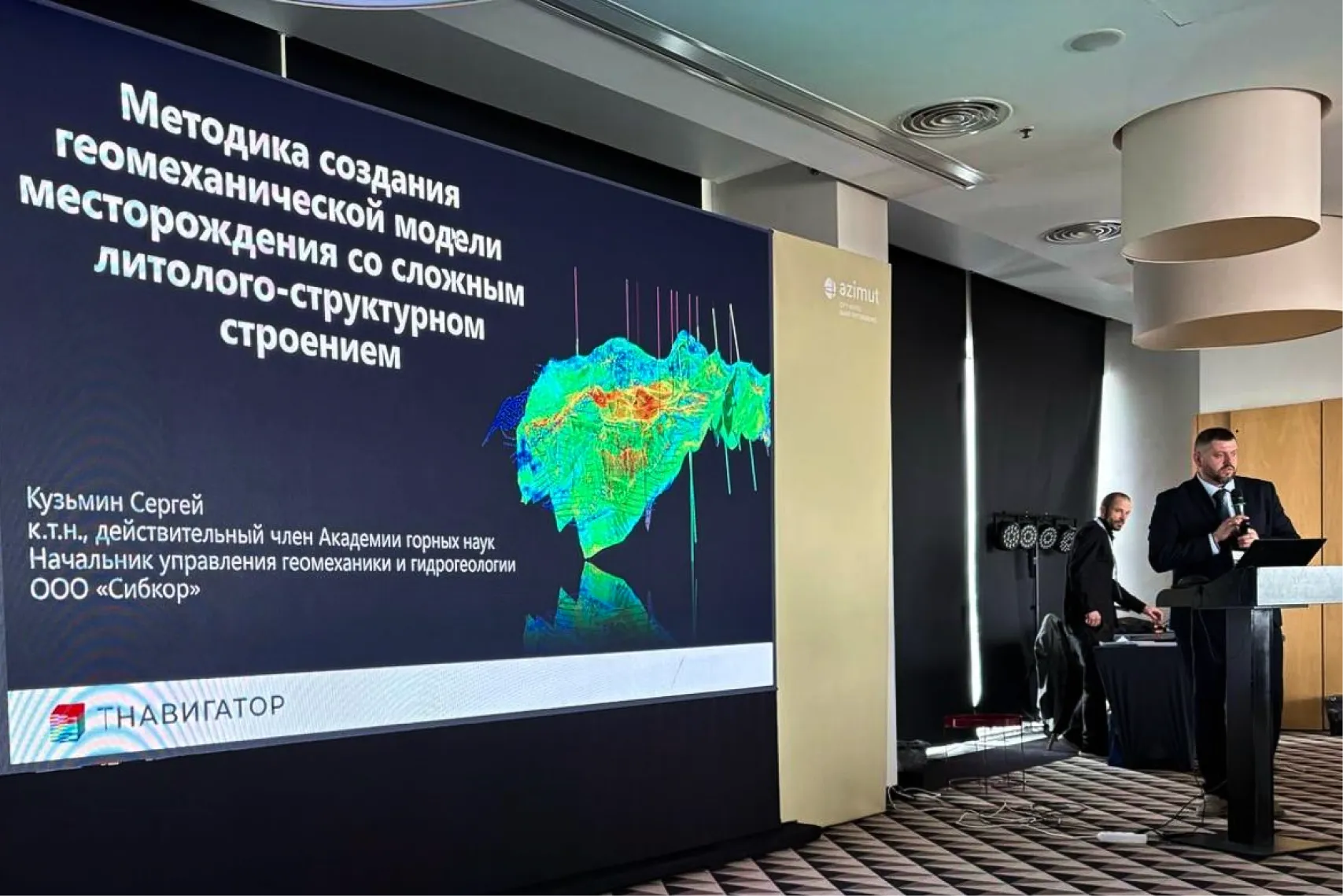
What geomechanics is, how it works at different stages — from exploration to operation, and why it is impossible to build safe and efficient mining production without it — we explore together with Sergey Kuzmin, Ph.D. in Technical Sciences, full member of the Academy of Mining Sciences, member of ISRM, head of “Gluboky Engineering” and DEEPMINE LAB companies.
What is Geomechanics and Why Does a Mining Enterprise Need It?
Geomechanics is a science of the Earth that studies how rock masses behave under the influence of mining operations. It helps assess the stability of the rock mass, predict various deformations, and select safe parameters for mining operations.
Simply put, a geomechanist for a deposit is like a doctor for an organism: they monitor its “health,” notice the first symptoms in time, and help prevent serious consequences like rock mass collapse.
“There are ‘simple’ deposits: stable rocks, workings are driven without support — like a natural arch in a cave. But there are also opposite cases.”
— explains Sergey Kuzmin
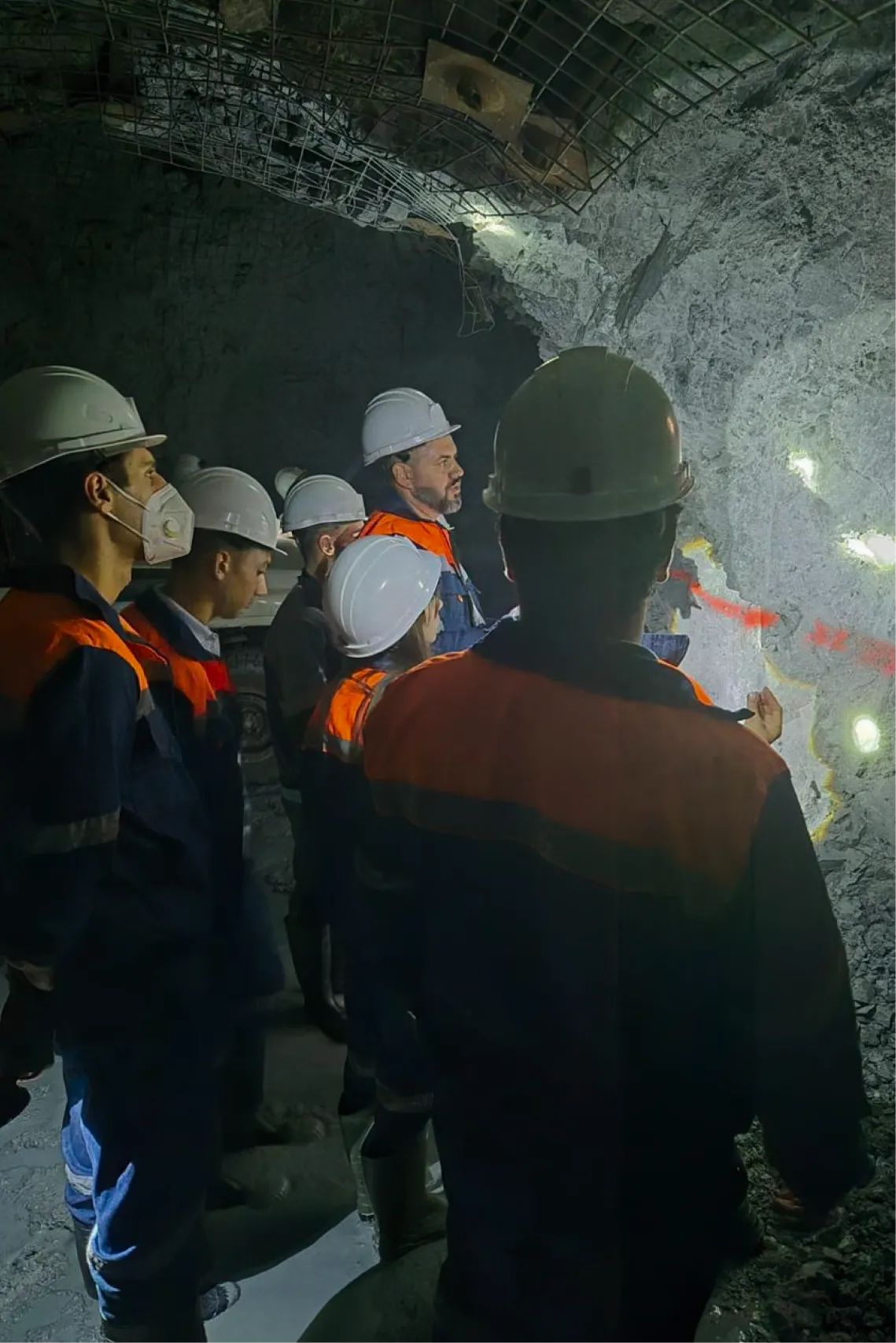
In the Belgorod region, there is an interesting site — the Yakovlevsky mine. At a depth of about half a kilometer, iron ore is extracted here, lying in the form of loose sandy mass. The rock crumbles underfoot, and a water-bearing horizon — essentially an underground river — presses down from above. To work in such conditions, support must be installed continuously, without delay. Costs increase, risks rise, and precise geomechanical calculations are indispensable here.
Such examples show that geomechanics is not an auxiliary discipline, but a key tool for managing the safety and efficiency of mining operations. It accompanies the enterprise at all stages — from exploration and design to operation, stability monitoring, and even mining completion.
From Exploration to Mine Monitoring and Mine Closure: The Full Cycle of Geomechanics
Geomechanics only works when it is integrated into all stages of a deposit’s life — from exploration to mining completion. In the early stages, it helps study the rock mass and lay the foundation for design; during operation, the geomechanical model is calibrated as new data becomes available; and at the stage of operation and enterprise closure, it allows for managing stability and predicting changes in the rock mass.
Now let’s consider how geomechanics is applied at each of these stages and what role it plays in practice.
Exploration: The Foundation for a Future Mining Enterprise
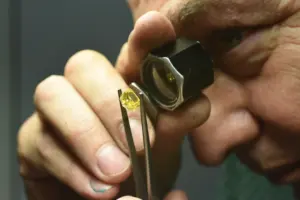
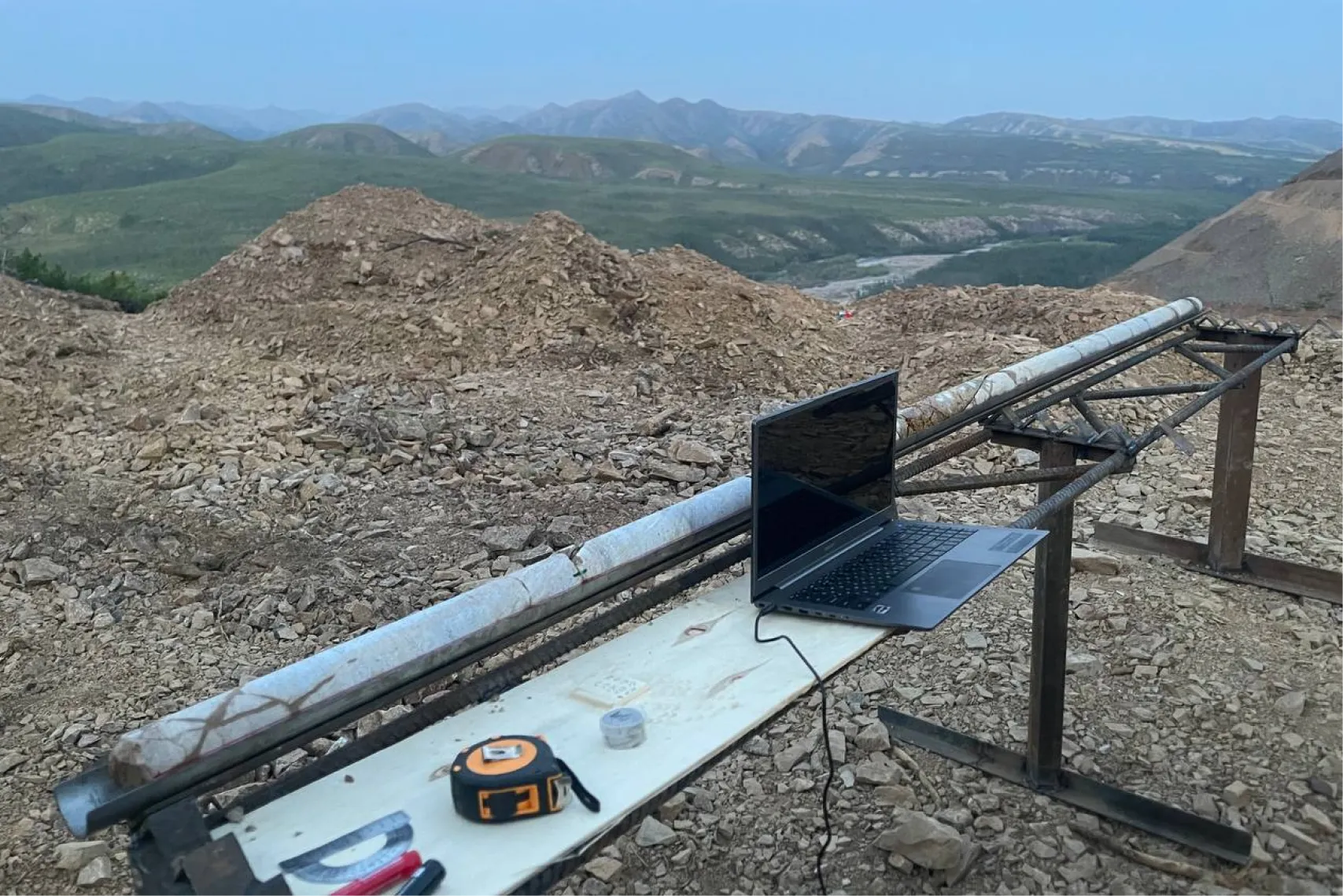
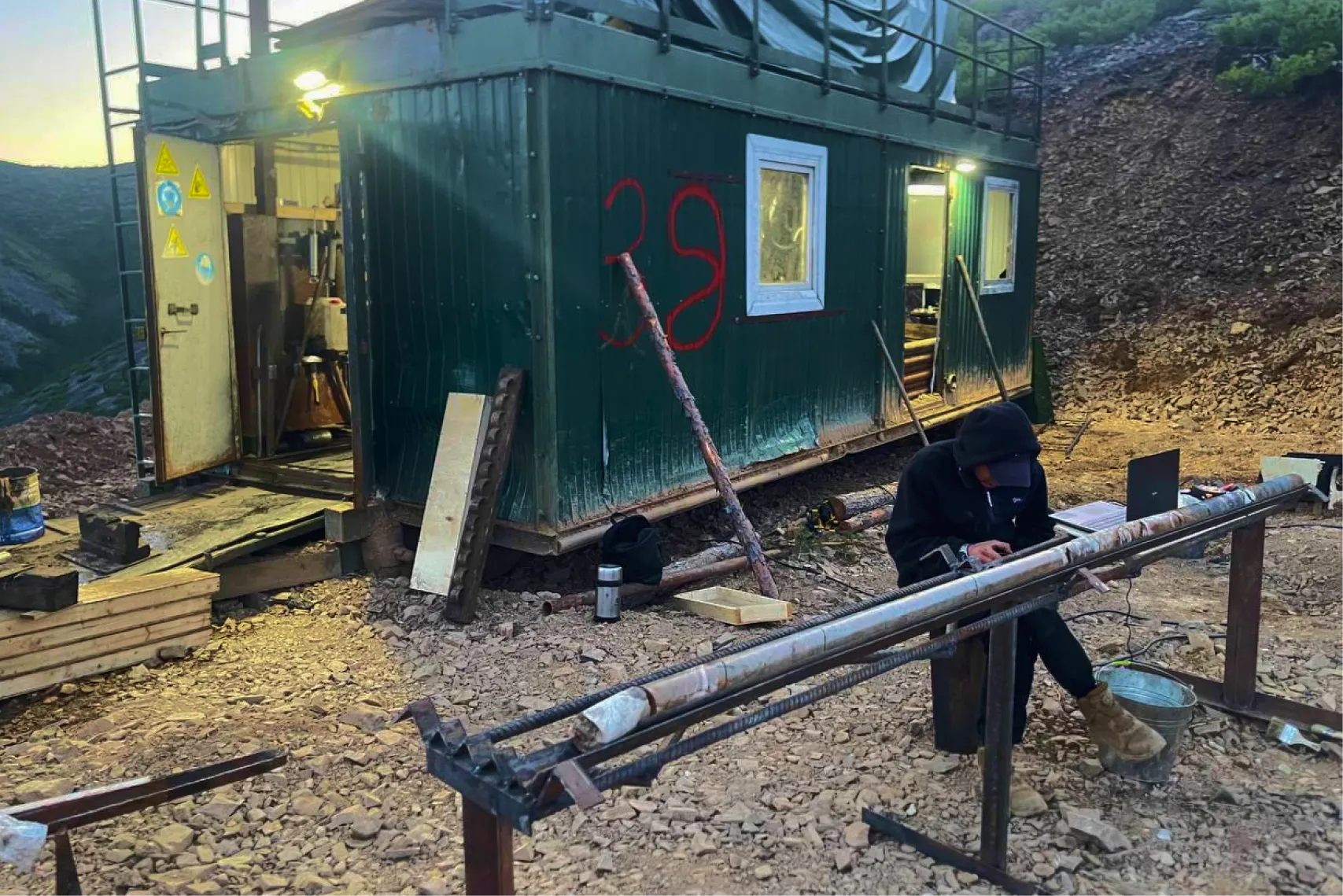
At the geological exploration stage, the foundation for the future geomechanical model of the deposit is laid. When exploration boreholes are drilled, the core is studied not only for the content of useful components but also for the physical and mechanical properties of the rocks, determining the rating indicators of rock mass stability.
For geomechanists, the core is a source of key data on how stable the rock mass will be during subsequent extraction. Specialists study fracturing, structure, fracture infill, dip angle, density, and degree of silicification. These parameters allow for determining the rock stability category, calculating possible deformations, and anticipating where risks, such as the collapse of fractured rock, might arise in the future.
The results obtained become the foundation for design — they will be relied upon when calculating the stability of pit walls and dump slopes, selecting the mining system, and determining the types and parameters of rock mass support. The more accurate this data, the more reliable the entire subsequent geomechanical model.
However, as Sergey Kuzmin notes, in practice, geomechanical core description is still often performed formally or completely ignored. Boreholes are drilled “for geology” rather than “for geomechanics,” and the enterprise receives a project without a complete picture of rock mass stability. Correcting these errors later — at the construction and operation stages — costs many times more.
Design and Operation: Geomechanical Rock Mass Model
The data collected during exploration forms the basis of the geomechanical model — this is not just a report, but an engineering tool that describes how the rock mass behaves under real conditions. The model takes into account geology, hydrogeology, physical and mechanical properties of rocks, fault zones, tectonics, water saturation, and other factors.
Design based on this is essentially creating a scenario for safe and economically efficient deposit exploitation: safe parameters for the design of pit walls and open-pit cuts, parameters for supporting mine workings, drainage measures, the sequence of operations, and the speed of mining operations are calculated.
However, a project is never a document that is finished once and for all. The rock mass is dynamic; its properties change as mining progresses. When extraction begins, new data emerges — from observations, additional boreholes, measurements, and instrumental control. This data must be continuously incorporated into the model to keep it relevant and reflective of real conditions.
Sergey Kuzmin gives a characteristic example:
“Many enterprises still operate according to projects from the 1970s. Back then, equipment was less powerful, extraction was slow, and the rock mass had time to ‘self-heal.’ Today, excavators and dump trucks extract rock many times faster — voids form, stresses redistribute, and stability decreases. If the model is not recalculated for new parameters, risks will increase manifold.”
Therefore, design in geomechanics is not a final stage, but a continuous process: data collection → model refinement → parameter adjustment. This approach allows for timely adaptation of the development system and maintenance of safety without loss of productivity.
Yet, even the most accurate model cannot operate in isolation from practice. To control how the rock mass behaves in reality, it is necessary to monitor it constantly. This is where the next stage comes into play — monitoring.
Monitoring Mine and Quarry Stability: Early Warning Signs of Danger
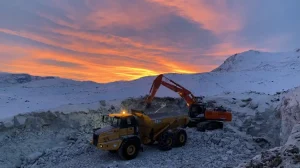
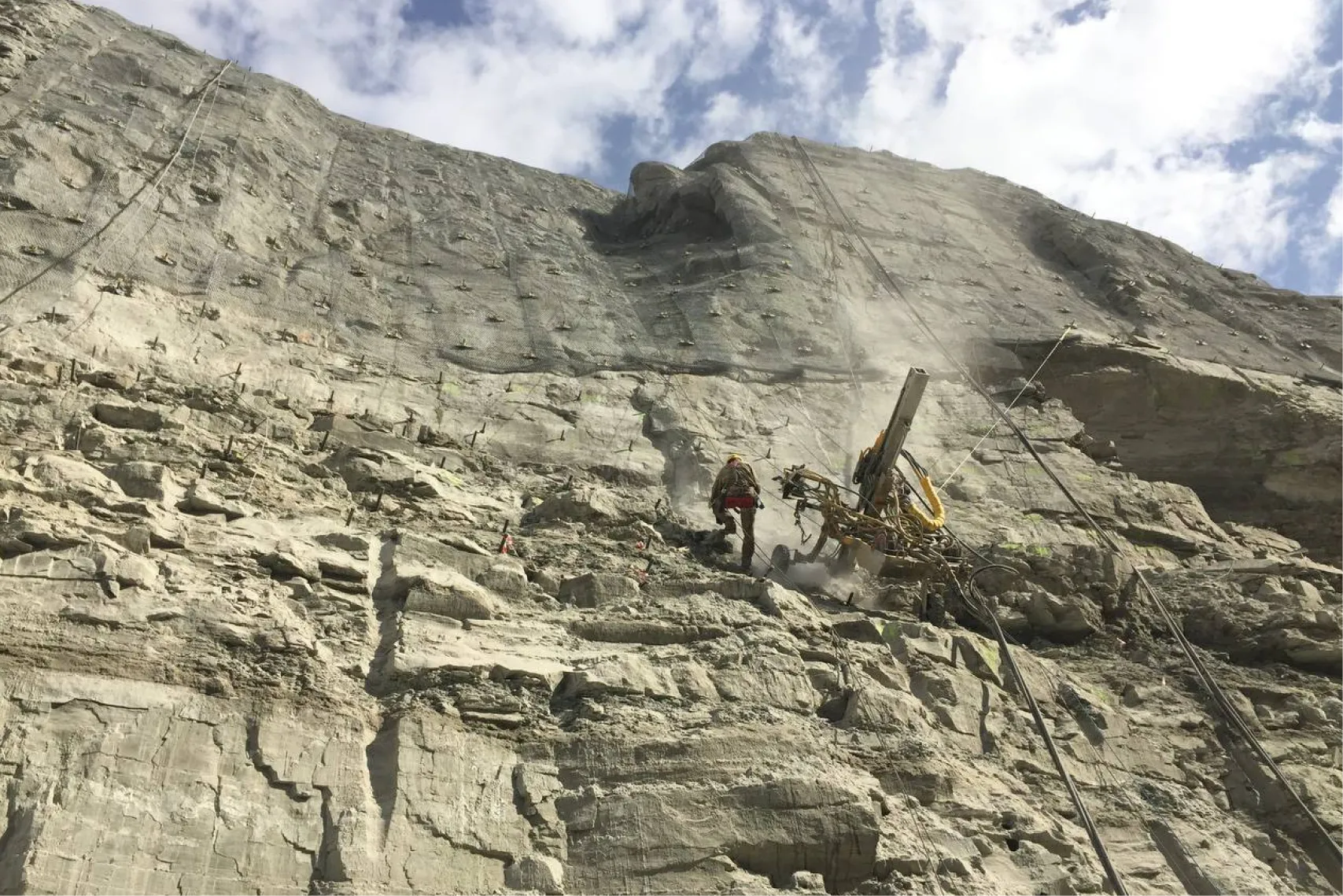
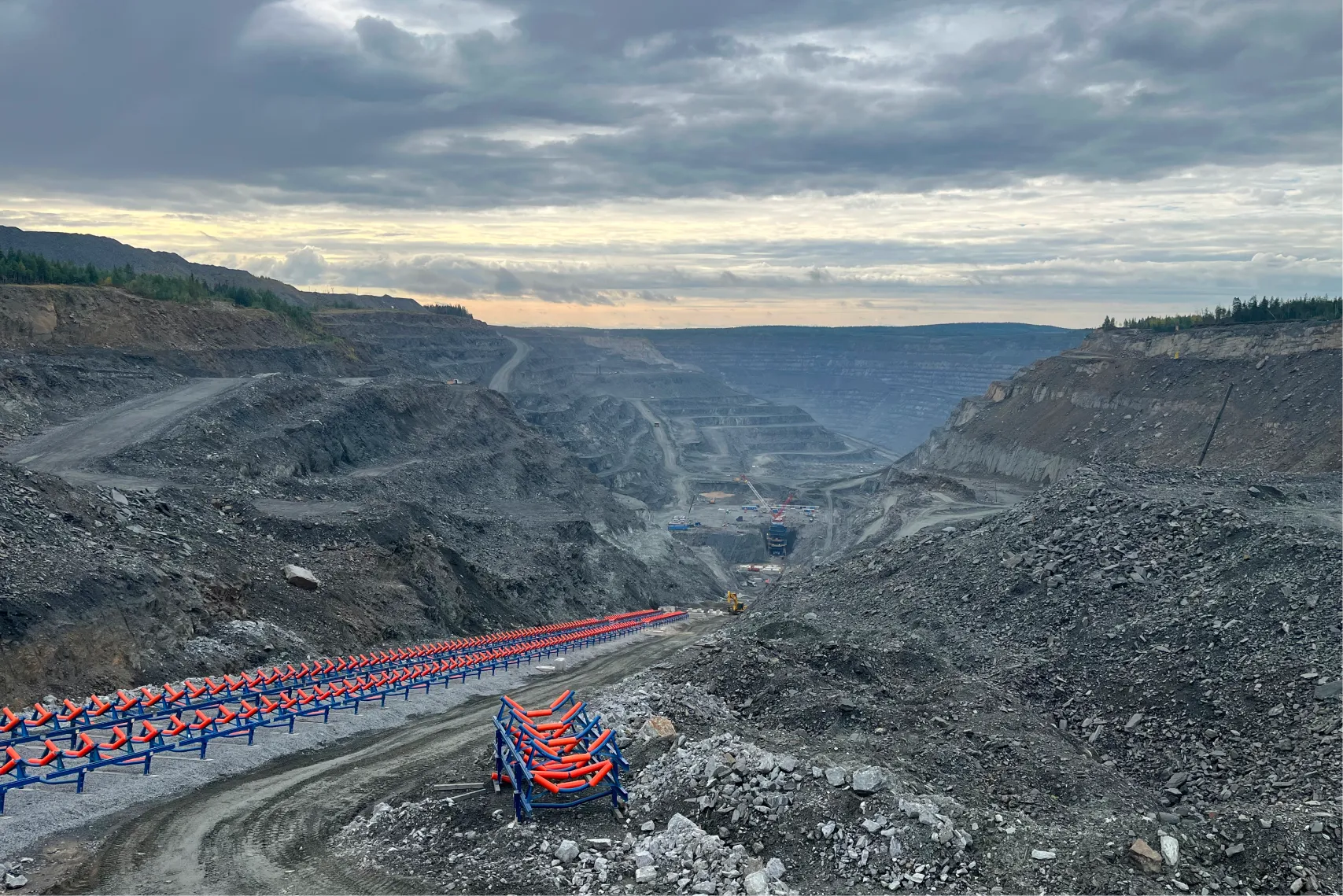
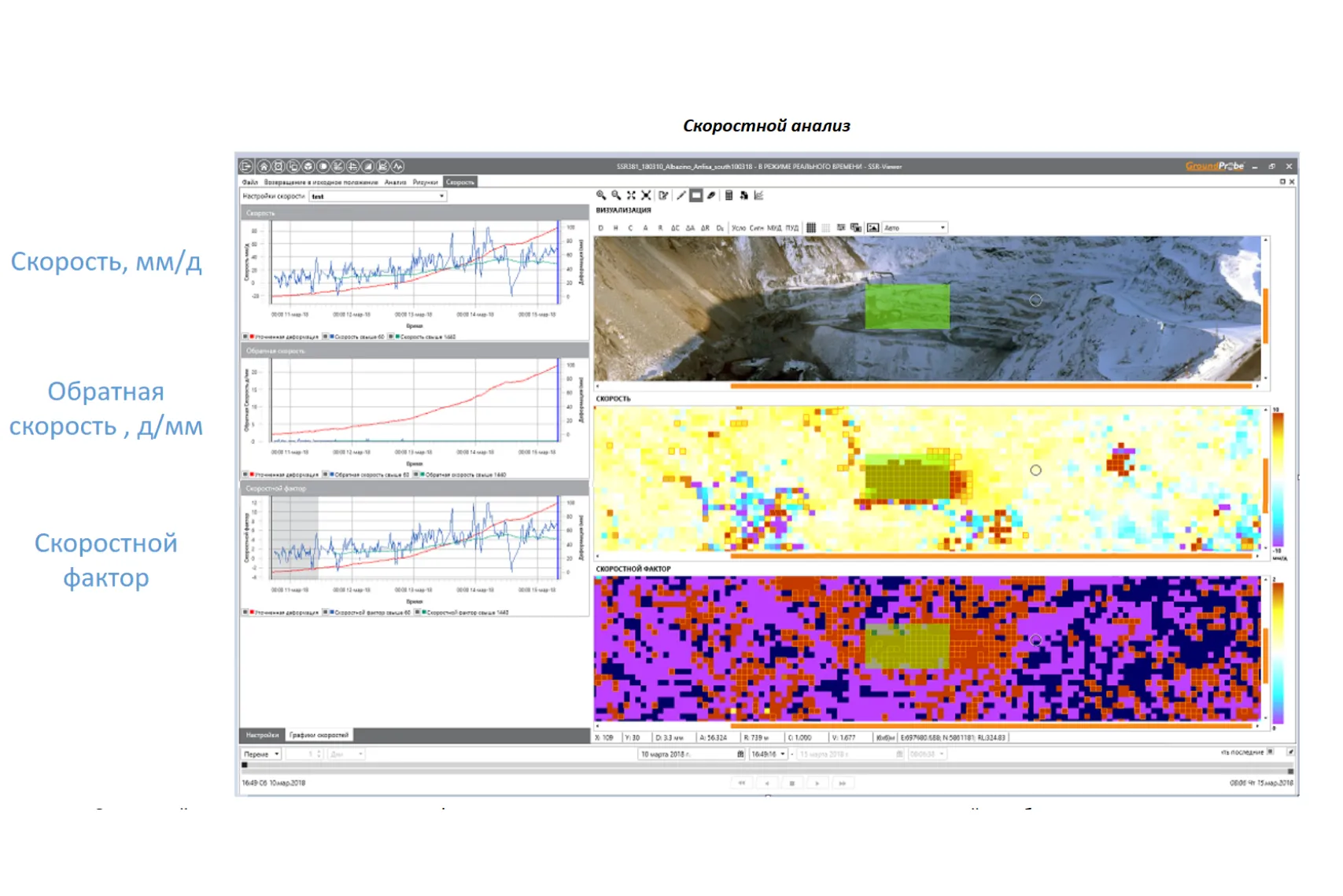
As we mentioned earlier, no accident at quarries or mines occurs suddenly. The first signs — minor displacements, cracks, atypical water inflows — appear long before a collapse. When deformations become visible, it is usually too late to fix anything.
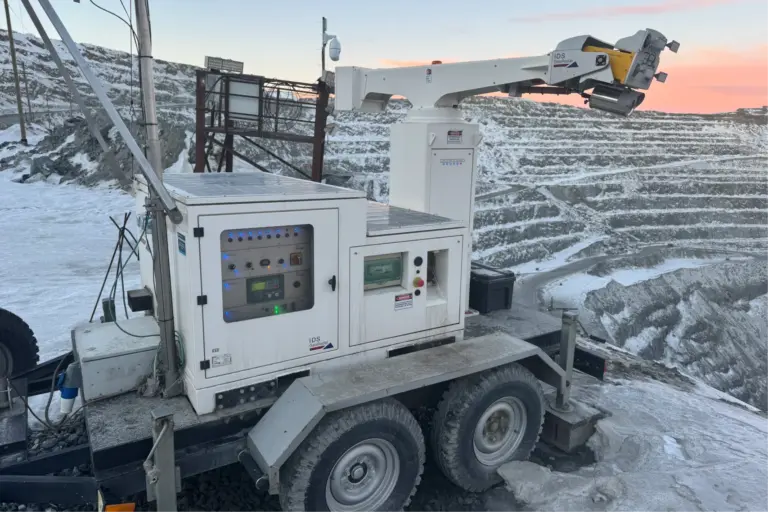
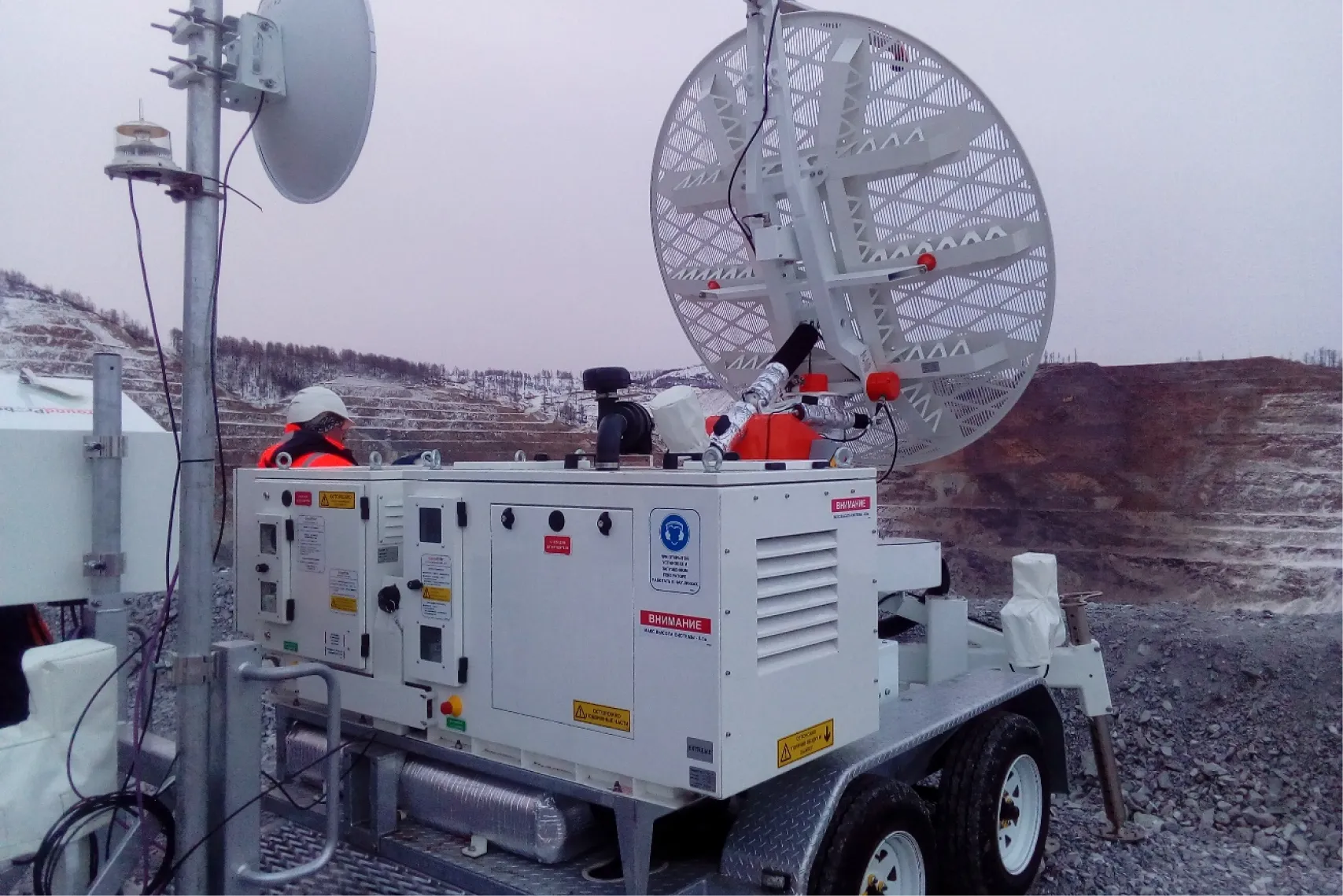
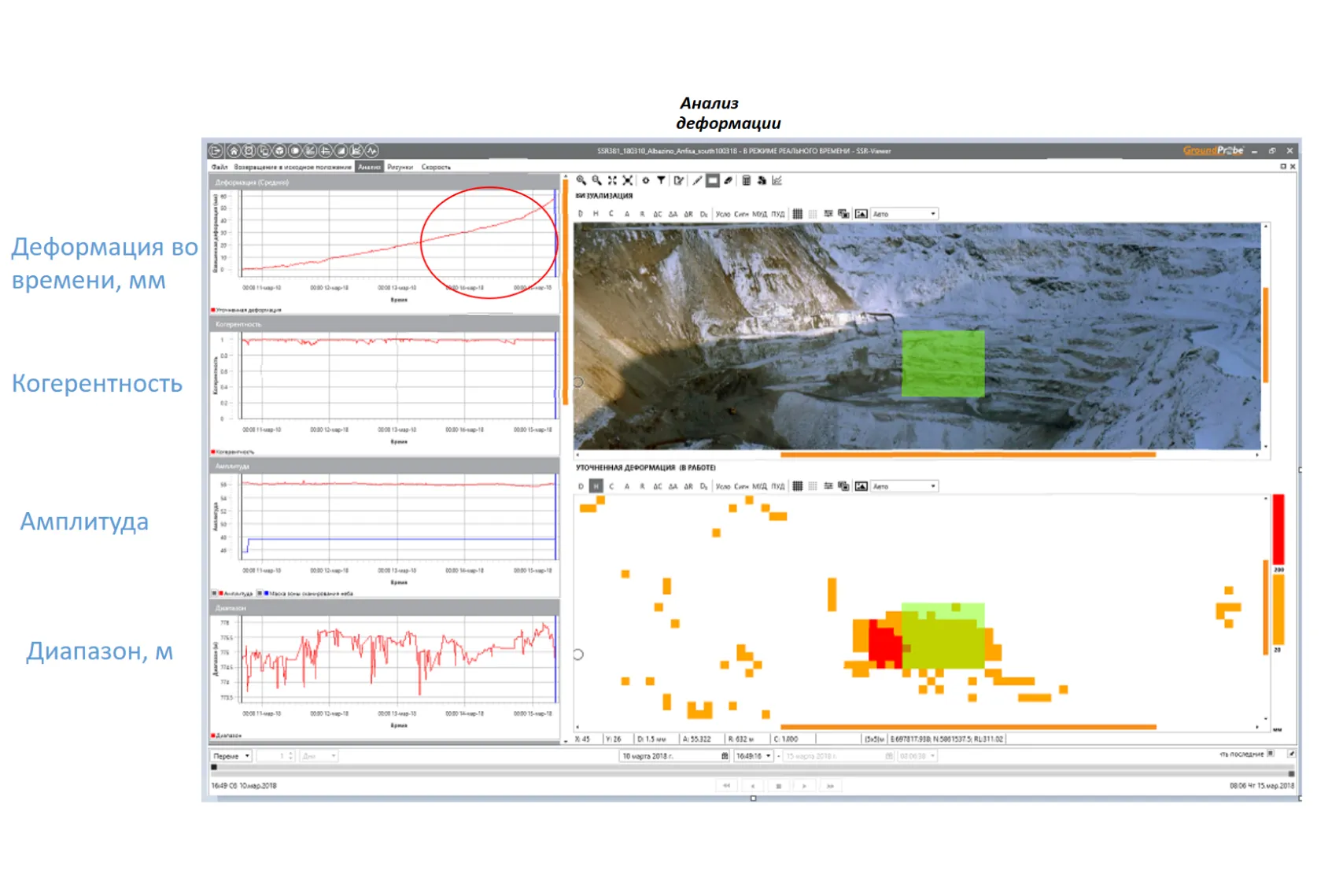
Therefore, monitoring the stability of the rock mass plays an important role — constant observation of the rock mass condition. Today, radars, piezometers, drones, and laser scanning systems are used for this. They allow for recording rock mass movements at early stages and timely adjusting extraction parameters.
Sergey Kuzmin recalls an incident from his practice:
“At one enterprise, there was a long debate about whether it was even necessary to buy monitoring equipment. Everything changed the day our crew bus was driving along the quarry wall — a few minutes later, part of the quarry wall collapsed. I was inside the vehicle then, and we literally saw the wall start to slide. There were no casualties, but after that incident, there were no more questions — the radar was installed immediately.”
However, monitoring is not just about purchasing a device. Someone needs to analyze the data, interpret it, and propose solutions. Without this, even the most modern system will operate “idly.” This is where the next problem arises — the hierarchy and the actual role of the geomechanist within the enterprise structure.
When Geomechanics Is Disregarded
A geomechanist is a person who stands guard over the safety of an enterprise. They are the first to notice where the rock mass is losing stability and can prevent a mine accident before it even happens. But they have almost no opportunity to directly influence decision-making.
At most enterprises, geomechanists report to the chief engineer, who thinks on a one-year horizon — fulfill the plan, extract the volume, report on indicators. For him, any proposal from a geomechanist, such as “recalculate the model,” “change the mining method,” or “reinforce the support,” means risks to the current plan and bonuses. Therefore, a conflict of interest arises: safety versus production.
At the same time, the geomechanist has no direct access to the head office, where medium- and long-term decisions are made — for three, five, ten years ahead. Their voice simply does not reach where the development strategy can truly be changed.
Sergey Kuzmin recalls from his experience:
“When I came to the mine, I already had a serious scientific background and research experience. During one inspection, I went down into the mine and saw that the working support was not being installed according to the project. I issued a directive and stopped the work. The reaction was predictable — they simply stopped letting me underground so I wouldn’t ‘interfere.’ It took two years of struggle before they started listening to me.”
If even an experienced specialist with such a background had to prove the necessity of his decisions for two years, it is even harder for young geomechanists who are just starting after university. They are expected to provide answers — where to drive the working, how to react to changes in the rock mass — but they lack practical experience. The question of trust also arises: how to listen to a specialist who is not confident in their own decisions. We will discuss this in an article about how to become a professional in geomechanics, what to study, and how to build authority in production.
And further in this article, we will analyze how to ensure that geomechanics at an enterprise ceases to be a formality and truly works.
How to Implement Geomechanics Correctly and Prevent Accidents in Quarries and Mines
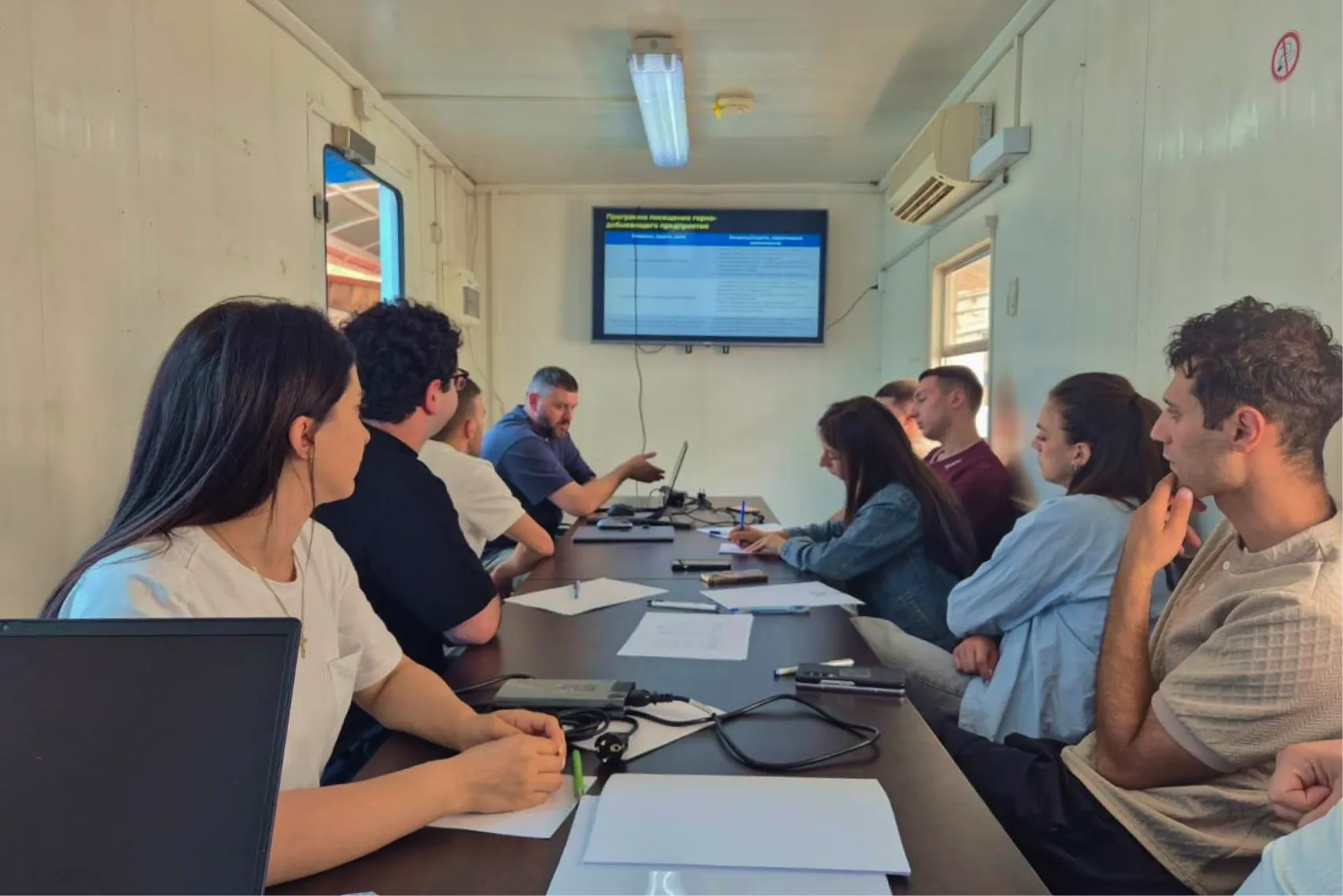
Companies that understand that safety and stability management of a deposit are impossible without geomechanics often turn to Sergey Kuzmin. And the most frequent question is — where to start?
You can start simply — with data collection. You are already drilling production or control boreholes, and along with the geological description of the core, you can conduct a geomechanical description: recording fracturing, density, dip angle, presence of infill, degree of weathering, etc. These parameters will form the basis of the future deposit model and help understand how the rock mass behaves during extraction.
The next step is engaging a consulting company. But it’s important to understand: this is not about a one-time report that will then be shelved, but about a partner who helps build a system. Such consulting establishes work in conjunction with the enterprise:
- helps process the collected data and build the first geomechanical model;
- develops recommendations for safe operating parameters;
- helps organize a geomechanical service within the company — specialists who will be responsible for data collection, monitoring, and analysis;
- supports the enterprise further, verifying calculations, providing advice, and assisting in management decisions.
As Sergey Kuzmin notes, this format of consulting is effective:
“Our task is not just to issue a conclusion, but to help the company integrate geomechanics into its management system. So that the data you collect genuinely influences decisions, rather than just sitting in reports. We help ‘digest’ this and turn it into a working tool.”
Once the basic system is established — data is collected, models are updated, and consulting helps make decisions — you can move to the next stage: creating your own geomechanics department.
This is a lengthy but justified step. It requires not just hiring specialists, but establishing processes: regulations, interaction with other departments, a training and control system. It is advisable to create such a service when the enterprise has accumulated sufficient information about the rock mass and understands what specific tasks need to be solved on-site.
“I have such a case,” says Sergey Kuzmin. “At Karelsky Okatysh, a strong decision was made: to create a stability monitoring group. First, the goal was defined, then people were trained to work, regulations were written, and calculations were understood. My task was to help build the system and train the team. Within six months, we launched everything, and the service began working on a specific task.”
It is according to this scheme, the expert notes, that other enterprises also build their work: first, an external team helps form the system and train people, and only then is their own geomechanics department created based on it.
The Cost of Errors: Why Geomechanics Is Indispensable
Any accident in the mining industry is not only the destruction of the rock mass and lost equipment. It means downtime, multi-million dollar losses, loss of investor trust, and, most tragically, human lives. It is impossible to prevent such scenarios one hundred percent, but it is possible to significantly reduce the probability of their occurrence. One of the tools that helps achieve this is geomechanics.
“A geomechanist works to reduce the probability of a possible collapse. There is a concept called the safety factor. It must be above the normative value. But this does not mean that a collapse will not occur. It means that at the design stage, we calculated everything, and consequently, reduced the probability.”
— explains Sergey Kuzmin
In this article, we have examined how geomechanics is applied at different stages of an enterprise’s life — from exploration to operation, why accidents never happen suddenly, and also why geomechanists are often not heard and how this can be changed.
“The main difficulty is that a geomechanist must see the enterprise as a whole — from exploration, design to operation and business indicators. This is a specialist with a very broad set of knowledge. But locally, there are few such people, and enterprises do not look beyond the annual horizon. And yet, a five-year horizon is precisely the work of a geomechanist: to choose the right parameters for effective future operations.”
— notes the expert.
Geomechanics is the language through which the mining industry communicates about risks and stability. If you do not use it, sooner or later you will pay too high a price—in money, reputation, and sometimes in human lives.
Are you implementing geomechanics at your enterprise? Tell us how it is organized for you — and what difficulties you face.
The material was prepared with the support of the Russian Ministry of Education and Science within the framework of the Decade of Science and Technology.