Magadan – and many people immediately conjure up images of camps, stages and forced labor in the permafrost for the sake of gold. But why exactly did Kolyma become a mining center? How did prisoners and freelancers work here, and what happened to the region after the camps closed?
In this article – through the story of Victor Tarakanovsky, a man who saw gold mining from the 1950s-1960s from the inside – we will analyze why the state needed gold, how it developed the northern territories, and most importantly – whether it is a thing of the past, or whether its mechanisms still work in modern Russia.

How it all began: gold and industrialization
To understand why the state bet on gold and why it was necessary to develop such a harsh region as Kolyma, we will have to travel back to the late 1920s. After the revolution and two consecutive wars – the First World War and the Civil War – the country was in a state that is difficult to describe other than “dismantled for parts”. Industry was destroyed, transportation was almost non-existent, specialists were scarce, and equipment was obsolete. The country was largely agrarian, and industrialization inevitably meant that everything would have to be built anew.
And one more important point that is often overlooked: the USSR in those years could not sell oil and gas as modern Russia does. There were oil areas, but they did not provide export volumes. The discovery of oil fields in Western Siberia was still decades away. Therefore, the state faced a very direct, almost technical question: where to get foreign currency to buy machine tools, equipment and technology for future factories?
And currency in the late 1920s was provided by only two resources – grain and gold. Grain was actively sold abroad, often at the cost of domestic shortages, which led to famine in the early 1930s. Against this background, gold remained the only resource that could be mined quickly and on a large scale without aggravating the food situation in the country.
It was at this point, in 1927, that Soyuzzoloto, headed by Alexander Serebrovsky, came into being. His task was large-scale: to understand where else in the country gold could be mined, and how to make this industry organized, technological and manageable. Serebrovsky realized that it was impossible to rely on internal forces – the country had neither equipment, nor technology, nor experience of working in permafrost conditions.
So he traveled to the United States three times on behalf of the government to study how gold was mined in Alaska, Canada, and California, from mechanization to labor organization and the combination of artisanal methods with industrial methods.
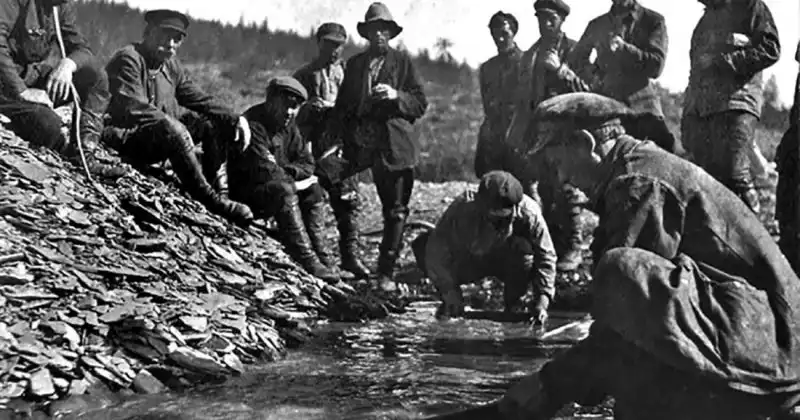
At Serebrovsky’s invitation, American engineers also came to the USSR – “for good money, and not in rubles,” as Tarakanovsky emphasizes. They surveyed Soviet mining areas and gave technical recommendations: how to thaw permafrost, where to introduce hydraulics, how to use blasting, and what machines are needed for placers.
So the attention of the state is gradually turning to the Far East – towards the future golden center, Kolyma.
Where to look for gold: why the bet was made on Kolyma
After Serebrovsky’s trips to the United States and the launch of the technological renewal program, the main practical question arose: in what areas of the USSR could gold be mined quickly and extensively? Old mines existed all over the country – from the Urals to Altai – but their reserves had been depleted by the end of the 19th century. They could produce a stable but small volume and could not provide an industrial breakthrough.
The areas of Siberia and Transbaikalia, where individual artels worked, remained on the map. But the gold content there was declining, and geological data showed that there would be no big growth here. In order to increase production many times over in a few years, a new region was needed – a “frontier” where large-scale operations could be launched practically from scratch.
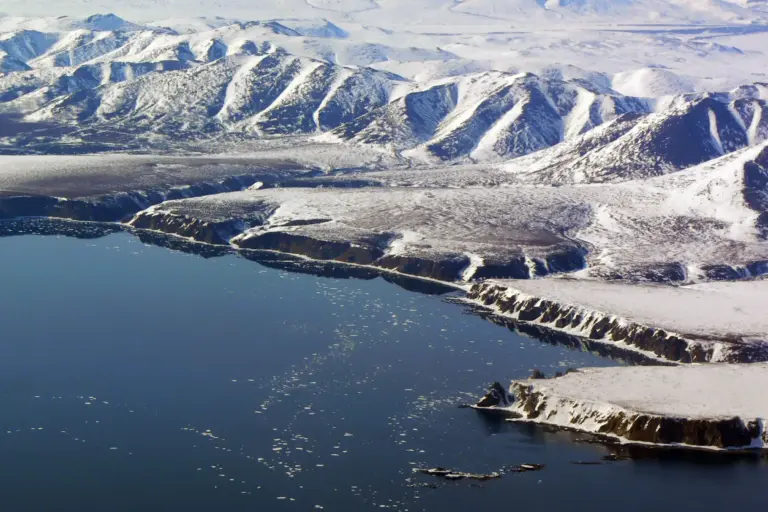
The north-east of the country became such a region. Even the pre-revolutionary Geological Committee recorded placer gold in Kolyma and Chukotka, and in 1910-1920s individual prospectors came here – literally with shovels and wheelbarrows. In 1928-1932, the expedition of Yuri Bilibin for the first time gave scientifically confirmed estimates of resources: huge placer systems, rich sands, high availability of gold without complex mines and mines.
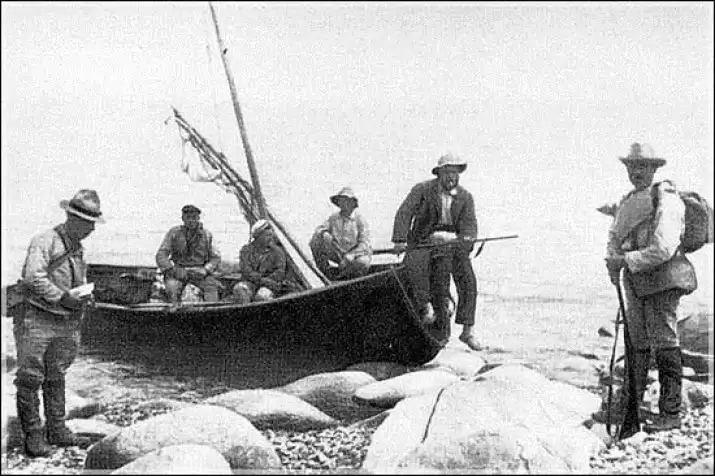
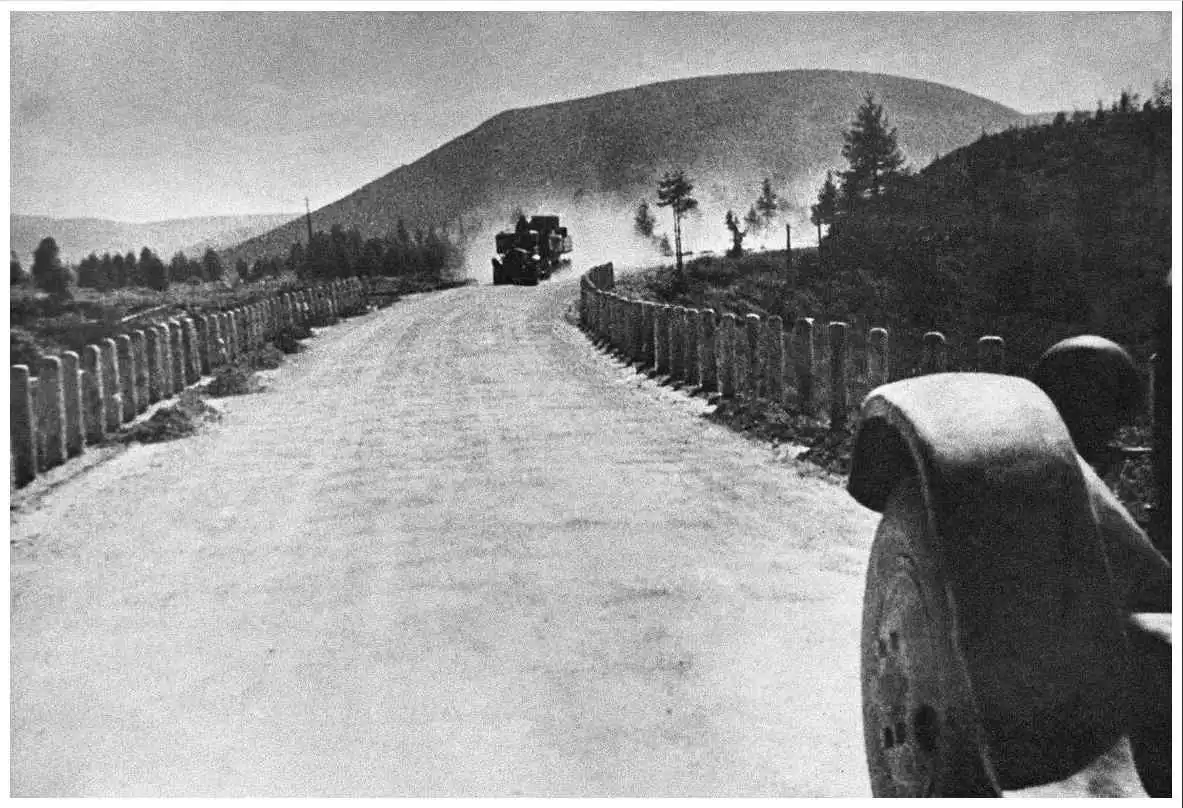
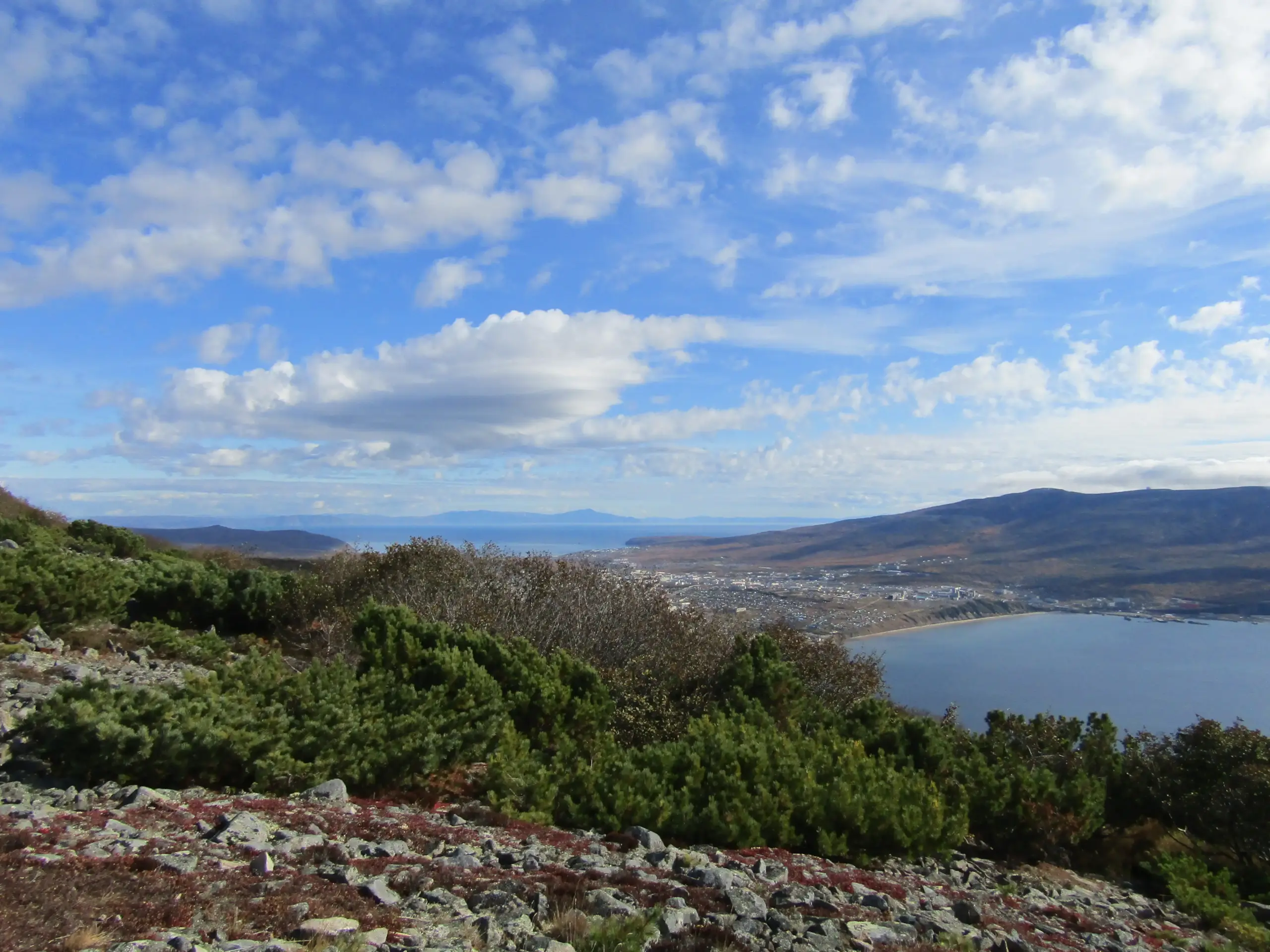
After this data, the choice became obvious. It was Kolyma that gave a chance to quickly increase production: gold was in placers, not in the depths, it could be mined manually and sent to the state at once. It was decided to locate the administrative center in Nagaeva Bay – the future Magadan: people and equipment could be brought there by sea, and highways could be built from the city to the gold districts.
Thus, Kolyma became the main point of a new breakthrough for gold mining – a region where the state sent engineers, machinery, prospectors and, later, prison labor. It was on this northeastern frontier that the task of industrialization was to be solved.
The revival of prospecting
The state relied on what had worked in imperial times – prospecting. In order for people to voluntarily go to the new gold districts, they created conditions that were almost impossible in the rest of the country in the 1920s and 1930s.
The main instrument was coupons, a domestic currency that could be used to buy goods unavailable to most citizens. “I found such stores,” Tarakanovsky recalls. – In 1947, a loaf of bread at the regular price cost 300 rubles, and 30 kopecks for coupons.
Added to the incentives were the benefits:
- exemption from all taxes, including agricultural taxes;
- the right to keep cattle and not to surrender milk or hides to the state;
- the opportunity to run a small farm at the mine.
The task was simple and pragmatic: to return at least to the pre-war figures of the Russian Empire – about 74 tons of gold per year. For a broken country, this was the only quick way to get foreign currency.

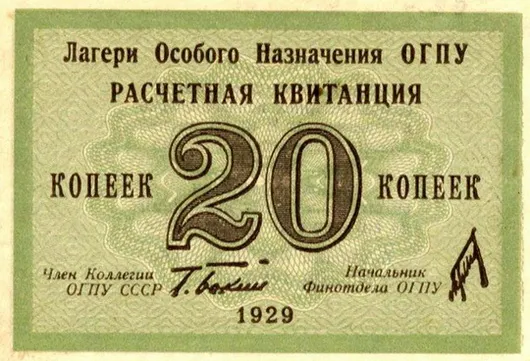

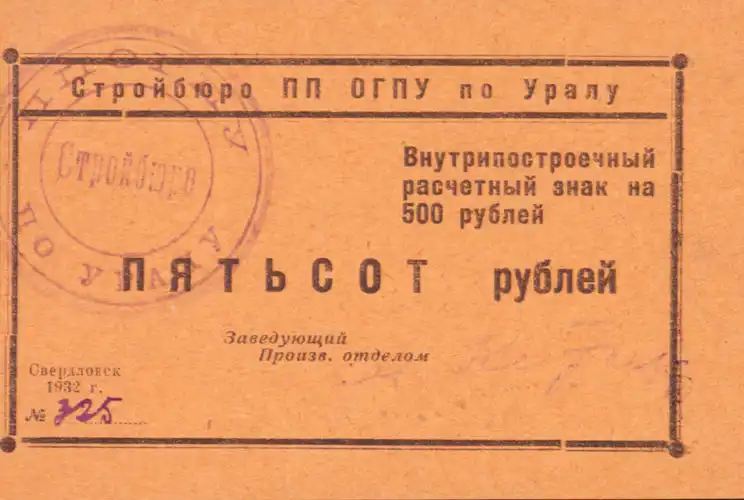
And the result came quickly: by 1937, production had grown to 147 tons, and the USSR came in second place in the world after South Africa. Gold was used to build the things that defined industrialization: they bought equipment for factories, built dams, power plants and large infrastructure facilities – for example, the Dnieper Hydroelectric Power Plant and the Gorky Hydroelectric Power Plant, which were partially assembled on American and German machine tools paid for with Soviet gold.
But the industry did not escape the fate of its time. In 1937, Serebrovsky, the engineer who initiated the gold mining reform, was arrested and shot. Along with him, almost the entire engineering elite that had created this system disappeared.
1930s-1940s: repression, camps and labor at any price
The Kolyma development in the 1930s turned into a rigid system based on forced labor of prisoners. This was not a peculiarity of the region – this was the way the whole country worked, where the repressive apparatus was growing rapidly, the number of those convicted under political and “economic” articles was increasing, and the state was looking for a way to channel this human resource. Dalstroy, which was tasked to build roads, ports and start industrial gold mining in the shortest possible time, became one of the largest consumers of Gulag labor.
The growth rate of the camp contingent was colossal: if in 1932 there were about 10 thousand prisoners in the Dalstroy system, then by 1937 – more than 80 thousand, and by the beginning of the war – more than 148 thousand people. In the first years, most of the efforts were spent on the construction of the highway to the mines, but from the mid-1930s the bulk of prisoners began to work directly on gold mining, transforming Dalstroy from a construction trust into an industrial-camp combine.
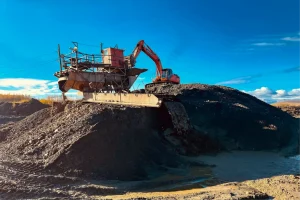
The prisoners’ labor was almost entirely manual. They used pickaxes to cut through the permafrost, dug pits, removed meter-long layers of peat, and moved the rock with wheelbarrows. In the mid-1930s, excavators were used for only 6-10% of heavy work, so more than 90% of the work had to be done manually. Output standards were designed for the maximum physical load: in a 10-hour working day, a prisoner had to manually excavate 6-7 m³ of frozen ground or move up to 10 m³ of rock. Both food and the possibility of survival depended on the fulfillment of these norms.
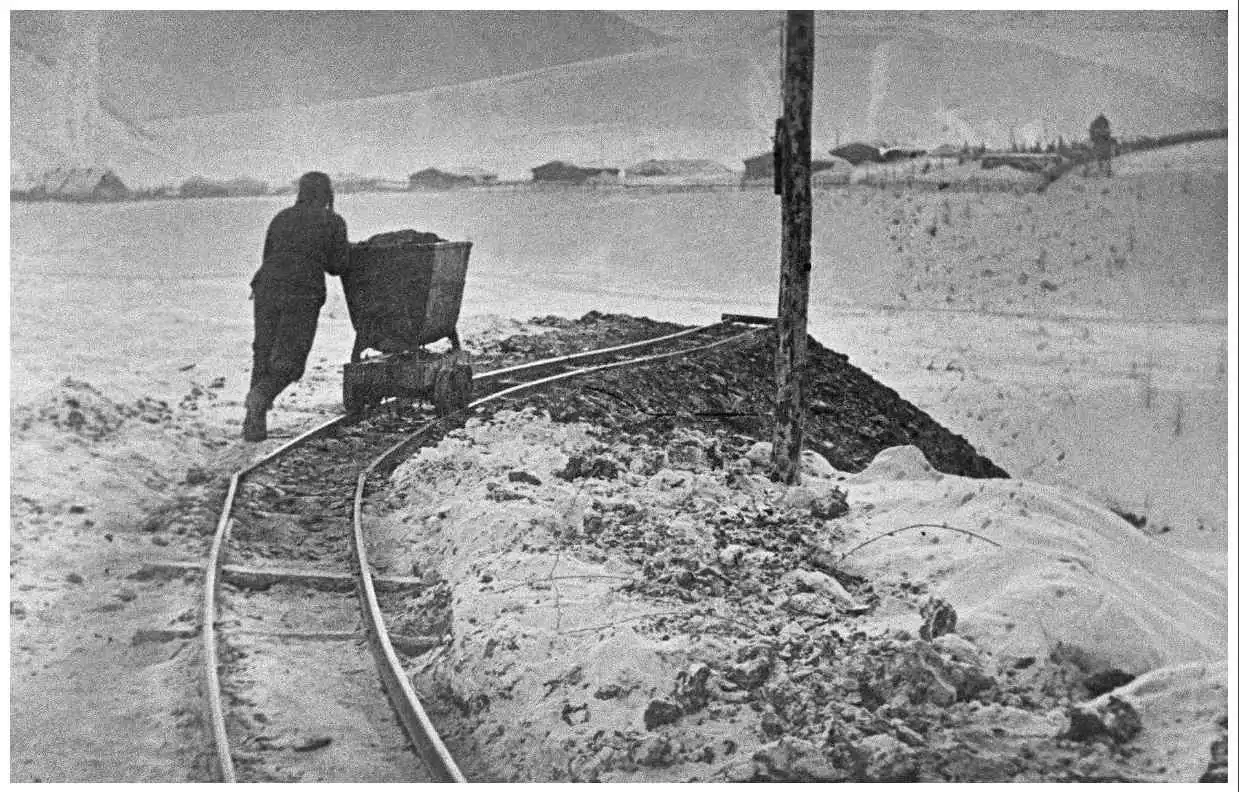
Material support completely changed the wages. Rations – bread, cereals, fish, some meat, sugar – were distributed in six categories, from the “special pot” to the penalty pot. Over-fulfillment of norms gave improved food and credits that shortened the sentence; under-fulfillment reduced rations and worsened conditions. Inspections regularly recorded that actual rations did not meet the norms: malnutrition, scurvy and exhaustion were widespread.
The prisoners’ life was just as hard. Barracks were built hastily: without glass, without heating, with earthen or bare wooden bunks. The camps lacked baths, clothes had nowhere to dry, and lice and skin infections spread. Medical care was practically non-existent: in a number of camp sites the sick were kept in common barracks, there were no hospitals, wounds were treated with kerosene or gasoline because of the shortage of medicines.
The harsh climate increased mortality: frosts as low as -50°C, overcrowding, dampness and physical exhaustion led to outbreaks of diseases ranging from dysentery and tuberculosis to typhus. In one of the camps, according to documents, after a typhus epidemic, only nineteen people survived for a month and a half.
Even death did not mean relief. The permafrost made burial almost impossible: graves were drilled by hand or with explosives, bodies were piled in pits, buried in fraternal pits. It was not until 1946 that an order was issued requiring that prisoners be buried individually and with the minimum required accessories.
By the end of the 1930s, the situation had become even worse: the camps received masses of people convicted on “counterrevolutionary” articles, punishments were intensified, punishment cells appeared, and the range of repressive measures expanded. The system became more and more rigid, and people were treated more and more utilitarian – as expendable.
It all seems like a distant statistic. But behind every number is someone’s family and someone’s fate. For many residents of Kolyma and other northern regions, it was not the country’s past, but the past of their own ancestors.
“My great-great-grandfather Ishak, a merchant from Tomsk, discovered a copper deposit in the Ottoman Empire before the revolution. He was an enterprising man, he wanted to develop mining, but after 1917 private business was impossible. His son, my great-grandfather Abdul Haq, became a mining engineer during the Soviet era. He was noticed and invited to work with Serebrovsky, then head of Soyuzgold. Abdul Haq traveled around the country, helped to deploy gold mining, got an apartment in Moscow and a summer house. Everything was going well until 1937.
Iskhak Farhutdinov
When Serebrovsky was arrested, repressions fell on his team as well. My great-grandfather was also shot – as an “accomplice”. The family didn’t know what happened to him for a long time: only in 1956 they received a certificate saying that he died of “kidney failure”. And in the late 1980s, after a request to the archives, it turned out that he was shot on December 31, 1937.
His wife and two children were hiding in Kazan, employed at a vegetable store without documents. For a whole year, she traveled to Lubyanka, handing over packages, not knowing that her husband was no longer alive. This is how the family survived the repressions.
War and Gold: Kolyma as a Resource for Victory
By the beginning of the Great Patriotic War, Kolyma had already become a key element of the Soviet economy: gold ensured the purchase of equipment, devices and materials needed for the front. Lend-lease was not free – some supplies were indeed paid for with gold, so the stable operation of Dalstroy remained a state-level task.
The war made the system established in the late 1930s even more rigid.Alluvial mining with a seasonal cycle remained the basis of the whole system, and even in winter the mines prepared the sands in order to give the plan in full in summer. Shortages of men, equipment and food were combined with increasing demands. The archives record an increase in mortality: the burden on prisoners and freemen was growing, the wear and tear on the system was accumulating, and there was no way to slow down the pace.
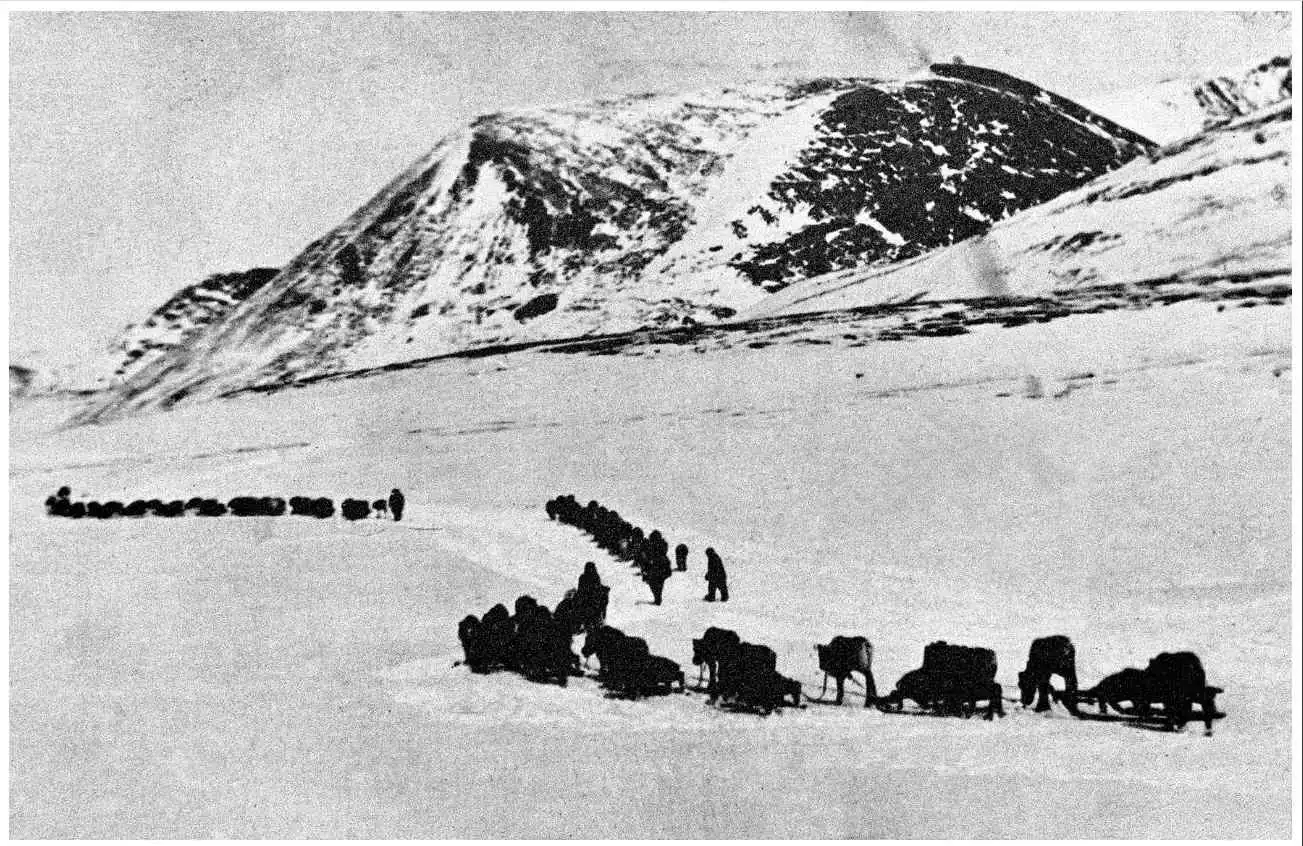
Against this background, the visit of U.S. Vice President Henry Wallace on May 23, 1944, stands out. His arrival at the edge of the country looked like a diplomatic courtesy, but in fact it was a demonstration: the USSR was showing its coalition partners that it had stable resources and was able to pay for supplies.
We prepared for the visit in advance. The grounds were cleaned up. Prisoners were removed from the routes. Some of the workers were changed, some of the facilities were repaired. The Americans were shown only what could be shown: the port, the car repair plant, the school, the greenhouse, the settlements of the Southern and Western Mining Directorate, and the Komsomolets mine.

Wallace was impressed – this is reflected both in his notes and in the report of Dalstroy chief Ivan Nikishov to Beria. He saw greenhouses with tomatoes “pollinated by imported bees”, an assembly and repair plant, which he compared to Detroit, well-maintained settlements, a cultural center, children’s institutions. Everything was done in such a way as to demonstrate the efficiency of the huge economic mechanism.
But behind this showcase, the main thing was not visible – the price that ensured the stability of Kolyma. What was grown in the greenhouses was intended not for the workers, but for the NKVD bosses. The factory was built and maintained by prisoners. The mines, where it was possible to work only by hand, were thoroughly cleaned before a visit.
Everything looked as if Dalstroy was a manufacturing giant that had created a “miracle among the permafrost”. And beyond the route, the usual reality continued: barracks, frost, manual labor, and norms that had to be met at any cost.
The new life of Kolyma
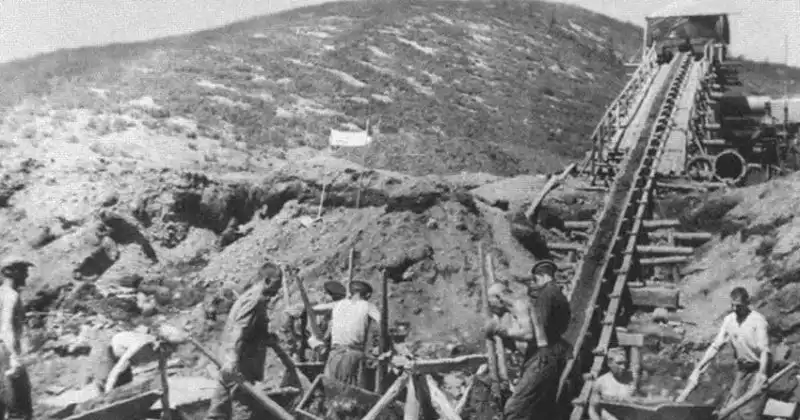
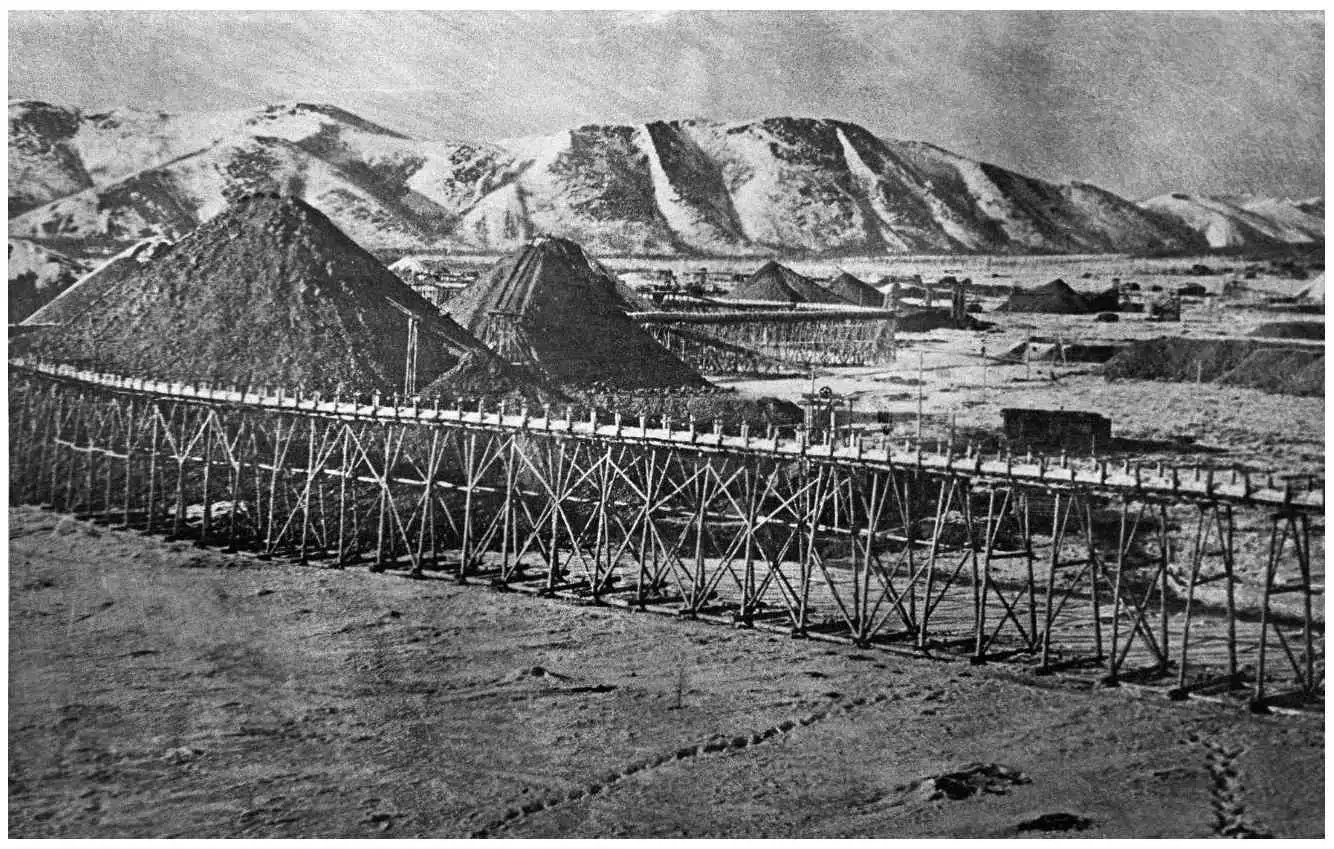
After Stalin’s death, the system began to change rapidly. The mass amnesty of 1953, the winding down of the camps and the gradual liquidation of Dalstroy led to the fact that Kolyma began to transform from a territory of forced labor into a region where gold mining was already based on freelancers. The state was abandoning the camp economy, and the deposits had to switch to regular labor – with salaries, coefficients and staff recruitment. It was during this period, in the late 1950s, that Viktor Tarakanovsky came to Kolyma. He witnessed a moment when the old camp era had not yet completely disappeared, but a new one was already beginning to take shape.
“I caught on a little bit – when I started working on the Indigirka in ’59, when Dalstroi had already been liquidated… but there were still camps.”
According to him, during that period both new specialists and people who were released but could not leave worked in Kolyma:
“There were a lot of freelancers – 30-40%. Many who were released stayed: it was difficult to find a job on the mainland with a labor card and a release certificate. But here there were six-month courses for mining masters – there were former prisoners up to the directors of the mines.
So Kolyma was entering a new era: a place where former prisoners and new workers lived and worked side by side, gradually forming a different way of life.

Why they went to Kolyma
Kolyma attracted first of all with its earnings – and the difference was so striking that the word “long ruble” needed no explanation. Tarakanovsky recalls:
“Back then there were no exchanges or cryptocurrency – the only thing left to do was to work. A driller received about 1,100 rubles, the same amount as a mine director. Prospectors earned 30 rubles a day, about 900 a month.”
For comparison:
- a minister in Moscow received about 500 rubles,
- secretary of the regional committee – 450-500,
- a rank-and-file engineer, 100 to 120.
The high salaries were supplemented by northern coefficients: in Magadan – 1.7; in Kular and diamond mines – 2. Every six months the salary was increased by another 10%. The longer one worked, the higher the salary became – and after a year and a half it could really be twice as much as on the mainland.
Housing also became an incentive: “A corporate two-room apartment cost 4,000-4,500 – about four months of a prospector’s earnings,” Tarakanovsky says.
How they worked – and who stayed for the long haul
The work was hard, especially in the underground mines. According to Tarakanovsky, “to get a thousand rubles a month, you had to really work. He recalls that at Kular, teams of tunnelers annually produced about 70 kilometers of underground workings – a volume comparable to the total length of Moscow subway lines of those years. The standards were high and were measured not in “abstract cubes” but in real load: each shift required 20 cubic meters of rock per person.
Tarakanowski himself explains the scale:
“If you dig a hole a meter by a meter and a meter deep at your dacha, that’s only one cubic meter. Now imagine ten such holes in the permafrost in a day. We gave 20 cubic meters each – otherwise we could not work.
The rock had to be swept literally with brooms to collect the gold spilling into the cracks of the rock. Scraper buckets and scraper winches lifted the bulk of the rock, but every meter was manually reworked – “otherwise the gold would remain in the cracks of the raft.
The region held on to those who survived the first six months. According to Tarakanovsky’s memoirs:
“Who goes there? – First, let’s make an estimate: maybe there would be two percent who would agree to fly there to work. Those who went, half of them came back immediately: it wasn’t the same. Then, when a contract was signed, after six months of work, half of them left, having broken the contract, they returned the money. Some of them, after two and a half years, never returned. It turned out that out of the original two percent, maybe one tenth went back and worked there for years. Then they’d call up families – and that’s the way they lived, working all the time.”
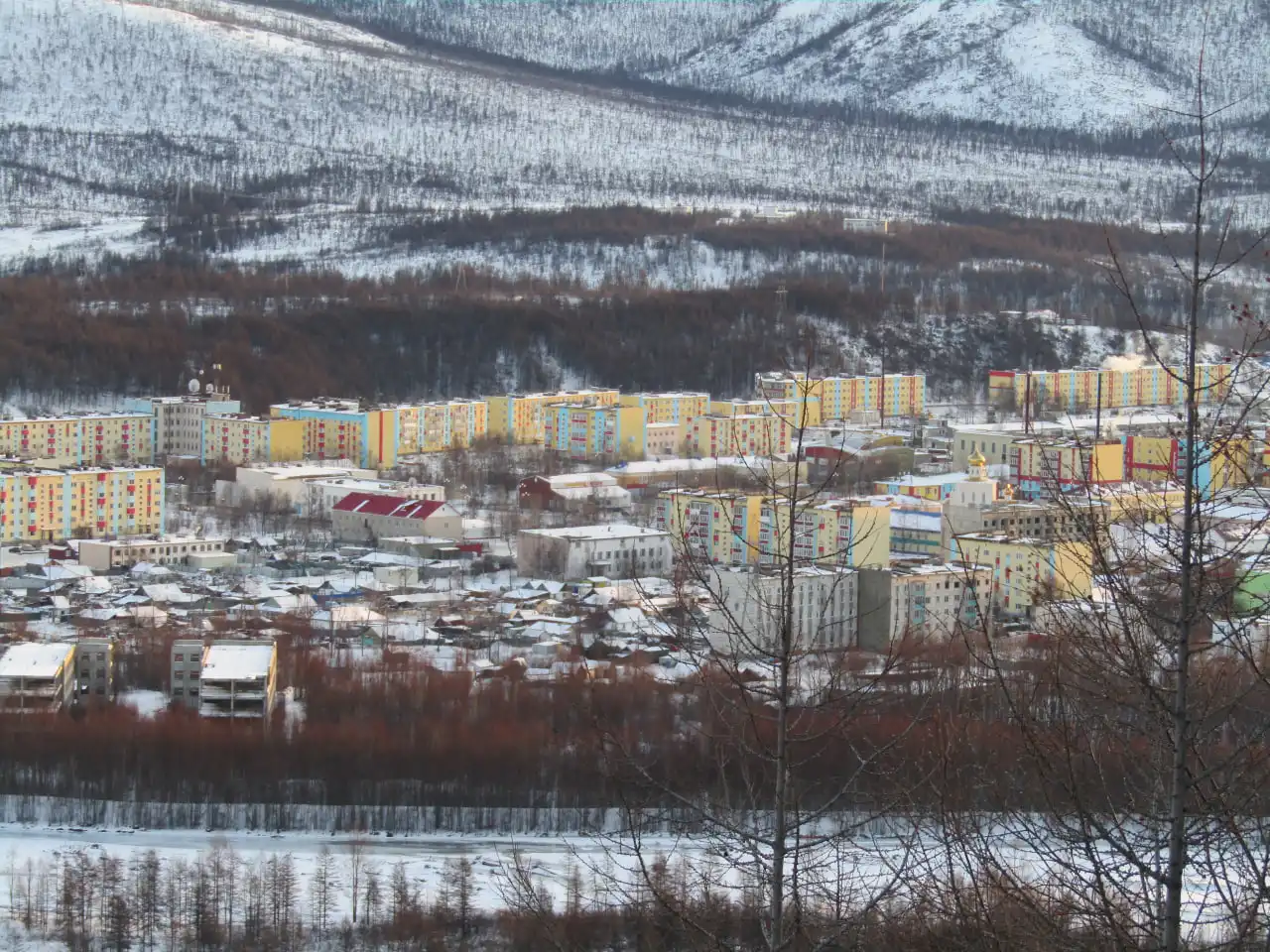
Released prisoners also remained among the working staff. Tarakanovsky emphasizes that they occupied the usual positions:
“We worked as foremen, drillers, scrapers. We received wages and allowances like everyone else. Half of the office was made up of former prisoners.
By the end of the 1950s, according to Tarakanovsky, both new specialists and those who had been released were working side by side at the mines. Salaries, allowances and duties were the same – it was not a person’s background that determined whether he or she met the standards and could work.
Life: settlements, canteens, farms
According to Tarakanovsky, life at the mines in the 1960s was much better organized than in the post-war years. He recalls his journey along the Kolyma highway in 1964: “Every 50 kilometers there was a settlement and a canteen. You could come in the cold, eat, drink tea. We were not offended with food.
They produced a lot of things themselves: vegetables, meat, dairy products. “The subsidiary farms were large. In the state farm “Druzhba” near Ust-Oma we grew cabbage – huge cabbages, even though the frosts reached minus 52″.
Delivery of equipment and machinery was provided by sea vessels and winter shipments. Magadan plants produced diesels, parts for bulldozers, washing equipment. “Magadan produced fuel pumps, atomizers, even small ships. The plants worked for the region,” says Tarakanovsky.
By the mid-1960s, Kolyma was a network of worker settlements and mines, built by freelancers.
We built houses, schools, hospitals,” Tarakanovsky recalls. – It was difficult: there was little money for capital construction, but people still came. Many people later recalled it as the best time of their lives.
It seems like it’s all in the past
If we take a look from the history of Kolyma to the current reality of northern projects, we can see that much of what was established here in the middle of the 20th century has not disappeared. Yes, the infrastructure has become modern, the equipment has become more powerful, and the conditions have become milder. But the principles themselves continue to work according to the same mold as in the times of Dalstroi. The logic remains the same, only the scenery has changed.
In the 1930s and after the war, all major development in Kolyma – roads, machinery, mines, settlements – was built exclusively by the state. There was no private capital, and any construction project was started only by the decision of the center. This logic has not disappeared, and today the structure of investments in the North is almost the same. The institution of private long money has never emerged in the country: geological exploration, infrastructure and large deposits are still launched only with the support of the state or state-owned companies.
The Soviet logic of “building for the task” was manifested not only in the mines, but also in the very way of life: the state built full-fledged settlements with kindergartens, schools, clubs, and hospitals, even where it was initially unprofitable. When the money and attention of the center went away, especially in the 1990s, this model fell apart: it became unprofitable for business to maintain infrastructure built not for payback, but for fulfillment of the plan.
This is how abandoned and semi-abandoned settlements appeared, from which people sometimes cannot even be removed. Today, this inertia remains: instead of rotational schemes or flexible life support models, they habitually try to “build a city” without asking whether it will be needed after the mine closes and whether there will be anyone to live there.


On the right: Verkhny At-Uryakh settlement, where in 1995 there were more than 1000 people. Source: LiveJournal, Between the Sea and the Taiga
The attitude towards human beings as a resource is one of the most persistent things that have hardly changed since the time of Dalstroi. Back then, people were held back by norms, regimes and output; later they were held back by money, coefficients and long shifts, but the logic remained the same: the main thing was to fulfill the task, not to ensure the quality of life.
And today in geology it is felt in the same way: living conditions are often minimal, and a person remains a functional unit that is evaluated by the amount of work performed.
And for something to really change, it is not new instructions or cosmetic measures that are needed, but a change in the logic itself – the way the industry looks at people, labor and development. This is where the next step begins: what can be done differently and what approach really works.
A future you can choose
Today Russia is again talking about the “revival of the North,” “new legends,” and “major construction projects. But if these megaprojects are again built according to the mobilization logic – without partnership, without entrepreneurial risk, relying only on the state – it will only lead to a repetition of the old model, where the system is more important than the individual.
Real development begins where priorities change. When the focus of northern programs is not on accountability and construction at any cost, but on the quality of life: housing, normal life, stable wages and infrastructure. When the state does not try to pull everything alone, but creates an environment in which private initiatives can work: : benefits, tax breaks, security, clear rules of the game.
There is no need to repeat Kolyma. We need to do what we failed to do then: to build a system where people work not out of fear and not because of coefficients, but because they see meaning, prospects and a decent life. Where they stay not because there is nowhere else to go, but because they feel good here.
The material was prepared with the support of the Russian Ministry of Education and Science within the framework of the Decade of Science and Technology.