
It all started innocently enough. I was preparing a piece on geologists’ salaries – I was looking at vacancies, collecting data. Suddenly, I saw an advertisement with these words: “Apply strictly to men”. At first I didn’t even catch that phrase. Well, the field, it happens. And then something clicked. I stopped, “Wait… is it even allowed to write like that?” Went to read the labor code, asked the GPT chat room. And this is what I found out:
- You can’t write like that – it’s a direct violation of the labor law of the Russian Federation.
- Article 3 of the Labor Code prohibits discrimination based on gender, age, nationality and other grounds.
- It is only permissible to specify “men only” if the job in question is officially listed as prohibited for women. And this restriction must be documented.
That is, such wording in job postings is a violation. And the employer risks getting:
- a complaint to the labor inspectorate,
- a check from the D.A.’s office,
- administrative fine (under Article 5.27 of the CAO),
- and, importantly, reputational losses within the industry.
I wrote a post about it – just to warn you: even if it’s “always been written that way,” it could end up in trouble. But then the unexpected happened. The post seemed to be neutral. It’s just a fact: you can’t write “men only” in a job posting. It’s a violation of the law. Everything is clear, everything is clear. But something strange started happening in the comments.

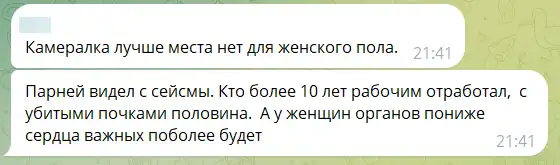
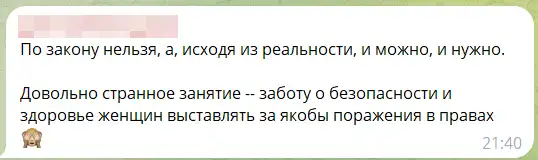
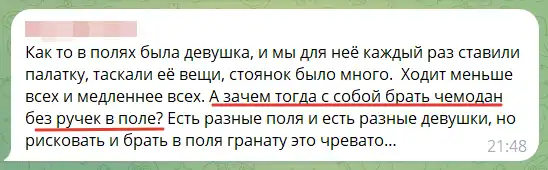
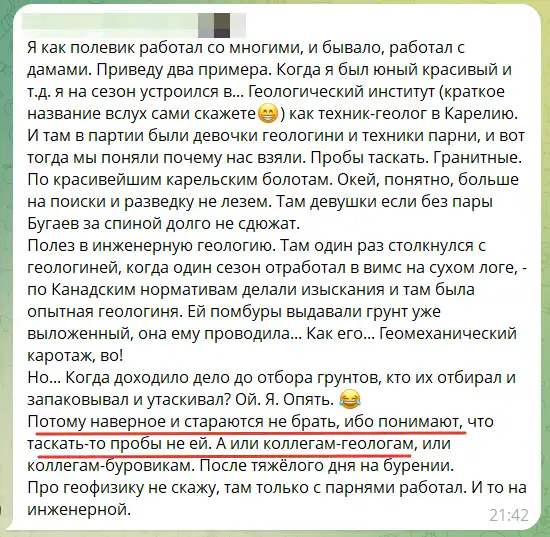
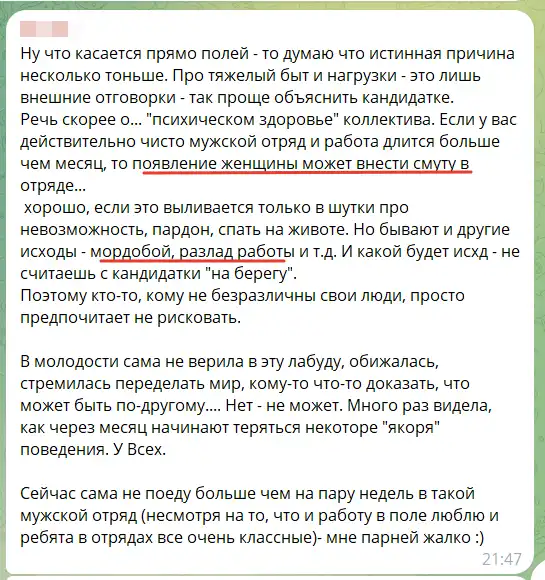
Some wrote: “Women have no place in the fields. Others defended the opposite point of view: arguing, giving examples, proving that women work and cope. I was surprised by this. What is there to discuss here? The law is there. Women do work in the fields – and not for the first year. What is the argument about?
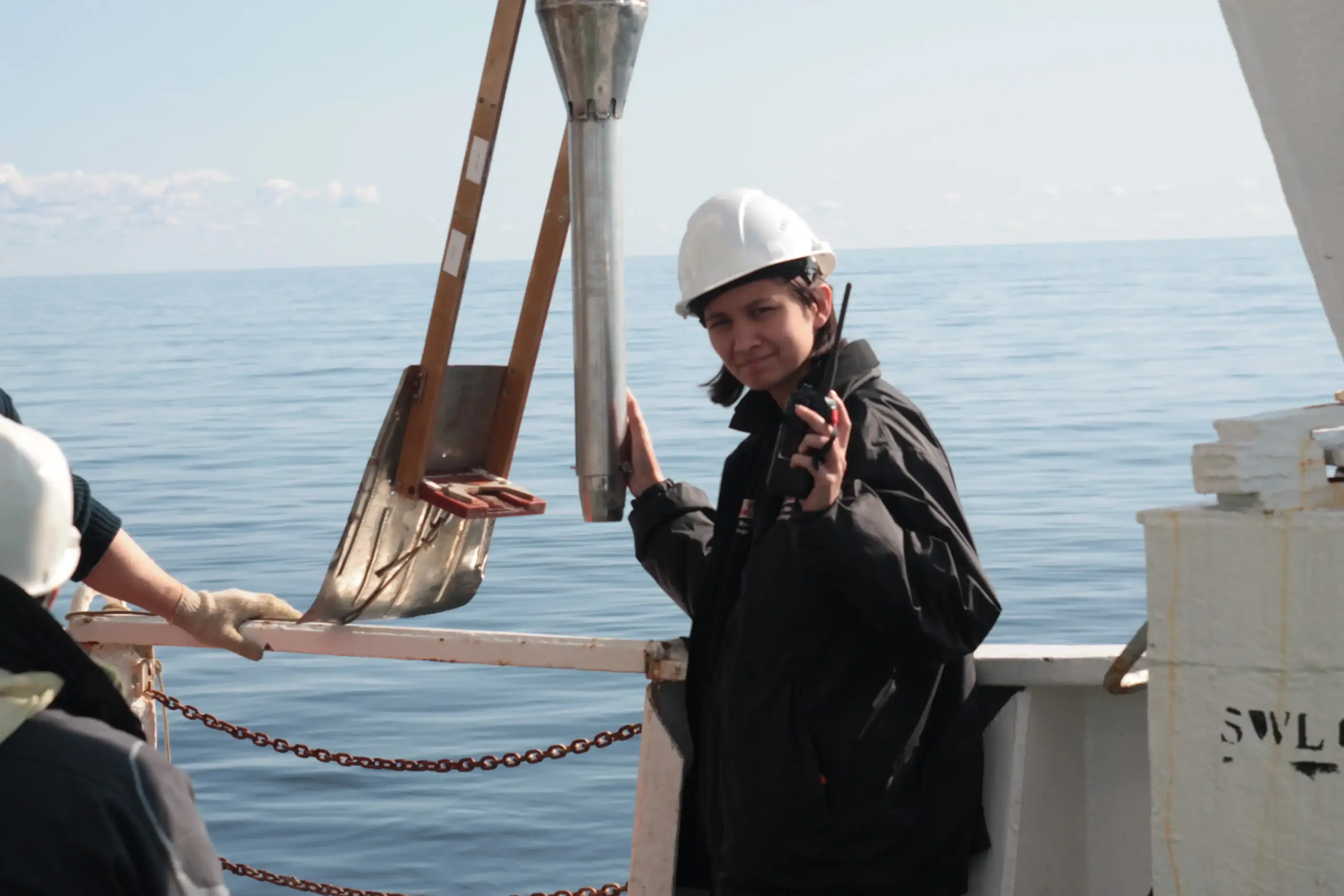
Later I realized that it wasn’t about women or fields at all. And it’s not about whether she can or can’t carry heavy loads. The problem is deeper than that – and it is simply pointless to argue on the level of “can/cannot”. But before we get to that – I want to tell my story. The story of how I, a woman who works in the fields myself, also discriminated against women.
How I didn’t hire women myself
It happened back in Russia, when I was assembling a team for field work in Yakutia. Everything was going according to plan, the trip was just around the corner, and suddenly one of the students dropped out of the team – for health reasons he couldn’t go. It was urgent to find a replacement. At that moment, a student wrote to me. A very motivated message: “I want to go to the fields, I’m ready to do whatever it takes, take me, please”. Her desire was felt even through the text. It would seem – take it and be happy. But the first reaction that popped into my head was quite different: “Shit, it’s a girl. And there are heavy weights to carry. It’s probably going to be hard.”
I didn’t even have time to think about it, it just came automatically. And then I caught myself: what the fuck? What hypocrisy? I’m blogging about how women can and should work equally in geology. I’m challenging the stereotype of the “weak field.” And here I am – in the first second – thinking, “Nah, nah, the girl probably can’t handle it.”
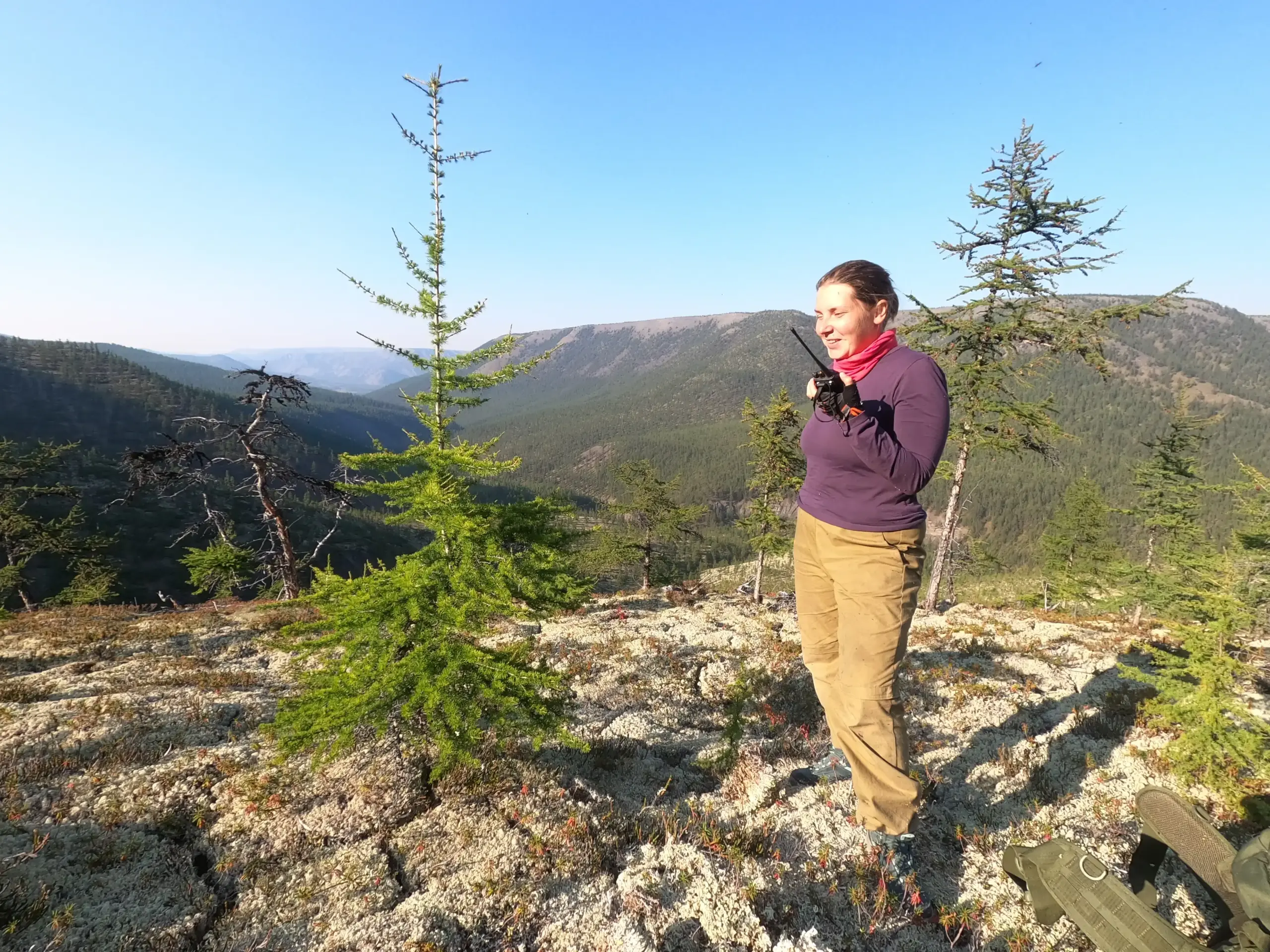
Realizing that this is a complete contradiction to what I myself declare, I gathered my thoughts and decided: no, we must do the right thing. The student wants it, her eyes are burning, and if I say that women should be given a chance, I have to give it to her. I went to the director of the company, Ivan, to agree on a replacement. And, while I was walking, my mind was already spinning options, how I will convince him: “He will say now – a girl, conditions, heavy …. I’ll have to argue, make arguments, defend”. I was preparing myself morally for the fight.
I come up, I say:
– So and so, there is a replacement. Student, very willing, ready to work.
And he:
– Oh, yeah, sure. No problem.
And that was it. I was left with a slight feeling of shame and surprise. Everything I had told myself – about difficulties, about resistance, about the need to persuade – was not necessary at all. My director didn’t care what gender the candidate was, as long as the person was willing and ready to work. And that’s when it really hit me.
Why did I – a woman, a person who works in the fields and publicly advocates for equality – have these thoughts at all? Why was I ready at the first second to reject a woman simply because she was a woman?
Probably because I grew up inside that paradigm. Because I’ve heard and absorbed dozens of times how
Somewhere at university someone said,
in work chats discussed,
in companies whispered:
“well I see… a girl in a field…”
And these phrases settle in your head year after year. They become the cement on which your reactions, your choices, your judgments are held. Even if you already formally profess other values. But it’s time to end it. You can’t change the past. You can’t erase the infofield. But I know exactly what I can do: notice such thoughts in my head – and check them for reality.
For example:
“A woman can’t carry heavy loads” – really?
How about the fact that I myself recently packed and hauled a ton of weight all by myself?
“A woman in the fields can’t handle it, she’ll whine” – really?
What about the ten years of expeditions where I saw firsthand how women do just as well as, and sometimes better than, men?
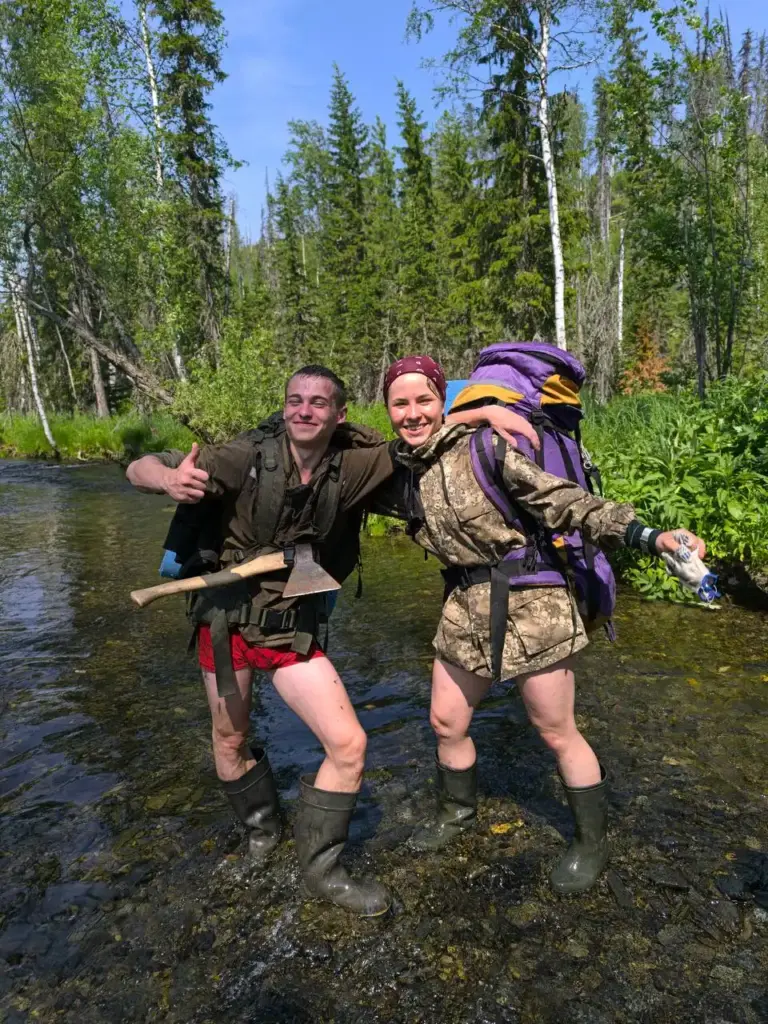
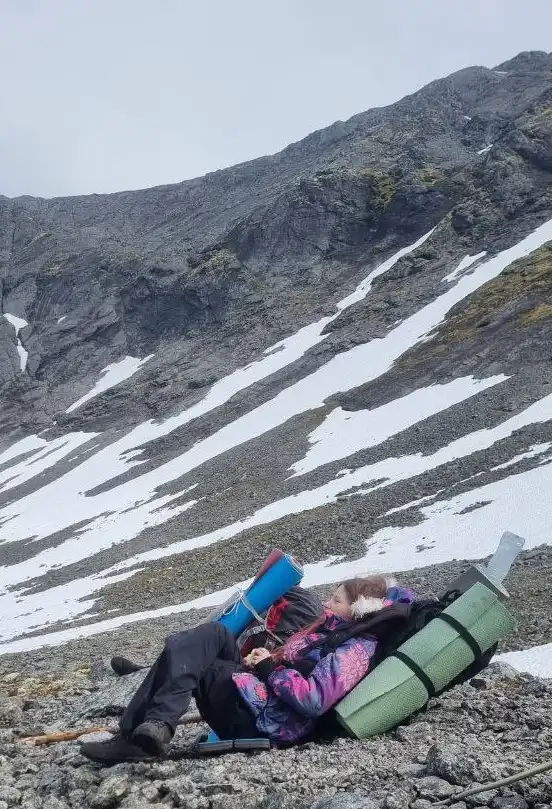
If a thought does not pass the reality check, it is a false belief. You need to notice it, recognize it, and not let it guide your decisions. Yes, these attitudes don’t disappear overnight. They can pop up again and again. They can influence elections. But that’s no excuse. It’s my responsibility to not let labels influence actions.
If I make a decision not based on a person’s experience, motivation, skills, but because they are male, female, Asian, Slavic – it’s not about reality. It’s about my distorted filters. Yes, there are cultural codes. Yes, groups can share patterns. But a person is not a sample. And no pattern gives us the right to judge a person without knowing their affairs. All we can do is look at deeds. Real actions. And learn not to let internal labels drive our decisions.
Let’s go back to the beginning
We started with the vacancy and the comments under the post. An argument broke out instantly: some argued that women could do it, others that they had no place in the fields. It would seem that the discussion was about physical strength, everyday life, and tents. And I too – on automatic – wanted to join in. I wanted to prove that women can do it. I wanted to lay out arguments, facts, examples, links to real cases. I know they exist. Women work in difficult conditions, they lead, not worse, and sometimes better than men. But in reality, this argument is like foam on the surface of the sea, and underneath it are many years of deep-seated attitudes.
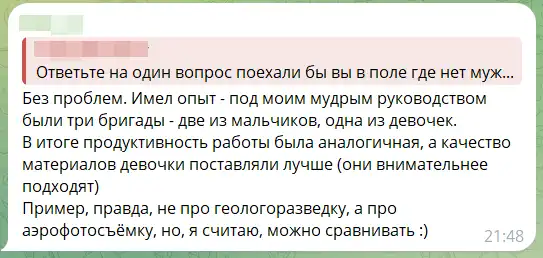
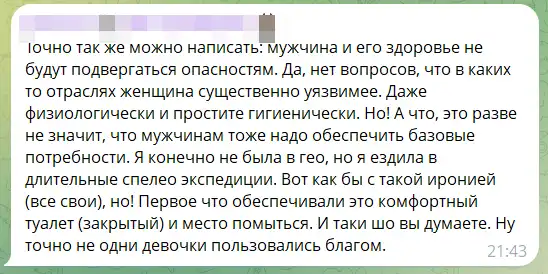
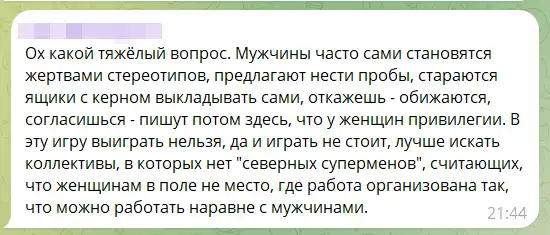
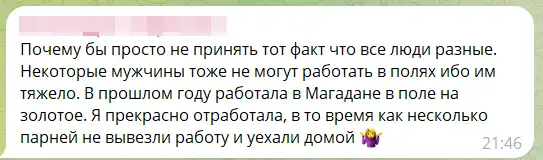
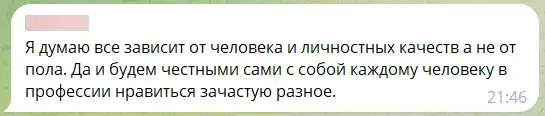
You can argue endlessly that a woman can do well in the field. They will say to you: “But it is not her job to lead. If you prove that she can also manage, they will say, “All right, but oil is definitely not a woman’s business”. Then there are “expeditions to the Arctic”, “long watch”, “male team”. You’re going to be bombarded with more and more charges. And you’ll always be insufficient. No matter how many times you’ve proven otherwise.
The problem is not whether a woman can work in the field. The problem is that someone thinks they have the right to decide where a woman can and cannot be. Not on the basis of her experience, skills or motivation – but simply because she is a woman.
It’s not about caring or rationality. It’s about a picture of the world in which a man, by right of his sex, considers it normal to tell others where they belong. And as long as that attitude is alive inside, no argument will work. Because the argument here is not about facts. It is at the level of the coordinate system, in which some people consider themselves entitled to define other people’s boundaries.
What to do about it? Personal
Yes, there are. There are men who think they have the right to decide where you should be. There are women who also live in this logic – and pass it on. There are collectives in which you have to “prove” that you are worthy by default. And sometimes it makes you feel down. Because it seems: how many times can you explain the obvious? How to change it?
Probably the most important thing is not to let it ingrained in you. Don’t limit yourself just because you are a woman. Don’t absorb these “you don’t belong”, “it’s not a woman’s thing”, “you’ll understand if you bear with it”. Don’t follow the beaten path if it’s not yours. It can be harder. It definitely takes effort. But this is your freedom – to refuse to live by someone else’s rules, which it is high time to rewrite.
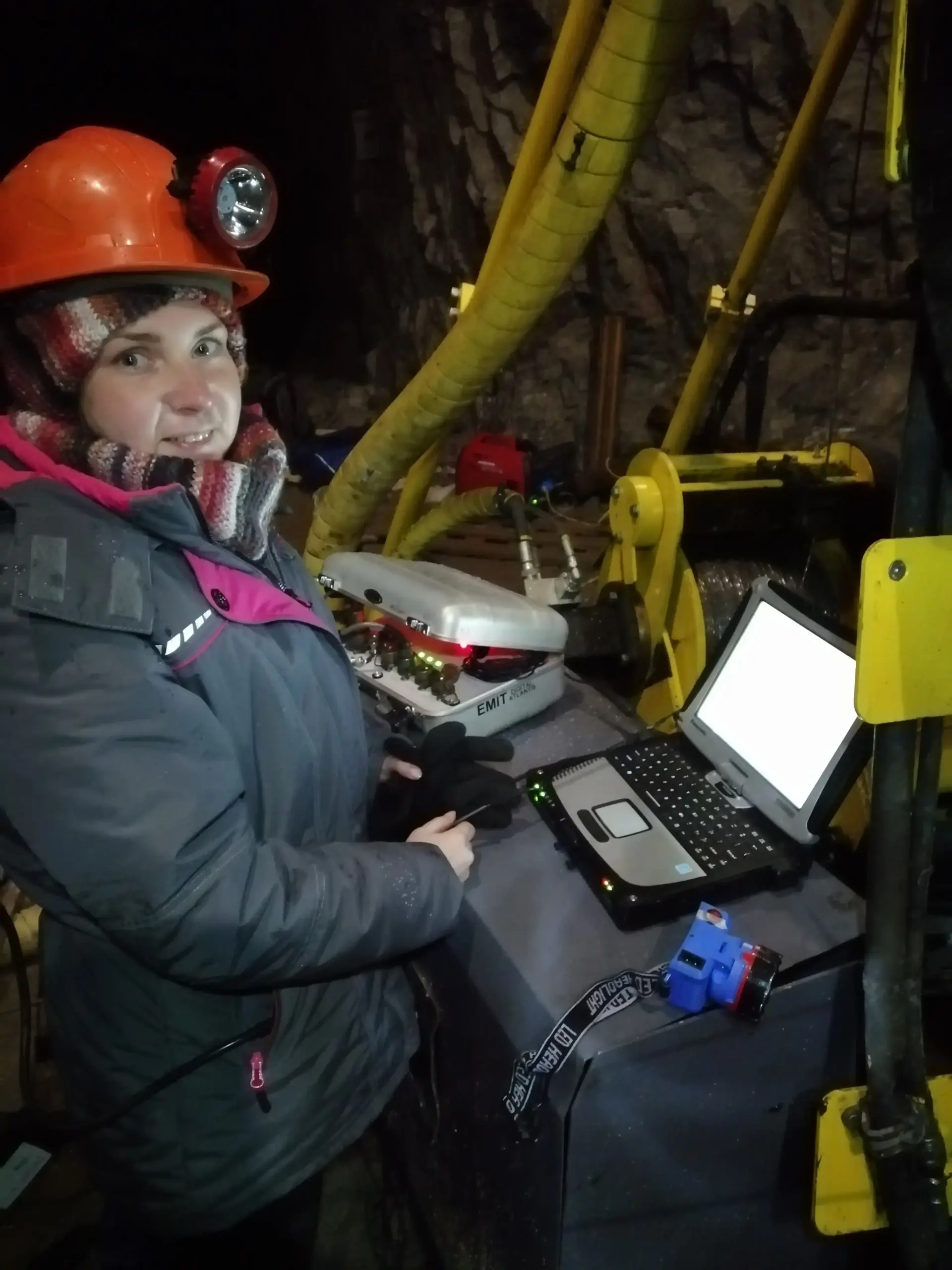
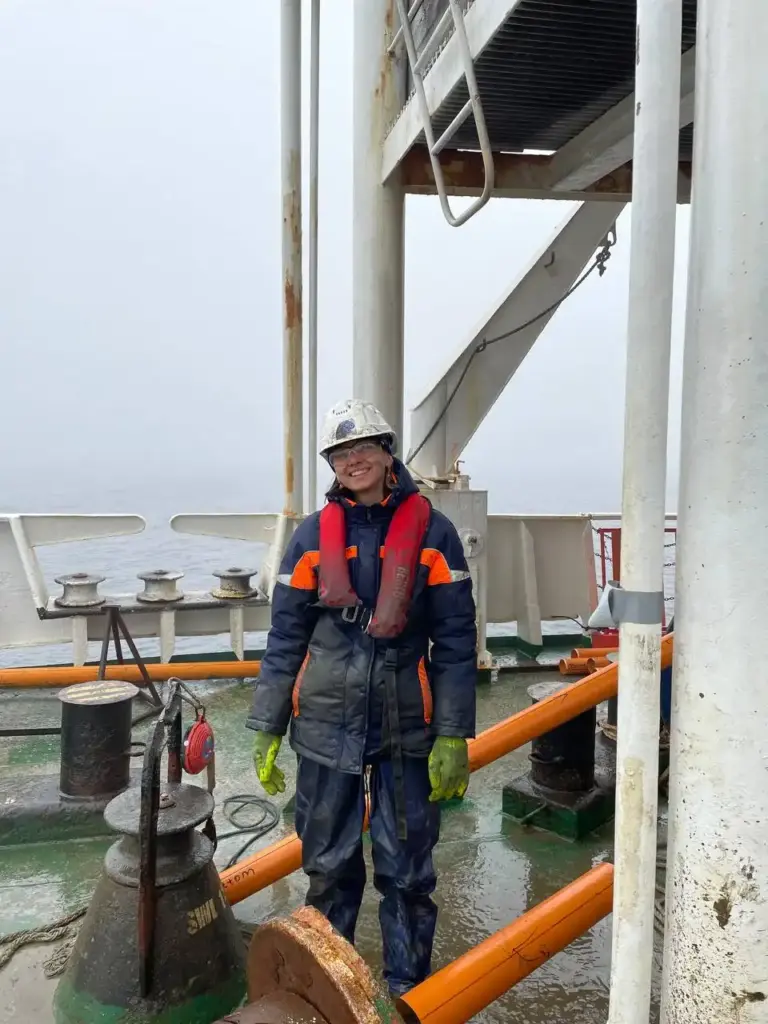
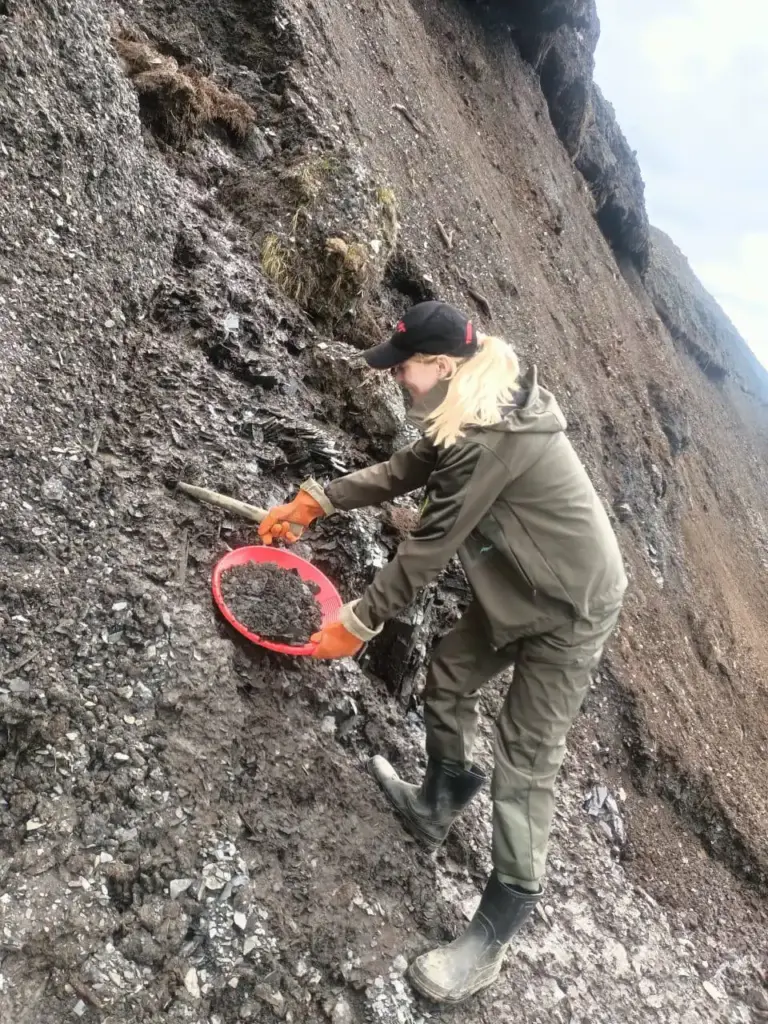
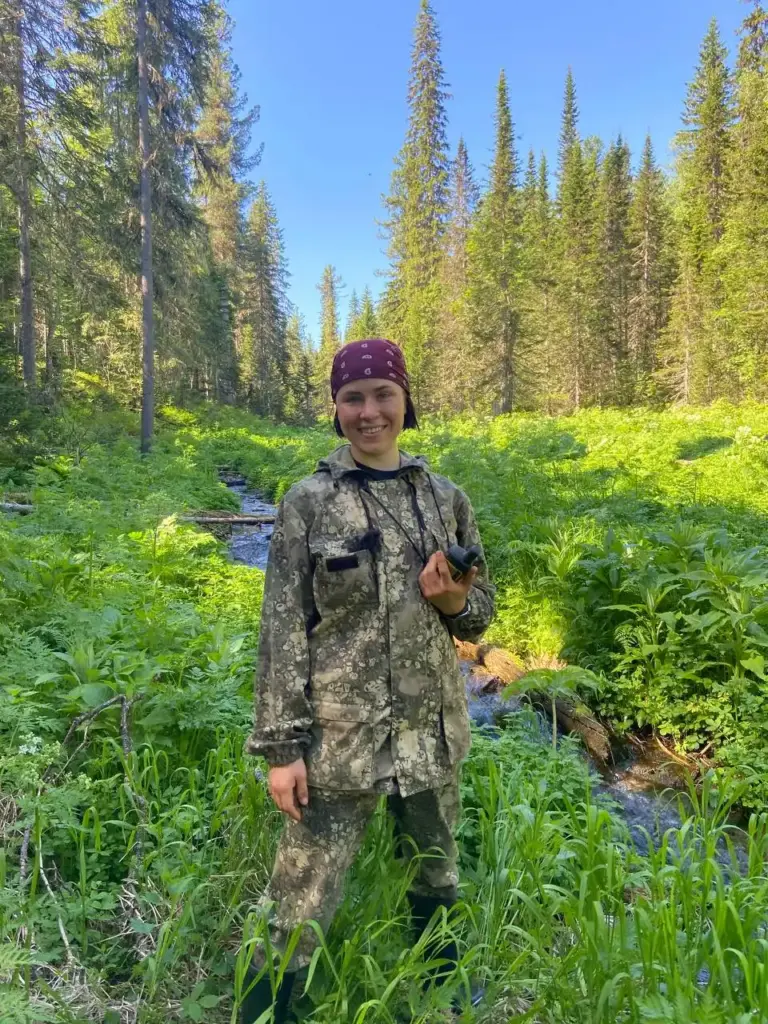
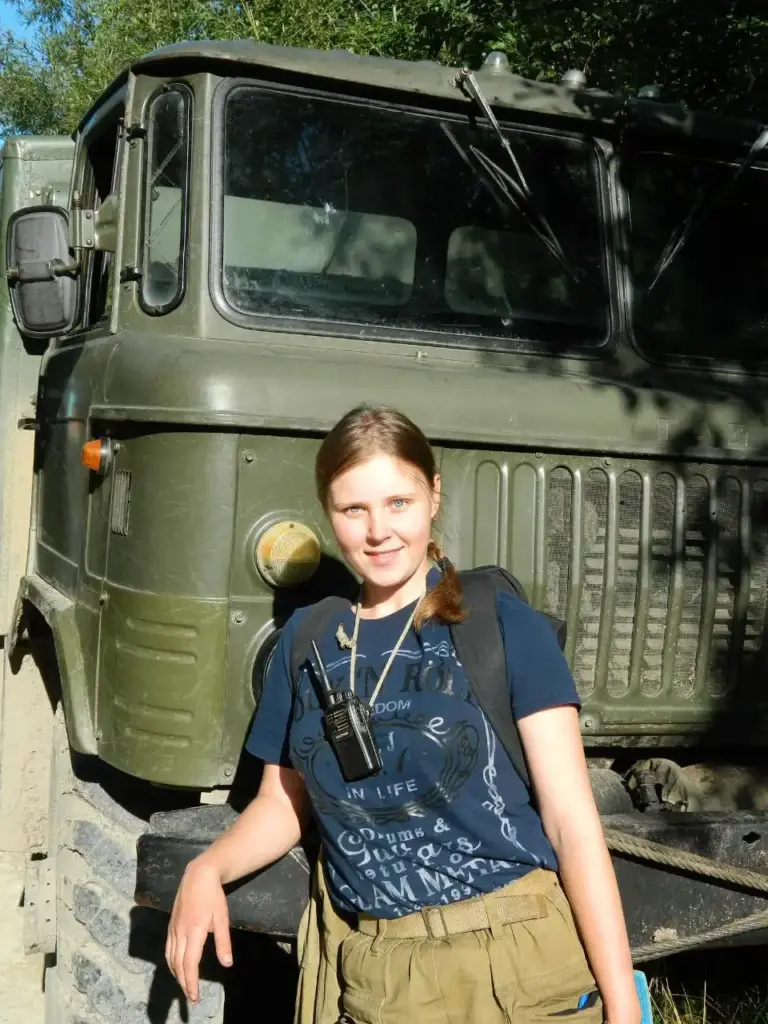
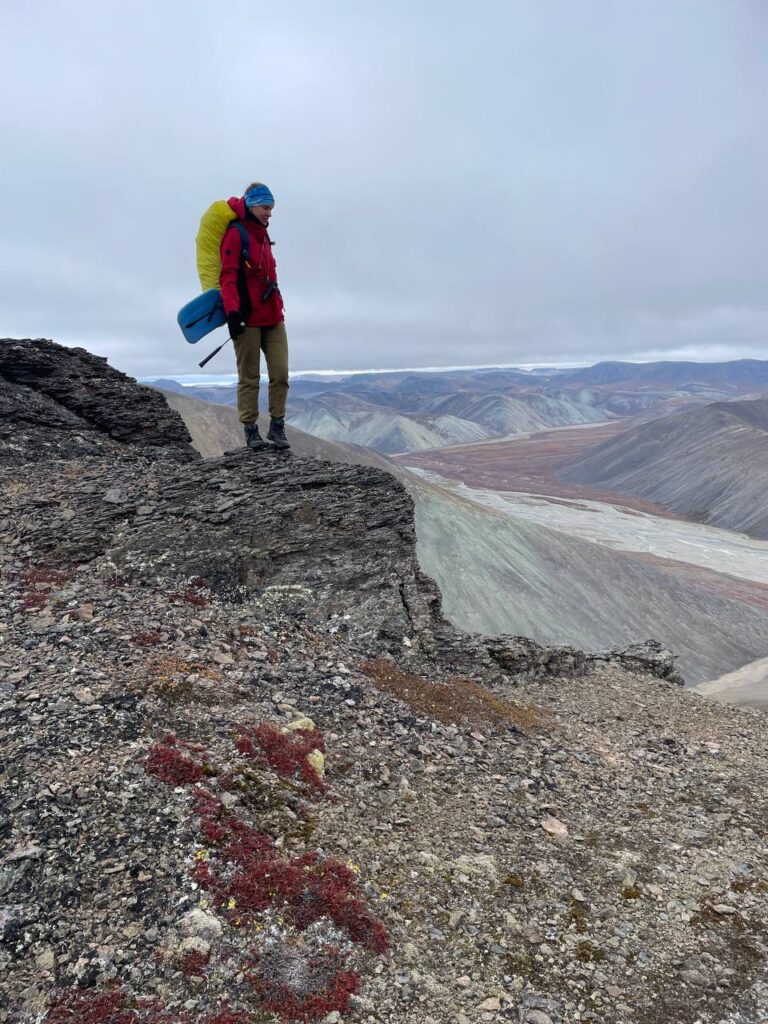
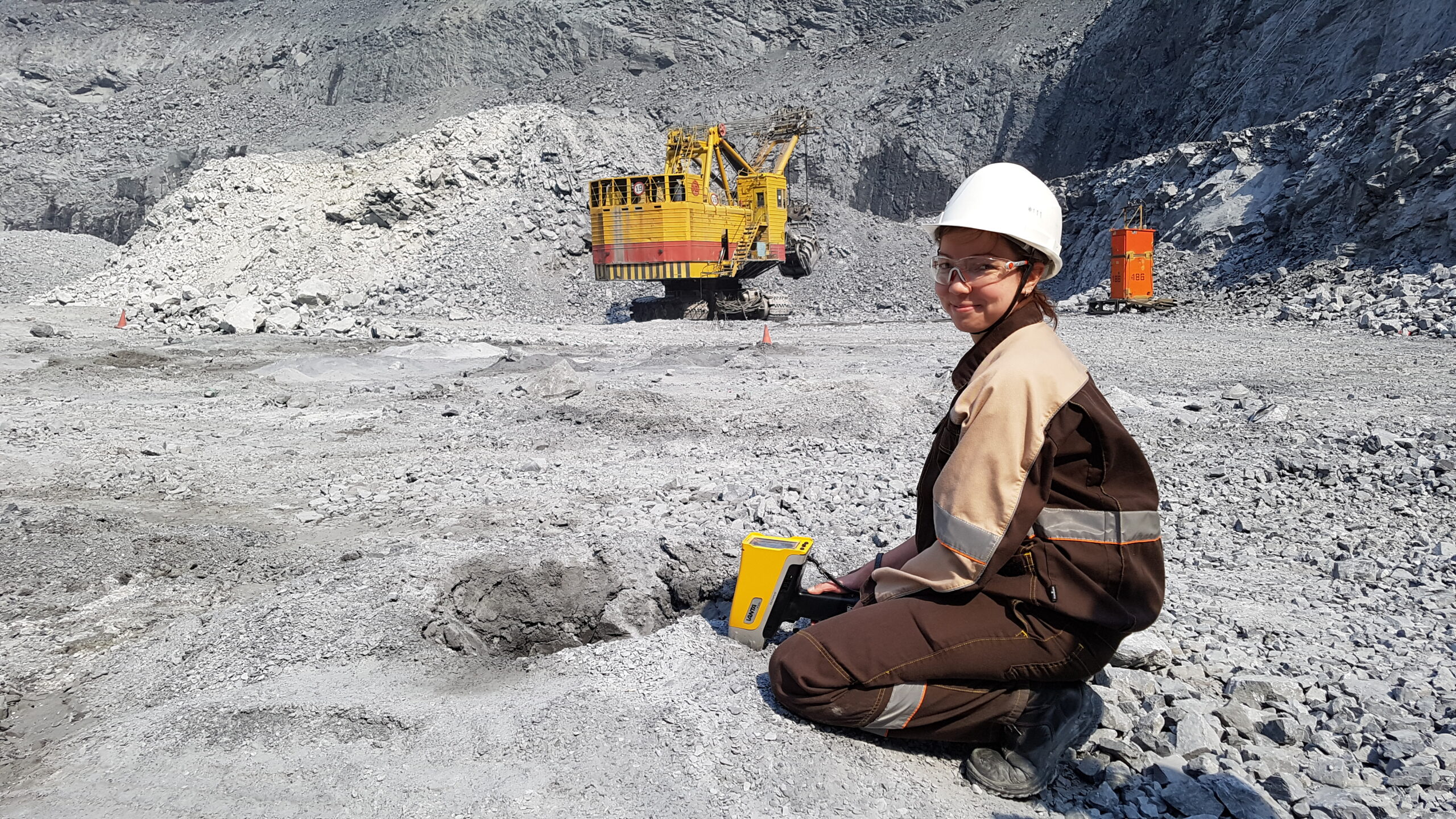
And also to unite with those who have already chosen a different path. Those who work as equals. Who are respected for what they do. Who are also tired of labels. In these fulcrums is real strength. And there is. And if you and I manage to find it at least a little, to hold it, to pass it on, it means that we are not talking about all this for nothing.
If you’ve read this far, thank you. If something has resonated, tell me. Here you can share your pain, your experience, your thoughts. Women – about where they were once told “you don’t belong”. Men – about how hard it was for them to live up to the expectations that were imposed on them. For all of us, about learning to be who we are, not who we should be.