Oil and gas fields in Yamal now have a digital monitoring system capable of inspecting infrastructure up to ten times faster than conventional field surveys. Gazprom Neft has introduced airborne laser scanning to detect changes in the position of structures before they develop into serious problems.
Permafrost is a challenging foundation. Any significant heat impact can trigger thawing, potentially causing pile settlement, pipeline deformation, and emergency shutdowns. To keep the frozen ground stable, structures at the company’s northern operations are installed on thermal stabilizers. Their structural condition, however, still requires continuous monitoring.
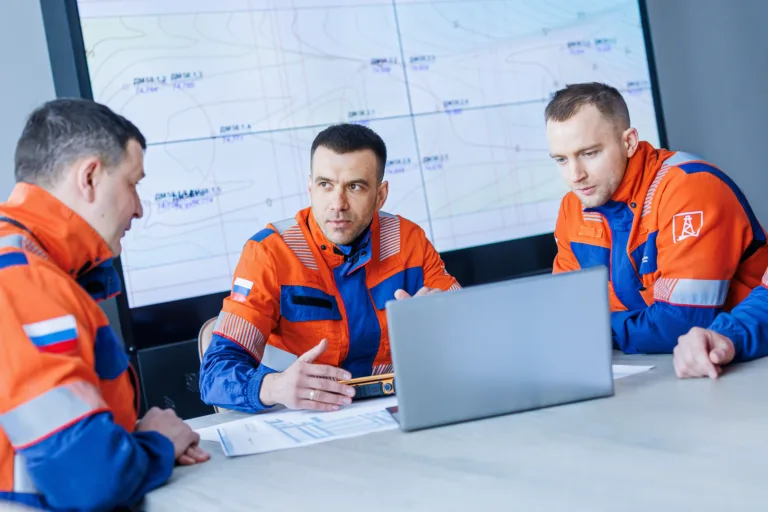
Previously, this work was performed by surveyors who traveled to individual sites, carried out measurements manually, and then processed the data. Now a laser scanner flies over the facilities and captures the geometry of buildings and structures with high precision. Software algorithms immediately compare the resulting data with a digital reference model. The analysis takes into account not only coordinates, but also terrain, ground temperatures, and accumulated geotechnical data.
When the system detects even a slight displacement, the relevant maintenance and engineering teams receive an immediate alert. This gives them more time to respond and helps overcome one of the main limitations of Arctic fieldwork: the very short summer season available for on-site inspections.
According to Andrey Petrukhin, who oversees Gazprom Neft’s sustainable development programs, the technology has been integrated into a unified monitoring system for the permafrost zone. The system covers the entire lifecycle of an asset—from design and construction to ongoing operation—allowing engineers to select technical solutions based on the specific ground conditions at each site.
Traditional inspections using survey staffs and total stations are gradually becoming a thing of the past. Arctic infrastructure can now be monitored through a combination of laser scanning, digital models, and automated analytics that operate continuously and detect changes beyond what the human eye can reliably identify.
Source: Gazprom Neft
Image: Gazprom Neft