Iraq has launched oil flows through the Kirkuk–Ceyhan pipeline, which has not been used since 2014. The initial volume is 120,000 barrels per day, and in the longer term Iraq expects to reach 500,000. The route gives Baghdad an alternative to the southern ports and reduces dependence on the Strait of Hormuz.
Iraqi Oil Minister Basim Mohammed Khudair called the resumption of flows a strategic step toward expanding export capabilities and diversifying routes. According to him, the northern route makes it possible to sell oil without the discounts that have to be given on shipments through southern terminals.
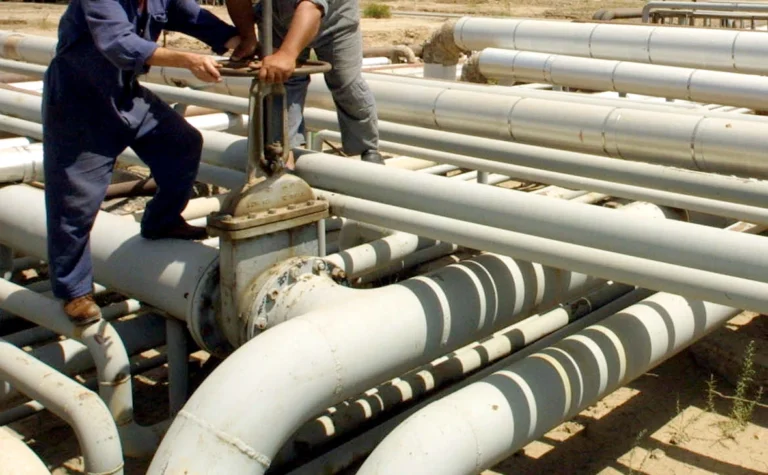
The pipeline, about 960 kilometers long, links fields in northern Iraq with the Turkish port of Ceyhan on the Mediterranean. It was knocked out of service in 2014 after attacks by ISIS militants. In August, Baghdad and Ankara signed a one-year agreement allowing flows of up to 750,000 barrels per day while the parties work on a long-term arrangement.
There are nuances on this route, however. According to sources, in mid-November more than 300,000 barrels per day were already flowing through Ceyhan via two pipelines, including Baghdad’s oil and supplies from Kurdistan. Iraq is also increasing exports along alternative routes: by tanker to Syria’s Baniyas and via the new Baghdad–Haditha project, which could eventually reach Jordan’s port of Aqaba.
For Iraq this is critically important. Before the war, the bulk of exports passed through the Strait of Hormuz, and after the start of the conflict with Iran, shipments collapsed. In March, exports fell to 18.6 million barrels for the month, whereas in February they had exceeded 99 million. In October, daily exports recovered to 3.4 million barrels, but they are still far from the prewar level of 3.7 million.
The resumption of Kirkuk–Ceyhan is not just the repair of an old pipe. For Baghdad, it is an attempt to regain control over northern exports and reduce the vulnerability of an economy almost entirely dependent on oil revenue. How sustainable the route proves will depend on whether the parties can maintain political stability and ensure uninterrupted flows.
Source: TsDU TEK
Image: Karim Mohsen