Nornickel is eyeing a Chinese site for the final processing of its copper concentrate. Its partner in this effort is North Copper. If negotiations succeed, the final stage of copper processing would move to Shanxi province, while the existing production facility in Norilsk would be mothballed. In exchange, the Russian company hopes to cut logistics costs and work around restrictions on equipment procurement.
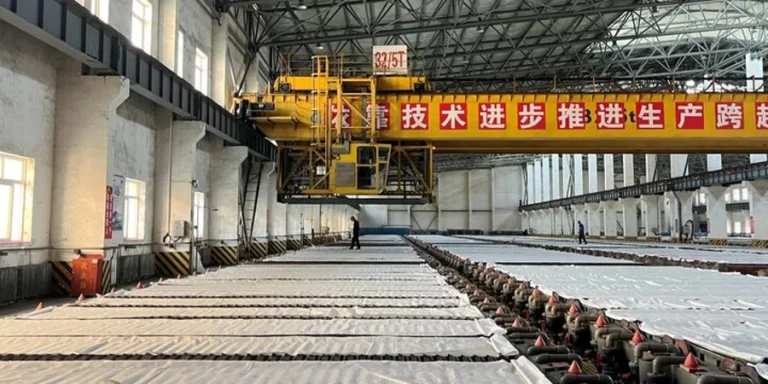
Under discussion is the use of North Copper’s existing capacity in the city of Houma. Initially, a plan to build a new plant in the port city of Fangchenggang was considered, but the focus has now shifted to ready-made infrastructure.
The key challenge is the composition of the raw material. Norilsk’s concentrate contains more nickel than the ore typically processed at the Chinese facility. Adapting the production lines will require reconstruction work, which, according to preliminary estimates, could take up to two years.
The investment amount has not yet been disclosed. For comparison, the Fangchenggang project, with a planned capacity of 450,000 tonnes of copper per year, was estimated at between $500 million and $1 billion.
The benefits for Nornickel are clear. The main buyers of its products are concentrated in China, so moving processing closer to the sales market reduces transport costs and speeds up deliveries. The second motive is sanctions: since their introduction, purchasing processing equipment from Europe, the US, and Japan has become nearly impossible, while building comparable capacity in Russia has become much more expensive.
Under the scheme, the nickel product would return to Russia for further processing. This arrangement allows the company to preserve its production chain while moving only the most capital-intensive stage — copper processing — abroad.
The negotiations with North Copper represent Nornickel’s attempt to adapt to a new reality where sanctions and logistics dictate the rules. If the deal goes through, Norilsk will lose its copper smelting operation, but the company could gain a more efficient supply chain and access to a key market.
Source: Bloomberg
Image: Reuters