You have money, and you want to invest in mineral exploration: obtain a license for a plot of ground, run exploration, and find out whether it holds gold, copper, or some other metal in quantities worth developing further. From the outside it can look simple — you pick a promising site, get a license, drill, find ore, and then either mine it yourself or sell the project.
But in practice there are far more questions. How do you know which metal to look for? Which country to work in? How do you choose a site and avoid ending up with an empty license? Whom do you hire for the team? How much money should you set aside for exploration? And at what point do you keep investing, and at what point do you stop?
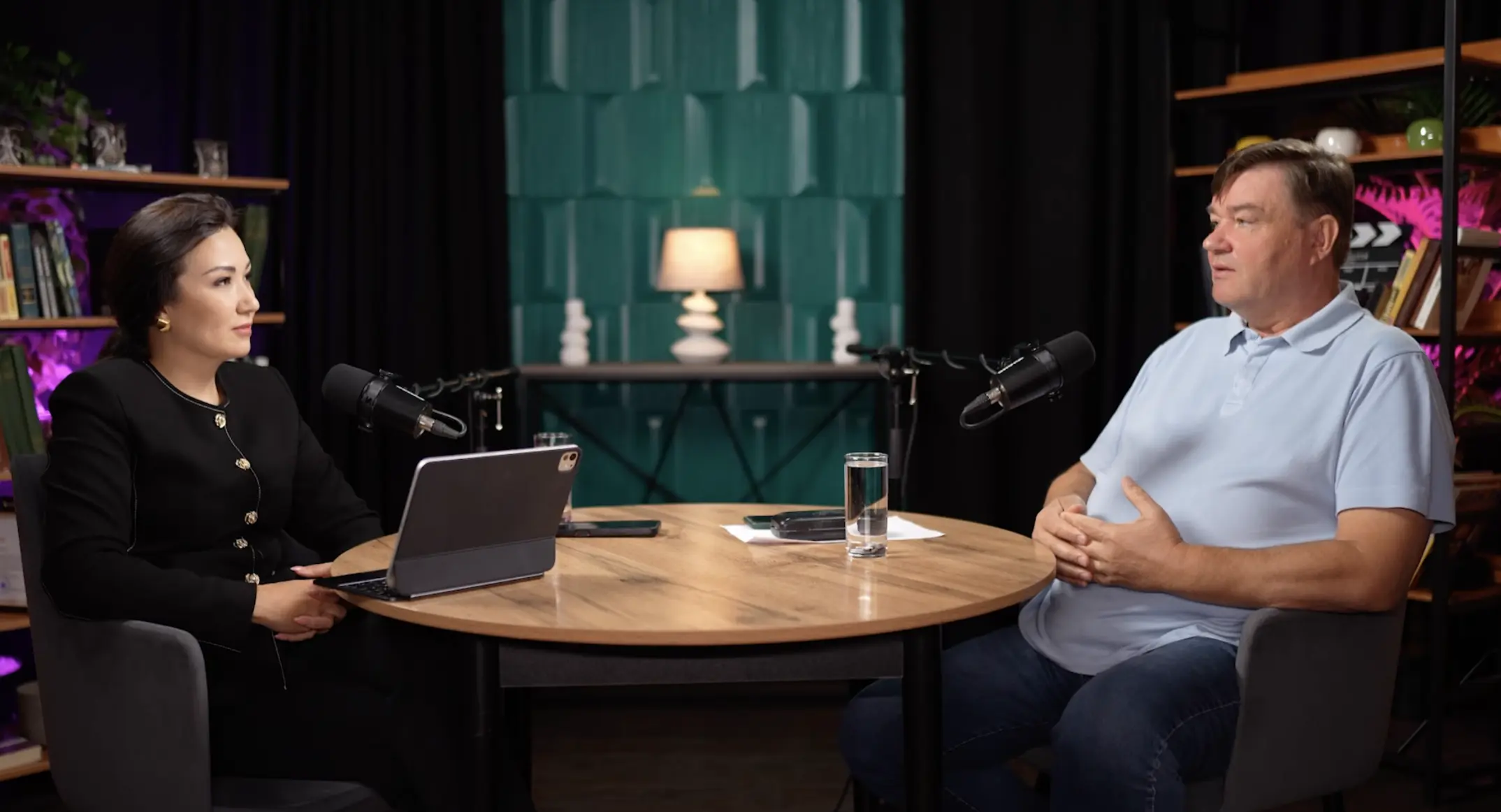
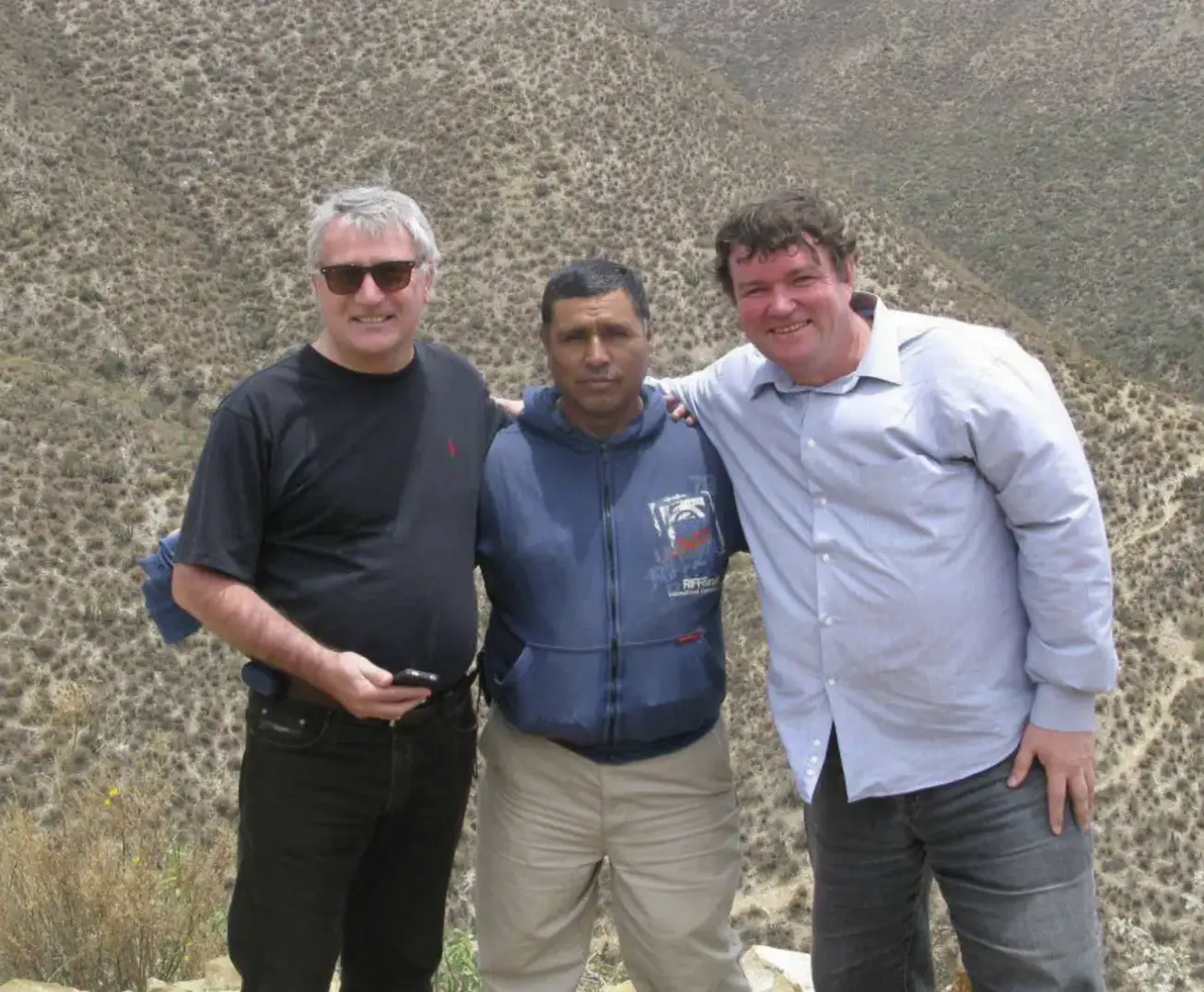
Nikolay Rusanov will help us make sense of this — a mining engineer and subsoil-use specialist. He took part in developing Polyus’s gold projects in Russia, worked with assets in Canada and Peru, and now runs gold and copper projects in Kazakhstan. He shared his experience on the podcast “Na Ves Zolota”, to which he was invited by Yana Akhmatova, the project’s creator. Together with him we’ll walk the investor’s path from the idea of investing in exploration to the point where the project can be developed further, sold, or opened up to a partner.
You have the money — but where do you start?
You have capital and the desire to invest in exploration, but the industry itself is new to you. At that moment the main question is usually the simplest one: where do you even begin?
The first step is not to look for a site or file for a license, but to find someone who will help you get your bearings in the industry. This could be a consultant with experience in exploration or the mining business. Together with them you need to work out which market interests you, which raw material you want to work with, and which strategy to choose.
There can be several options:
- Go all the way to your own mining — run exploration, confirm the target, and later build a mine.
- Develop the project and sell it — raise the asset’s value at the exploration stage and exit before mining begins.
- Create a new line of business — build a portfolio of exploration assets and then decide the fate of each project separately.
That choice will determine the scale of the project, the budget, and how far you actually intend to take it.
After that you’ll need a geologist who can support the project on the technical side. Sometimes that person can be the same consultant; sometimes it’s better to bring in a separate specialist. What matters is that they have experience across different stages of exploration and understand the project’s whole path — from choosing a promising site to assessing the results of the work.
Such a specialist will become your guide through the next stages: they’ll help you understand where it even makes sense to search, which sites to consider, which data to check, and when to move forward versus when to walk away from a project.
“If I had a geologist who told me ‘There’s definitely something here,’ I’d bow down to them,” says Nikolay Rusanov.
A good geologist’s job is not to promise a discovery, but to assess the prospects professionally and help the investor reduce risk.
You’ve settled on a strategy and found someone to help you navigate the industry and evaluate projects. Now the next question is exactly where you intend to work and by what rules. Before choosing a site, it’s worth getting to grips with the country’s legislation, its licensing system, and the investor’s obligations.
The rules of the game: country and law
Before choosing a site you need to understand the country’s legislation. You don’t have to become a subsoil-use lawyer, but an investor should understand the basic terms of entry in advance:
- whether a foreign investor can obtain exploration rights;
- whether you need to set up a local company;
- which specialists must be on the team;
- how sites are granted — by application, tender, or auction;
- for what term a license is issued and whether it can be extended;
- which mandatory expenditures and works you’ll have to carry out;
- which environmental, land, and other approvals will be required.
This matters not so you can memorize the law, but so that even before investing you understand your risks, timelines, and obligations.
In Kazakhstan, for example, the main rules for exploring solid minerals are gathered in a separate chapter of the Code “On Subsoil and Subsoil Use.” From it an investor should take away several practical points: licenses can be obtained by foreign entities as well, a site is granted in the form of blocks, the license requires a minimum amount of expenditure to be met each year, and the license itself is valid for a limited term and can be extended.
In another country the specific rules will differ, but the questions stay the same. Before entering a project it’s important to understand not only whether the site of interest is free, but also on what terms you can obtain rights to it, work there, and what obligations you take on together with the license.
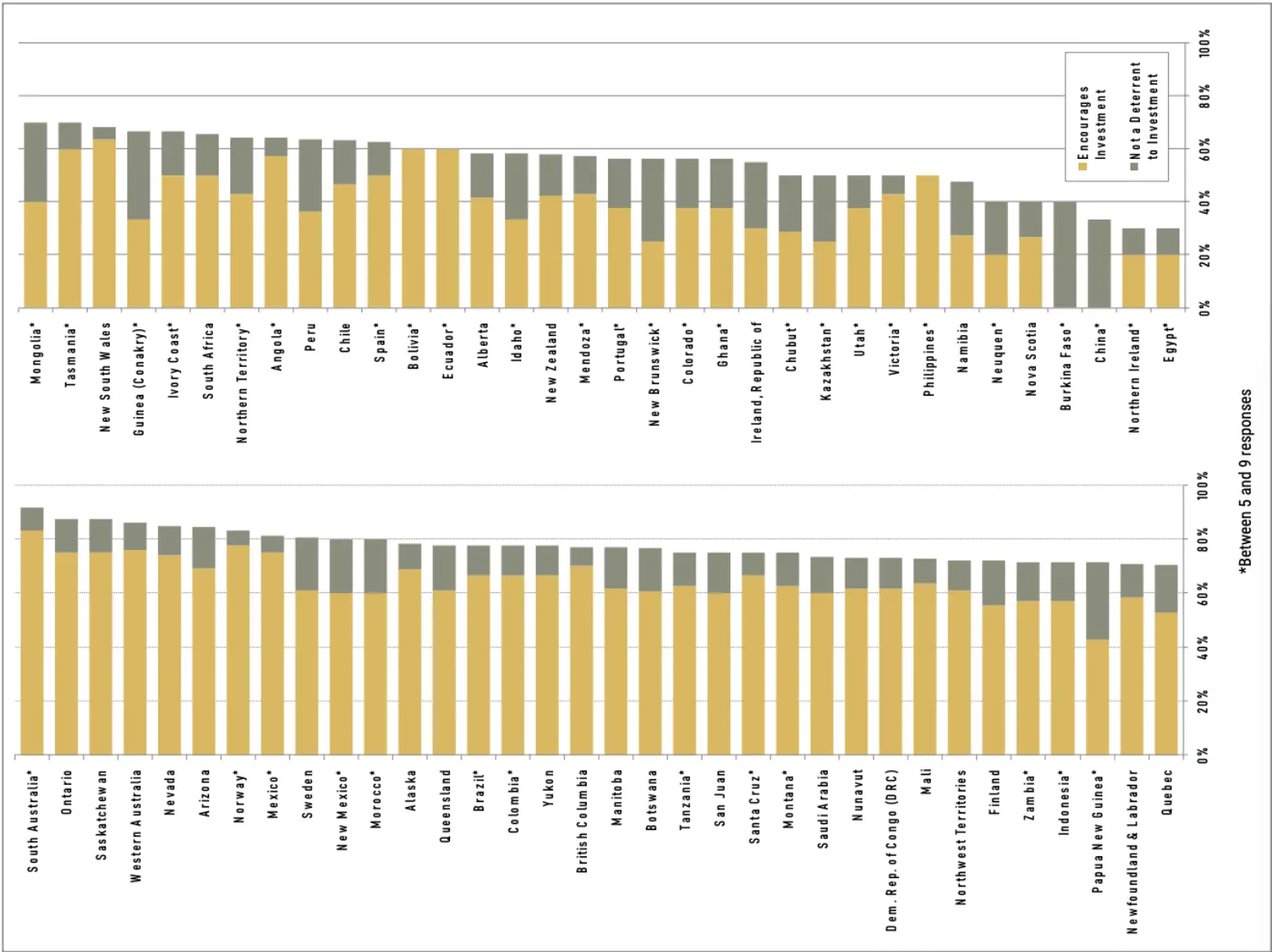
To compare countries with one another you can also use independent industry research. For example, the Fraser Institute annually rates the attractiveness of different jurisdictions for mining and exploration companies, including environmental and social obligations, the quality of the geological database, and the real timelines for obtaining permits
Building the team
By this point you should already have a geologist who helped choose the direction and understands which raw material you want to work with. Now it’s important to build a team around them that will represent your interests specifically, rather than working on the project merely as an outside contractor.
In Nikolay Rusanov’s experience, even a single project has enough tasks to split them among several geologists. His team has three specialists with different functions:
- one is responsible for geological strategy: searching for promising targets, analyzing materials, and visiting sites;
- the second handles the administrative side — license applications, reporting, permits, and dealing with government bodies;
- the third works with GIS and data: digitizing materials, building databases, drawing maps, and bringing geological information together into a single system.
Your structure may be different — it all depends on the scale of the project. But the principle is the same: the key geological expertise, the work with data, and control of the project should stay inside your team. And individual field operations — drilling, geophysics, trenching, heavy-equipment work — can already be handed over to specialized contractors.
The team is in place. Now the next question is which site to take at all? A free license by itself still means nothing.
Choosing a promising site
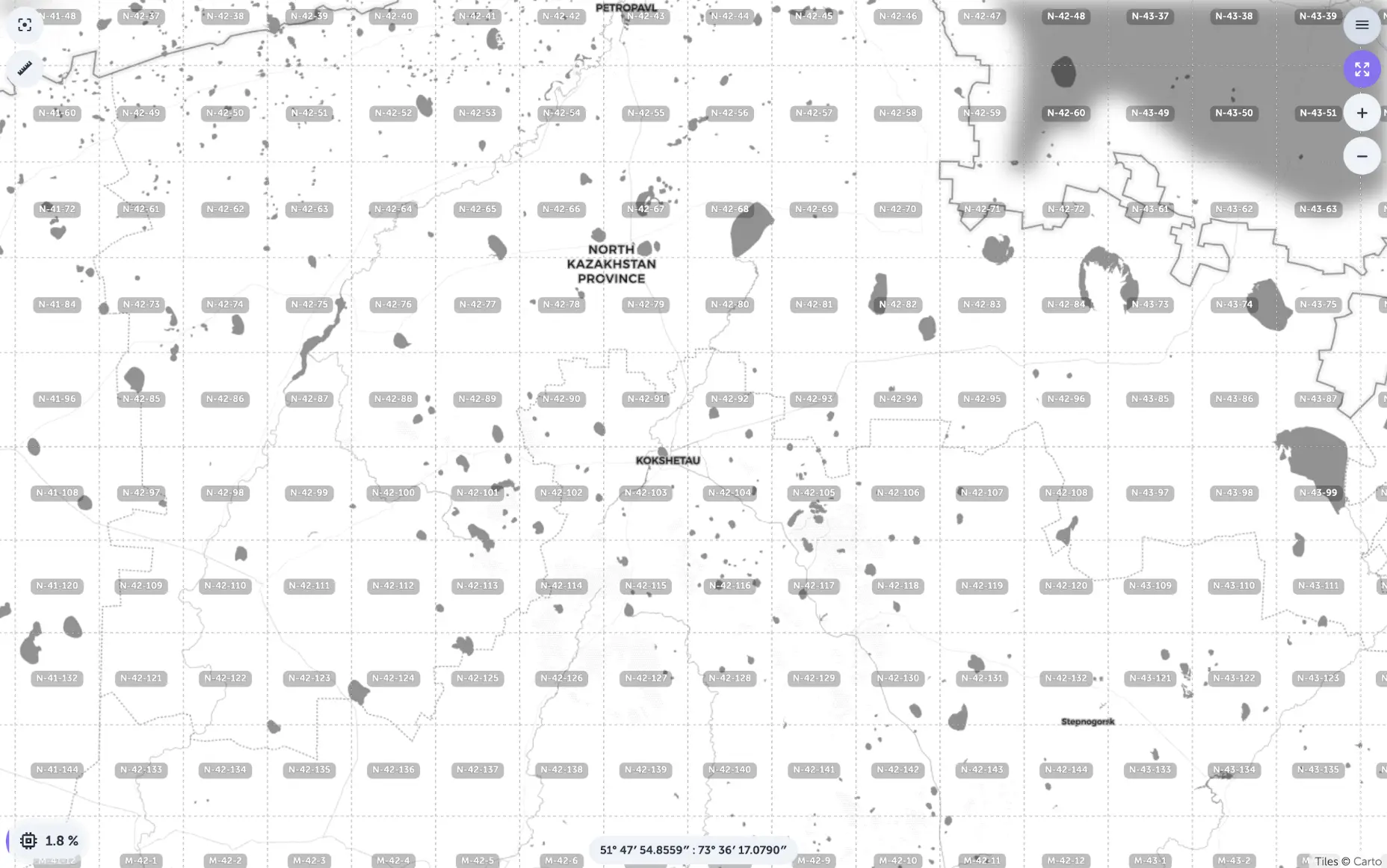
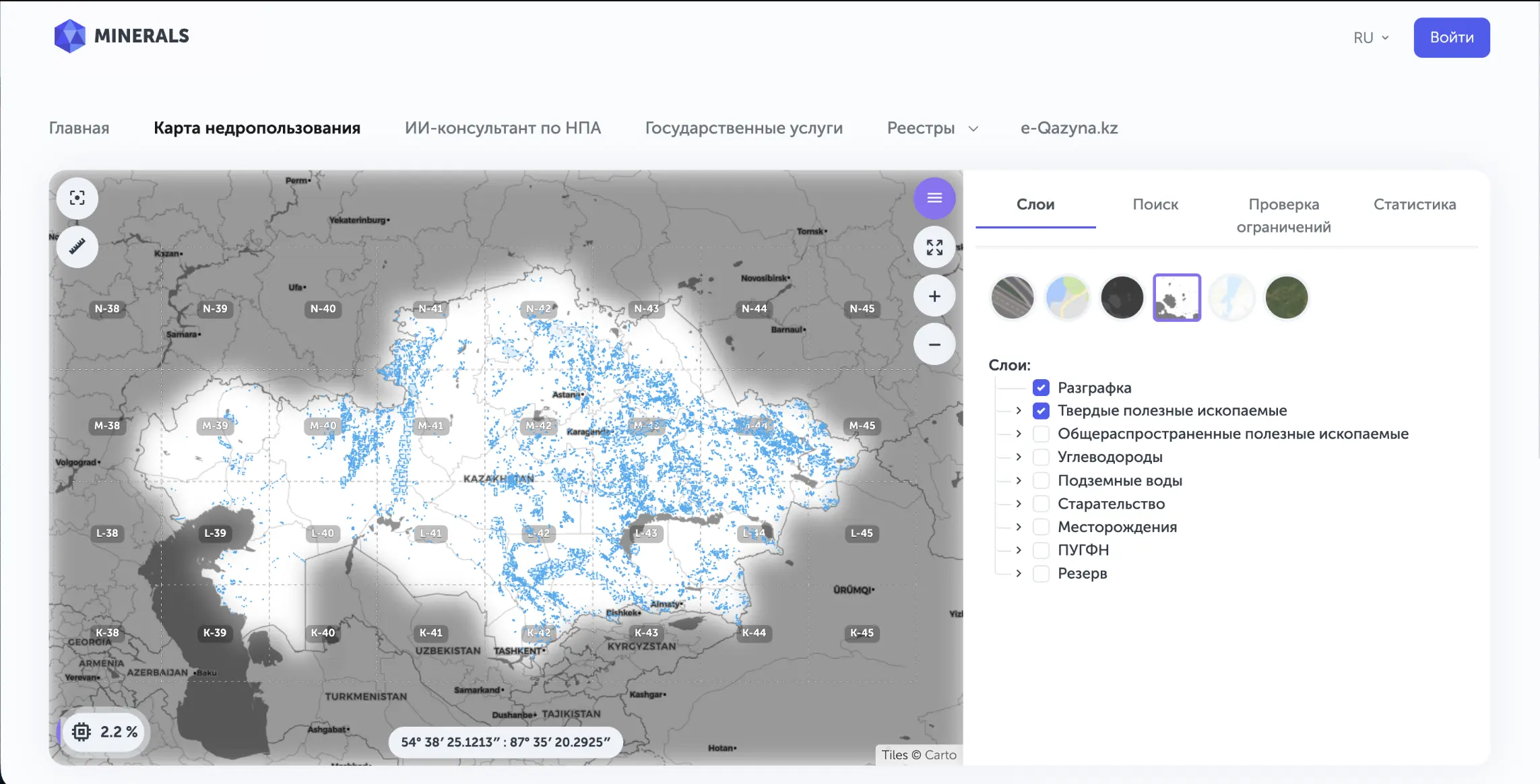
The team is assembled — now you can move on to choosing a site. Kazakhstan makes this fairly easy to picture: the country’s territory is divided into blocks, and you can file an application for a free block. But the mere fact that a site is free does not yet make it promising.
So your geologist’s job is not to pick any empty spot on the map, but to work out where there are already signs that the metal you need may be present. For this they look at geological maps and historical data: known mineralization points and ore occurrences, old boreholes, geochemistry and geophysics results, the structure of the area, and nearby features.
“Look for gold where there is gold. Don’t look for gold where there isn’t,” is how Nikolay Rusanov formulates the principle.
It also helps to understand a few basic terms here. A mineralization point means that a useful component has already been found, but its scale is not yet clear. An ore occurrence is a more definite object that, after further work, may turn out to be a deposit — or may not. So such a mark on the map is not yet a guarantee, but it is already a reason to look at the site more closely.
The next question is how many blocks to take. Here more does not mean better. (editor’s note: in Kazakhstan the territory for licensing is split into blocks; one block is an area of roughly 1.2 × 1.8 km). Large companies can afford to claim hundreds or even thousands of such blocks if they work with a big territory and a big budget. For a small junior company that strategy can prove too expensive, since each block carries obligations for expenditure and work.
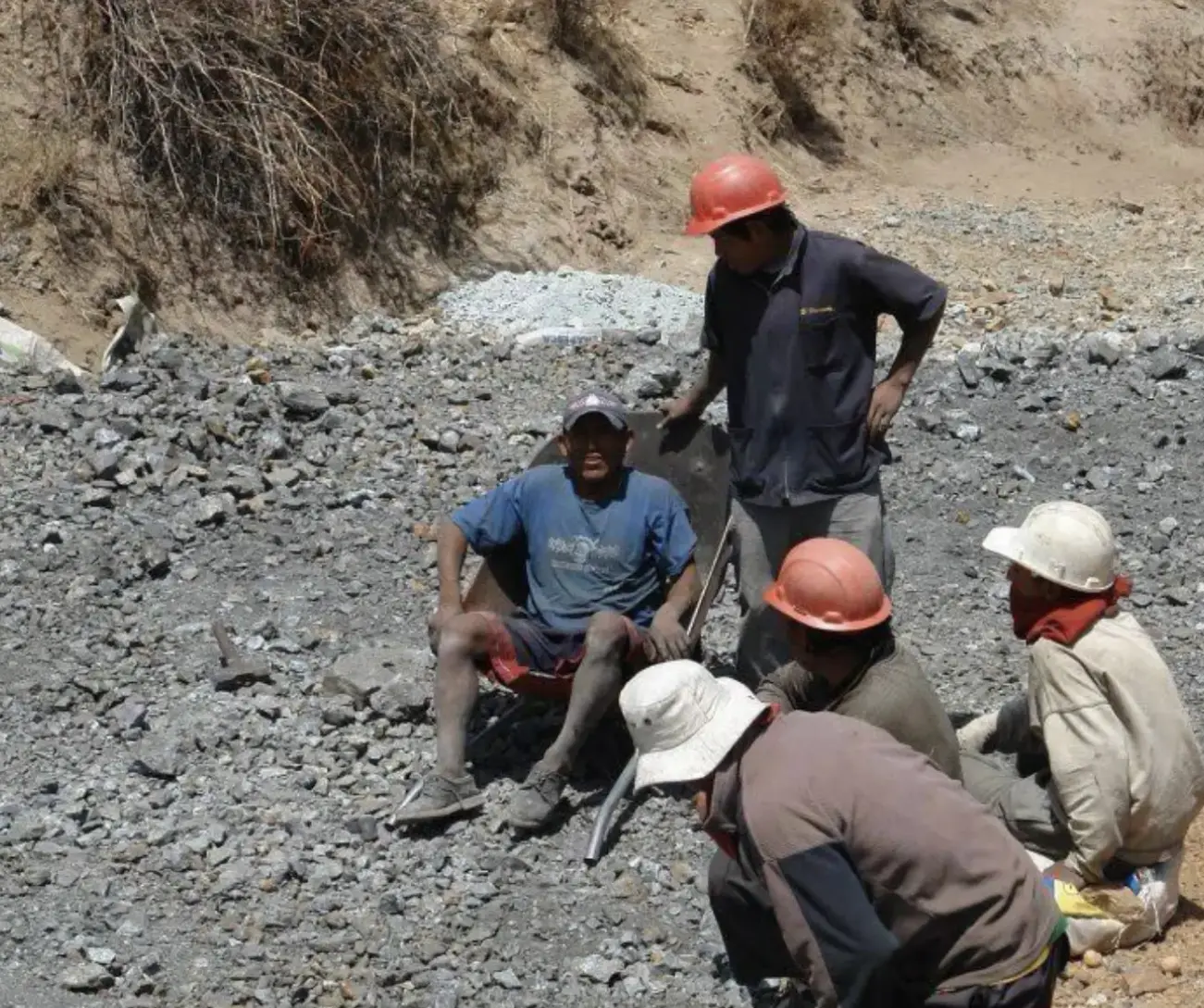
In Rusanov’s experience, sometimes a single block is enough for a project. In his practice there is a small ore occurrence that fits entirely within one block. According to the expert, even a target with a reserve of around 300–500 kg or about a ton of metal can have commercial value. In other words, the size of the license area by itself says nothing about the quality of the project.
In Rusanov’s own individual projects the number of blocks reached roughly one and a half to two dozen, whereas large players may take far more. So the principle is simple: take as much territory as you genuinely need for your chosen geological target and as much as you can go on to finance, rather than grabbing free blocks “just in case.”
Once the team has chosen a promising site and determined the area needed, you can move on to the next step — filing a license application.
Obtaining the license
Once the site is chosen, the next step is to formalize the right to explore. In every country the procedure will be its own, but the logic is the same: you need to gather documents, confirm that the required specialists are in place, and show that the company has the money to carry out the mandatory work.
In Kazakhstan, for example, the application is filed online through the Unified Subsoil Use Platform. Company documents and confirmation of financial capacity are attached to it. It’s important to know in advance what amount you need to show: this can be either the investor’s own funds or raised financing.
According to Nikolay Rusanov, the financial security for a single block is on the order of 9 thousand dollars. The money must be confirmed in an account within a set period before the application is filed, or secured by an appropriate loan or financing agreement.
You should also budget separately for entry into the project itself. In Rusanov’s experience, in Kazakhstan the path from start to license — including project preparation, environmental approvals, and land issues — can require on the order of 43–54 thousand dollars. This is not a universal cost, but a benchmark from his practice.
The main thing for an investor at this stage is to understand two things in advance: which documents will be required, and what amount you need to have or raise, so that you not only obtain the license but also meet the obligations under it.
Gathering and checking all the data on the site
Even before filing the application your team had already looked at maps, archives, and known mineralization points — otherwise you simply wouldn’t have known why to take this particular site. But after obtaining the license, the work with data goes much deeper.
Now you need to gather all the available information on the site: old reports, boreholes, geochemistry and geophysics results, sample analyses, maps, and other materials from earlier studies. In Kazakhstan a significant part of the territory was studied back in Soviet times, so there can be a lot of historical data.
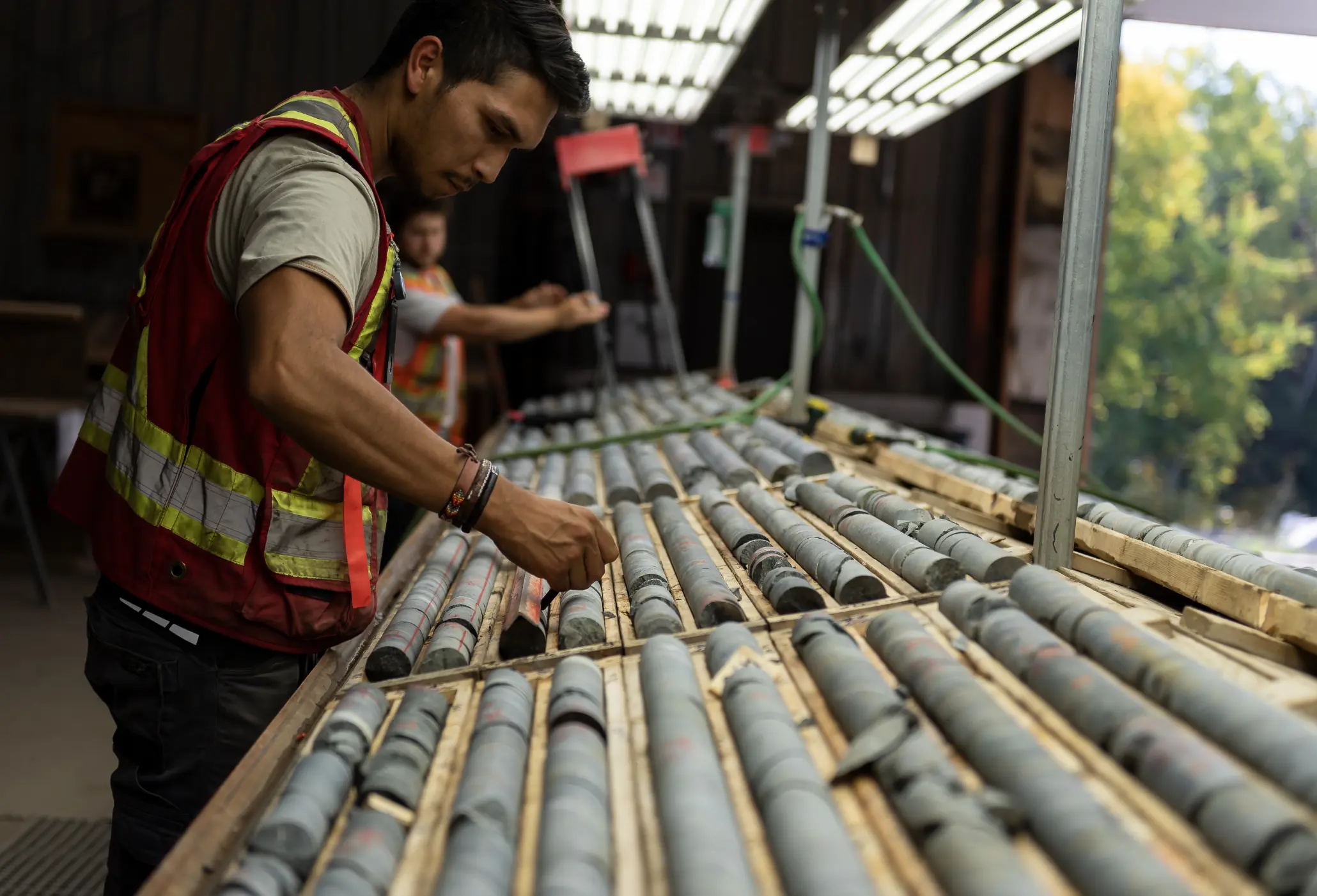
But an old report is not ready-made truth. In Nikolay Rusanov’s experience, Soviet materials often provide a good foundation, yet they still need to be checked. If old samples or core have survived, some of the analyses are worth repeating in a modern laboratory. Later data can’t automatically be considered reliable either — the team must understand exactly how the work was carried out and how far its quality can be trusted.
After checking, all the materials are brought together into a single database: old data is digitized, boreholes, geology, geophysics, and other results are plotted on maps, and a general geological model of the site is built in GIS.
In Rusanov’s experience, such work can take from one to three months — depending on the volume of historical information and the condition of the data.
Drawing up the exploration program
Once the team has understood what is already known about the site and which data is missing, you can draw up a program of your own exploration work. It will be different for each target. In one place additional geochemistry will be needed first, in another — geophysics, in another you can move straight to trenches or drilling. The sequence depends on the geology of the specific site and on which data already exists.
Along with the program, the lead geologist draws up a budget: how much each stage will cost, how many samples need to be analyzed, how much field work to carry out, and how many meters of drilling will be required.
After that the team goes into the field and begins its own exploration. Each new stage must answer a specific question: have we confirmed what we saw in the historical data, and is there reason to spend money on the next, more expensive stage.
Going into the field and controlling the result
The exploration program is ready — now the field work begins. Here it’s important to divide the work of your own team and the contractors correctly.
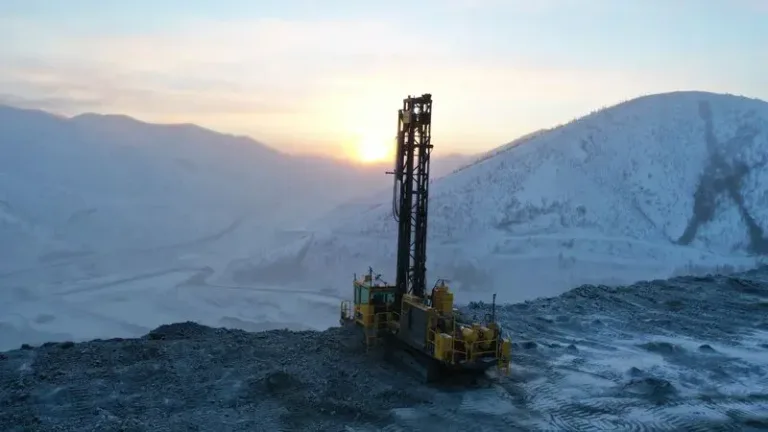
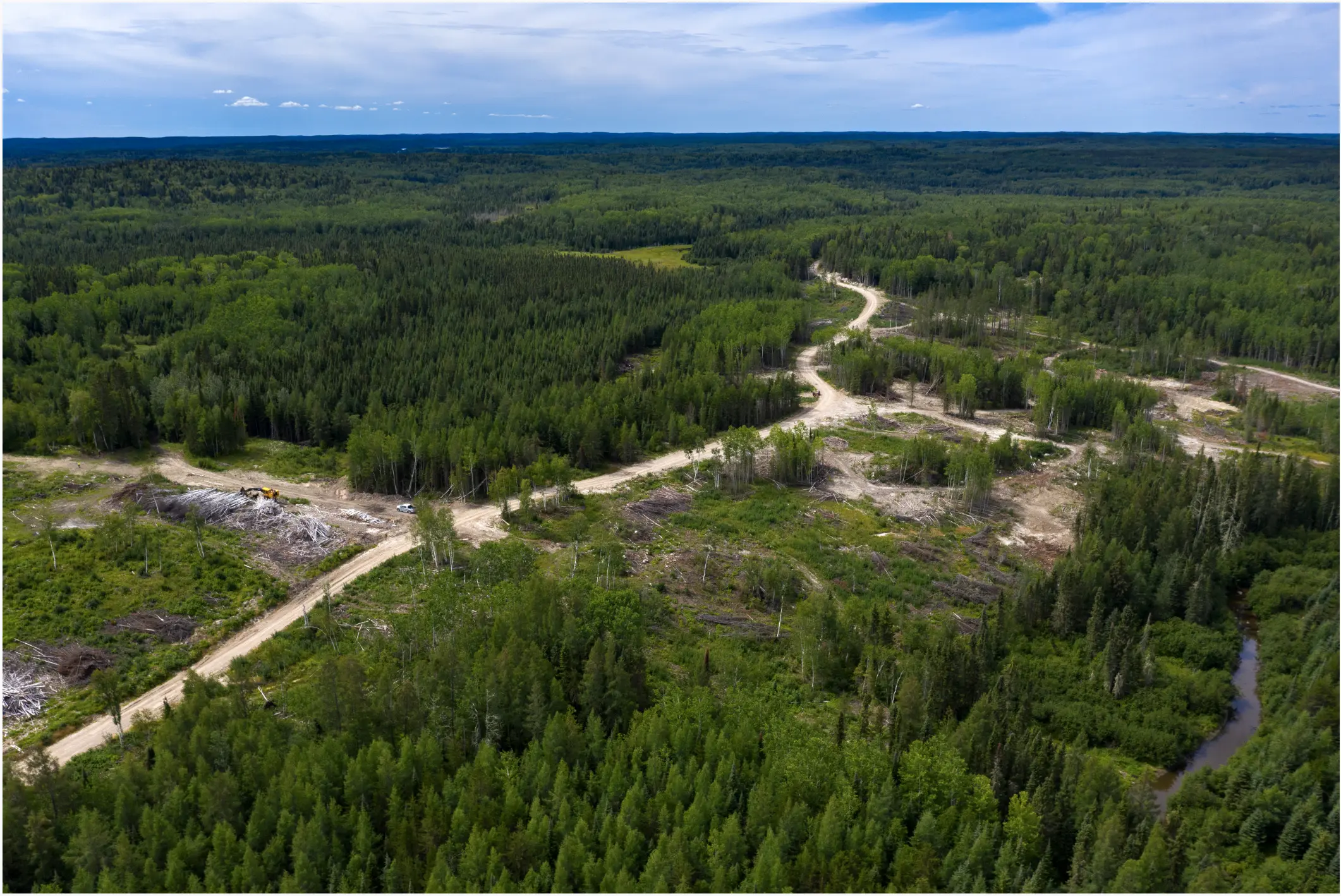
The geologist must stay on your side. It is the geologist who sets the tasks, understands why a particular job is being done, controls quality, and accepts the result. Drilling, geophysics, geochemistry, and other field work can be handed to contractors. For a small company this is usually more sensible than buying your own drill rig and keeping a crew if you can’t keep them constantly loaded with work. Your own equipment makes sense only at large and steady volumes.
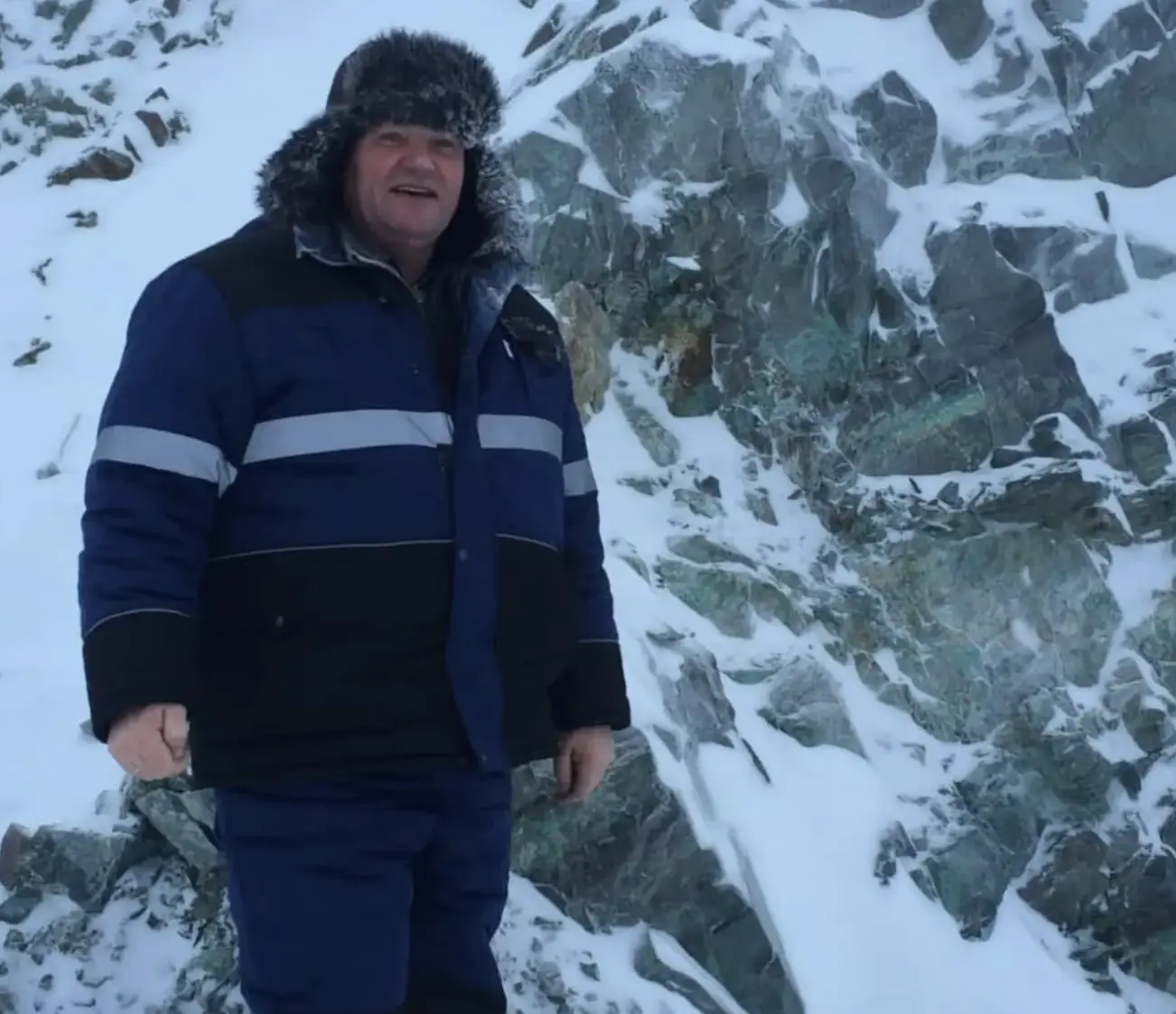
You can work year-round. In winter, exploration doesn’t stop, but it becomes more expensive because of logistics, snow clearing, heating, and preparing equipment. Nikolay Rusanov, for instance, worked in Chukotka at −45 °C — such conditions simply need to be factored into the budget in advance.
The most important thing at this stage is to understand what the results give you. After each type of work the team analyzes the data and decides whether the initial hypothesis is confirmed and whether it’s worth moving to the next, more expensive stage.
As Rusanov puts it: “In medicine there’s the phrase ‘the autopsy will show,’ and it’s the same for geologists.” A borehole may confirm the prospect, or it may turn out empty. And that too is a result: it helps decide whether to continue the work or stop.
As an investor you don’t have to interpret the geology yourself, but you should regularly understand:
- which works were planned and what was actually done;
- how much money was spent on it;
- what results the team obtained;
- whether they confirmed the site’s prospects;
- what the specialists recommend doing next and how much the next stage will cost.
The main question here is not only “how much did we spend?”, but “what did we learn for that money, and is it worth investing the next round?”. That is exactly how exploration moves from one decision to the next.
You shouldn’t look at one nice figure, but at the whole set of results. What matters is the metal grades from the samples, the type of target, the drilling and sampling results, and how well the data supports the geological model. The same grade can mean different things for different deposit types and under different project economics.
What the assessment rests on also matters: on actual drilling and sampling results, or so far only on a model and assumptions. The more quality data the team obtains, the less uncertainty remains in the project.
It is precisely at this stage that preliminary data gradually turns into a resource estimate, and, with further confirmation, into reserves. It’s important to count and report them according to recognized international reporting standards, so that the results are clear not only to your team but also to potential investors, partners, or buyers of the project.
One of the best-known such systems is JORC, an internationally used standard for public reporting on exploration results, mineral resources, and ore reserves.
What to do with the project next
You are an investor, which means that for you exploration is first and foremost a business. So already at the start of the project it’s important to understand what result you want to bring it to and what you will do with the asset afterwards.
If your goal is your own mining, the project will have to be carried further: additional exploration of the target, estimating resources and reserves, running the economics, and preparing to build a mine.
But your own mine is not the only scenario. You can go only part of the way: confirm the site’s prospects, increase the volume and quality of geological information, estimate resources, and at this stage sell the asset or bring in a partner for further financing.
Something else matters: if you’ve already entered a certain stage of work, it needs to be brought to a clear result. For example, if you started drilling to estimate resources, it’s not enough to simply drill a few boreholes. The data must be processed, checked, a model built, and a result obtained on which the next investment decision can be based.
This is exactly where exploration becomes a business in its own right. In Nikolay Rusanov’s experience, the most noticeable rise in an asset’s value often happens at the early stages, when relatively small investments can substantially reduce geological uncertainty.
“The biggest profit comes when you spend a little and raise the value tenfold. For example: you clear some stage from greenfield, spend 100 thousand dollars on it — and the project can be sold for 2 million, 20 times more. That’s easy. But if you’ve already spent, say, 2 million dollars on exploration, you might manage to sell it for 4 million — that is, only twice as much,” says Rusanov.
This is an example from his practice, not a promise of returns. The point is different: each successfully completed stage reduces uncertainty and can increase the project’s value.
At the same time, exploration remains a venture business. Even a strong team can’t guarantee that every chosen site will deliver a commercial result. In Rusanov’s experience, roughly one project in seven may turn out successful.
So one possible strategy is not to pour all your capital into a single target and carry it to the end at any cost, but to spread the money across several projects. At the early stages — invest relatively small sums and quickly test hypotheses. Close weak targets, and channel the money into those where the results confirm the prospect.
The logic here is similar to venture investment in startups: several projects may fail to deliver the needed result, yet one strong asset can offset the spending on the rest and bring profit to the whole portfolio.
In the end an investor has several options: take a strong project all the way to their own mining, sell it after its value has grown, bring in a partner, or keep a stake and continue developing it together. The main thing is to understand your strategy in advance, consistently bring each stage to a measurable result, and not be afraid to close projects that no longer fit that strategy.
The investor’s roadmap
Exploration can seem like a long and complex process, especially if you’re entering this business for the first time. But if you strip away the technical details, the whole investor’s path comes down to three big tasks.
First you define the direction and build the team: you choose the metal and the country, get to grips with the rules, and find the specialists you can entrust with the technical side of the project.
Then you find a promising site and test it with geology: you obtain the license, gather historical data, draw up an exploration program, and step by step find out whether there really is a target here worth investing in further.
And finally, you make a business decision: continue financing and move toward your own mining, bring in a partner, sell the asset that has grown in value — or stop in time if the results didn’t confirm the prospect.
And you don’t need to become a geologist yourself. The investor’s task is to assemble a strong team, understand what you’re paying for and what result you got at each stage, and then make the next decision.
And if the project starts to pan out, each subsequent stage can not only bring you closer to mining but also increase the value of the asset itself. And then exploration becomes not just a search for metal, but a full-fledged business — with its own risks, exit strategies, and, if you catch your wave, very good opportunities for growth.
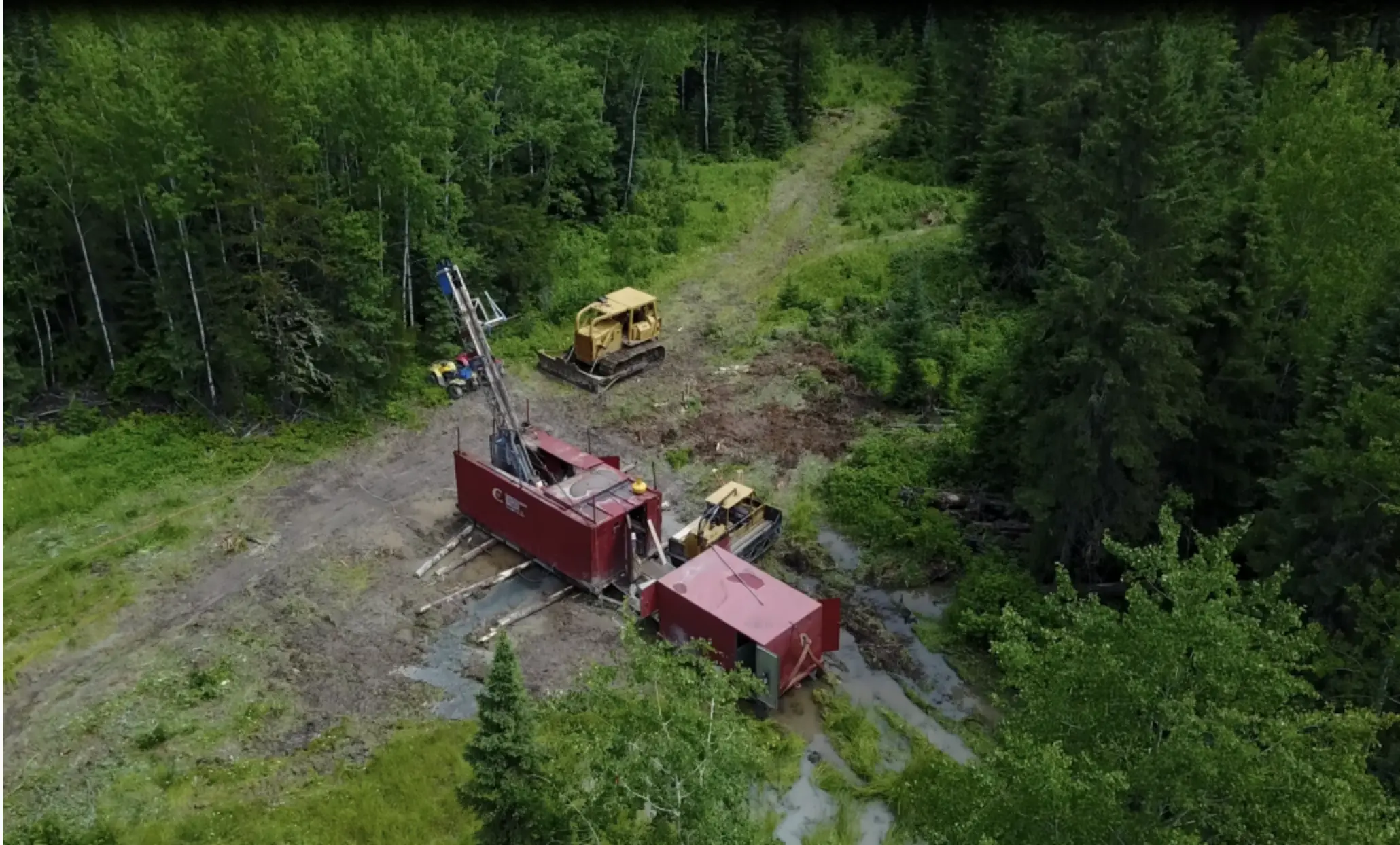
The cover uses a photograph by JSC “Pavlik.”