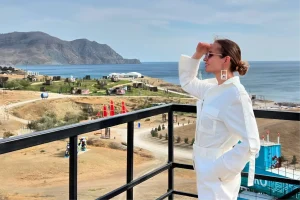
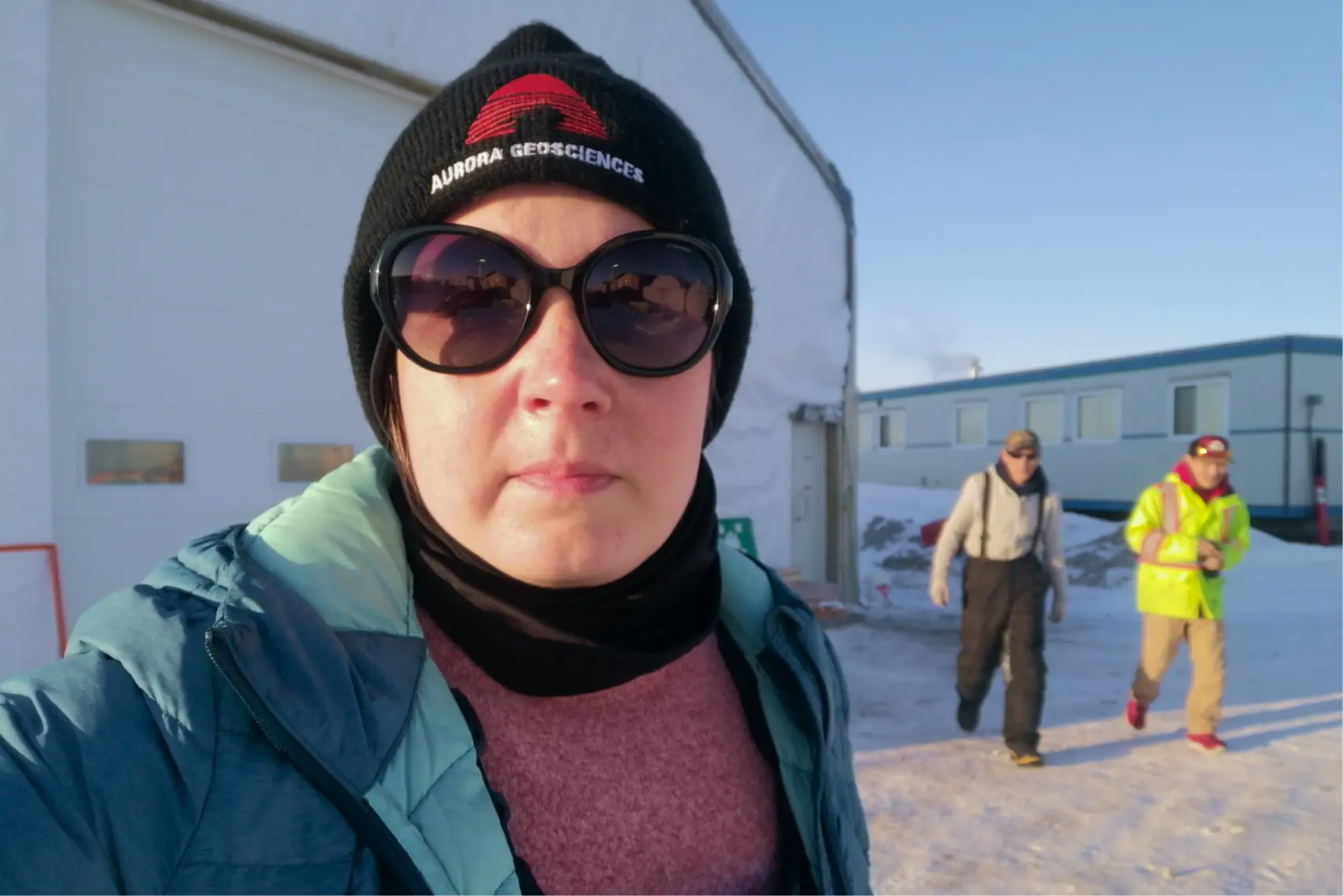
Hello! This is Maria, editor-in-chief of GeoConversation. I’m also a geophysicist: you have to somehow contain the media. I want to share with you how I spent one day in March near Great Slave Lake in the Northwestern Province of Canada.
Are you ready to work with me on this day? Then dress warmly, there will be a lot of snow. I’ll also tell you about a new method of geophysical measurements – 3D electrical tomography.
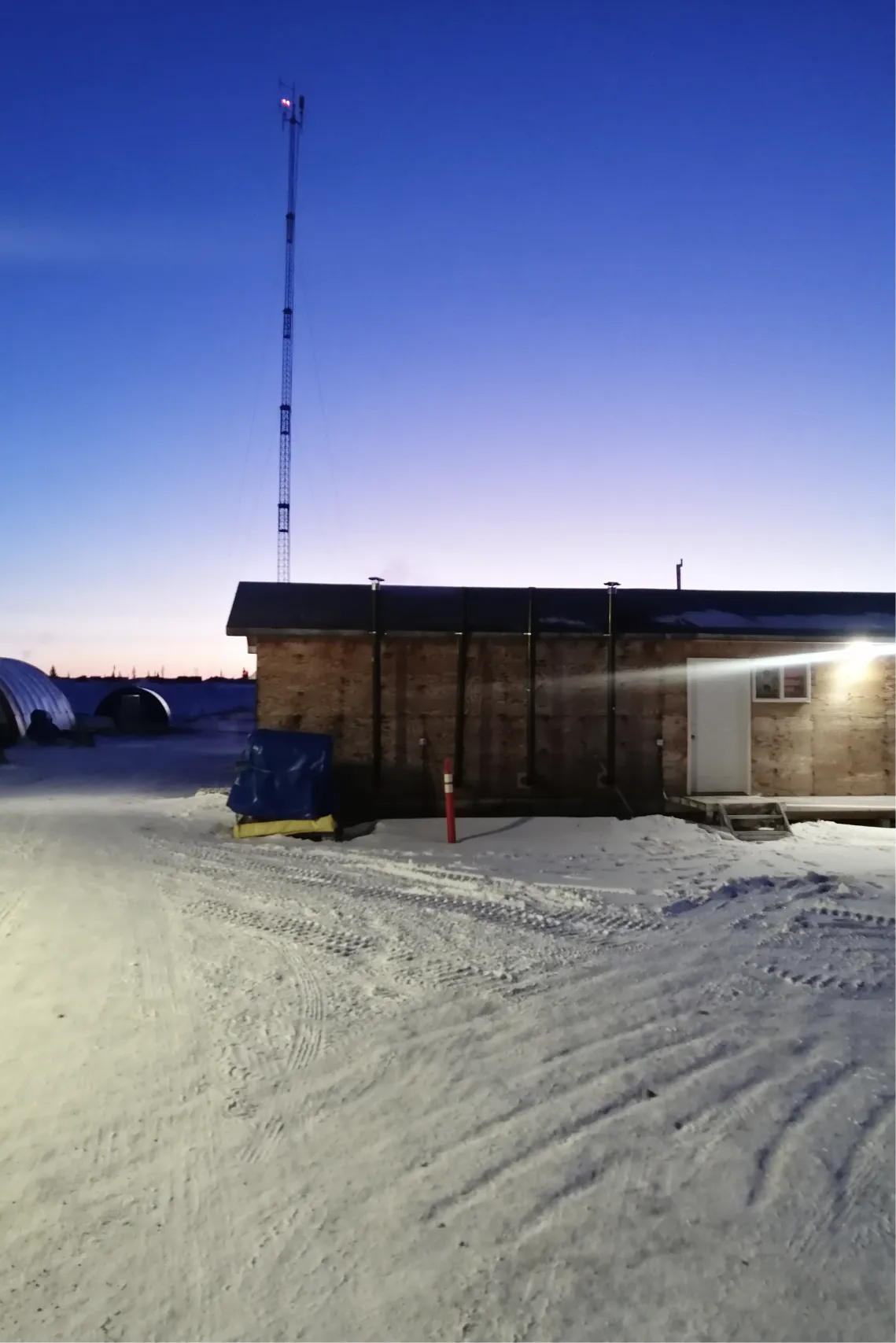
I wake up early, at half past six in the morning. This is probably the most difficult thing in the field – getting up so early. The working day begins at eight, which means there is time to wash, have breakfast and get dressed. Putting on work clothes in winter is a separate task. While I’m going to the toilet, I admire the gentle pre-dawn sky. Romance, what else can I say.
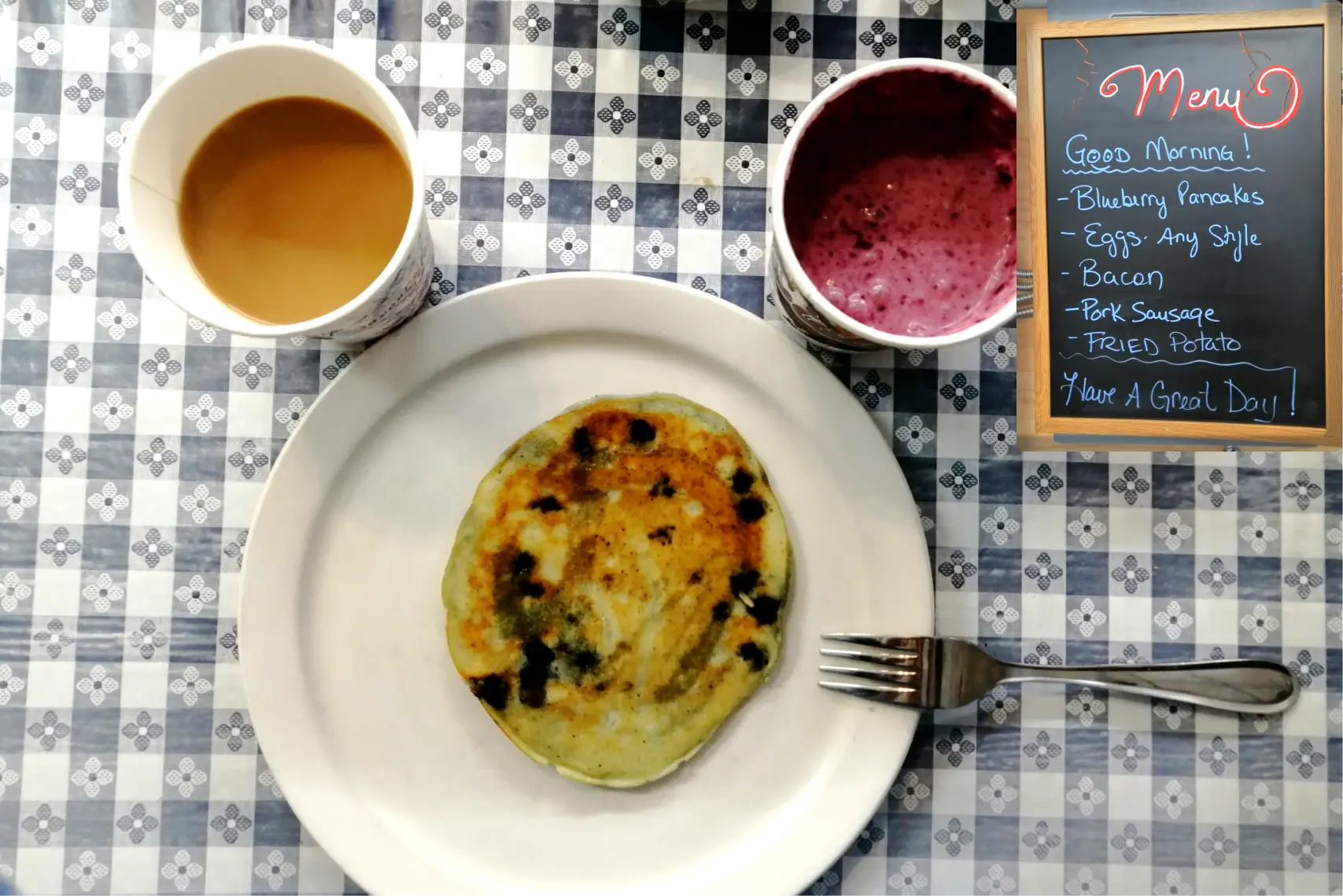
After the morning routine, it’s time for breakfast. It’s time to be surprised – I’ve never seen smoothies or Viennese waffles at breakfast in Russian fields, but here you are.
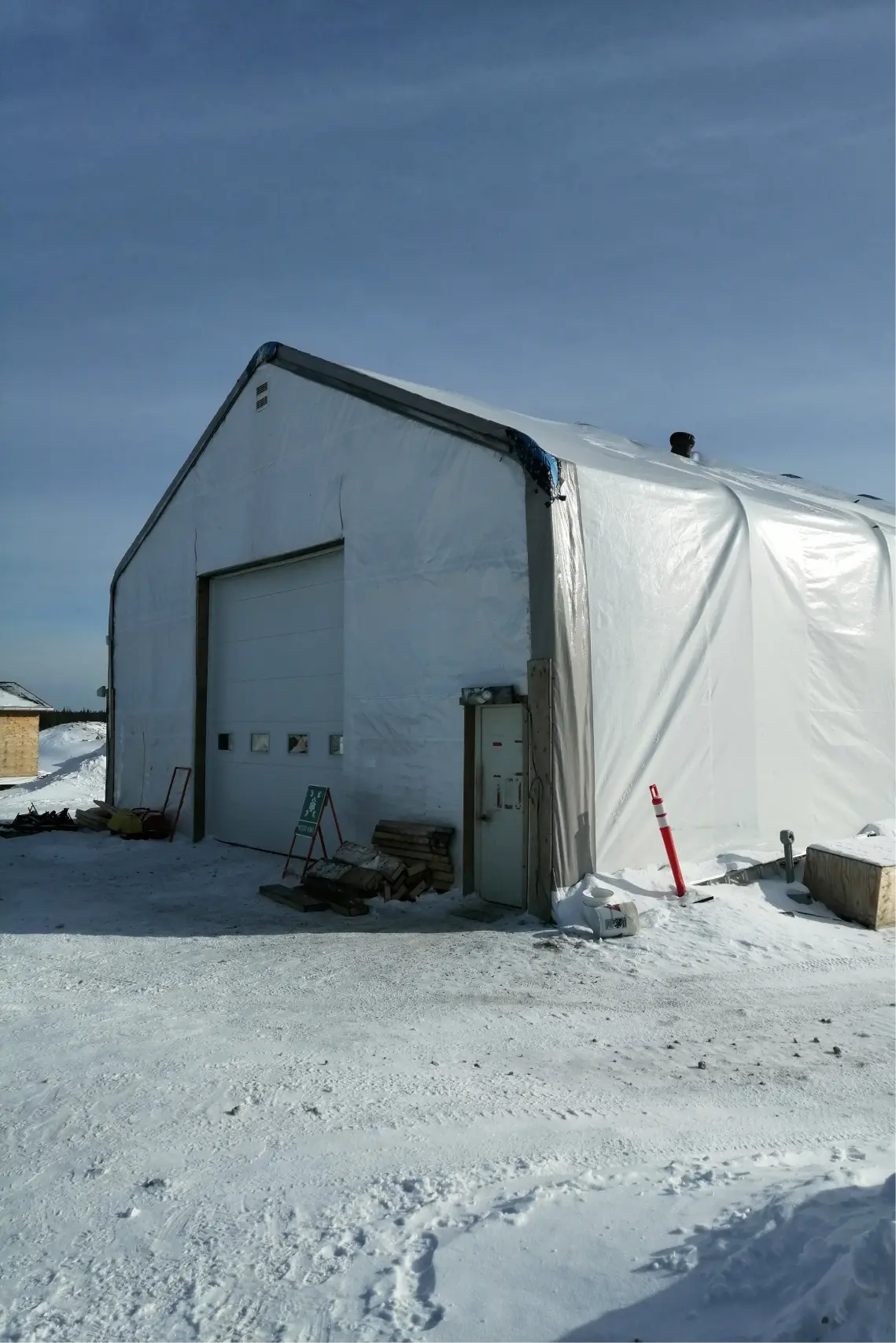
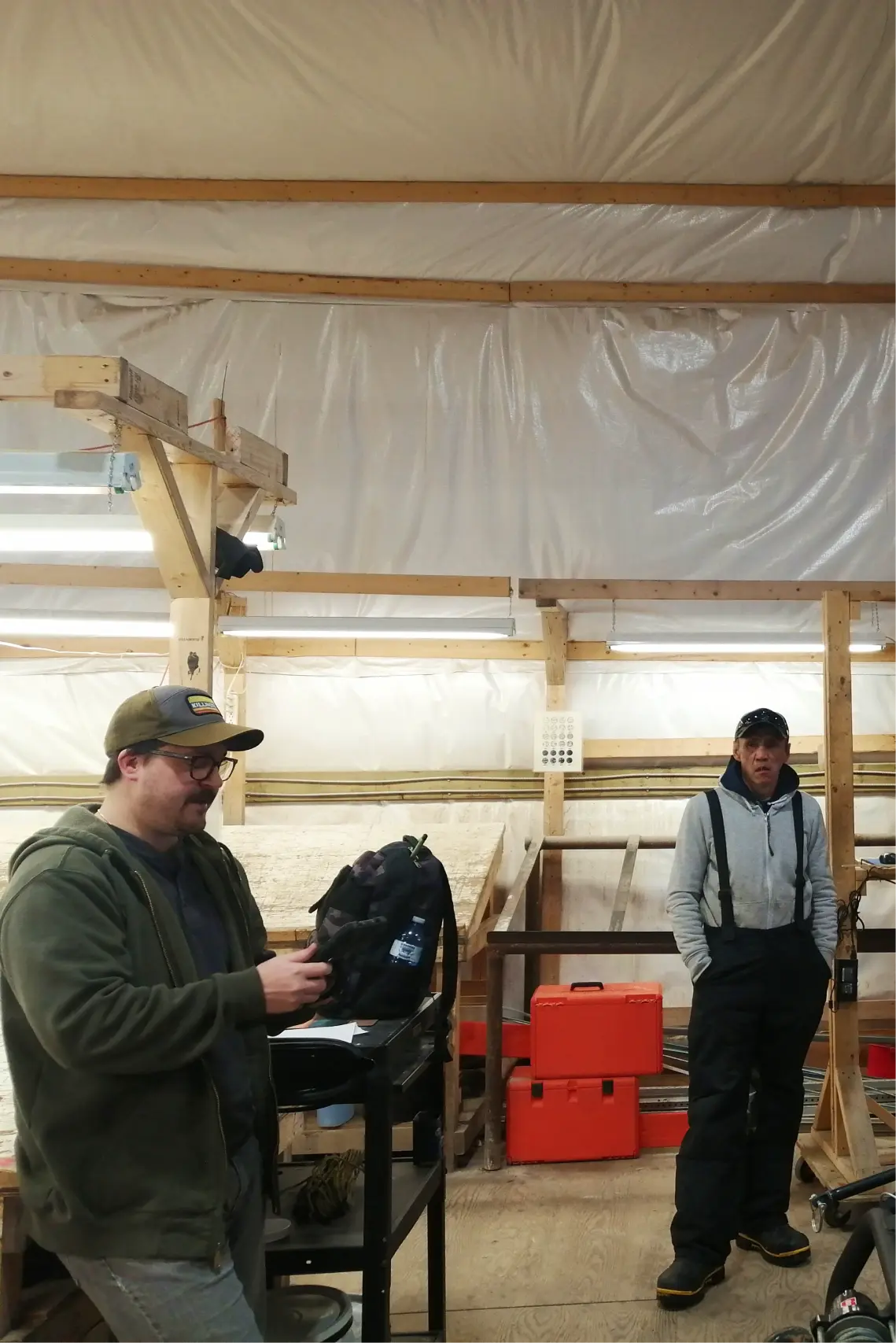
At eight in the morning we gather in the documentation room. During the first 15 minutes of the working day, there is a mandatory safety briefing: where to run in case of a fire, how not to freeze your fingers at minus 30 degrees or drive a car on a slippery road.
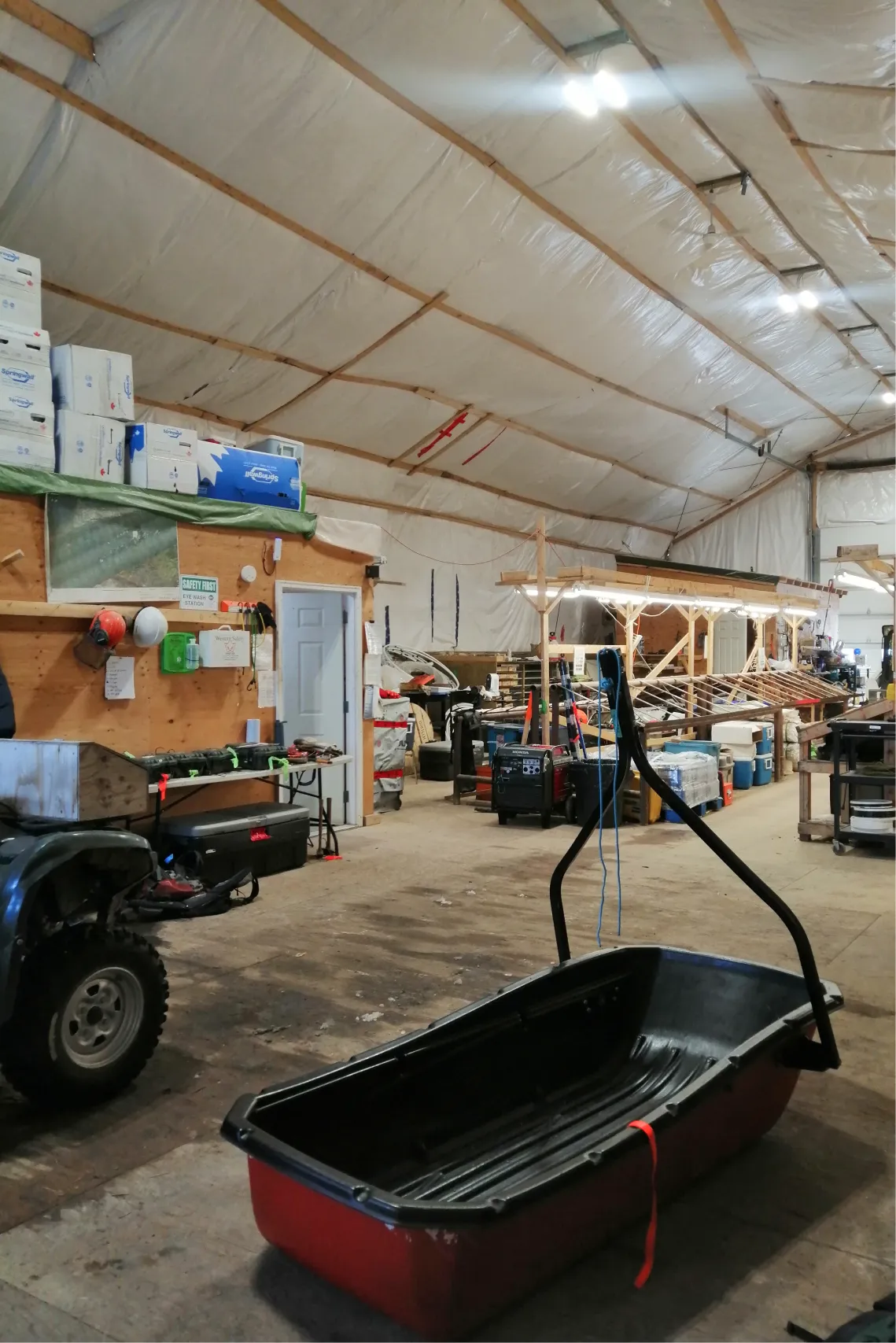
After the meeting, we plan the geophysical work itself and decide who is responsible for what. There are six of us in the squad – two girls and four boys. Yesterday we prepared a tablet (this is our small area) for 3D electrical tomography: we hammered electrodes into the ground and connected them with a wire to connect 20 meters. Today we will measure.
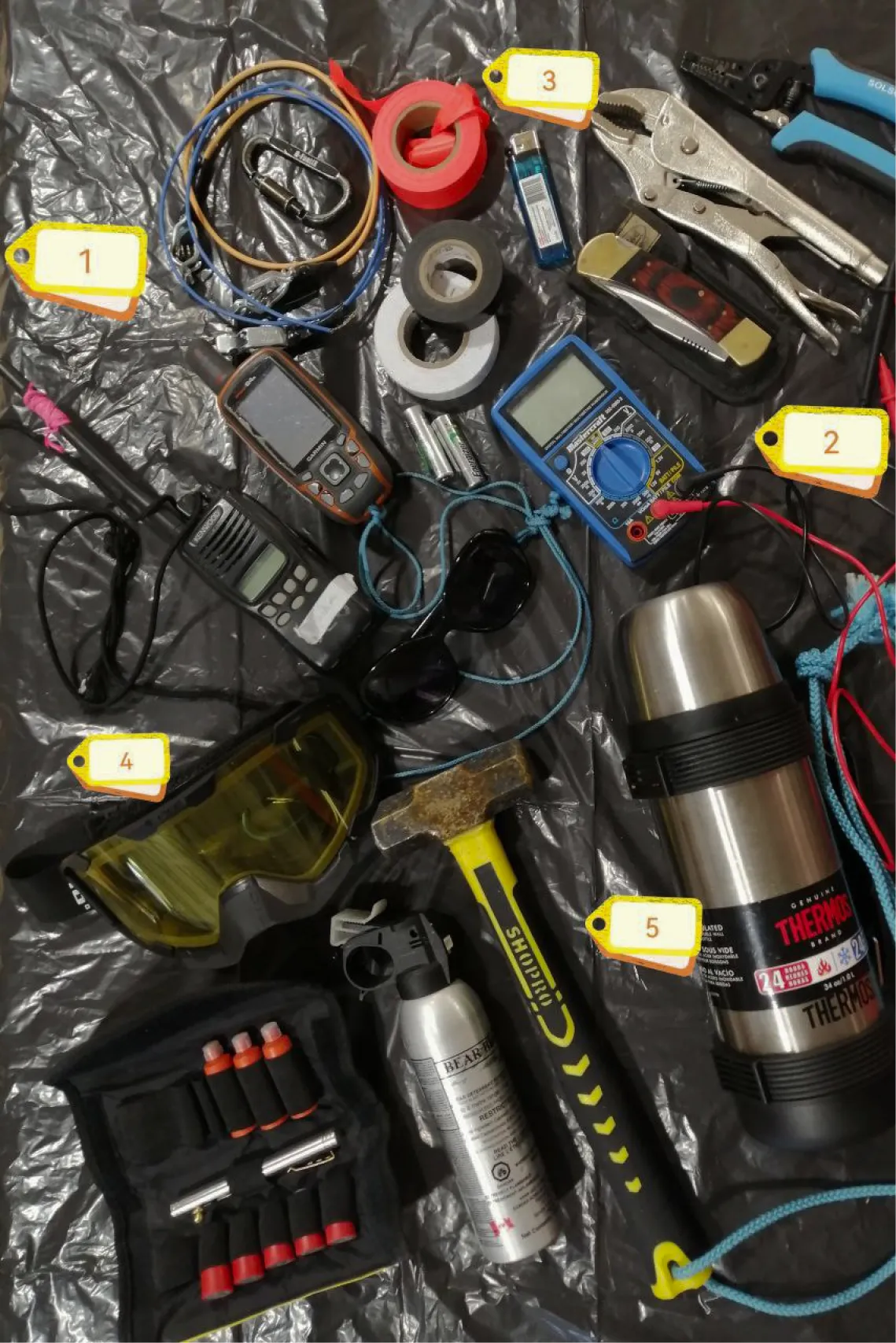
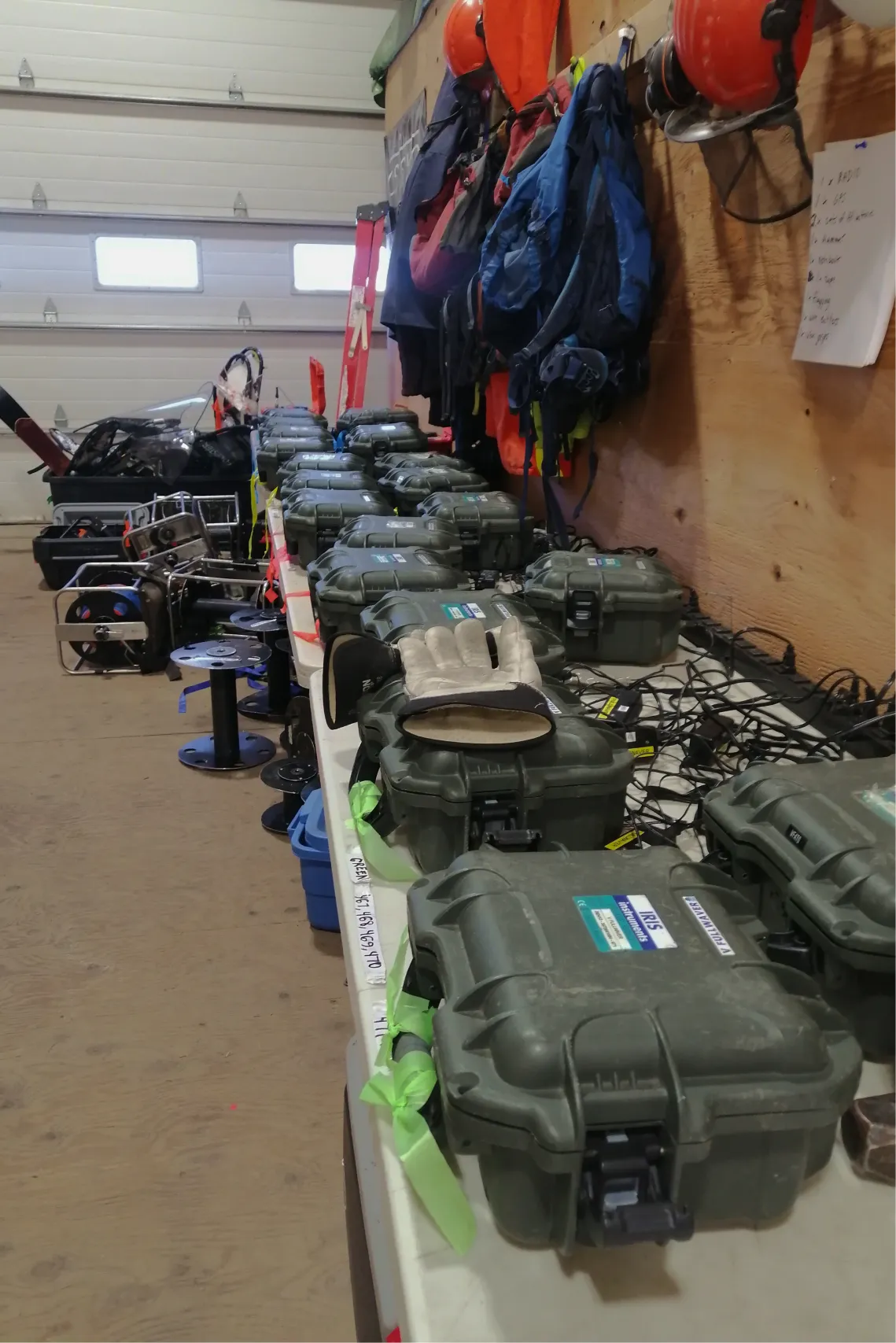
Don’t worry if it’s not clear what we’re talking about right now. In the first days, I myself ran around like the plague with a coil of wire, not knowing where to put it. Next I will definitely explain what is happening here. The tasks for the day are clear, and now we pack our backpacks with equipment, reels and various small things that we cannot do without at work.
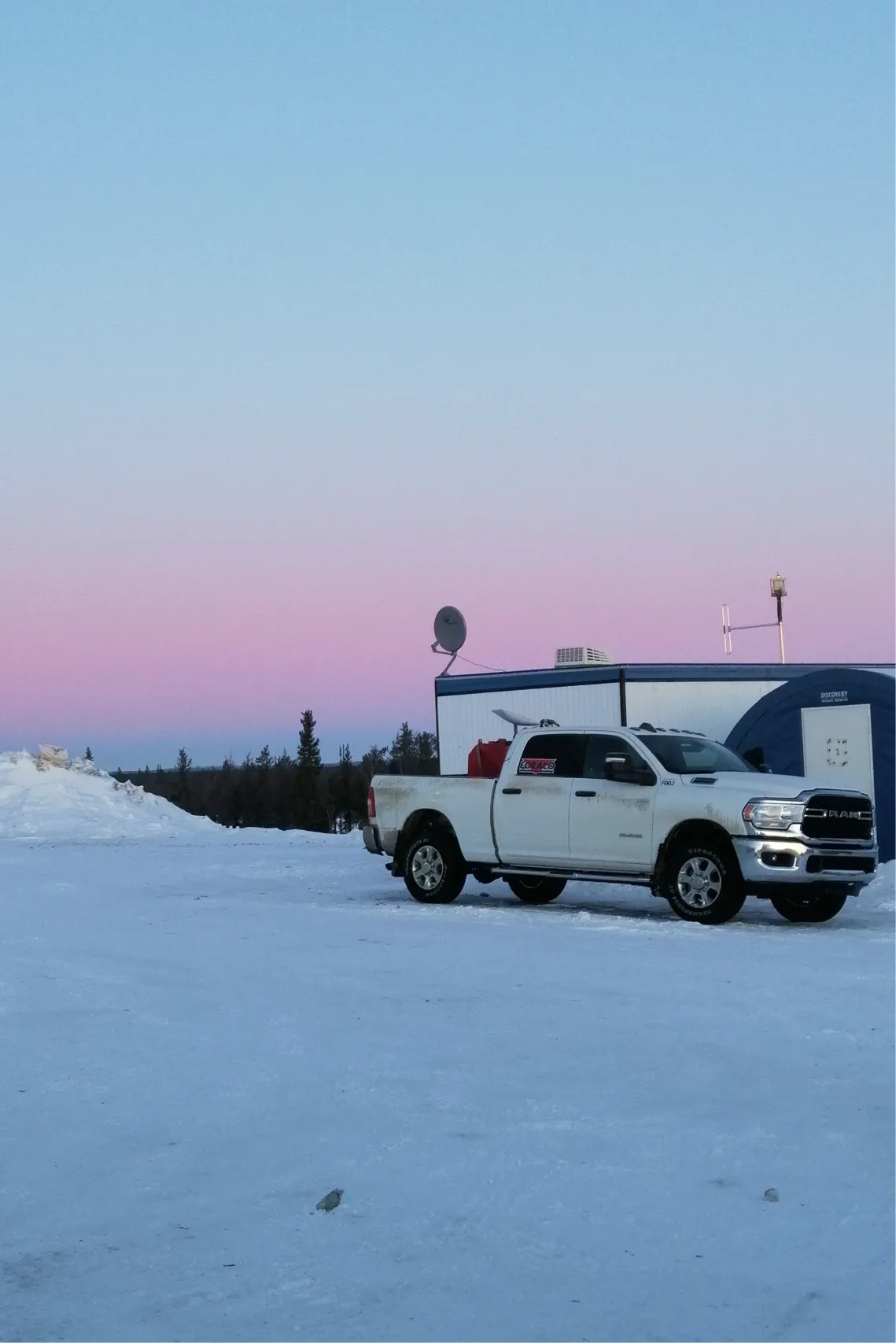
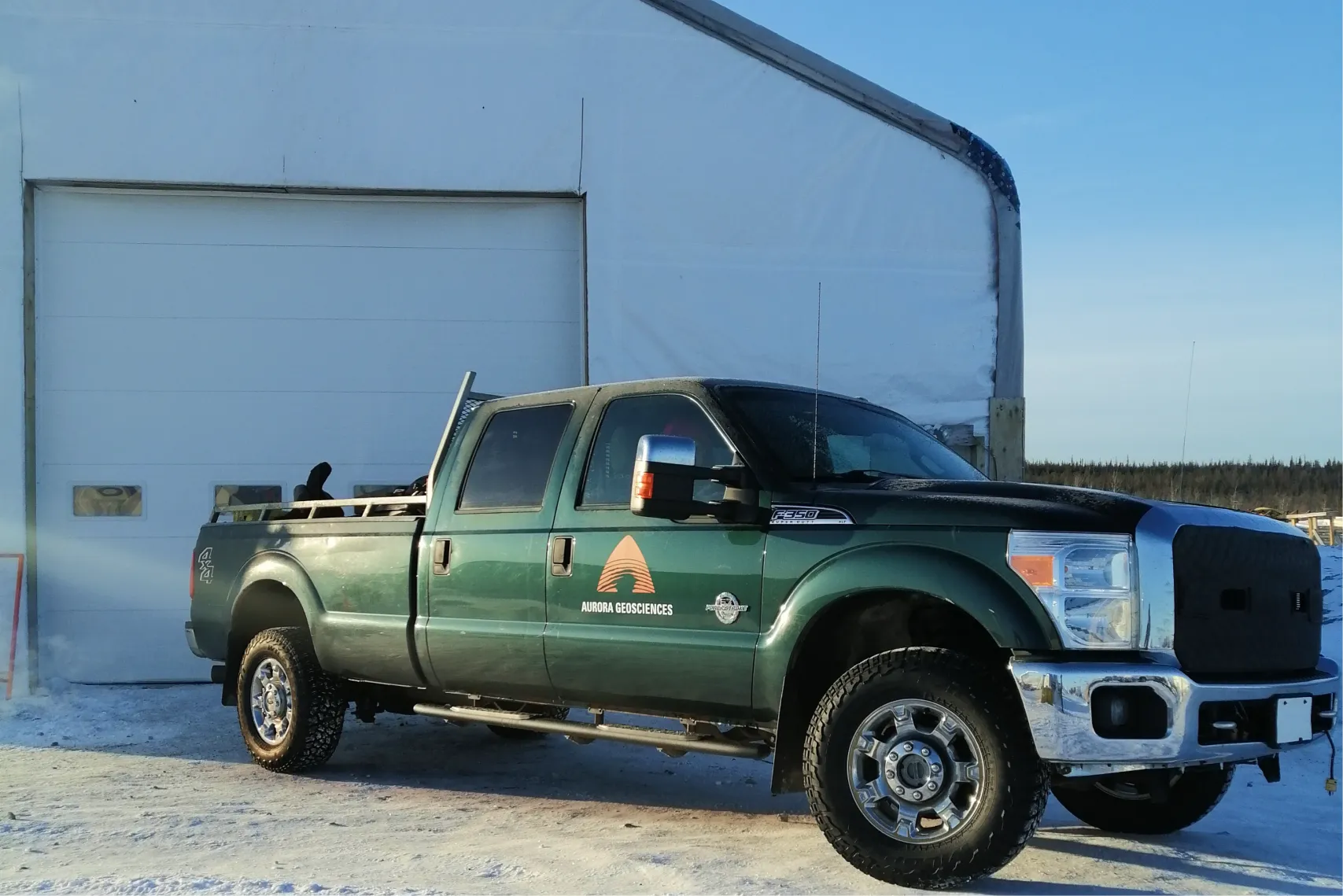
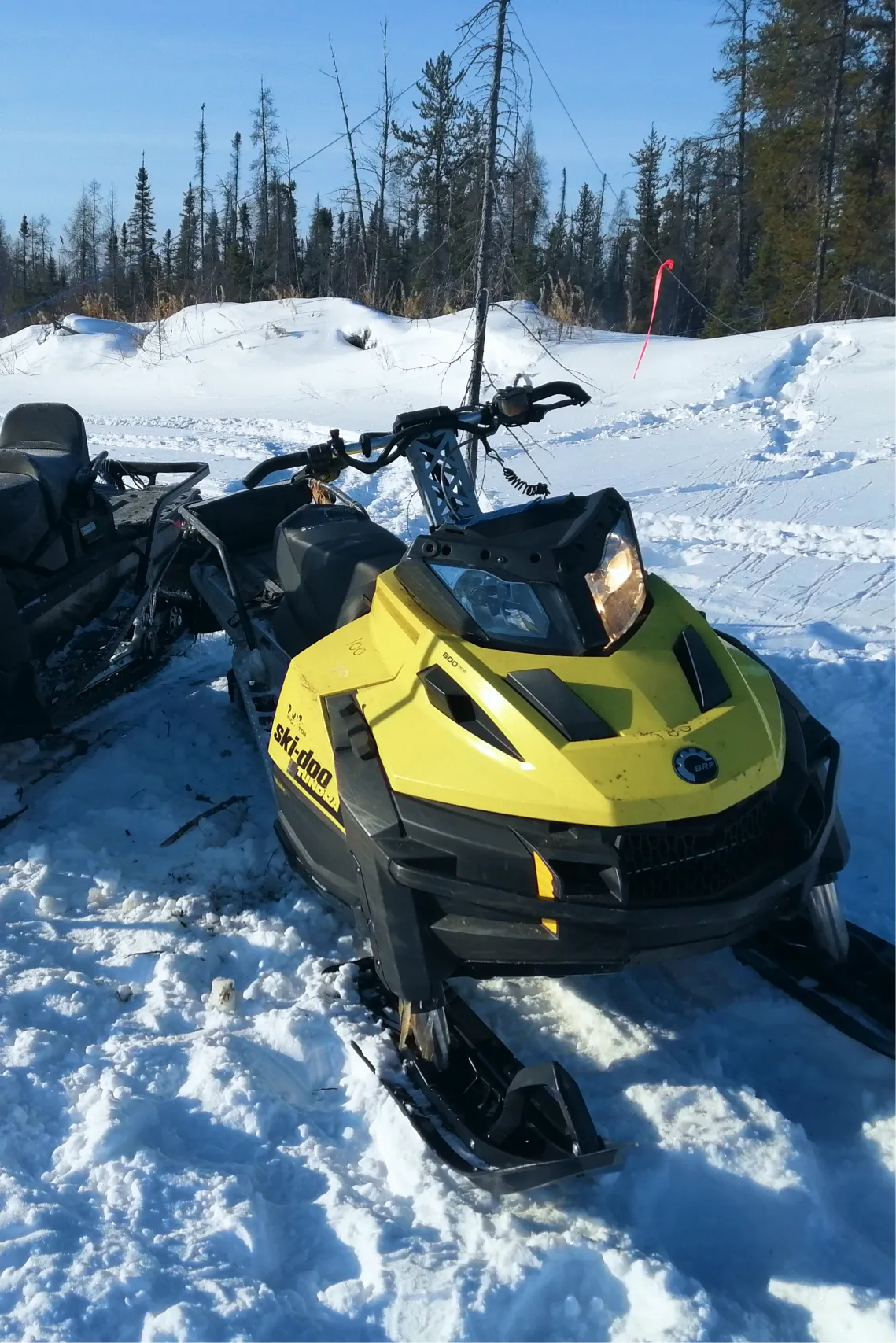
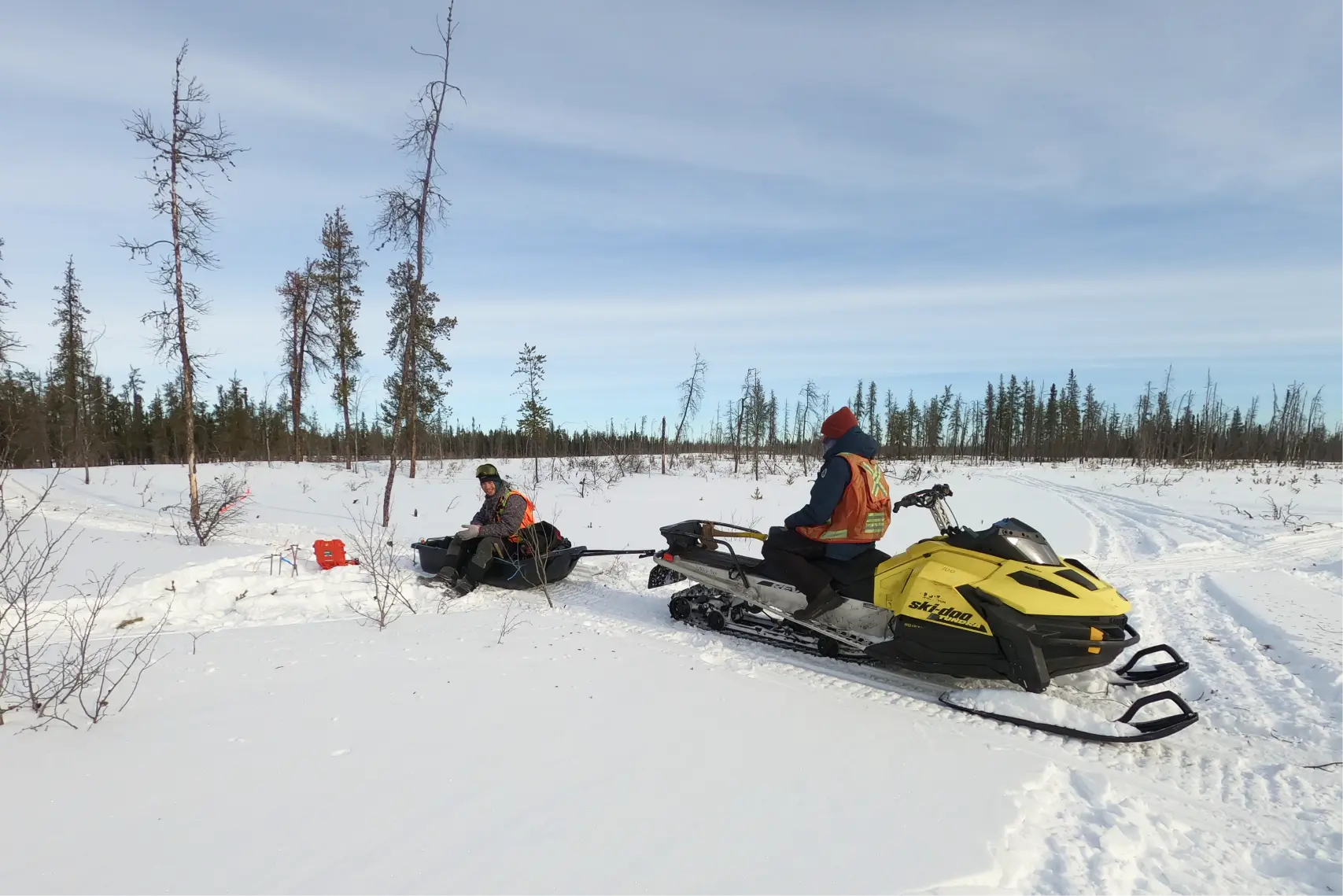
We go to the site on these workhorses. It’s easy to understand that you’re not working in Russia—you won’t see the usual UAZ vehicles for our geological exploration anywhere.
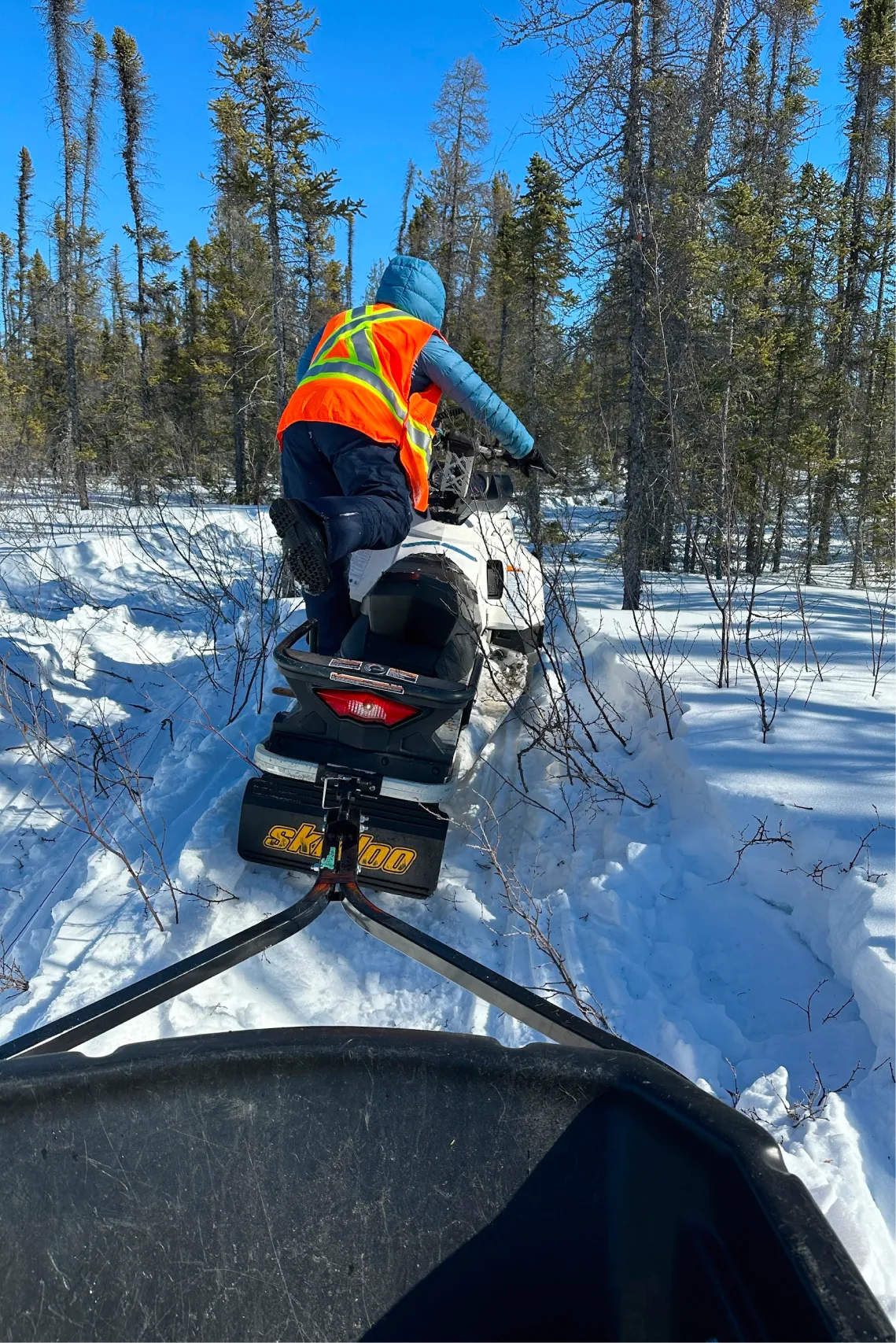
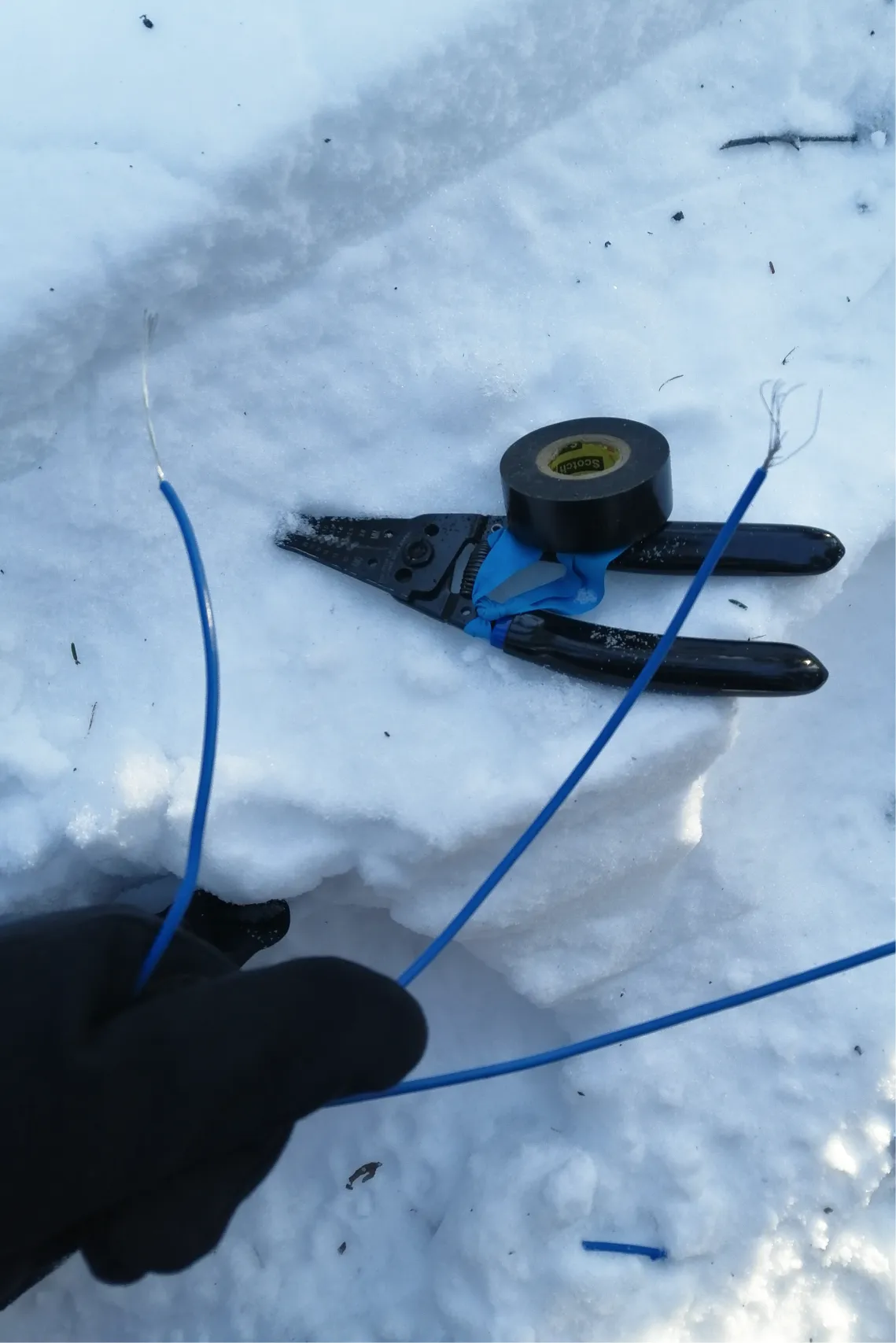
In the field, we transfer from pickup trucks to snowmobiles in order to place twenty meters on them on a 500 by 500 meter tablet. Each member of the geophysical team connects from three to five instruments. At the first connection, I immediately find a broken wire and quickly repair it with wire cutters and electrical tape, which I always have in my backpack. My meters are connected and working in continuous recording mode.
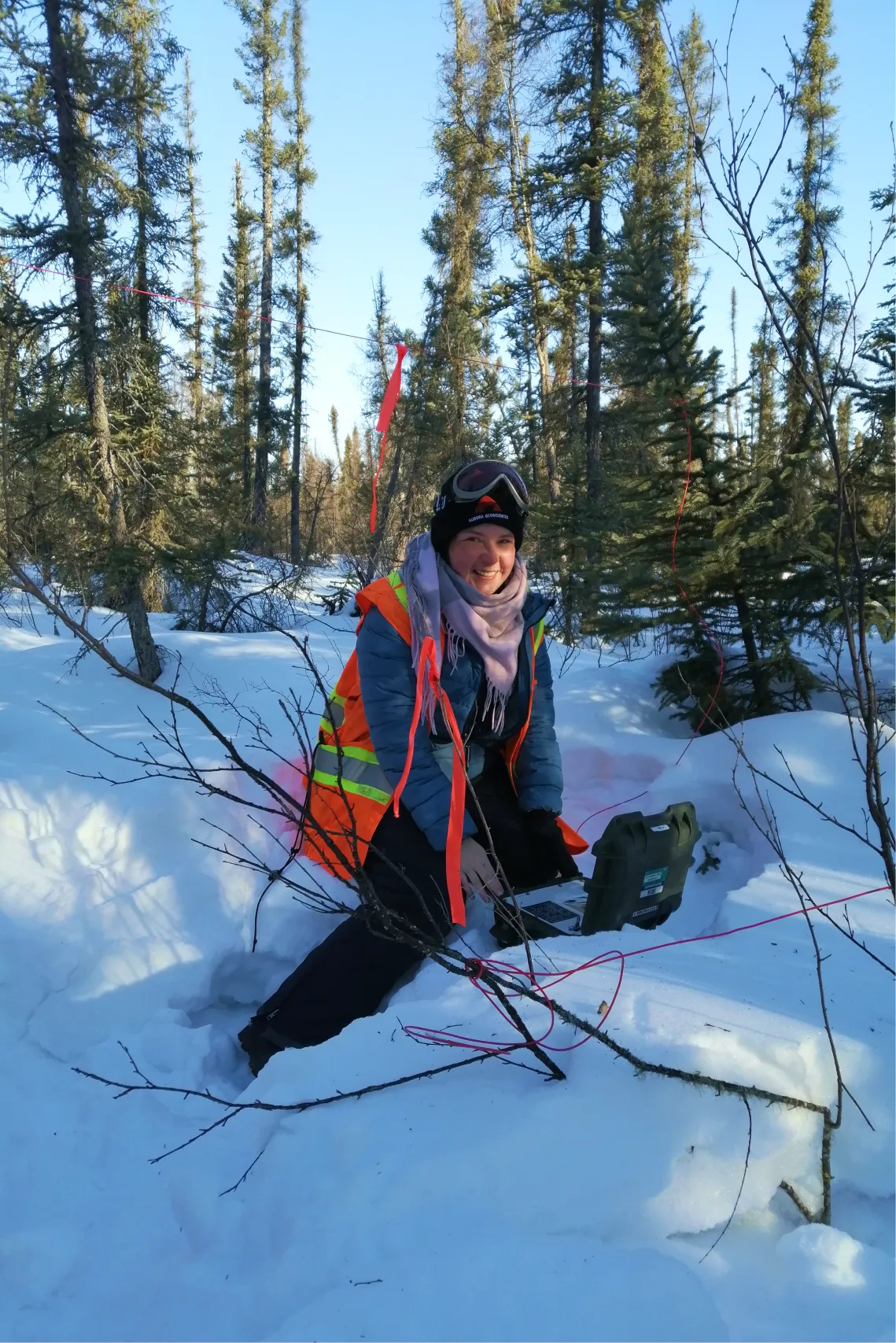
After connecting the meters, it’s time to run current into the line. We will test two lines at once: two teams will alternately connect their supply lines to the generator and pass current through them, and at this time all 20 meters will record the signal. We break through the ice or frozen soil so that the iron pins (electrodes) hit the soft and not frozen soil – it’s still a pleasure to swing a sledgehammer all day.
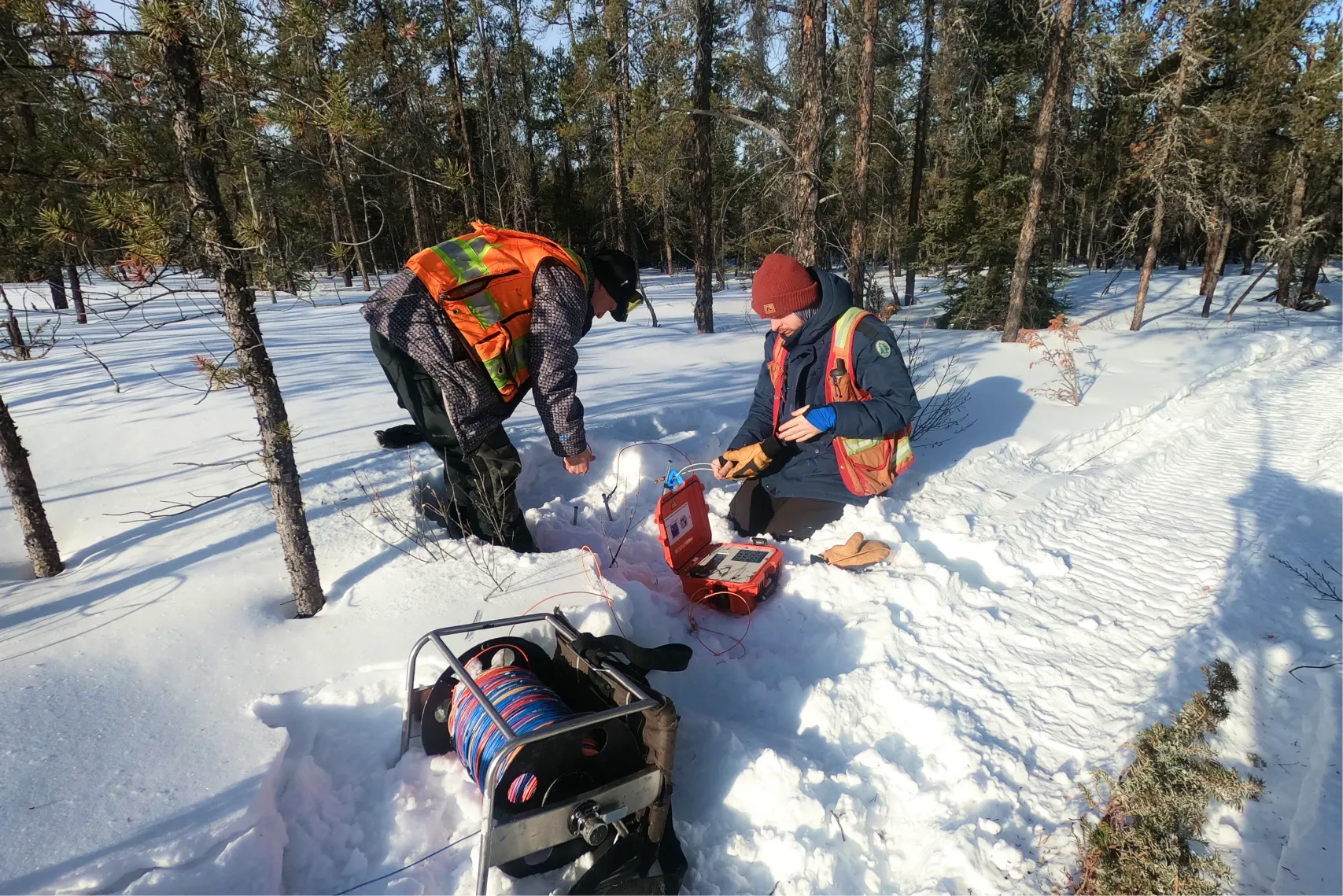
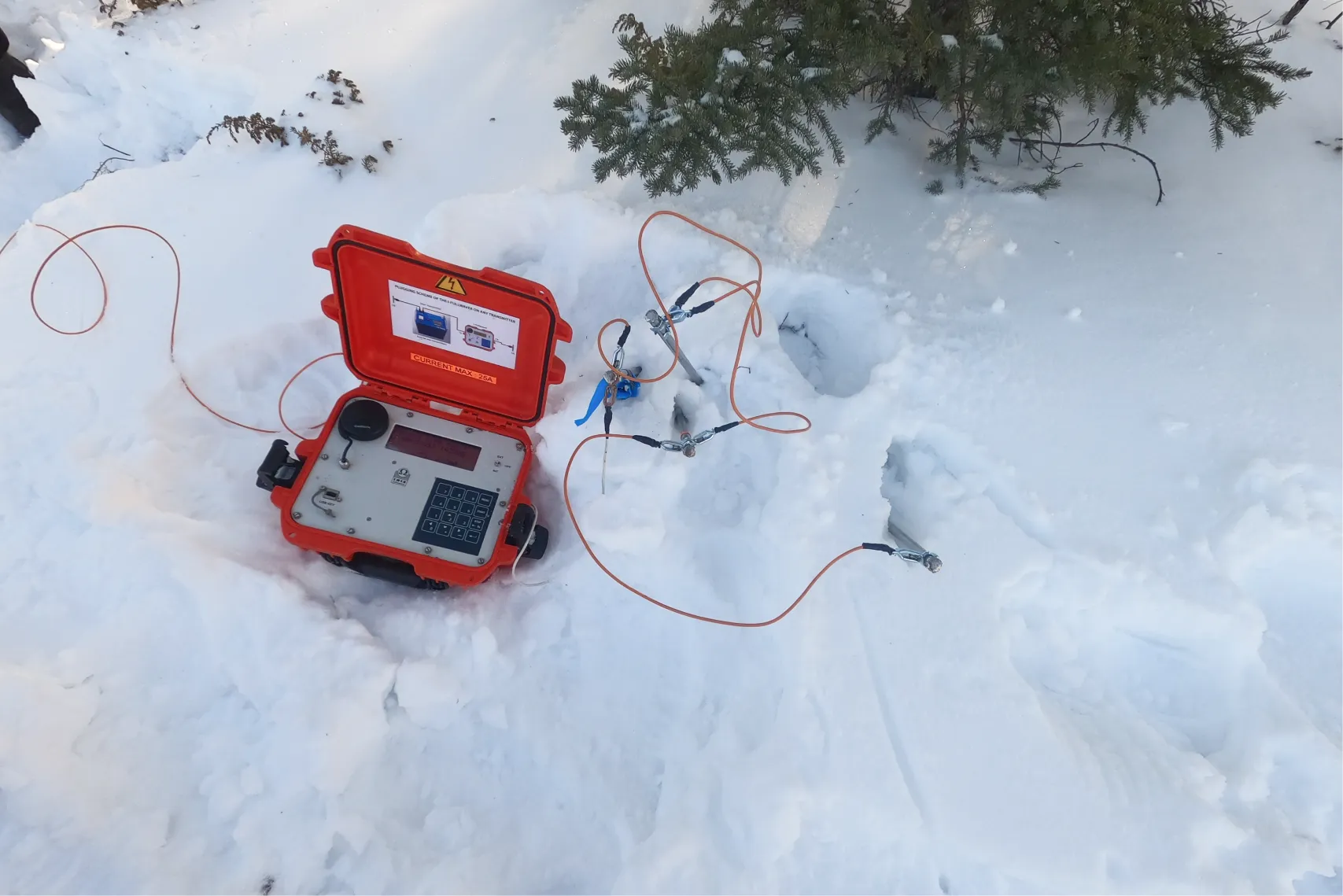
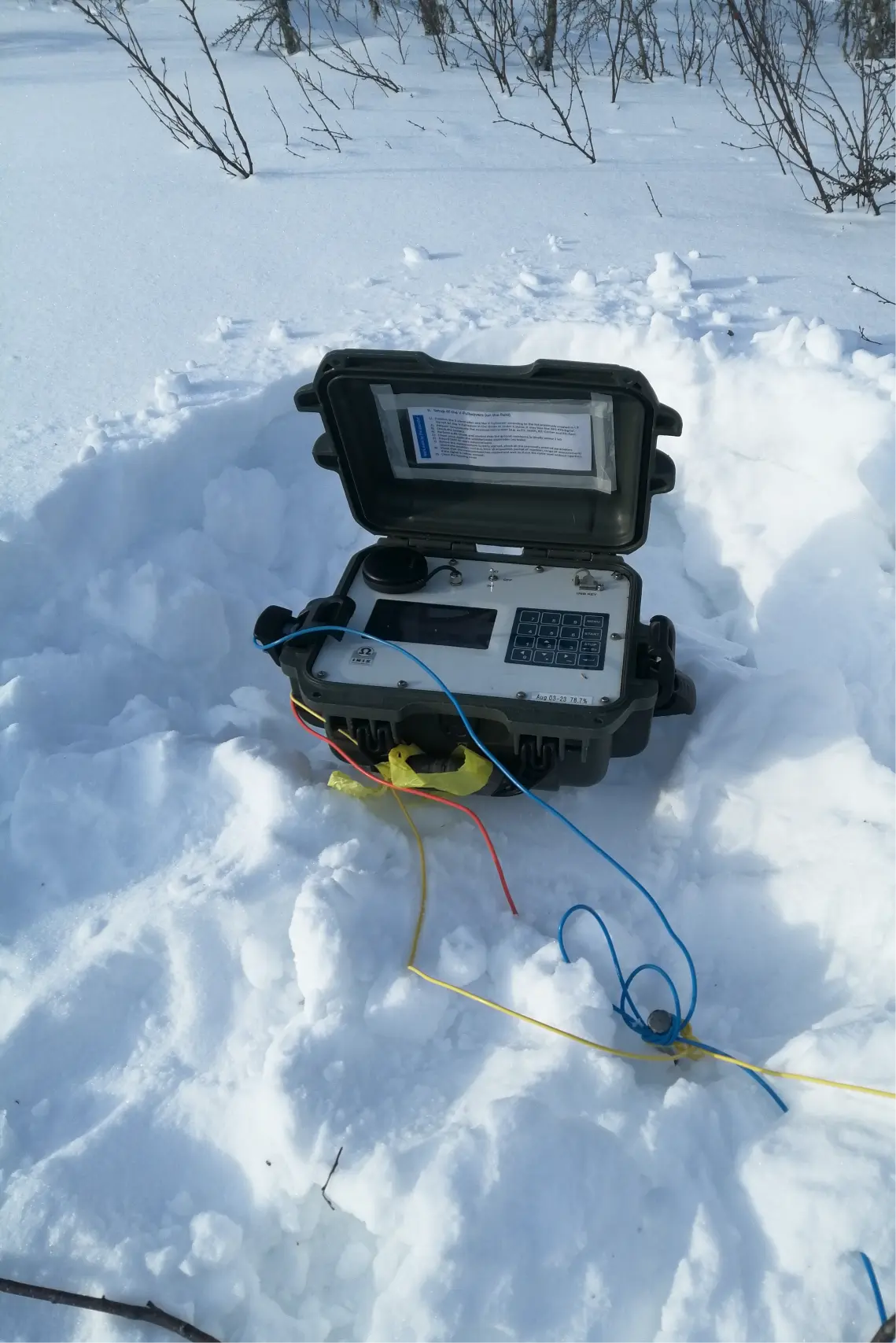
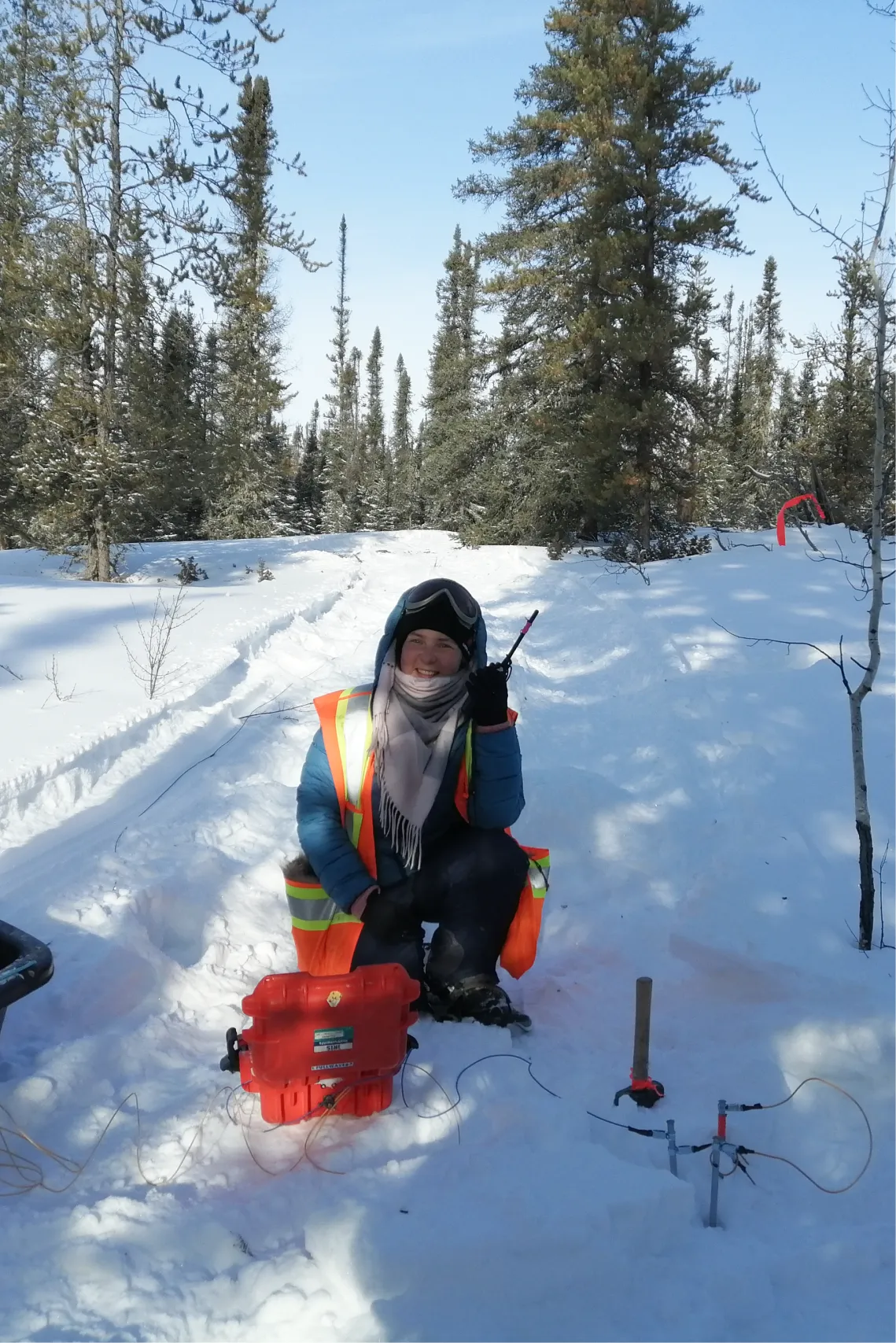
The connection is ready, we report this on the radio, and the operator at the generator turns on the current. If everything is fine and the wire along the entire line is intact, then on the switch we will see the current values in milliamps. We pass the current for 180 seconds. When the time is up, press the “Stop” button and notify the operator. He turns off the current in our line and switches it to the second one. Using pliers with hydraulic booster, we pull out the electrodes that have managed to freeze into the ground, collect the equipment and move on to the next point after 50 meters. In a day we will have time to measure 21 pickets or 1000 meters.
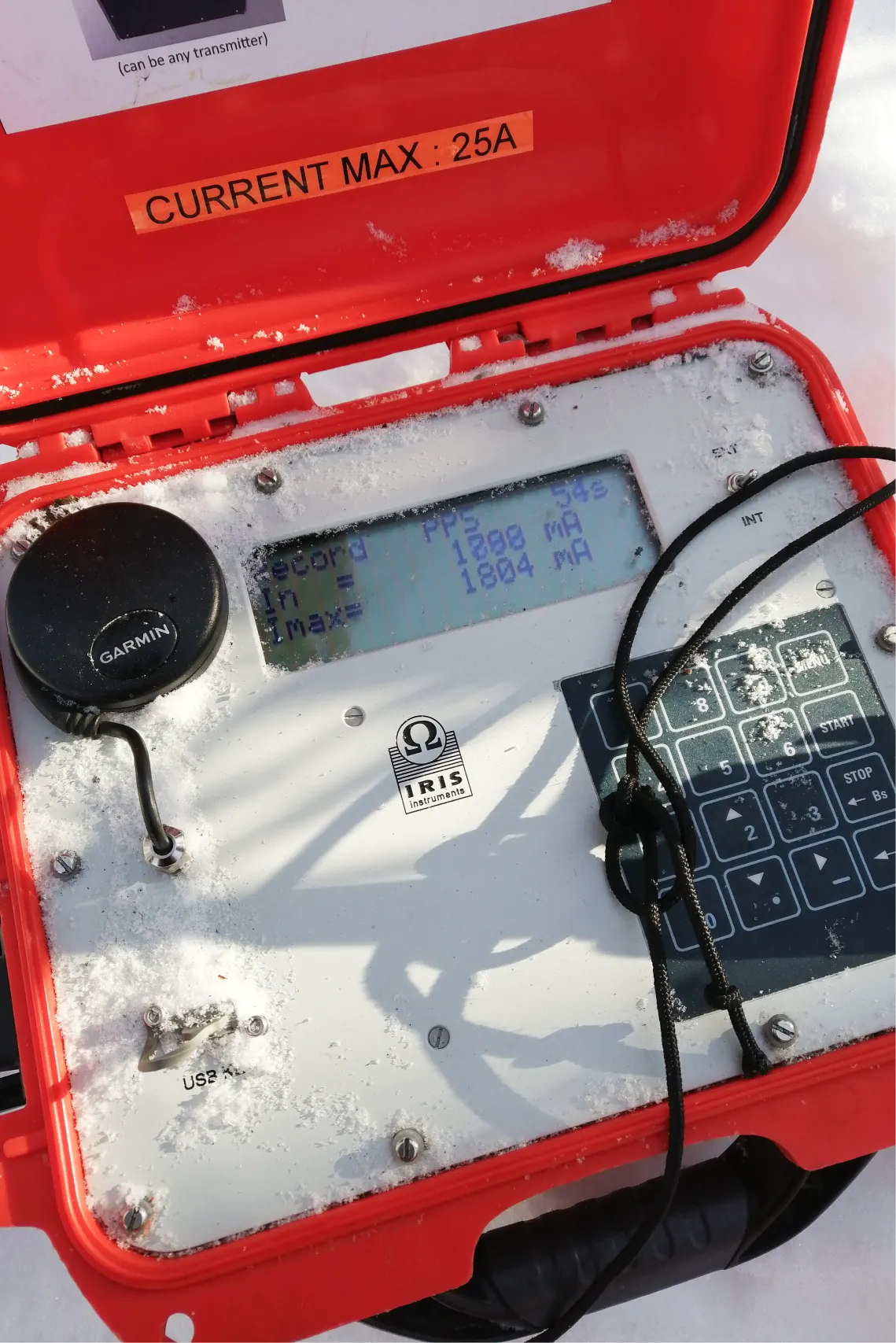
While we are measuring, I propose to pause for theory and figure out what kind of strange manipulations geophysicists perform and where 3D came from in electrical exploration.
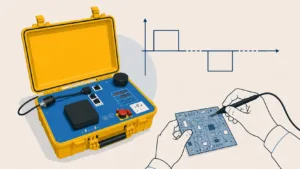
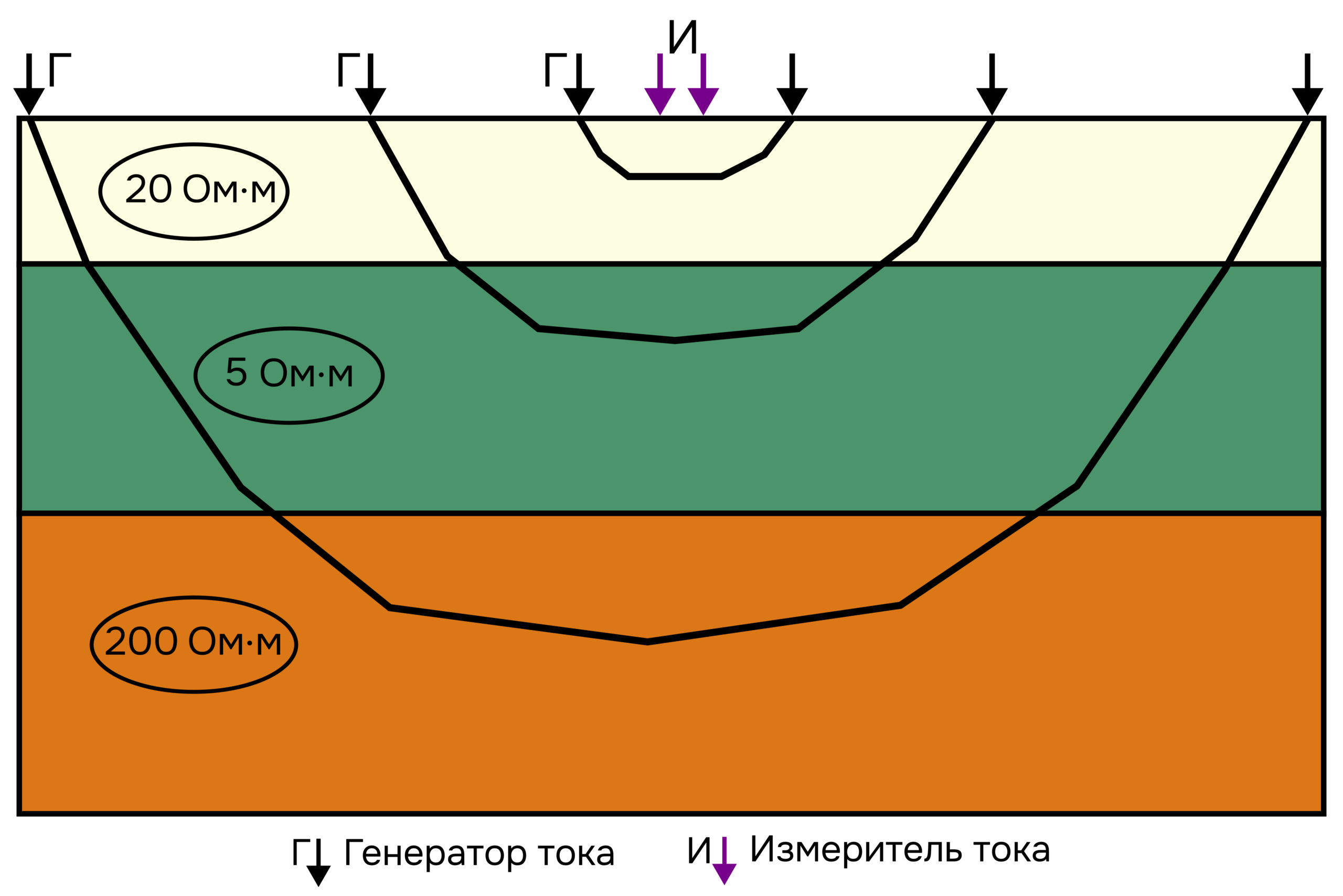
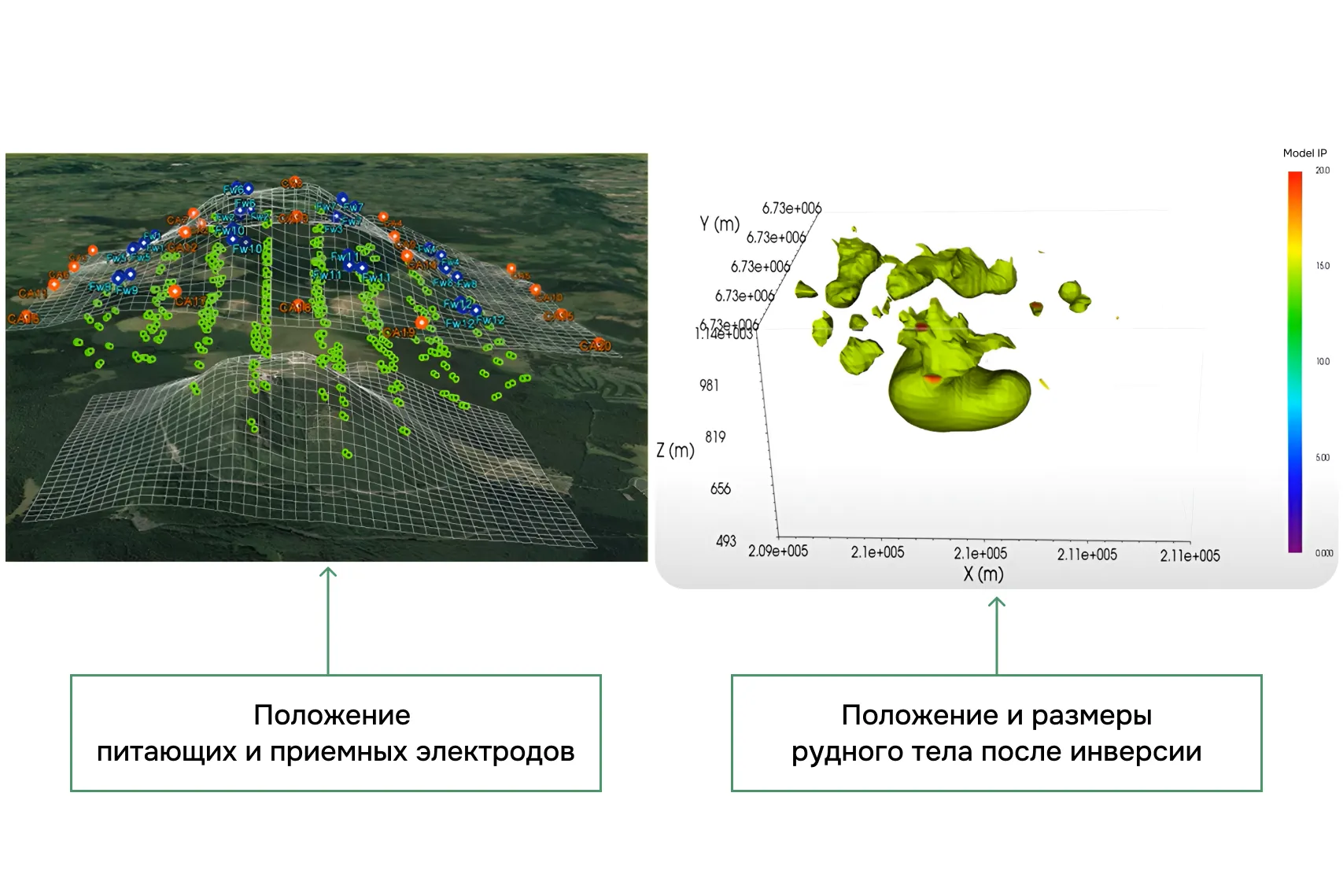
A hundred years ago, the Schlumberger brothers invented a new way to search for hydrocarbons. They hammered the electrodes into the ground (grounded) at a short distance from each other and passed current through them, and grounded the receiving electrodes in the middle between the supply electrodes to measure the potential difference ∆U. By moving such an electrical prospecting installation along a profile without changing the distance between the supply and receiving electrodes, we obtain information about the resistivity of rocks at the same depth. The depth of investigation, depending on the length of the installation, varies from 20 to 50 m.
But if the distance is changed, and the receiving line, which measures the potential difference, is moved relative to the supply line, we will obtain electrical sounding with the geometric principle of depth. The further we separate the current source (generator) and the signal receiver (meter), the greater the depth of the response we receive. Vertical electrical soundings (VES) measure changes in resistivity and polarizability only in depth. As a result, we obtain a horizontally layered medium, that is, one horizontal layer corresponds to one value of resistance and polarizability.
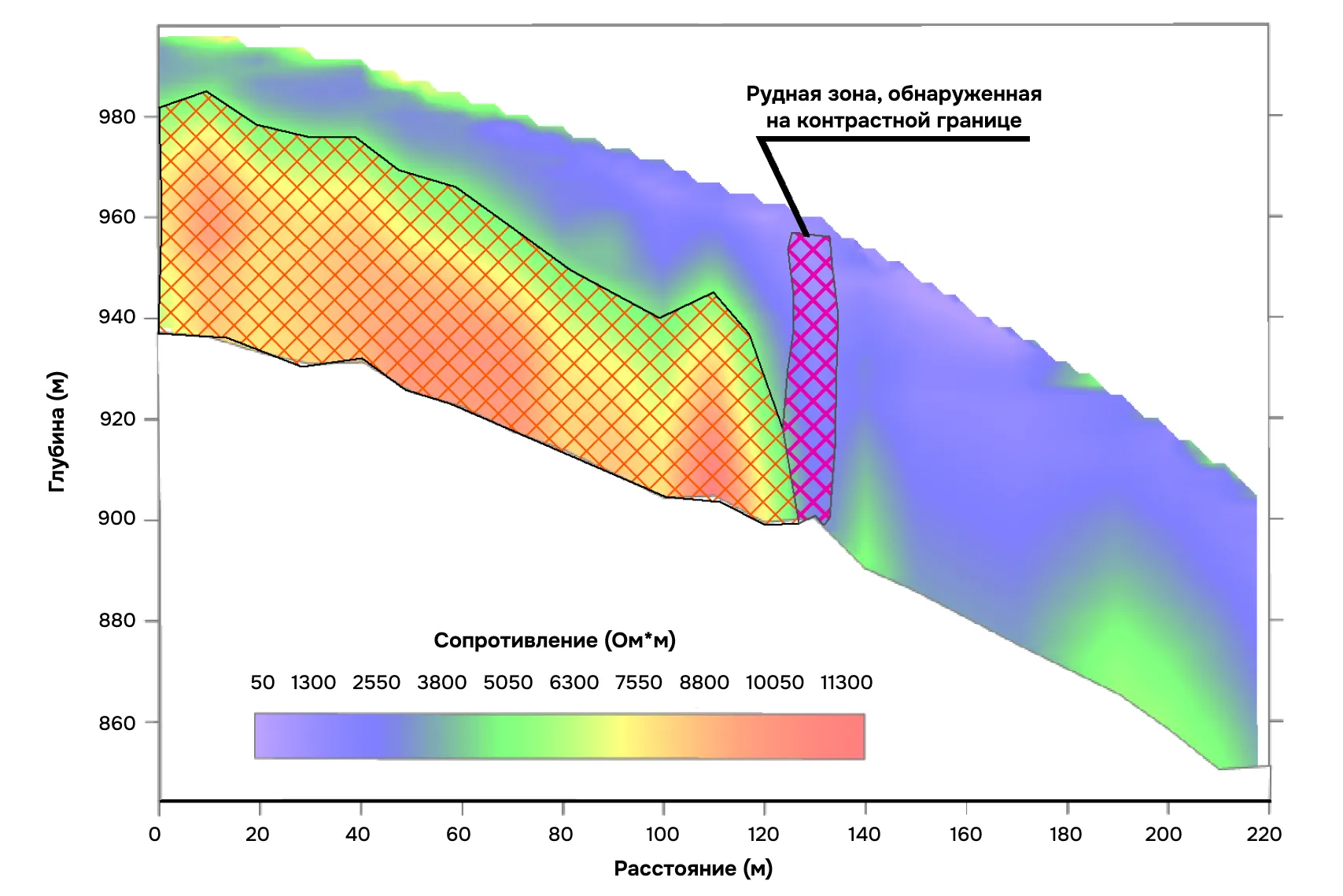
But what if the ore bodies are steeply dipping? Here the horizontal layered model is not suitable; a different technique is needed. Instead of a pair of supply and receiving electrodes, let’s take about a dozen of them – then we will illuminate geological objects from different angles. This technique is called electrical tomography. It provides 2D information about changes in resistivity and polarizability. 2D means both in depth and in width, so in the section we will see 2D subvertical anomalies.
What if we go even further and make additional ones to the right and left of the main profile and take measurements on them? Then we will get 3D electrical tomography, and our flat anomalies will acquire volume. I think I explained it, if anything is still unclear, write in the comments.
Read about geophysical methods in geological exploration Here.
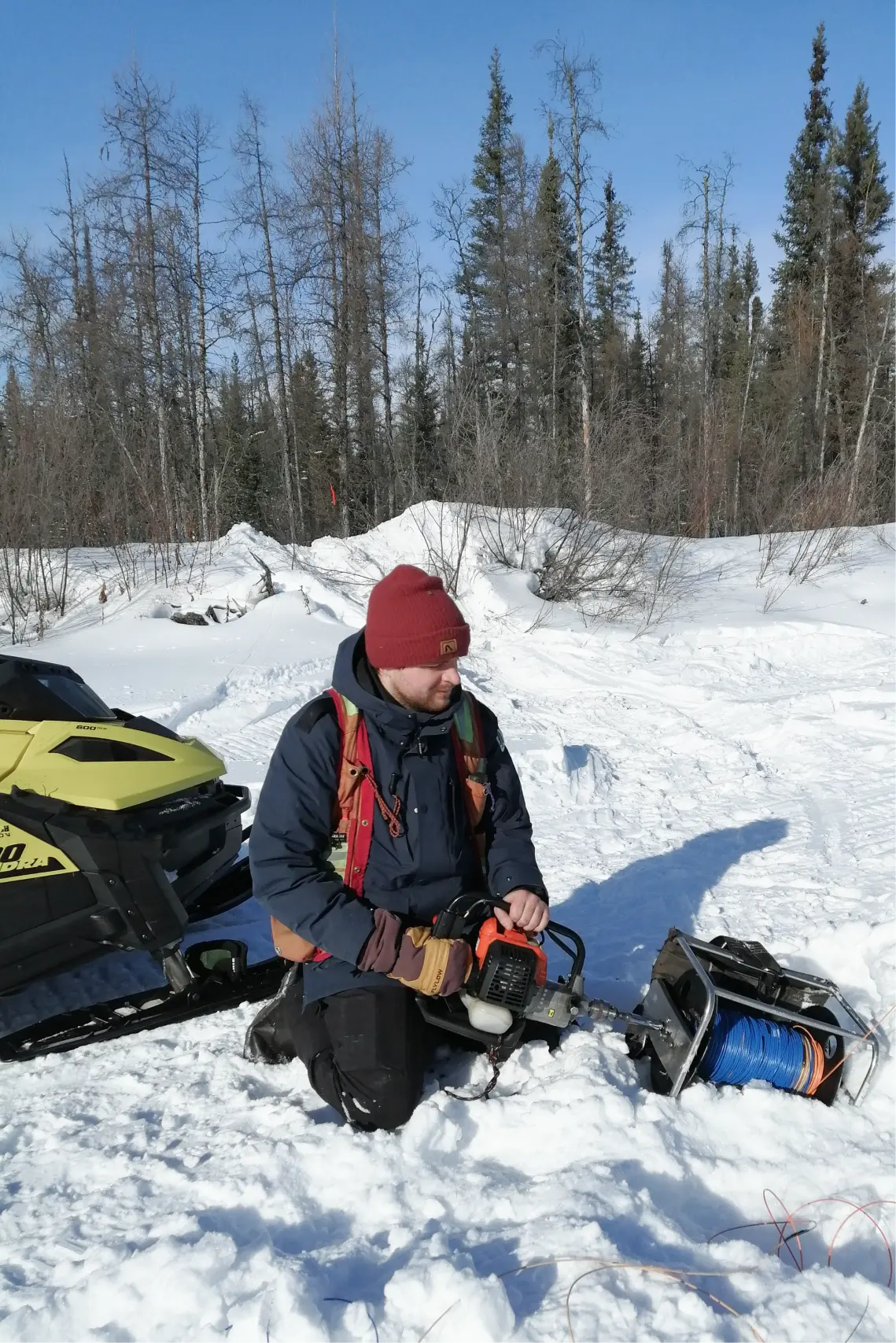
We finish measuring in about two hours. The last measurement and the command to cut off the current. We wind the wire onto reels in a very original way – with a gasoline drill. A minute and a kilometer of wire are wound – a very valuable rational solution. At the same time as winding the wire, we collect the meters and take them to the camp. Tomorrow we will collect wires and electrodes from all over the tablet and prepare the next one.
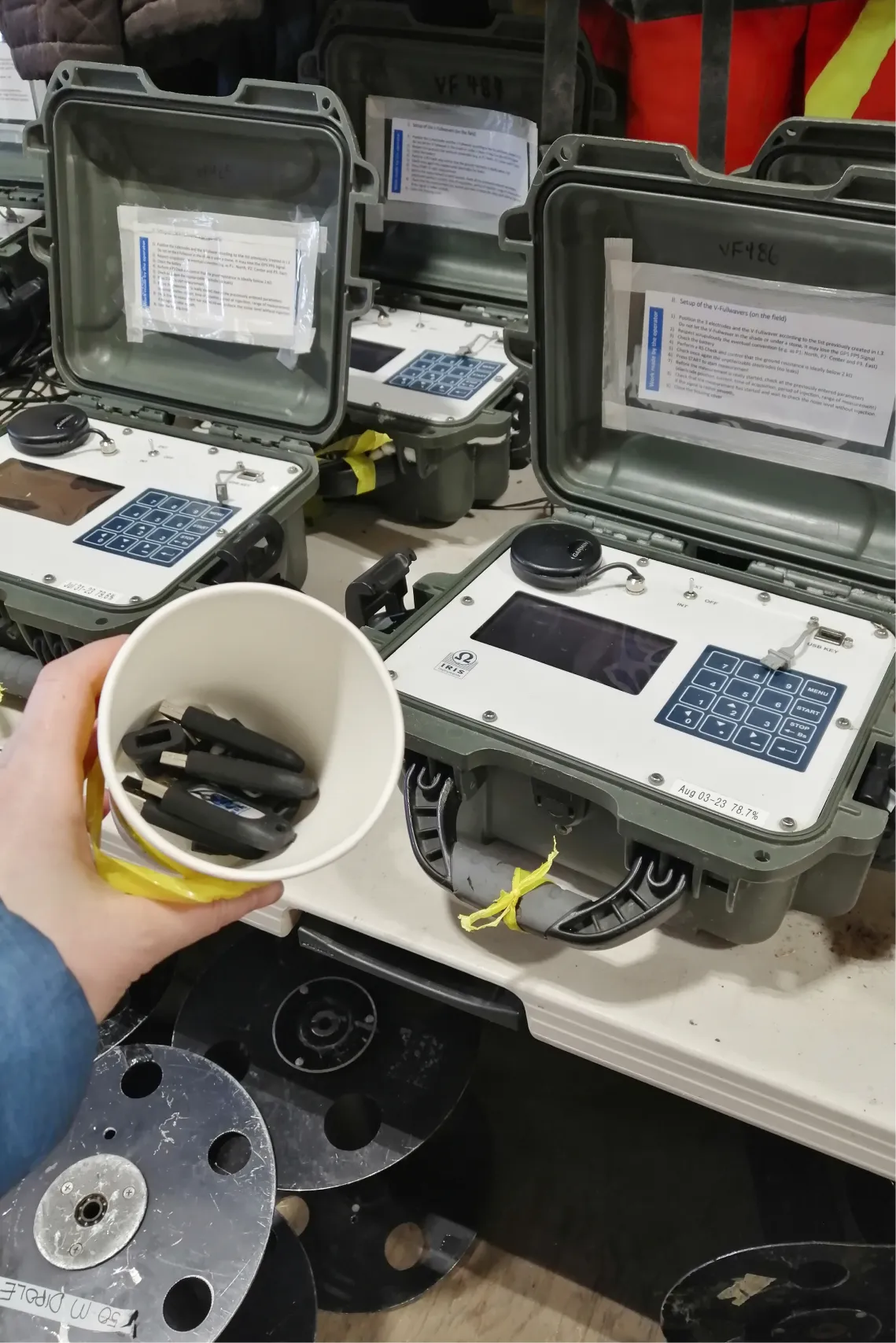
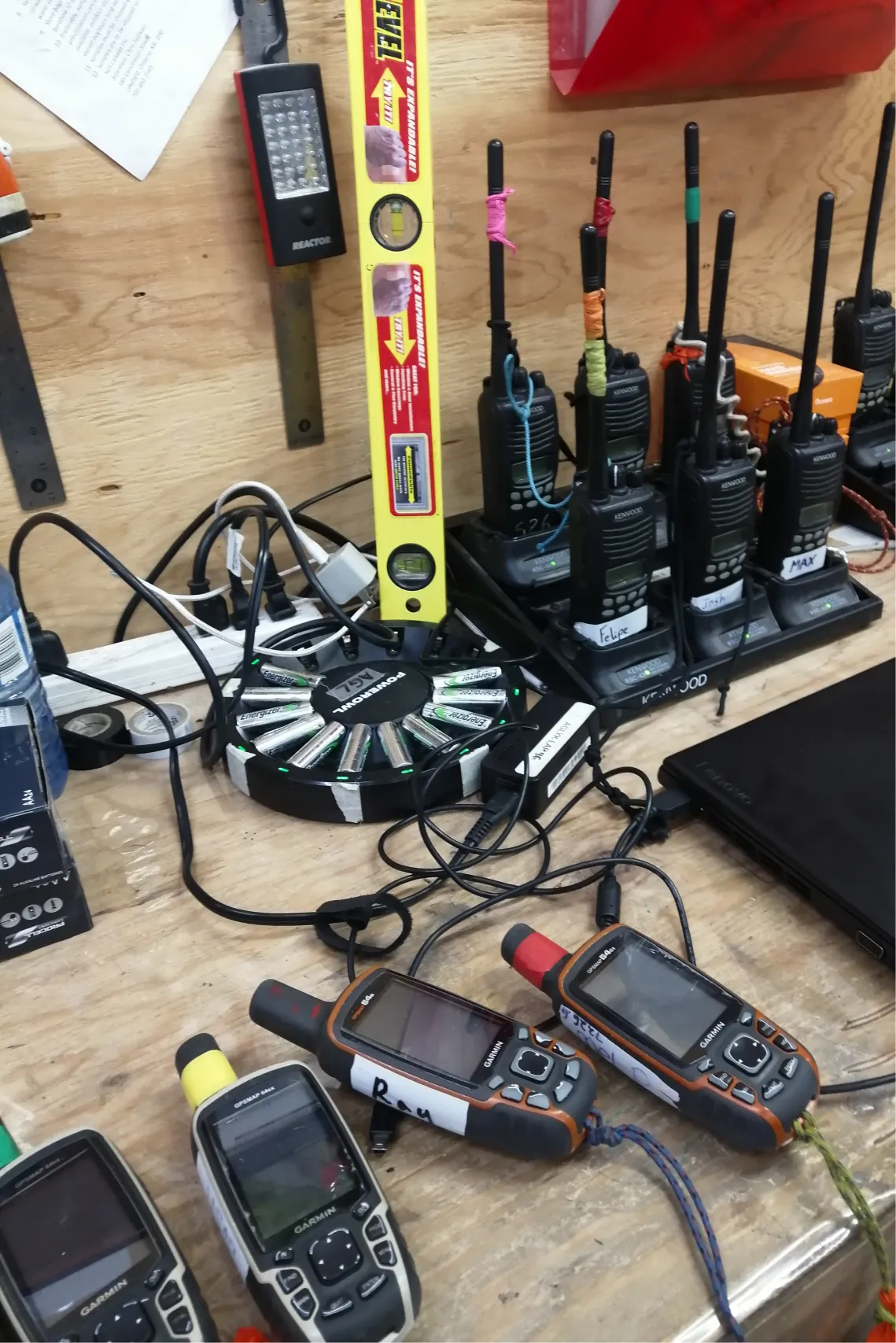
We return to camp, charge meters, walkie-talkies and batteries for GPS navigators. We download data from the devices onto flash drives and give them to the manager. He will check them and send them to the office for processing. I support this approach: when geophysicists in the field do not process data, but send it to the office, where other geophysicists, in the warmth and comfort, deal with what we intended in the field.
There’s still time before dinner, let’s go see how geophysicists live! I live in a modular trailer room. I didn’t take a photo inside – take my word for it, it’s a constant mess there. There is a bed, desk, wardrobe, chest of drawers and TV. Quite cozy. The next time I lived in a winter tent, heated with gas, and at -30 it was not cold in it. Posted photos on the tg channelwhat the tent looks like inside.
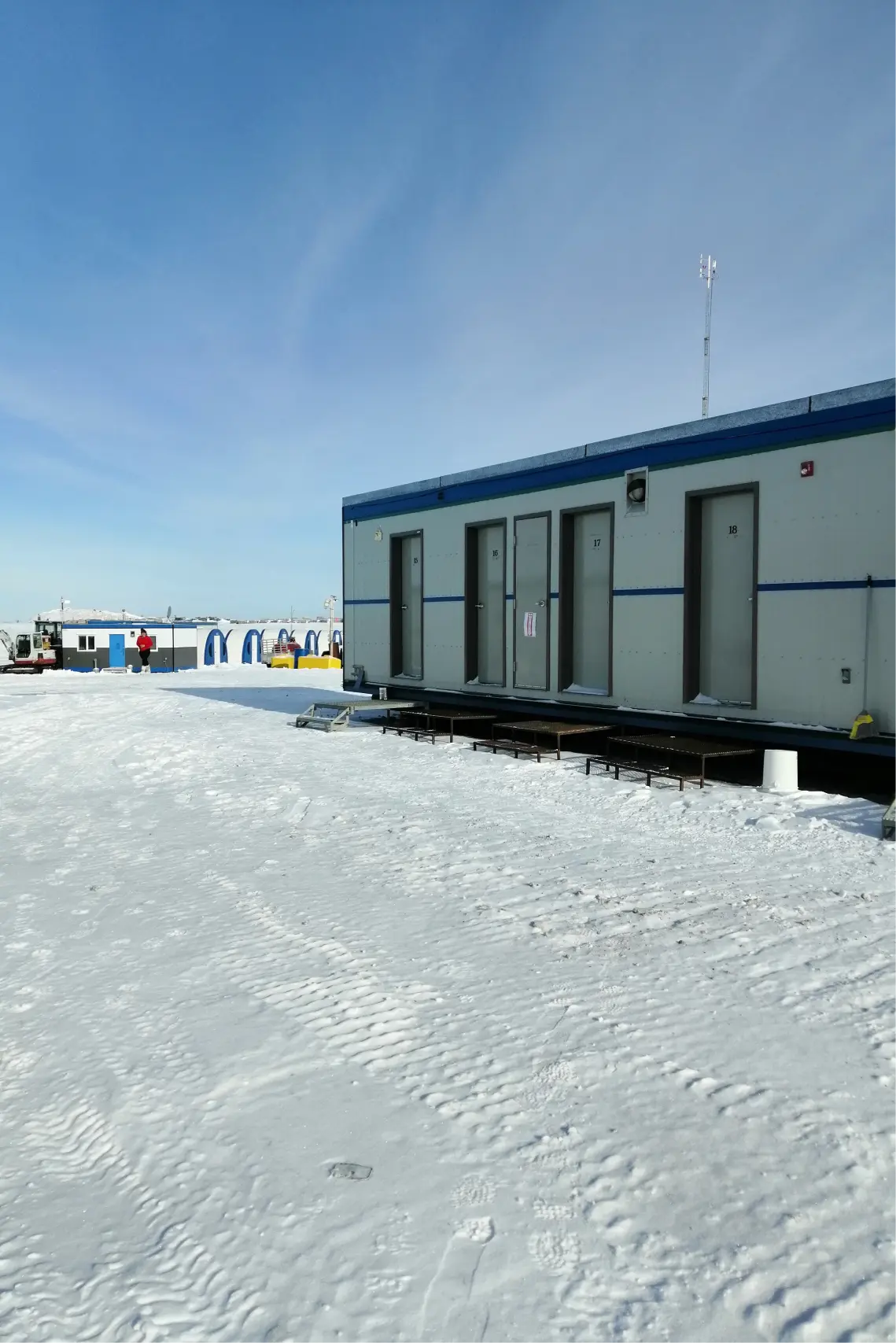
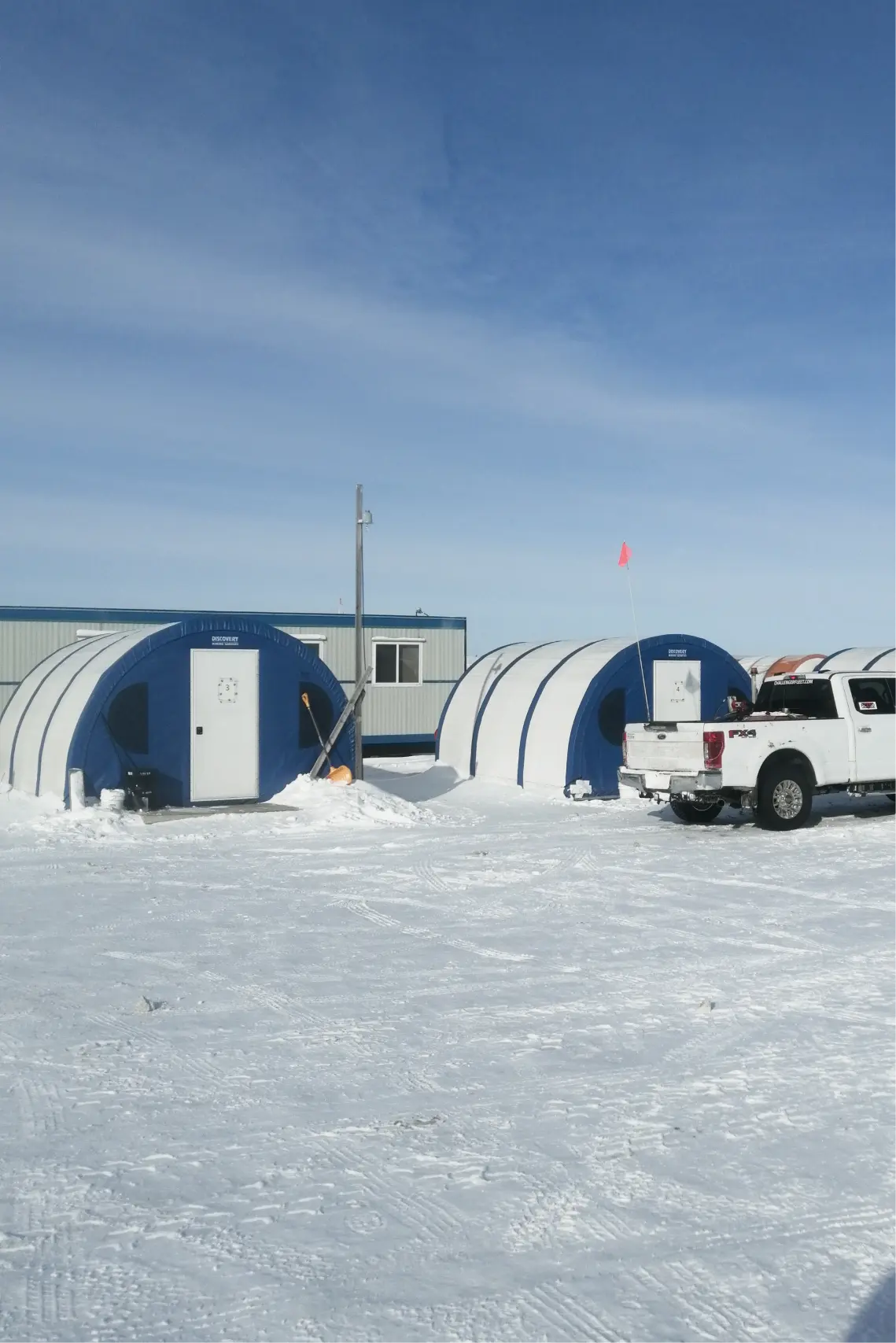
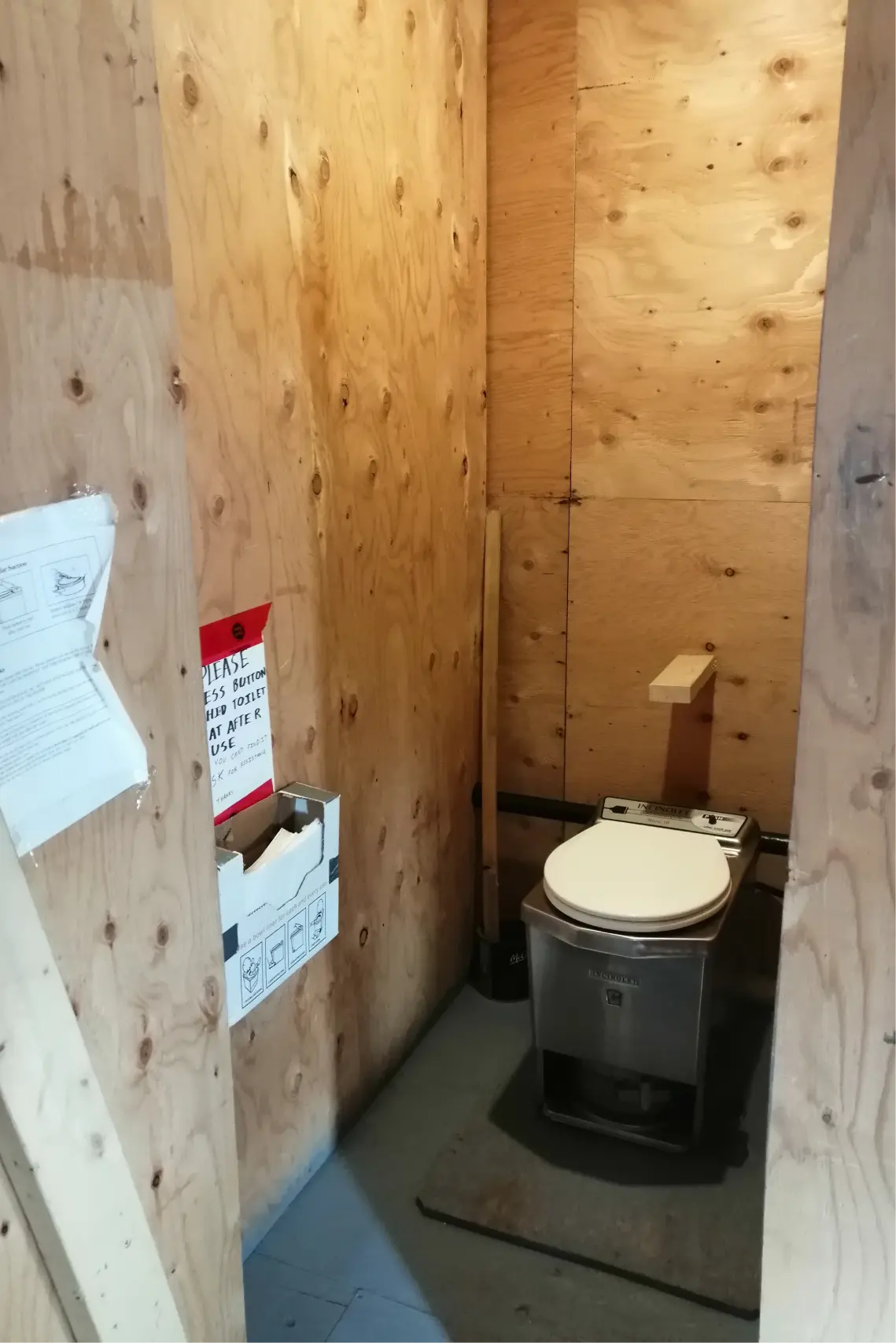
And now I present to your attention a house for reflection. I’ll tell you, he’s very unusual. The results of reflection are not collected in a cesspool, but burned. Instead of water, fire bursts out of the toilet and destroys all your work. Epic, what can I say.
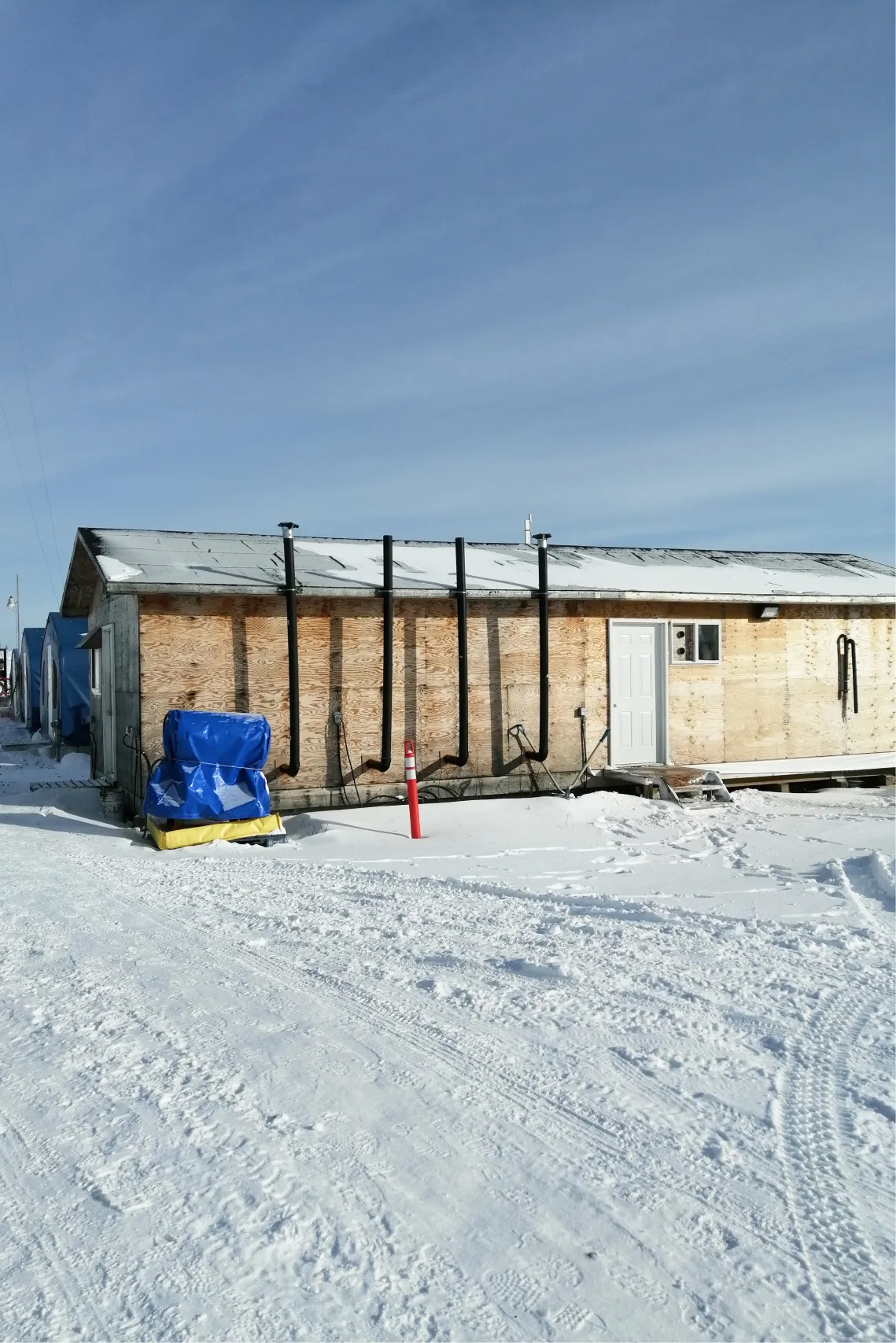
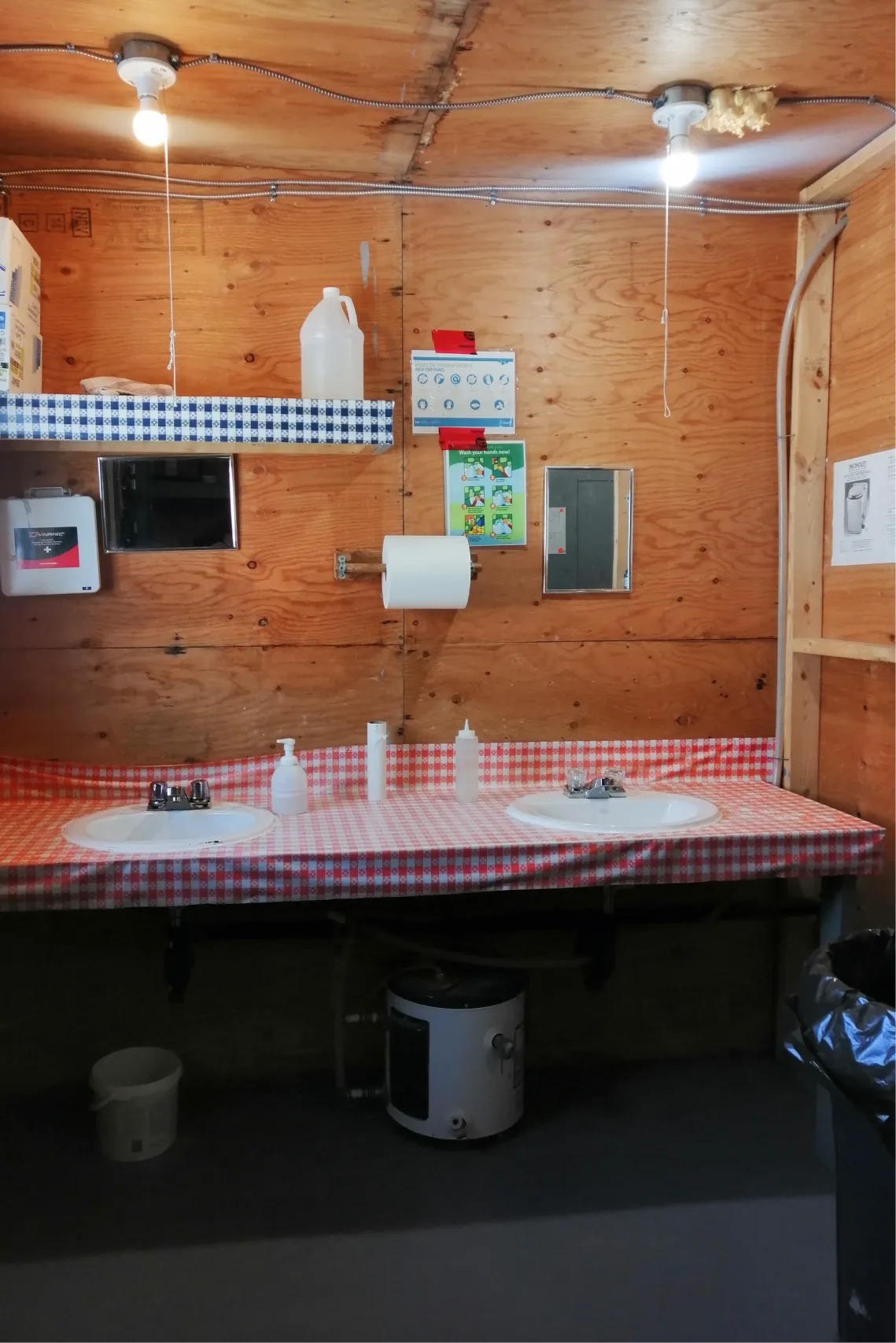
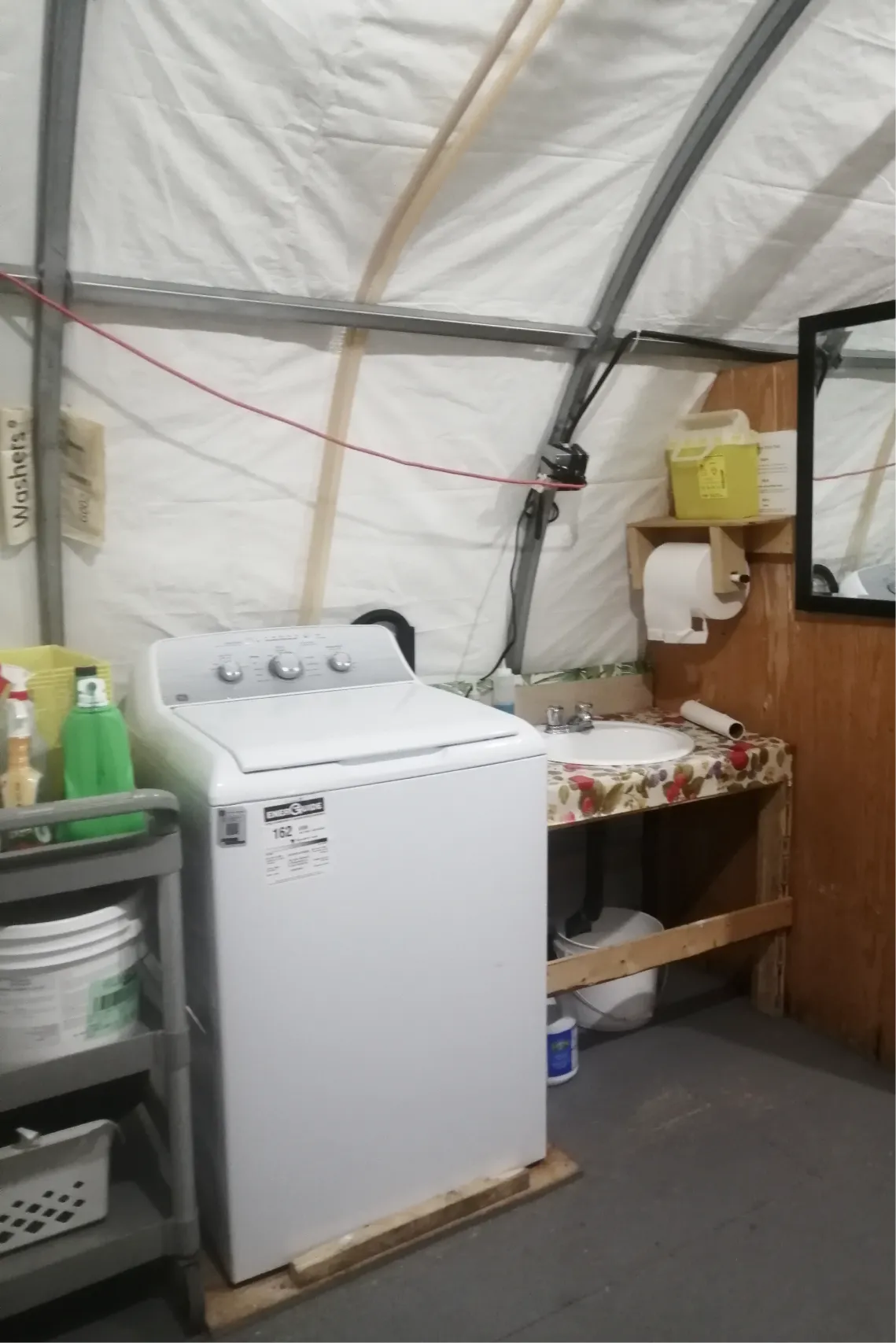
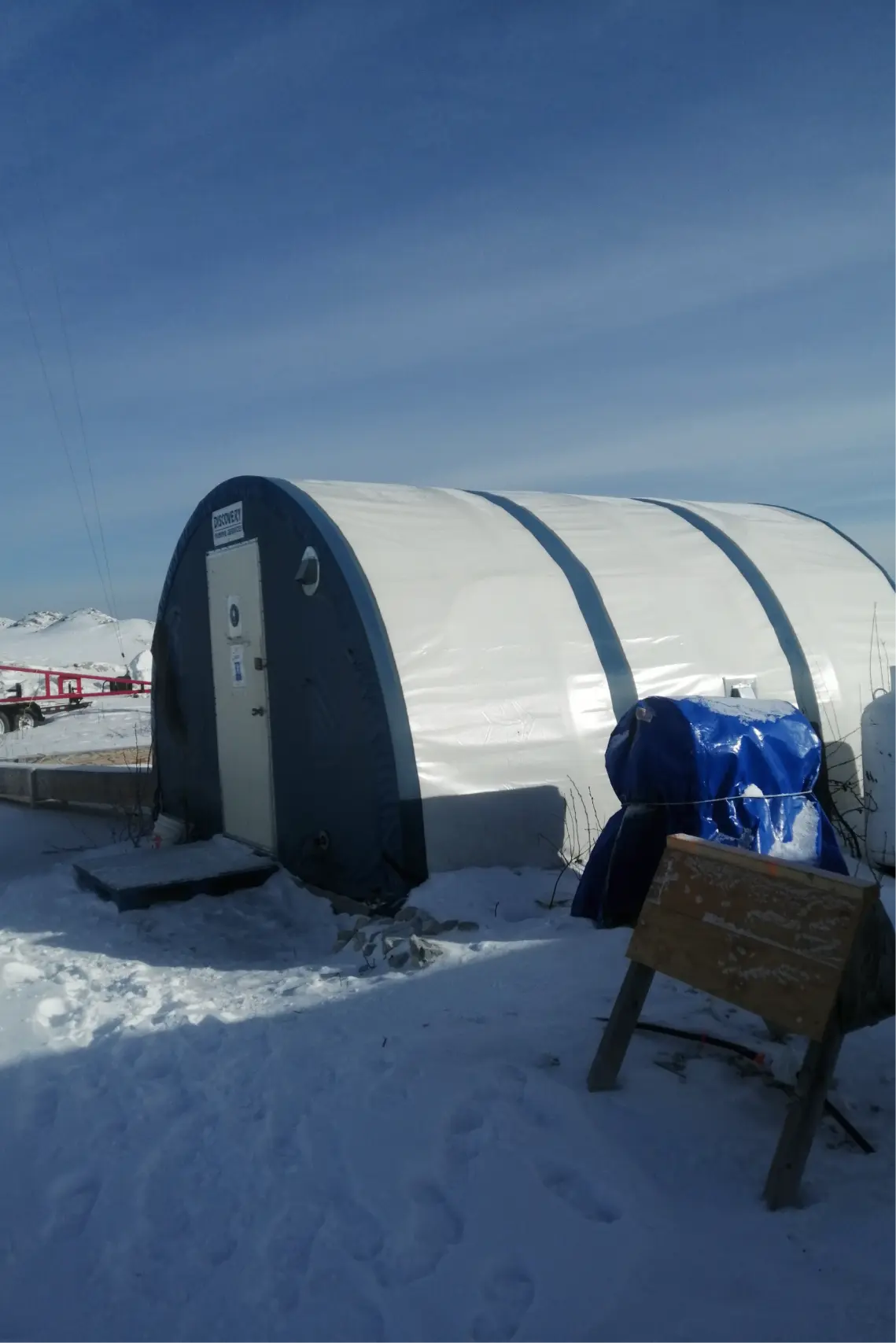
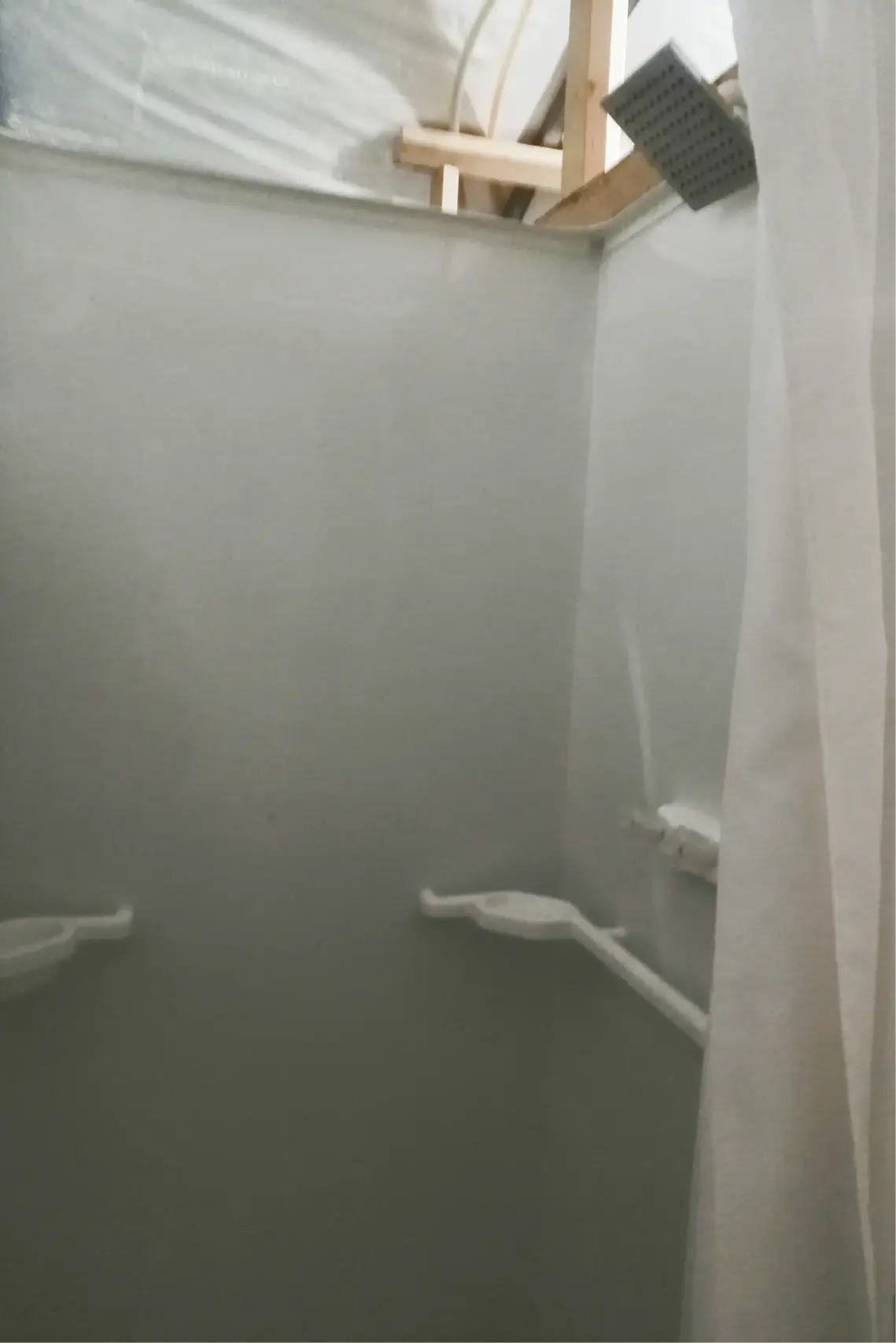
Do we wash, idle people often ask me, those who have never tried to climb mountains, hung with equipment, or have not carried samples from routes. I answer – we wash ourselves and even wash our clothes. If in Russia I had a bathhouse in the fields, then in Canada, unfortunately, they love showers. I will miss the bathhouse, because the shower will not wash away the fatigue from you, as the life-giving hundred-degree steam in the steam room can do.

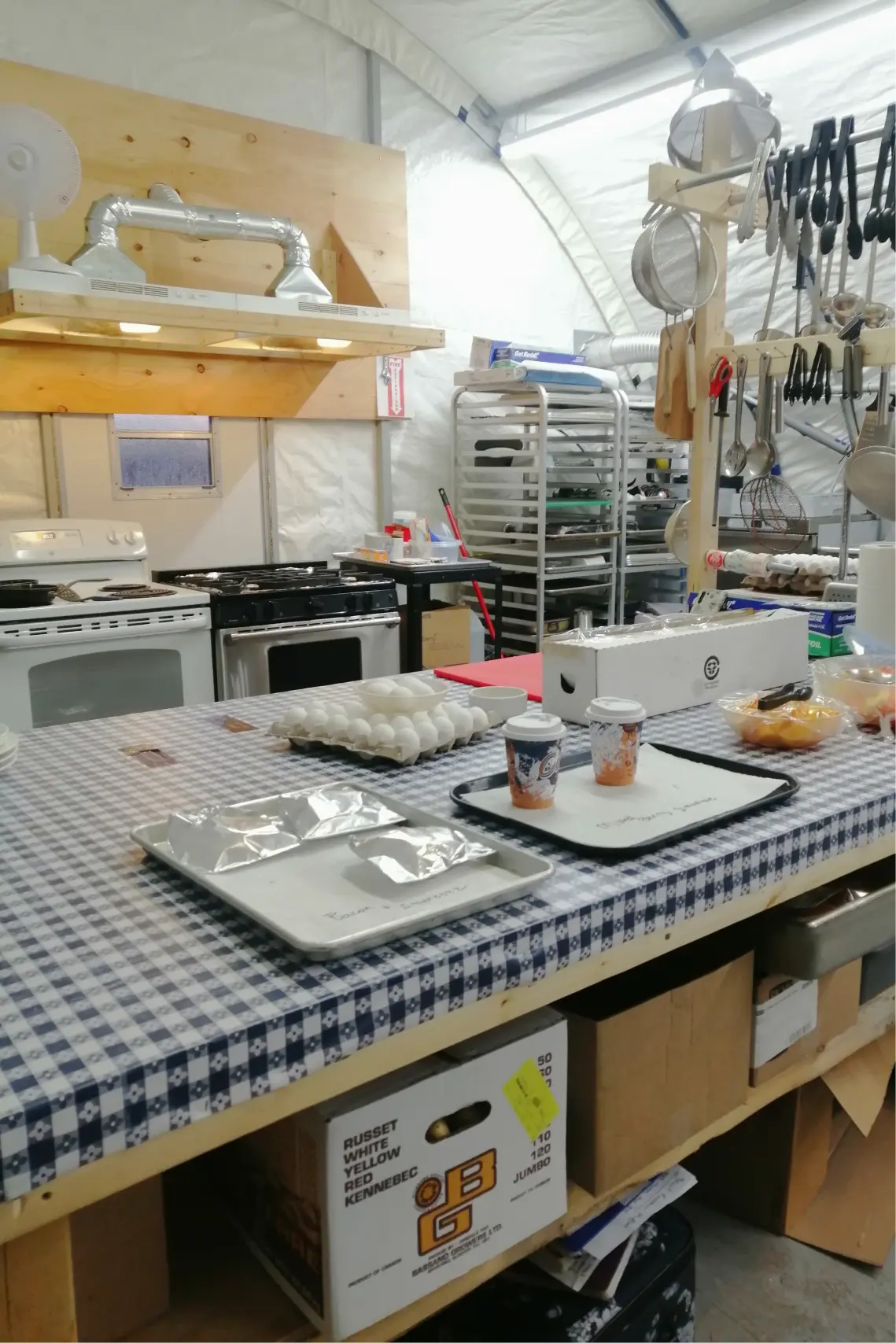
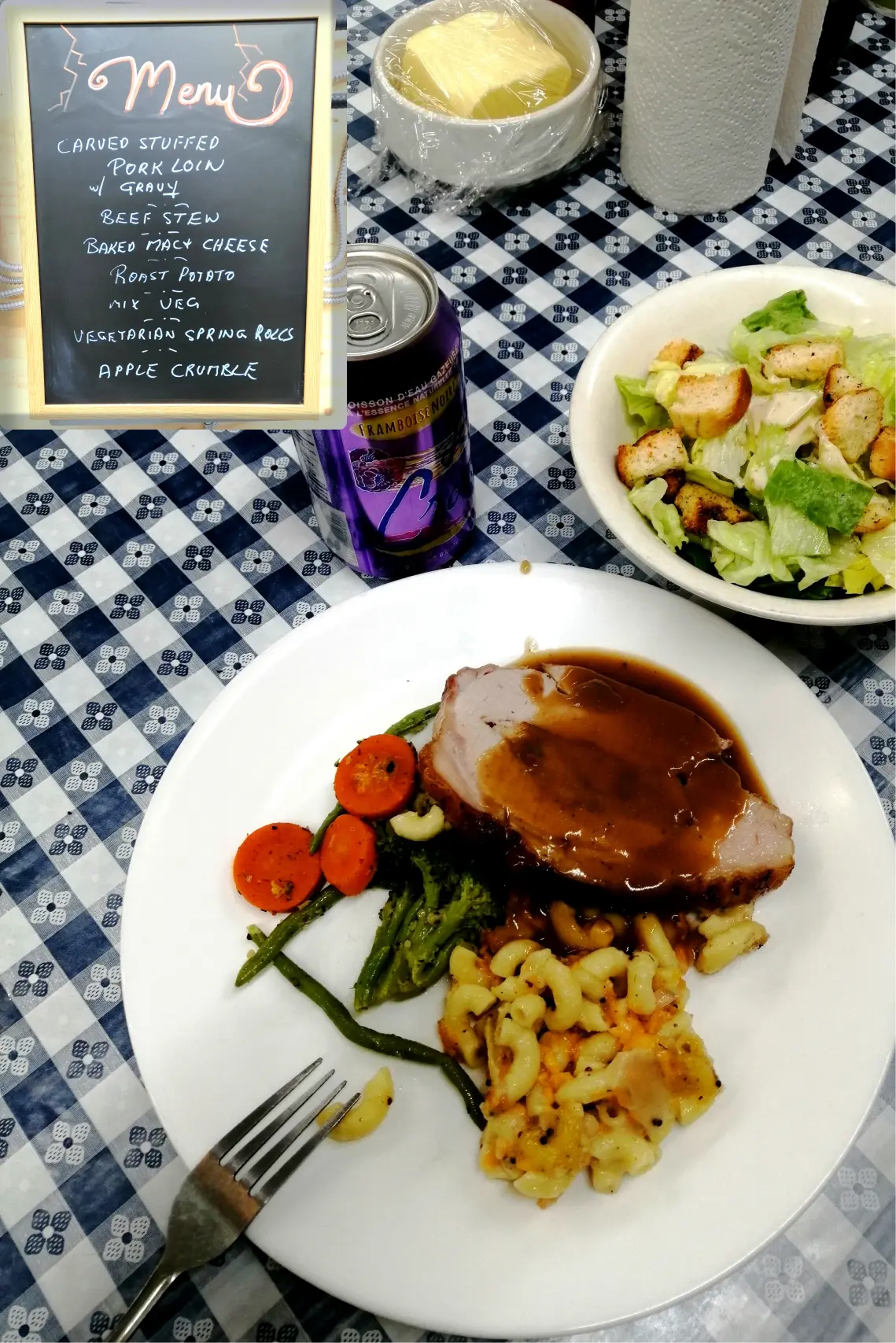
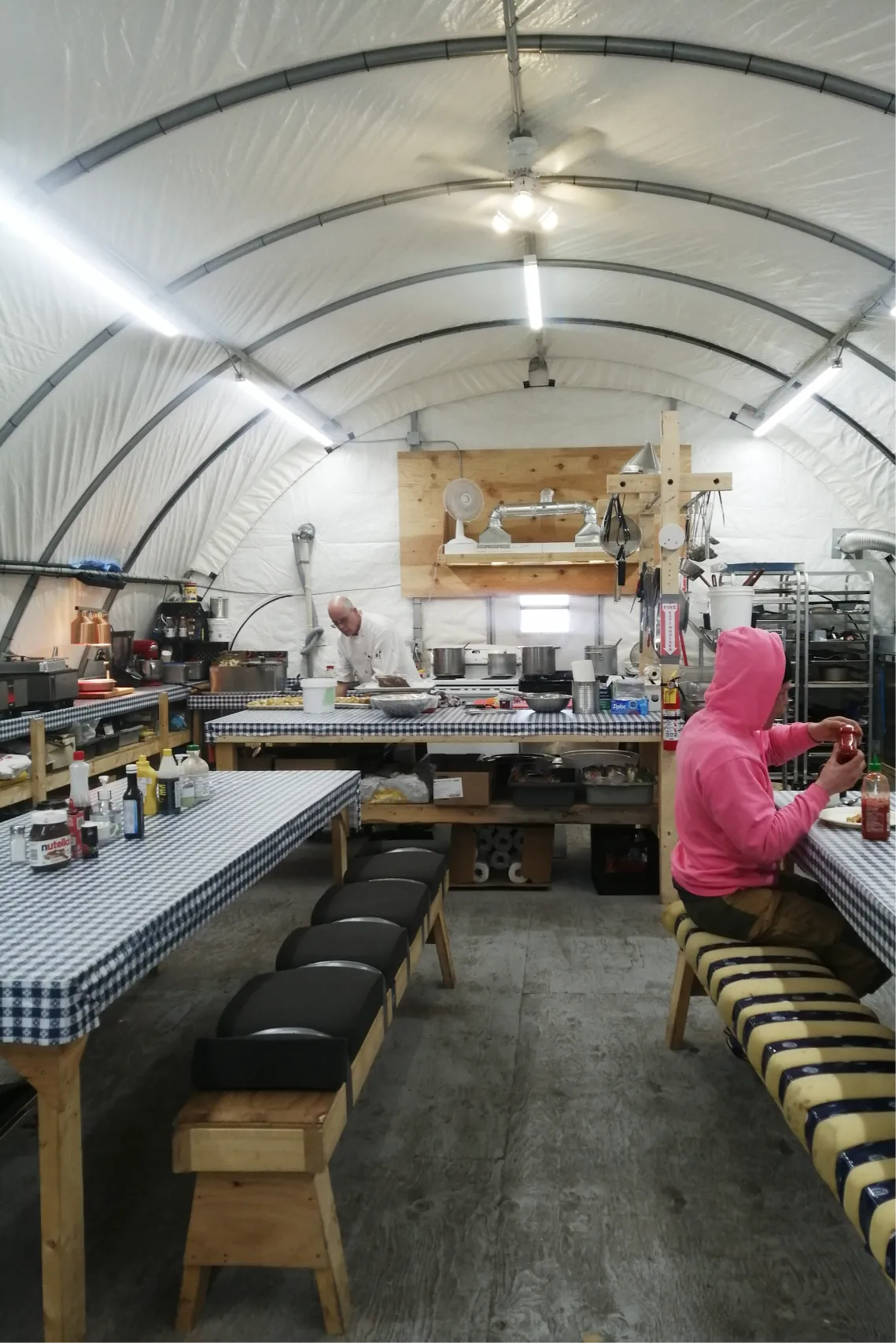
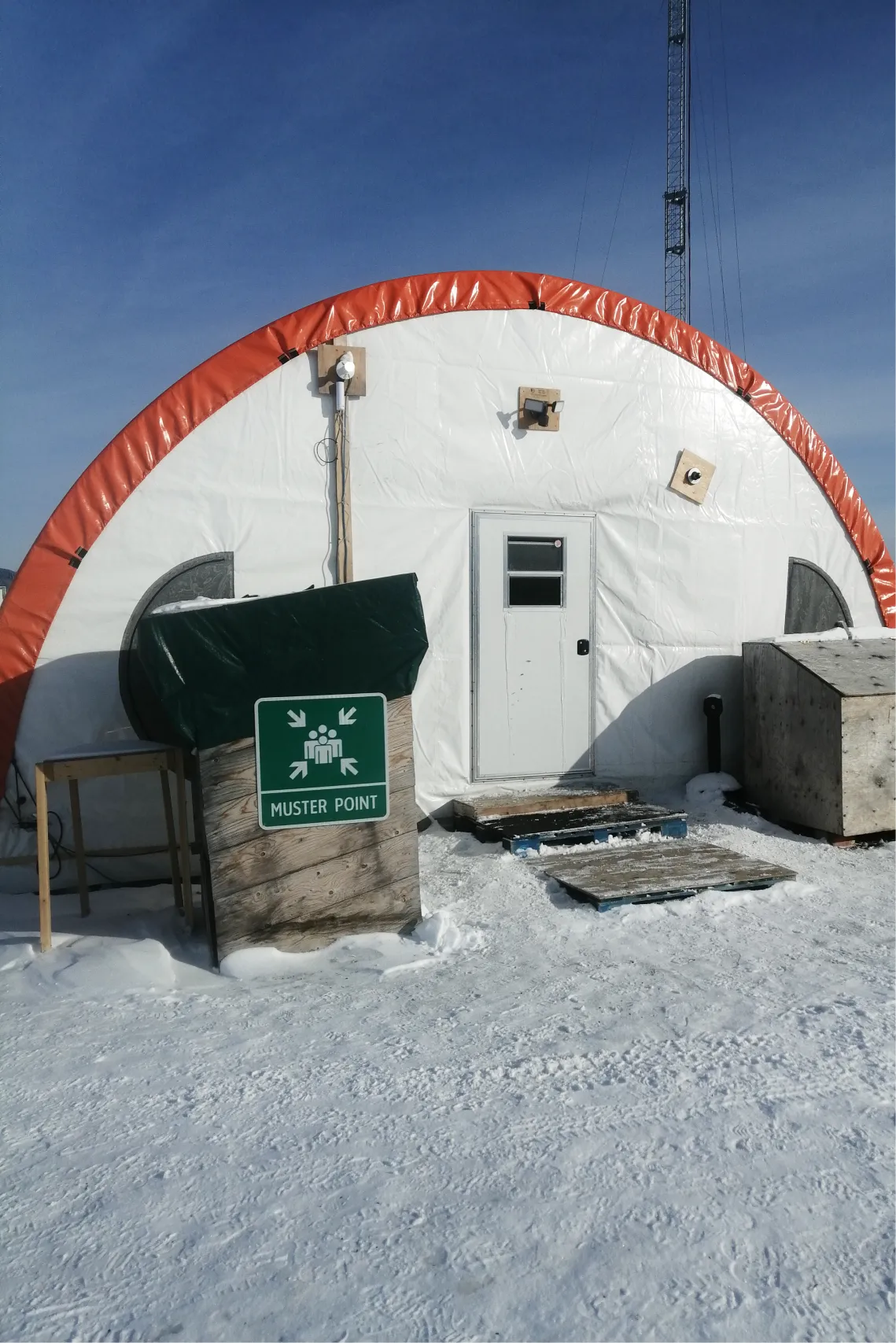
And we end our walk around the camp with a place of power. Dining room. No comments here, just admiring it. Dinner has just arrived, bon appetit!
Before bed, there is finally time to take care of personal matters. I’m counting the budget for GeoConversation. Just a couple of weeks ago, a crazy idea came to me to create media for geospecialists. But it turned out cool – then in March the project was just taking shape, and now you are reading about this day on GeoConversation. It’s just a time loop! I go to bed around ten in the evening, having spent the last hour on the reels, fortunately the Internet is excellent.
Thank you for spending this day with me! If you would like to talk about your working day, then quickly leave a request – click on the “Suggest an article idea” button.