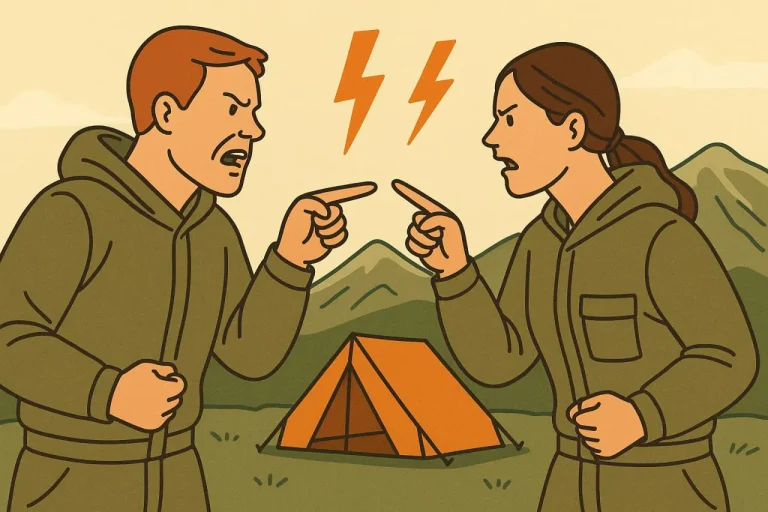
Is your colleague ignoring your requests? Are you unhappy with your work conditions? Can’t come to an agreement with the customer? Do your subordinates not like your decision? All these are conflict situations. They are unpleasant and you don’t want to fall into them, but they can be turned around for the better. Conflict expert Evgeniy Lepyokhin, head of the design studio, will tell you how to do this. author of a course on conflict resolution at work. Evgeniy will share his experience on how to act before and during a conflict. We give him the floor.
Not conflicting or waiting for it to go away on its own is a bad strategy
The basis of any conflict is a clash of interests, which means that when we avoid conflict, we do not defend our interests. After some time, our opinion will simply not be taken into account. When we have already entered into a conflict, that is, we feel that our interests are not taken into account, but we wait until it goes away, then we also pay a high price for this: the problem will itch in us until it leads to a nervous breakdown and its radical solution.
… a conflict environment provokes the departure of highly qualified employees. Many people prefer not to resolve the conflict, not to live in it, but to exclude its negative impact on themselves and quit. 37% of respondents spoke about the outflow of personnel from companies amid conflicts.
— Wrote in 2023 Forbes with reference to a study by Sber University.
At the same time, conflicts — an integral part of the job, because we most often work in a team. Moreover, conflicts are inevitable among field workers who must be with colleagues 24 hours a day, that is, not only work with them, but also live side by side for several months.
Being afraid to enter into a conflict and resolve it means missing out on benefits
Conflict, even if it is emotionally expensive to be in it, brings not only negativity. In fact, conflict is an opportunity to find a way out and improve the situation. For example, increase your salary, change working conditions for more comfortable ones, reach an agreement with a colleague.
What prevents you from going into conflict? Fears and prejudices. For example, it seems to us that they will not listen to us. Either we had a bad experience and now we are sure that this time will be the same, or we are thinking for another person. There’s a formidable boss sitting here, how do you approach him? He’ll probably shave me off or something. And this may not be the case at all. Most likely, this is not so, because the boss is also a person with his own thoughts and feelings.
And when the conflict is not resolved, important tasks are completed more slowly, and achievement of project goals is delayed. Therefore, it is definitely worth going to conflict. In order for it to bring less stress, you need to be prepared for it, that is, learn to manage it.
How to manage conflicts: we understand mistakes and examples
Conflict management — super practical area. You can only gain traction and learn to interact with colleagues in conflict through experience. The main thing here, even if something didn’t go the way you wanted, is not to scold yourself, but to analyze the situation and benefit. Let’s look at three issues in conflict management:
- How to calculate risks and prevent conflict;
- How to enter into conflict;
- How to act in conflict.
How to calculate risks and prevent conflict
To calculate the risks and prevent conflict, you need to avoid making two mistakes that are in this example:
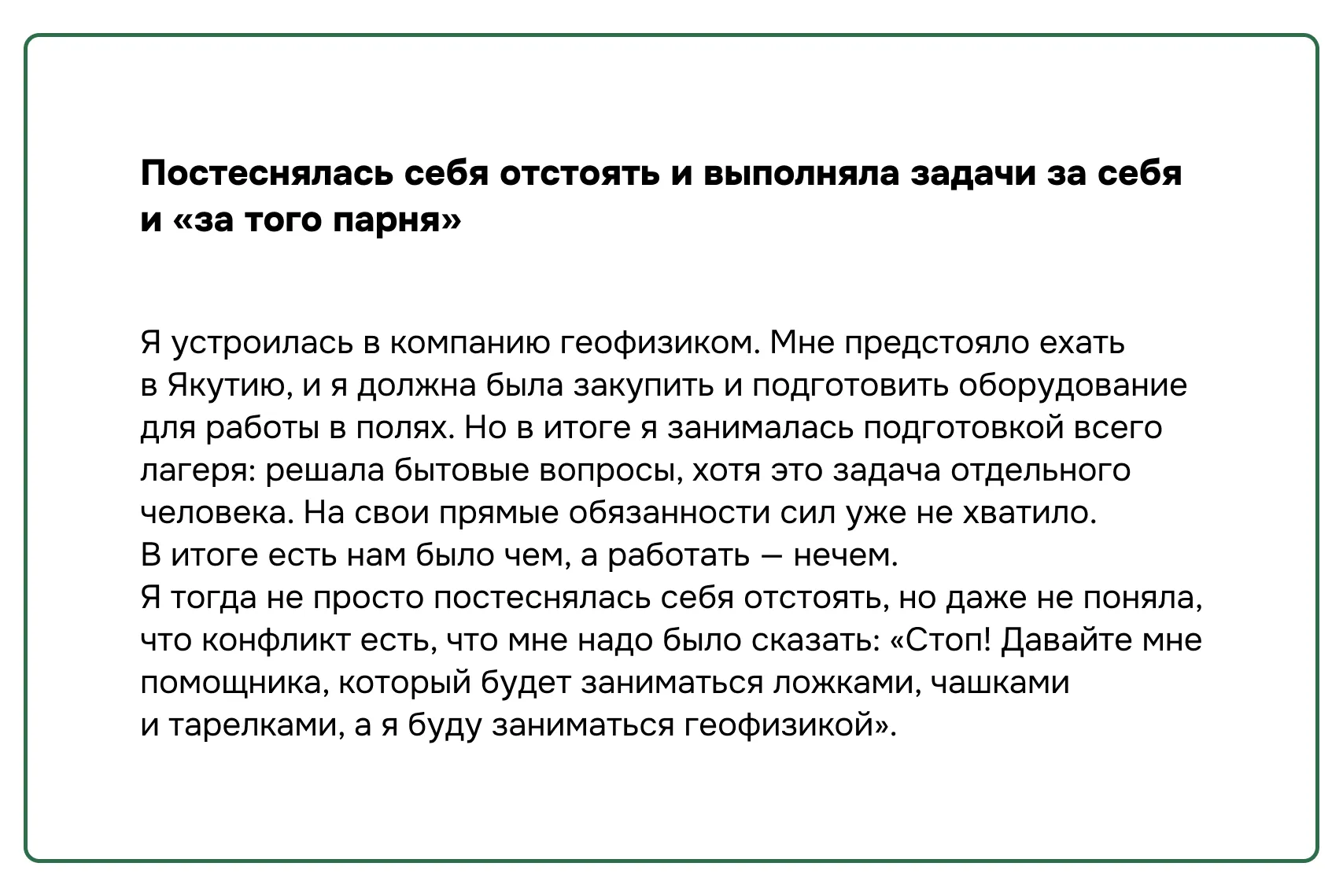
It was worth it here do not rush into the project and do not think for others. At the pre-project stage, it was necessary to talk with management and directly discuss expectations. If we are afraid to discuss the terms before, then later, if we make claims to the other party, she may not even understand us: after all, you agreed to this work.
In addition, later, at work, it will be more difficult to get out of the conflict. Yes, you can’t foresee everything, but our task is to be prepared for risks and have an idea of what could go wrong. Here is an example of competent pre-project work:
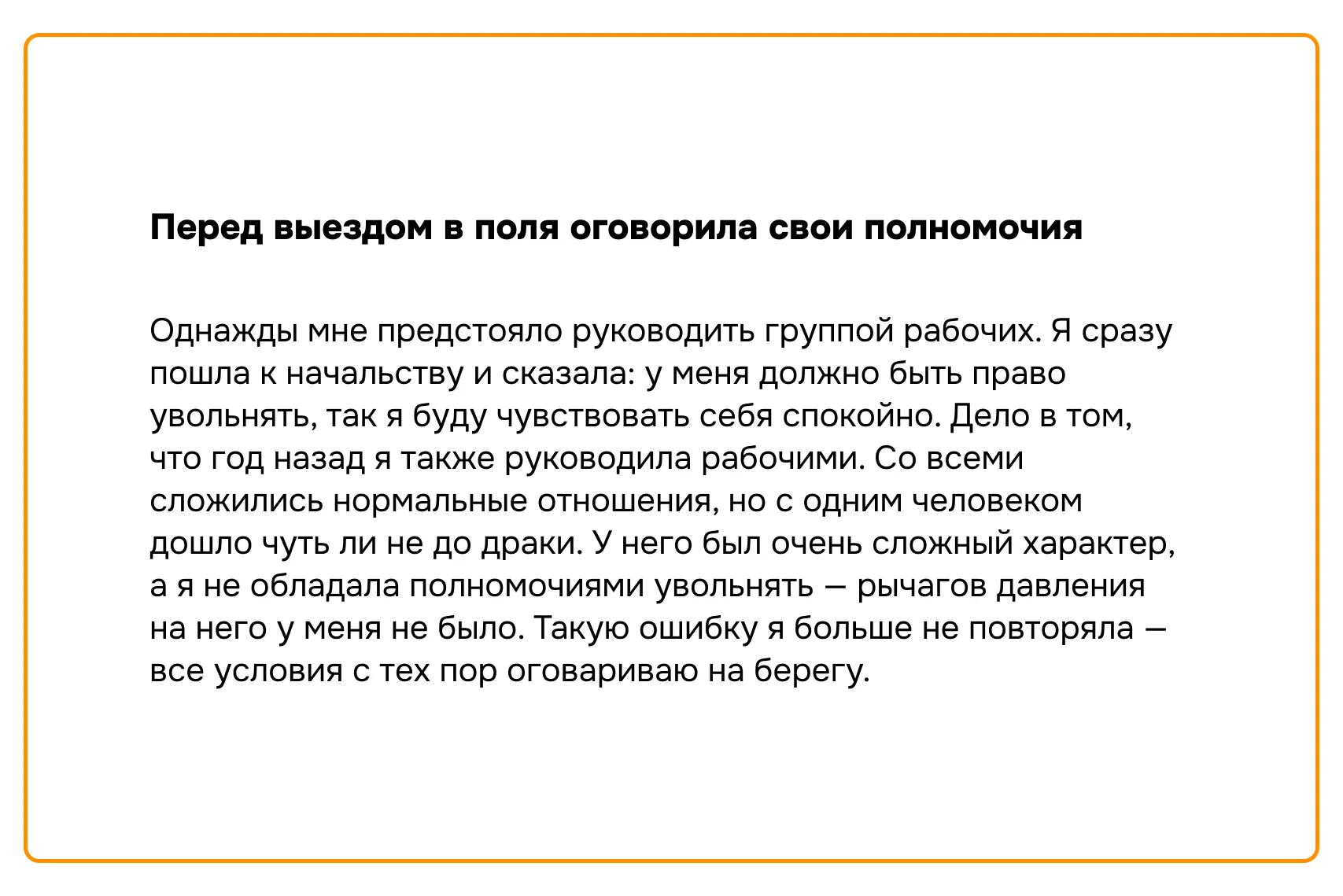
How to prevent conflict:
- wp:premium/list-item {“blockId”:”premium-list-item-e8aabbab3c93″,”title”:”Don’t rush into the project: negotiate the terms before it starts.”,”imageURL”:””,”layoutPos”:”block”,”parentSelectedIcon”:”dashicons yes”,”className”:””}
- wp:premium/list-item {“blockId”:”premium-list-item-b0538ff78e0b”,”title”:”Find out what is expected of you and what you expect of others.”,”imageURL”:””,”layoutPos”:”block”,”parentSelectedIcon”:”dashicons yes”,”className”:””}
How to enter into conflict and act in it
There are situations when conflict is inevitable. Here’s an example:
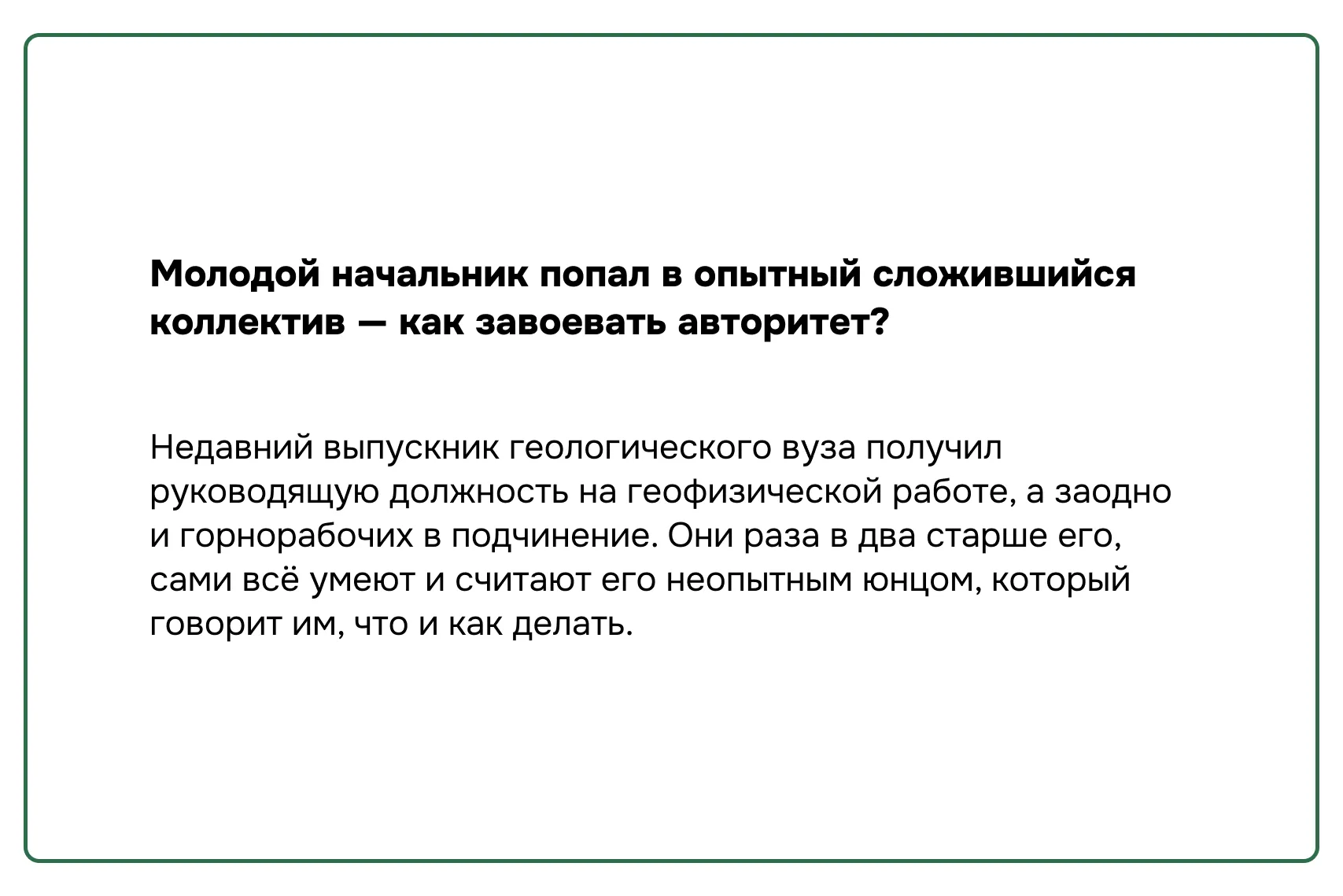
Enter into conflict correctly – means understanding when and how it would be appropriate to defend your interests. In my opinion, the strategy here will always be the same. When you go to a new place, you need first look around. Meet the people, understand how life works here and how it is customary to work. Spot problems, but don’t try to force change. «off your feet», because any innovation can be interpreted by people as if it does not work correctly.
It is worth establishing contact gradually. You need to understand people’s motivations and only then discuss changes, emphasizing their benefits. For example, let’s do it differently here, it will be easier. If a manager manages to improve working conditions, he will only be respected more, regardless of age.
Going in on your feet, of course, is also an option, like, I’m here, give me everything I need, but you must either have good reasons for such a tone, or a very cool reputation – all this young boss It’s unlikely that there is. Therefore, even if you are a leader, you also need help from the team. You need to show the importance of the people you work with:
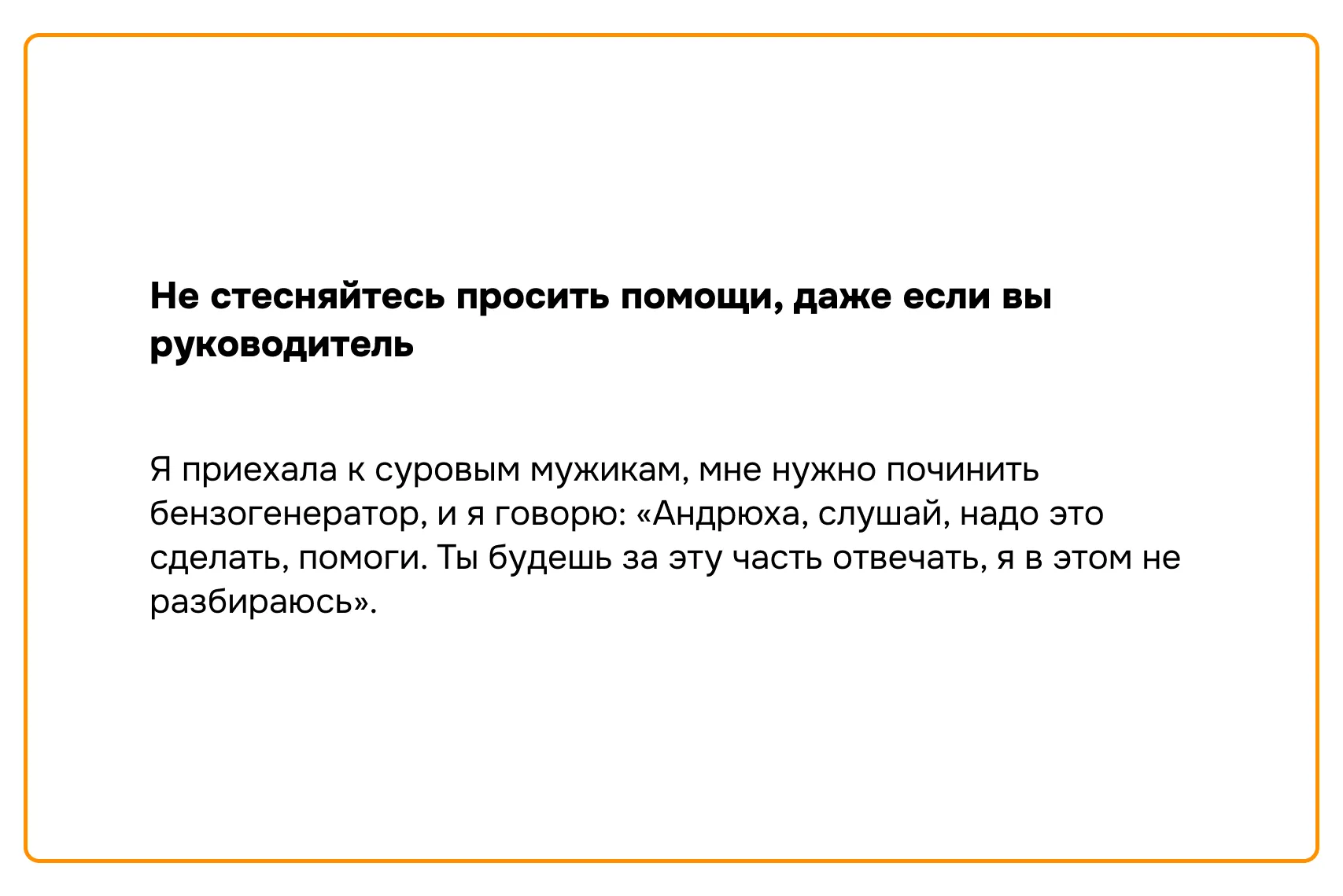
If we enter into a conflict as a human being, then there is a chance that they will also talk to us like a human being. What does it mean? Firstly, in my opinion, this means one on one. Resolving conflicts in front of witnesses, it seems to me, is one of the most common mistakes. Naturally, the boss will cut you off simply because he does not want to lose his face in the eyes of other people. Secondly, no need to swear. This is a trivial but common mistake:
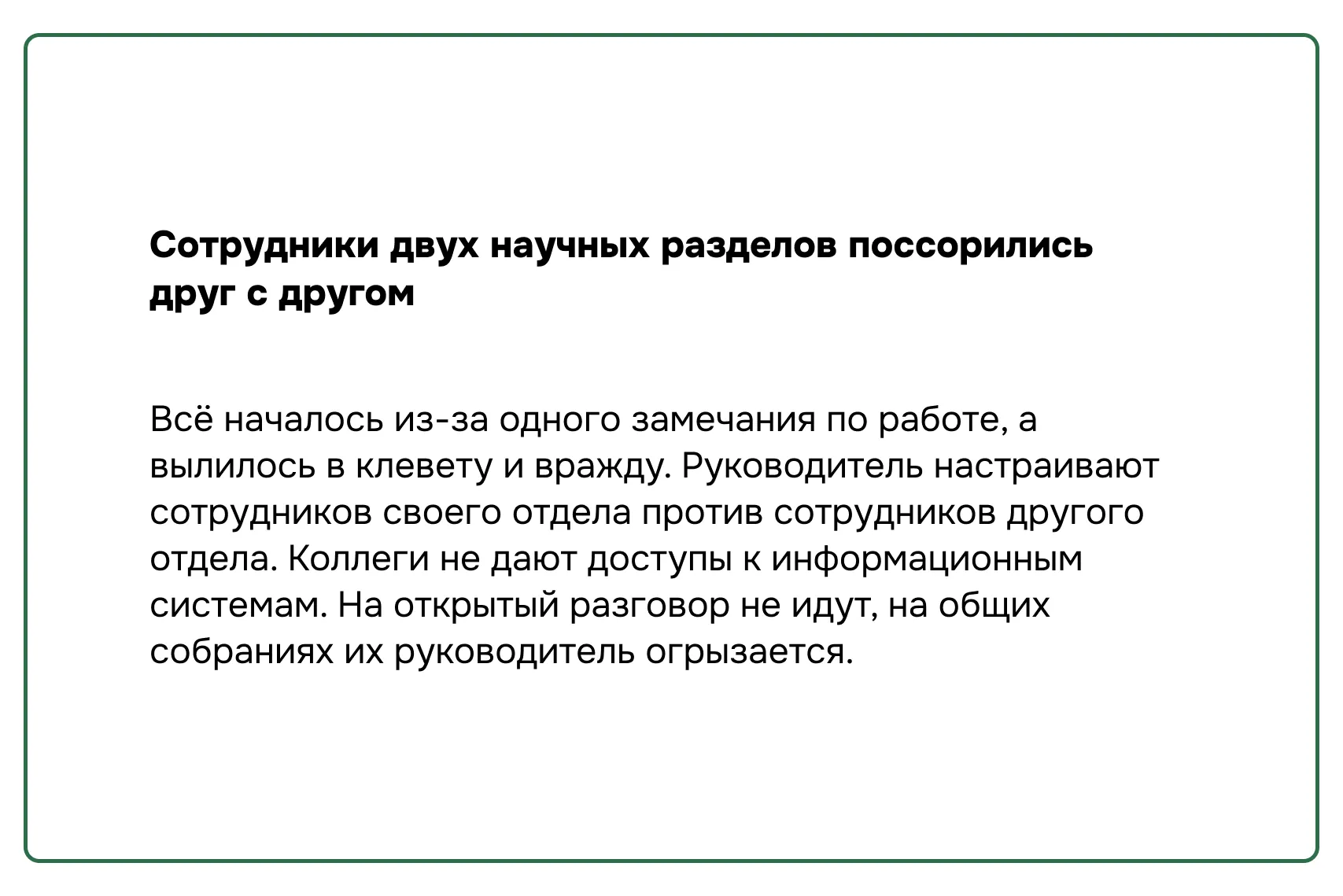
These two errors are exactly collected in this example. What would I do? If I were the department heads, I would try to resolve the issue one on one. You won’t understand each other in public. Why does the other side behave this way? What does she want? What is it trying to prove? It may turn out differently. Maybe the person is inadequate and, in principle, he is not ready to hear. Then the conflict cannot be resolved.
If conflict with the team is inevitable:
- wp:premium/list-item {“blockId”:”premium-list-item-fe425565259e”,”title”:”Look around, get to know people better.”,”imageURL”:””,”layoutPos”:”block”,”parentSelectedIcon”:”dashicons yes”,”className”:””}
- wp:premium/list-item {“blockId”:”premium-list-item-af0b005a5f57″,”title”:”Don’t impose yourself from the threshold. Motivate people to change, explain what benefits they will bring.”,”layoutPos”:”block”,”parentSelectedIcon”:”dashicons yes”,”className”:””}
- wp:premium/list-item {“blockId”:”premium-list-item-778535ee1d3f”,”title”:”Don’t be afraid to talk about difficulties and ask for help.”,”layoutPos”:”block”,”parentSelectedIcon”:”dashicons yes”,”className”:””}
- wp:premium/list-item {“blockId”:”premium-list-item-bc6c58936b6d”,”title”:”Don’t swear or try to deal with your opponent in public.”,”layoutPos”:”block”,”parentSelectedIcon”:”dashicons yes”,”className”:””}
Leaving is also a solution
There are situations when you bring your solution, and the customer openly devalues it. Even the question is formulated in such a way as to show that you didn’t try and did garbage. And so I’m trying to build a dialogue, to find out what’s wrong, but communication doesn’t work out.
If I see that my opponent doesn’t want to work together to find a solution, doesn’t respect me, my opinion or the result of my work, I pose the question very simply: we won’t work together, let’s separate.
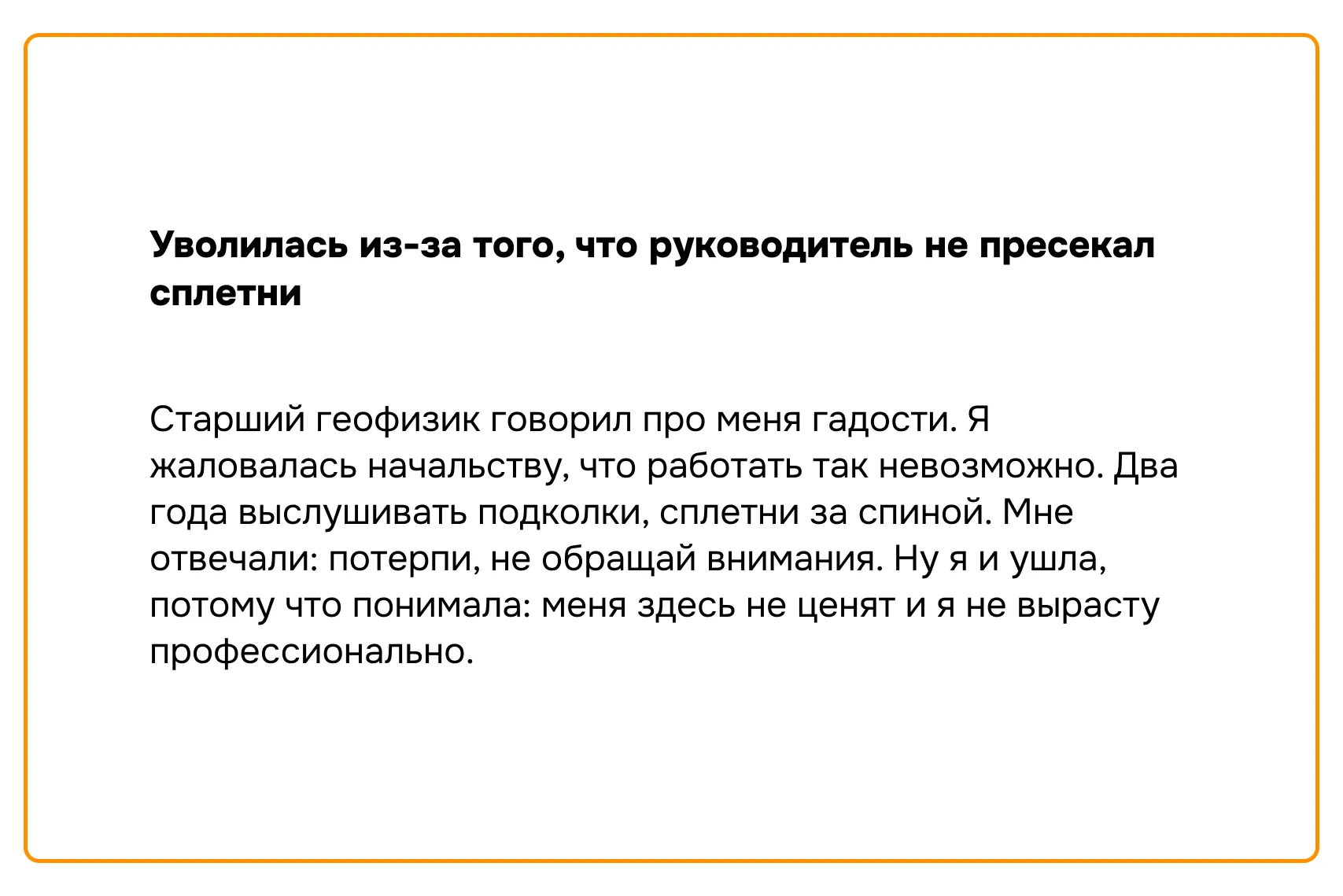
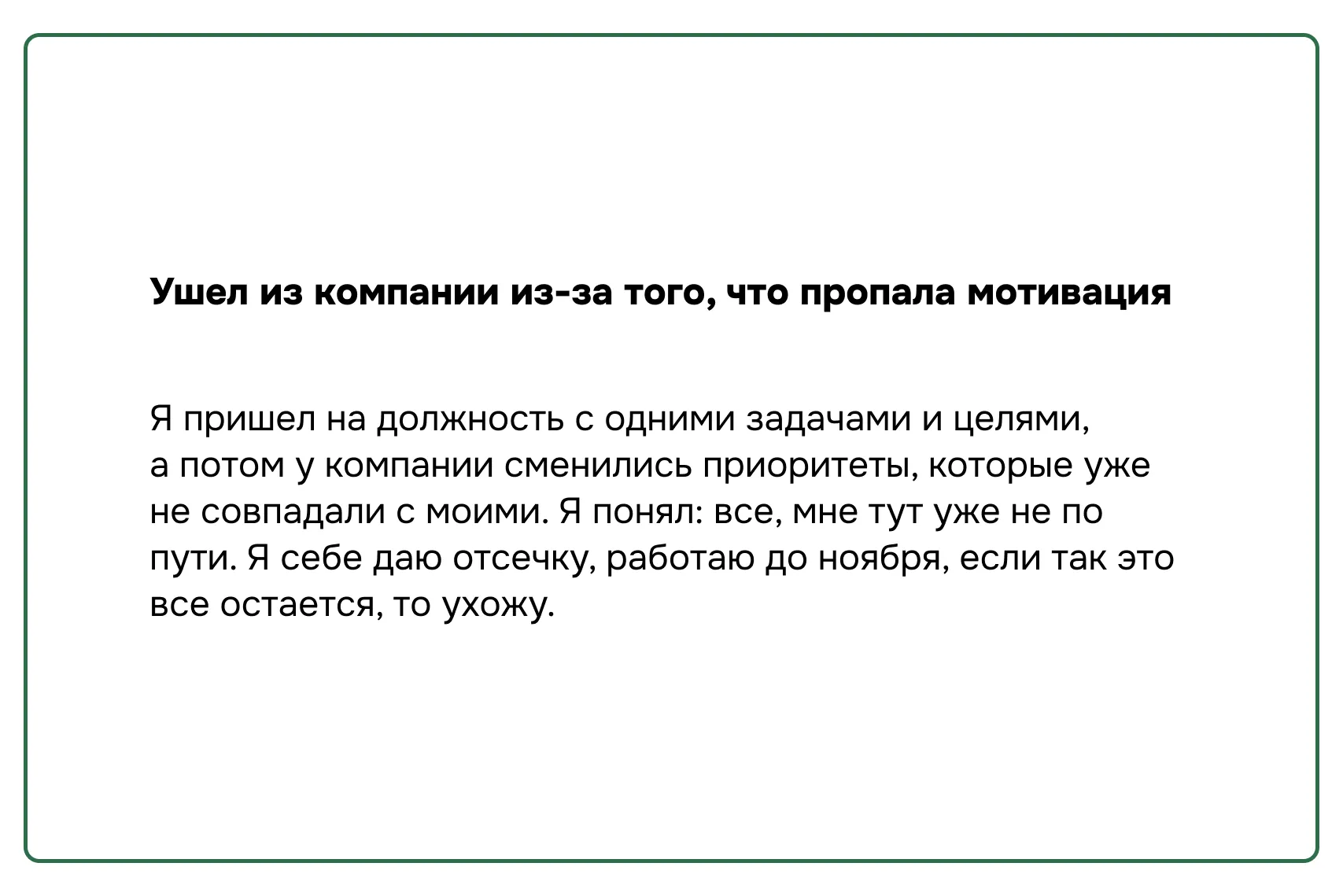
Depreciation from an opponent is not the only case when the decision to leave will be correct. For example, I left when there was an internal conflict.
Conflict is an opportunity for change for the better
So, we are afraid to enter into conflicts because of negative experiences, fear that we will not be accepted, and the psychological cost of conflict. But we also figured out that in a conflict we defend our opinion, so avoiding conflicts is not the best solution, and sometimes they are completely inevitable. Finally, here are some more tips that will help you cope with conflict more easily.
- Don’t devalue yourself – otherwise you will be overwhelmed by a wave of negativity from your opponent if he gets emotional. Remember: you are a good specialist, you have experience and achievements. Stand on this foundation.
- Let off steam before a difficult conversation – starting a difficult conversation when everything is burning inside, we risk getting emotional.
- Don’t get emotional – reproach someone or prove that he is bad, since because of him everything happened, it’s a losing strategy.
- Focus on the solution – there is no point in discussing what happened over and over again. It has already happened. Now it’s better to constructively figure out how we want to solve the problem.
Have you ever had conflicts at work? Share your stories in the comments.