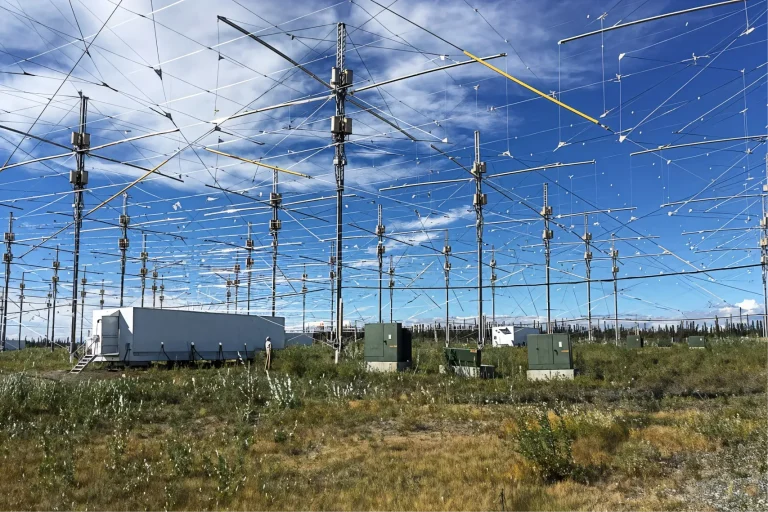
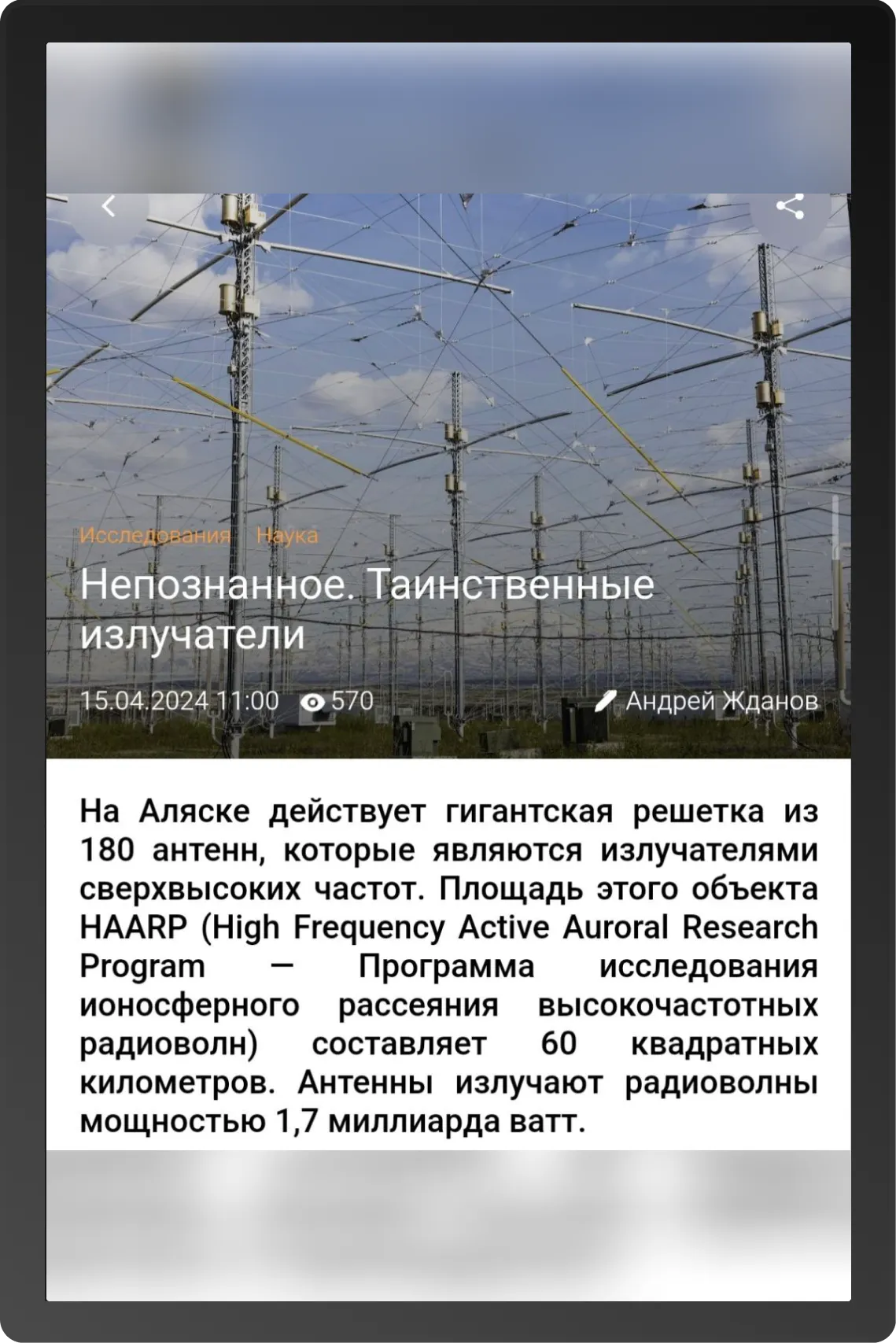
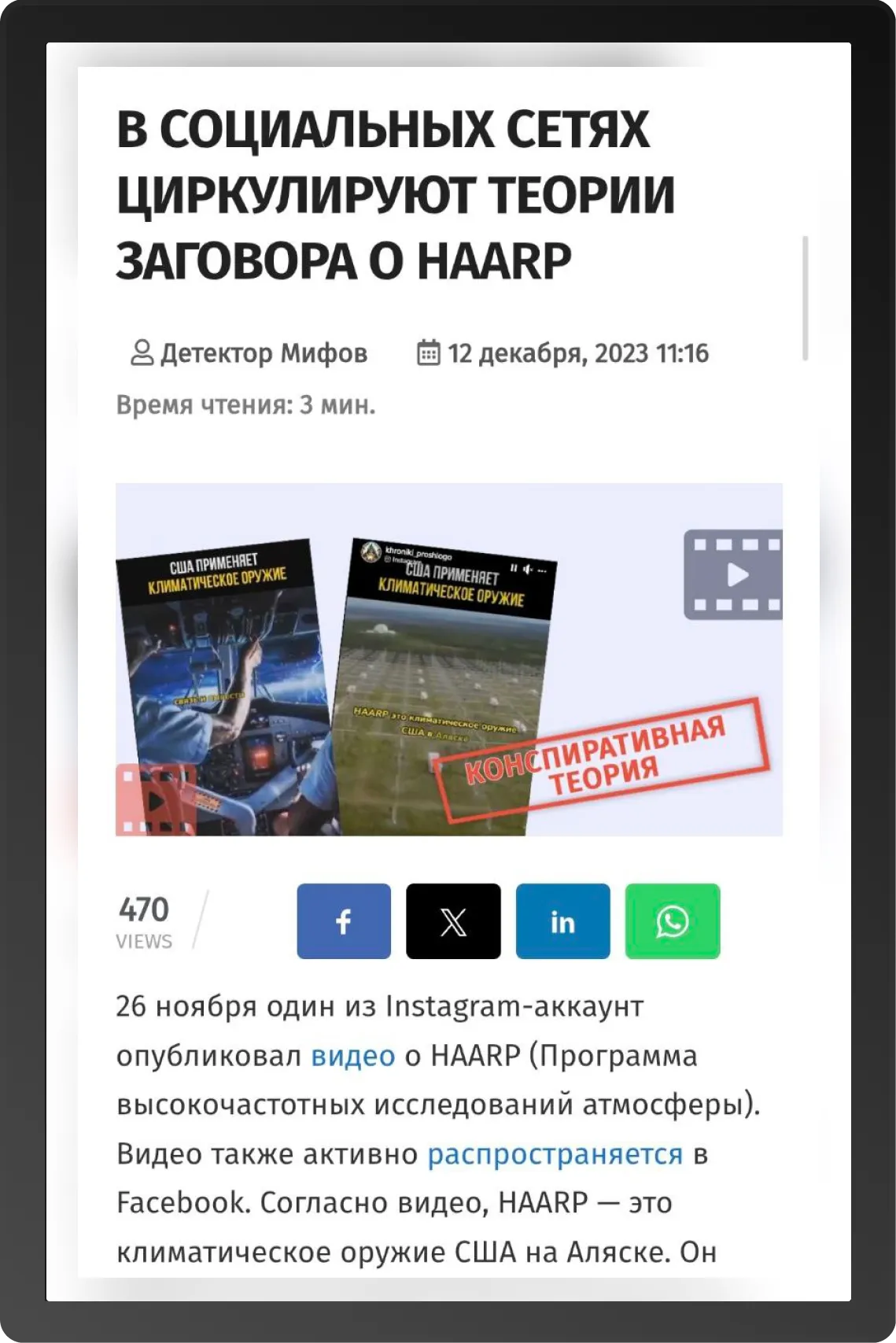
Do you know that there are huge research complexes for studying the ionosphere of our planet? They are huge antenna fields, with an area larger than a football field. There are also many conspiracy theories associated with them. One of them is the development of secret geophysical weapons, the so-called HAARP program (ed. HAARP is a research program for ionospheric scattering of high-frequency radio waves).
We spoke with an expert, Gleb Zagorsky, an employee of the Arctic and Antarctic Research Institute. He told us what space geophysicists actually do, and where the “legs” of anti-scientific theories come from.
Why is it necessary to study the ionosphere?
The institute where I work, Gleb shares, was initially involved in studying the Arctic, its ice, oceans, as well as navigating ships along the Northern Sea Route. Later, new departments appeared on the basis of the institute, including the department of geophysics, in which I now work. We are studying the Earth’s magnetosphere and ionosphere.
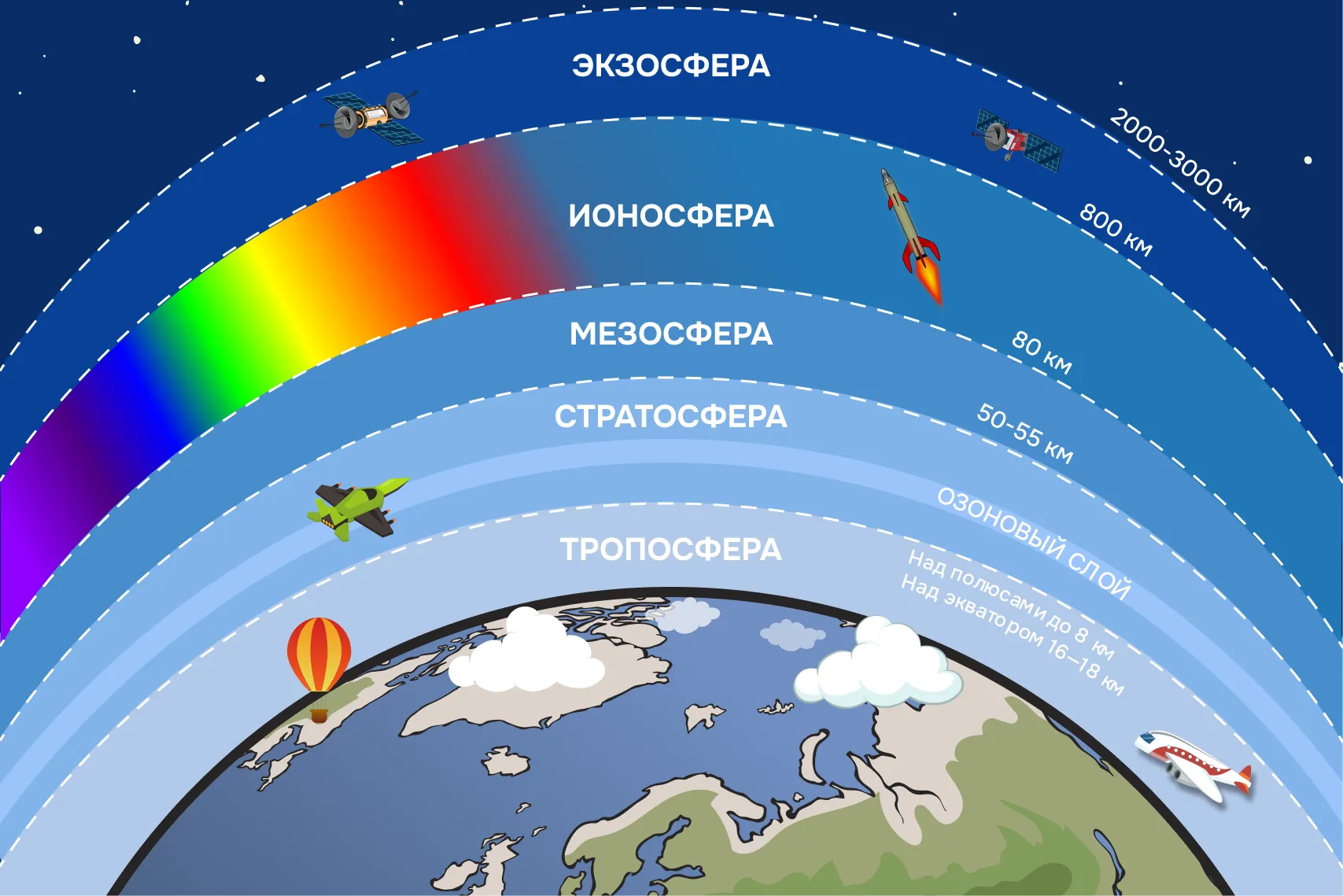
The ionosphere is the upper region of the planet’s atmosphere with a high concentration of free ions and electrons, ionized by ultraviolet and X-ray radiation, as well as cosmic rays.
The ionosphere is located at different heights and has a layered structure. The lower layers are at an altitude of 60 to 70 km, and the upper ones are about 600 km. For comparison, the ISS flies at a distance of 400 km from the Earth’s surface. Its orbit is constantly influenced by charged particles. Because of this, the speed of the station is constantly decreasing, and it itself is lowering, so you have to regularly adjust the height and raise the station up.
We study the ionosphere as an isolated object. We influence it with radiation and see how the speed of particle movement changes depending on the power and direction of the signal.
Storms in orbit: we predict magnetic storms and northern lights
We transfer all the data obtained during observations to the accumulation centers, and there specialists make forecasts based on them. As a result, the probabilities of the occurrence of hazardous space weather phenomena, such as magnetic storms or substorms, can be calculated.
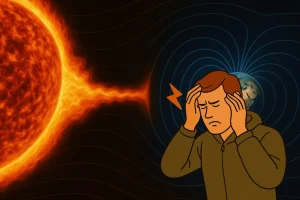
How do magnetic storms occur, why are they dangerous for technology, and do they affect health?
Read the detailed analysis: How magnetic storms affect the operation of equipment and human well-being
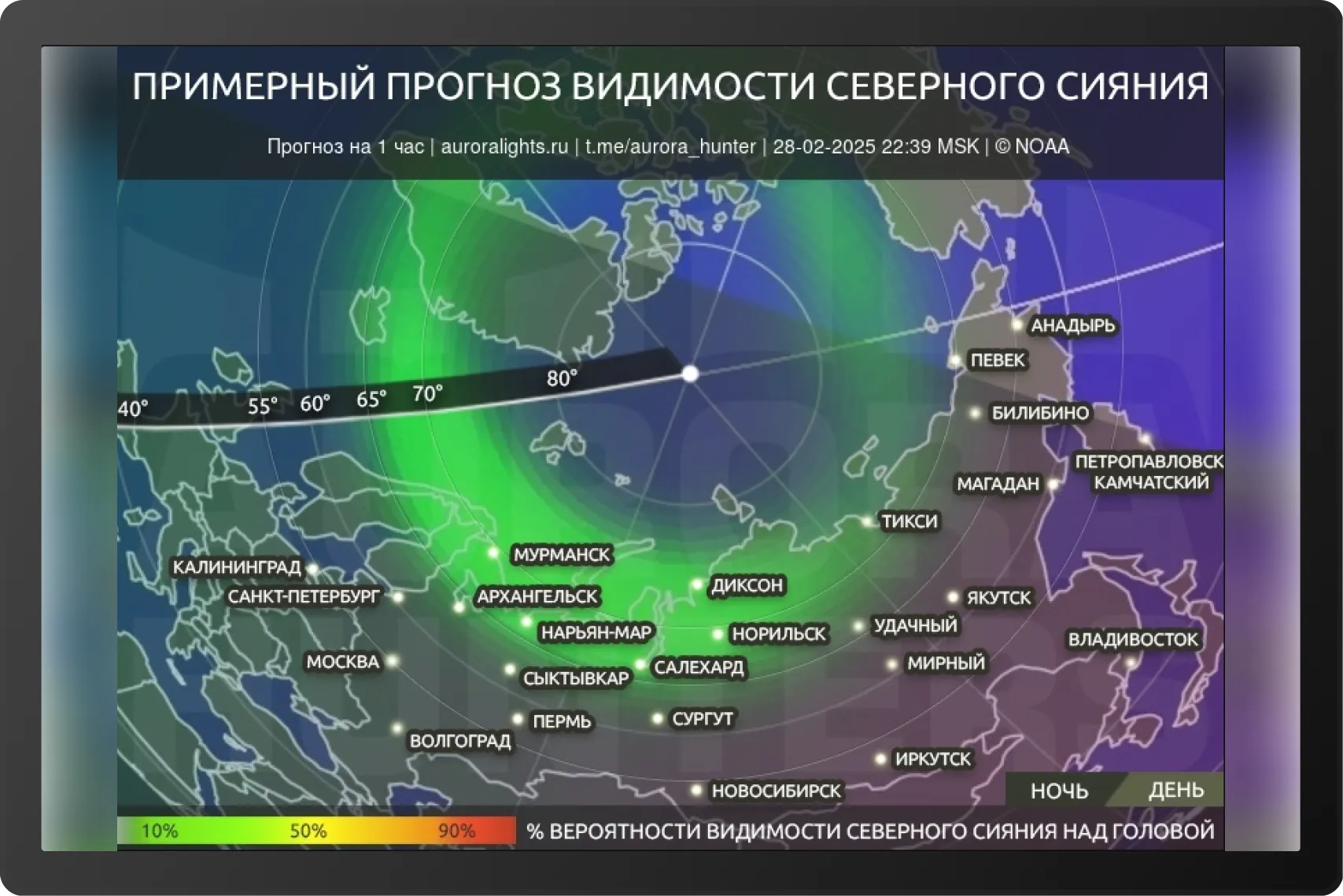
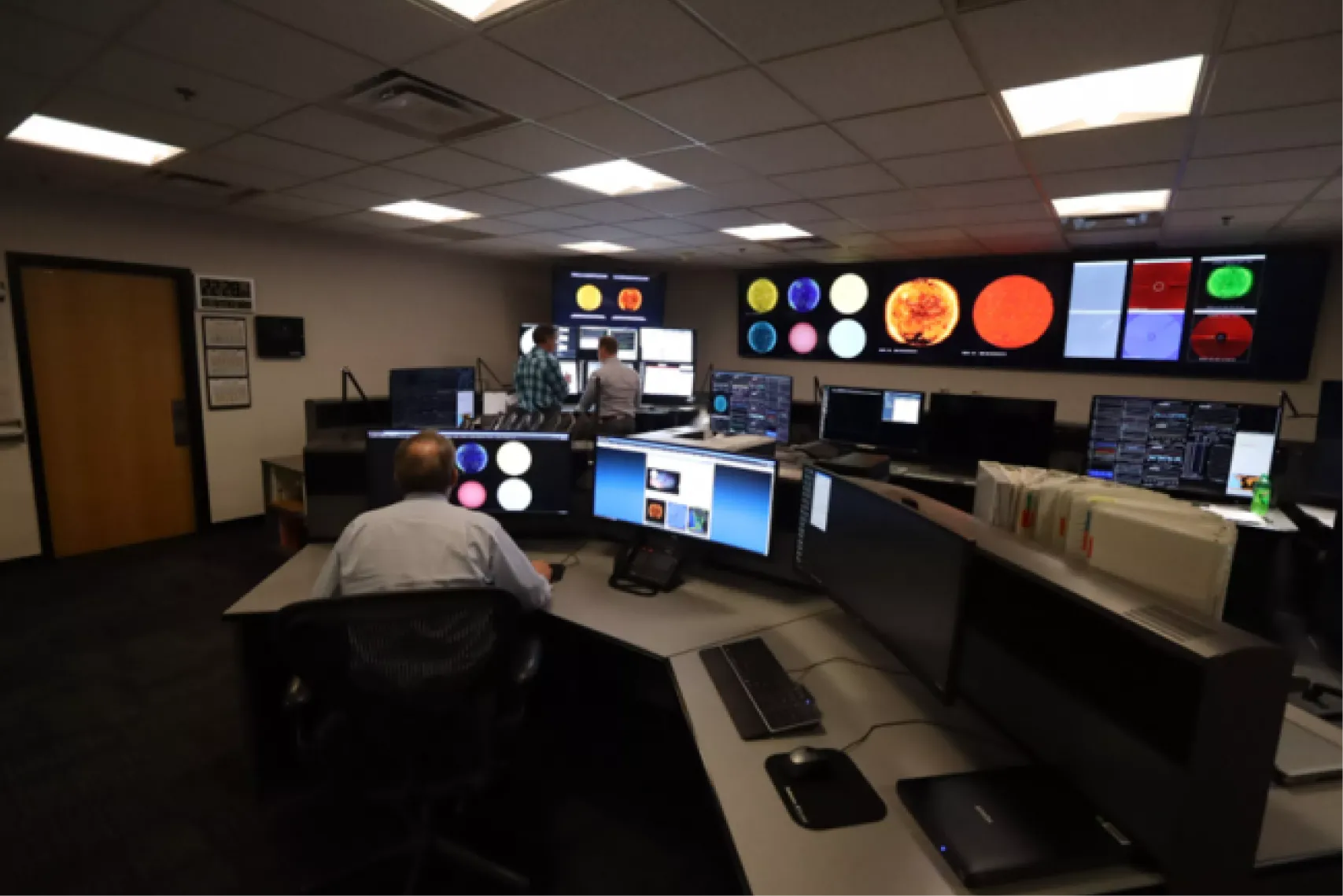
In Russia, such an accumulation center is Roshydrometer, and there is also NOAA – National Oceanic and Atmospheric Administration. Its website contains maps with forecasts ranging from storms, storms, hurricanes, and ending with that very space weather. In real time, you can track, for example, at which points in the ionosphere the northern lights occur.
Here is a complete list of where the results of space geophysics research are applied in everyday life:
- multispectral imaging from satellites – to compile accurate maps.
- space weather forecasting—magnetic storm warnings help utilities and airlines;
- protection of satellites – studying the Earth’s radiation belts helps extend the service life of spacecraft;
- space flight safety – protecting astronauts from radiation during missions to the Moon and Mars;
- stability of communication and navigation – adjustments to GPS operation during solar disturbances;
- prospecting for minerals – to determine deposits of natural resources;
What is the job of a space geophysicist?
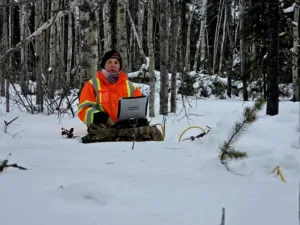
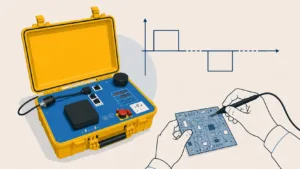
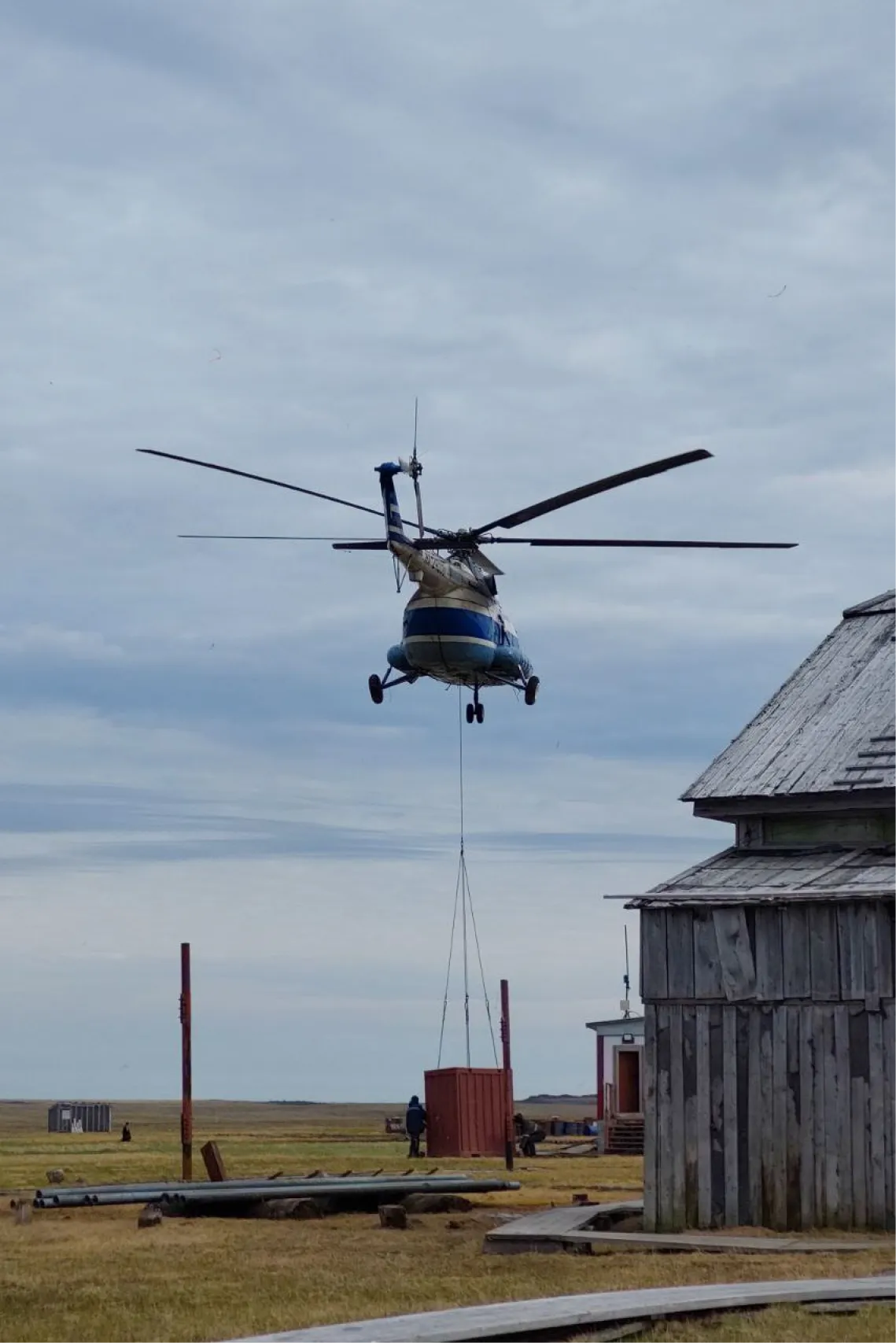
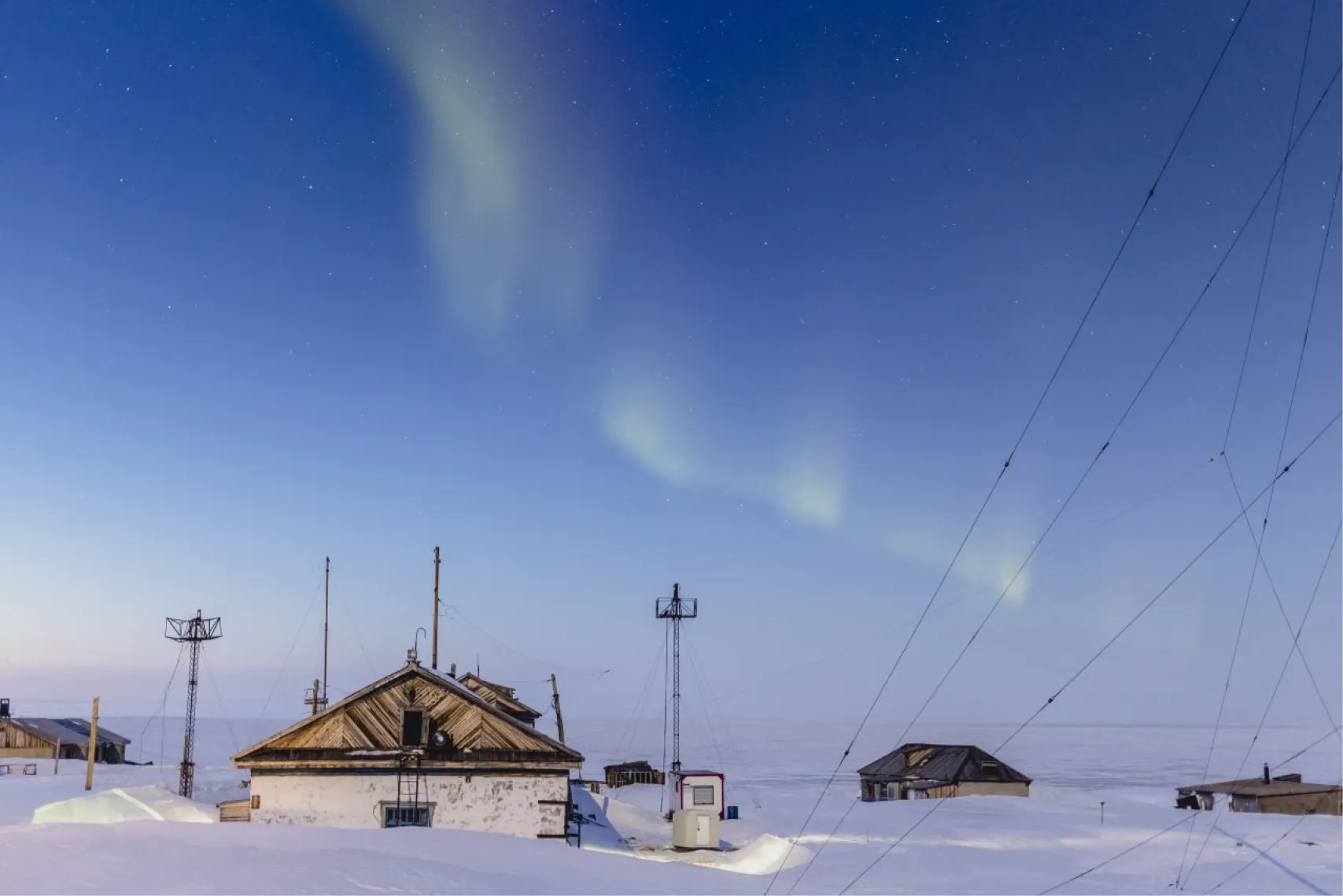
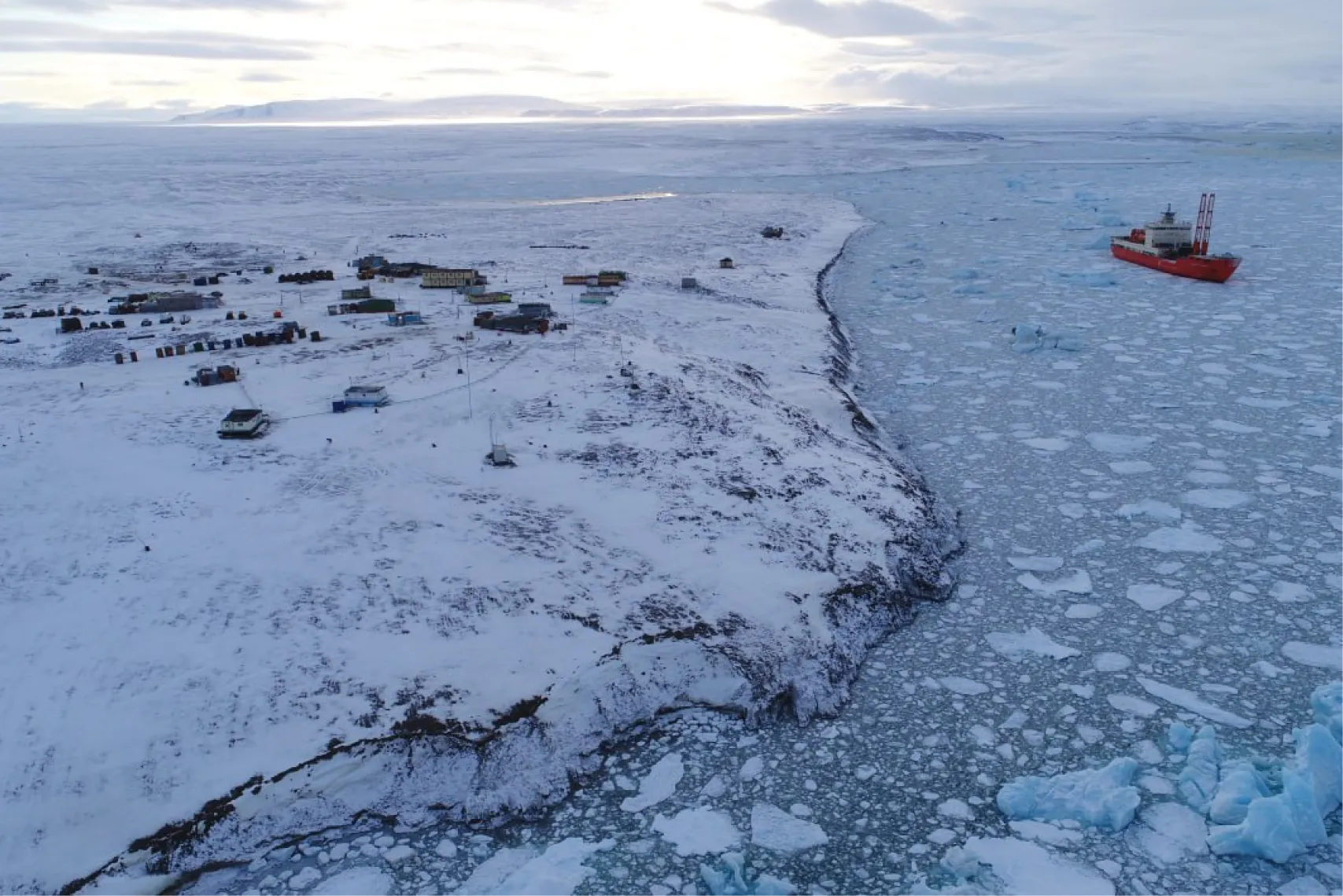
My laboratory studies the ionosphere using radio instruments. To do this, we send out a radio beam and see how the ionosphere affected its propagation. Most of our equipment is located at research stations above the Arctic Circle. The equipment operates autonomously and does not require constant human presence. On average, we perform maintenance and troubleshoot problems once a year. We come, repair or, if necessary, exchange for a new one.
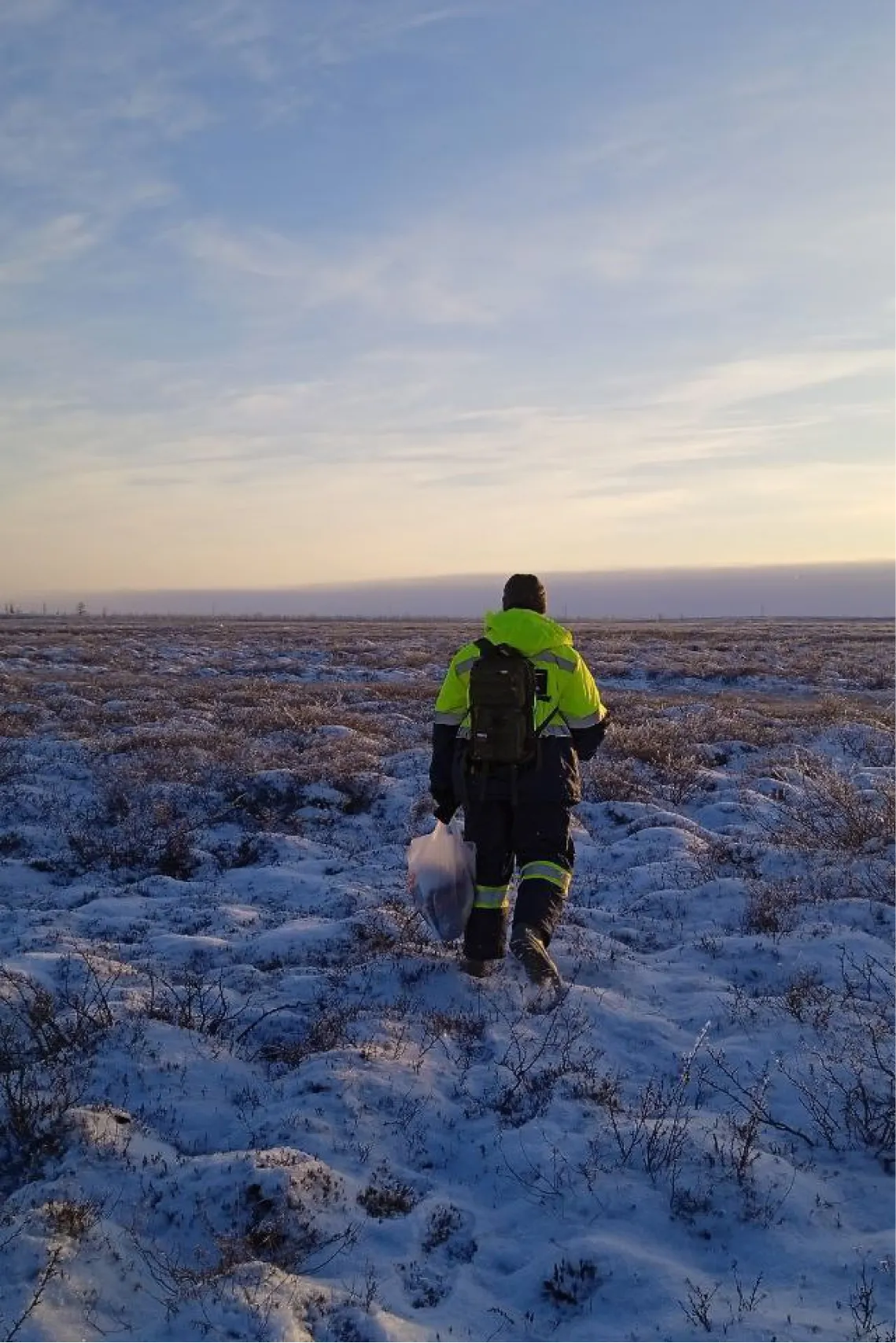
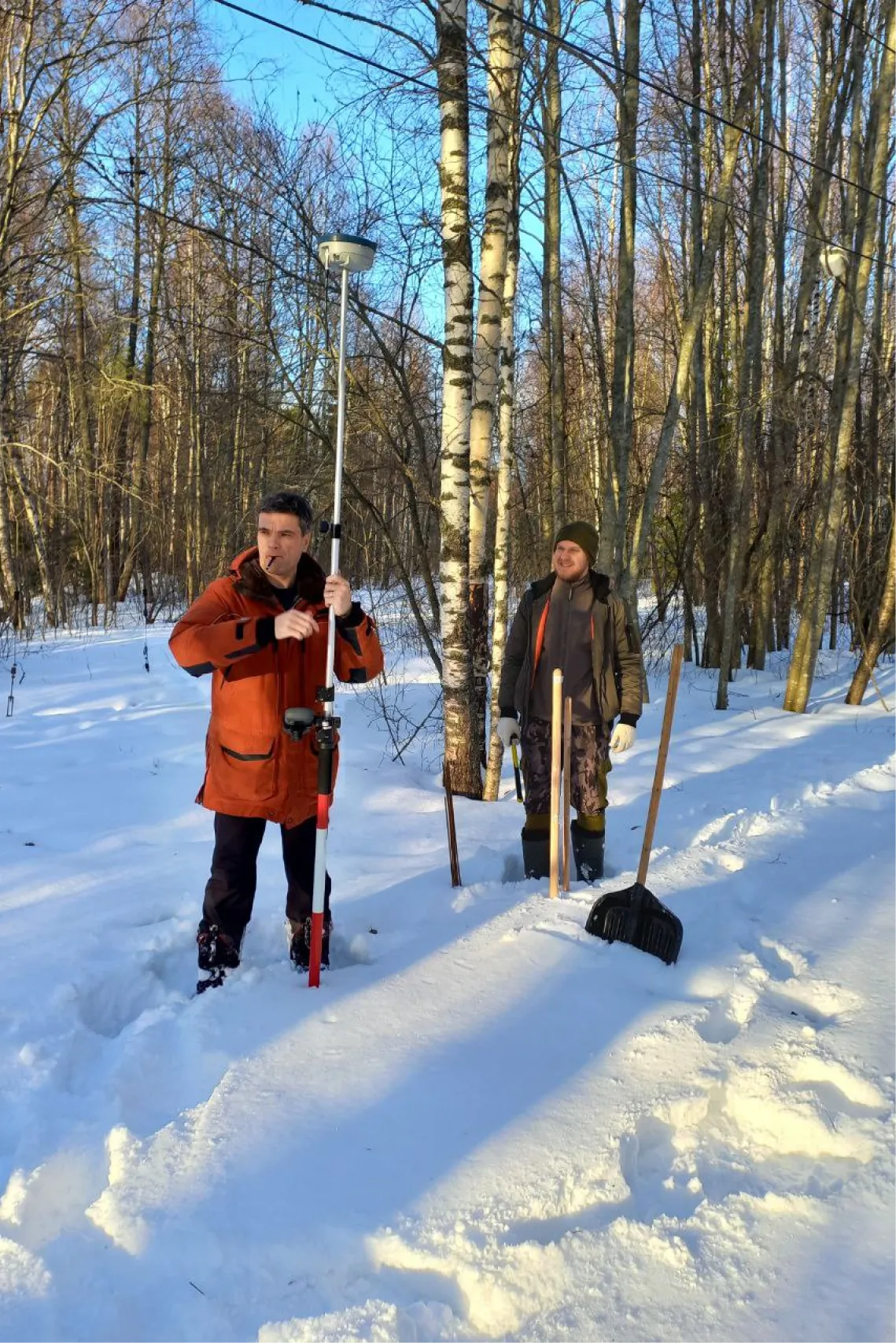
In addition, there are two stations in the Leningrad region, where more expensive equipment is installed. We come here more often and work directly.
Methods and tools we use for research:
- vertical and oblique sounding of the ionosphere using radio signals;
- GPS tomography;
- observation cameras for studying the ionosphere in the optical range;
- magnetometry.
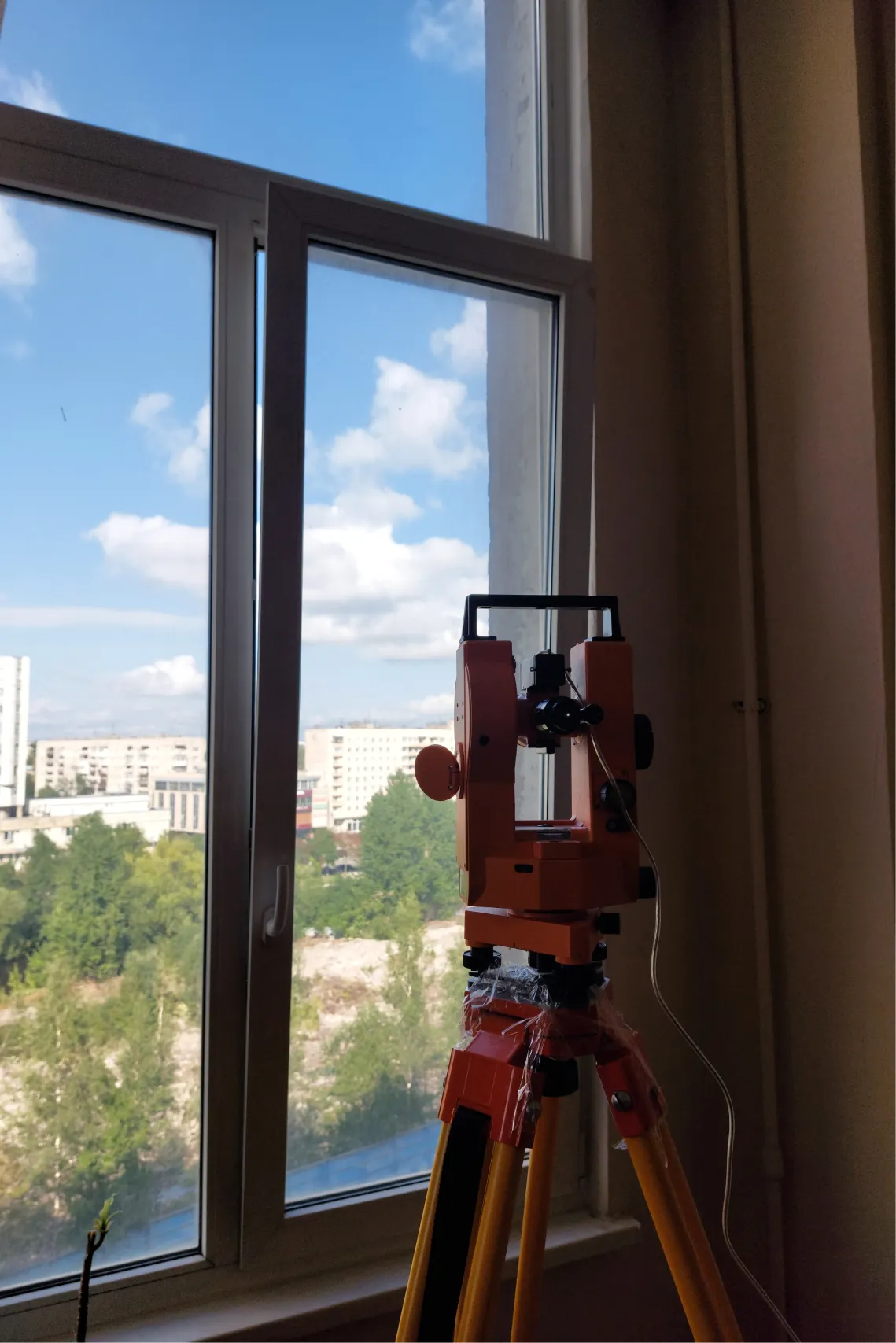
Working with equipment takes up less of my working time. Mostly I am in a laboratory in St. Petersburg and do paperwork, write scientific articles, process experimental data, repair instruments or develop new equipment for real-life problems.
The laboratory has its own hierarchy. For example, junior researchers are involved in processing and interpreting data and writing the bulk of scientific papers. And scientists with scientific degrees are more like managers who distribute tasks. As you grow, more and more tasks appear in your area of responsibility. For example, participation in conferences, writing articles, business trips and expeditions.
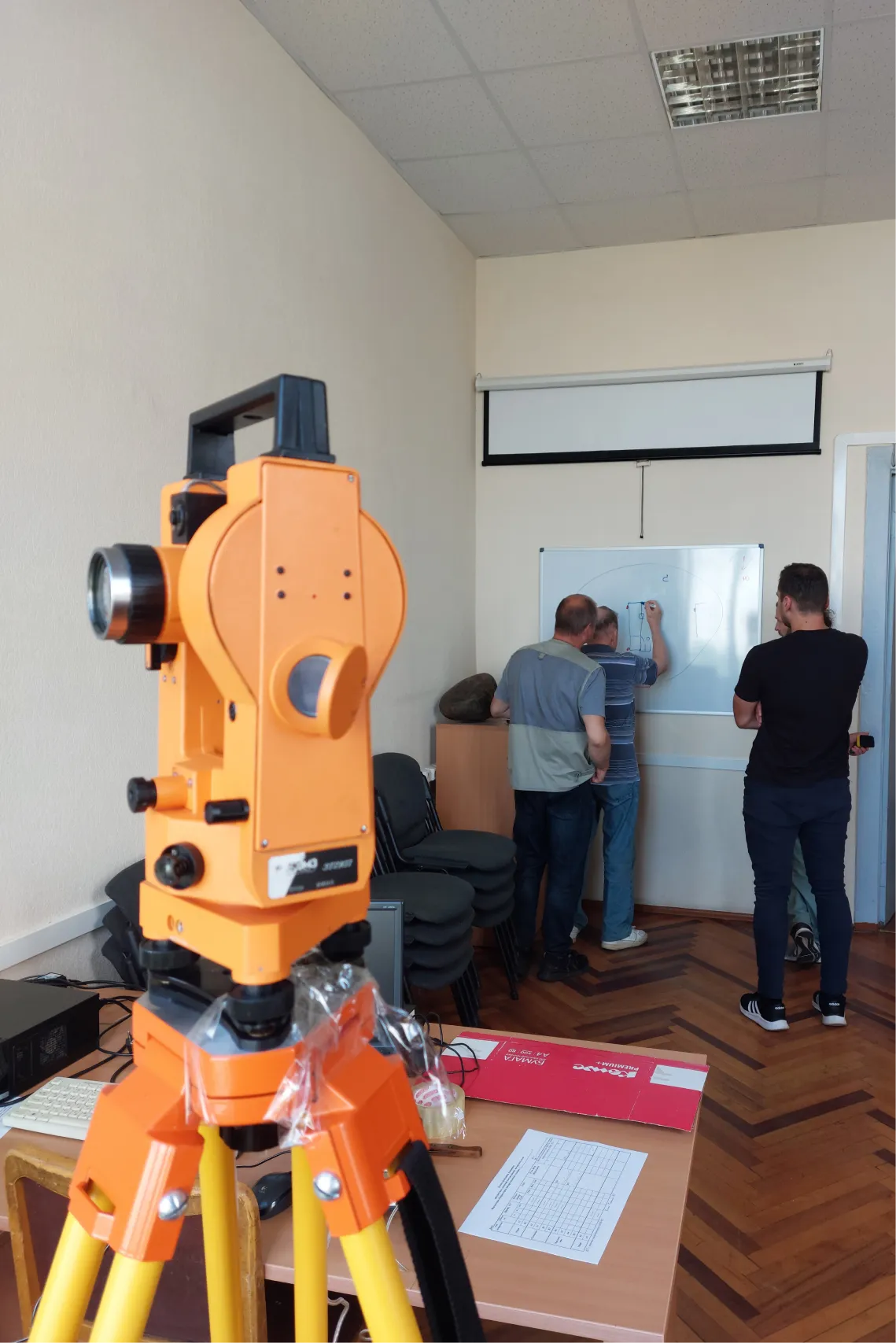
There is another interesting opportunity for a young scientist – participation in conferences. A year ago, I felt that I had accumulated enough experience and showed management that I was interested. I tried my hand and liked it. Now I quite often act as a speaker, presenting the work of our institute to colleagues from other cities.
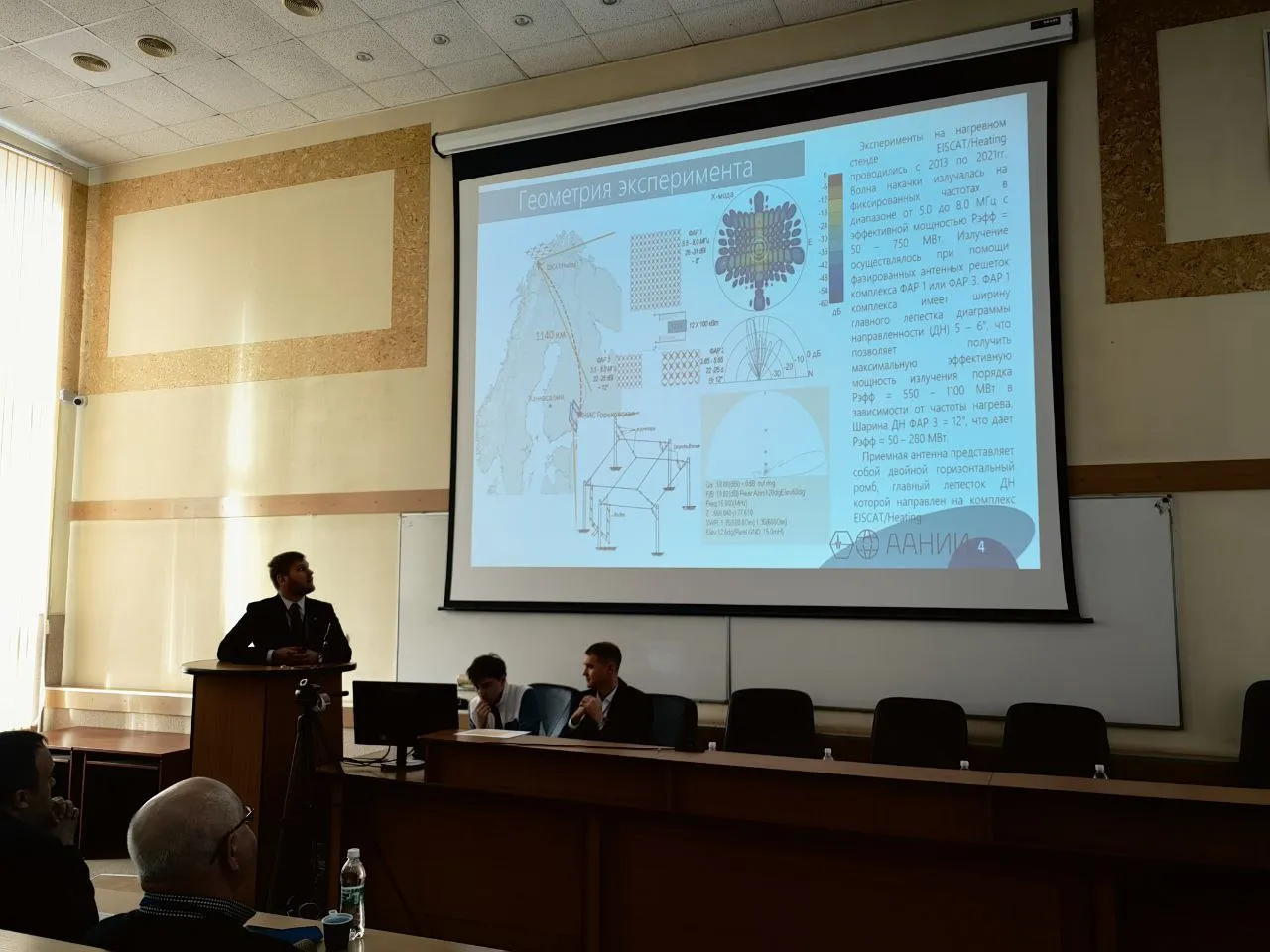
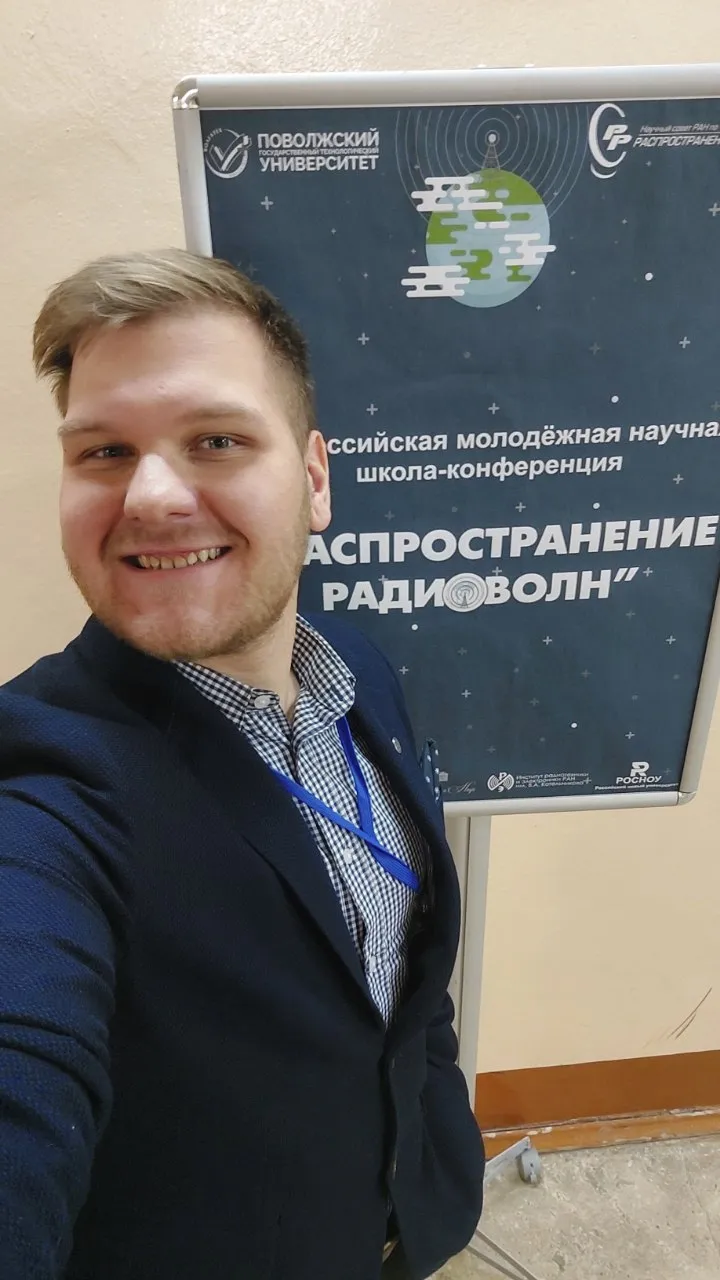
Being confined to four walls every day and doing paperwork is quite boring and monotonous. On the other hand, living in the fields for six months is also not the most interesting prospect. Yes, I really love nature, I like to go hiking, but I consider myself more of a city person. Therefore, this opportunity to work in the laboratory and participate in conferences, travel to our remote stations is an ideal option for me.
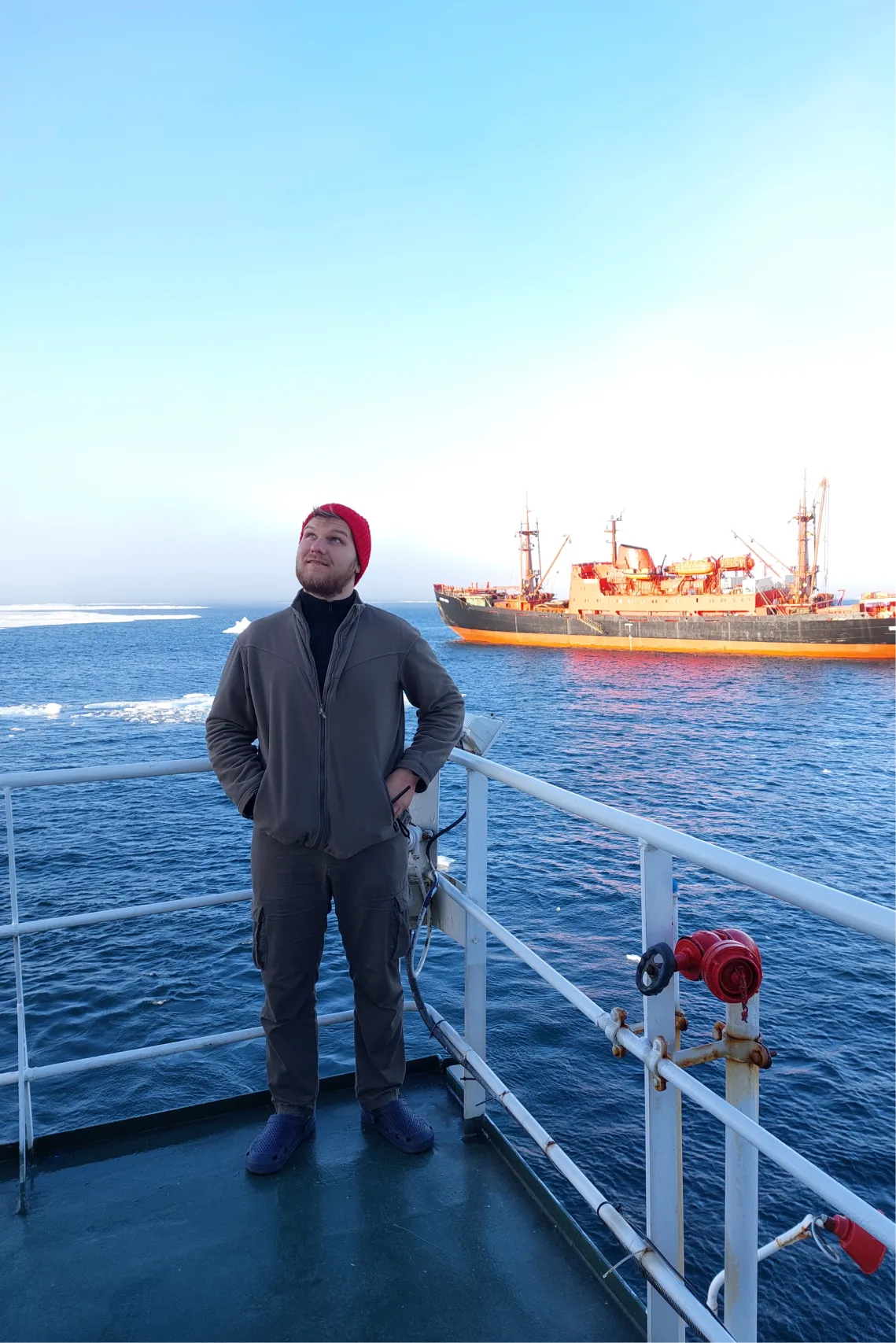
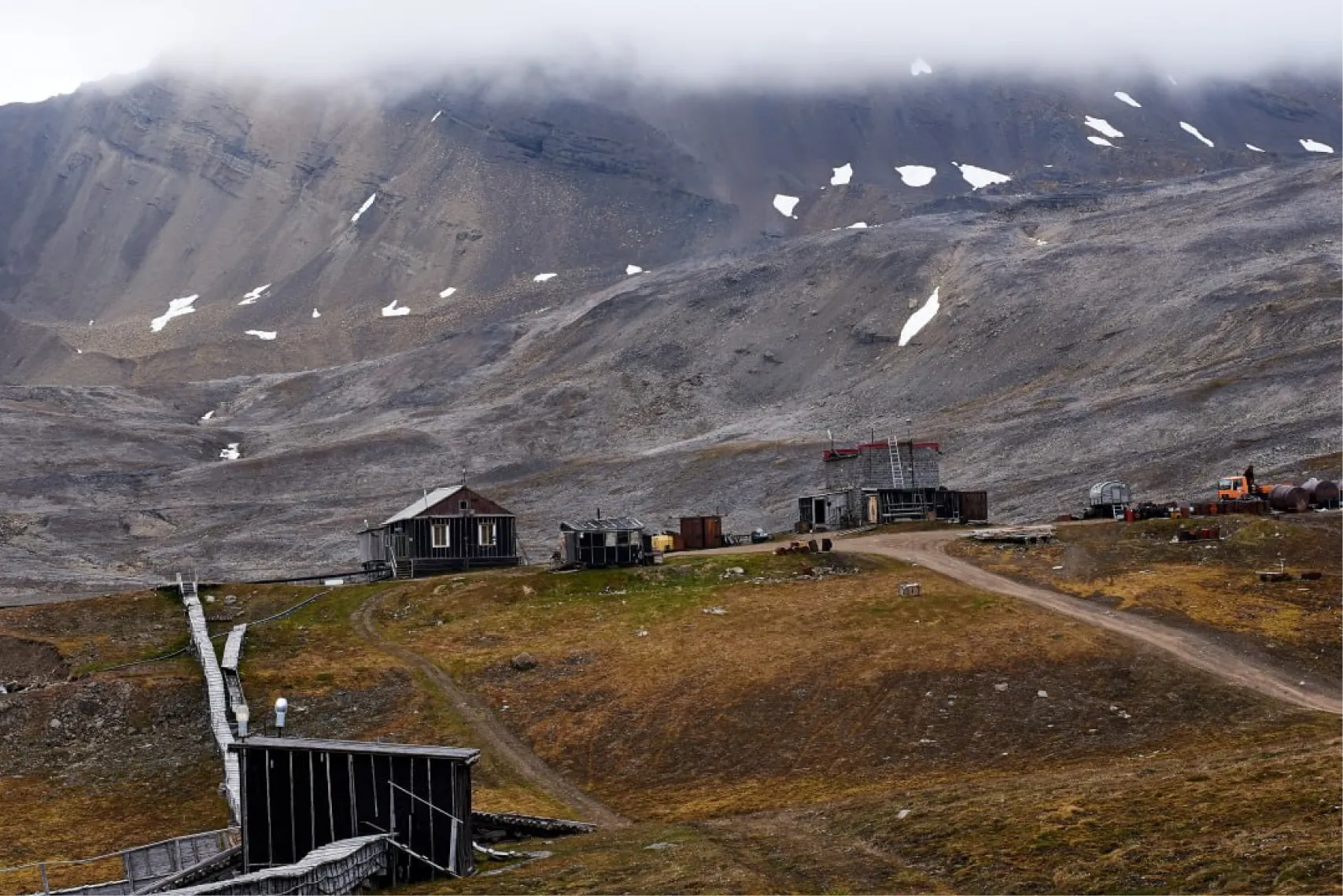
I recently went on a business trip to the Arctic Circle. I was in Taimyr, on Franz Joseph Land, I was in Yamal, in the Nenets Autonomous Okrug, and I even went on a ship on the Arctic Ocean. And this is not the limit: we have stations in Chukotka, so I will definitely visit there too.


Do geophysical weapons really exist, what do scientists say?
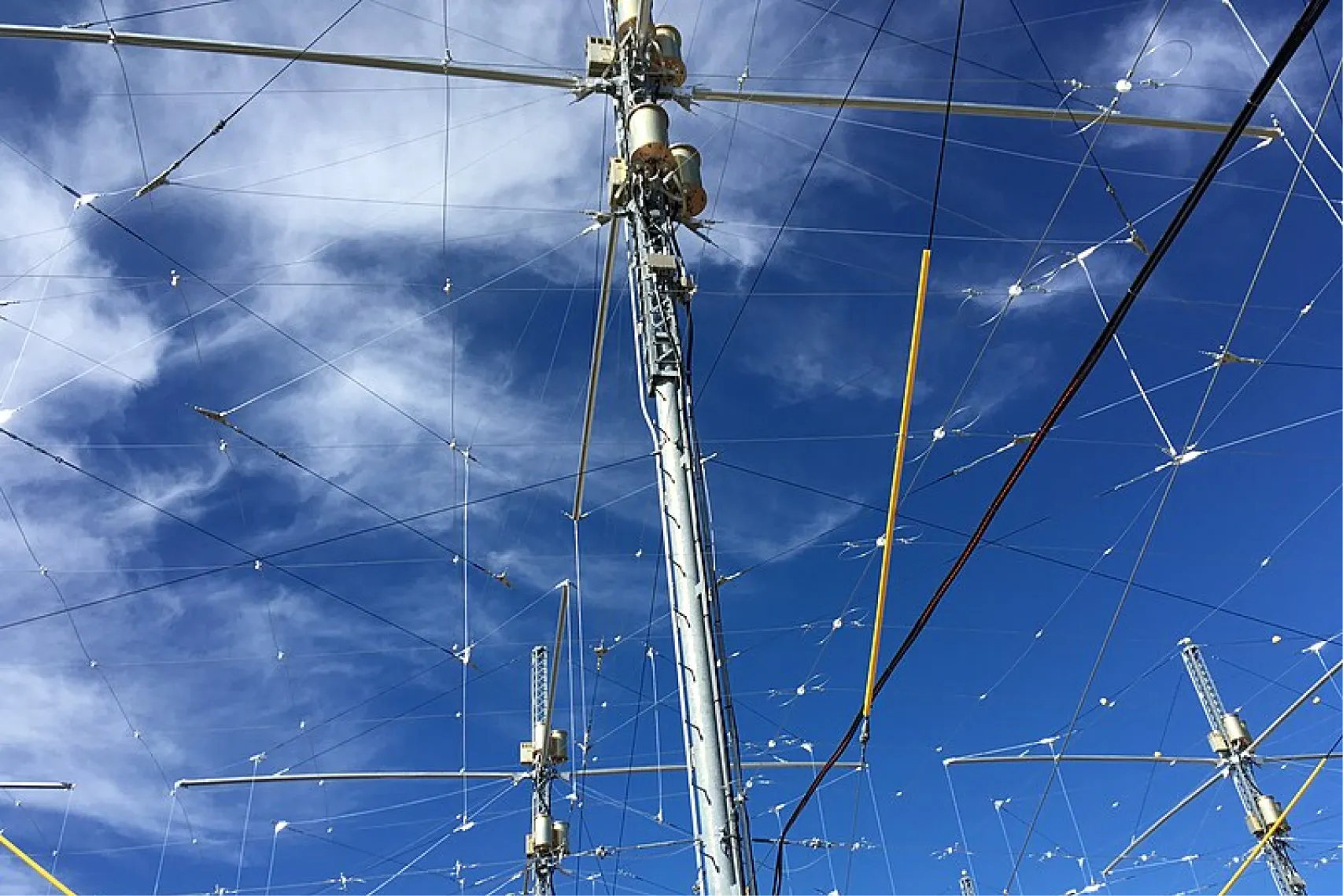
When conspiracy theorists talk about space weapons or the HAARP system, they mean mysterious structures in Alaska. But in Russia there is exactly the same scientific complex – I work there and conduct research. And now I’ll tell you what he really is.
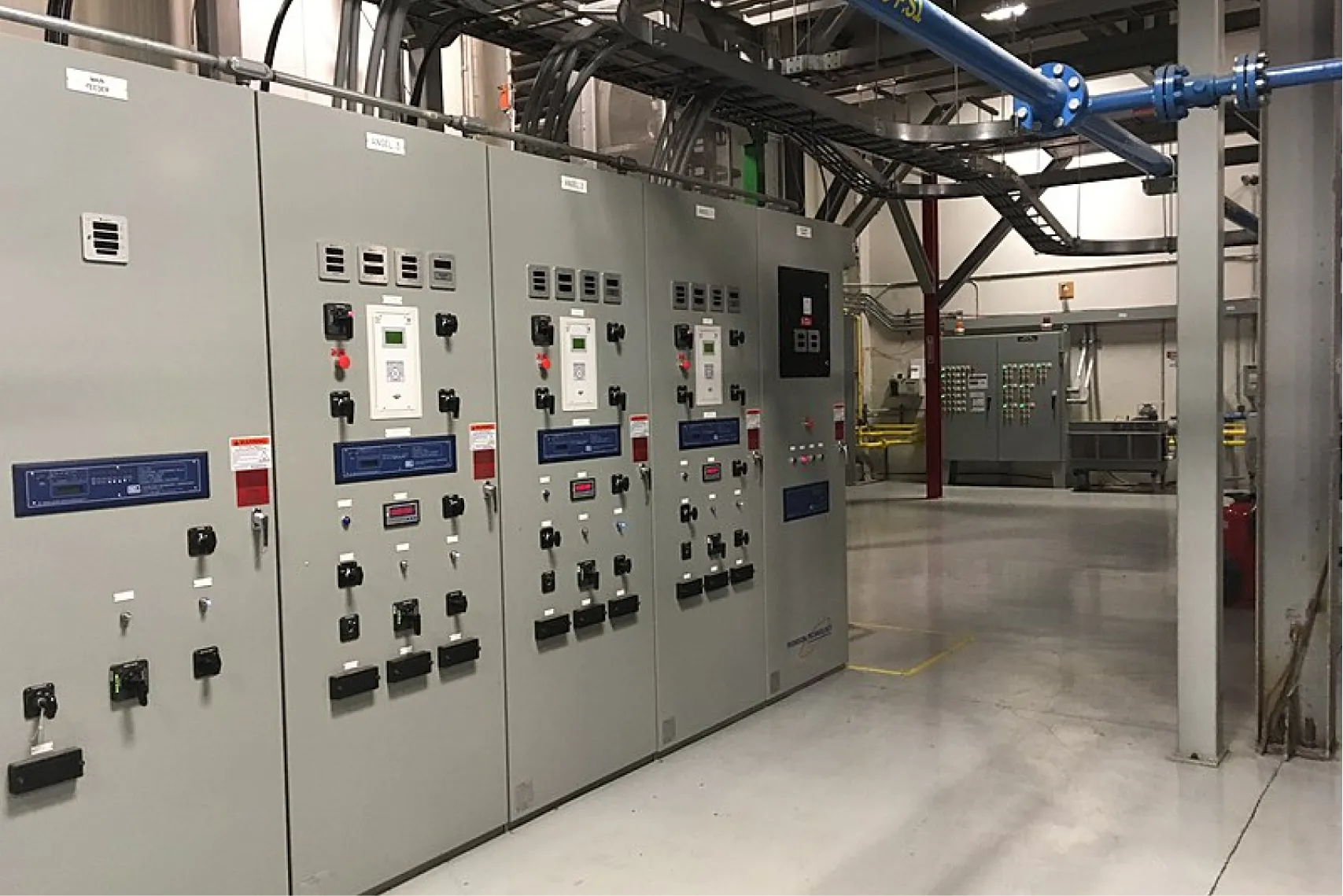
The Russian scientific complex, similar in design to HAARP, is located in the Nizhny Novgorod region. Using an antenna array, the signal from the transmitters is amplified and radiated into a narrow beam into the ionosphere, where it affects electrons.
Conspiracy theorists claim that our beam is capable of heating the ionosphere to enormous values. In fact, if you compare the radiation power with a single lightning discharge, it will be significantly less. And every second, from 50 to 100 such lightning flashes in the atmosphere.
I also heard this version: during an earthquake, an infrasonic oscillation occurs above the epicenter, exactly the same as during the impact of a radio beam on the ionosphere. By adding 1+1, we can conclude that there is a dependence. But this, of course, is not true!
Scientists do not have the technical capabilities to influence rock deep in the earth and cause earthquakes. And the HAARP complex is just one of the tools for studying the ionosphere. Therefore, no geophysical weapons currently exist.

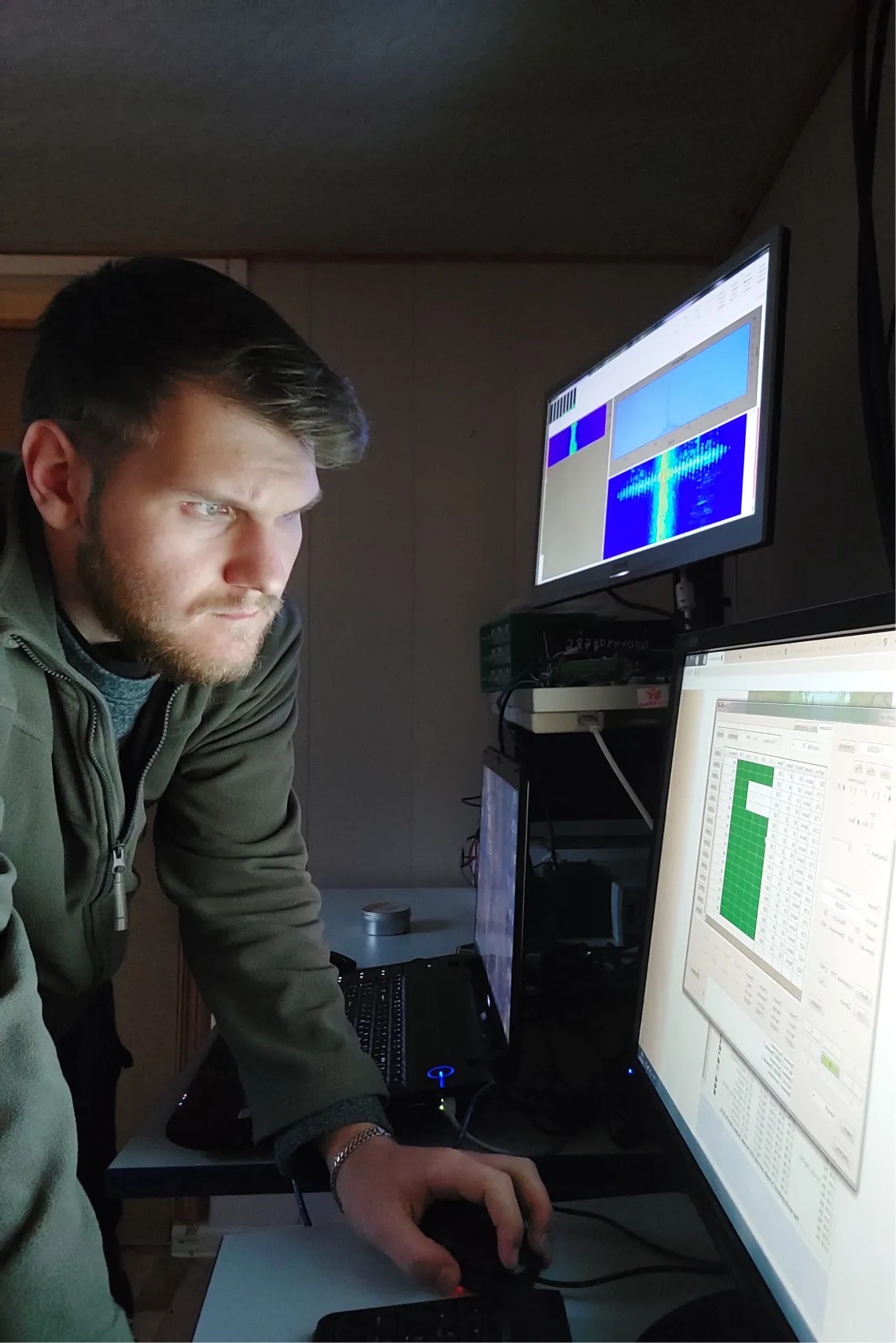
We are looking for an answer to only one question: “Why?”
When you first start doing science, you are constantly looking for practical meaning in your work. You ask the same question: “Why does humanity need this knowledge?” But gradually the understanding comes that the applied task is not the main thing.
For a scientist, it is much more important to understand the processes taking place and get to the bottom of the truth. We are just interested in doing this and getting an answer to the question “Why?” This is the engine of science. And there will be practical application, even if not immediately. What is more important to you – an applied result or a path to truth?