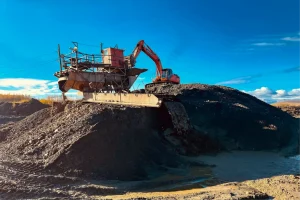
A site with reserves calculated using the Soviet system back in the 1960s–70s is put up for auction. The reports contain mysterious C1, C2 categories, meeting protocols, and a date in the header: 1970. An investor is asked to invest hundreds of millions. They look at this—and don’t understand what they’re buying. What’s behind the numbers? Who bears responsibility? And can they even be trusted?
In this material, prepared based on a podcast, together with PONEN Committee Chairman Georgy Freiman and GeoMineProject Chief Geologist Alexander Kuznetsov, we examine why investors increasingly doubt data calculated according to State Commission on Reserves (GKZ) standards, how international reporting standards work, what their key differences are—and why the transition to them is becoming inevitable.

Why Investors Don’t Trust Numbers in Geological Exploration
When an investor enters the subsoil use market, they’re not simply buying a plot of land. They’re paying for information: what’s hidden underground, in what volumes, with what quality, and whether it can be extracted profitably.
If the numbers in reports can’t be trusted—this is no longer an investment, but a guessing game. That’s why the main question that arises for any investor is: how reliable and verifiable is this data? Who is responsible for it? And by what rules was it obtained?
In the Soviet reserve estimation system (GKZ), this answer is not obvious. Reports are prepared collectively, undergo discussion in commissions, and are signed by regional departments. But no one is personally responsible for the numbers. In the USSR this worked: there was one client—the state. In a market economy, this approach no longer works. The investor is the main client, and they need transparency.
The problem is not only in terminology, but also in the process. Today it’s important to understand exactly how the data was obtained: how samples were collected, under what conditions, in which laboratories the analysis was conducted, how the results were verified. Without this, any numbers are just an empty set of categories and tables.
“If you don’t know how samples were collected—you know nothing”
emphasizes Alexander Kuznetsov
Hence the need for unified, recognized standards—ones that describe not only what to calculate, but also how to calculate it, who calculates it, and who is responsible for it. These standards allow an investor to understand: can the report be trusted—and if so, why.
What These Standards Are—and Why They Emerged
International reporting standards didn’t arise from a love of bureaucracy. They were created in response to real scandals—when investors were simply deceived.
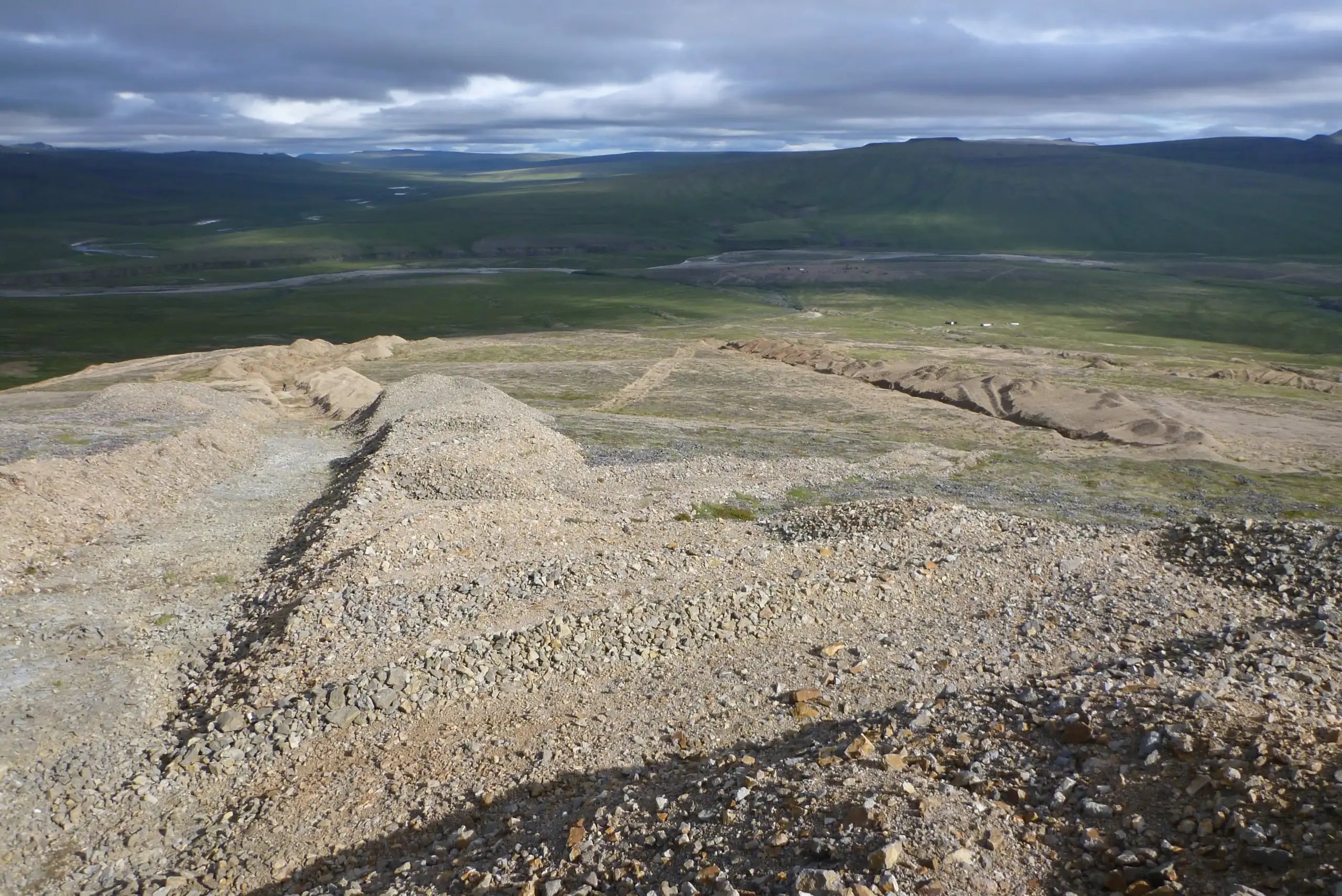
One such case occurred in the 1970s: Australian company Poseidon Nickel announced the discovery of a large nickel deposit, shares soared 40 times, and the deposit didn’t exist.
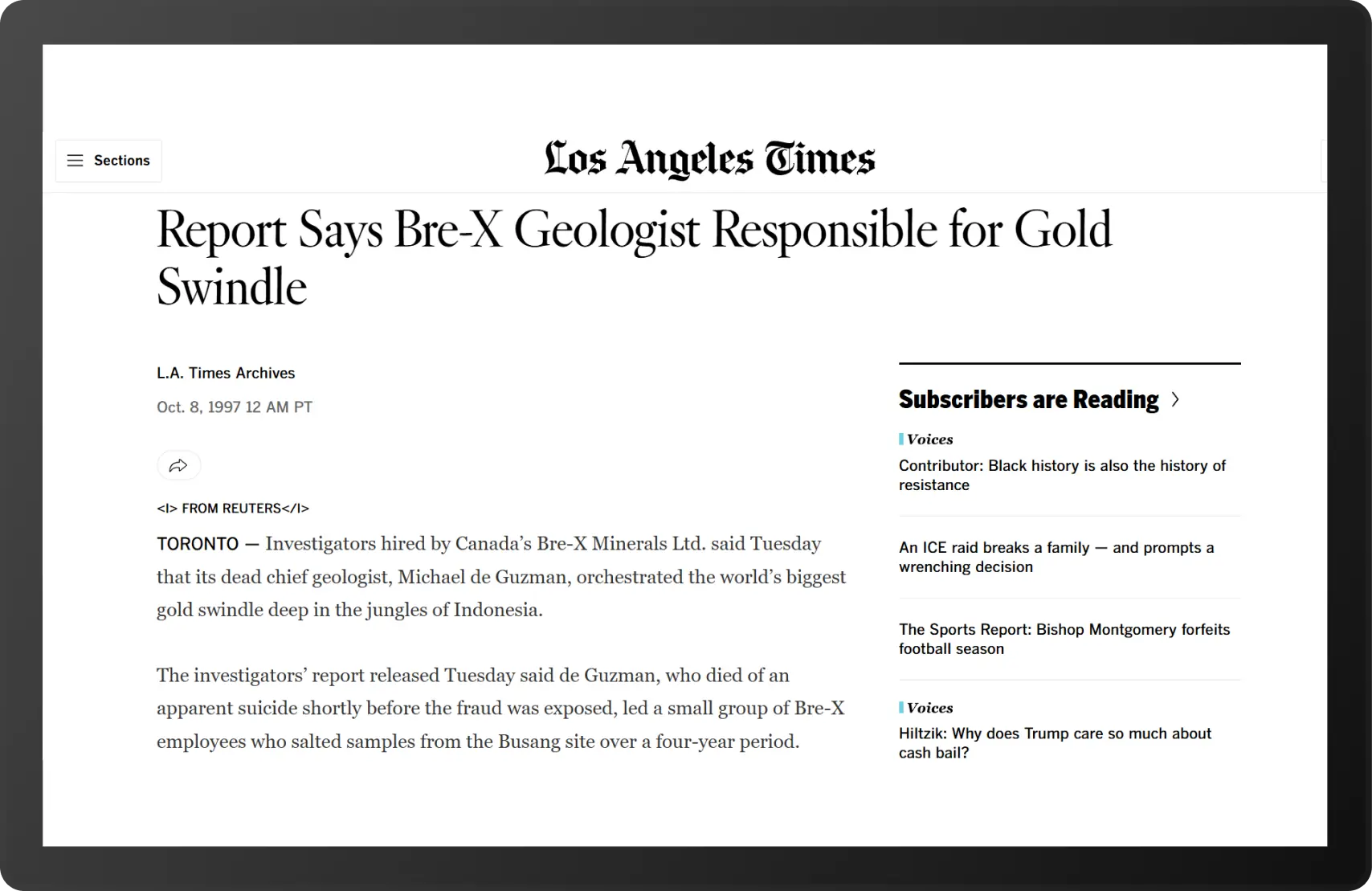
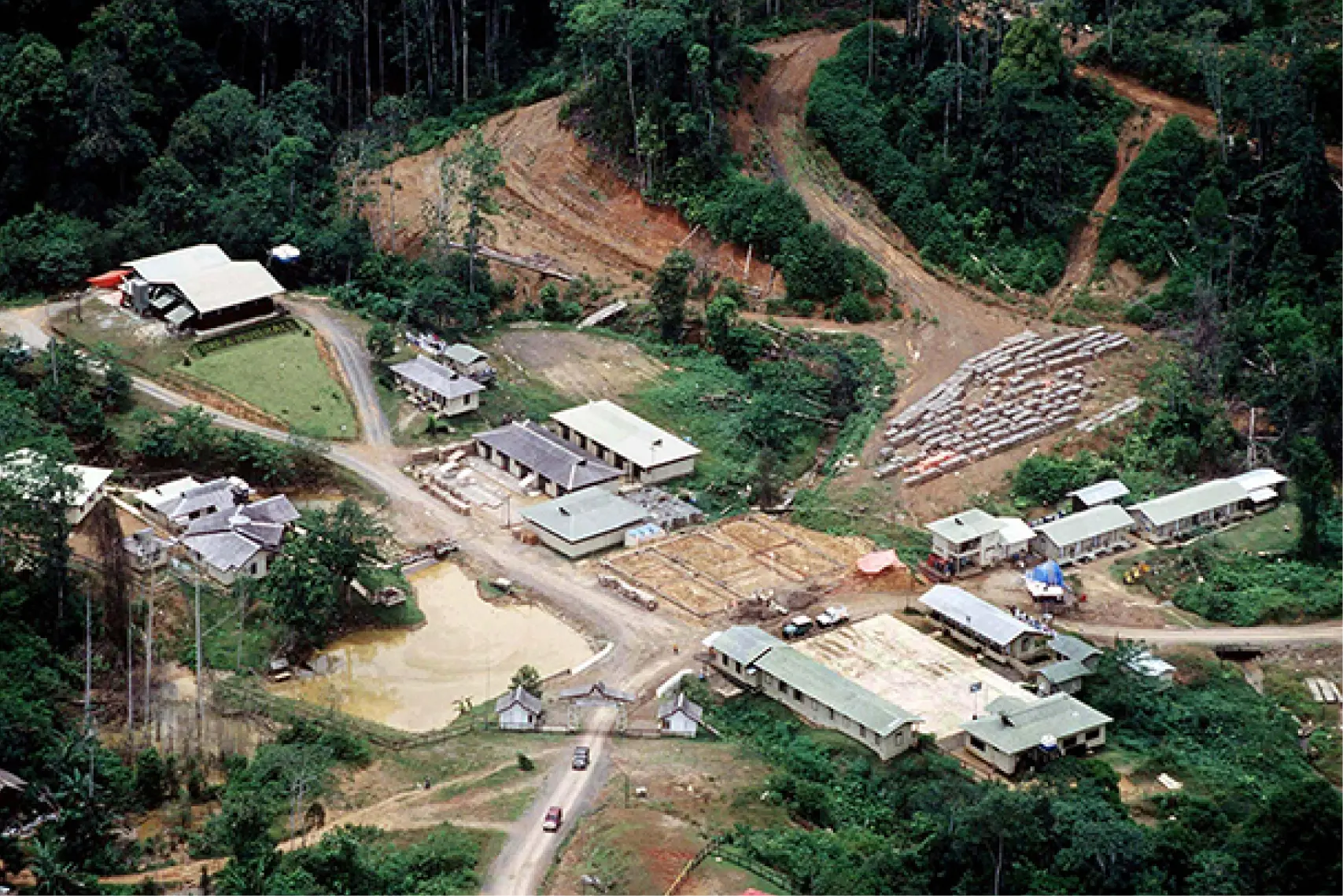
Another was even louder: in 1997, Canadian company Bre-X claimed enormous gold reserves at the Busang deposit in Indonesia. Investors put in hundreds of millions of dollars. It was later revealed: gold shavings had been mixed into the samples. The company went bankrupt, tens of thousands of people lost money.


After these incidents, it became clear: without specific, universally accepted rules, the trust market won’t survive. Thus the JORC code emerged—the world’s first standard that prescribed what to consider reserves and resources, who is responsible for it, and how the report is formatted.
“JORC isn’t about document format. It’s about language: clear terms, understandable logic, transparent structure. Essentially, it’s a glossary and logical framework that allows a geologist and investor to speak the same language”
explains Alexander Kuznetsov
So that countries could develop their own standards while maintaining unified logic and comparability, the CRIRSCO template was created based on JORC. It includes basic terminology and a table of requirements for report structure. Today, more than 15 national codes belong to CRIRSCO—from Canada and Chile to Kazakhstan. And CRIRSCO is precisely what international standards mean in the full sense: universal, comparable, accepted by the market.
How Kazakhstan Transitioned to the International System
Until the 2010s, Kazakhstan, like Russia, worked according to GKZ. Reports were prepared for the state, but not for investors. When international companies began entering the country, a problem arose: they needed reports according to JORC, not GKZ.
“Investors came to us—and asked to recalculate reserves. Because they simply didn’t understand what C1, C2 meant, by what principles this was calculated, who verified it, and on what basis the conclusion was made”
recalls Georgy Freiman
Double work began: Kazakh subsoil users ordered international reporting in parallel, just to somehow explain to investors what they had. At some point it became clear: it’s easier to introduce one standard than to do two.
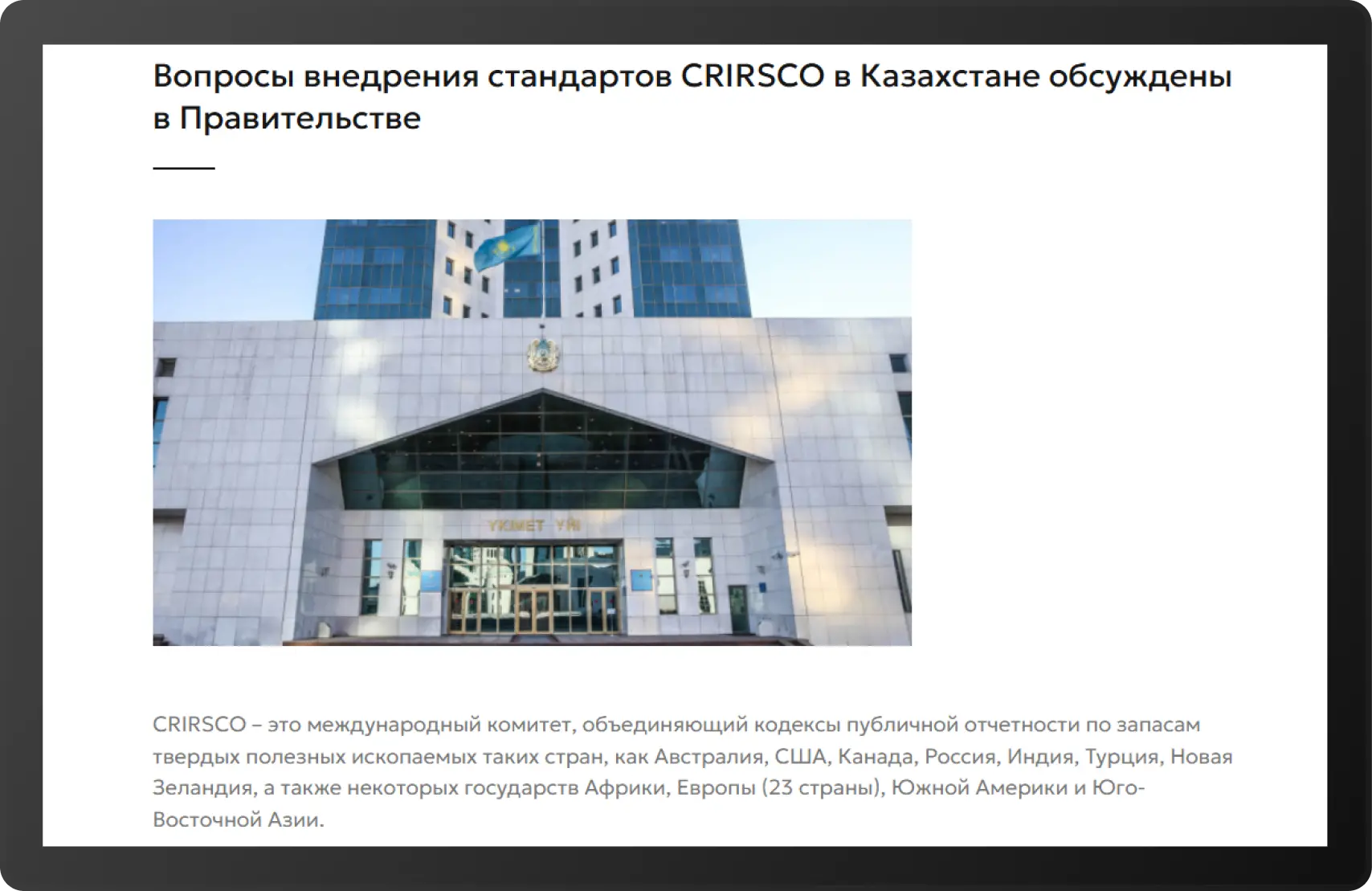
In 2015, Kazakhstan officially announced the transition to the CRIRSCO system. The national code KAZRC was created, built on the CRIRSCO template—with the same principles, terms, and requirements. The key difference from GKZ is personal responsibility of the competent person and transparency of the entire work logic. In 2016, Kazakhstan became a full member of CRIRSCO.
“This isn’t a top-down reform. It’s a logical response to market demand: if you want to attract investment—speak an understandable language”
says Freiman
Today in Kazakhstan, most new solid mineral projects are calculated according to international standards. And GKZ reports remain only in certain sectors (for example, for water and hydrocarbons). Since 2024, this distinction has been enshrined at the legislative level.
What About Russia?
Today in Russia, the GKZ system is still used—with Soviet roots and calculation logic oriented toward the state, not the investor. Attempts to harmonize it with international standards have been made, but so far remain at the discussion level.
“There was an attempt in 2018 to develop a new classification, but it wasn’t approved. They tried to prepare methodological recommendations—the Ministry of Justice didn’t pass them. Now the topic is back in work”
explains Artem Vasilchenko, expert at FBU “GKZ”
Active movement is currently toward a new classification for solid minerals, where criteria for technological feasibility, economic viability, and others have been added. But these are not international standards, but internal attempts to improve the Russian system.
For companies that still want to attract investment abroad, the standard path remains: compile a GKZ report → transfer materials to an international consulting company → receive a calculation according to CRIRSCO / JORC, signed by a competent person → use it to attract capital.
“This path works. Yes, it costs money. But if you want investors to believe you—this is the only understandable format”
says Artem Vasilchenko
Russia is not yet planning an official transition to international standards. But harmonization is being discussed, and the demand for clear, transparent reporting with personal responsibility is heard more and more often.
GKZ vs. International Standards: Differences
Now that we’ve understood how international standards work and why they’re needed, let’s look at exactly how they differ from the familiar GKZ system—and why this transition is becoming not just a fashionable trend, but a necessity. When you compare GKZ and international standards like JORC, CRIRSCO, or KAZRC, the difference is immediately visible. It consists of several key points.
Language and Logic: Why GKZ Terms Are Incomprehensible to Investors
The GKZ system and international standards use different approaches to describing subsoil resources—these are essentially two different “languages.” One clear example is the differences in understanding the terms “resources” and “reserves”.
In GKZ, categories C2, C1, B, and A are used, reflecting the degree of deposit study. Their task is to sequentially transfer data from one category to another, increasing reliability: from inferred to indicated, then to measured and fully explored. In the Soviet system, it was important to record and classify all mineralization—regardless of whether it could be extracted.
In international standards, the approach is different. Here, resources (what can potentially be extracted under certain conditions) and reserves (the part of resources that can realistically be mined and processed from an economic and technical standpoint) are clearly separated. This is a key distinction: the foundation is not only geology, but also project feasibility.
“International codes use more transparent terminology—for example, ‘inferred resources’ and ‘proven reserves.’ Even an investor without geological education understands what this means”
explains Alexander Kuznetsov
This shift is especially important when it comes to investment: terminology must be intuitively clear—without needing to decipher what stands behind abbreviations like C1 or B.
In the Soviet system, for example, “resources” could include any manifestations of mineralization, even if they have no industrial prospects. For instance, Kazakhstan does have diamond deposits, but they are of low quality and suitable only for technical purposes. Developing them is unprofitable, but in GKZ they were still counted as resources. In the international system, such objects don’t enter the calculation: here, a resource is something that can actually be developed.
Similarly with reserves: GKZ reports could include reserves that are physically impossible to extract (for example, due to mine collapse), while the international system recognizes only those reserves that can realistically be mined and converted into marketable products.
This shift in terminology is not just semantics. It’s a way to establish transparent communication with an investor who doesn’t have to be a geologist, but must understand exactly what they are buying.
Who Is Responsible for the Numbers: Collective Expertise or Personal Signature
In the Soviet GKZ system, reports are prepared collectively. They are reviewed by regional departments, expert groups are created, everything goes through collegial meetings and is approved by protocols. But no one is personally responsible for the final numbers—responsibility is spread among departments and commissions. This is logical for a system where the client was the state, not an investor.
“In the USSR, there was no need to prove reliability. The state believed its own numbers—the system was closed”
explains Georgy Freiman
In international standards, the principle is different: the report is signed by a competent person, who bears personal legal responsibility for the data provided. This is a specialist with confirmed qualifications and experience, included in an official register (in Kazakhstan’s case—PONEN). Such an expert’s signature means they vouch for the methodology, data, interpretation, and conclusions in the report.
“You signed—you bear responsibility. And if something’s wrong—it’s your reputation and, in some cases, even criminal liability”
emphasizes Freiman
This principle is precisely what builds investor trust. They understand who exactly made the calculations, what qualifications they have, and what the conclusions are based on. In GKZ, there are no such guarantees—only the general name of an institution. In the 21st century, this is not enough.
Flexibility vs. Inertia: What’s the Difference in Approaches
One of the key problems of the GKZ system is inflexibility. The main technical and economic parameters by which reserves are calculated—so-called cut-off grades—are approved by the state and are practically not subject to revision. If the market situation changes (for example, metal prices fall or new processing technologies appear), this is not automatically reflected in calculations. To change cut-off grades, you need to go through a long approval process that can take up to a year.
“In the Soviet system, nothing changed for decades. Cut-off grades were once and for all, under a rigid plan. Now it doesn’t work that way—flexibility is needed”
explains Georgy Freiman
And if a project goes to expert review, the procedure can last up to three months. Considering that reports are reviewed on weekends, different experts are involved, and there’s no personal responsibility, changes to the project become extremely difficult.
In international standards (for example, KAZRC based on the CRIRSCO template), the entire system is structured differently. First, the report is prepared by a competent person who bears personal responsibility. Second, review takes 14 to 30 days. But most importantly—the report can be promptly updated if market or technological conditions change.
“If the metal price changed—you simply recalculate the project economics, update the cut-off grades, and submit a revised report. Without this, it’s impossible to make decisions quickly in the modern mining industry”
adds Freiman
Thus, international standards allow adaptation to the market. This is especially important when it comes to investment—no investor will wait a year while outdated data is recalculated.
Why Geologists Resist International Standards
The transition to JORC, CRIRSCO, or KAZRC standards is not just a change in methodology, but a change in mindset. The main barrier is mental. Many specialists have worked “the old way” for decades and see no point in changing anything: why retrain, take exams, if the system seems to work?
“Our approach is: ‘if it works—don’t touch it.’ Even almost 10 years after KAZRC’s launch, some geologists in Kazakhstan remain skeptical”
notes Georgy Freiman
Some passively ignore changes, others actively try to slow down reform. But the process continues. In recent addresses by Kazakhstan’s president, the need to complete the transition to international standards was mentioned as a separate point. And when system change becomes a political priority—it can no longer be stopped.
Now Let’s Calculate: Why Should a Company Change Systems
Resistance is emotion. But there are also financial arguments that cannot be ignored.
“By our estimates, preparing a KAZRC report can cost approximately 40% less than GKZ,” says Georgy Freiman. “This is likely primarily related to format: the report is submitted electronically, together with a database and model. Paper remains only as a formality for geological funds, whereas previously resources—both money and time—were spent on it.”
Under KAZRC, reports are submitted electronically—together with a database and geological model. The paper version is preserved only as a formality for geological funds. This not only speeds up the process but also reduces costs: instead of hundreds of drawings that previously had to be printed in three copies, the model can be visualized on screen, scaled, and, if necessary, only individual elements printed.
In digital format, you can create a thousand maps—and it costs nothing, unlike paper printouts, which previously took up to a third of the budget.
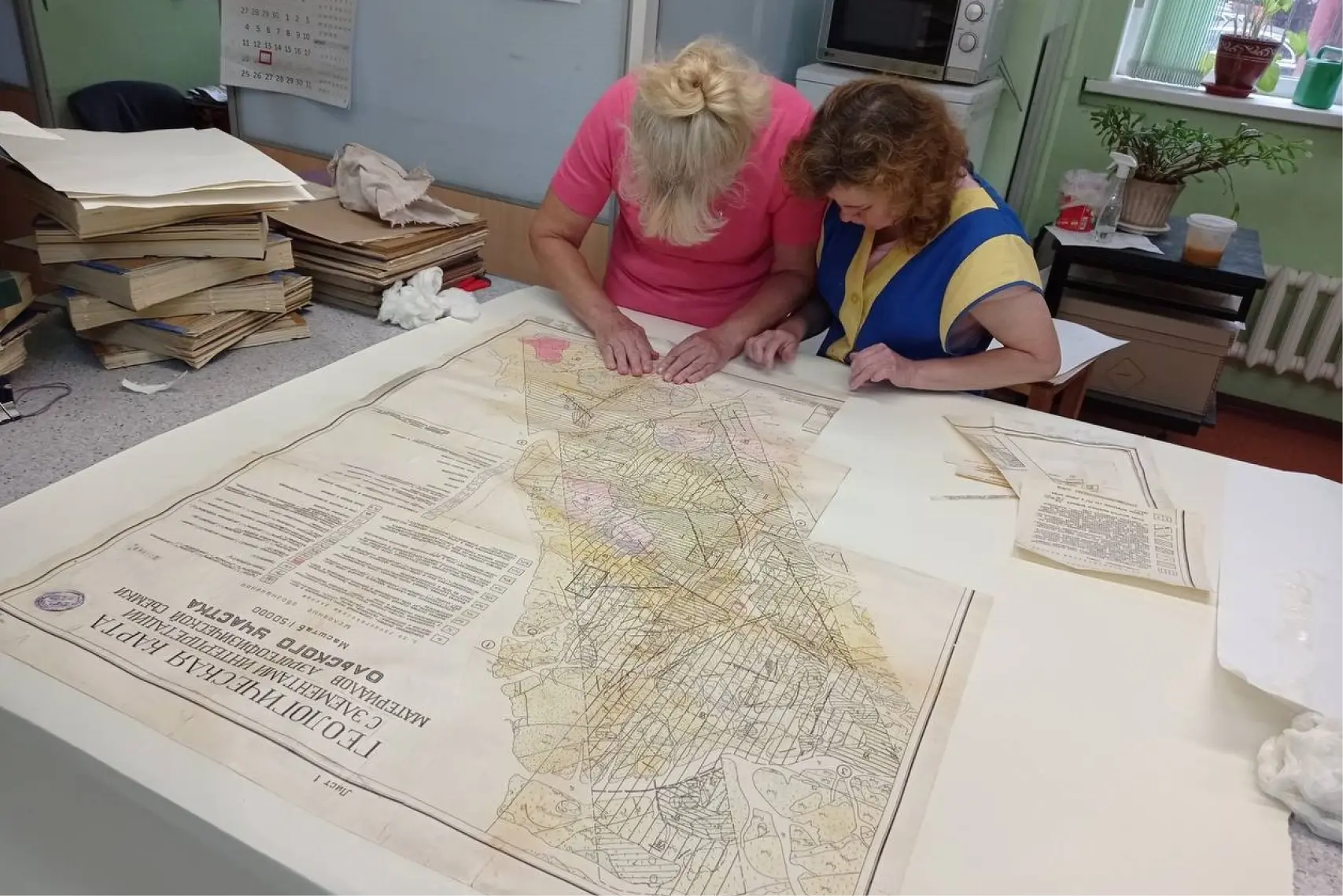
Electronic submission provides another advantage—simplified access to information. In the GKZ system, reports are stored in geological funds, where they get lost, deteriorate, require storage costs and lengthy approvals. Despite years of promises, digitization of the GKZ archive is still not complete, and this creates a monopoly on data access.
“Republican funds complain: they have nowhere to store reports, documents deteriorate in damp premises and become unusable. But we live in the 21st century—it’s time to abandon paper. Everything can be stored electronically, with duplication and necessary protection. It’s elementary”
says Georgy Freiman
In KAZRC, everything is structured differently: the electronic report is transferred to the Geology Committee, where it’s registered. The materials themselves remain confidential—they belong to the subsoil user. But a summary table is published in open access: with the deposit name, report acceptance date, and competent person’s name. This is enough to verify: the work was done, and someone is responsible for it.
Investor Trust Begins with Geologist Professionalism
International reserve estimation standards are not a formality or “Western fashion.” This is a response to a real market demand. An investor needs to understand what they’re investing in. They don’t read between the lines and don’t know what’s hidden behind categories “C1” or “A” in a GKZ report. They want to see transparent data, verified methodologies, personal responsibility, and the ability to attract capital. This is precisely why JORC, CRIRSCO, KAZRC, and other standards were created—not as an alternative, but as a new coordinate system built for open market tasks.
Today, a geologist cannot remain on the sidelines of these changes. We’re no longer in the USSR, where a planned economy operated and the only client was the state. The times when a geologist was both expert and controller are in the past. Now everything is measured by investment, reputation, and trust. And it’s precisely the specialist—the one who calculates reserves, prepares the report, and puts their signature—who becomes the key figure. A geologist either masters the new system or drops out of the game.
Alexander Kuznetsov speaks about this simply and honestly: a geologist cannot stop developing. The profession requires constant forward movement. He gives a personal example: he recently completed a master’s degree and admits that each new consulting project gives him the opportunity to delve into new areas—from geomechanics to geostatistics. Even if it’s not directly required for the current task, the desire to “dig deeper” becomes a habit.
Professional communities worldwide support this path. In every country, dozens of associations of geologists, hydrogeologists, geomechanics engineers, and designers operate. Their goal is not just to monitor the industry, but to help specialists remain in demand.
“This is what I can sincerely advise colleagues. Embark on this path and follow it. Because that’s the only way to remain a strong specialist. And that’s the only way to respect your profession”
says Alexander Kuznetsov
What do you choose—habit or development? Share in the comments.
The material was prepared with the support of the Russian Ministry of Education and Science within the framework of the Decade of Science and Technology.