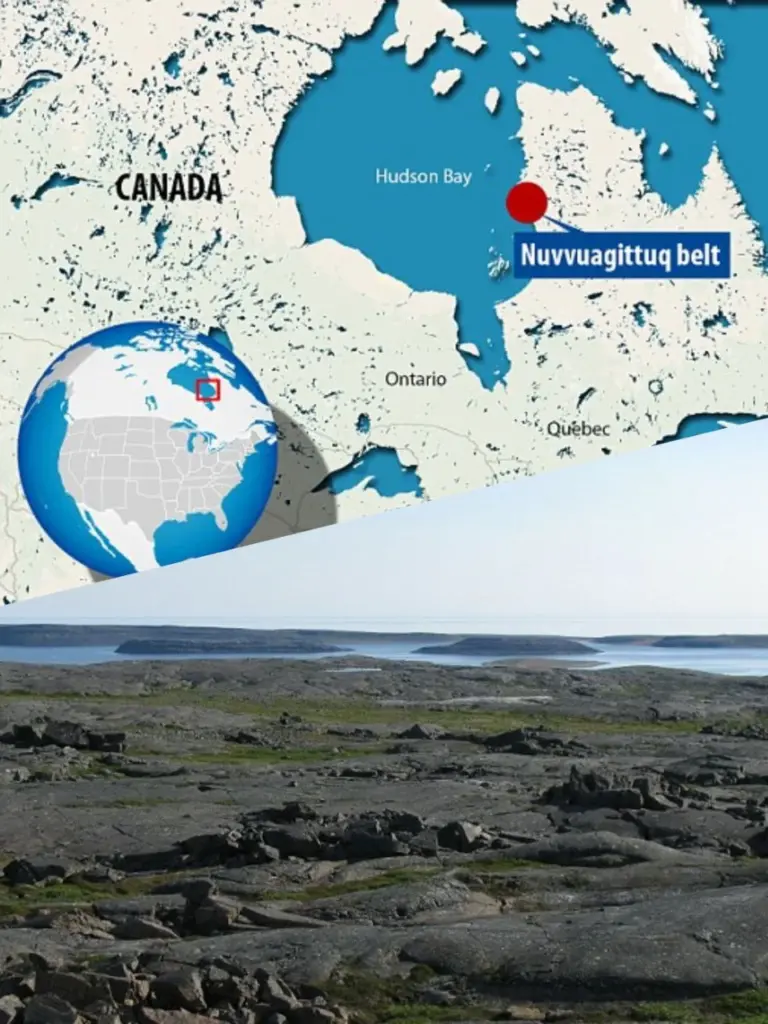
Scientists from the University of Ottawa have confirmed that rocks in the Nuvvuagittuq zone (Quebec, Canada) are among the oldest on the surface of our planet. planets. Their age is about 4.16 billion years, which is close to the age of the Earth itself (4.54 billion years). This discovery makes the region unique for studying the early stages of planetary formation.
According to Tatyana Sitnikova, a graduate student at the University of Ottawa and a researcher at iMAGE CREATE, this is a rare case where the presence of a fragment of Hadean bark has been so reliably confirmed:
“For the first time, scientists have so reliably shown the Hadean age – about 4.16 billion years – for mafic intrusions. This is a very rare coincidence: two independent isotope systems (long-lived and short-lived Sm–Nd) showed the same result. This happens extremely rarely, especially in rocks without zircons.”
Disputes about the true age of the volcanic rocks at Nuvvuagittuq have raged for more than 15 years. Previous estimates ranged from 2.7 to 4.3 billion years. Christian Soleux’s team used modern methods – uranium-lead and samarium-neodymium analysis. It is especially valuable that metagabbroids, mafic rocks in which zircons are rarely found, were analyzed.
“There are almost no zircons in mafic rocks. Usually acidic gneisses are used, but they are the result of melting down an older mafic base and do not provide direct information about the primary crust,” explains Sitnikova. “Now, for the first time, we have been able to find and analyze differentiated mafic intrusions that preserved the Sm–Nd system in its original form.”
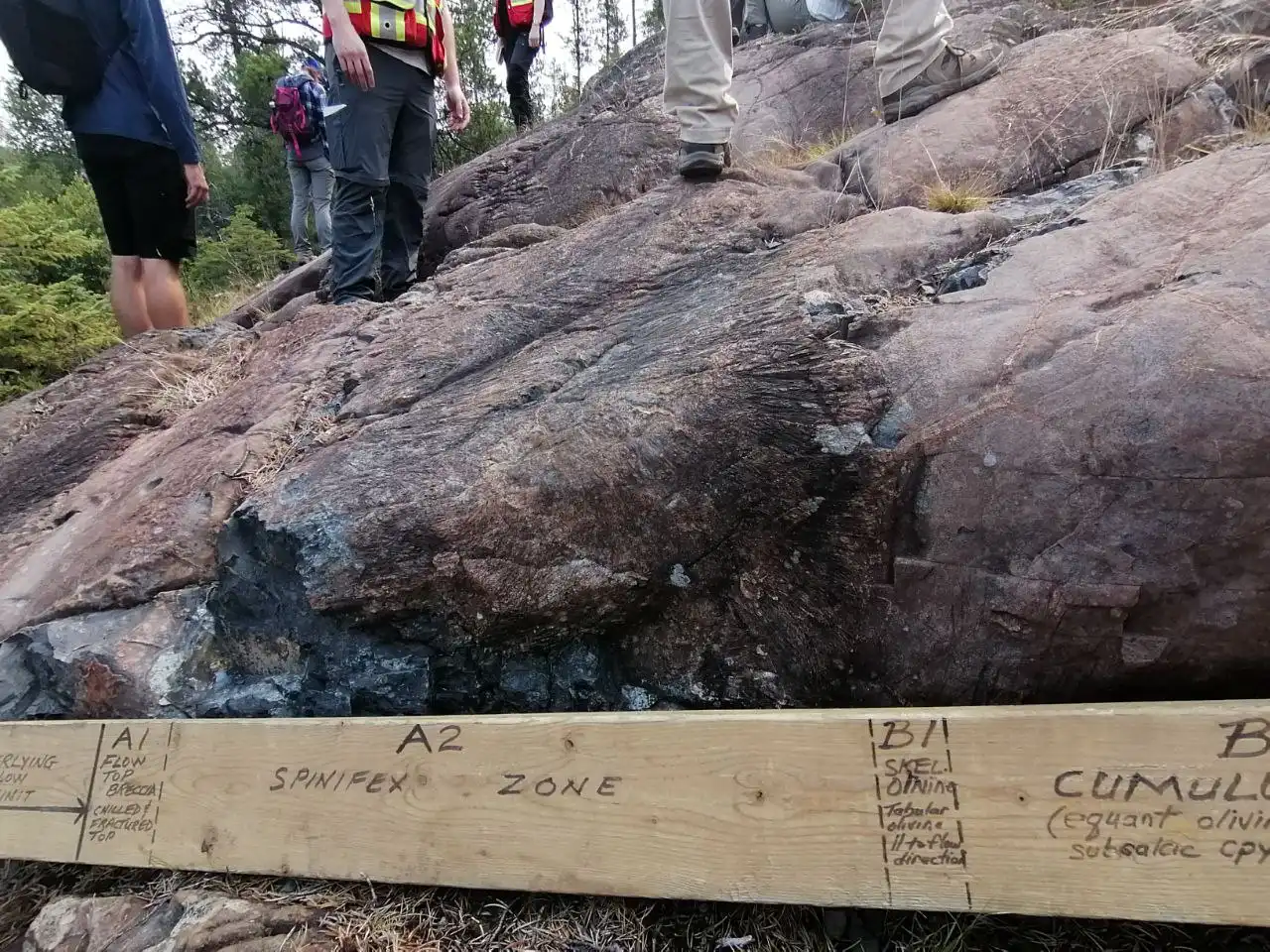
Such rocks are a window into the early history of the Earth. They were formed before the advent of plate tectonics, which provides clues to how the lithosphere was born.
“These are the intrusive roots of ancient plumes. In essence, they are frozen channels of primary magmatic processes,” adds Sitnikova. “I worked with komatiites at Pike Hill (Abitibi) – these are volcanic rocks formed from ultra-hot magmas >1600°C. Today, they no longer form – the mantle has cooled. But in Hadean times they formed the early portions of the crust.”
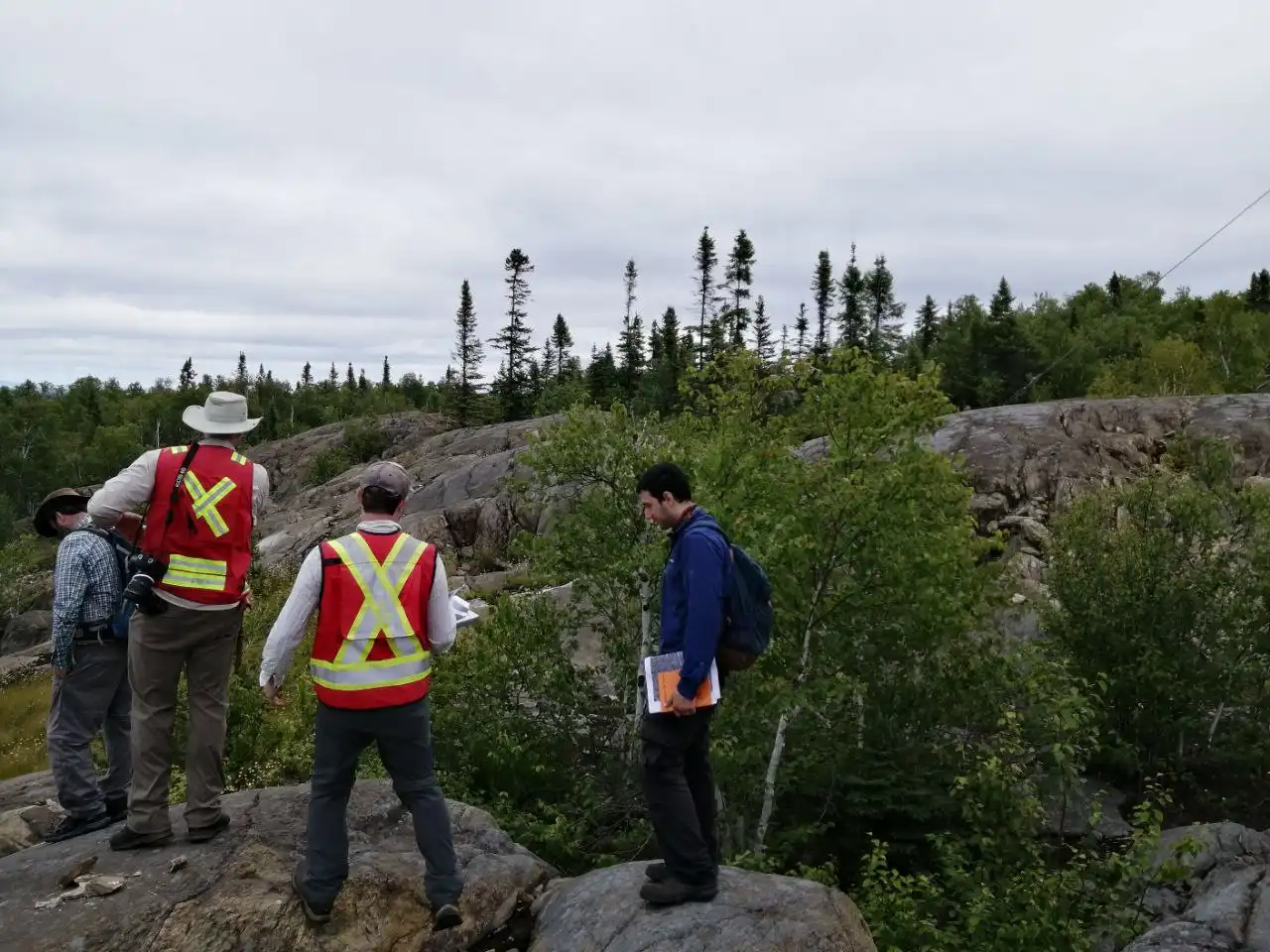
Although Canadian rocks are some of the oldest, other regions also contain traces of the early Earth:
- Greenland: Isua greenstone belt (~3.8 Ga)
- Australia: Narrier Gneiss Terrane (~3.6 Ga)
- Antarctica: Napier Complex (~3.8 Ga)
- Russia: Baltic and Anabar shields (up to 3.2 billion years)
In addition to its fundamental importance, the discovery also has applied potential.
“Such ancient plume systems are often accompanied by komatiites – the largest deposits of nickel, copper and platinum metals are associated with them. Yes, the metagabroids themselves described in the article are unlikely to be ore-bearing. But similar processes gave rise to the largest ore belts in Greenland and Canada,” says the expert.
In Russia, similar formations are known in Karelia (Viksha deposit) and on the Baltic shield.
“In addition, this knowledge helps in the search for ore systems on other planets. There, the ancient crust could have been better preserved than on Earth – and this data could become the basis for future studies of extraterrestrial geology,” concludes Tatyana Sitnikova.
The material was prepared with the support of the Russian Ministry of Education and Science as part of the Decade of Science and Technology
Source: @menteetmalleo