Scientists from Tomsk Polytechnic University (TPU) studied secondary minerals of volcanic rocks of the North Minusinsk Basin. The results will help to better understand their impact on rock properties, oil and gas content, and prospects for use for carbon dioxide utilization.
Researchers from the TPU School of Natural Resources Engineering studied secondary minerals – carbonates and zeolites – in the composition of volcanic rocks in areas of the North Minusinsk Basin in Khakassia. These minerals play a key role in changing the properties of rocks, their oil and gas potential, and their potential use as reservoirs for CO₂ injection. The work was carried out within the framework of the State Assignment “Science”, and its results were published in the journal “Geochemistry”.
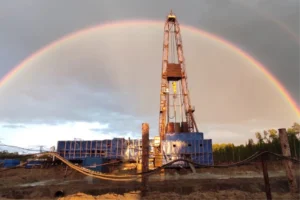
In recent years, interest in basaltic volcanic rocks has grown significantly. They are considered not only as potential sources of oil and gas, but also as possible storage facilities for carbon dioxide utilization. Oil produced in nearby sedimentary rocks can migrate into volcanic formations, but the success of its recovery depends on parameters such as porosity and permeability of the rocks.
Secondary minerals such as carbonates, zeolites and clay minerals significantly influence the rheological and reservoir properties of rocks. They determine their elasticity, density, fracturing and other characteristics. However, research on these minerals is not yet sufficient to form a complete picture.
TPU scientists chose three sites for study in the southwestern part of the North Minusinsk Basin. This area is distinguished by the diversity of its geological structure: rocks of different ages (from Cambrian to Cretaceous) and origin (sedimentary, volcanic, metamorphic) are represented here. In addition, here are the training grounds of TPU and other Siberian universities, as well as deposits of molybdenum, gold and hydrocarbons.
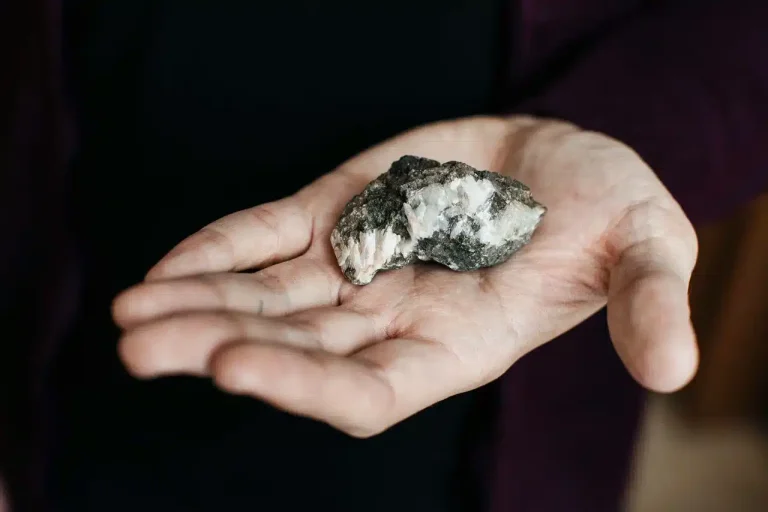
“We selected samples of Devonian and Triassic volcanics containing carbonates and zeolites. Using mineralogical, geochemical and isotopic methods, we studied their composition and identified patterns. For example, bitumen was found in all samples, which indicates the migration of hydrocarbons from neighboring sedimentary rocks,” explains Alexey Ruban, associate professor of the TPU Geology Department.
Scientists have found that secondary minerals can impede the migration of hydrocarbons by filling pores and cracks in rocks. This is important for assessing the oil and gas potential of volcanic strata. In the future, the researchers plan to focus on studying bitumen in volcanic rocks.
The work of Tomsk scientists opens up new opportunities for assessing the oil and gas potential of volcanic rocks and their use as reservoirs for CO₂ utilization. This could be an important step in developing hydrocarbon extraction technologies and reducing our carbon footprint.
Source: naked-science.ru
Photo: TPU press service