The world produces about 93.2 million barrels of oil every day, but only a few regions control the bulk of the flow. We will look at where global oil production is concentrated, who holds the lead, and how the map of the oil world is changing.
Who gets the most
The share of the ten largest manufacturers have to about 72% of world oil production. For many years now, the leaders have remained the same – the USA, Saudi Arabia and Russia consistently occupy the first lines of the rating.
There is a technological race for leadership: some are betting on digital fields and automation, others on market management through OPEC+
| Country | Oil production, million barrels/day (2025) | 10 year trend | Peculiarities |
| USA | 13,2 | ⬆ +37% | Shale revolution, horizontal drilling, hydraulic fracturing (fracking) |
| Saudi Arabia | 10,5 | ➖ stable | The largest deposits in the world are Gavar, Safaniya; production is regulated by OPEC+ |
| Russia | 9,8 | ⬇ −7% | Difficult conditions in Western Siberia and the Arctic, focus on maintaining old fields |
| Canada | 5,0 | ⬆ +12% | Alberta Oil Sands; high costs but reliable extraction technology |
| Iraq | 4,6 | ⬆ +18% | Rumaila and Western Qurna are one of the largest deposits on the planet |
| China | 4,3 | ⬆ +6% | Development of deep drilling: wells up to 10 km (Shandy-1 project) |
| UAE | 3,8 | ⬆ +14% | Active digitalization of production, implementation of predictive analysis systems |
| Brazil | 3,5 | ⬆ +32% | Offshore production under the salt layer – up to 5 km under the ocean floor |
| Iran | 3,1 | ➖ stable | Large stocks with limited exports |
| Kuwait | 2,6 | ⬇ −11% | Decrease in the production rate of mature fields |
These numbers are not just statistics. Behind every barrel there is a technological race and billions of investments in new extraction methods.
The main deposits of the world
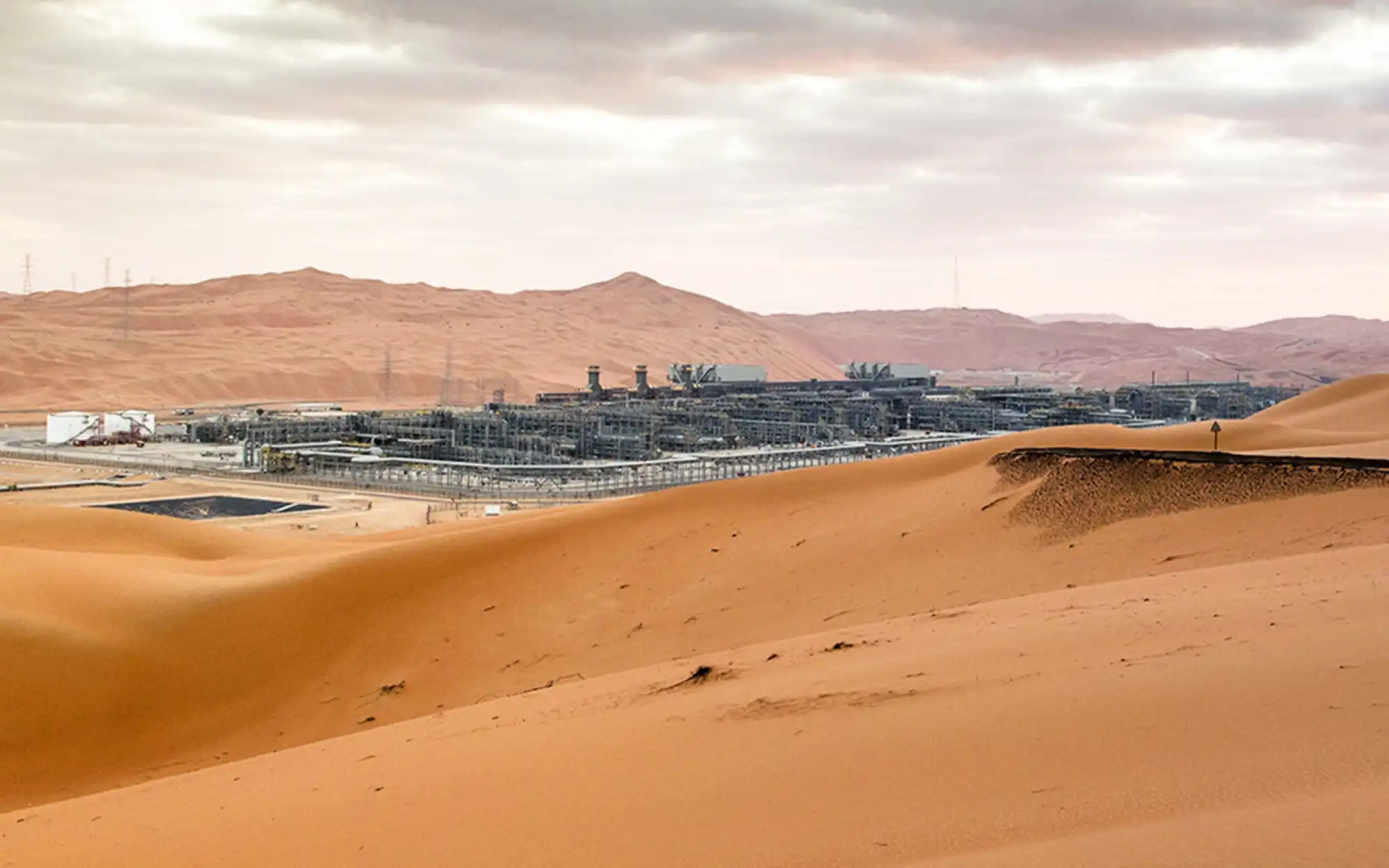
The richest oil deposits are found in the sands of Saudi Arabia and in the tundra of Western Siberia. These giants produce millions of barrels of oil per day and remain the heart of the world’s energy sector – thanks to digitalization, monitoring systems and new technologies for enhanced oil recovery.
Ghawar (Saudi Arabia). The largest oil field in the world open in 1948. Daily production reaches 5 million barrels. Developed by Saudi Aramco, digital monitoring and reservoir pressure maintenance systems are being actively implemented.
Burgan (Kuwait) founded in 1938, it is considered the second largest after Gavar. Initial recoverable reserves were estimated at 70 billion barrels. Today, engineers use secondary flooding and gas stimulation techniques to maintain production.
Samotlor (Russia) found in 1965 in Khanty-Mansi Autonomous Okrug. In the best years, it produced up to 3 million barrels per day, today – about 0.8–1 million. Samotlorneftegaz is introducing EOR technologies (thermal stimulation, chemical methods) and digital reservoir models to extend the life of the field.
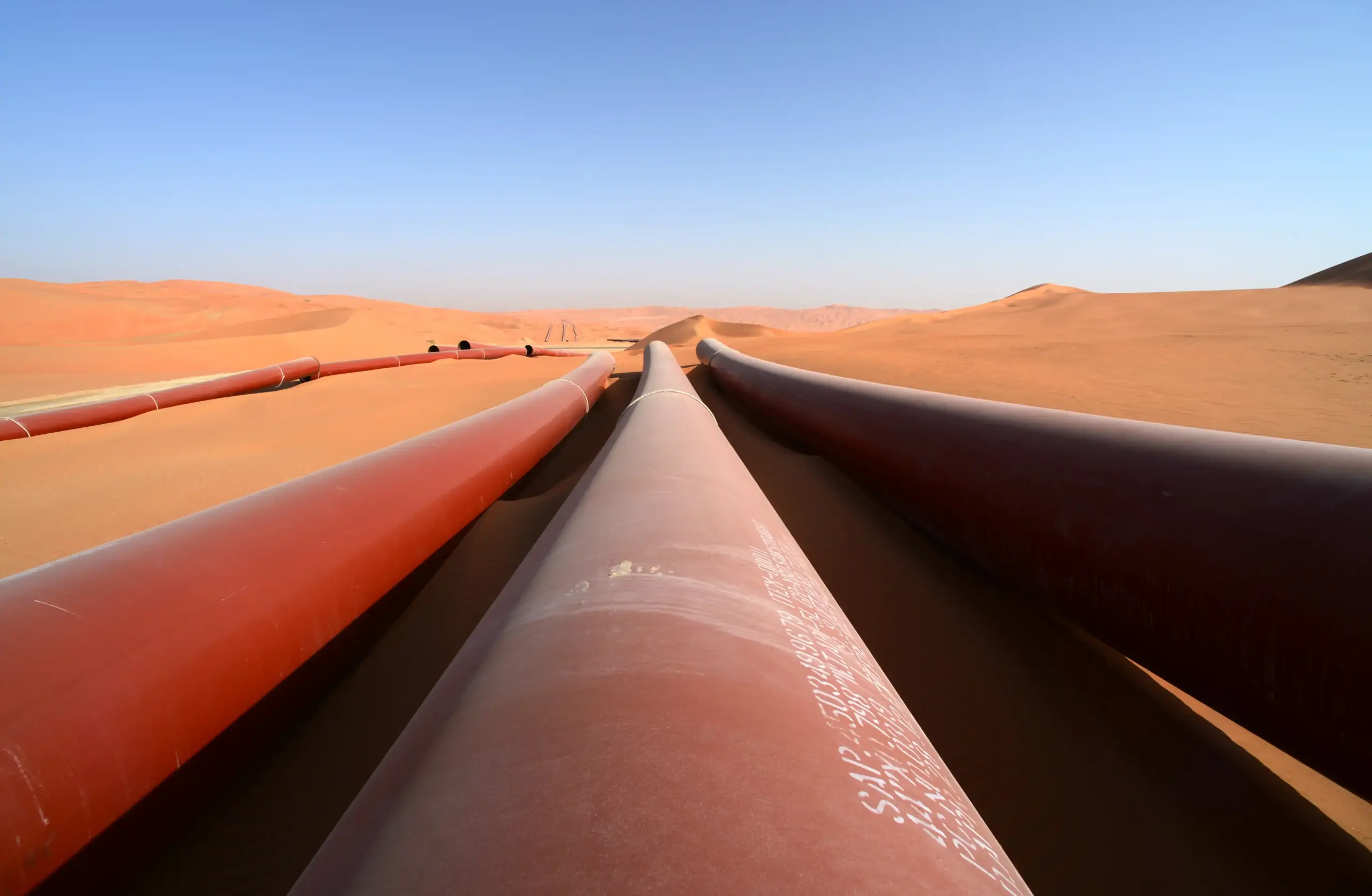
Prudhoe Bay (USA, Alaska). The main field in North America was discovered in 1968; production peaked in the 1980s – more than 1.5 million barrels per day. It is from here that the famous Alyeska pipeline begins, stretching across the whole of Alaska. Currently, production is reduced, but intelligent well control systems are being introduced to increase recovery.
Rumaila (Iraq) Since 1953, it has remained the heart of Iraqi oil production. Reserves are estimated at about 17 billion barrels. Jointly managed by BP and CNPC, secondary waterflooding and digital flow control are actively used. In terms of production volumes – about 1.4 million barrels per day.
Amin Nasser, head Saudi Aramco, warned: The global oil market may face a deficit due to reduced investment in exploration. According to him, the industry “has stopped looking for new deposits, and this will have consequences.” He noted that “the US shale boom is already close to a plateau,” and the future of stable supply depends on the decisions that companies make today.
These words reflect the concern shared by many experts: the largest deposits are gradually being depleted, and new discoveries are becoming fewer and fewer. Therefore, the world production map is changing — the center of activity is shifting to the shelf and hard-to-reach regions.
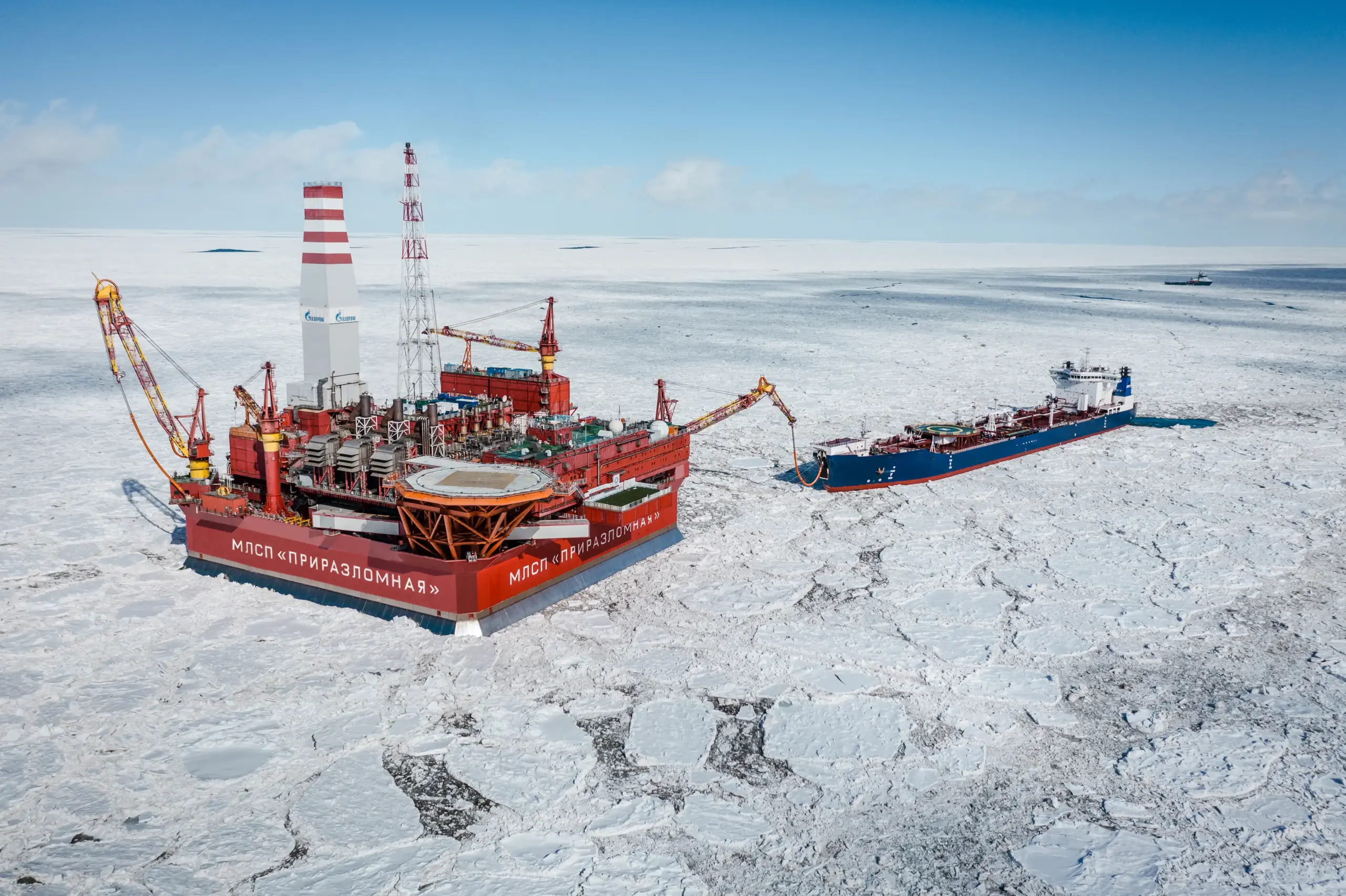
Gazprom Neft: new technologies for difficult conditions — about digital solutions for the Arctic shelf and hard-to-reach areas.
Trends: where is oil produced today?
Brazil and Norway are betting on deep-sea projects. Santos and Johan Sverdrup provide more than 3 million barrels per day. Guyana also joined the shelf race – a new player, which in just a few years went from zero to 600 thousand barrels, opening a series of fields together with ExxonMobil.
The main driver of global growth is American shale basins. According to TAdviser, USA provided almost the entire increase in global production over the past year – +1.27 million barrels per day out of a total increase of 1.4 million. Texas Permian Basin remains the largest province of the 21st century where horizontal drilling and hydraulic fracturing have made it possible to economically extract previously inaccessible reserves.
In the Atlantic, projects are growing in Nigeria, Angola and Namibia – they are developing deepwater blocks similar to Brazil’s and diversifying exports.
But Venezuela, despite colossal reserves in the Orinoco belt, is experiencing a severe recession: production has fallen by more than half in a decade. Technological limitations, sanctions and deteriorating infrastructure make recovery extremely difficult.
The era of “easy oil” is ending. The old giants are stretched to the limits, and technology is now deciding the future of the industry.
The future of oil production
By 2035, oil will remain a key source of energy, even as alternative technologies grow. However, new fields are becoming more complex, deeper and more expensive to develop.
The future of the industry lies in smart technologies. Enhanced oil recovery (EOR) techniques, digital field twins, real-time sensors and CO₂ capture systems are transforming traditional production into a high-tech process. Such solutions are already working in the US, Norway and Russia, reducing carbon footprints and increasing efficiency.
Read on GeoConversation: New reagent for tight oil – a domestic example of EOR technology.
The oil industry is no longer just a supplier of raw materials – today it is a testing ground for engineering innovation, where technology determines the economy and ecology of the future.
The main question now is not whether oil will run out, but what place it will take in the world. new energy — will leadership cede to other sources or become part of the global energy transition.
What do you think – can oil fit into the new energy sector and remain part of the future? Share your opinion in the comments.
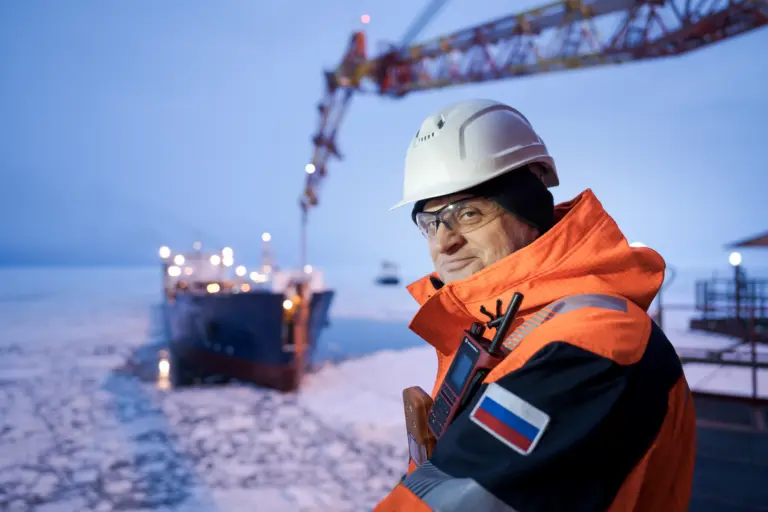
Cover photo taken from the official website of Gazprom Neft
The material was prepared with the support of the Russian Ministry of Education and Science as part of the Decade of Science and Technology.