Romania is on the verge of a leap in gas production. The joint OMV Petrom and Romgaz project at the Black Sea Neptun Deep field has entered its final stage. First gas is planned for the first half of 2027, with full capacity expected by the end of the third quarter. With the launch, the country will roughly double its production and secure its status as the European Union’s largest gas producer.
The project is designed to produce about 8 billion cubic meters per year, with recoverable reserves of around 100 billion cubic meters. Romania currently produces between 9 and 11 billion cubic meters annually, so the new source will effectively double the country’s output.
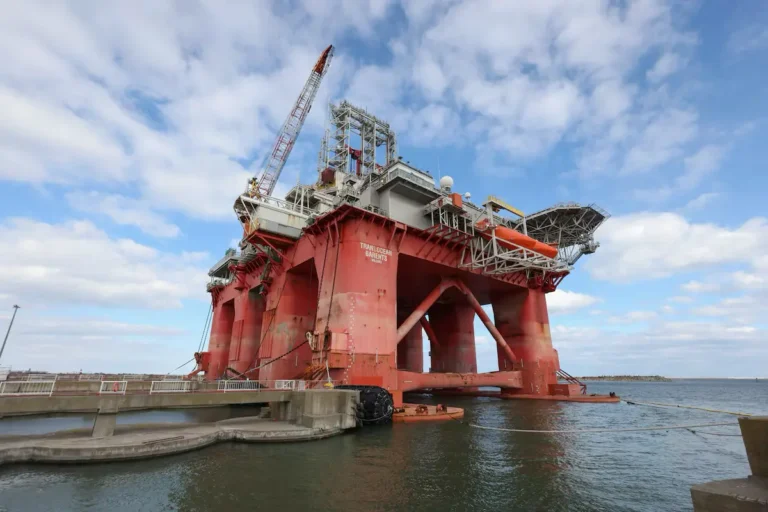
Work has reached its closing phase. The Neptun Alpha offshore platform was installed in July 2026, seven of the ten production wells have been drilled, and the 160-kilometer subsea pipeline to shore has already been laid.
The project’s significance extends beyond national borders. With the closure of Groningen in the Netherlands and shrinking domestic production across the EU, Romania is becoming a net exporter. The gas will enter the national system through the Tuzla station, then travel via the 308-kilometer Tuzla–Podișor pipeline into the BRUA and Trans-Balkan corridors. This opens access to the markets of Hungary, Bulgaria, Moldova, and Ukraine.
For Europe, Neptun Deep is a rare example of a major domestic gas source emerging at a time when the Union is seeking alternatives to pipeline supplies and ramping up LNG imports. The project is redrawing the gas map of Southeast Europe.
Background
As of early 2021, Romania’s natural gas reserves were estimated at 78.9 billion cubic meters, but that figure did not account for the offshore reserve reassessment refined during preparation of Neptun Deep. Resources are concentrated in Transylvania, the southern Carpathian foothills, the northeast of the country, and the Black Sea shelf. The length of the country’s trunk gas pipelines is 13,230 kilometers, including 553 kilometers of the transit system.
Neptun Deep is turning Romania from a modest regional player into a key gas supplier for Southeast Europe. For the EU, it is a chance to reduce dependence on external sources; for its neighbors, access to a new, reliable supply route.
Source: TsDU TEK
Image: George Calin via REUTERS