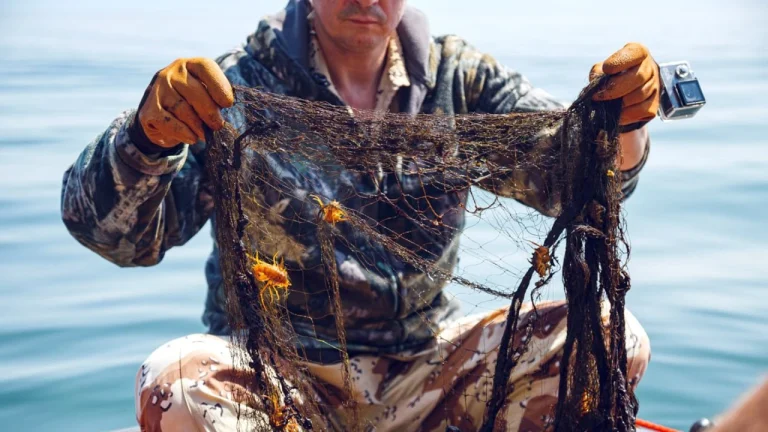
From September 1, 2025, a ban on the discharge of all types of plastic, including fishing nets, into sea waters comes into force in Russia. This measure is designed to reduce the death of marine animals, which annually reaches 300 thousand individuals.
The Government of the Russian Federation has approved a list of substances that cannot be discharged from ships, aircraft and artificial islands. The following were banned:
- All types of plastics, including synthetic ropes and fishing nets.
- Wash water and debris.
- Hazardous chemicals: mercury, lead, cadmium, naphthalene and their compounds.
Although nets account for only 10% of plastic debris in the ocean, they are responsible for the deaths of thousands of animals. Every year, about 640 tons of nets enter the waters, in which fish, turtles, birds and marine mammals become entangled.
Black Sea dolphins are especially affected. Bottom nets used to catch flounder often become traps for these animals. For example, Black Sea porpoises, which can hold their breath for only 10–12 minutes, die when they become entangled in nets.
In 2024, rescuers freed a 30-ton humpback whale from fishing nets in the Barents Sea. The operation took five days, but the animal was returned to its natural environment.
Vertical gillnets pose the greatest danger. They can reach 15 meters in depth and 3 kilometers in length, threatening not only hunting animals, but also animals resting on the bottom.
The new rules will help reduce sea pollution and save the lives of marine life. This is an important step in protecting the ecology and biodiversity of Russia.
Source: kedr.media (The Ministry of Justice recognized him as a foreign agent)