You cannot become a strong specialist alone. Communication is needed: meetings with colleagues, exchange of experience, participation in professional communities. At the university it was simple – there were teachers, student societies, conferences nearby. But when you start working, it’s easy to find yourself in your own information bubble. Associations and conferences help you get out of it: meet people, find partners and work, stay on your toes and understand new trends.
Associations and unions for geologists and geophysicists
Such associations help you meet colleagues, learn about new technologies and trends, and sometimes even find work or partners for your projects. We have collected key associations and unions that are worth taking a closer look at.
| Name and region | Direction | Who can join |
| Association of Geologists, Geophysicists and Engineers (AGGI), Russia | Geology, geophysics | Specialists, students |
| Russian Mineralogical Society (RMS), Russia | Mineralogy | Professionals, students, amateurs |
| EAGE — European Association of Geoscientists and Engineers, Europe | Geology, geophysics, oil and gas | Specialists, students |
| SEG — Society of Exploration Geophysicists, USA | Geophysics, geological exploration | Specialists, students |
| SPE — Society of Petroleum Engineers, USA | Oil and gas, geophysics | Specialists, students |
| International Union of Geological Sciences (IUGS), international | Geology, stratigraphy | Scientists, organizations |
| AEG — International Association for Engineering Geology, international | Engineering Geology | Specialists |
| IAH — International Association of Hydrogeologists, international | Hydrogeology | Specialists, students |
| Russian Geographical Society (RGS), Russia | Geography, geology | Specialists, amateurs |
| Geological Society of London, UK | Geology, geochemistry | Specialists, students |
7 key conferences and forums in 2025
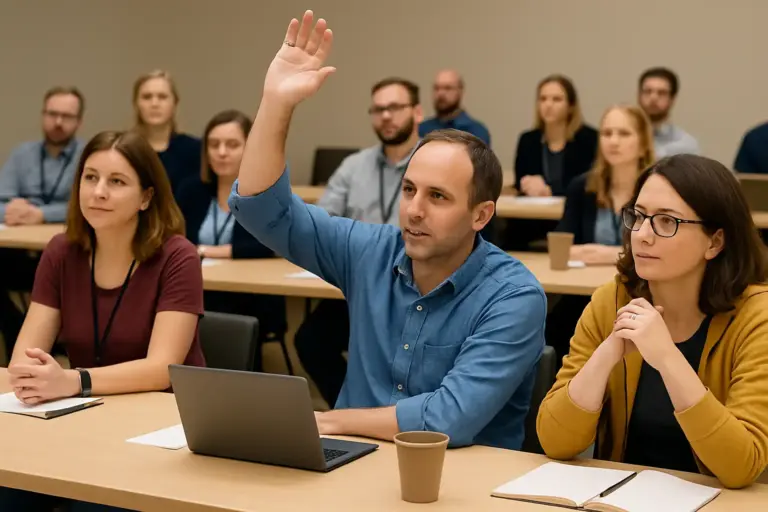
Conferences are not only reports and exhibitions, but also an opportunity to go beyond your usual work: meet colleagues, learn about new technologies and trends, find partners and employers. We’ve rounded up the key 2025 conferences and forums worth keeping in mind. Even if the abstract submission deadline has already passed, save the links to participate next year.
- GeoEurasia, Moscow
International conference and exhibition under the auspices of EAGE. Unites geologists, geophysicists and oil and gas engineers. - Geomodel, Gelendzhik
One of the largest conferences in Russia on geology and geophysics, with a major technology exhibition. - GeoBaikal, Irkutsk
Field seminar on engineering geology and related areas. Live format with practitioners and students. - Seismic exploration and geophysics of Siberia, Krasnoyarsk
Regional conference for engineers and geophysicists. New seismic exploration methods, data interpretation and practical cases from field work are discussed here. - Geo-Siberia, Novosibirsk
Exhibition and conference on geology, geoinformatics and digital technologies. An excellent platform for IT solutions in geosciences. - Mineral resource base of high-tech metals, Moscow
Forum about the raw material base for the “metals of the future”: lithium, cobalt, rare earths. Interesting for both science and business. - EAGE Annual Conference, UK
The largest European conference on geophysics and oil and gas, the top level of international communication.
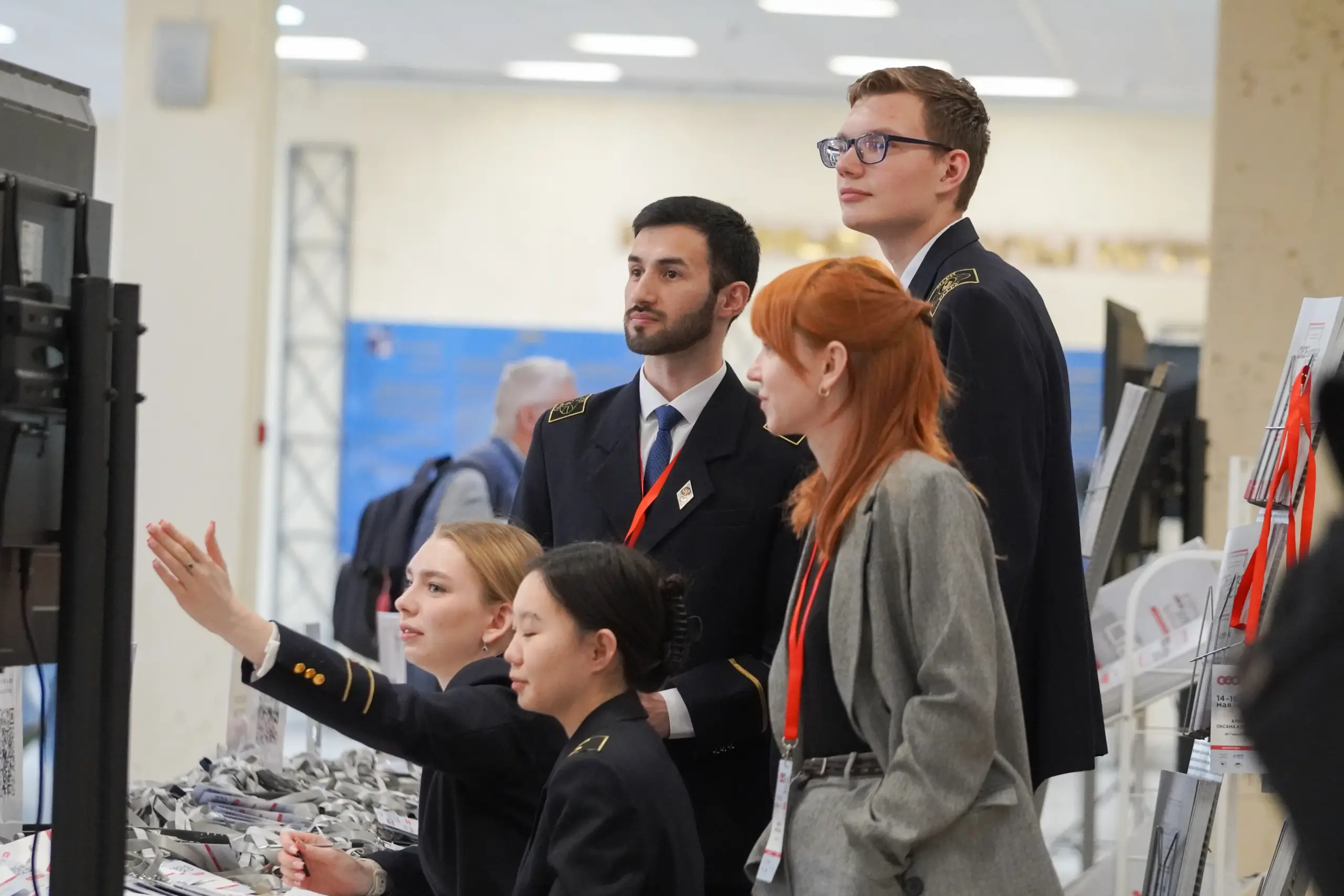
Recommendations for professional growth
Associations and conferences are not only a meeting place, but also a tool for career development. In order for participation in them to be beneficial, it is important to approach this consciously: not just be on the list, but use the platforms for growth, new contacts and projects. Here are some practical steps to help you get the most out of your professional community.
Conferences as part of a scientist’s journey. Alexandra Volkova is a geophysicist and teacher who built a career through participating in conferences and is now changing university education from the inside. Read her story
- Schedule at least one conference. See what events are happening in 2025 in your area of expertise. Don’t limit yourself to being a listener – think about whether you can speak. To do this, you don’t have to be an employee of a scientific institute: now practical cases from production facilities are very valuable.
- Think about the report. Conferences lack real work stories: how they solved a production problem, introduced a new technology, or dealt with a crisis. Such a report will be in demand by both colleagues and companies, because it is specific, and not advertising or “out-of-touch” science.
- Discuss participation with your supervisor. Conferences are expensive, and it is often unaffordable for a specialist alone. But for a company, employee participation means PR and an increase in status. Argue that this is beneficial for both you and the employer.
- Select an association. Join not “for show”, but where you will actually get access to useful materials, a chat with colleagues or a knowledge base. It’s both about knowledge and contacts.
- Be active online. Even if you are not ready for offline events, subscribe to specialized chats and channels, join in the discussions, and show your expertise. This way, your colleagues will notice you and, perhaps, invite you to be a speaker or to a new project.
Share your experience. The more visible you are in the professional community, the higher the likelihood that new offers will come – be it a project, collaboration or work.
What do you think? Is it useful for specialists to participate in conferences and associations, or is this a format only for science? Tell us in the comments. And if we missed any important association or event – write, we will definitely add it to the selection.