Geothermal plants, using the Earth’s heat to produce clean energy, are now becoming a valuable source of rare metals. Scientists have developed a technology that allows them to simultaneously generate electricity and extract lithium, zinc and other elements critical for high technology from deep brines.
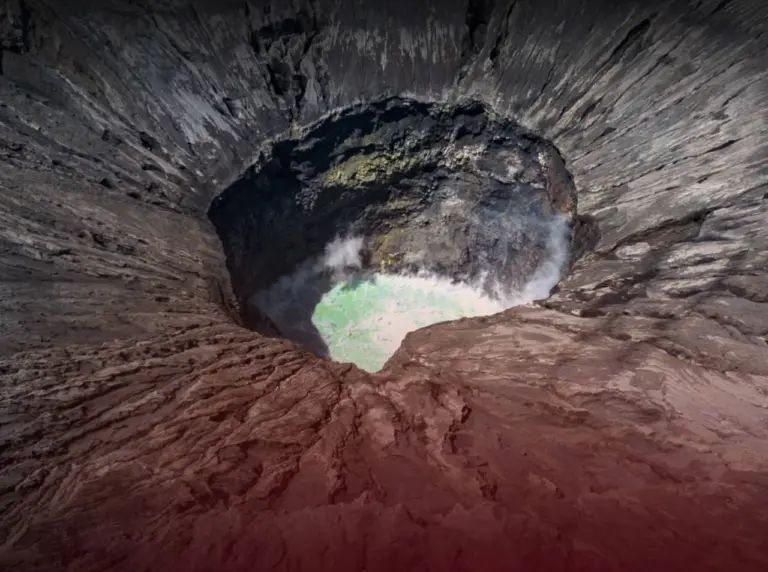
Imagine a powerful natural reactor where the hot bowels of the Earth heat groundwater. These geothermal brines, circulating at great depths, dissolve many valuable elements. Among them are lithium, zinc, gold and rare earth metals, without which the production of modern electronics and efficient batteries is impossible.
Research shows that geothermal plants, especially in seismically active areas, act as natural concentrators of these resources. Hot water rises through the wells, passing through rock layers enriched with minerals. When cooled, the metals precipitate, forming easily extractable concentrates.
Experts associate particular prospects with the extraction of lithium from geothermal brines. The metal is a key component for lithium-ion batteries used in electric vehicles and energy storage systems. The development of this method could significantly reduce dependence on traditional, often environmentally harmful, extraction methods.
The main advantage of the technology is its double benefit. It allows you to simultaneously produce renewable energy and extract valuable resources with minimal damage to the environment. This integrated approach paves the way for sustainable development and a reduced carbon footprint.
Geothermal energy demonstrates multitasking. The stations of the future can become not only sources of “green” electricity, but also environmentally friendly mines. This is a real step towards resource independence and the creation of a circular economy, where waste from one production becomes raw material for another.
The material was prepared with the support of the Russian Ministry of Education and Science as part of the Decade of Science and Technology.
Source: @expoprom