South Africa’s Gold Fields attempted to buy Australia’s largest gold producer, but Northern Star’s board of directors refused to discuss the deal. The $27.1 billion proposal could have created the world’s second-largest gold producer, with annual output of about 4.1 million ounces. Gold Fields’ shares fell more than 12% on the news.
The terms were as follows: for each Northern Star share, Gold Fields offered AUD 7.25 in cash plus 0.3125 of a Gold Fields share. When the proposal was submitted on September 14, the package was valued at AUD 27 per share. By Friday, its implied value had fallen to AUD 25.19 due to a decline in the buyer’s stock price — still roughly 14% above Northern Star’s closing price.
The Australian side considers the price too low. According to the board, it doesn’t reflect the value of the mines or their expected growth. A separate objection concerns the stake Northern Star shareholders would receive in Gold Fields: the Australians argue this would increase their exposure to risk across several jurisdictions where the South African company operates. Board Chairman Michael Chaney called the timing of the offer “highly opportunistic.”
Context matters here: Northern Star is going through operational difficulties, including constraints at its processing plant in Kalgoorlie. Activist investor Elliott Investment Management, which holds a 6.2% stake, is capitalizing on this, pushing the company to consider serious offers or sell assets. The board disagrees, arguing that selling before planned improvements are implemented would hand future value to the buyer.
For Gold Fields, the acquisition would have delivered major operating assets in a country where it already has a presence. Both companies have mines in the Kalgoorlie area, including the Super Pit. Last year, Gold Fields expanded its Australian business by acquiring Gold Road Resources for $2.4 billion and gaining full control of the Gruyere mine.
Gold Fields estimates the combination could generate $4–5 billion in synergies from operations, corporate functions, and portfolios. The enlarged producer would output around 4.1 million ounces of gold annually, with roughly 80% coming from Australia, North America, and Chile.
The deal would have changed not only Gold Fields’ size but also the geography of its business, significantly reducing its dependence on African assets. For now the offer has been rejected, but the buyer says it remains open to dialogue, while the activist shareholder keeps up the pressure on Northern Star. The outcome depends on whether the Australian board agrees to come to the table.
Source: Business Insider Africa
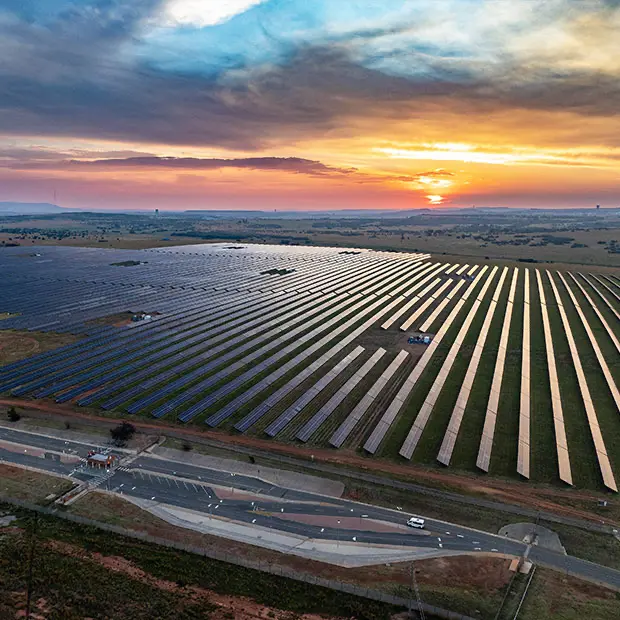
Image: Gold Fields