Скриншот нового онлайн-трекера МЭА с категориями мер поддержки и энергосбережения

How the world is responding to the energy crisis in the Middle East: the IEA’s new tracker tracks government responses

01.04.2026
Reading time: 2 min
0

The International Energy Agency has launched an online tool that collects real-time information on how countries are coping with the fallout from conflict in the Middle East. The tracker records government actions to reduce energy consumption and protect citizens from sharp price increases. This is the answer to the biggest disruption to global supplies oil and liquefied natural gas caused by fighting in the region.

The conflict, which began on February 28, has effectively closed key routes through the Strait of Hormuz. Oil supplies along this corridor are more disrupted than in recorded history. The global LNG market also lost about 20% of its usual volumes.

The IEA’s new tracker divides measures into two groups. The first is energy saving methods that governments are introducing. The second is targeted support for consumers to soften the blow for them from rising prices for fuel and electricity. The database will be updated as new solutions appear. In addition to the tracker, the agency has released practical guidance: what steps authorities, businesses and households can take to reduce dependence on expensive oil and strengthen energy security.

As part of its core mission, the IEA has already activated an emergency mechanism. On March 11, participating countries agreed to the largest coordinated sale of oil from strategic reserves in history. 400 million barrels will enter the market, which will help stabilize the supply situation.

The tracker doesn’t just record the facts, it shows how states are moving from passive observation to active crisis management. Savings, supporting the population and using reserves become the main tools in conditions when old supply chains are breaking down and new ones have not yet been built.

Source: International Energy Agency (IEA)

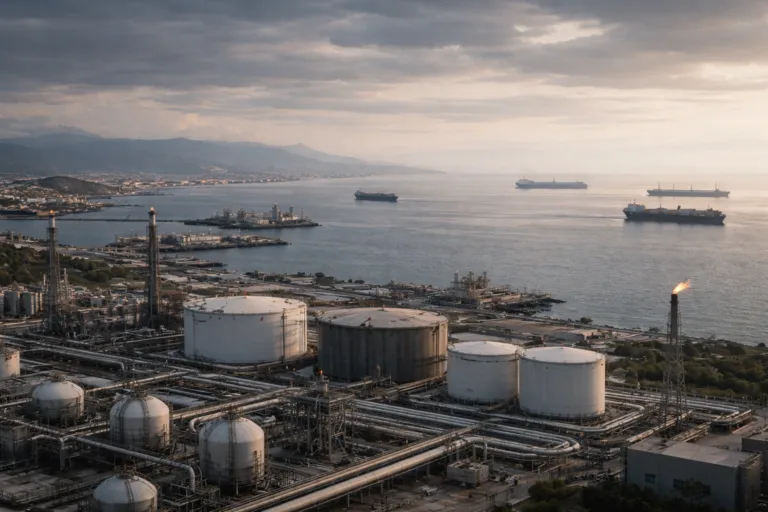
Image generated by a neural network

Prepared by —
Author avatar
Yulia Frolova
TAGS
Did you like this news? Share with friends
RELATED

Leave your comment


Editor-in-Chief
Maria Kostina
Maria Kostina
Geophysicist, founder of the project and editor-in-chief GeoConversation. Salt of the Earth
GO TO THE EDITOR'S COLUMN

GeoConversation. Salt of the Earth is a media platform where top mining-industry specialists share their experience, helping professionals communicate and collaborate more effectively.

Learn more about the project
TOP PROFESSIONALS
Ильдар Калько

Ildar Kalko

Moscow State University, Geokhimpoiski LLC
Senior Researcher, geochemist
Евгений Барабошкин

Evgeny Baraboshkin

Digital Petroleum
Product Lead
Тарас Паникоровский — эксперт в minералогии и кристаллографии, лауреат премии «Хрустальный компас». Исследует природоподобные технологии и техносферную безопасность Арктики.

Taras Panikorovsky

Murmansk Arctic University, Murmansk
Head of Laboratory
VIEW ALL EXPERTS
CATEGORIES
SUBSCRIBE
If you would like to receive a monthly selection of fresh articles by email
LIKE THE PROJECT? SUPPORT US
Friends, developing the project takes a lot of effort and financial resources. If you like what we do, you can support us in two ways.
MORAL SUPPORT
Show our website to your friends. Just click on the social media icons below and share our website on your pages.
FINANCIAL SUPPORT
Even a small fee will help us pay for the transcription (audio to text) of an expert interview or the design of drawings, diagrams, and tables.
Send a donation
Got an article idea? Suggest it.
Cool! You have an idea for us. We love that, because only the experience and knowledge of an expert makes our articles useful for the reader. Please answer 5 questions to let us know a little more about you and the article
answer questions