At the St. Petersburg International Economic Forum (SPIEF), officials unveiled plans to establish a large-scale industrial cluster in Russia’s Arctic region. The project is designed to integrate chromium mining, stainless steel production, and rare metals processing into a single value chain.
Details of the initiative were presented by Alexander Galushka, President of the Crystal of Growth Foundation. The proposal was discussed during a meeting of the State Council Commission on the Northern Sea Route and Arctic Development, where participants reviewed the phased implementation of the cluster.
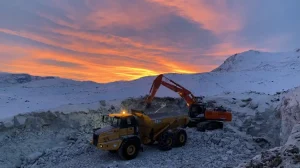
The first stage involves developing a chromium deposit that contains nearly one-fifth of Russia’s total chromium reserves. Although the specific site was not officially named, available details suggest that the project is centered on the Sopcheozerskoye deposit, which holds 4.55 million tonnes of C1-category reserves. Based on this resource base, a vertically integrated production chain will be established, converting ore into chromium concentrate, then ferrochrome, and ultimately stainless steel.
The second phase focuses on launching production of stainless and specialty steels. Titanium, vanadium, and nickel will play a key role in this stage. The resource foundation will come from the development of the South-Eastern Gremyakha deposit, which contains significant reserves of titanium, iron, and vanadium.
The third stage involves creating a rare earth processing hub. The project will utilize the Alluayv area of the Lovozero deposit, where production of heavy rare earth elements is planned in the future. The final phase will focus on manufacturing advanced materials for the energy storage and battery industries. This segment is considered particularly promising given the rapid growth of global demand for electric vehicles and energy transition technologies.
The project team is currently preparing a financial model. Once the calculations are completed, active efforts to attract both Russian and international investors will begin. At the same time, developers face a major infrastructure challenge. Full-scale operation of the cluster will require substantial modernization of regional railway infrastructure, with preliminary costs estimated at 2.7 trillion rubles.
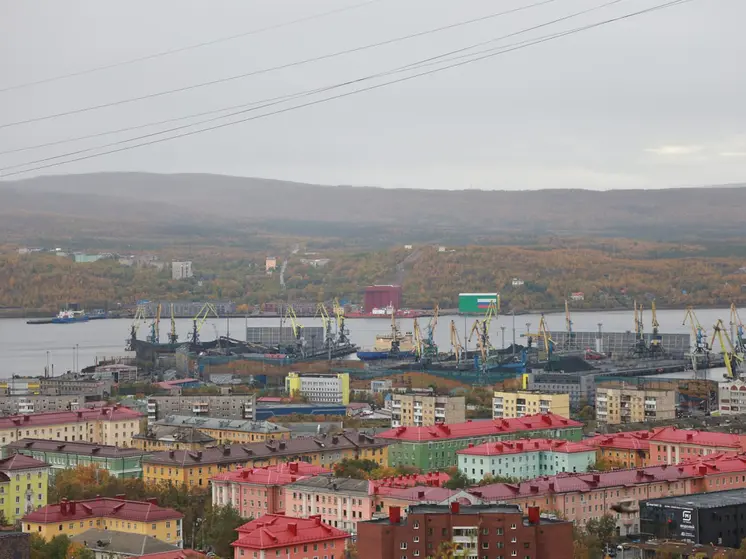
If implemented, the Murmansk Region could emerge as one of the Arctic’s most important metallurgical centers. The project would create a complete industrial chain—from mining ore to producing finished steel products and advanced materials—while strengthening Russia’s supply of strategically important metals for decades to come.
Source: @nerzhavey
Image: MK