One of the world’s largest copper projects is entering a new chapter. The Autonomous Bougainville Government has revoked the exploration license held by Australia’s Bougainville Copper and granted full mining rights to a locally controlled company. Shares of the former operator plunged 36% in a single day following the announcement.
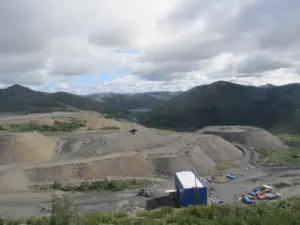
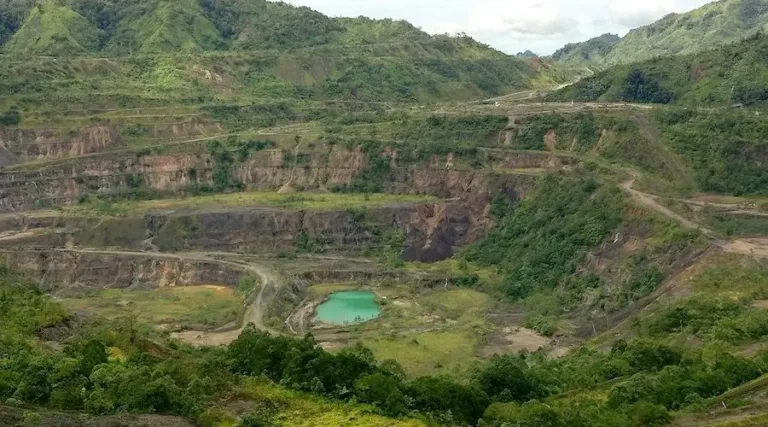
The Panguna deposit contains an estimated 5.3 million tonnes of copper and 19.3 million ounces of gold. At current market prices, the resource is valued at approximately $160 billion. Despite its enormous potential, developing the asset remains a highly complex and politically sensitive challenge.
The mine was shut down in 1989 after local protests over environmental damage and unequal distribution of mining revenues escalated into a civil conflict that claimed tens of thousands of lives. Former project operator Rio Tinto relinquished its involvement in the asset years ago.
The Bougainville government has now decided to take direct control of the project’s future. A new 25-year mining license has been awarded to Bougainville Minerals, making it the first company to receive such authorization under the region’s recently updated mining legislation.
Australian-listed Bougainville Copper has effectively been sidelined. In a statement to shareholders, the company said it was evaluating its legal and strategic options. Ironically, nearly 74% of Bougainville Copper was government-owned, and half of that stake was held by Bougainville Minerals itself.
A new contender has also emerged. Indian iron ore producer Lloyds Metals and Energy unexpectedly outperformed China’s CMOC Group to become the preferred partner for restarting the Panguna project. Bougainville authorities hope the mine will become a cornerstone of the region’s economy and support its long-term aspirations for independence from Papua New Guinea.
The scale of the challenge remains significant. A 2021 study estimated that restarting Panguna would require approximately $6 billion in investment and around seven years of development work. However, a phased approach could reduce both costs and implementation time.
After more than four decades of uncertainty, the Panguna project appears to be moving forward again. This time, however, it will do so under new rules, with new partners, and under the direct control of local authorities.
Source: Bloomberg
Image: Bougainville Copper Limited