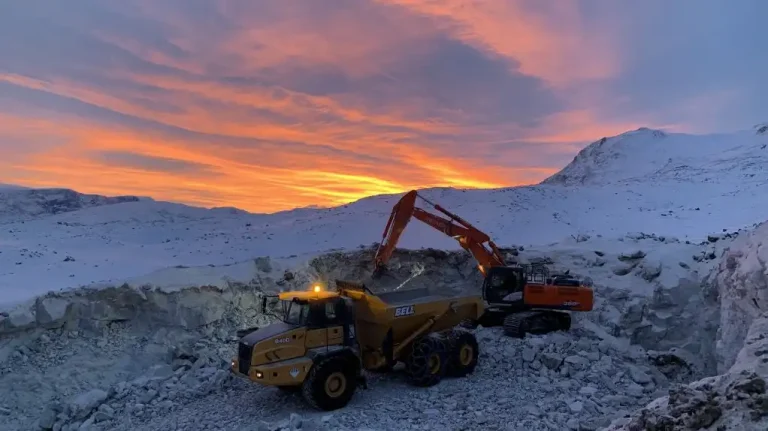
When President Donald Trump’s intention to annex Greenland became known, it raised eyebrows. An island in the north, covered with ice, with a minimal population – why does the USA need it? However, a detailed study of the issue showed that Greenland plays an important role in the context of the development of green energy and the extraction of critical minerals.
It turns out that Greenland contains huge reserves of rare earth metals, which are necessary for the development of green energy – the one that does not depend on oil and gas. Let’s take a look at global changes in global energy to understand why Greenland is becoming so important on the world map and why Trump is interested in it.
Energy transition: how China is changing the market and reducing oil demand
Some of the figures that will be presented below may seem surprising, since in the Russian debate there is an opinion that green energy is something marginal, needed only by environmentalists who promote this idea in order to receive subsidies.
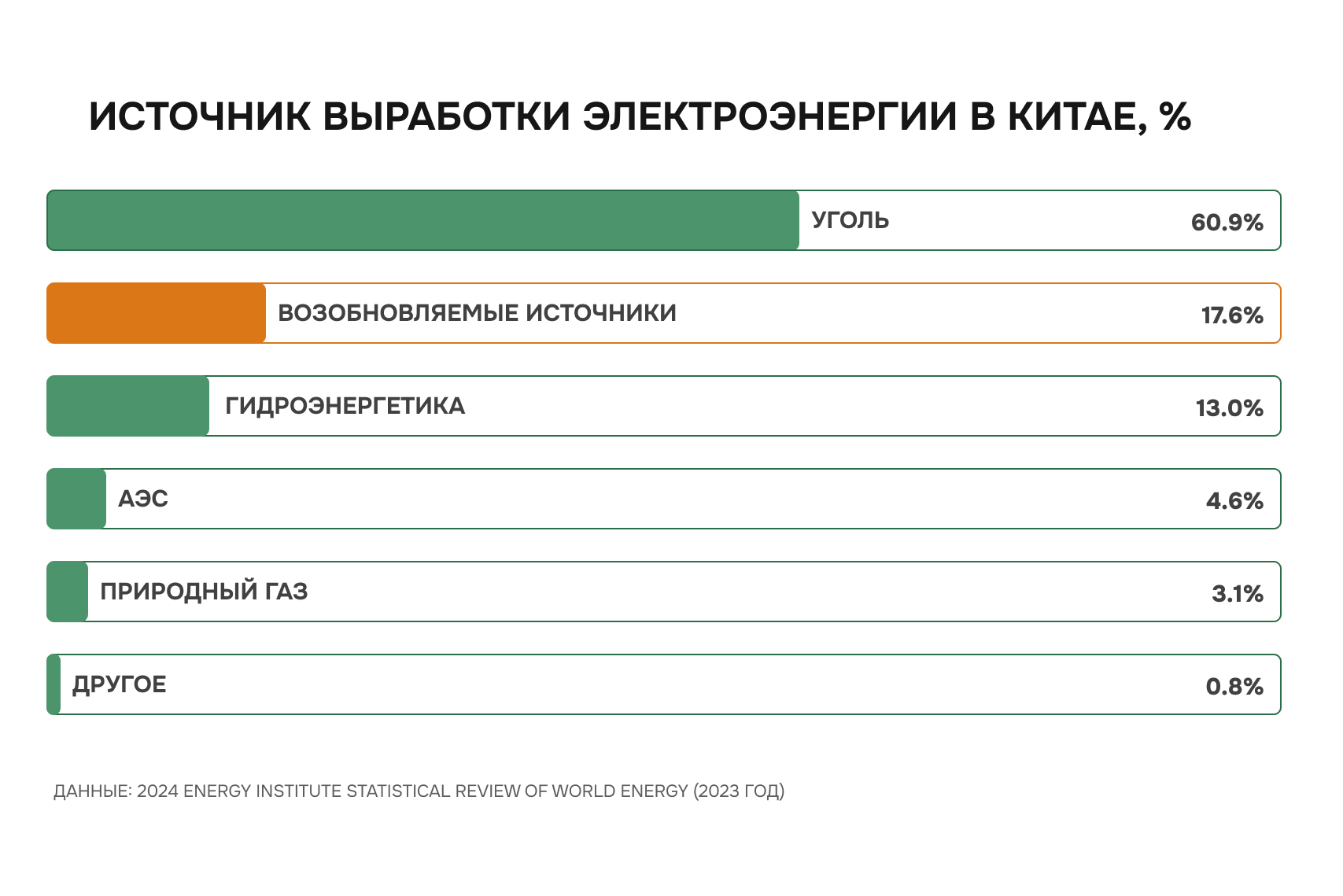
However, this is no longer the case. Now a real revolution is taking place in the world energy sector, namely the energy transition. Humanity is abandoning fossil fuels and moving toward solar and wind energy, as well as electric vehicles instead of internal combustion engine vehicles. The undoubted leader in this process is China. Almost 20% of China’s electricity comes from renewable sources, primarily solar and wind power plants. Although coal still dominates, accounting for about 60% of output, just a few years ago this figure was more than 80%. Coal’s share is rapidly declining, while the share of renewable energy in China is growing significantly.
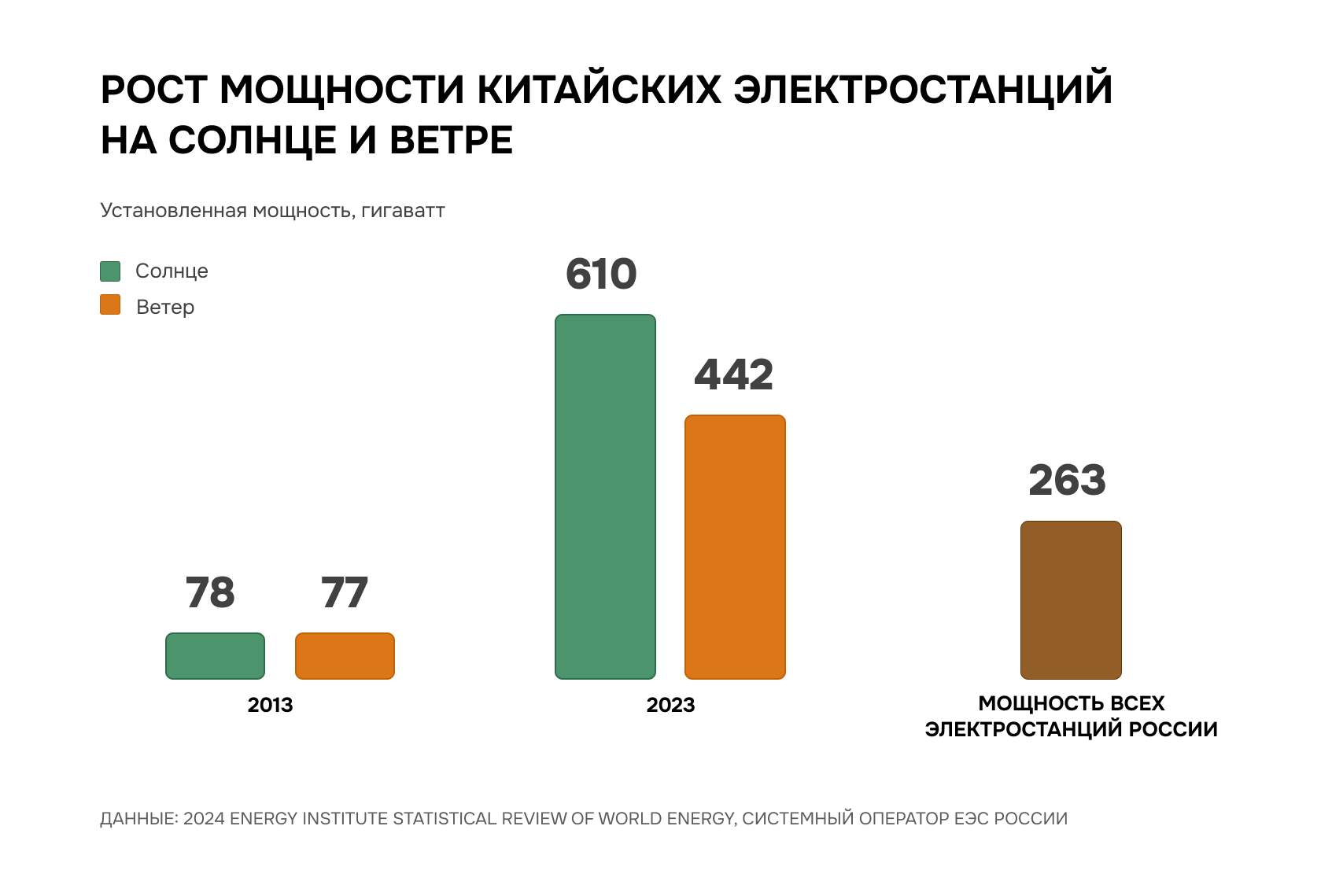
Today, the capacity of solar power plants is about 600 GW, and wind power plants – about 400 GW. Together, the capacity of these sources exceeds 1,000 GW. For comparison, the total capacity of all power plants in Russia is 263 GW, and it turns out that the capacity of Chinese solar and wind power plants alone is four times larger than the entire Russian energy system. This clearly demonstrates that green energy is not a marginal industry, but a major and rapidly growing industry.
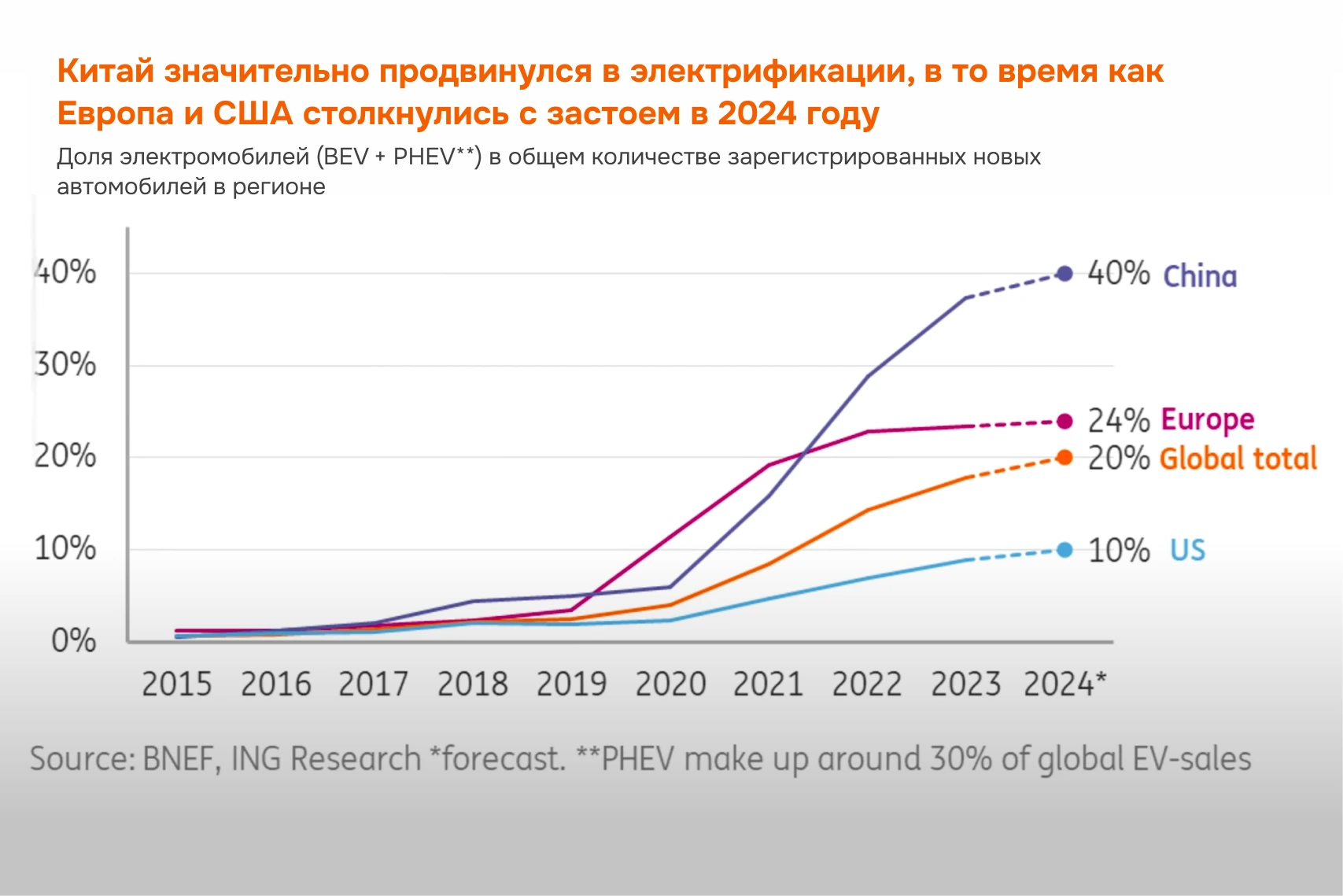
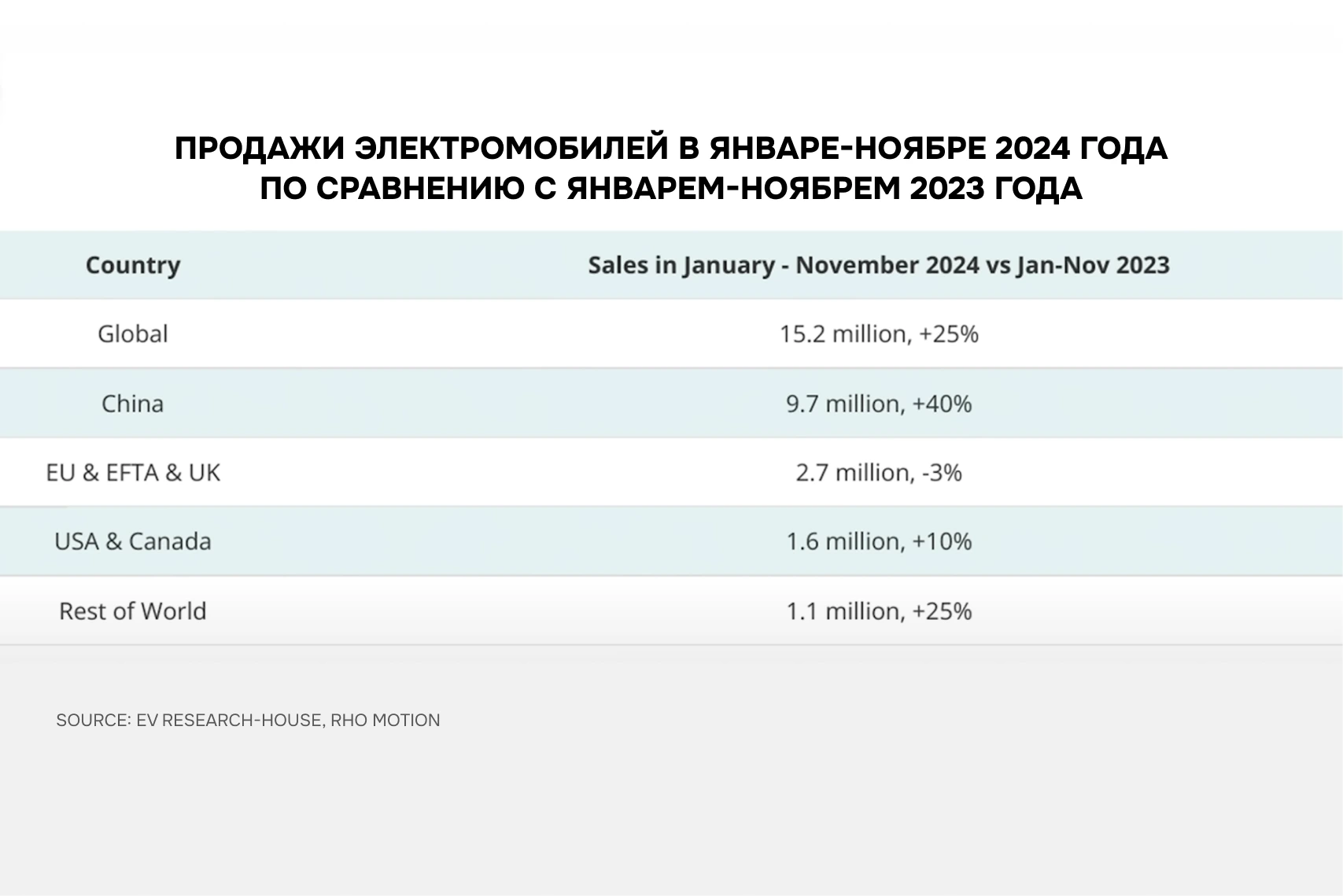
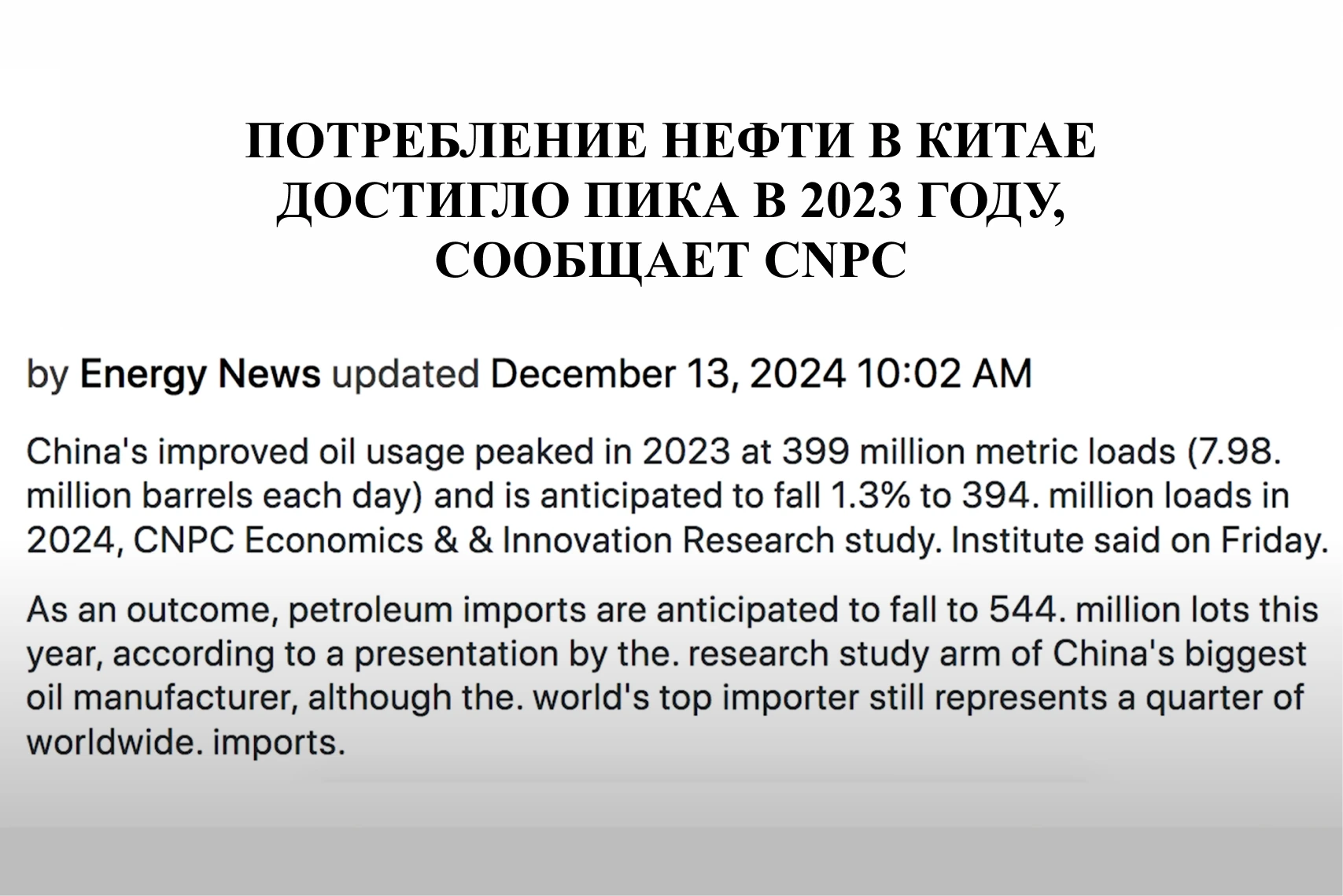
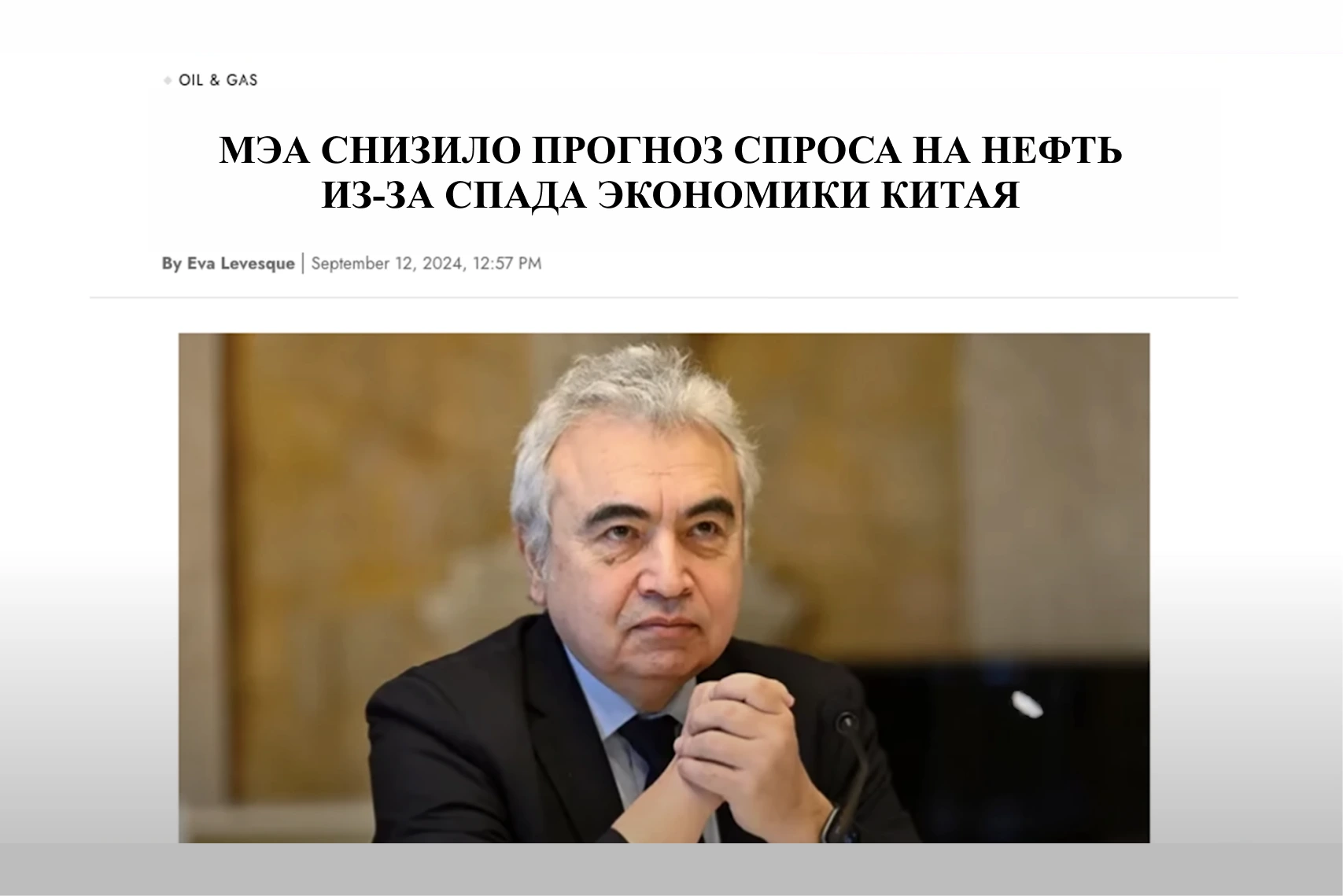
China is also ahead of developed Western countries in the transition to electric vehicles and hybrids, replacing traditional vehicles with internal combustion engines (ICE). In 2024 and early 2025 in China, sales of new electric vehicles and hybrids (so-called New Energy Vehicles) exceeded sales of traditional internal combustion engines. This means that China is rapidly moving towards total electromobilization, which, in turn, will affect global oil demand in a negative direction. Recently, China’s largest oil and gas corporation CNPC said that China has already passed the peak of oil consumption in 2023, and now demand will only decline.
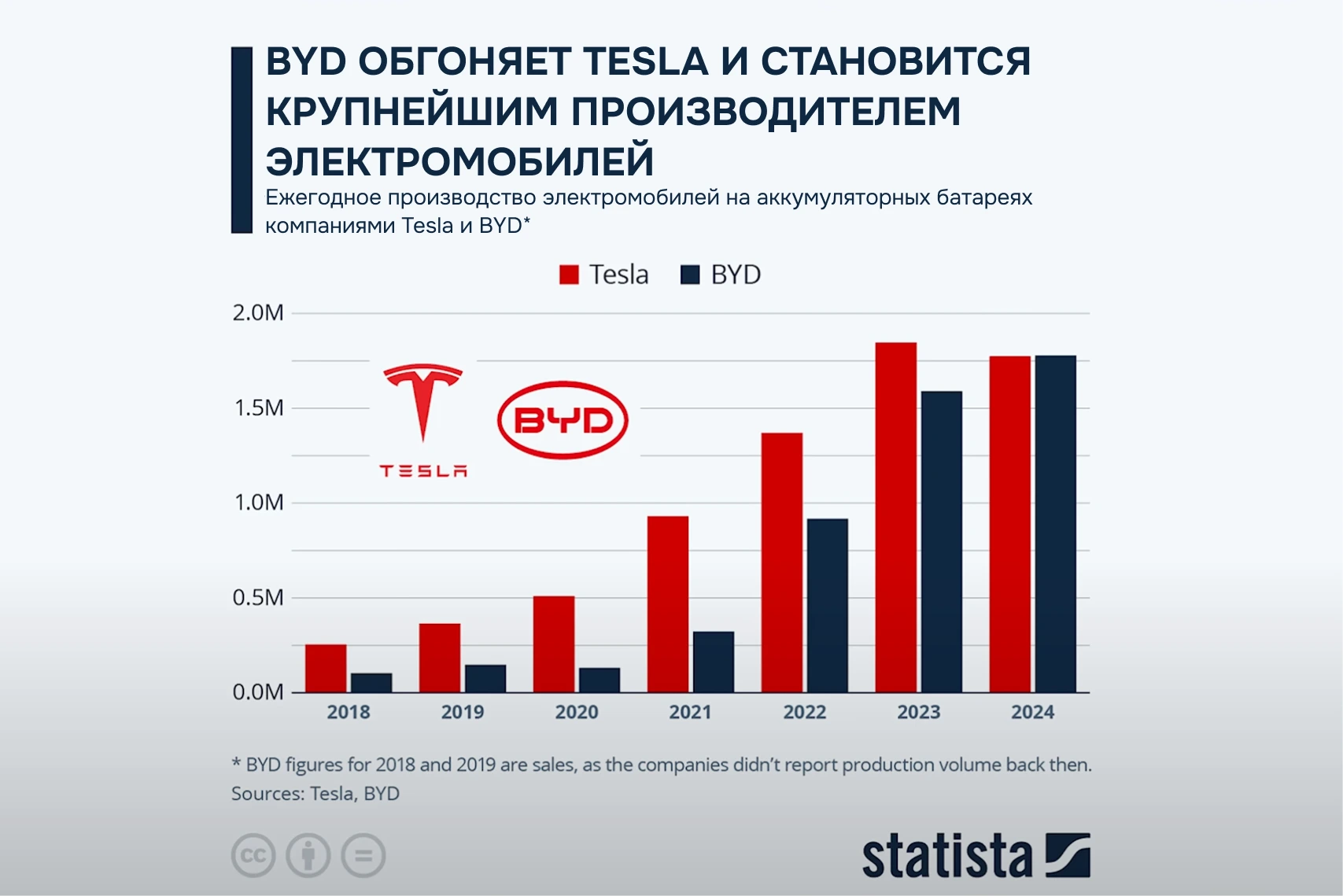
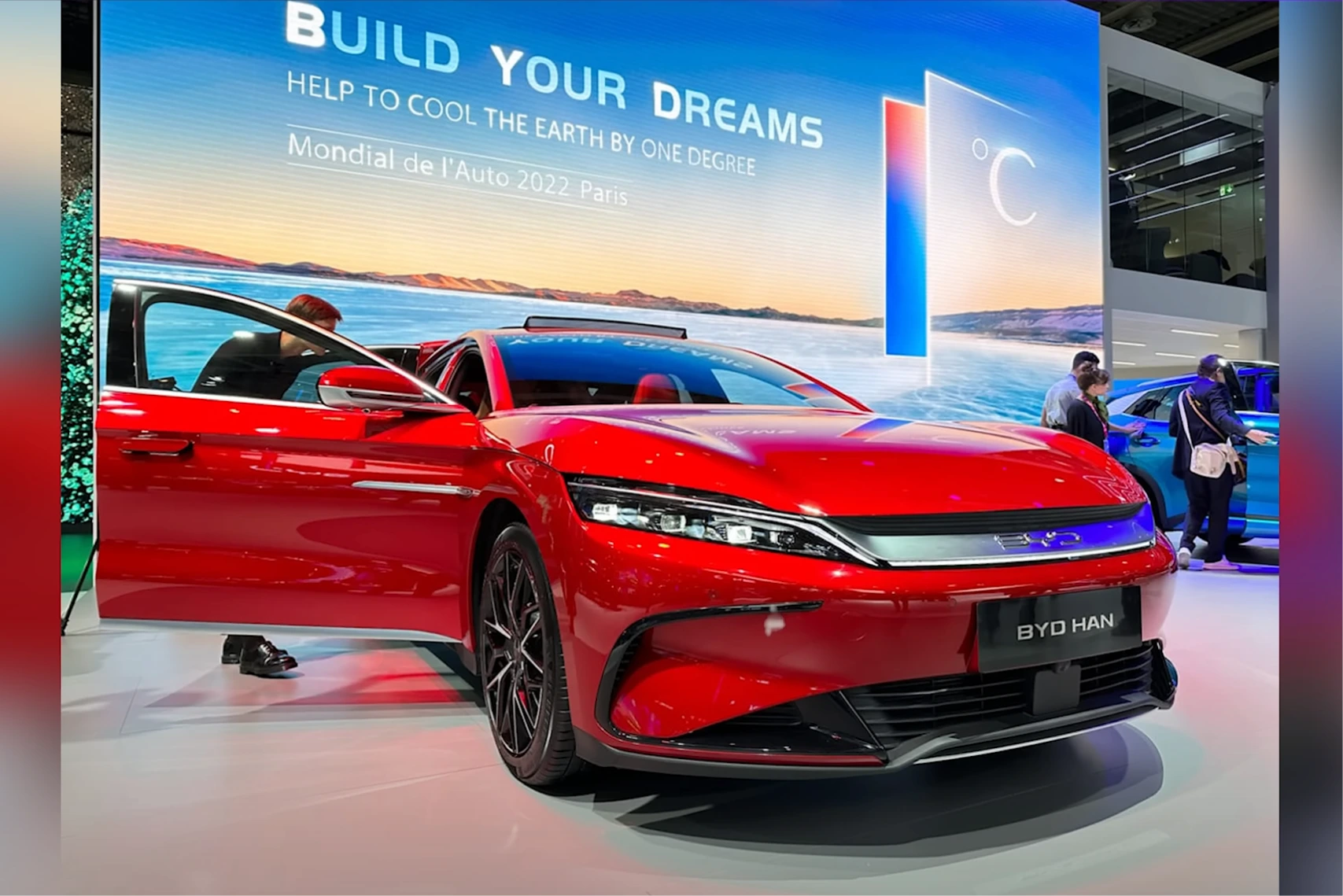
It is also interesting that domestic manufacturers of electric vehicles are actively developing in China. The leader in this segment, BYD (Build Your Dreams) recently overtook Elon Musk’s Tesla in terms of electric vehicle sales.
“New Oil”: Critical Minerals and Rare Earth Metals
When the world energy sector began to change and move from traditional hydrocarbons to new energy based on renewable sources, a kind of “new oil” appeared. We are talking here about critical minerals such as nickel, cobalt, copper, titanium, gold, platinum, tungsten, molybdenum, ruthenium, as well as rare earth metals, which are necessary for the production of green energy equipment and batteries.
Old hydrocarbons – oil and gas – will lose demand in the long term, but renewable energy requires more and more critical minerals and rare earth metals. Although these metals are not in short supply, their distribution around the world is extremely uneven. The leader in the production and concentration of reserves of metals such as lithium, graphite and rare earth metals is China. These metals are essential for the production of today’s innovative products, including smartphones and other high-tech electronics.
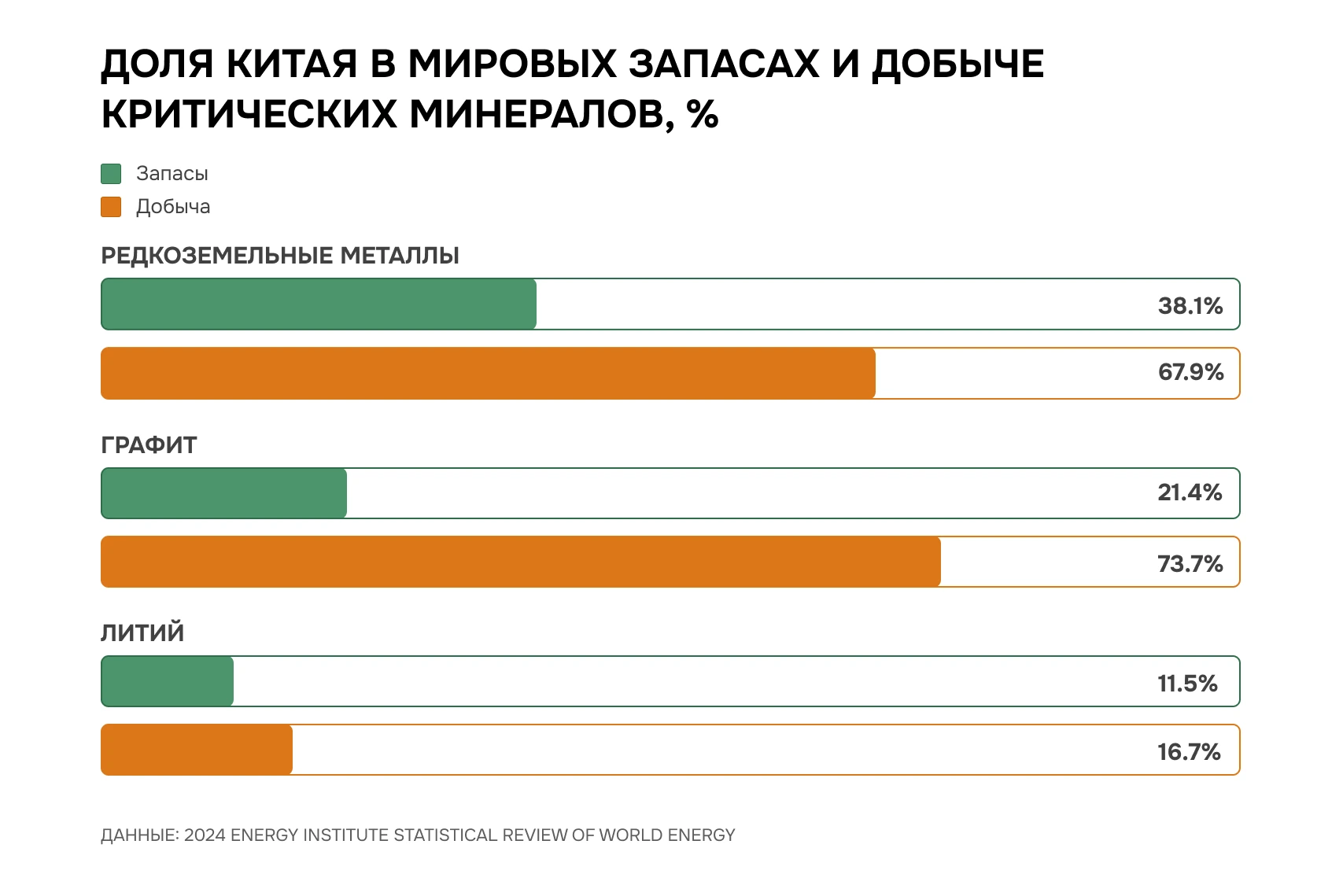
In renewable energy, the growth in demand for metals is directly related to the increase in production and consumption of technologies. Critical minerals such as lithium, graphite and rare earths need to be mined somewhere. Reserves in the largest countries and major markets are limited, and therefore resources must be sought throughout the world – in Indonesia, the Democratic Republic of Congo, Chile and other countries where mineral deposits are located.
How are things going? in Russia with reserves and production critical minerals and rare earth metals – follow the news by tag on our portal Rare earth elements
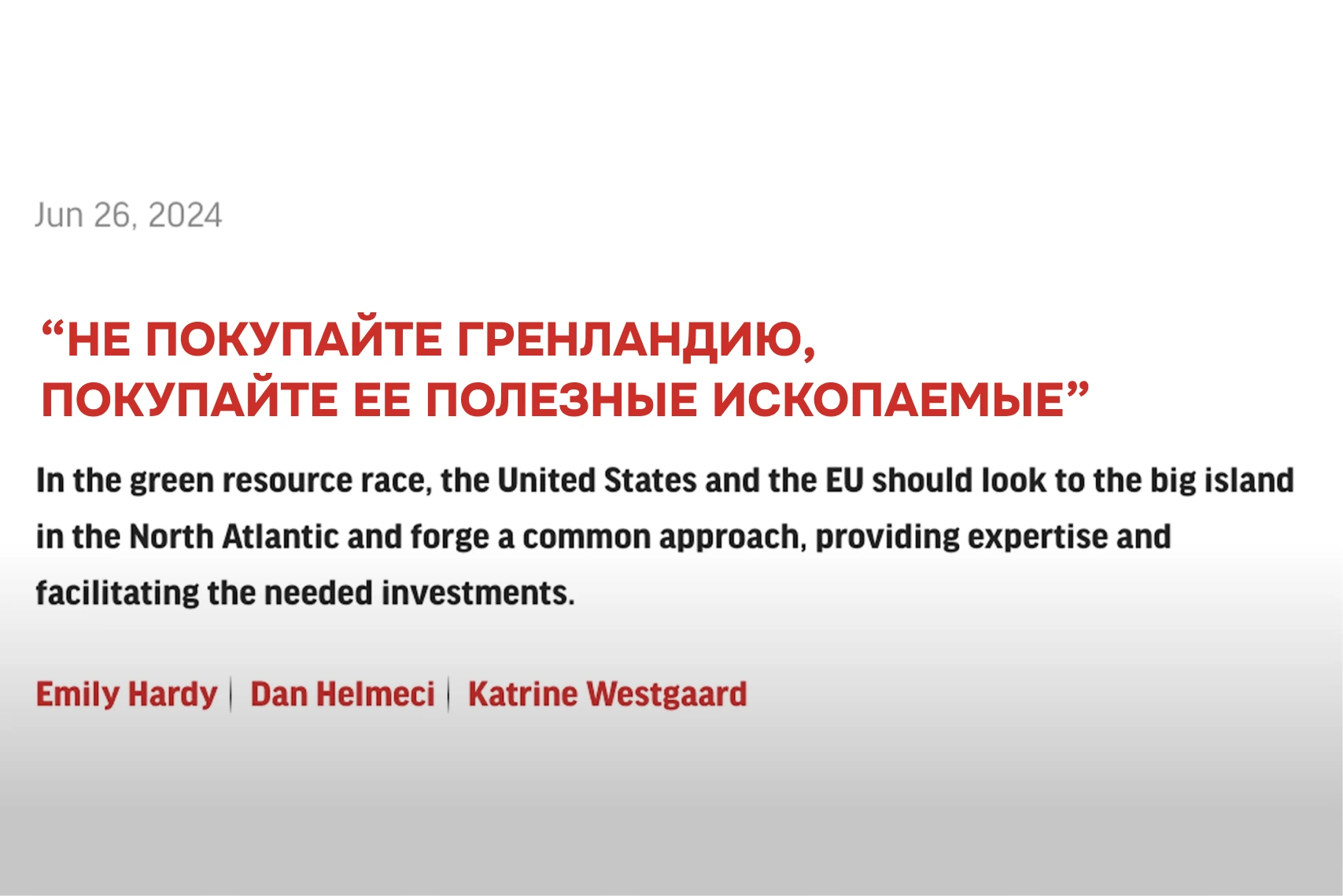
US-China Competition: Greenland in the Struggle for Critical Minerals
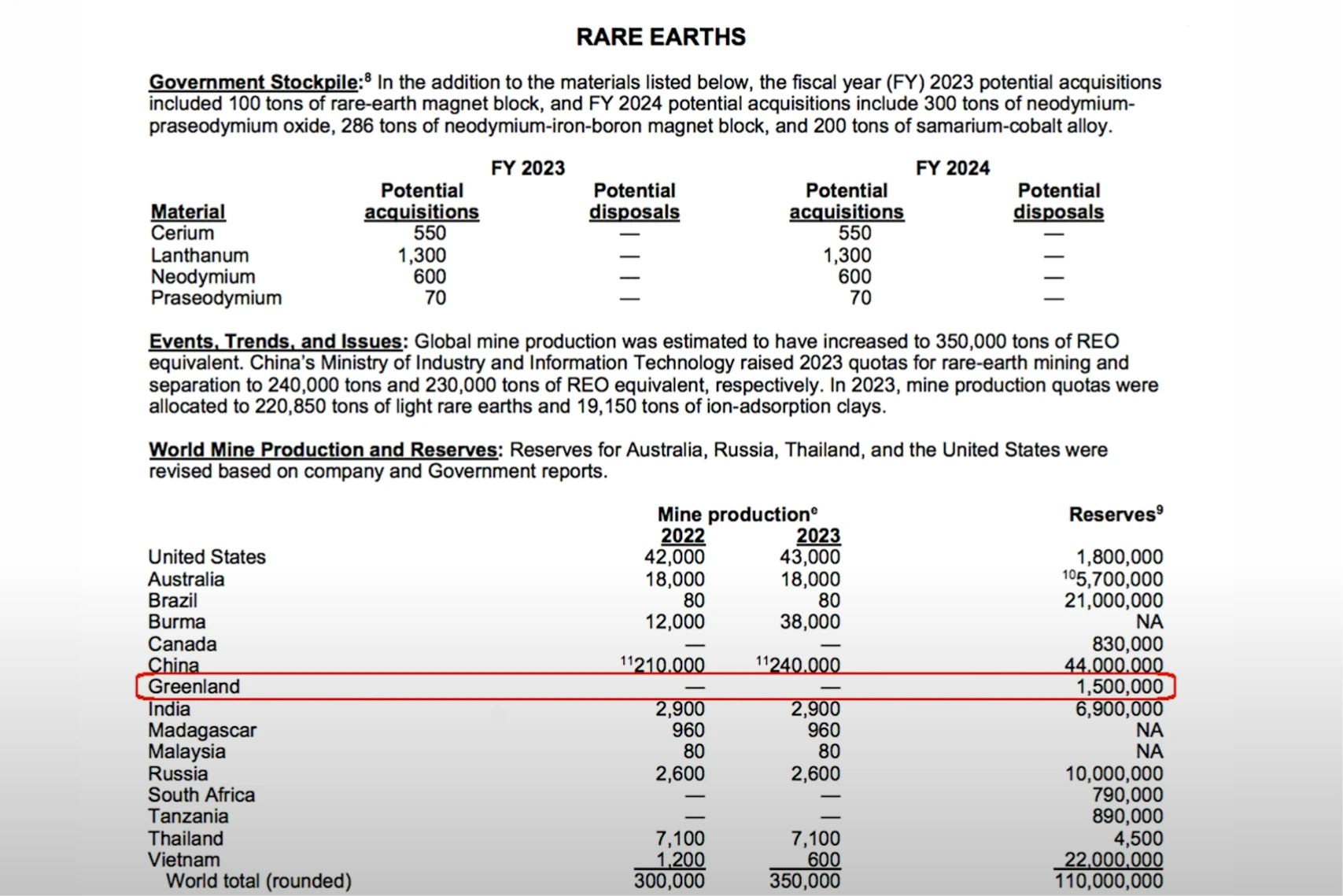
Greenland, which was perceived as a place where only polar bears and seals live, suddenly found itself in the spotlight thanks to statements by Donald Trump. After all, the autonomous territory is one of the leaders in reserves of critical metals. Graphite, nickel and even rare earth metals can be found there, making Greenland one of the top ten countries in the world in terms of reserves of these metals.
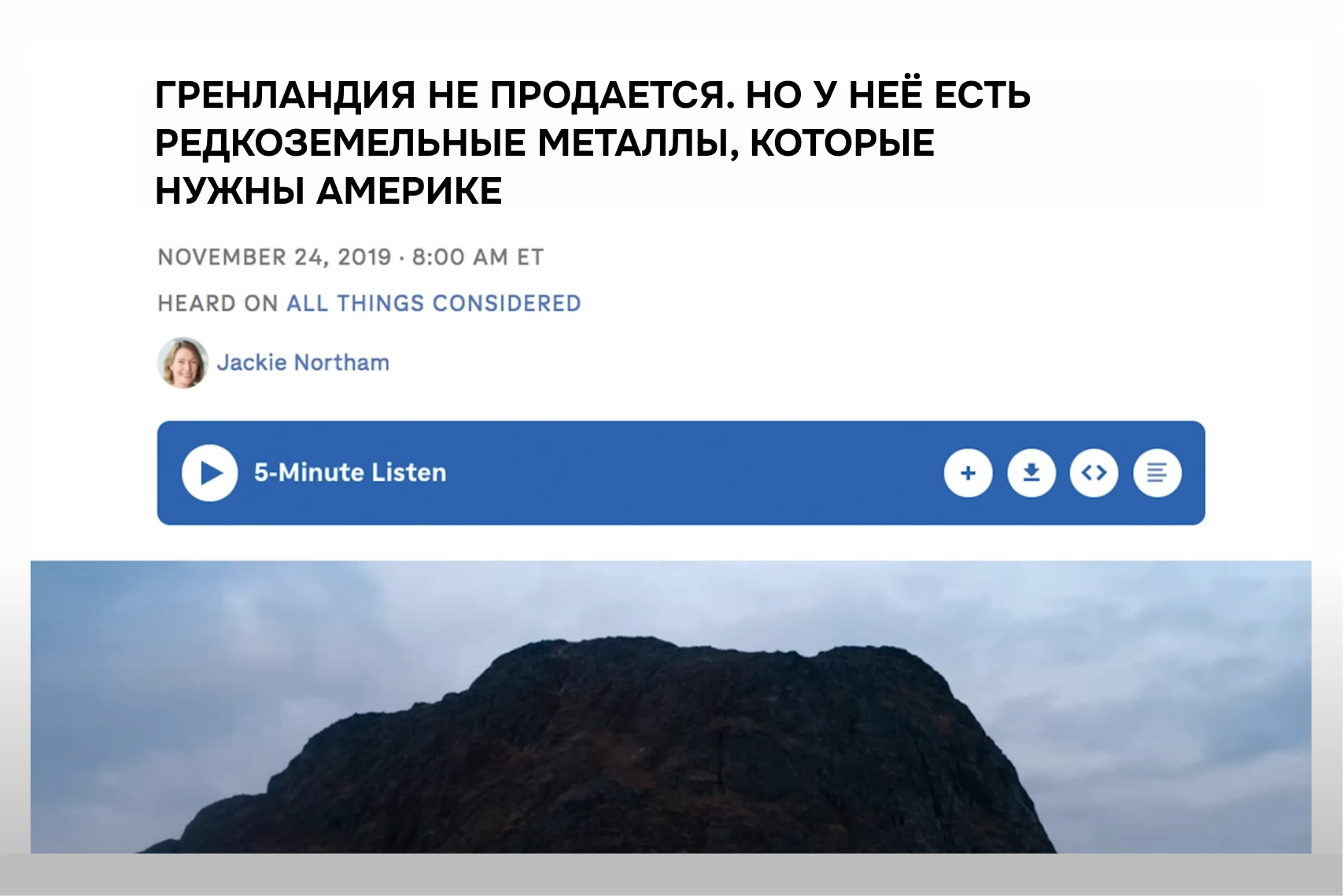
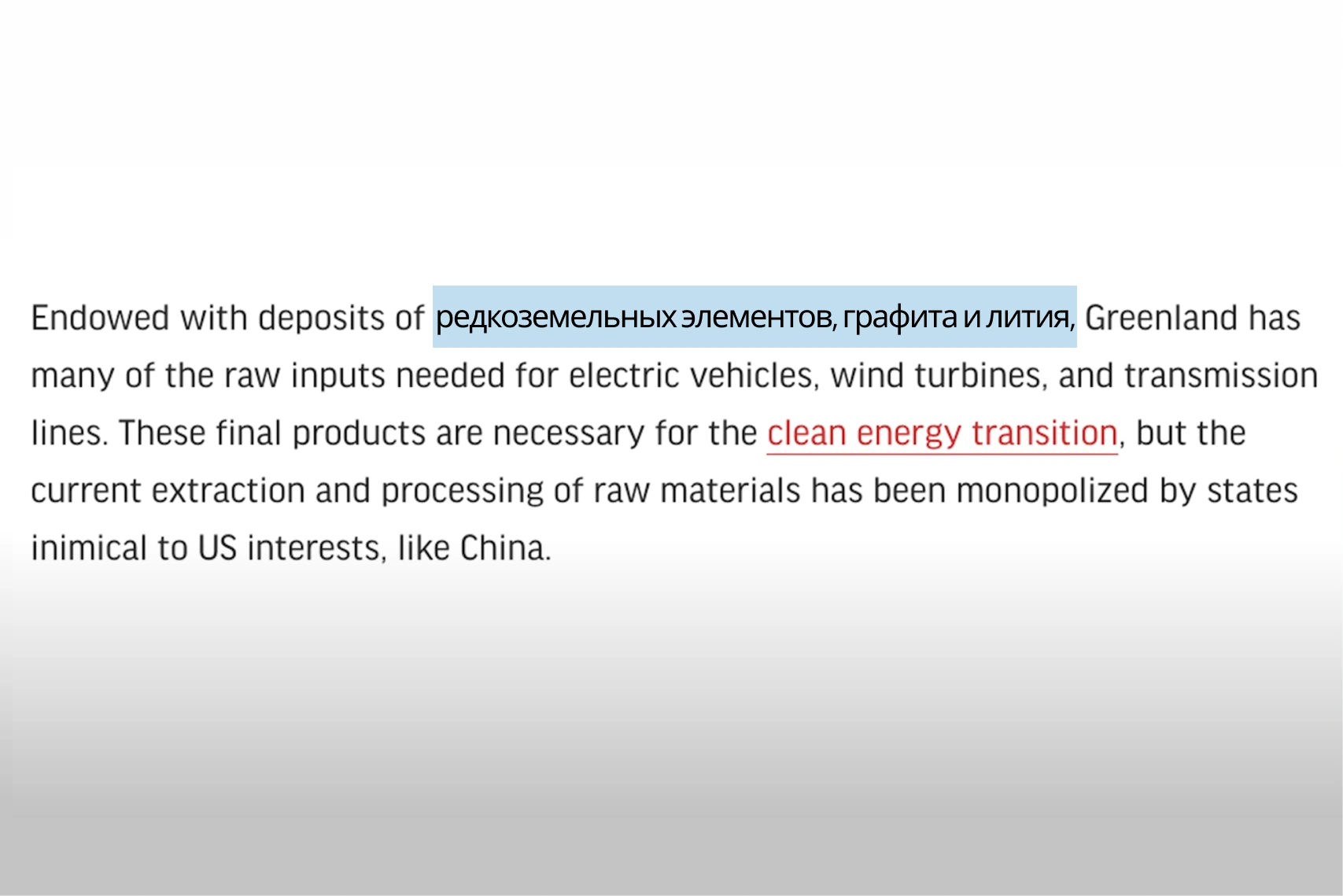
Previously, its natural resources remained undeveloped, and minerals simply lay in the ground. However, as confirmed by a resource report compiled by the United State Geological Survey, Greenland is now ranked as one of the richest countries in rare earth reserves.
Of course, this could not attract the attention of energy and mining companies around the world. They view Greenland as a key player in the market for mineral resources, capable of providing licenses for their development. A real race has begun for access to these resources. American companies have begun bidding for mining rights, and China has also stepped up its efforts. An important point was that Greenland issued a license to an Australian company with Chinese participation to develop deposits of rare earth metals and natural uranium.
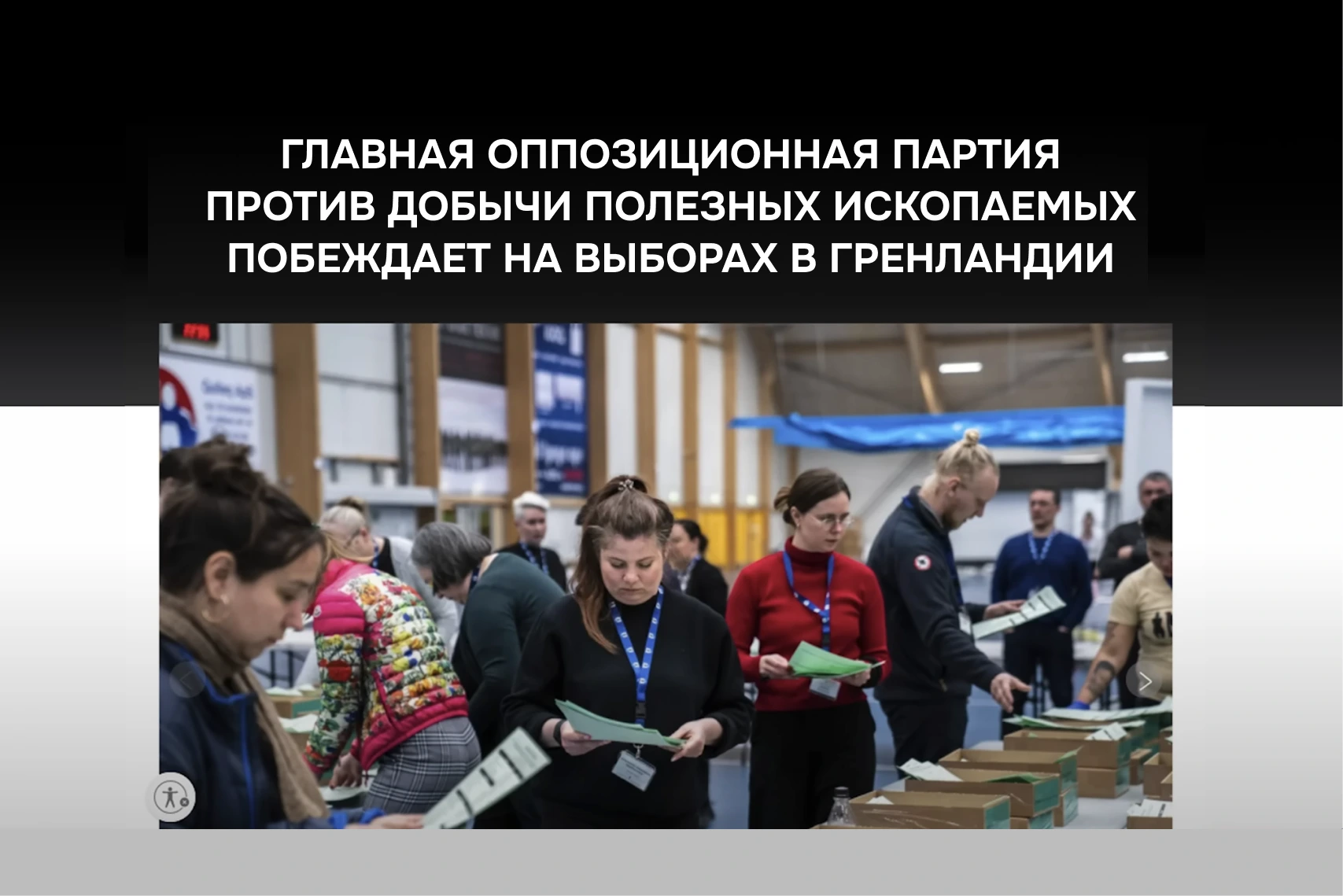
However, in Greenland in 2021, an environmentally oriented party won the elections. It opposed the development of critical mineral deposits, including rare earth metals, and eventually ended cooperation with an Australian company with Chinese participation. China was extremely unhappy with this decision.
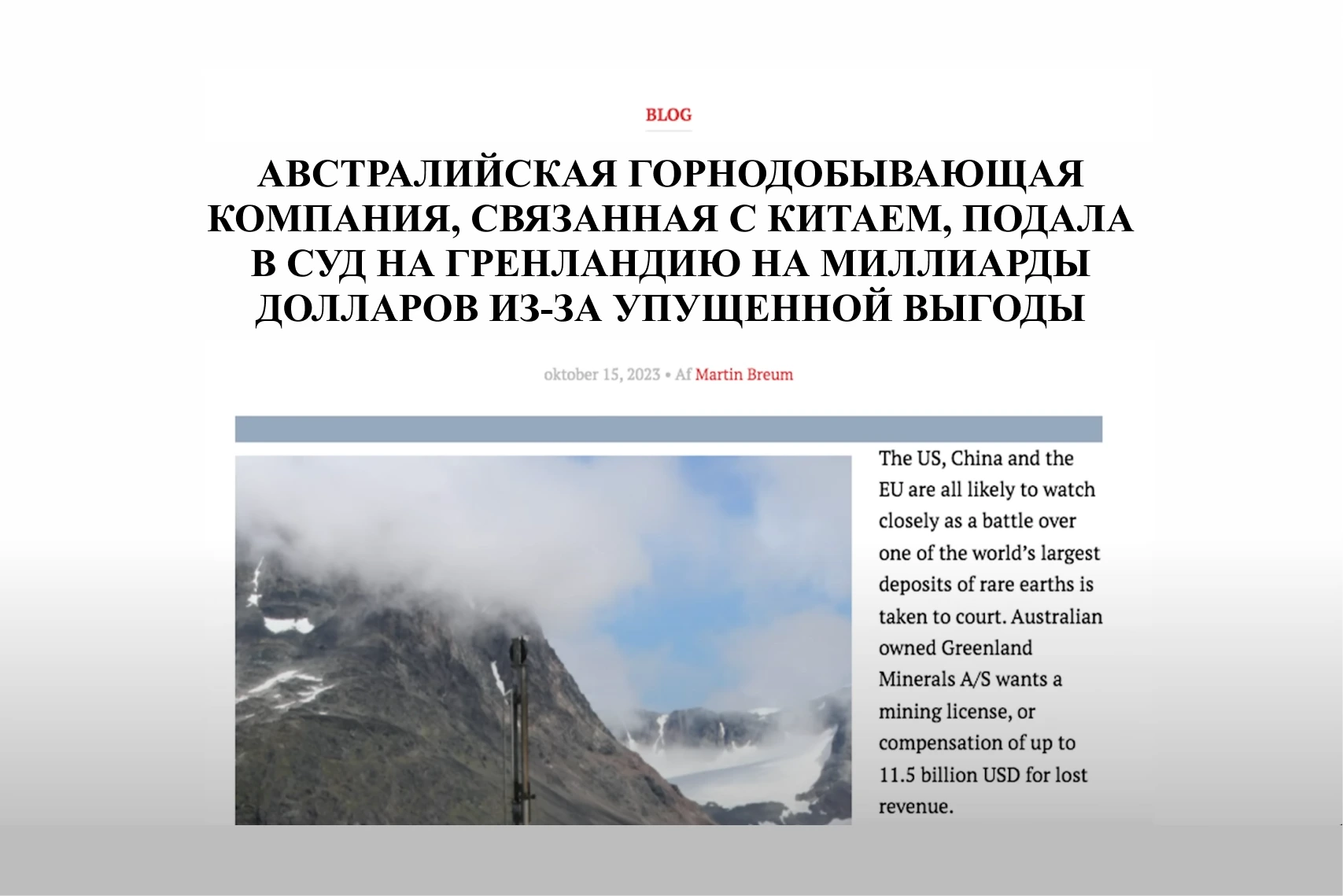
However, this situation has pushed American businesses that compete with China to pay more attention to Greenland. The United States has begun sending critical signals to the Greenland government, expressing concerns about keeping critical mineral deposits from falling into Chinese hands.

However, the decision to suspend work with Chinese companies was not related to sympathy for the United States, but rather to the environmental position of the new authorities, who are generally against the development of these deposits due to possible damage to nature. US interest in Greenland is, of course, not new. Rare earth deposits and the growth of green energy have been known for a long time, and the United States is seeking to secure access to these critical resources.
Mineral resources of the Arctic: why did Trump need Greenland?
When Donald Trump came to power, his approach to the Greenland issue was completely different. If earlier the American administration tried to use diplomatic methods and participate in licensing competitions for the development of deposits, then Trump acted more straightforwardly: he simply stated that the United States needs Greenland and they will take it. In his understanding, this was justified by a number of factors, including the strategic importance of the Arctic – both from a military point of view for ensuring security, and the importance of the region in terms of transport routes.
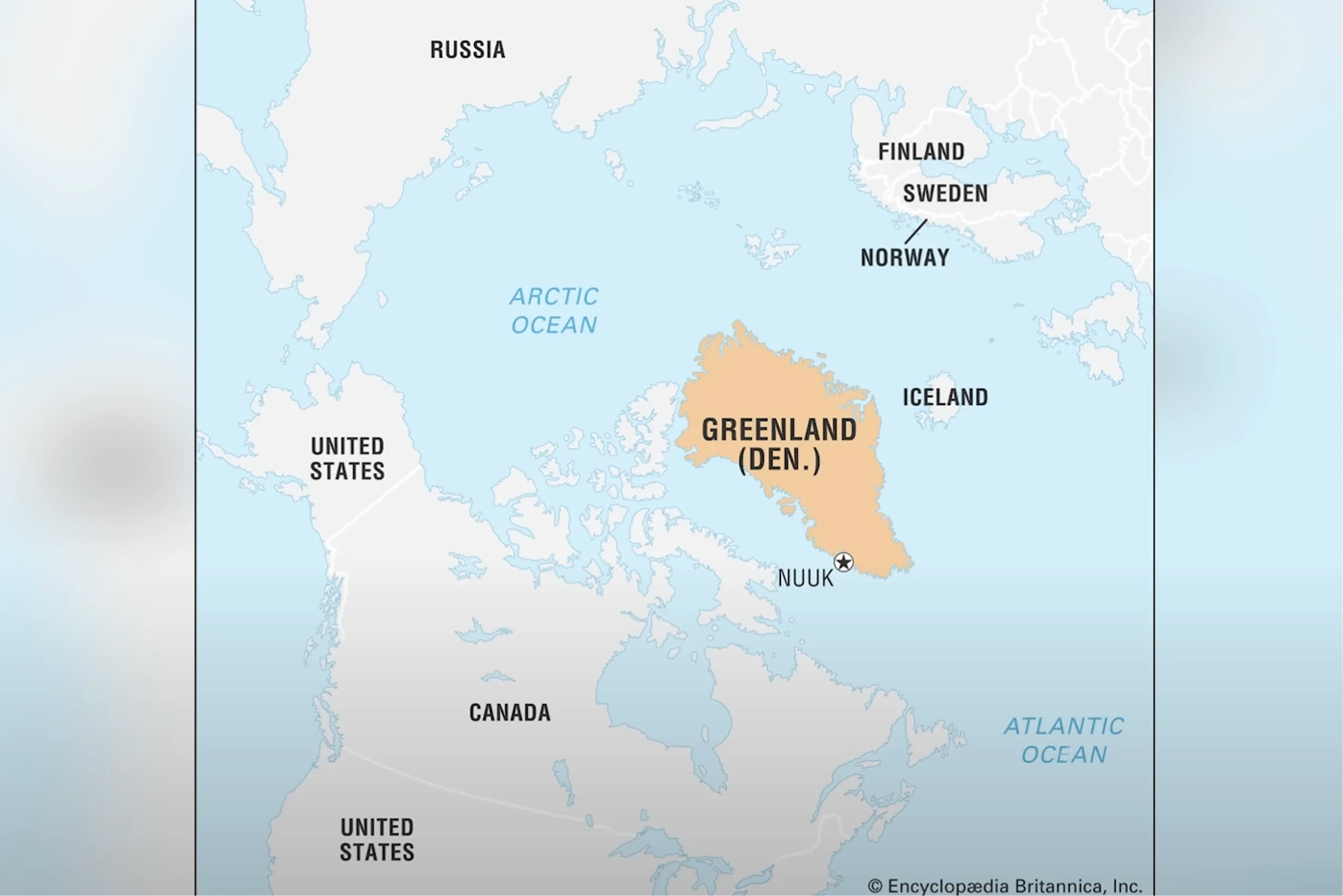
However, the key point was, of course, access to critical minerals that are necessary for the development of green energy and the global innovation process. Rare earths and other critical metals make Greenland a strategically important arena in the global race for resources that will shape the economy of the future.
Cover photo by Hudson Resources