Russian researchers have developed a unique biotechnology for obtaining lithium from formation waters of oil and gas fields. The valuable metal required for the production of batteries is effectively accumulated in plants, paving the way for the creation of domestic production.
Demand for lithium is growing rapidly due to the boom in electric vehicles and portable electronics. However, traditional deposits concentrated in a few countries, such as Australia, Chile and China, Argentina, which makes Russia dependent on imports. More than 80% of all lithium mined today goes into creating batteries for smartphones, laptops and electric vehicles.
To solve this problem, specialists from Gubkin University proposed using a new source – formation water. This groundwater is incidentally extracted during oil and gas production. Their volume can reach 98% of all liquid raised to the surface. Once separated from the oil, this water is usually pumped back underground, although it is rich in various minerals.
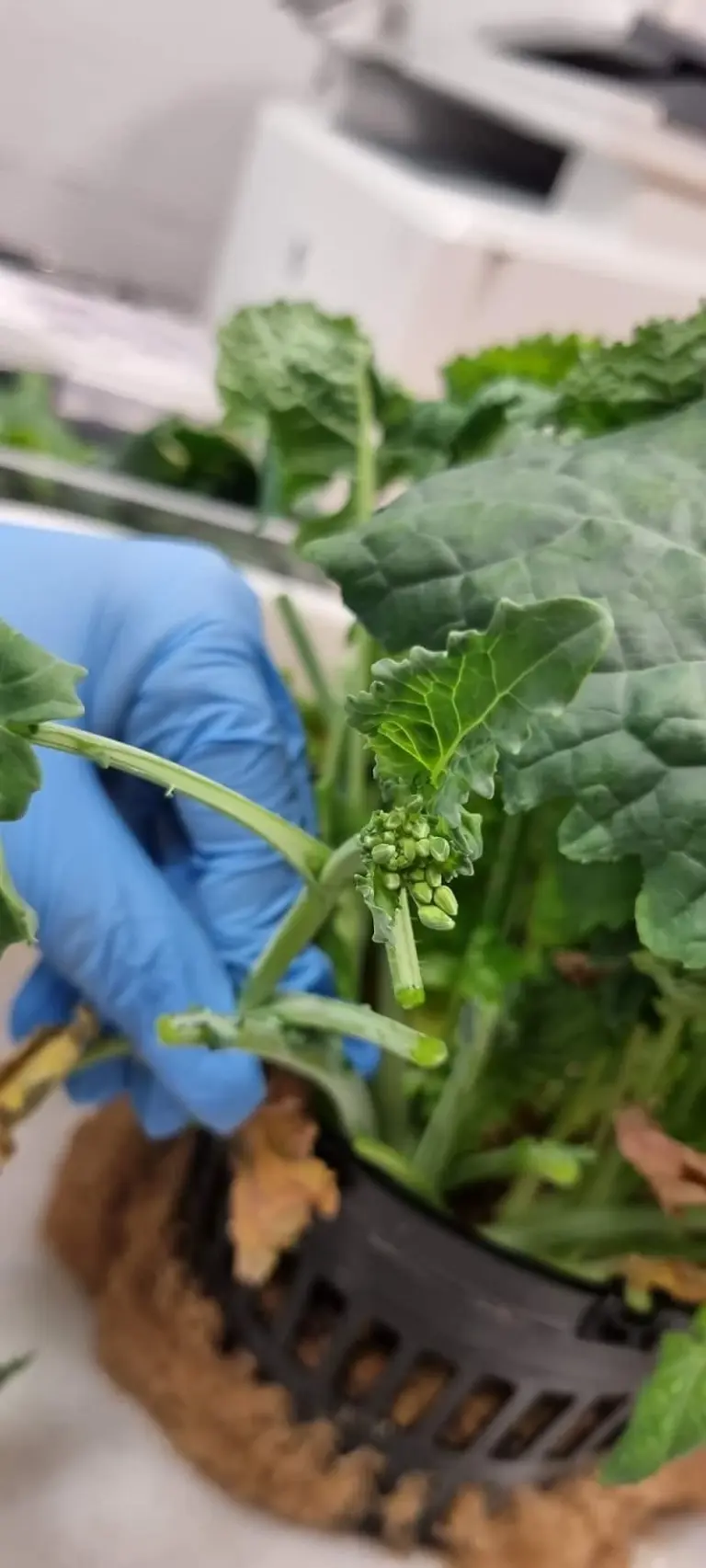
Scientists have found a way to extract lithium from these waters using plants. During the experiments, rapeseed showed the best results. It was grown on a mixture of formation water and nutrient solution. Plants absorbed the metal, accumulating it in their stems and leaves. The resulting biomass can be processed to extract a valuable resource.
This biotechnological method has key advantages. It is less expensive than classical ore mining. To implement it, you can use the existing infrastructure of oil and gas companies without building expensive new installations.
As Gubkin University professor Vladimir Vinokurov noted, this is a promising direction for reducing import dependence. The next step for scientists will be to develop a technological scheme for the process and conduct pilot tests. The new technology could provide Russian industry with its own lithium and support the development of high-tech industries.
The material was prepared with the support of the Russian Ministry of Education and Science as part of the Decade of Science and Technology.
Source: naked-science.ru