While central Russia is struggling to secure enough electricity for expanding computing capacity, Siberia has something other regions lack: a huge power surplus. The region generates roughly one-fifth of Russia’s electricity while consuming significantly less. Now, this underused capacity is being proposed as a power base for data centers and artificial intelligence infrastructure.
According to the Stolypin Institute for Growth Economics, as cited by TASS, the East Siberian power system could support several data centers with capacities of up to 200 MW each and connect them into a single network. In 2024, Siberian regions accounted for 19% of Russia’s total power generation, despite representing only 11.3% of the country’s population. The surplus available within the unified power system has been estimated at 13.6 billion kWh.
The origins of this surplus date back to the Soviet era. Power plants were built to supply massive industrial complexes, some of which were never completed, while existing facilities often failed to reach their planned electricity consumption levels. Decades later, this underutilized generation capacity could find a new customer in the digital economy.
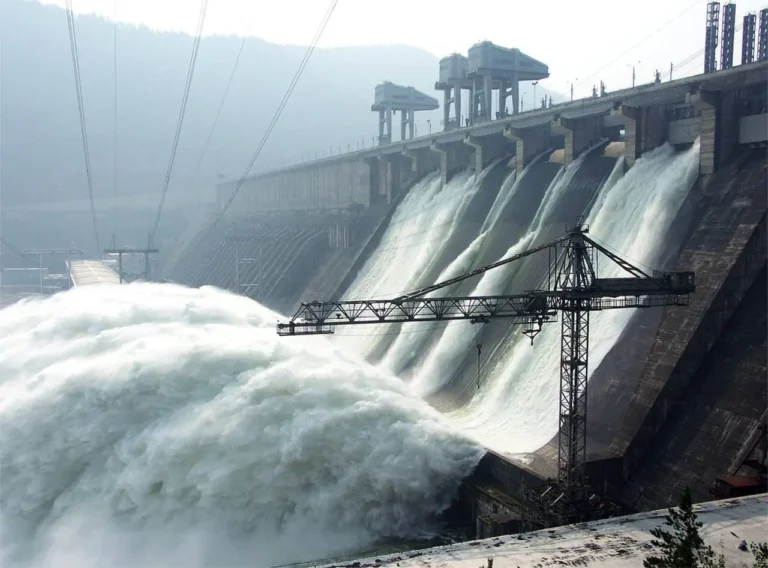
The institute’s analysis highlights the cascade of hydropower plants on the Yenisei and Angara rivers in particular. According to its assessment, these facilities alone could potentially cover Russia’s incremental data center power demand. Hydropower in the region is relatively stable and inexpensive, while producing electricity with comparatively low direct carbon emissions.
Coal-fired power plants located close to fuel deposits provide another source of spare capacity. Many of these facilities are operating below their potential and could be connected relatively quickly to supply electricity to large computing clusters.
Energy infrastructure built to support Soviet industrialization is therefore unexpectedly emerging as a potential foundation for the digital economy. Siberia could have an opportunity to evolve from Russia’s traditional resource hinterland into a national-scale computing and data center hub.
Source: TASS
Image: Denis Belevich