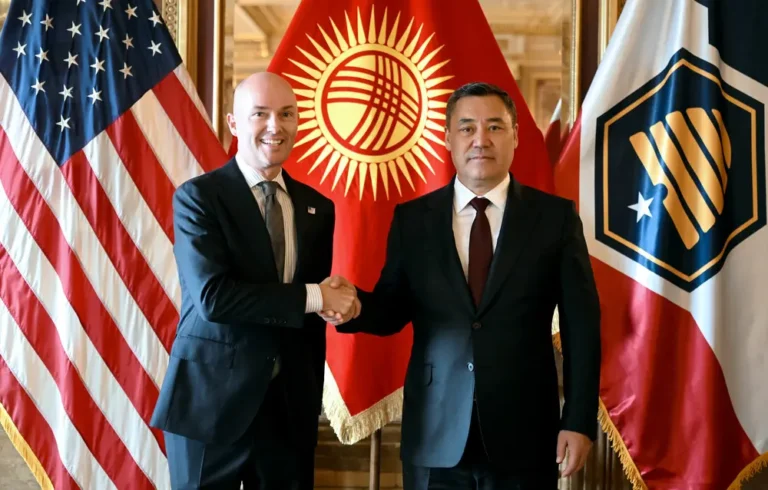
Kyrgyzstan continues attracting foreign capital into mineral extraction. In February 2026, state-owned company Kyrgyzaltyn signed memorandums with three American firms, and a month earlier, Canada’s Silvercorp Metals acquired a controlling stake in the Chaarat gold project. During President Sadyr Japarov’s visit to New York, the two sides discussed expanding cooperation, with mining named one of the priority areas.
US interest in Central Asian resources stems from strategic considerations. China dominates global tungsten processing and antimony production, so Washington is seeking alternative raw material sources for its defense and high-tech industries. Kyrgyzstan, with its reserves of gold, rare earth, and strategic metals, fits into this logic.
Cooperation with Kyrgyzaltyn was formalized through memorandums with Pangea Global, which focuses on rare earth exploration, Mooney Group, specializing in critical minerals, and TETHYS Gateway Investment, oriented toward Central Asian projects. The agreements provide for geological exploration, technological development, and specialist training.
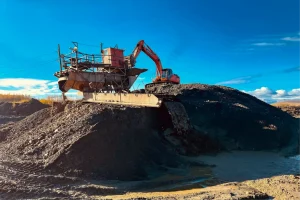
A more concrete case is the Chaarat project. Silvercorp Metals acquired 70% for $162 million and became the operator. Kyrgyzaltyn retained 30% as a free-carried interest, meaning without funding obligations. The total development budget is estimated at $196.3 million, with production at the Tulkubash deposit expected in 2027–2028. Separately, the investor paid the government $60 million to extend the license until 2062.
Similar models are being applied in neighboring countries. In Kazakhstan, US-based Cove Kaz Capital acquired 70% of the Severny Katpar tungsten project, while in Tajikistan, Comsup Commodities has owned the Anzob antimony mining operation since 2006.
OECD experts point to structural challenges in the region: outdated geological reporting systems, dominance of state-owned companies, and limited access to data are constraining investment. Analysts also note that the concentration of investment mainly in extraction rather than processing limits technology transfer and the creation of high-value-added jobs.
Kyrgyzstan gains access to capital and technology, while American companies gain access to raw materials. How beneficial this exchange proves for the republic will depend on whether cooperation can move beyond extraction and build domestic processing capacity.
Source: Gold and Technologies
Image: Tazabek