The Russian government must approve a roadmap for the development of rare earth metals mining by December 1. The order was given by President Vladimir Putin, responsibility was assigned to Prime Minister Mikhail Mishustin.
The order was published on the Kremlin website and was a continuation of the decisions of the Eastern Economic Forum. At the plenary session of the forum, the president emphasized that Russia needs modern technologies for ore enrichment and subsequent processing of rare and rare earth metals. He also noted that demand for these elements should be supported by new production within the country.
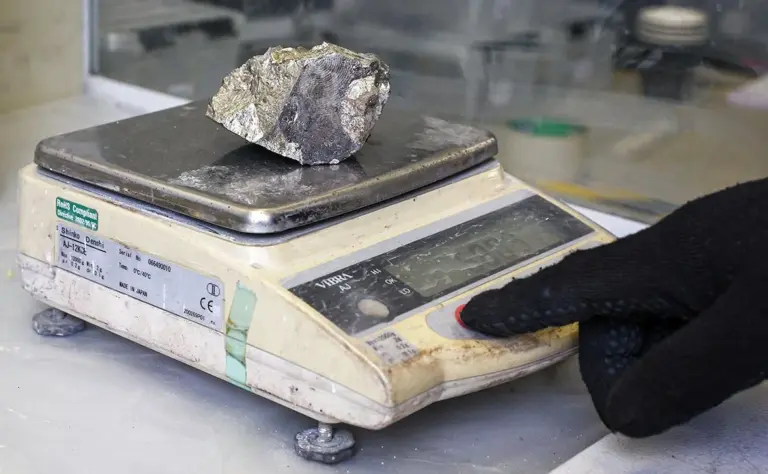
According to the Ministry of Natural Resources, Russia has significant reserves of rare metals – 658 million tons. This group includes lithium, zirconium, beryllium, indium, gallium, germanium, vanadium, tantalum and other elements critical for electronics, mechanical engineering and high-tech industries. Reserves of rare earth metals amount to 28.5 million tons.
Russian REM deposits have a complex structure. This means that elements such as samarium, neodymium, yttrium, lutetium, dysprosium, praseodymium and others are mined in the same ore and separated after extraction. This approach complicates mining, but makes development deposits strategically important for the country.
The global market situation has also increased the need to speed up work. In the spring, China tightened export controls on seven rare earth elements at once. This has caused supply disruptions and increased risks for international production chains. Meanwhile, Russia previously announced its readiness to develop projects in the field of rare earth metals together with foreign partners, including the United States.
The development of a roadmap should determine the pace and priorities of industry development, as well as strengthen Russia’s technological independence. In conditions of instability of global supplies, the demand for the Russian raw material base and processing capacity will only grow.
The material was prepared with the support of the Russian Ministry of Education and Science as part of the Decade of Science and Technology.
Source: @nerzhavey