Sprott analysts forecast key trends for metals and critical minerals investors. In 2026, the focus will be on gold, silver and strategic resources.
In 2025, amid global trade tensions and supply chain disruptions, critical minerals have come to the fore, and gold and silver reached record prices. These trends continue into 2026, Sprott analysts say.
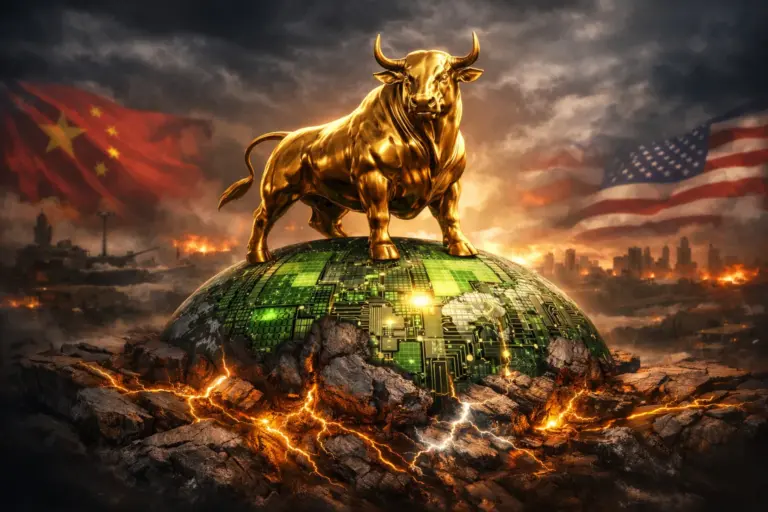
The main topic will be deepening deglobalization. Countries will prioritize sovereignty and energy security, which will increase structural inflation and change commodity flows. Against the backdrop of geopolitical risks, gold will remain a reliable reserve asset, and silver, as a more affordable alternative, will also benefit.
The transition from fiat currencies to hard assets continues amid high levels of public debt, especially in the United States, where it has exceeded $38 trillion. This strengthens gold’s position as a strategic asset.
There are also still problems with global metal reserves. Tariffs and resource nationalism are causing countries to stockpile rare earths, copper, platinum metals and aluminum, creating a price gap between markets and keeping raw material costs rising.
Gold and silver remain in a bullish cycle. Central banks are ramping up gold purchases, and silver is cementing its status as a critical mineral for clean energy and AI infrastructure. Despite possible consolidation following the price rise, analysts see long-term upside.
Key critical minerals to track include uranium, copper and rare earth elements. Uranium supported by growing demand from the AI and the construction of new nuclear reactors, copper continues to rise in price due to shortages and long lead times for new mines to come online, and rare earths remain a strategic bottleneck, especially given dependence on China.
Investors should monitor geopolitics, supplies and demand for gold, silver and critical minerals. These assets retain strategic value and can protect investments in times of global instability.
Source: MINING.COM