Do you want to understand why the consequences of global warming and the greenhouse effect are increasingly being discussed not only by ecologists, but also by mining engineers? The State Report of the Ministry of Natural Resources of the Russian Federation for 2024 states that mining is the largest source of industrial emissions in the country (38,5%). At the same time, climate change is already hitting the industry itself – from the deformation of infrastructure in the permafrost zone to interruptions in the operation of mines due to droughts and floods. Production affects the climate – and the climate is increasingly influencing production.
Why are we talking about the consequences of global warming for Russia and the world?
Mining is not only quarries and mines, but also an energy-intensive industrial chain: drilling, blasting, ore crushing, transportation and processing. According to international studies, it is these processes that form a significant share of industrial emissions. Thus, metal mining accounts for up to 7% global CO₂ emissions.
A separate contribution is made by the development of deposits in tropical regions. Over the past five years, mining of nickel, tin and other metals in Southeast Asia accompanied cutting down 200 thousand hectares of forest. As a result, more CO₂ remains in the atmosphere, increasing air temperatures, and directly increasing the greenhouse effect.
But global warming works like a boomerang: what the mining industry emits into the atmosphere returns in the form of direct production risks. Droughts limit access to water for washing ores and cooling equipment, extreme precipitation destroys roads and tailings ponds, and in northern regions, thawing permafrost undermines the stability of foundations.
Next, we will look at exactly how these climate changes affect production – from the safety of facilities to the cost of resources.
Metals for smartphones, laptops and household appliances do not appear out of thin air, which means they still need to be mined, albeit with an eye on the environment – read more
How mining and climate change each other
The impacts of global warming in terms of climate impacts on production can be broken down into four key areas: infrastructure sustainability, resource access, environmental impacts and production economics.
Infrastructure and security of facilities
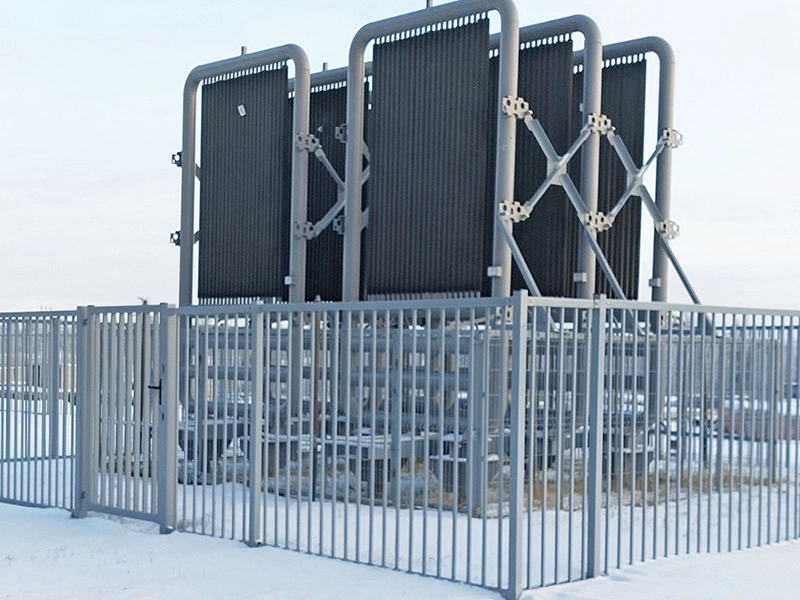
The consequences of global warming and the greenhouse effect directly affect the sustainability of mining infrastructure. By data Ministry of Natural Resources, in the northern regions of Russia, the thawing of permafrost affects 15–20% of objects: foundations are deformed, the operation of pipelines and power supply lines is disrupted.
In tropical and subtropical regions the risks are different. In 2024–2025, extreme rainfall and flooding caused temporary stopped coal and gold mines, and access roads to the mines were destroyed. Similar problems are being recorded in the copper mines of Chile, where floods regularly block the transportation of ore and slow down the processing of raw materials.
Production and access to resources
Climate change is limiting a key resource for extraction: water. In Kazakhstan and Russia, it is used not only for cooling equipment, but also for washing and beneficiating ores. According to estimates of the carbon and resource footprint of Russian industries, in dry years production volumes may decrease by 10–15% due to lack of water for technological processes.
Read also, How alluvial gold mining leads to environmental disasters
Environmental consequences of global warming
Mining activities brings closer warming through deforestation. Over the past two decades, activities in mining zones have resulted in the loss of approximately 1.4 million hectares of forest worldwide—an area comparable to the size of a small country. The loss of the “lungs of the planet” is accompanied by the release of approximately 36 million tons of CO₂ per year. The volume can be compared with emissions from Finland in 2022.
More detailed research shows that between 2001 and 2023, mining and related activities caused almost 19,765 km² of direct deforestation, contributing about 0.75 Pg CO₂ (0.75 billion tons) to the atmosphere during this period – and that’s just according to official statistics.
Economics and technologies of adaptation
Climate risks and the consequences of global warming are forcing companies change approaches to extraction. At Russian coal mines are being implemented soil and flood monitoring systems to reduce the risk of accidents and downtime. Chile and Peru are developing automated drilling systems and alternative logistics routes designed to withstand extreme weather conditions.
These solutions increase operating costs, but allow production to continue in a changing climate while reducing environmental stress.
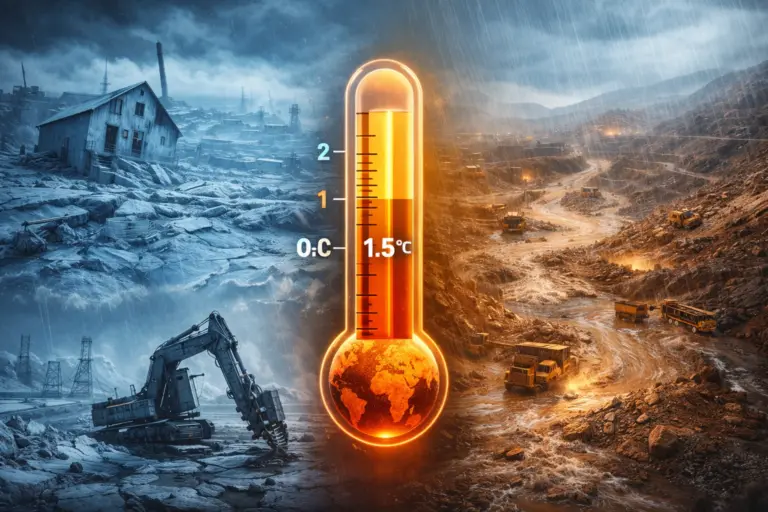
“We are already transitioning into an era of global warming of 1.5 degrees Celsius. Bet $100 against a donut that it is – and be sure to win the bet if there is anyone naive enough to take it. In practical terms, the 1.5 degrees Celsius level has already been reached, as the colossal energy imbalance in the climate system ensures that temperatures will rise steadily. The speed of this process is increasing due to the growing difference between the energy that the Earth absorbs from the Sun and that which it emits into space,” speaks James Hansen, former lead climate scientist at NASA.
When climate becomes a production factor
Global warming, its consequences and mining truly form a vicious cycle. The mining industry makes a significant contribution to emissions and the transformation of landscapes, and a changed climate is already returning today in the form of infrastructure deformation, water shortages and an increase in emergency risks.
For the industry, this means one thing: climate has ceased to be an “external background” and has become a production factor. Adaptation – through soil monitoring, sustainable logistics, reconsidering water use and reducing the carbon footprint – becomes not an environmental declaration, but a condition for maintaining production.
Do you know what technological solutions for the benefit of the environment are already working in real fields? Tell us in the comments what climate risks mines in different regions of the world are already facing.