Three technology leaders have joined forces to create a virtual model of the Earth’s subsurface. The Pacific Northwest National Laboratory (PNNL), Nvidia, and geothermal developer Fervo Energy are building an open-access digital twin of underground geothermal reservoirs. Their goal is to make geothermal energy production more efficient through artificial intelligence.
The concept behind geothermal power is straightforward. Cold water is injected into wells reaching depths of up to three kilometers. For comparison, Seattle’s iconic Space Needle stands just 185 meters tall. The water flows through a network of underground fractures, which are enlarged using high-pressure injection. Heated by surrounding rocks to temperatures of around 290°C, the water returns to the surface as steam, driving electricity-generating turbines.
The challenge is that geothermal operators still lack tools capable of supporting rapid, data-driven decisions. Questions such as how many monitoring wells are needed, where they should be drilled, and how much water should be injected are still answered using computational models that are too slow for real-time operations. According to project lead Maruti Mudunuru of PNNL, these delays result in underutilization of valuable geothermal resources.
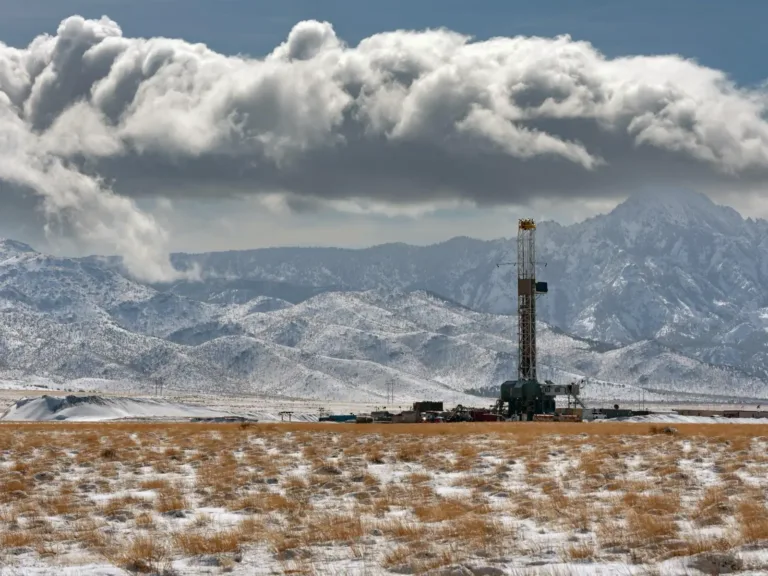
The new initiative aims to change that. Researchers at PNNL will develop and train AI models, while Nvidia will contribute high-performance computing resources and technical expertise for the digital twin platform. Fervo Energy, one of the industry’s leading geothermal developers, will provide operational data from its active projects in Nevada and Utah.
Investment in geothermal energy continues to accelerate. Earlier this month, Seattle-based startup Endurance Energy announced a $54 million funding round to develop technologies for harvesting geothermal energy beneath the ocean floor. Fervo has already demonstrated commercial success. Its Project Red pilot in Nevada began operating in 2023 and currently supplies geothermal power to Google data centers. The company is now constructing Cape Station in Beaver County, Utah. The facility is expected to begin delivering electricity to the grid before the end of the year and eventually reach a capacity of 500 megawatts, enough to power a small city. Fervo’s system operates as a closed-loop cycle, reinjecting steam underground after energy extraction. Last month, the company also raised $2.17 billion through an initial public offering.
The completed platform will be known as EGS Twin. Its AI capabilities will be integrated into the Nvidia Omniverse software ecosystem, providing developers and operators with real-time simulations and decision-support tools. The project is scheduled for completion in 2029 and is funded by the U.S. Department of Energy’s Office of Fossil Energy and Carbon Management, which also oversees geothermal energy programs.
Source: GeekWire
Image: Fervo Energy