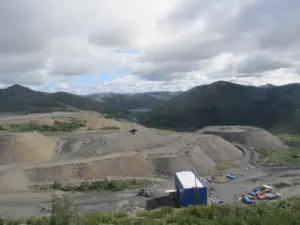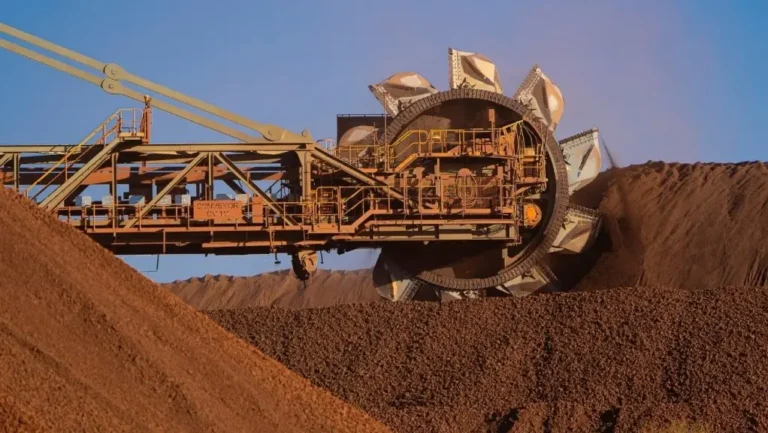
The world’s largest steelmaker is considering an investment in one of Australian mining giant BHP’s key assets. Baowu Steel Group is exploring the purchase of a minority stake in the Jimblebar iron ore mine in Western Australia. If the deal goes ahead, China would gain a direct interest in an important source of raw materials for its steel mills.
According to two informed sources, Baowu could seek between 15% and 25% of BHP’s stake. The potential value of the transaction has not been disclosed. No decision has been made, and there is no guarantee that the talks will result in a deal.
BHP controls 85% of Jimblebar, while the remaining interests are held by Japanese trading houses Itochu and Mitsui. When the mine was launched in 2014, BHP valued its stake at $3.2 billion. In fiscal 2026, the operation produced around 62.5 million tonnes of iron ore, accounting for roughly a quarter of BHP’s total output and about $6.2 billion at current prices.
Bankers are questioning whether the potential transaction fits with BHP’s current strategy of maximizing revenue from Chinese buyers. The miner recently resolved a prolonged dispute with the China Mineral Resources Group (CMRG), which acts as the unified negotiating body for Chinese steelmakers. The conflict lasted more than six months, with CMRG restricting purchases of certain grades, including Jimblebar fines.
Mining companies typically sell stakes in new projects to share development risks. Selling part of a mature asset is much less common. Baowu, however, already has experience partnering with Australian miners: in 2022, the company and Rio Tinto launched a $2 billion iron ore project in the Pilbara.
The political backdrop adds another layer of complexity. Chinese investment in Australia has declined for years amid tighter national security screening. Canberra has blocked Chinese deals in the lithium and rare earths sectors, while China is now no longer among Australia’s top 10 foreign investors.
A potential purchase of a stake in Jimblebar would test the new political reality. The economic rationale is clear for both sides, but the path from initial interest to a completed transaction could prove much longer than it was in previous decades.
Source: Reuters
Image: BHP