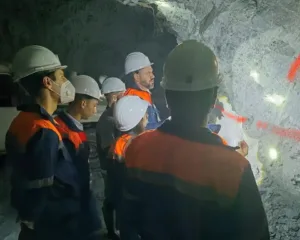
Diamonds are not only jewelry raw materials, but also a strategic resource. Russia ranks first in the world in terms of production volume, relying on deposits in Yakutia and the Arkhangelsk region. However, leadership is under threat: the largest pipes are depleted, new objects are not put into development, and geological exploration does not keep up with the pace of production.
Vladimir Sergeevich Shchukin, a geologist with almost 50 years of experience, who participated in the discovery of diamond pipes in Russia and Canada and developed methods for predicting deposits, knows about this. Together with him, we will understand the state of the industry, why risks arise and what can be done to prevent Russia from losing one of its most important positions in the mining industry.
Geography of diamonds: where in Russia they search for and mine precious stones
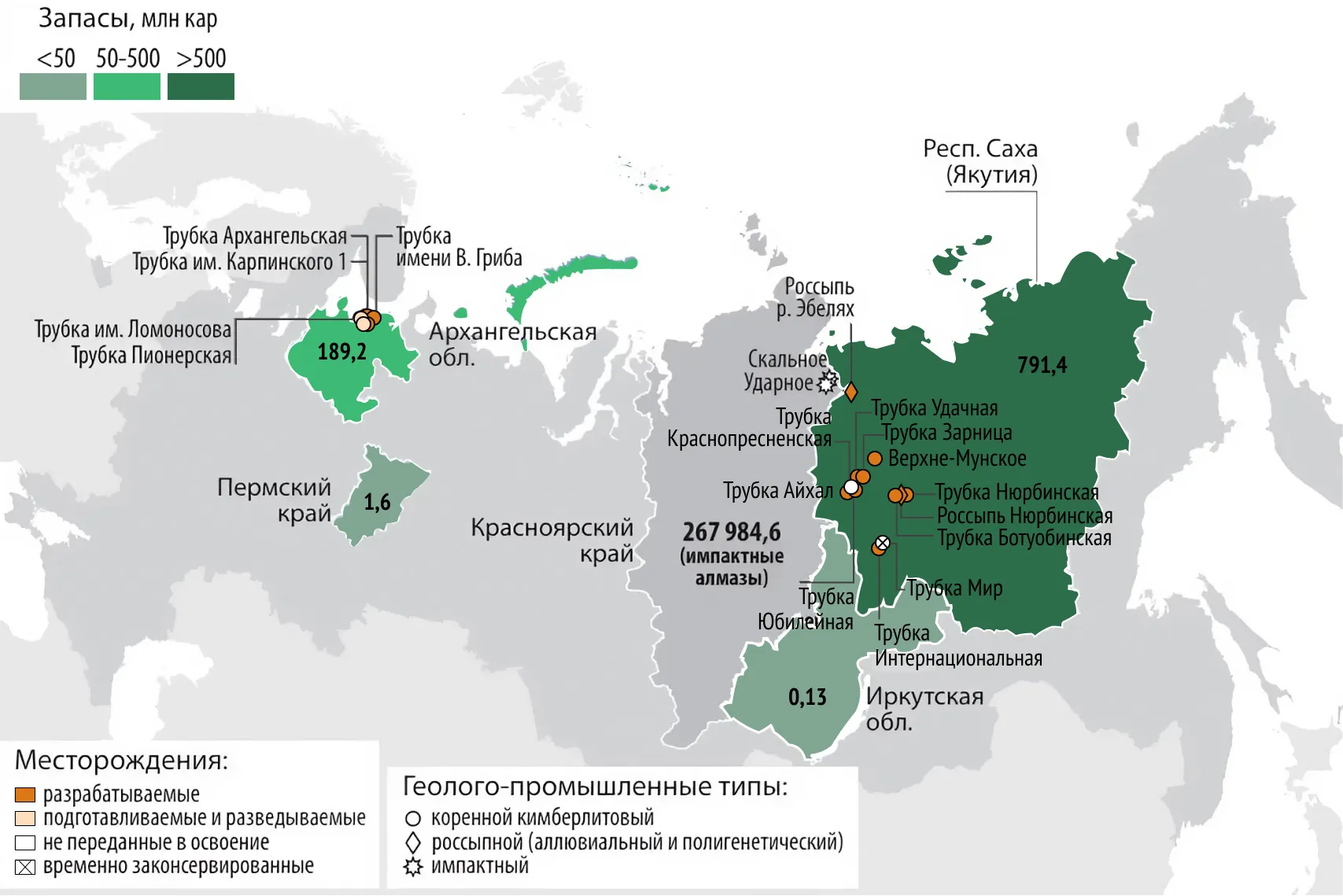
Diamonds in Russia are mined by companies in several key regions. The main region is Yakutia: the largest kimberlite pipes in the country are located here and the bulk of the mining is carried out. The second place is occupied by the Arkhangelsk region. In addition to them, alluvial deposits are found in Siberia and the Urals, and unique impact diamonds were discovered in one of the northernmost corners of the country – the Popigai crater. Let’s take a closer look at these areas.
Yakutia is the main diamond mining region in Russia
Here concentrated more than 80% of all reserves, including the largest kimberlite pipes. The most famous are Mir (194.1 million carats), Udachnaya (184.1 million) and Yubileinaya (94.77 million). These deposits are distinguished by high diamond content: more than three carats are obtained from a ton of rock.
Mining is carried out both open-pit – in quarries, and underground. Open mining is used at the Yubileinaya, Zarnitsa, Nyurbinskaya and Botuobinskaya pipes. When the quarry is worked out, they move on to shaft mining: this is how the Aikhal, International and underground block at Udachnaya are structured. The Mir quarry, one of the oldest deposits, is already closed, and the mine was flooded in 2017 after the accident. Primary deposits in the region provide about 94% of all reserves, and placers that were washed out of pipes – only 6%.
Arkhangelsk region: prospects and challenges
The second most important diamond mining area in Russia is the Arkhangelsk region. The V. Grib pipe operates here, one of the largest deposits where high-quality diamonds are mined, comparable to those from Yakutia. However, the open pit is rapidly depleting: according to forecasts, its resource will only last until 2027, after which a transition to underground mining is possible. This will significantly affect the economics of the project: if the mine method turns out to be unprofitable, production volumes could be reduced by almost 50%.
The region is also home to the Lomonosovskoye field, which includes six kimberlite pipes. However, the diamond content here is relatively low – from 0.09 to 1.4 carats per ton of rock. According to Shchukin, in the 1990s, exploration was slowed down by De Beers, essentially on purpose. At the time, it controlled most of the world diamond market and was not interested in launching a new major project that could bring down prices. In addition, economic instability in Russia made development too risky. Later, the deposit came under the control of ALROSA, but development did not proceed more actively. Despite this, production at the Lomonosovskoye field planned up to 2043.
Other regions: modest diamond footprints and imaginary giants
In addition to Yakutia and the Arkhangelsk region, diamond deposits in Russia meet and in other regions, but in much smaller volumes. For example, in the Perm region, only about 0.17% of mineral reserves are concentrated on placers in the Vishera River basin, and in the Irkutsk region – 0.01%, on the Shelekhovskaya placer. These areas have no industrial significance and are developed to a limited extent.
Sometimes meet at first glance, “giant” deposits – such as, for example, the Popigai meteorite crater in the Krasnoyarsk Territory. It contains 268 billion carats of impact diamonds formed after a meteorite impact more than 35 million years ago. But these stones are not jewelry, but technical, and are located in the inaccessible Arctic zone. Their extraction would require billions of dollars in investment and complex logistics, and the market for such diamonds is still limited. Therefore, in reality, such reserves still remain only a geological curiosity.
Billions of years underground: how diamonds are formed
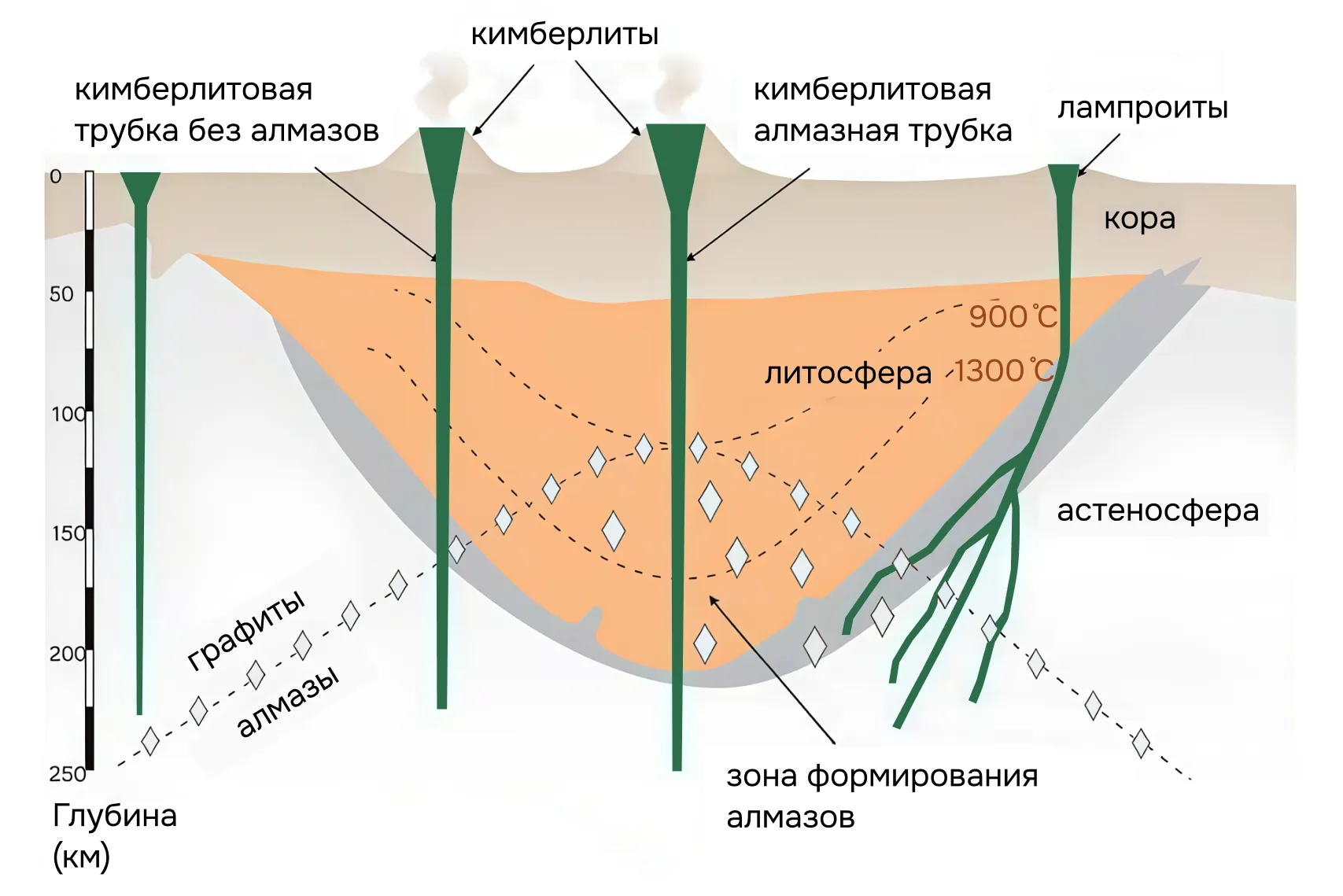
Diamonds are formed deep within the Earth, under conditions in which no other mineral can survive. They are born at a depth of 150–250 km in the upper mantle, where the pressure reaches 45,000–60,000 atmospheres and the temperature ranges from +900 to +1100°C. If the pressure is lower, carbon does not crystallize, and if the temperature is too high, it turns into graphite, like in a simple pencil.
Born underground, diamonds remain in the depths for millions of years. Their formation occurs in so-called cratons – ancient and stable areas of the earth’s crust with a thick lithosphere. These are the conditions that exist in the diamond-bearing regions of Yakutia, Canada, South Africa and Australia – the main ore and diamond mining areas in the world.
However, birth is only half the journey. To get to the surface, a diamond needs a natural “elevator” – a kimberlite or lamproite pipe. These are magma channels through which hot, gas-rich magma breaks through the earth’s crust in a matter of hours. An instant splash, like a cork from a champagne bottle, allows the diamond to travel its way without destruction. It is in such pipes that the main reserves of stones are concentrated, including in Yakutia, the main diamond mining region of Russia.
“Any diamond-bearing pipe is the remnant of an ancient extinct volcano. But mining diamonds in the crater itself does not make sense: diamonds are formed at a depth of hundreds of kilometers, and the crater is only the tip, which by the time of the eruption no longer contains crystals. The real reserves are concentrated in the body of the kimberlite pipe, through which diamonds were brought to the surface millions of years ago. The age of such pipes is from 170 million to 1.4 billion years.”.
Vladimir Shchukin
However, even if the tube is found, this is not a guarantee of success. Diamonds may be too small, scattered, or technically difficult to process. The crystal concentration may be below the economic threshold and the rock may be difficult to extract. In addition, the deposit may be covered by layers of other rocks and not appear on the surface – either in the form of fragments or in geomorphology. Finding them means looking underground: using deep sounding methods, building geological models and processing large amounts of data. We will tell you where new diamond deposits are being looked for today and exactly how they are looking for them in the next chapter.
Where and how diamonds are found: Shchukin’s step-by-step path
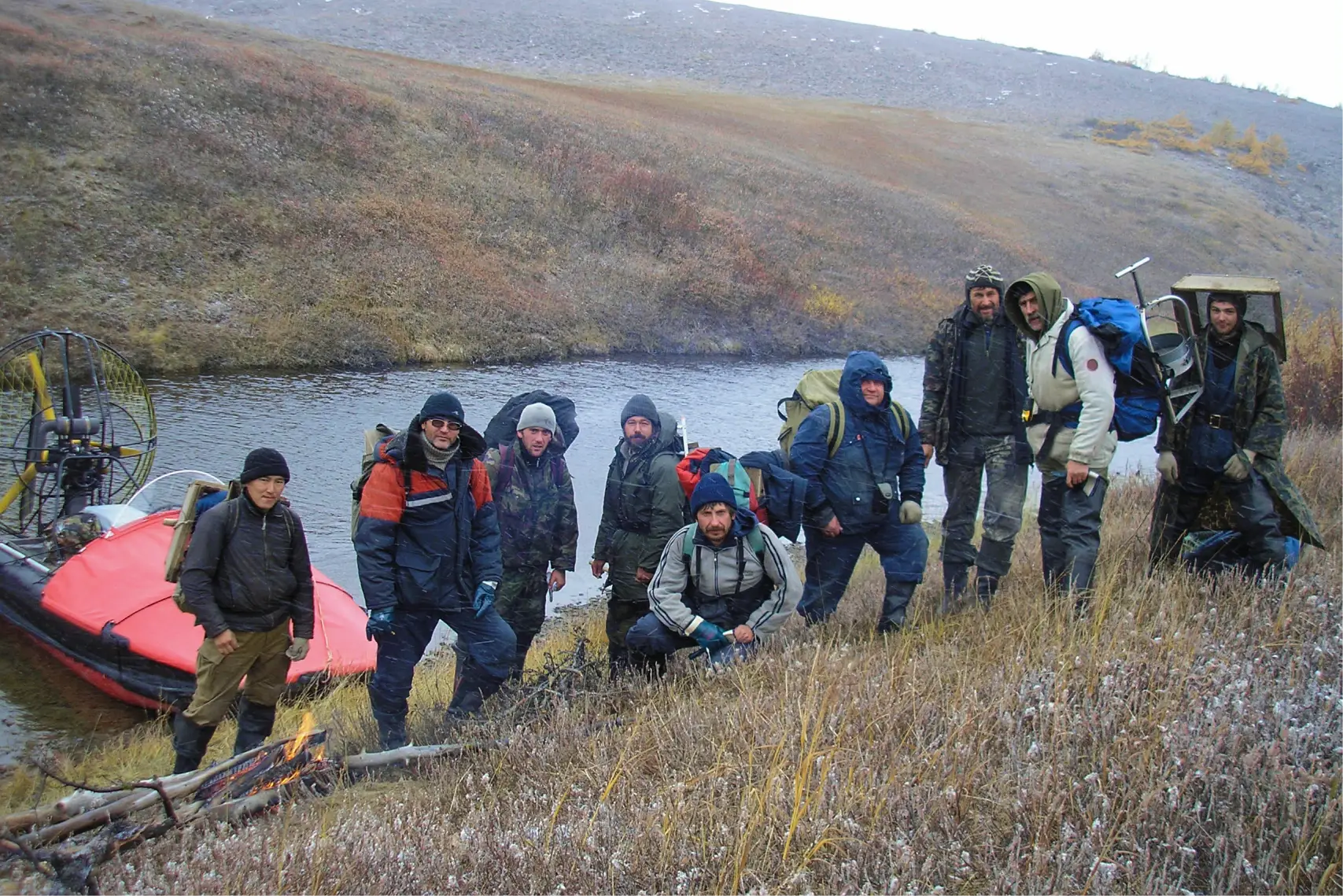
Finding diamonds is not only luck, but also a complex system of geological, geophysical and geochemical methods. Vladimir Shchukin tells how kimberlite pipes are found in practice – and how it all worked during the discovery of the Grib pipe in the Arkhangelsk region.
Step 1. Search on the map: ancient cratons and faults
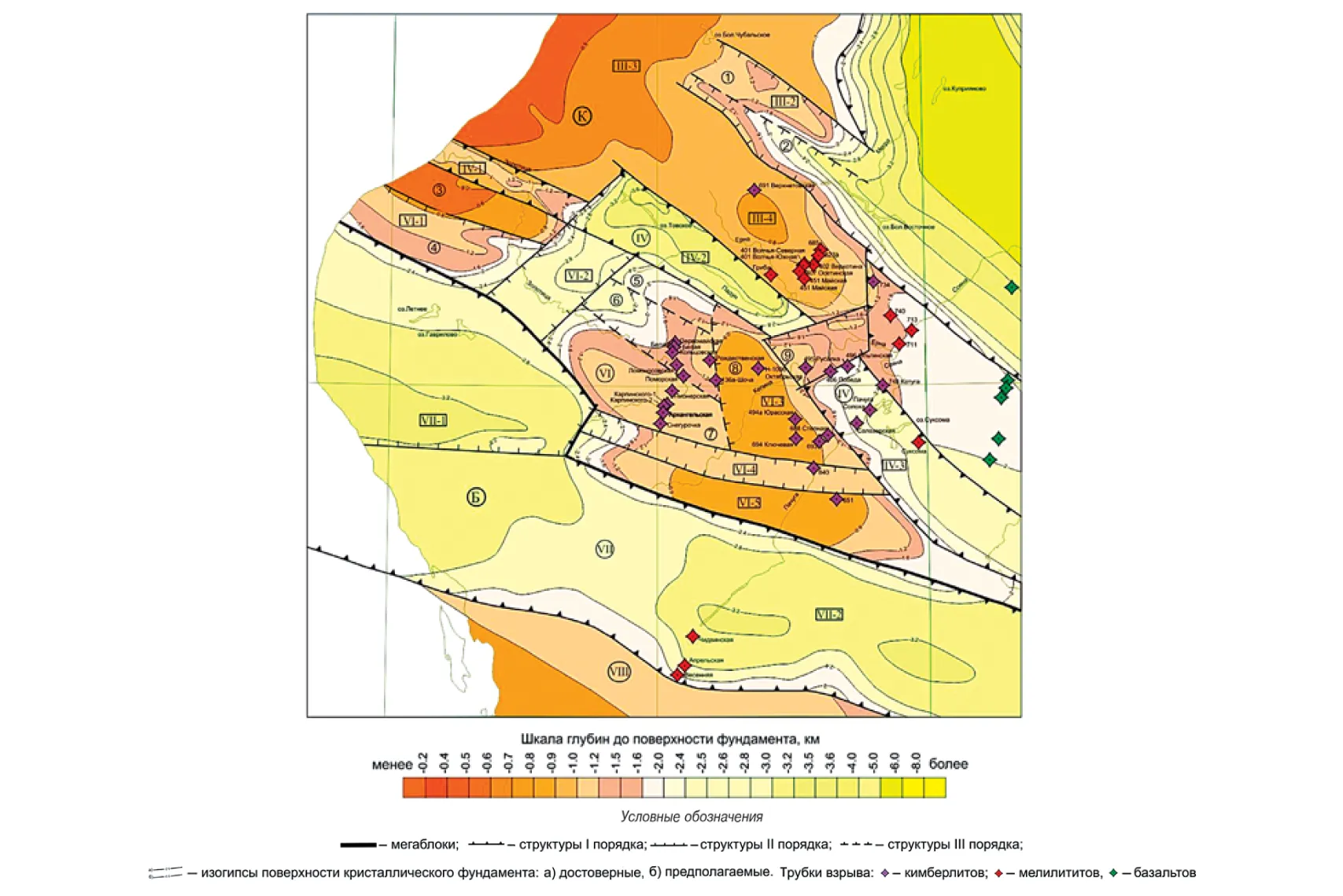
The first thing geologists look at is a geological map. Stable ancient areas of the earth’s crust – cratons that formed 2-4 billion years ago – are considered promising. They are looking for zones of deep faults and tectonic nodes – it is through them that magma could break through from the mantle, taking diamonds with it.
The Arkhangelsk region is located on the edge of the Baltic Shield – one of the oldest areas of the continental crust. It was here that geologists suspected that kimberlite pipes might be hidden.
Step 2. Indicators: pyropes, chromites and other tips
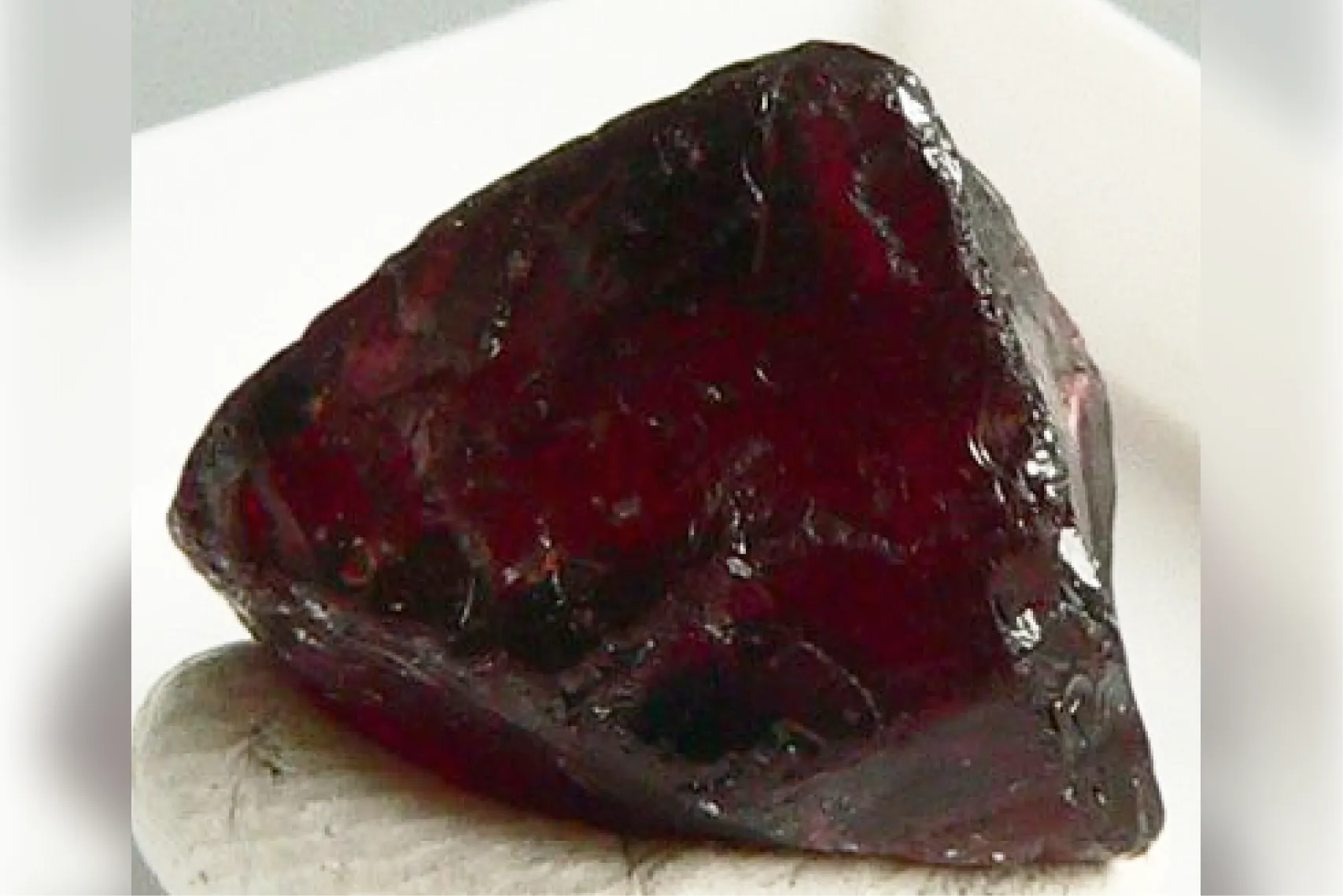
The next stage is the search for indicator minerals. Pyrope, chrome diopside, ilmenite and chromite often accompany kimberlites. The fresher and larger the minerals, the closer the tube can be.
“We walked along pyropes in watercourses. They became more and more numerous – and eventually we came to the source.”
Vladimir Shchukin
Step 3. Geophysics: look inside the earth
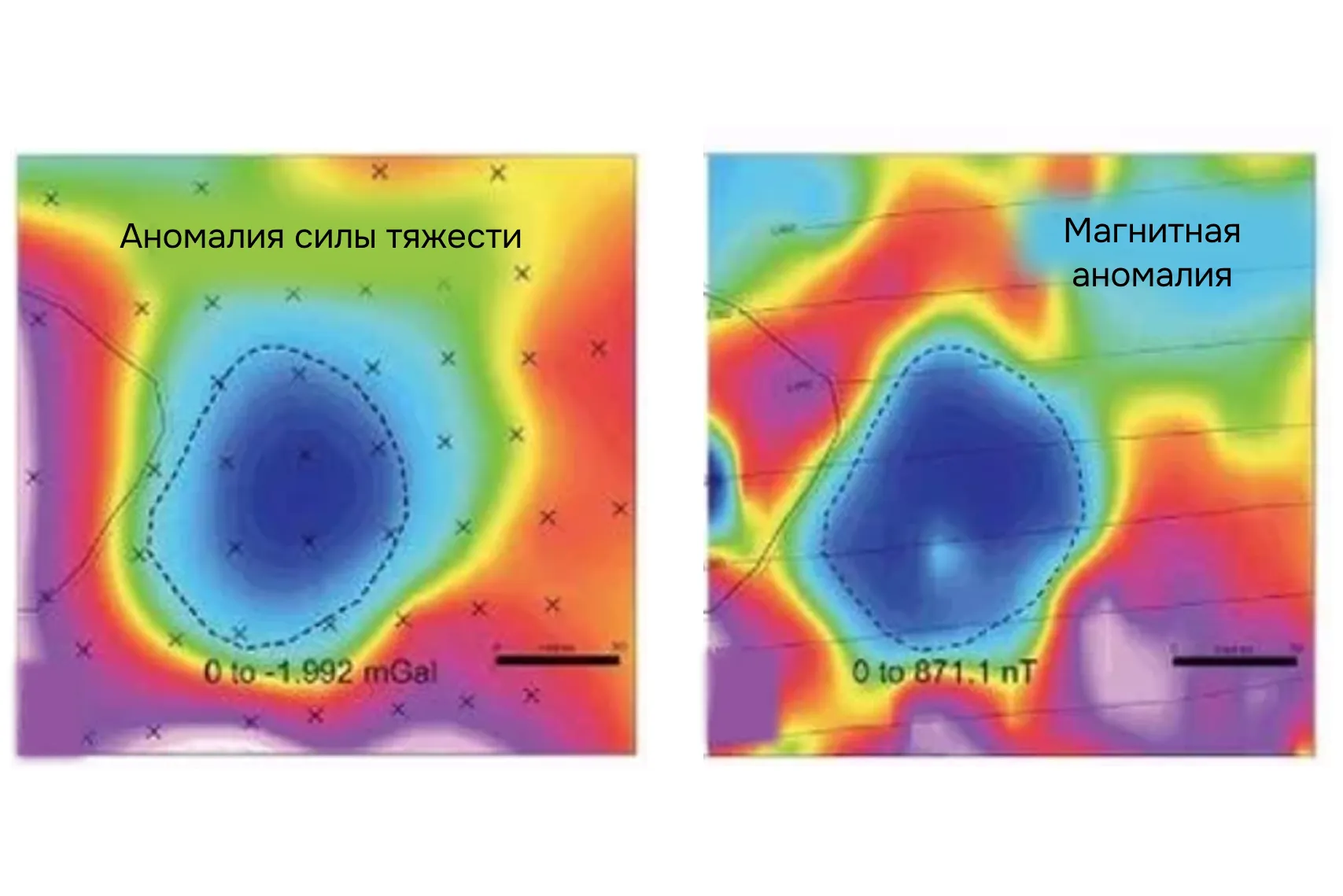
Next is geophysics. Aeromagnetic surveys help find local magnetic anomalies that may indicate kimberlite bodies. Additionally, gravimetry, electrical prospecting, and sometimes radiometry are used.
During the search for the Grib tube in 1995, aeromagnetic survey recorded isometric magnetic anomaly – an area in which the magnetic field values differed noticeably from the background. Such an anomaly indicated the presence of rock with different magnetic properties. It was at this point that the drill later hit the edge of a kimberlite pipe.
Step 4. Drilling: the core decides everything
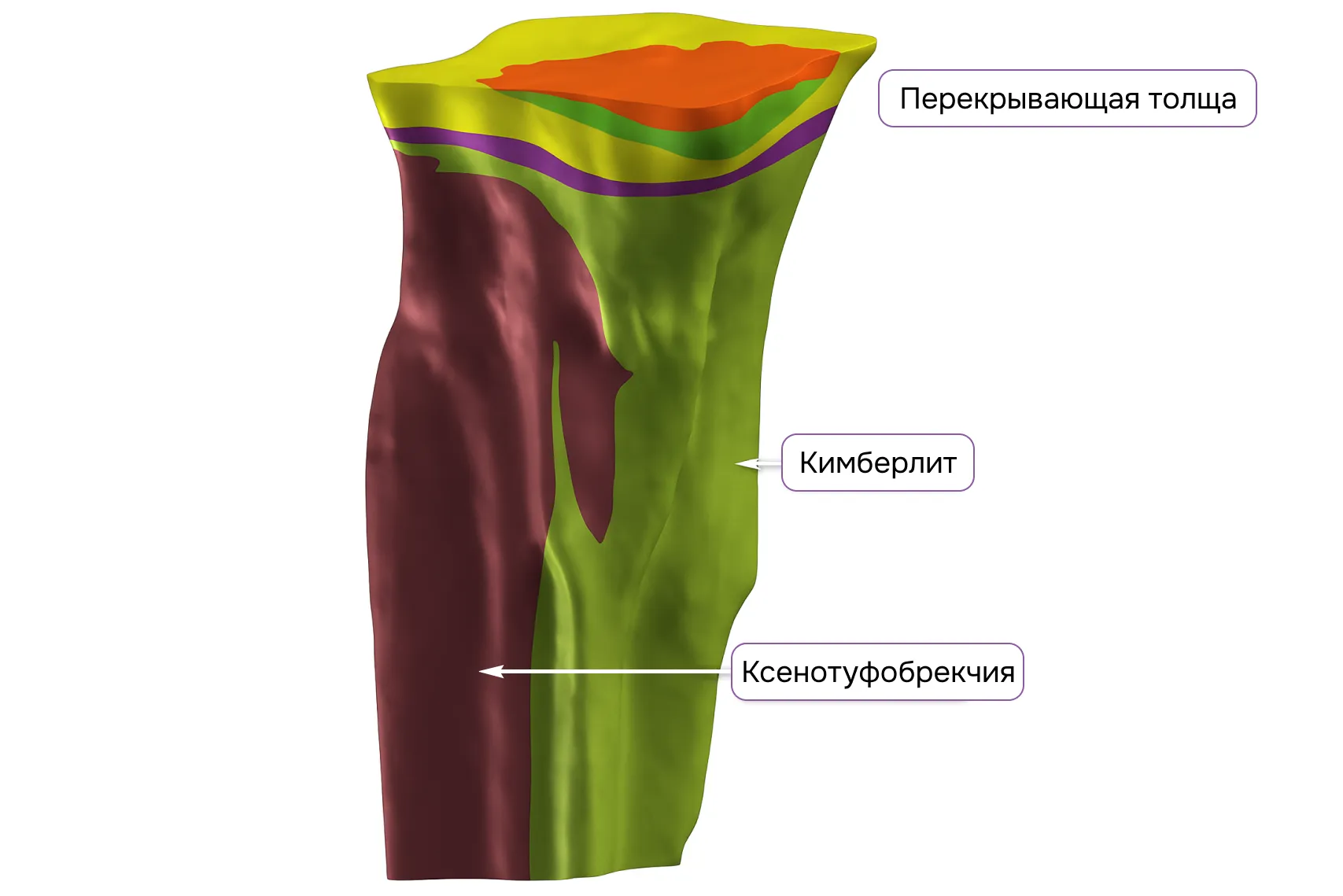
Only drilling can confirm the presence of the pipe and assess its diamond potential. Even if all signs point to kimberlite, it may turn out to be empty, destroyed, or highly diluted rock. Drilling at the Grib pipe began in 1996. Already the first well gave a positive result, and by 2002 the reserves were confirmed.
Step 5. Confirmation of profitability
After the discovery of a deposit, it is studied and calculated – how many diamonds are, what quality, how deep they lie. If the grade is not high enough, and development is difficult and expensive, the deposit may remain unclaimed.
Once the found pipe has been assessed and its profitability has been proven, mining can be organized. We’ll talk about this in the next chapter.

How to get diamonds
Diamonds mine three methods: quarry, underground and from placers – the choice depends on the depth and type of deposit. After extraction, diamonds are enriched by separating them from the rock using mechanical, chemical and physical methods.
Quarry: fast but temporary
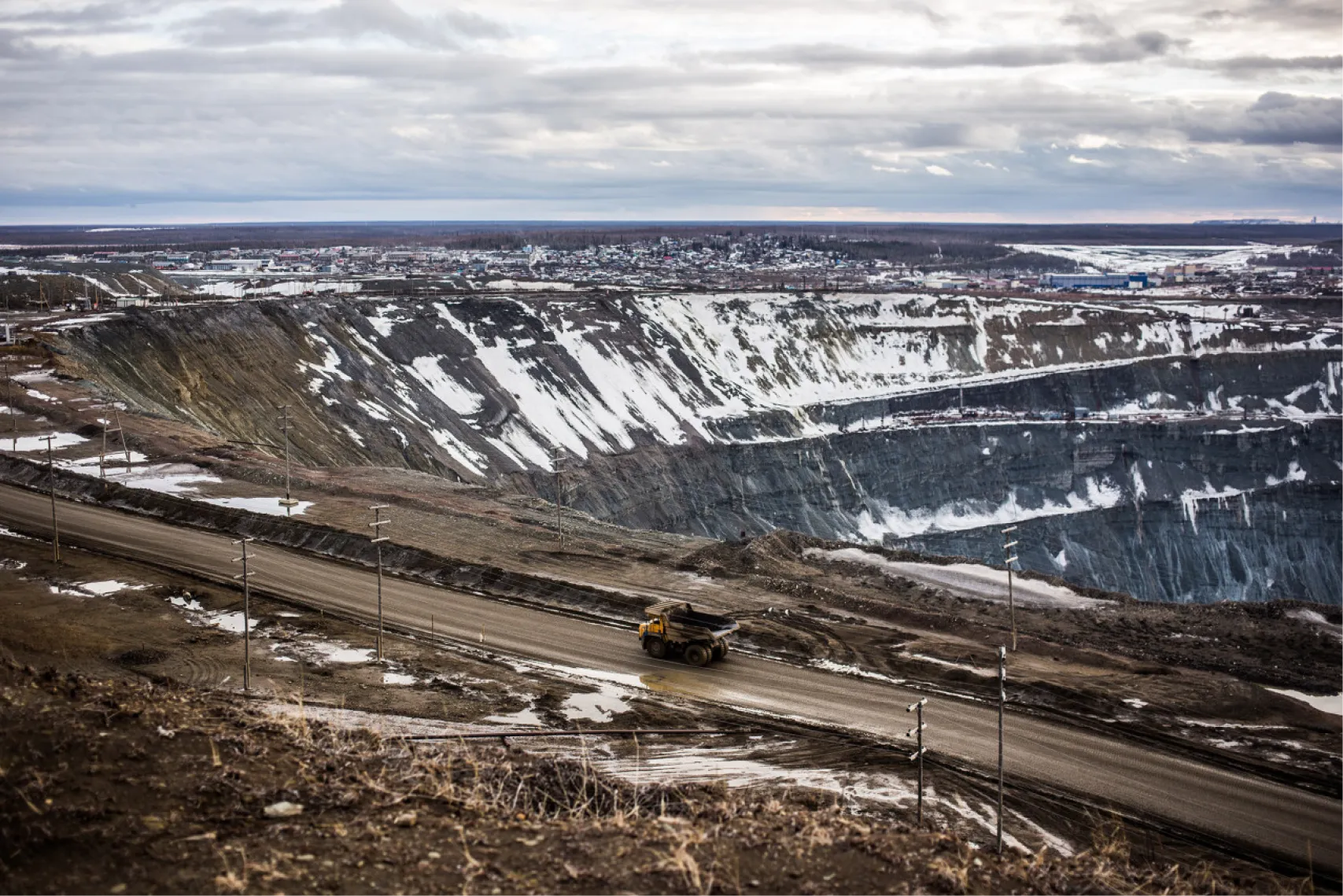
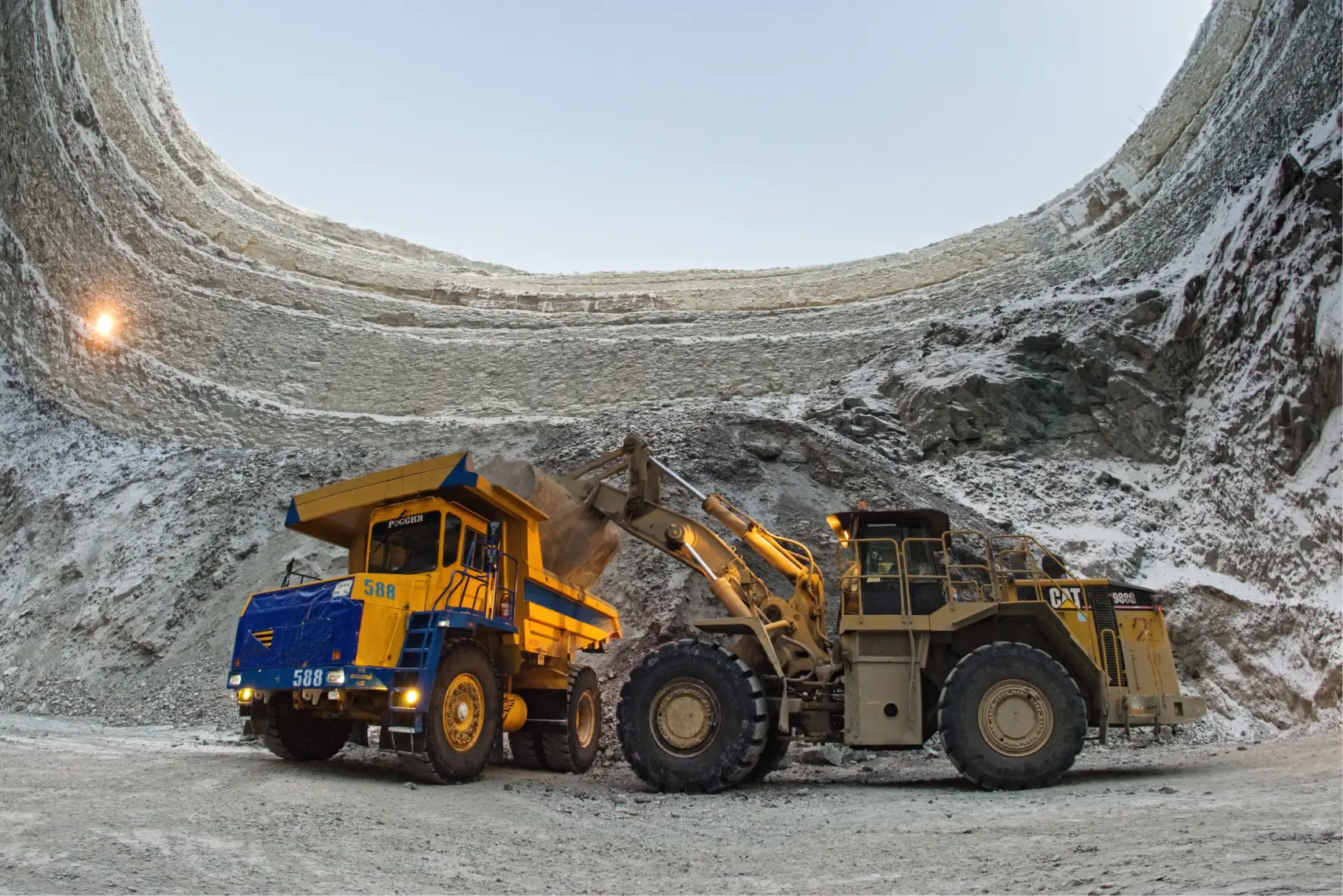
The most common method is open-pit mining. After stripping operations, excavators and dump trucks deliver kimberlite to processing plants. The rock is destroyed by explosions, the quarry is deepened. But the method has a limit: the risk of collapses and the complexity of the work increase with depth. Thus, the Udachnaya pipe mine reached its limit in 2015, after which ALROSA switched to underground mining.
Mine: when deep
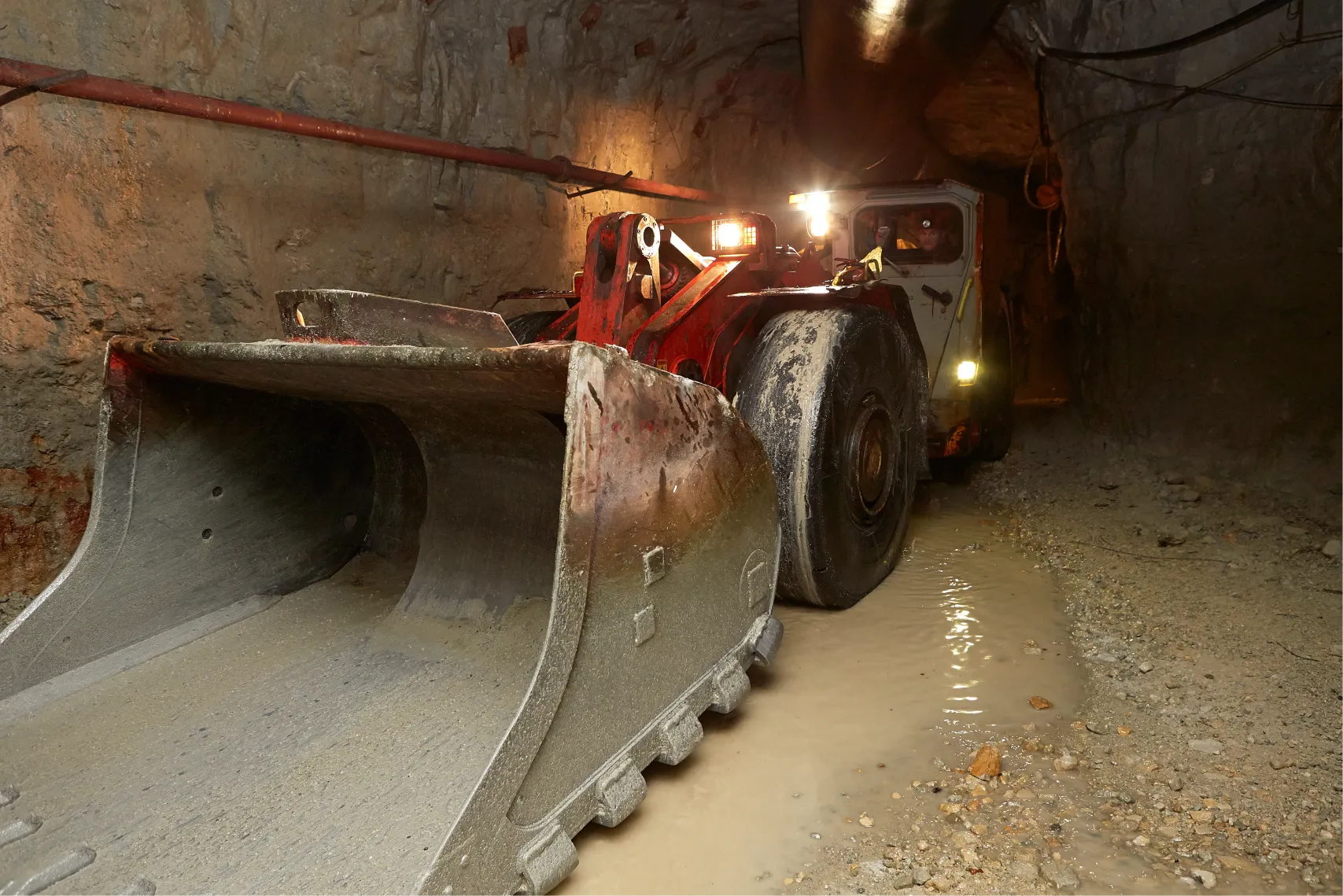
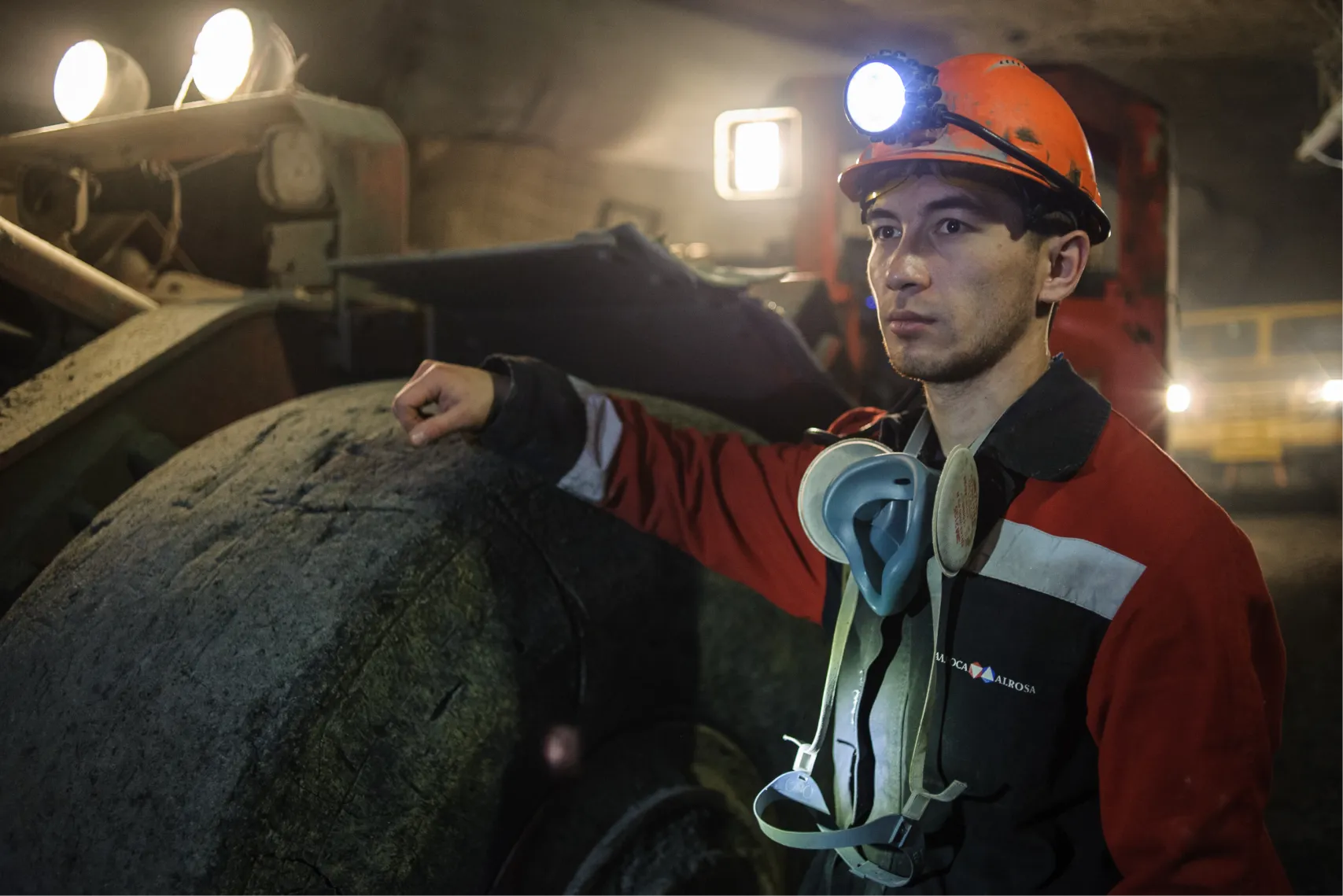
If reserves go below the safe depth of the quarry, an underground mine is built. They lay trunks, strengthen walls, provide ventilation and water pumping. Diamonds are brought to the surface as they are mined. However, if technology is violated, accidents can occur – as happened with the Mir pipe in Yakutia.
Placers: seasonal “vacuum cleaner”
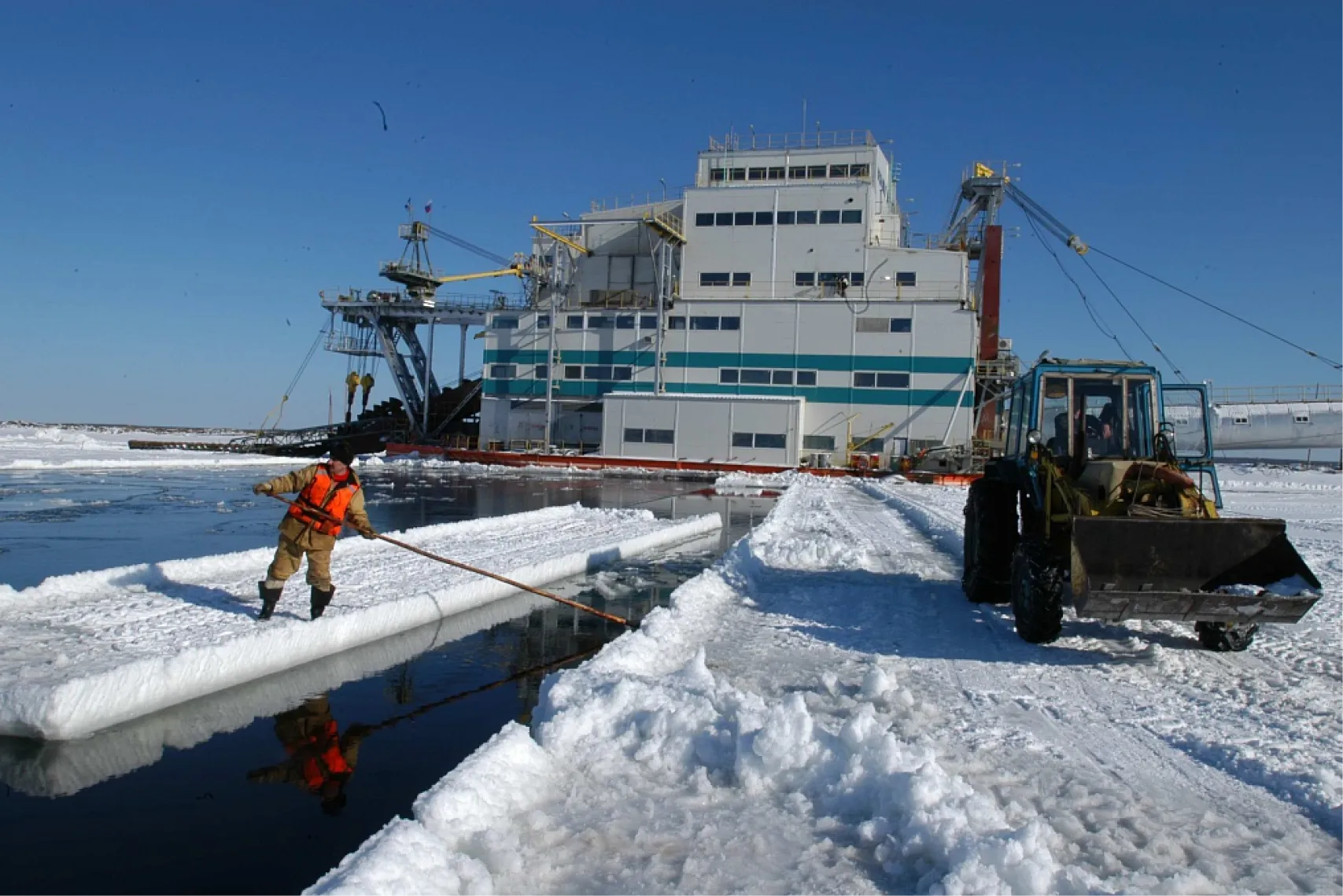
Placer diamonds are mined in the summer, before the rivers freeze. Dredging machines are used: they “walk” along the bottom and wash the soil, separating minerals by density. The method is simple, but seasonal and low-concentrated – placers are poor compared to tubes.
Enrichment: from lump to crystal
Once mined, the kimberlite rock is transported to factories where diamonds are extracted for their unique physical properties. But the approach here is completely different from, say, gold enrichment.
The main difference is fragility. Gold is a metal; it can be ground almost to dust without fear of damage. Diamond, although the hardest mineral, is also fragile: with strong impacts, it can break. That’s why:
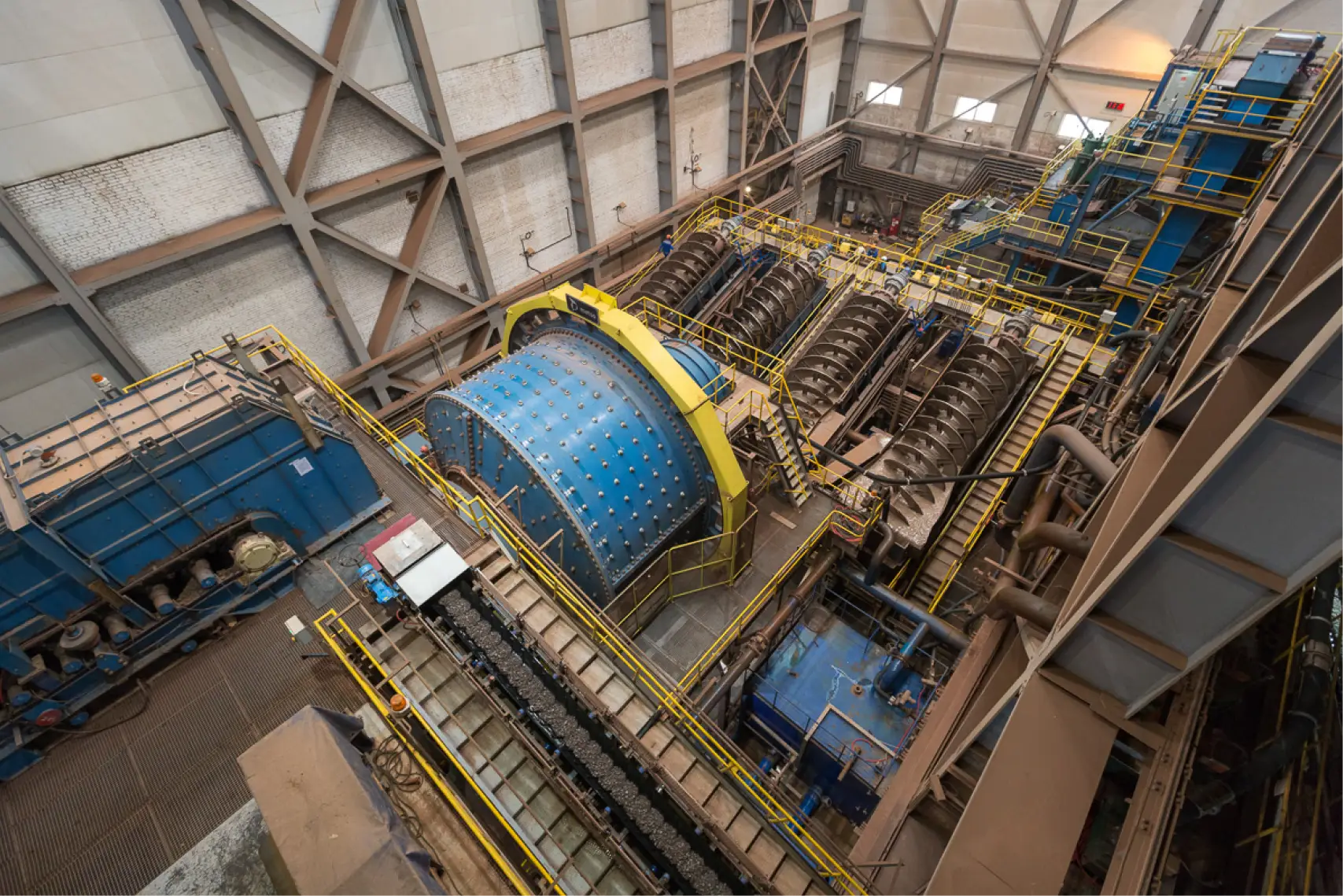
- Diamond ore is crushed very carefully. At the first stage, jaw crushers are used – plates that compress the rock without impact. Then wet autogenous grinding mills are used, where the rock crumbles under the influence of gravity rather than rigid mechanisms. All this is to avoid damaging the diamonds.
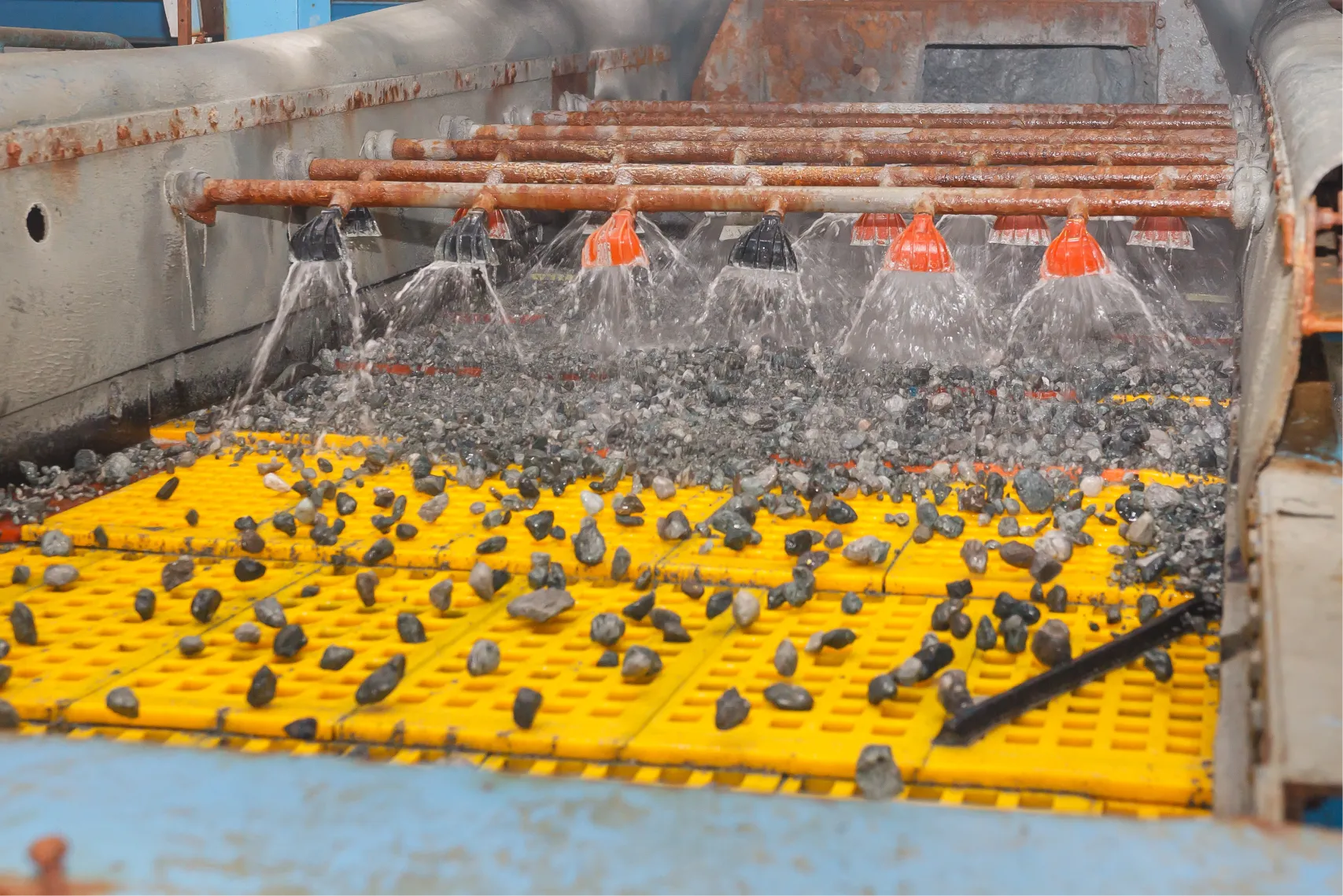
- Sort by size goes through vibrating sieves (screens) with cells of different sizes. Each faction class is directed along its own line – large fragments cannot be mixed with small ones.
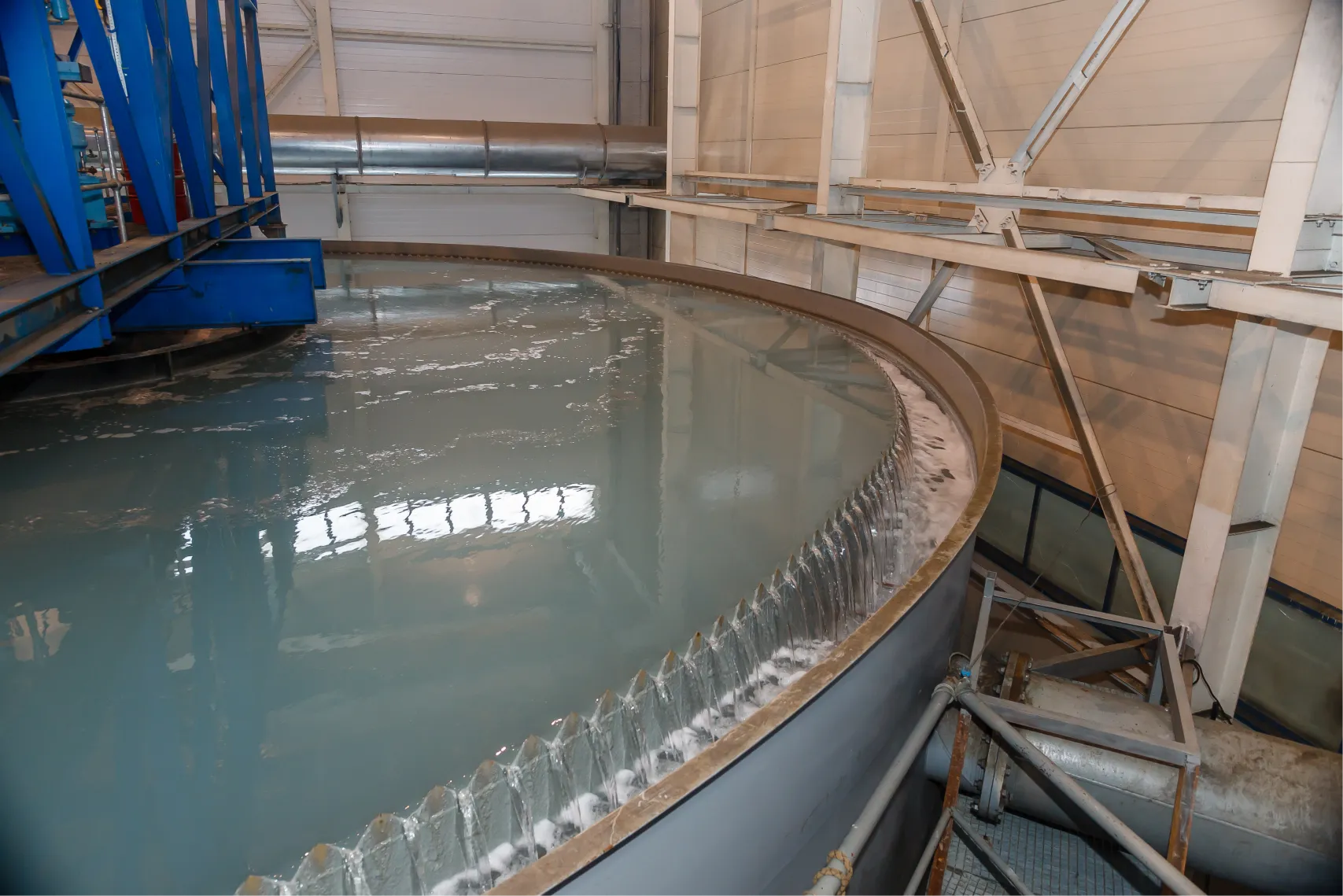
- Next are physical methods. The middle fractions are sent to pneumatic flotation: diamonds stick to air bubbles and float up. Large ones are irradiated with x-rays: the crystals glow, and the automation “spits” them out of the flow. Small ones are separated according to hydrophobicity using film separators.
- The final stage is manual sorting. People clean and calibrate diamonds, selecting crystals for different purposes – from technical needs to cutting.

Two troubles for the diamond industry
The Russian diamond industry faces two serious challenges: the flooding of existing mines and the lack of new explored deposits. These issues call into question the sustainability of the industry in the coming decades. Is everything so critical – and are there solutions?
Water against the mine
One of the key threats is groundwater. For example, in Yakutia the Metegero-Ichersky aquifer is becoming a serious problem. In August 2017, the Mir pipe mine was flooded due to a water breakthrough. The tragedy claimed lives, and the mine itself was transferred to wet conservation mode with partial pumping. If work can be resumed by 2031, the quarry will already have accumulated about 70 million cubic meters of brines.
Difficulties with water disposal also arise at the Lomonosovskoye field in the Arkhangelsk region (Arkhangelskaya, Karpinskogo-1, Karpinskogo-2, Pionerskaya pipes). Water here is pumped out at a speed of up to 6,000 cubic meters per hour – comparable to the flow rate of an average city water supply.
“In permafrost, the water is frozen. If the permafrost melts, there will be more water, but today there can be no “sea” there. The problem is controllable – it all depends on freezing technology and monitoring conditions.”
Vladimir Shchukin
The situation requires ongoing geotechnical monitoring and investment in sustainable infrastructure solutions. However, according to experts, the threat can be minimized through proper design and the use of modern technologies.
Diamonds are running out – where to look for new ones
The second problem is the depletion of known deposits and the insufficient pace of geological exploration. Of the more than 800 kimberlite pipes in Russia, the most industrially significant turned out to be only 13. At the same time, many have been developed for decades and are already close to development. For example, the Mir and Udachnaya pipes in Yakutia have long required a transition to deeper underground mining, which significantly increases costs.
In 2024 for geological exploration sent 5.95 billion rubles. This is a significant amount, but it is not enough for the full discovery of new deposits: searching, drilling and calculating reserves require from 5 to 10 years and dozens of expeditions.
“Geological exploration is lagging behind due to lack of funding and sophisticated technologies. Without investments, we can’t expect new discoveries.”
Vladimir Shchukin
Global diamond production is under threat. The reserves of the largest deposits are being depleted, mines are closing, and synthetics are increasingly advancing. Russia, while remaining a world leader, faces sanctions and internal challenges. What awaits natural diamonds and will they be able to maintain their value in the new reality? Read the analysis: Natural diamonds versus synthetics: who will win?
The future of the industry lies in exploration and technology
Russia remains the world leader in diamond mining, providing about 30% of the global volume. In 2024, ALROSA produced 33.1 million carats – 3% less than a year earlier. At the same time, the main diamond regions – Yakutia and the Arkhangelsk region – are faced with simultaneous problems: flooding of mines, the development of old deposits and a lack of proven reserves.
Today there are 135 geological exploration licenses in force in the country. 14 new fields are being prepared for launch, including Snegurochka, Zapadno-Svetlinsky and Tarydaksky areas. These projects are a chance for the industry not only to survive, but also to renew itself.
As ALROSA chief geologist Roman Zhelonkin noted at the Forum “Khozaktiv ALROSA 2025”:
“It would seem that despite all the research, the chances of success are decreasing every year. I believe that this is not so, quite the opposite. An example is the discovery in 2020 of a large kimberlite pipe named after. Morozov practically in the face of enrichment plant No. 14. This suggests that even within the infrastructure of mining and processing plants and known diamond-bearing fields, there are still underexplored areas.”
He notes that local forecast with a clear geological justification allows you to hit the target directly – but solves the problem only for a specific mining and processing plant. To ensure strategic growth of reserves, it is necessary look for new kimberlite fields, concentrating efforts on the most promising territories and applying the entire arsenal of modern technologies and geological experience.
This is where the future of the industry lies. The sooner full-scale work begins on promising areas, the higher the chance of maintaining a position in the global market.
What do you think about the prospects for the diamond industry? Have you encountered intelligence problems in practice? Share your opinion in the comments – it is important for us to hear the view from the inside.
The material was prepared with the support of the Russian Ministry of Education and Science as part of the Decade of Science and Technology