Global automakers are increasingly replacing copper with aluminum in vehicle wiring. Following Tesla and several Chinese EV manufacturers, Ferrari and BMW have also embraced lightweight aluminum conductors. After serving as the industry’s standard for more than two centuries, copper is beginning to lose ground under the pressure of record-high prices.
According to JPMorgan, metal substitution could affect around 2% of global copper demand this year. Over the next several years, as much as 6% of the market could shift away from copper. The main driver is the structural rise in copper prices, fueled by constrained supply and booming demand from the renewable energy sector and AI data centers. Copper prices briefly approached $15,000 per tonne in late January and currently remain more than 4.2 times higher than aluminum prices.
Ferrari introduced aluminum power cables in its 296 hybrid sports car last year before expanding the solution to other models, including its first fully electric vehicle, Luce. The company says the decision was driven by performance rather than cost savings. Nevertheless, the economics are compelling: aluminum costs roughly $3,100 per tonne and reduces wiring weight by up to 20%.
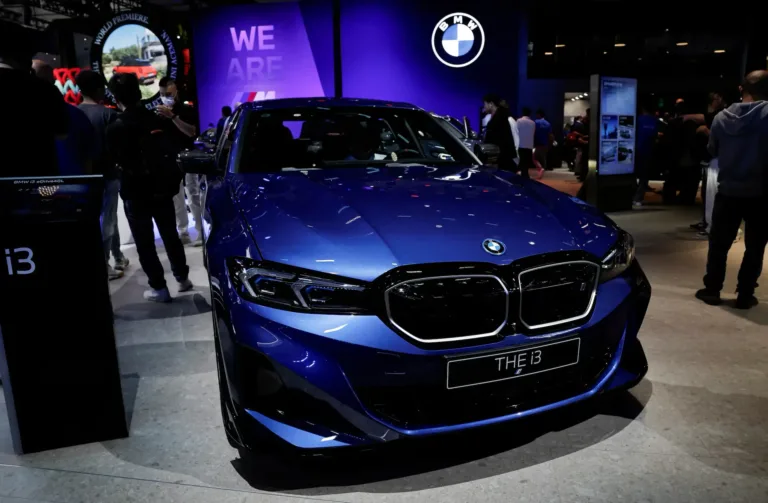
BMW has been experimenting with aluminum conductors since 2011. Today, the company uses them extensively in both high-voltage and low-voltage electrical systems on its latest eDrive electric vehicle platform.
Chinese electric vehicle manufacturers remain at the forefront of the transition. AVATR, XPeng, and Xiaomi have already adopted aluminum wiring. According to analysts at Zhuochuang, between 25% and 30% of copper components used today in China’s power sector, automotive industry, and household appliances could be replaced with aluminum by 2030. The transition received additional momentum after the Chinese government issued a policy document promoting metal substitution in March 2025.
The shift is not without trade-offs. Aluminum is lighter and significantly less expensive than copper but has lower electrical conductivity, meaning more material is required to carry the same amount of current. Aluminum production is also highly energy-intensive and generally has a larger carbon footprint. In addition, U.S. tariffs continue to create uncertainty for manufacturers. Despite these challenges, the trend continues to gain momentum. Norwegian aluminum producer Hydro reports steadily growing sales of aluminum tubes for heating and air-conditioning systems. French cable manufacturer Nexans says customers typically begin switching to aluminum once copper becomes more than 3.5 times as expensive. Today, that threshold has been exceeded by a wide margin.
Copper’s two-century dominance in electrical wiring is beginning to erode. Aluminum’s lighter weight and price advantage now outweigh many of its drawbacks, particularly for electric vehicles, where reducing mass translates directly into longer driving range and lower manufacturing costs.
Source: Reuters
Image: Tingshu Wang