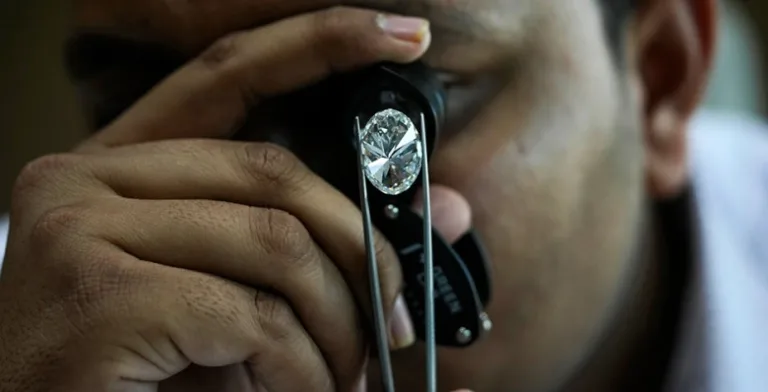
In 2025, India imported $406 million worth of Russian rough diamonds. This is 39% less than a year earlier. December was especially significant: import volumes fell to $12 million, which is 63% lower than the level of the same month in 2024.
A drop in direct supplies has been observed for two years now, which is associated with the introduction of G7 sanctions against Russian diamonds. Before the restrictions were introduced, Russia was one of the main suppliers of raw materials for Indian cutting enterprises.
General diamond import to India also decreased, although not as dramatically. Over the year, the country imported $16.76 billion worth of raw materials, which is 6% less than in 2024. At the same time, the geography of suppliers continues to transform.
The United Arab Emirates remains the largest partner. India increased purchases from them by 6.5%, bringing the volume to $8.46 billion. Imports from Hong Kong rose 5.6% to 2.48 billion. At the same time, supplies from Belgium decreased by 12% (to 1.91 billion), and from the United States fell by a third – to 1.7 billion.
India remains the world’s leading diamond processing site. About 90% of all stones mined in the world, mostly small ones, are cut here. According to the Kimberley Process, Russia accounts for approximately 29% of global diamond production by value.
The contrast with the UAE is telling. The Emirates do not have their own production, but thanks to their developed trade infrastructure and status as an international hub, they exported 85.7 million carats worth $9.83 billion. This clearly demonstrates how global flows are being restructured to bypass direct supplies from Russia.
Sanction pressure is forcing Indian importers to look for workarounds. Direct purchases from Russian manufacturers are declining, but diamonds continue to enter the market through third countries, primarily through the UAE. For the Indian manufacturing industry, this means higher logistics costs and increased dependence on intermediaries, which ultimately reduces business margins.
Source: @dprom
Image: Ajit Solanki