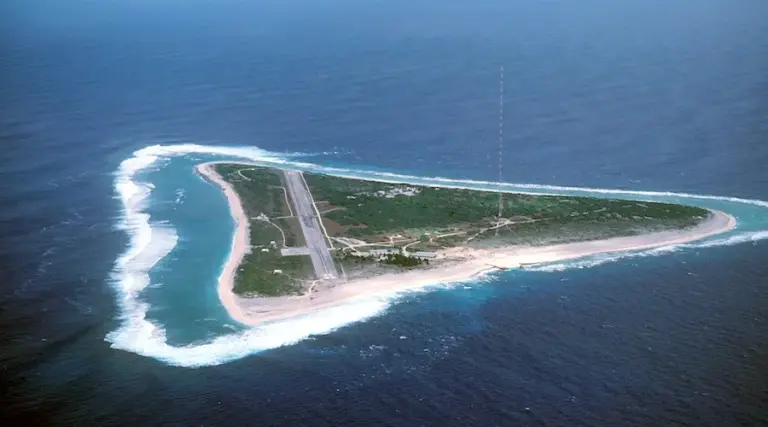
Japan begins pilot project to extract rare earth elements from deep-sea mud at the bottom of the Pacific Ocean. This is an ambitious project that will help the country provide itself with strategic materials needed for industry and technology. The first tests will take place from January to February 2026 near the island of Minamitori, located 1,900 kilometers southeast of Tokyo.
Testing of the unique deep-sea mining system will be carried out at a depth of approximately 6,000 meters. The Japan Marine Science and Technology Agency plans to lift approximately 350 tons of rare earth mud per day while monitoring the impact of the work on the marine environment. This is the first ever continuous process of lifting materials from such significant depths.
The technological process of extraction includes several stages. Once the sludge is raised to the surface, the material will be transported to Minamitori Island, where special equipment similar to a washing machine centrifuge will remove the seawater. This operation will reduce the volume of material by approximately 80 percent. The concentrated sludge will then be sent to the main islands of Japan for final separation and processing. rare earth elements.
According to the director of the program for promoting strategic innovation, Ishii Shoichi, one of the main priorities of the project is to create its own supply chain for rare earth elements. This will allow Japan and its partners to avoid dependence on exports from China, which controls most of the world market for rare earths. The strategic importance of the project increased after the Chinese navy conducted operations in Japan’s exclusive economic zone near Minamitori in June this year.
The government project required an investment of about 40 billion yen, which is approximately $256 million. Since 2018, the Japanese government has been funding the development of deep-sea rare earth mining technology. If current testing is successful, the agency plans to have the system up and running by February 2027 with the same daily output of 350 tons of sludge.
Source: MINING.COM
Photo: Don Sutherland