Kazakhstan is working on creating a state strategic uranium reserve that will supply fuel to future nuclear power plants. Under the nuclear industry development strategy through 2050, at least 150,000 tonnes of the metal are planned to be set aside. This was reported at a Kurultai committee meeting by Almasadam Satkaliyev, chairman of the Atomic Energy Agency.
The agency is revising its approaches to subsoil use in the uranium industry. Uranium is viewed not only as a raw material but as a strategic resource for the country’s long-term economic development. The reserve is conceived as a multi-tier system covering the entire nuclear fuel supply chain: from reserving deposits in the subsurface to creating a physical stockpile of natural uranium and a reserve of finished fuel.
The initiative comes from President Kassym-Jomart Tokayev, who in his address to the nation said the needs of Kazakhstan’s nuclear plants must be covered for the next century. By estimates, up to 300,000 tonnes of uranium may be required to run the future plants for 100 years. The country’s explored reserves stand at about one million tonnes, and Kazakhstan has held first place in the world in uranium production since 2009.
In parallel, plant construction is under discussion. Tokayev indicated that construction of the Balkhash nuclear plant could begin as early as next year and instructed officials to sign a comprehensive cooperation agreement to speed up the Moinkum project. It is also important to involve foreign partners in creating high-tech production and training domestic nuclear specialists. Such proposals are coming from Russian and Chinese companies.
A strategic reserve turns uranium from an export commodity into an instrument of energy security. If the plans are realized, Kazakhstan will supply its own plants with fuel for decades ahead and strengthen its position as a key player in the global nuclear market.
Source: Kazinform
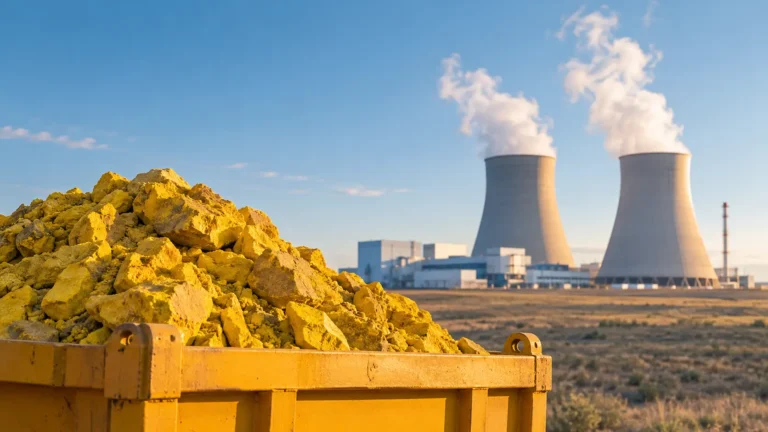
Image: AI-generated