In the high-mountainous Tyrnyauz, two large-scale industrial facilities are being built simultaneously: one for the extraction of tungsten and molybdenum, the other for gold. Total investments exceed 105 billion rubles. By 2028, they plan to process up to 3.5 million tons of ore per year and create about two thousand jobs. Shared transport infrastructure reduces costs and speeds up launch.
The main project on strategic metals is being implemented by JSC Elbrusmetall (part of Rostec). The company has already issued a license, prepared a feasibility study according to the international JORC standard and confirmed reserves of 223 million tons of ore – this is 37% of the total Russian tungsten reserves. A 12-kilometer access road is ready, on which 4.1 billion rubles were spent from extra-budgetary sources. In 2028, an underground mine and processing plant with a capacity of 1.5 million tons of ore annually will begin operation. The concentrates will be transported to Nevinnomyssk for processing. The total budget for this part is 55.7 billion rubles, of which 46 billion will be spent in Kabardino-Balkaria itself.
On the neighboring plot named after B.K. Mikhailova turns around gold mining project in an open way. Land lease agreements have already been concluded, drilling and geological exploration are underway. By the end of 2026, investors will present a financial model with a budget of 50 billion rubles. Here they intend to mine gold-bearing ore, enrich it and smelt ingots. The gold project will be the first stage of the industrial cluster, and the extraction of strategic metals will be added later.
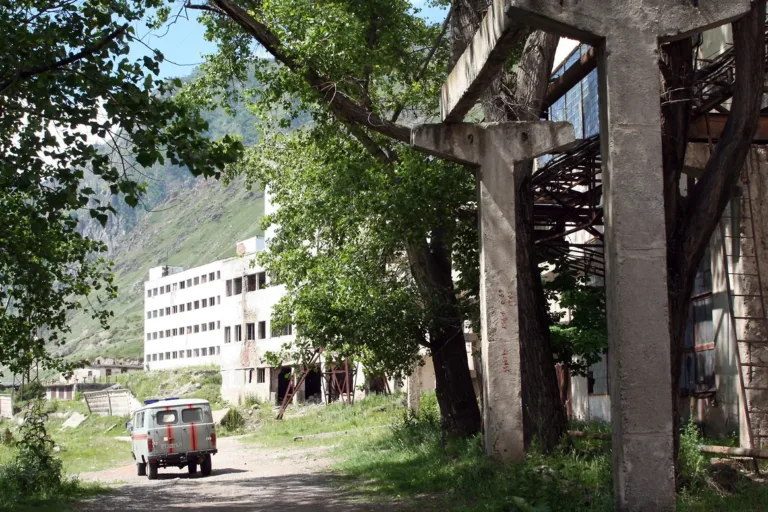
The Tyrnyuz deposit was discovered back in 1934, but it has not been operational since 2001. Now this is one of five breakthrough projects in Kabardino-Balkaria. Rostec is financing the work from its own and borrowed funds, without initial government support, although the project claims benefits as part of import substitution rare metals.
Full launch in 2028 will bring the republic hundreds of millions of rubles in taxes and strengthen Russia’s position in the global tungsten market: Tyrnyauz’s reserves cover more than a third of domestic demand. The projects reduce dependence on imports of strategic raw materials, create a modern mining cluster with processing of 2.5–3.5 million tons of ore, and provide training through local training centers.
4.1 billion rubles have already been invested, and a total of 105 billion guarantees a launch by 2028 with a peak employment of two thousand people. The revival of Tyrnyauz is a striking example of how private investment and cooperation are bringing back to life a unique field that had stood idle for a quarter of a century.
Source: Kommersant
Image: Vasily Deryugin