The Mongolian government has made a difficult decision in favor of economic development. The boundaries of the Noyon Mountain protected area will be reduced to make way for two gold mining projects with combined reserves of nearly 53 tonnes of gold. In return, the government expects billions of dollars in revenue for the country’s National Wealth Fund.
The largest project is the Gatsuurt deposit, which contains 42.3 tonnes of gold. Mongolia holds a 34% stake, while the remaining 66% belongs to Canadian mining company Steppe Gold. The mine is expected to produce up to 4 tonnes of gold annually. Steppe Gold has proposed a $140 million advance payment to begin mining within eight months of receiving all required permits. Over the life of the project, the government expects the operation to contribute approximately $3.56 billion to the National Wealth Fund.
The second project is the Erin-Baavgait deposit, with estimated reserves of 10.5 tonnes of gold. Annual production is projected at around 1 tonne of gold, with expected government revenues totaling $883 million over the mine’s operating life.
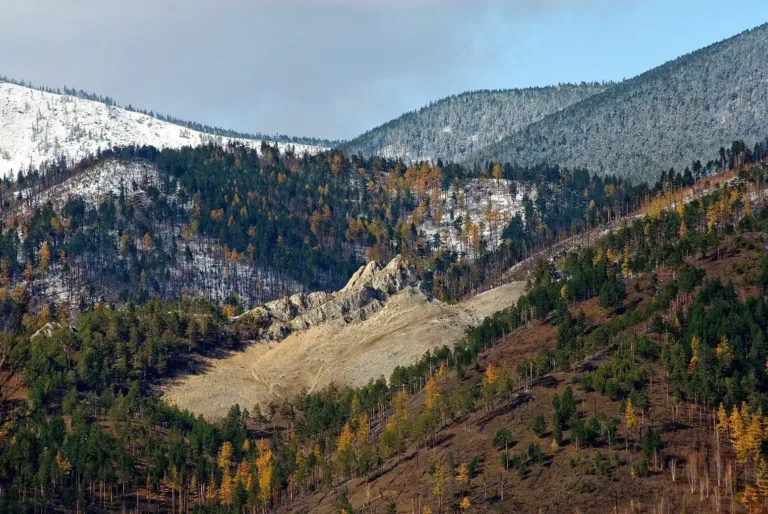
Both deposits lie within the boundaries of the Noyon Mountain protected area. To proceed with development, the government must officially amend the boundaries of the protected zone. The decision has already been announced, highlighting a policy shift that prioritizes mineral development over land conservation.
Mongolia’s total identified gold reserves are estimated at 494.3 tonnes, of which approximately 95.5 tonnes are located within protected areas. The current decision could set a precedent for revising the conservation status of other mineral-rich sites in the future.
For Mongolia, the balance between environmental protection and resource development has tipped in favor of mining. Nearly 53 tonnes of gold and more than $4 billion in projected state revenues have outweighed conservation concerns.
Source: @nerzhavey
Image: Yevgeny Karsky