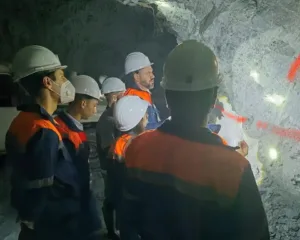
The rotational employment market in Russia underwent noticeable changes in 2026. According to analysts at the Rabota.ru job platform, the number of rotational shift vacancies fell by 10–15% compared to the previous year. The reason: employers have shifted from mass hiring to targeted, more rational workforce planning.
In some regions, however, demand actually grew by nearly a third. In Rostov Oblast and Altai Krai, for example, the number of vacancies increased by 30%. Companies are now more actively seeking not just workers, but qualified specialists with the relevant permits and experience — and are prepared to pay considerably more to attract them.
The average rotational worker’s salary rose 8–14% over the past year and now stands at 145,000–170,000 roubles per month. In certain professions, earnings reach 300,000 roubles and above. The top earners by trade are:
— Welders — up to 310,000 roubles
— Machine operators — up to 260,000
— Engineers — up to 220,000
— Drivers — up to 210,000
— Electrical fitters — up to 200,000
Experts forecast that demand for rotational workers will persist for several more years, driven by large-scale infrastructure projects, the development of extractive regions, and new industrial ventures. At the same time, companies will become increasingly selective in their hiring, placing a premium on qualified professionals.
For jobseekers, this is a clear signal: if you hold an in-demand qualification and are willing to work on a rotational basis, your prospects for strong earnings have never been better. Those planning to enter the market would be well advised to invest in upskilling — it is precisely this that employers are prepared to pay for.
Source: sakhalife.ru
Image: ALROSA